Mineral
Calcite
CaCO₃Kalsit
The main mineral of limestone, marble and cave stalactites: it fizzes in acid, and its clear crystals show everything double.
Also known as: Iceland spar (clear, optical-grade calcite)
- Everyday
- Industrial
- Mohs scale mineral

In short
Calcite is a very common mineral made of calcium carbonate. Limestone and marble are made mostly of calcite, and so are most of the stalactites and stalagmites in caves. It is soft, fizzes in dilute acid, and if you look through a clear piece, writing appears doubled.
How does it form?
Calcite usually forms when calcium carbonate dissolved in water is deposited. Many marine organisms build their shells and skeletons from calcite or its sister mineral aragonite, and as these shells pile up they form limestone. When limestone recrystallises under heat and pressure, it becomes marble. Stalactites and stalagmites left by dripping water in caves, and the travertine that builds up around hot springs, are made of calcite too. In cracks and cavities, large, well-shaped crystals grow.
What is it used for?
- Cement and lime: Limestone made of calcite is the main raw material for cement and quicklime.
- Filler: Finely ground calcite is used in many products, including paper, paint, plastics and toothpaste.
- Optics: Because it splits light in two, clear Iceland spar was once used to polarise light in polarising microscopes.
- Building stone: Marble and travertine, both made of calcite, have been used for buildings and sculpture for thousands of years.
How to recognise it
- 1
A drop of cold, dilute hydrochloric acid makes it fizz at once; in vinegar it slowly gives off bubbles.
- 2
Its hardness is 3: a steel knife scratches it easily, but a fingernail cannot.
- 3
It breaks along flat surfaces in three directions, giving rhombohedral pieces that look like slanted boxes.
- 4
Placed over writing, a clear piece shows the writing double (double refraction).
Fakes and imitations
What shops usually don’t tell you:
- Banded stones sold as “Mexican onyx” or “onyx marble” are usually calcite or aragonite; true onyx is a variety of chalcedony in the quartz family.
- Some polished calcite in vivid oranges, blues or greens has been dyed. In dyed stones the colour often concentrates in cracks and along cleavage planes.
Did you know?
Calcite is the reference mineral for 3 on the Mohs hardness scale.
The brilliant white terraces of Pamukkale are made of travertine deposited by calcite-rich hot springs.
Where is it found?
Loading map…
- Helgustaðir, Reyðarfjörður, Iceland · Historic sourceClassic source of “Iceland spar”, the clear calcite used in optical instruments
- Elmwood mine, Tennessee, USA · Known localityLarge, golden calcite crystals
- Dalnegorsk, Primorsky Krai, Russia · Known locality
- Pamukkale, Denizli, Türkiye · Known localityTravertine terraces deposited by calcite-laden thermal waters; UNESCO World Heritage Site
Locations are approximate to protect sites. Red dots mark places in Türkiye. Open in the big map →
Sources
- Handbook of Mineralogy: Calcite · Mineralogical Society of America
- Hierapolis-Pamukkale · UNESCO World Heritage Centre, 1988
External links
Draft: awaiting expert reviewReport an error ↗
On the same step
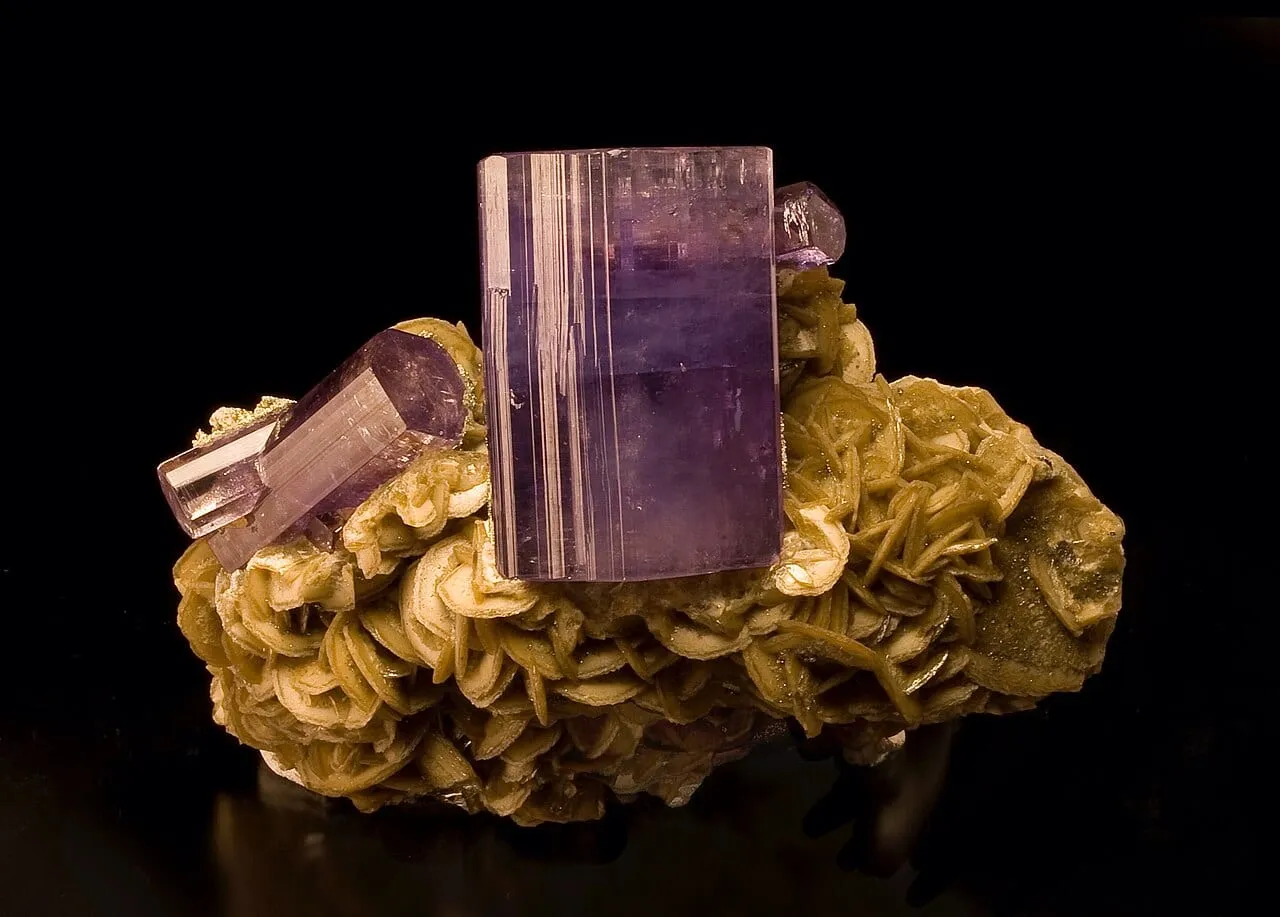
Apatite
A mineral cousin of our teeth and bones, the source of the phosphorus in fertilisers, and number 5 on the Mohs scale.
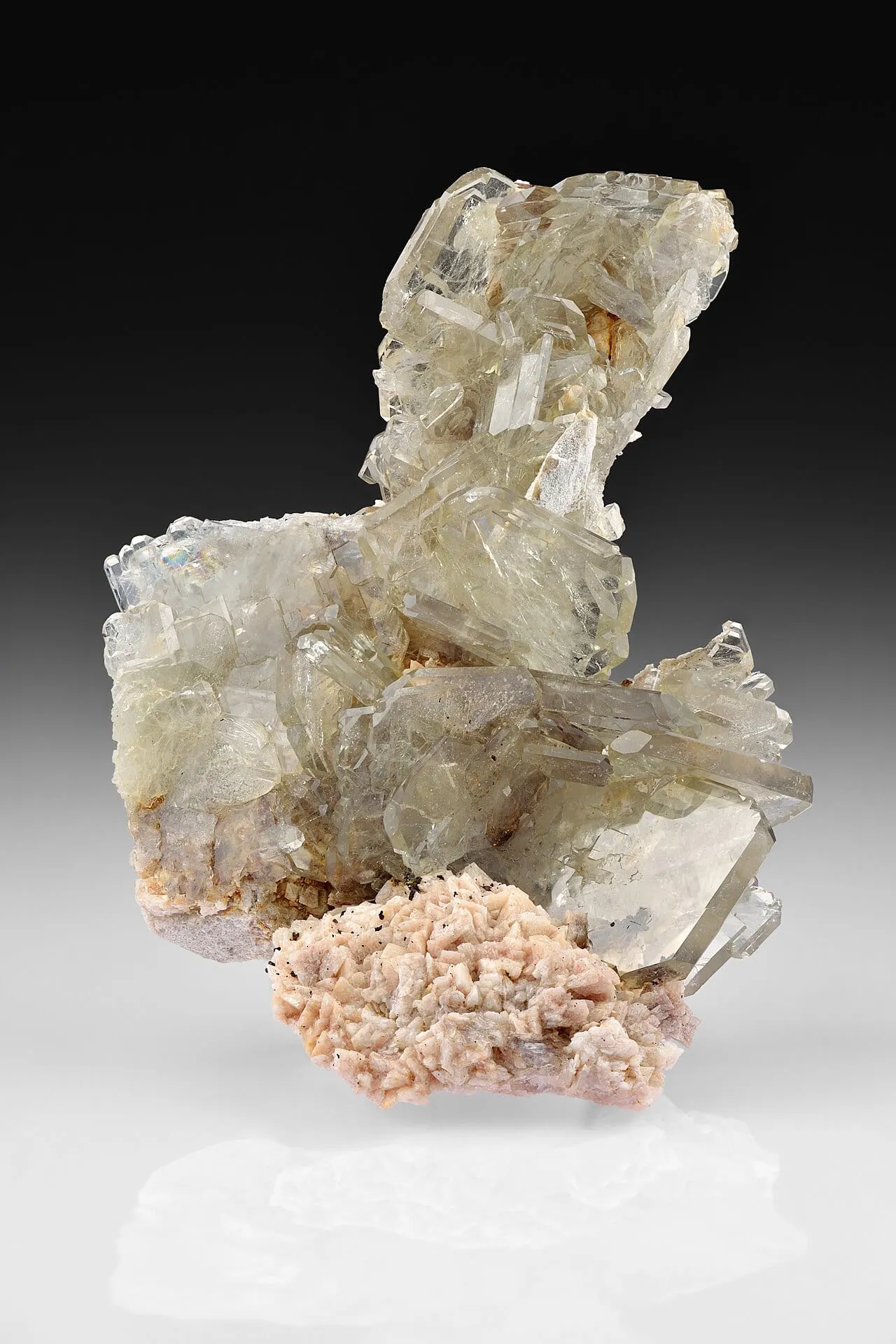
Baryte
A pale barium mineral that feels surprisingly heavy in the hand; even its name comes from the Greek word for heavy.
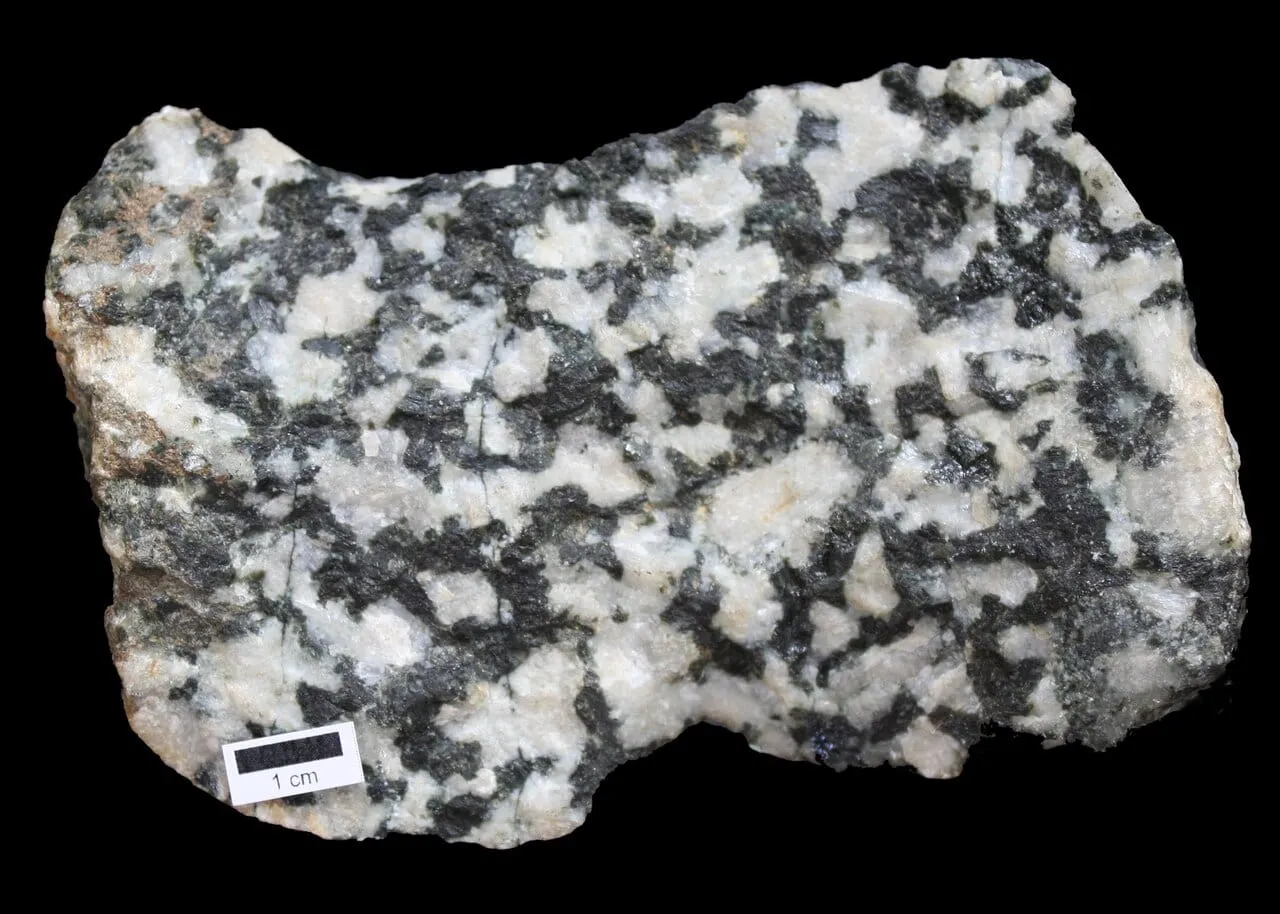
Diorite
A black-and-white, “salt-and-pepper” plutonic rock whose make-up sits halfway between granite and gabbro.