Mineral
Graphite
CGrafit
The “lead” in your pencil: a soft, slippery mineral made of carbon, the same element as diamond, yet utterly different.
Also known as: Plumbago · Black lead (old name)
- Industrial

In short
Graphite, like diamond, is made only of carbon. But while diamond’s carbon atoms are tightly bonded in every direction, in graphite they are arranged in thin, stacked layers. These layers slide easily over each other, so graphite is very soft, feels slippery and leaves a grey mark when rubbed on paper.
How does it form?
Graphite mostly forms when sedimentary rocks containing the remains of plants and other organisms are buried deep and metamorphosed by high temperature and pressure: the carbon of the organic matter gradually reorganises into orderly graphite layers. Coal seams can also turn into graphite when heated. In some deposits, as in Sri Lanka, graphite occurs as very pure veins left in cracks by hot fluids.
A relative of diamond
Graphite and diamond are two different mineral forms of the same element; such minerals are called polymorphs. Graphite is the form that is stable at Earth’s surface. Diamond needs very high pressure and forms only deep inside the Earth. A single, one-atom-thick layer of graphite is called graphene; research on graphene won the 2010 Nobel Prize in Physics.
What is it used for?
- Batteries: It is the main material of the negative electrode (anode) in lithium-ion batteries.
- High temperatures: It withstands extreme heat, so it is used for crucibles, refractory bricks and the electrodes of steel furnaces.
- Pencils and lubricants: It is used in pencil cores and as a dry lubricant.
In Türkiye, graphite occurrences are known in provinces such as Balıkesir, Kastamonu and Yozgat, but most of them are fine-grained (amorphous) graphite.
How to recognise it
- 1
It is very soft (hardness 1–2): a fingernail scratches it, and it leaves a grey-black mark on paper and fingers.
- 2
It feels greasy or slippery and splits into thin, flexible flakes.
- 3
It is iron-black to steel-grey with a metallic shine, yet light (specific gravity about 2.1–2.2).
- 4
Its closest look-alike is molybdenite, which is more bluish grey, clearly heavier (about 4.7) and leaves a greenish streak on glazed porcelain; graphite’s streak is black.
Fakes and imitations
What shops usually don’t tell you:
- Molybdenite: a soft, flaky molybdenum sulfide mineral that looks very like graphite; weight and streak colour help to tell them apart.
- Shungite: a carbon-rich rock from Karelia in Russia; it is not graphite and is often sold with health claims that have no scientific support.
Safety
Graphite is harmless to handle. However, breathing large amounts of graphite dust over long periods during grinding and processing can cause lung disease; suitable masks should be worn in dusty conditions. Graphite conducts electricity, so its dust should be kept away from electrical equipment.
Did you know?
Its name comes from the Greek “graphein”, meaning “to write”; it was given in 1789 by the German mineralogist Abraham Gottlob Werner.
There is no lead in a pencil: the core is a mixture of graphite and clay. The name “lead” survives from the days when graphite was mistaken for a lead ore.
Where is it found?
Loading map…
- Borrowdale, Cumbria, England · Historic sourcePure graphite deposit found in the 16th century; the raw material of the first pencils
- Sri Lanka · Major depositVein-type, very pure graphite (“Ceylon graphite”)
- Jixi, Heilongjiang, China · Major depositAmong the world’s largest flake graphite resources
Locations are approximate to protect sites. Red dots mark places in Türkiye. Open in the big map →
Sources
- Handbook of Mineralogy: Graphite · Mineralogical Society of America
- Dünyada ve Türkiye’de Grafit · MTA Genel Müdürlüğü, Fizibilite Etütleri Daire Başkanlığı, 2023
External links
Draft: awaiting expert reviewReport an error ↗
On the same step
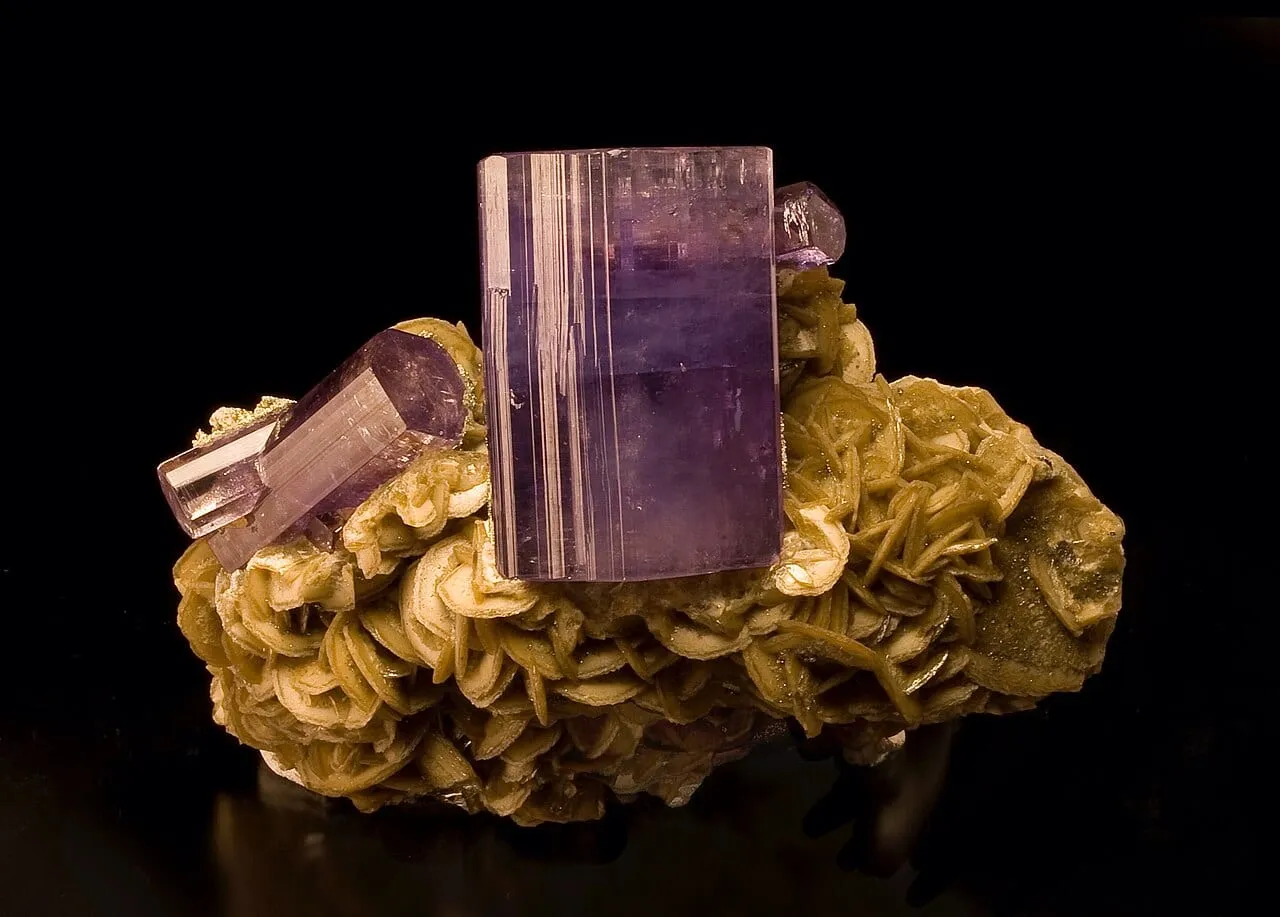
Apatite
A mineral cousin of our teeth and bones, the source of the phosphorus in fertilisers, and number 5 on the Mohs scale.
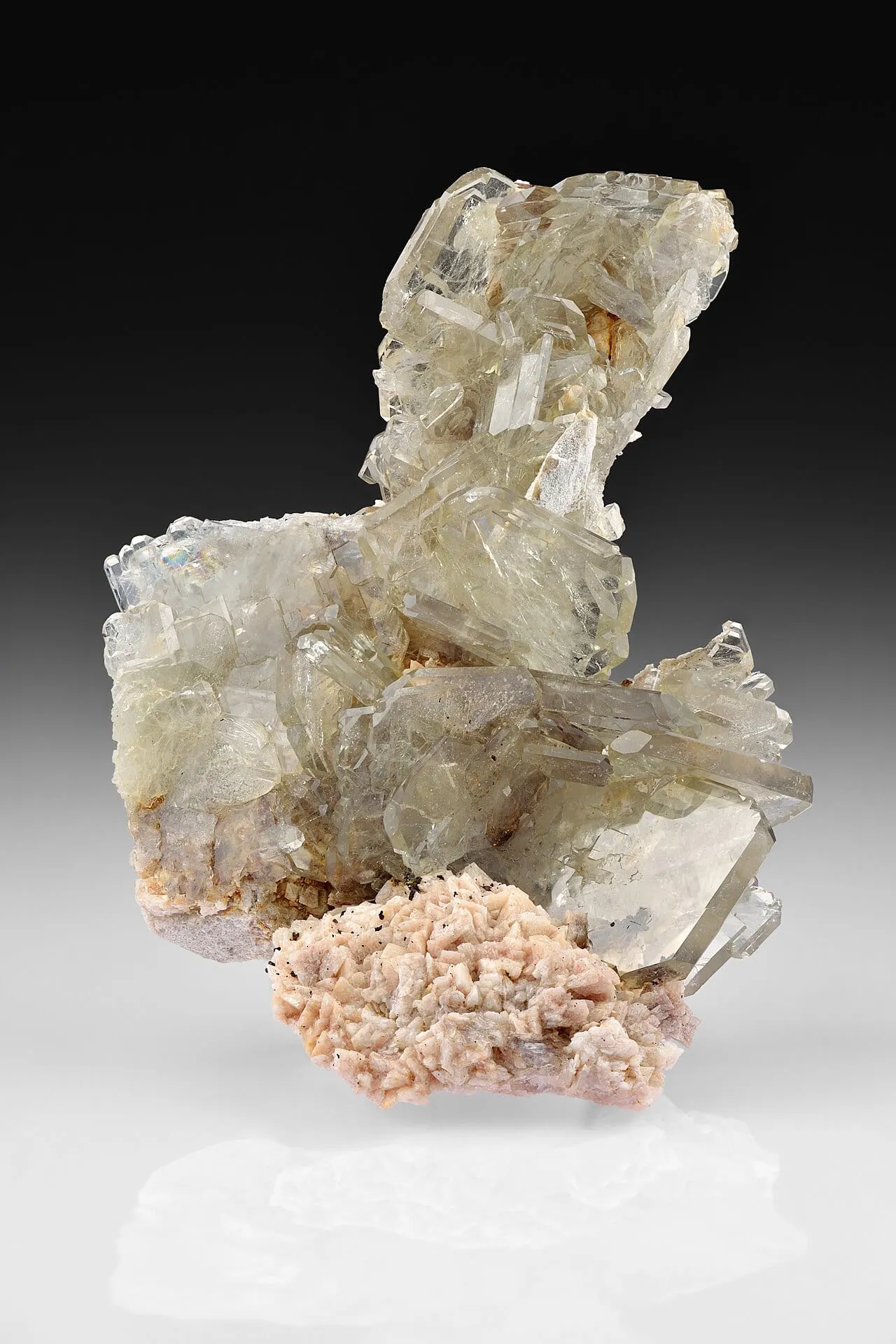
Baryte
A pale barium mineral that feels surprisingly heavy in the hand; even its name comes from the Greek word for heavy.
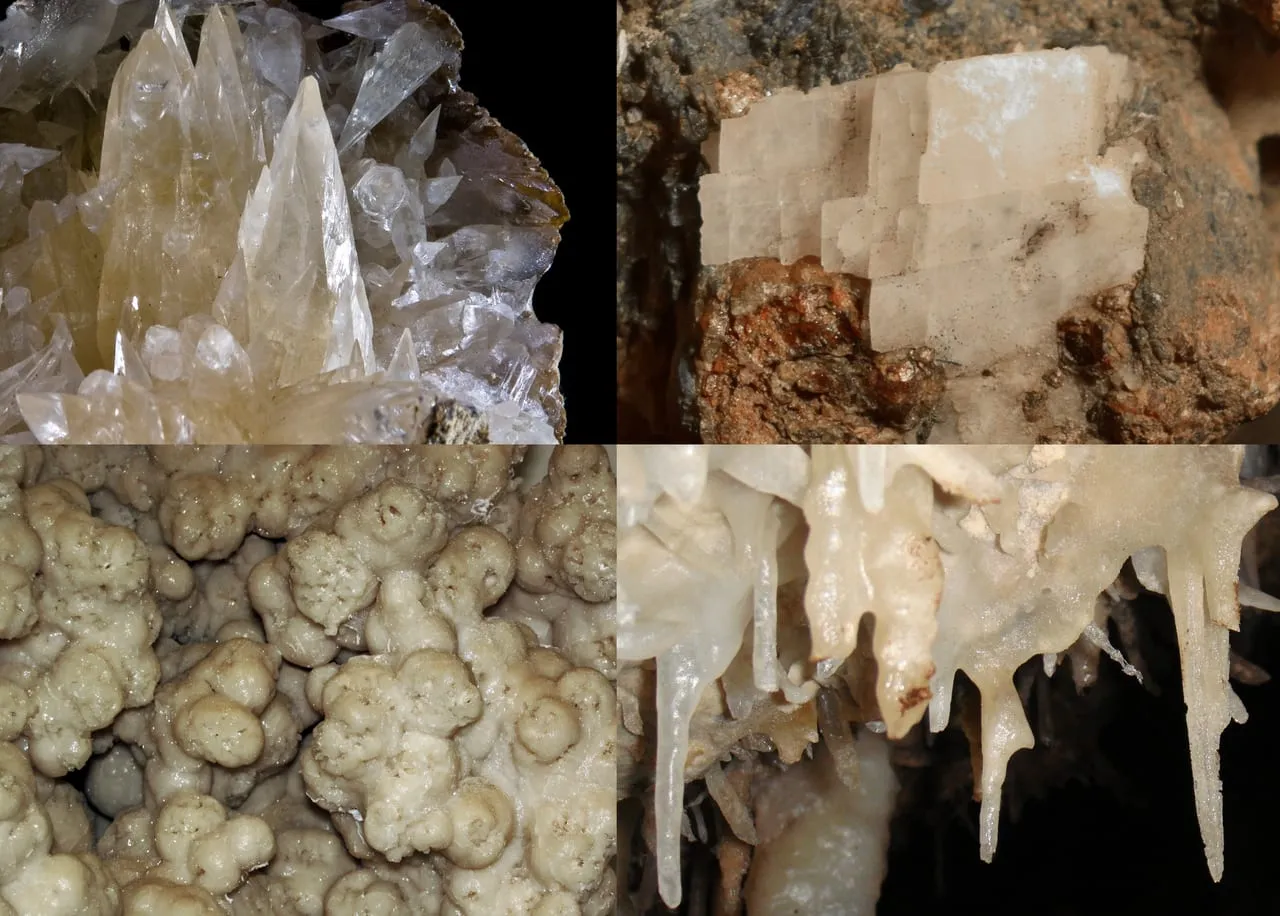
Calcite
The main mineral of limestone, marble and cave stalactites: it fizzes in acid, and its clear crystals show everything double.