VarietyA variety of Chalcedony
Chrysoprase
SiO₂Krizopras
Apple-green chalcedony coloured by nickel: a translucent ornamental stone prized for its green colour alone, not for a pattern.
Also known as: Chrysophrase · Prase (darker green kinds)
- Popularly: Semi-precious stone
- Gemstone
- Ornamental
- Important in Türkiye
In short
Chrysoprase is the apple-green variety of chalcedony that contains small amounts of nickel. Its colour ranges from yellowish green through turquoise-like blue-green to deep green. Emerald takes its green from chromium, whereas chrysoprase gets it from very fine inclusions of nickel silicates. Unlike most chalcedony, it is its green colour, not a pattern, that makes the stone desirable. It is mined in Türkiye too: deposits are known around Biga, Bilecik, Sivrihisar, Oltu and Savur.
Photos
How does it form?
Chrysoprase forms during the deep weathering (lateritisation) of nickel-rich ultramafic rocks such as serpentinite. In the Australian deposits it occurs as veins and nodules with goethite and other iron oxides in magnesite-rich weathered ground. At İkizce in Türkiye it formed in cracks at the contact between metamorphic rocks and serpentinite, at 100–180 °C in an alkaline environment; when the temperature later rose, true quartz crystals grew on the chrysoprase nodules.
What is it used for?
- Jewellery and ornaments: cabochons, beads and small objects are made from it. Turkish Wikipedia says the stone has been used in rings and jewellery as cameos or seal stones since before Roman times.
- Fashion: English Wikipedia notes that chrysoprase was fashionable in the 1980s.
Where is it found?
The best-known sources are Indonesia, Queensland and Western Australia, Tanzania, Germany, Poland, Russia, Arizona, California and Brazil. Deposits in central Tanzania have been in constant production since 1986. The Szklary deposit in Poland is probably the biggest chrysoprase occurrence in Europe and possibly in the world. The vivid green of the stone from Marlborough in Queensland comes from a nickel content reported to be as high as 2.35%.
In Türkiye
Five fields with chrysoprase in commercial amounts are known in Türkiye: Biga (Çanakkale), İkizce (Bilecik), Sivrihisar (Eskişehir), Oltu (Erzurum) and Savur (Mardin). The druse-structured chrysoprase of İkizce stands out in appearance and is sold on the gem market as “Crystals of İkizce”; but according to a 2018 study the quarry was not being worked at that time, because the cost of the required gemstone-working permit exceeded the commercial value of the crystals. Çiftçi, Selim and Sendir (2019) count chrysoprase among the six authentic semi-precious stones of Türkiye; samples from Alaşehir (Manisa) are yellowish green, and those from Biga, Sivrihisar and Şenkaya (Erzurum) deep green.
What determines its value?
The value of chrysoprase depends above all on the vividness and evenness of its colour: a bright, saturated, even apple green is the most sought after. Translucency and freedom from cracks matter too. Unlike most chalcedony, its value comes from its colour, not from a pattern. Dyed chalcedony and chrome chalcedony are not natural chrysoprase, and because the colour can fade with heat or sunlight, the stone needs careful storage.
This information is educational, not buying, selling or investment advice. Value varies enormously with quality and treatment.
How to recognise it
- 1
It is apple green and translucent, with a colour that is roughly even throughout the stone; it draws the eye by its colour, not by a pattern.
- 2
Its hardness is 6.5–7: it scratches glass, and a steel knife cannot scratch it.
- 3
A broken surface is curved like a shell (conchoidal), as in flint.
- 4
Its colour can fade when heated or after long exposure to sunlight, so it should not be left in the sun or in heat.
Fakes and imitations
What shops usually don’t tell you:
- Dyed chalcedony: because chalcedony is porous it takes dye easily. Very vivid, artificial-looking greens are mostly dyed, and dyeing should be disclosed.
- Chrome chalcedony: looks very similar to chrysoprase, but its colour comes from chromium, not nickel.
- Green quartz and green opal: not every green silica is chrysoprase. What sets chrysoprase apart from the others is its abundant nickel.
Myths and misconceptions
MythThe green of chrysoprase comes from chromium, like that of emerald.
FactThe green of emerald comes from chromium, but that of chrysoprase comes from very small nickel compounds in its structure. Chalcedony coloured green by chromium is called chrome chalcedony, which is a different stone.
MythEvery green chalcedony is chrysoprase.
FactNot all green silica is chrysoprase; some is green quartz or green opal. What sets chrysoprase apart is an abundance of nickel.
MythThe green of chrysoprase is permanent, so the stone can be left in sun and heat.
FactChrysoprase can fade when heated and in sunlight, and drying out during cutting and polishing can also change its colour.
What is it believed to be good for?
This section reports beliefs; it is not health information. There is no scientific evidence for these claims and no stone replaces medical treatment.
The meanings people give this stone, and who holds them:
- According to Volmar, a thief sentenced to be hanged or beheaded would escape his executioners at once if he put a chrysoprase in his mouth; Kunz suggests this may come from the belief that the stone made its bearer invisible.
- Albertus Magnus tells that Alexander the Great wore a stone called “prase” in his girdle in battle, and that a serpent bit the stone off and dropped it into the Euphrates; Kunz calls it a “victory stone”.
- Christian commentators tied chrysoprase to sacred meanings: according to one writer it stands for the work and the reward of the martyrs, according to another for sternness towards sinners.
What science says
There is no evidence that chrysoprase saves anyone from execution or brings victory or protection in battle; these are old stories. Kunz notes that medieval writers used the name “prase” very loosely, and that the stone described may have been an emerald or jade.
Did you know?
The name comes from the Greek chrysos (gold) and prason (leek).
According to Kunz, the walls of St. Wenceslas Chapel in Prague are inlaid with golden-green chrysoprase.
Where is it found?
Loading map…
- Marlborough, Queensland, Australia · Major depositAustralia's best-known chrysoprase deposit: vivid green stone with nickel reported up to 2.35%, found in veins two to eight inches thick
- Leonora area (Marshall Pool), Western Australia · Known localityMarshall Pool lies about 70 km north of Leonora; nodules of chrysoprase formed by the weathering of nickel-bearing serpentinite, together with magnesite
- Szklary, Lower Silesia, Poland · Historic sourceProbably the biggest chrysoprase occurrence in Europe and possibly in the world; a nickel mine worked at the same place until 1984
- Haneti, Dodoma Region, Tanzania · Major depositDeposits in central Tanzania have been in constant production since 1986
- Indonesia · Known localityWikipedia lists Indonesia among the best-known sources of chrysoprase; no exact site is given
- Biga, Çanakkale, Türkiye · Known localityOne of five fields in Türkiye with chrysoprase in commercial amounts; deep green stone
- İkizce, Bilecik, Türkiye · Known localityDruse-structured chrysoprase sold as “Crystals of İkizce”; formed in cracks at the contact of metamorphic rocks and serpentinite; the quarry was not being worked in 2018
- Sivrihisar, Eskişehir, Türkiye · Known localityOne of five fields in Türkiye with chrysoprase in commercial amounts; deep green stone
- Oltu, Erzurum, Türkiye · Known localityOne of five fields in Türkiye with chrysoprase in commercial amounts
- Savur, Mardin, Türkiye · Known localityOne of five fields in Türkiye with chrysoprase in commercial amounts
Locations are approximate to protect sites. Red dots mark places in Türkiye. Open in the big map →
Frequently asked questions
What is chrysoprase?
Chrysoprase is the apple-green variety of chalcedony that contains small amounts of nickel. Its colour ranges from yellowish green through turquoise-like blue-green to deep green. Emerald takes its green from chromium, whereas chrysoprase gets it from very fine inclusions of nickel silicates. Unlike most chalcedony, it is its green colour, not a pattern, that makes the stone desirable. It is mined in Türkiye too: deposits are known around Biga, Bilecik, Sivrihisar, Oltu and Savur.
What is chrysoprase used for?
Jewellery and ornaments: cabochons, beads and small objects are made from it. Turkish Wikipedia says the stone has been used in rings and jewellery as cameos or seal stones since before Roman times. Fashion: English Wikipedia notes that chrysoprase was fashionable in the 1980s.
How hard is chrysoprase?
It has a hardness of 6.5–7 on the Mohs scale. It scratches glass and steel; a steel knife cannot scratch it. Its specific gravity is 2.58–2.65 g/cm³.
Where is chrysoprase found?
Its best-known localities: Marlborough, Queensland, Australia; Haneti, Dodoma Region, Tanzania; Szklary, Lower Silesia, Poland; Leonora area (Marshall Pool), Western Australia; Indonesia.
Where is chrysoprase found in Türkiye?
Known localities in Türkiye: Biga, Çanakkale, Türkiye; İkizce, Bilecik, Türkiye; Sivrihisar, Eskişehir, Türkiye; Oltu, Erzurum, Türkiye; Savur, Mardin, Türkiye.
How can you tell if chrysoprase is real?
It is apple green and translucent, with a colour that is roughly even throughout the stone; it draws the eye by its colour, not by a pattern. Its hardness is 6.5–7: it scratches glass, and a steel knife cannot scratch it. A broken surface is curved like a shell (conchoidal), as in flint. Dyed chalcedony: because chalcedony is porous it takes dye easily. Very vivid, artificial-looking greens are mostly dyed, and dyeing should be disclosed.
Is chrysoprase valuable?
On the “street to diamond” value ladder it sits on step 6 of nine: Fine ornamental and collector stone. The value of chrysoprase depends above all on the vividness and evenness of its colour: a bright, saturated, even apple green is the most sought after. Translucency and freedom from cracks matter too. Unlike most chalcedony, its value comes from its colour, not from a pattern. Dyed chalcedony and chrome chalcedony are not natural chrysoprase, and because the colour can fade with heat or sunlight, the stone needs careful storage.
What is chrysoprase good for?
According to Volmar, a thief sentenced to be hanged or beheaded would escape his executioners at once if he put a chrysoprase in his mouth; Kunz suggests this may come from the belief that the stone made its bearer invisible. Albertus Magnus tells that Alexander the Great wore a stone called “prase” in his girdle in battle, and that a serpent bit the stone off and dropped it into the Euphrates; Kunz calls it a “victory stone”. Christian commentators tied chrysoprase to sacred meanings: according to one writer it stands for the work and the reward of the martyrs, according to another for sternness towards sinners. There is no evidence that chrysoprase saves anyone from execution or brings victory or protection in battle; these are old stories. Kunz notes that medieval writers used the name “prase” very loosely, and that the stone described may have been an emerald or jade. This section reports beliefs; it is not health information. There is no scientific evidence for these claims and no stone replaces medical treatment.
Family


Sources
- Chrysoprase · Wikipedia
- Krizopras · Vikipedi
- İkizce (Merkez-Bilecik) bölgesindeki druse yapılı krizopras ocağının mevcut durumu (Yardımcı, Hatipoğlu & Kibici), 71. Türkiye Jeoloji Kurultayı · TMMOB Jeoloji Mühendisleri Odası, 2018
- Authentic Semi-precious and Precious Gemstones of Turkey: Special Emphasis on the Ones Preferred for Prayer Beads (Çiftçi, Selim & Sendir) · Springer Proceedings in Earth and Environmental Sciences, 2019
- Australian Chrysoprase, Gem News International, Gems & Gemology 50(1) · GIA, 2014
- New Chrysoprase Production from Western Australia, Gems & Gemology · GIA, 2026
- Lemon 'n' Lime Chrysoprase: a brief overview of chrysoprase from Marshall Pool, Western Australia · Australian Gemmologist
- Szklary, Ząbkowice Śląskie County · Wikipedia
- The Curious Lore of Precious Stones (G. F. Kunz) · J. B. Lippincott Company (Project Gutenberg), 1913
External links
Draft: awaiting expert reviewReport an error ↗
On the same step
Amber
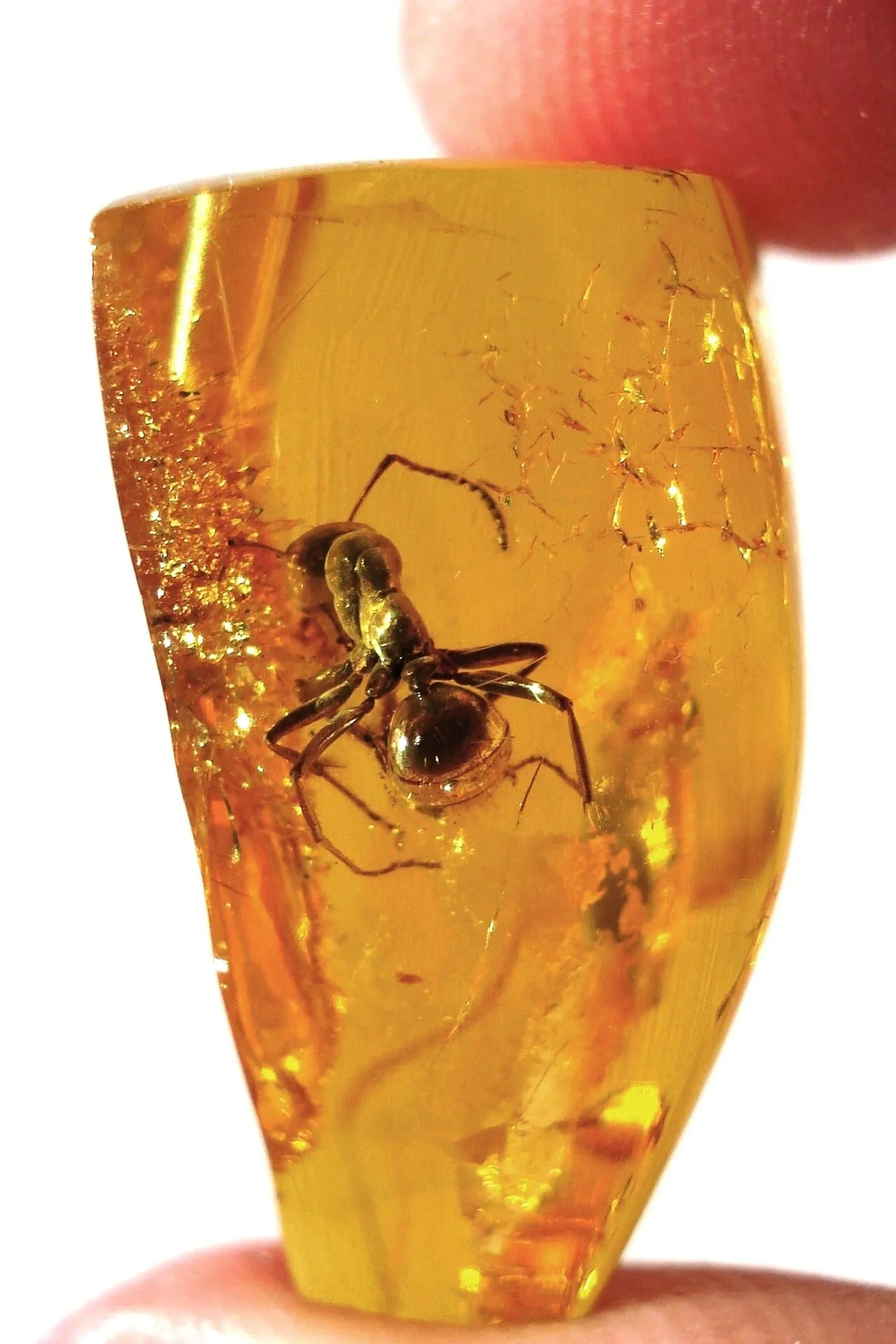
Tree resin fossilised over millions of years: a light, warm organic gem that sometimes holds prehistoric insects.
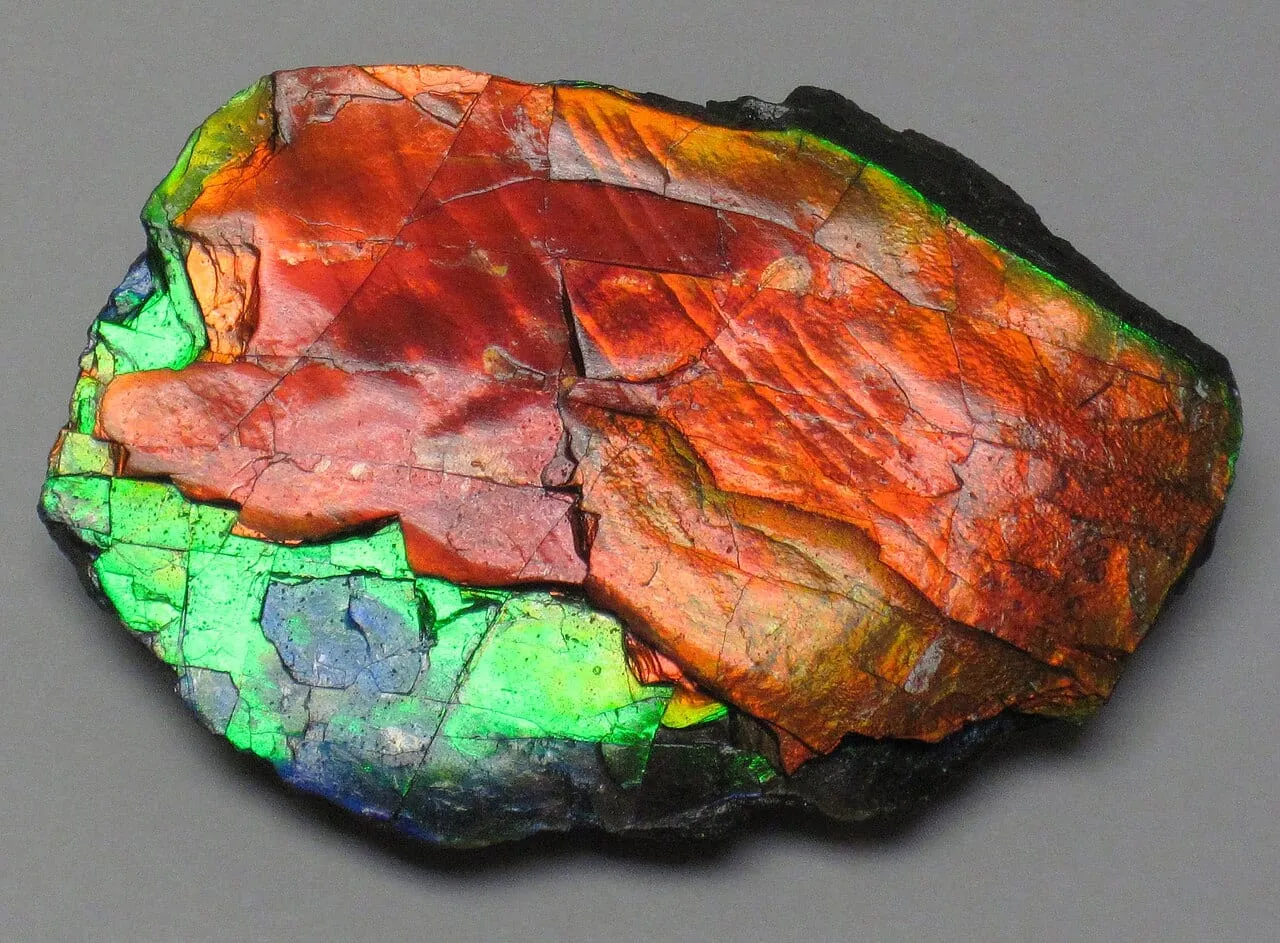
Ammolite
The rainbow-bright layer of fossil ammonite shell; of gem quality it comes only from the Canadian province of Alberta.
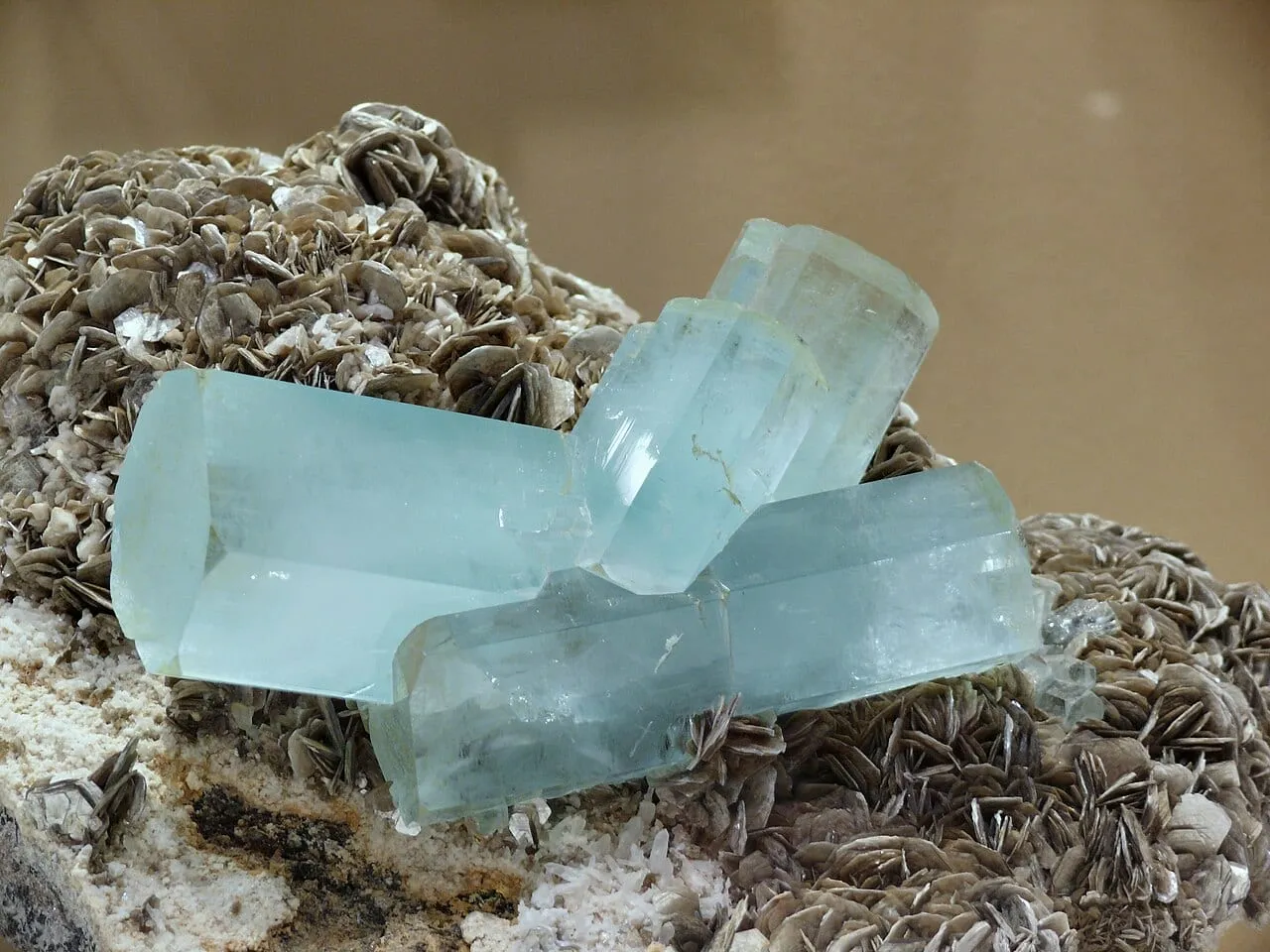
Aquamarine
The blue member of the beryl family, named after seawater: often found as large, clear, nearly flawless crystals.