Mineral
Baryte
BaSO₄Barit
A pale barium mineral that feels surprisingly heavy in the hand; even its name comes from the Greek word for heavy.
Also known as: Barite (US spelling) · Heavy spar
- Industrial
- Ore

In short
Baryte is a mineral made of barium sulfate, usually white, colourless or pale in colour. For a mineral without a metallic lustre it is unusually heavy. Thanks to this weight, it is the main weighting agent in the mud used to drill oil and gas wells.
How does it form?
Baryte forms in many different settings. In ore veins where hot fluids circulated it is often found with fluorite, calcite and galena. It can be deposited in layers on the sea floor, and in sedimentary rocks it forms nodules and, together with sand grains, rosette-shaped clusters. Large, clear crystals grow in cavities in limestone.
What is it used for?
- Drilling mud: More than 90% of the baryte sold in the USA is used to weight the mud used in drilling oil and gas wells. Heavy mud balances the high pressure in the well.
- Filler: It is used in paints, plastics, rubber and car brake pads.
- Radiation shielding: Because it blocks X-rays and gamma rays well, it is used to make heavy shielding concrete in hospitals and nuclear facilities.
- Medicine: Very pure baryte is used as a contrast medium in X-ray examinations of the digestive tract.
According to the USGS, Türkiye is also among the countries that produce baryte and have baryte reserves.
How to recognise it
- 1
It is very heavy for its size (specific gravity about 4.5), clearly heavier than pale minerals such as calcite or quartz.
- 2
Its hardness is 3–3.5, so a steel knife scratches it easily. It does not fizz in acid, which tells it apart from calcite.
- 3
Its crystals are usually flat tablets, often in parallel or fan-shaped clusters.
- 4
In a flame test barium colours the flame green; the very similar celestine gives a red flame and is lighter (about 4.0).
Fakes and imitations
What shops usually don’t tell you:
- Blue baryte and celestine look very much alike and are often confused; reliable identification needs a specific-gravity measurement or laboratory analysis.
- Rosette-shaped crystal clusters sold as “desert roses” can be either baryte or gypsum. A fingernail scratches gypsum but not baryte.
Safety
Because baryte (barium sulfate) does not dissolve in water, the body does not absorb it, and it is harmless to handle. Water-soluble barium compounds, however, are poisonous; baryte must not be confused with such chemicals.
Did you know?
The “barium” patients drink before stomach and gut X-rays is actually very pure barium sulfate; because X-rays cannot pass through it, it makes the organs visible.
The official state rock of Oklahoma in the USA is the “rose rock”: rosette-shaped clusters of baryte that grew together with sand grains.
Where is it found?
Loading map…
- Nevada, USA · Major depositThe only US state mining baryte (USGS, 2025)
- Cumbria, England · Historic sourceClassic baryte crystals from old mines around Frizington and Cleator Moor
- Baia Sprie, Maramureș, Romania · Known locality
Locations are approximate to protect sites. Red dots mark places in Türkiye. Open in the big map →
Sources
- Handbook of Mineralogy: Baryte · Mineralogical Society of America
- Mineral Commodity Summaries 2026: Barite · U.S. Geological Survey, 2026
External links
Draft: awaiting expert reviewReport an error ↗
On the same step
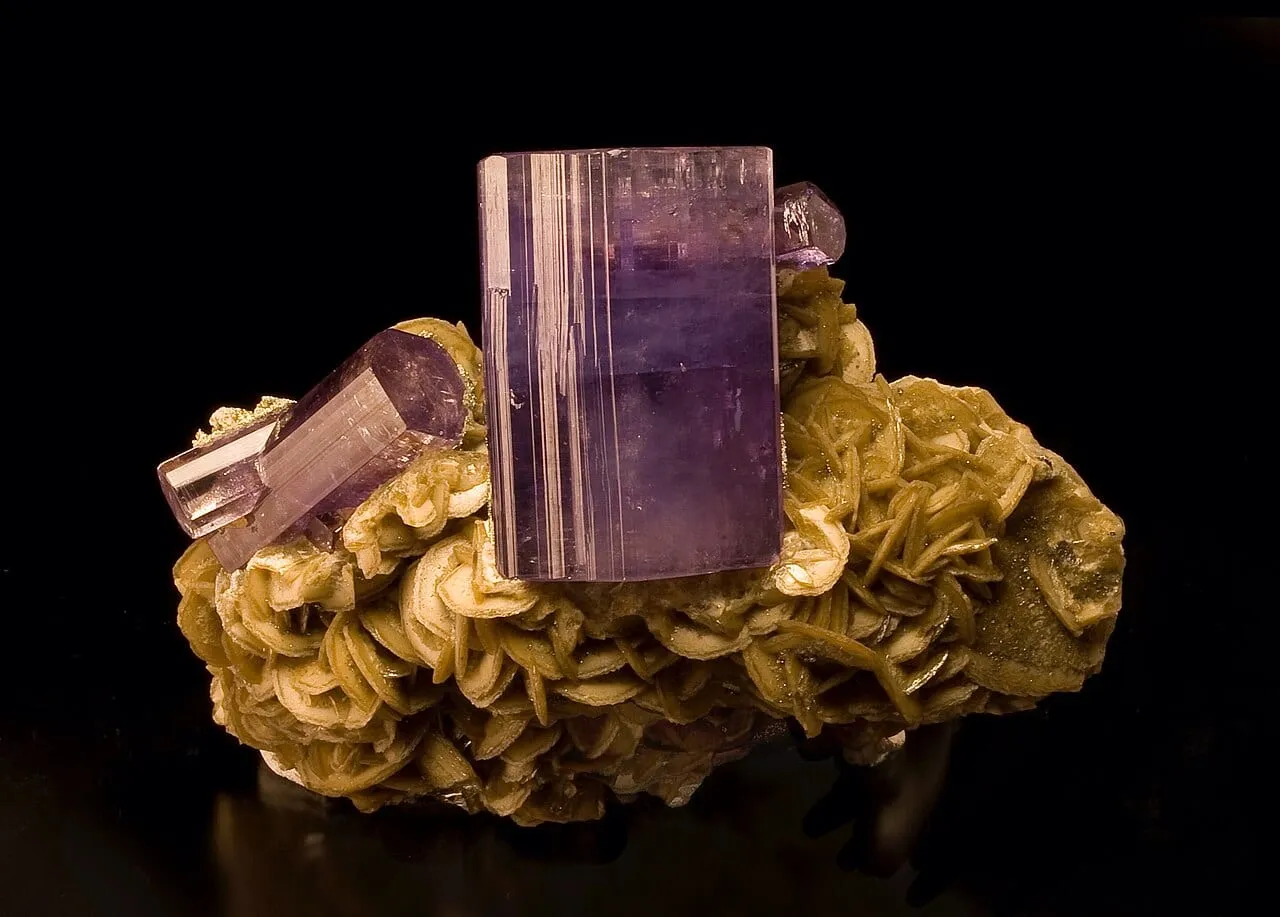
Apatite
A mineral cousin of our teeth and bones, the source of the phosphorus in fertilisers, and number 5 on the Mohs scale.
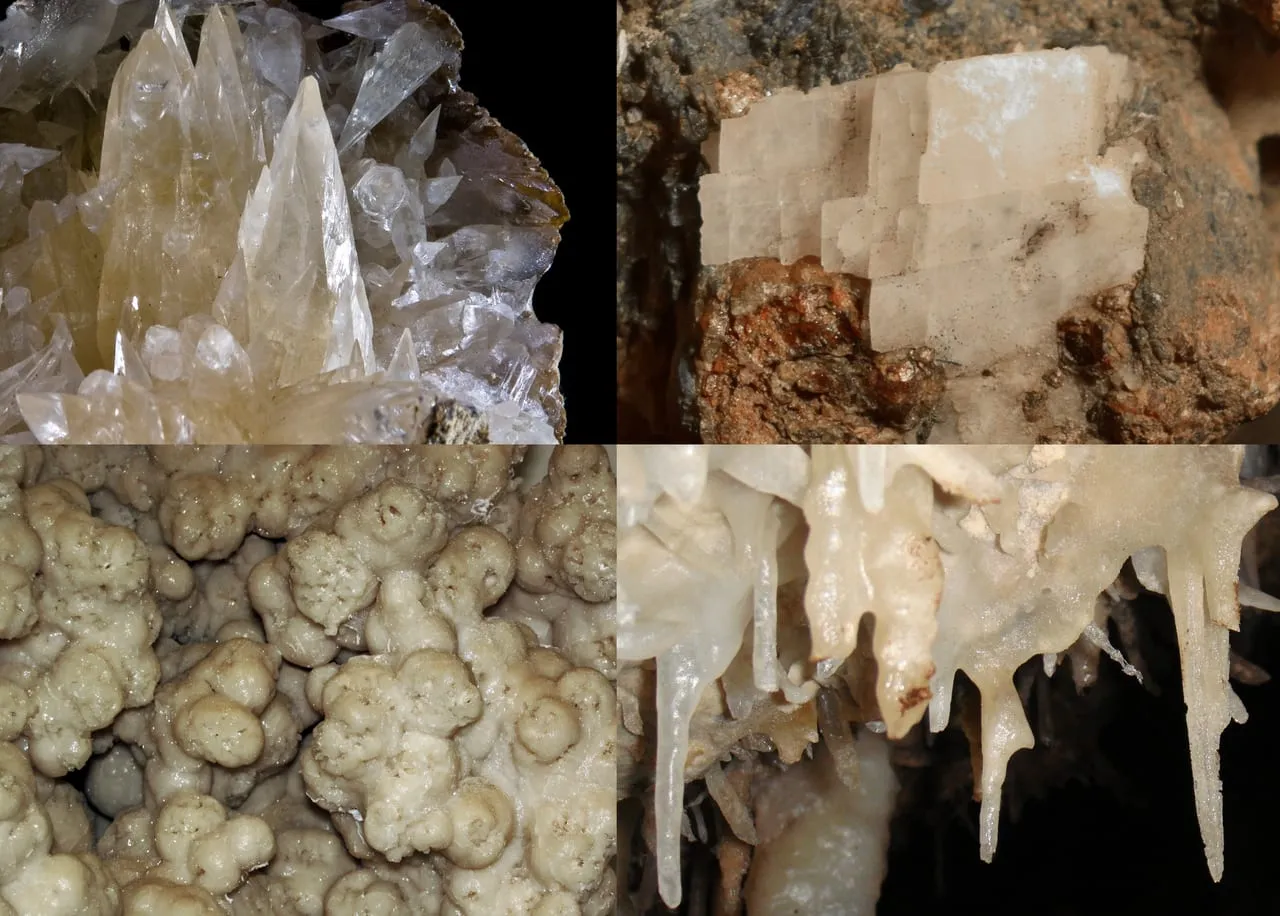
Calcite
The main mineral of limestone, marble and cave stalactites: it fizzes in acid, and its clear crystals show everything double.
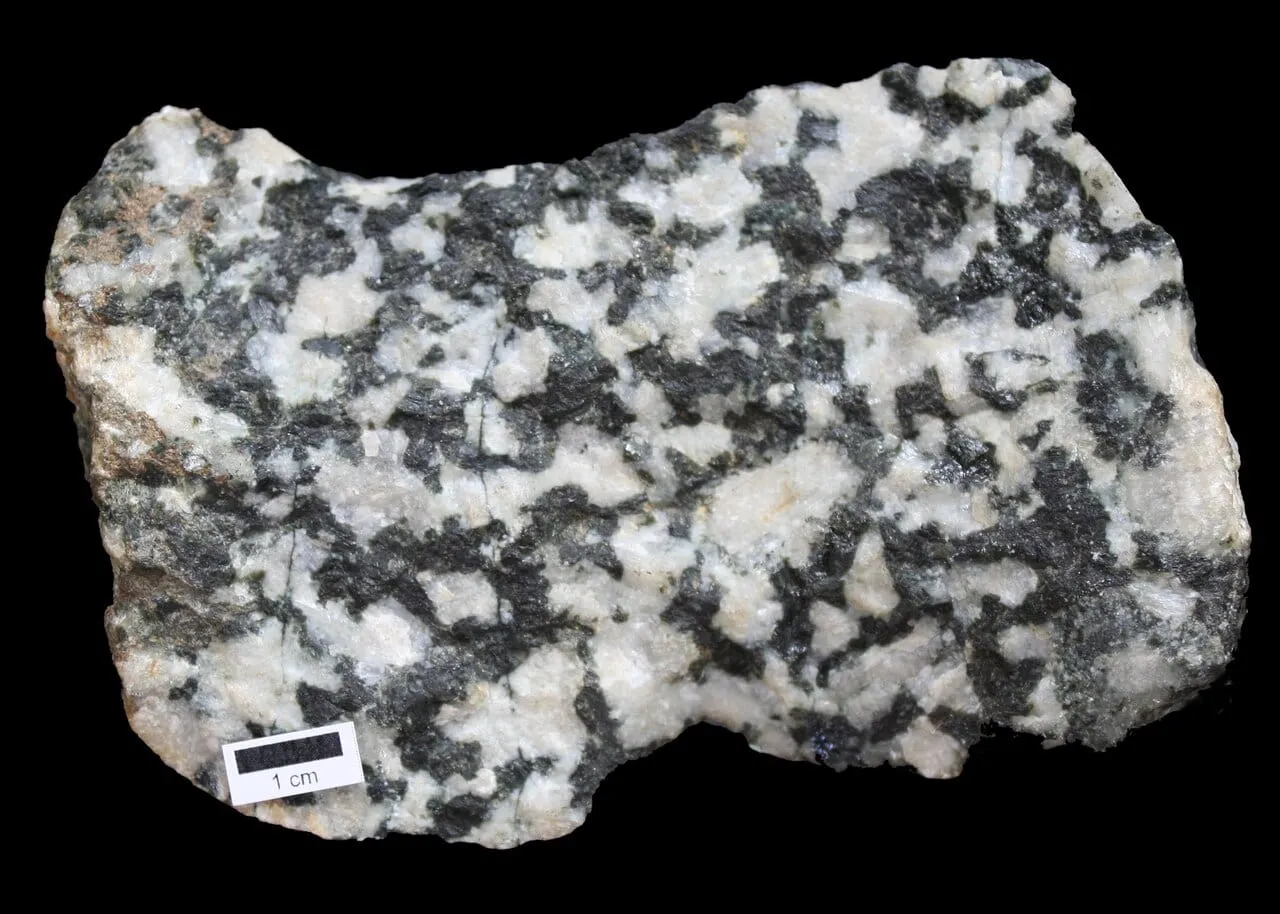
Diorite
A black-and-white, “salt-and-pepper” plutonic rock whose make-up sits halfway between granite and gabbro.