Rock
Sandstone
Kumtaşı
Sand turned to stone: from the carved facades of Petra to the layers that hold groundwater and oil.
- Everyday
- Building stone

In short
Sandstone is a rock made of grains of sand stuck together and hardened into stone. If you run your hand over it, it feels rough like sandpaper, because its surface is made of individual sand grains. It is easy to cut and carve, so people have built houses and monuments from it for thousands of years.
How does it form?
Sandstone is made from sand. As rocks wear away, grains of quartz and feldspar are carried by wind, rivers and waves and pile up in deserts, river channels, deltas and on beaches. As newer sediment buries it, the sand is compacted, and water moving through the gaps leaves behind silica, calcite or iron oxide that glues the grains together. This process is called lithification.
Sandstone keeps a record of where it formed: rock made from desert dunes shows large-scale cross-bedding, while sandstone from shallow seas often shows ripple marks. Red and brown shades usually come from iron oxide.
What is it used for?
- Building stone: Easy to cut and carve, it has been used throughout history for temples, churches and houses.
- Water and energy: Porous sandstone layers are important aquifers that hold groundwater; deeper down they can be reservoirs for oil and natural gas.
- Raw material: Very pure, crumbly quartz sandstones are a source of sand for glassmaking and foundry moulds.
How long a sandstone lasts depends largely on its cement: silica-cemented sandstones can endure for centuries, while those held together by calcite or clay wear away faster under rain and frost.
How to recognise it
- 1
Its surface feels rough like sandpaper; through a hand lens you can see sand grains stuck together.
- 2
Scraping it with something hard can rub grains off one by one.
- 3
It is usually layered, sometimes showing ripple marks or sloping (cross-bedded) layers.
- 4
Calcite-cemented sandstone fizzes in dilute acid; silica-cemented sandstone does not. When it breaks, the crack runs around the grains, whereas in quartzite it cuts through them.
Fakes and imitations
What shops usually don’t tell you:
- Cast (reconstituted) stone and concrete blocks imitate sandstone; broken surfaces may show cement paste and gravel.
- Some hard, quartz-rich sandstones are sold as “quartzite”; true quartzite breaks through its grains and looks glassier.
- On sandstone-look porcelain tiles the pattern is only on the surface and repeats every few tiles.
Safety
Most sandstone is made of quartz. The fine dust from cutting and grinding contains crystalline silica, which can cause silicosis, a permanent lung disease, when inhaled. Stoneworkers should use wet cutting and proper respiratory protection.
Did you know?
The famous facades of Petra in Jordan were not built block by block but carved straight into sandstone cliffs.
Uluru's red colour is only skin-deep: it comes from rusting iron in the rock, and a freshly broken surface is grey.
Where is it found?
Loading map…
- Petra, Jordan · Historic sourceCapital of the Nabataeans, where temple and tomb facades are carved straight into reddish sandstone cliffs. Inscribed on the UNESCO World Heritage List in 1985.
- Uluru, Northern Territory, Australia · Major depositMade of arkose, a feldspar-rich sandstone; its red colour comes from rusting iron, while fresh rock is grey.
- Angkor, Cambodia · Historic sourceThe walls and reliefs of Khmer temples such as Angkor Wat are largely built of sandstone blocks. Inscribed on the UNESCO World Heritage List in 1992.
Locations are approximate to protect sites. Red dots mark places in Türkiye. Open in the big map →
Sources
- Sandstone · Encyclopaedia Britannica
- Geology — Uluṟu-Kata Tjuṯa National Park · Parks Australia
- Petra · UNESCO World Heritage Centre
- Angkor · UNESCO World Heritage Centre
External links
Draft: awaiting expert reviewReport an error ↗
On the same step
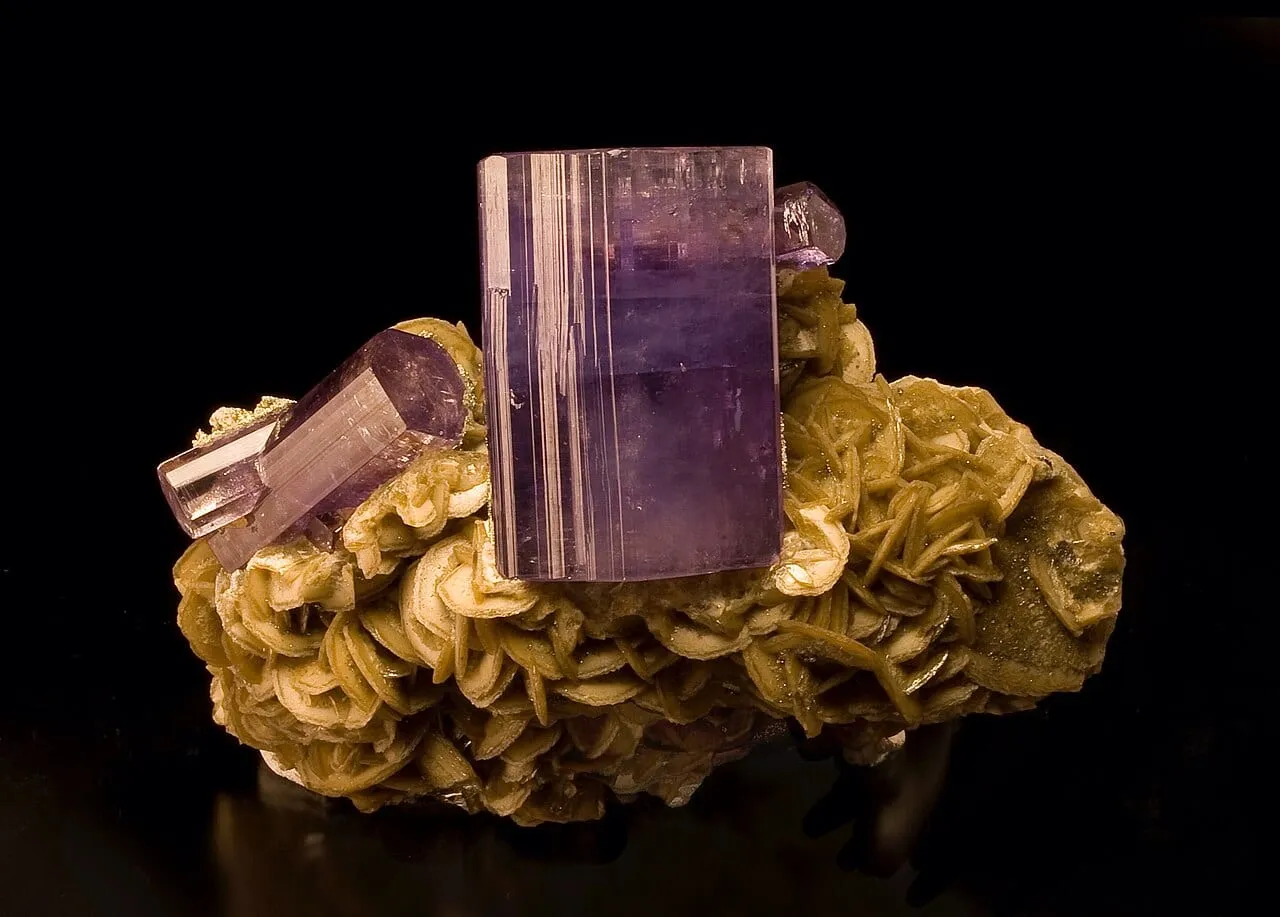
Apatite
A mineral cousin of our teeth and bones, the source of the phosphorus in fertilisers, and number 5 on the Mohs scale.
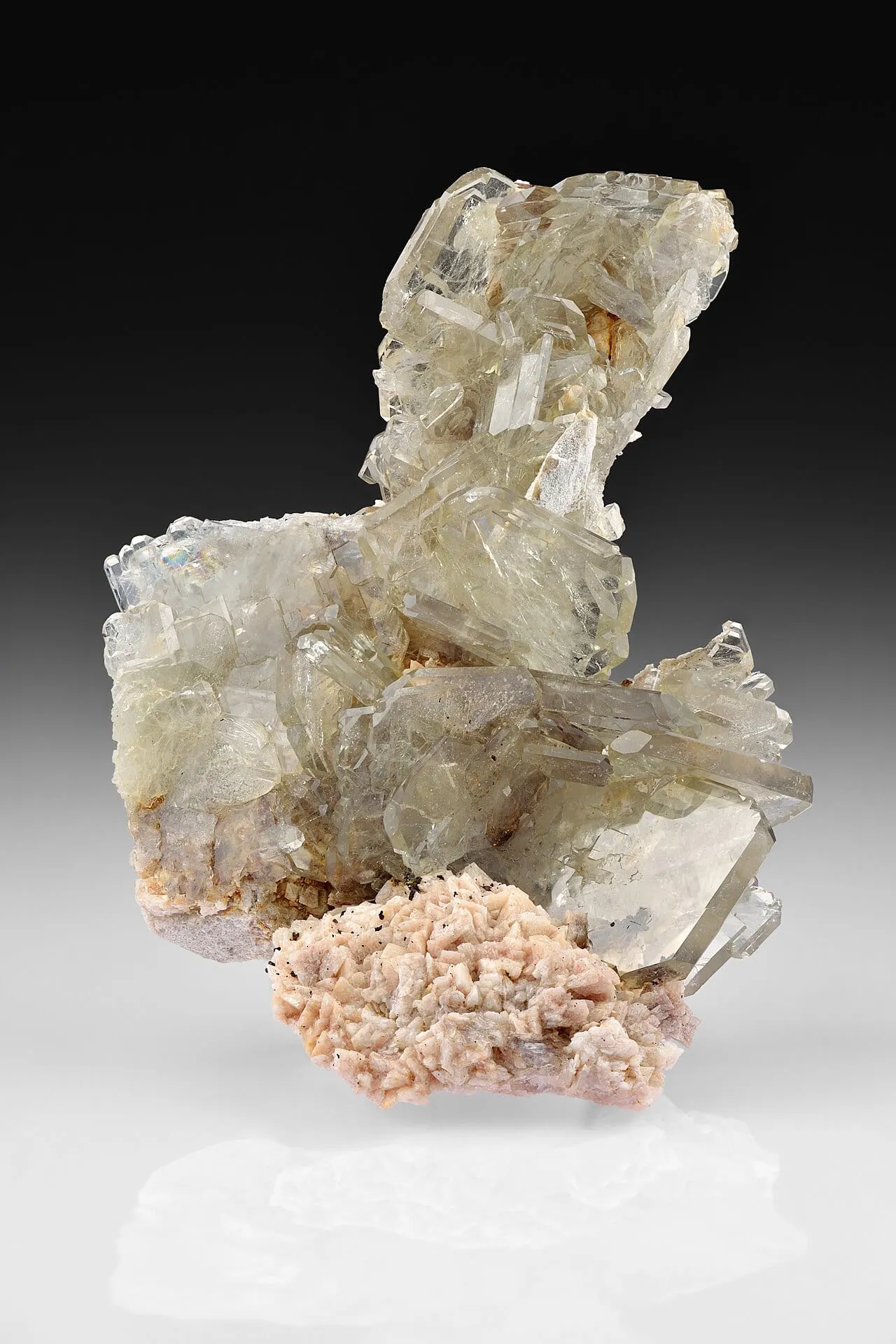
Baryte
A pale barium mineral that feels surprisingly heavy in the hand; even its name comes from the Greek word for heavy.
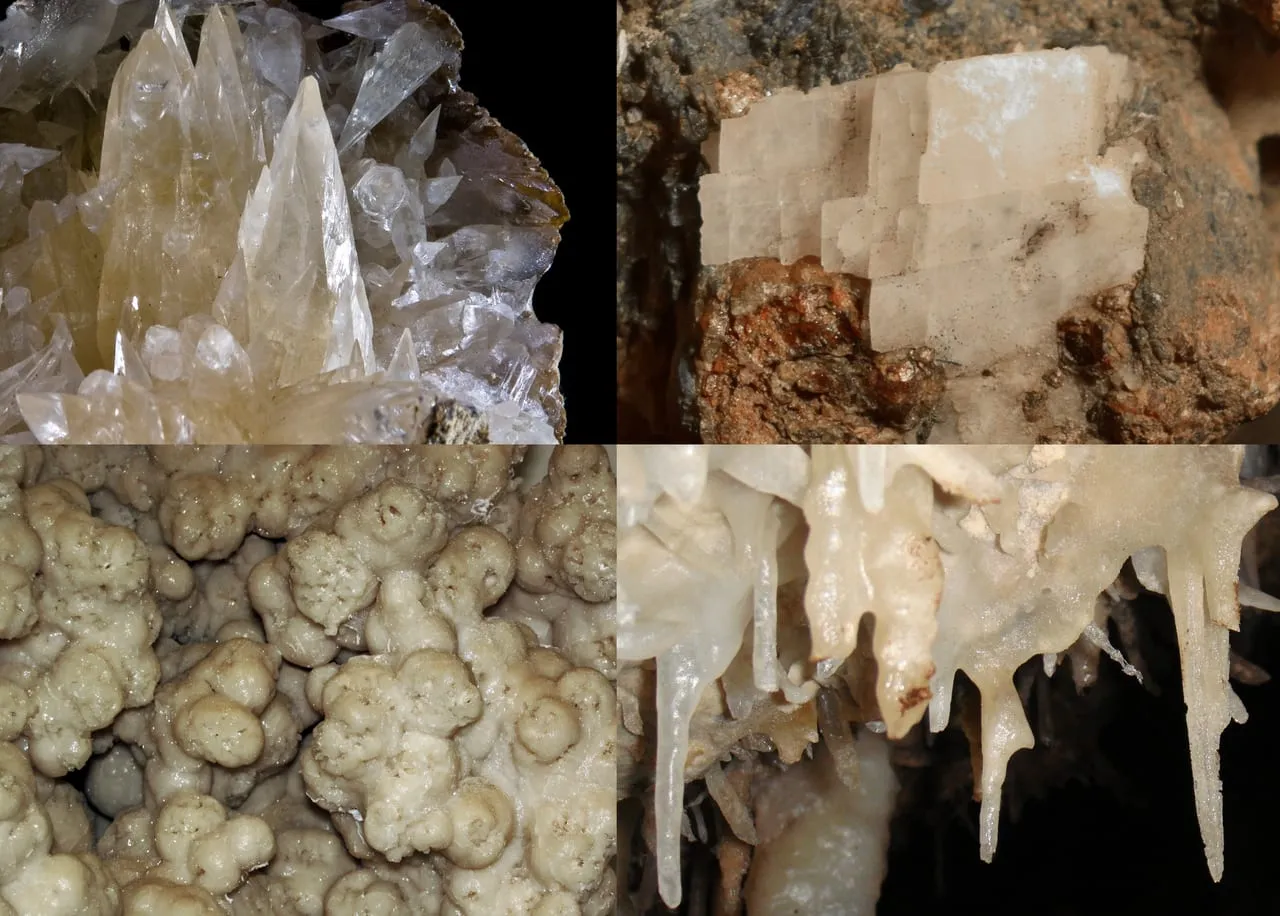
Calcite
The main mineral of limestone, marble and cave stalactites: it fizzes in acid, and its clear crystals show everything double.