Rock
Gneiss
Gnays
Striped in light and dark bands, the rock that underpins the continents: some gneisses are around 4 billion years old.
- Building stone

In short
Gneiss is a rock transformed by high heat and pressure very deep inside Earth's crust. Its light and dark minerals have gathered into separate bands, so it looks striped or streaky. Much of the deep foundation of the continents is made of rocks like gneiss, and because it shows beautiful patterns when polished it is also used as building stone.
How does it form?
Gneiss is a high-grade metamorphic rock. It forms when existing rocks are pushed deep into the crust during mountain building and exposed to very high temperatures and pressures. Under these conditions the minerals recrystallise: light quartz and feldspar gather in some bands, dark mica and hornblende in others.
Gneiss formed from an igneous rock such as granite is called orthogneiss; gneiss formed from a sedimentary rock such as shale or sandstone is paragneiss. If the temperature rises further, the rock begins to melt in part, producing migmatite, in which light and dark bands swirl together.
The oldest rocks
Gneiss is very common in the deep foundations of the continents, and many of the oldest rocks on Earth are gneisses. The Acasta gneisses in Canada’s Northwest Territories are about 4 billion years old and among the oldest known rocks. The Lewisian gneiss of Scotland, in places around 3 billion years old, is Britain’s oldest rock.
In Türkiye, gneisses form the core of the Menderes Massif in western Anatolia; augen gneisses cover large areas around Çine, between Aydın and Muğla.
How to recognise it
- 1
It looks striped, with alternating light (white, pink, grey) and dark (black, dark green) bands that are often wavy or folded.
- 2
Its grains are big enough to see; it resembles granite, but the minerals are arranged in bands instead of at random.
- 3
Unlike schist it does not split into flakes; it is a tough, heavy rock.
- 4
It can scratch glass and does not fizz in acid.
Fakes and imitations
What shops usually don’t tell you:
- In the natural stone trade gneiss is often sold as “granite”; it behaves similarly as a building stone, but geologically it is a different rock.
- Partly melted gneisses (migmatites) and some granites with flow banding also look banded and may be sold as gneiss or granite.
- On gneiss-look porcelain tiles the pattern is only on the surface and repeats every few tiles.
Safety
Gneiss is harmless to handle. However, the fine dust from cutting, grinding and polishing contains crystalline silica (quartz dust), which can cause silicosis when inhaled; stoneworkers should use wet cutting and proper respiratory protection.
Did you know?
The Acasta gneisses of Canada are about 4 billion years old, nearly nine-tenths of the age of the Earth.
Augen gneiss takes its name from its eye-shaped lenses of large feldspar crystals: “Augen” is German for eyes.
Where is it found?
Loading map…
- Acasta River, Northwest Territories, Canada · Known localityGneisses of the Acasta Gneiss Complex, about 4.0 billion years old, are among the oldest known rocks on Earth.
- Isle of Lewis, Outer Hebrides, Scotland · Known localityThe Lewisian gneiss, named after the island, is Britain's oldest rock, in places around 3 billion years old.
- Çine Massif, Aydın–Muğla, Türkiye · Known localityThe southern part of the Menderes Massif, with extensive outcrops of augen gneiss.
Locations are approximate to protect sites. Red dots mark places in Türkiye. Open in the big map →
Sources
- Gneiss · Encyclopaedia Britannica
- Priscoan (4.00–4.03 Ga) orthogneisses from northwestern Canada (Bowring & Williams) · Contributions to Mineralogy and Petrology, 1999
- Menderes Massif (Western Turkey): structural, metamorphic and magmatic evolution – a synthesis (Bozkurt & Oberhänsli) · International Journal of Earth Sciences, 2001
External links
Draft: awaiting expert reviewReport an error ↗
On the same step
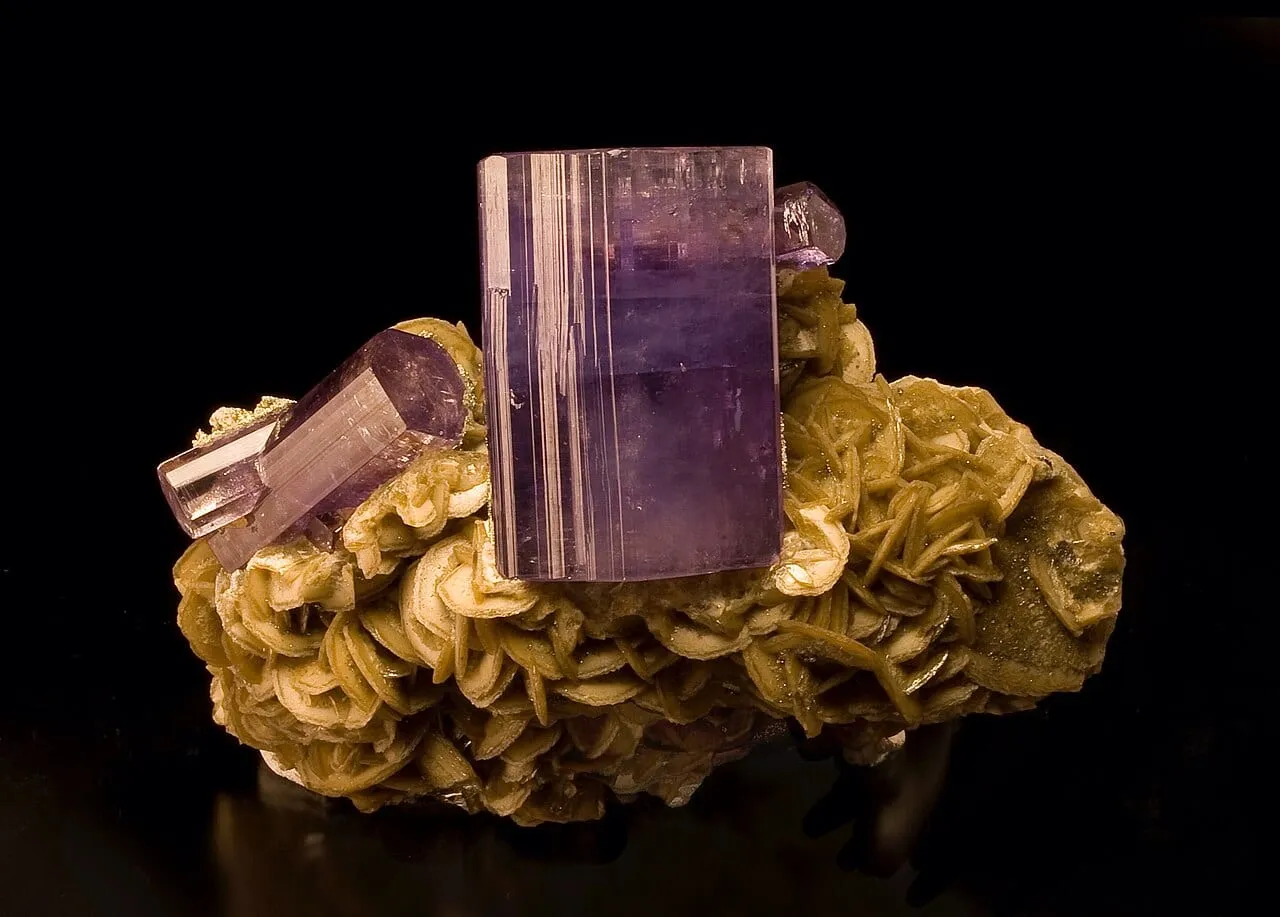
Apatite
A mineral cousin of our teeth and bones, the source of the phosphorus in fertilisers, and number 5 on the Mohs scale.
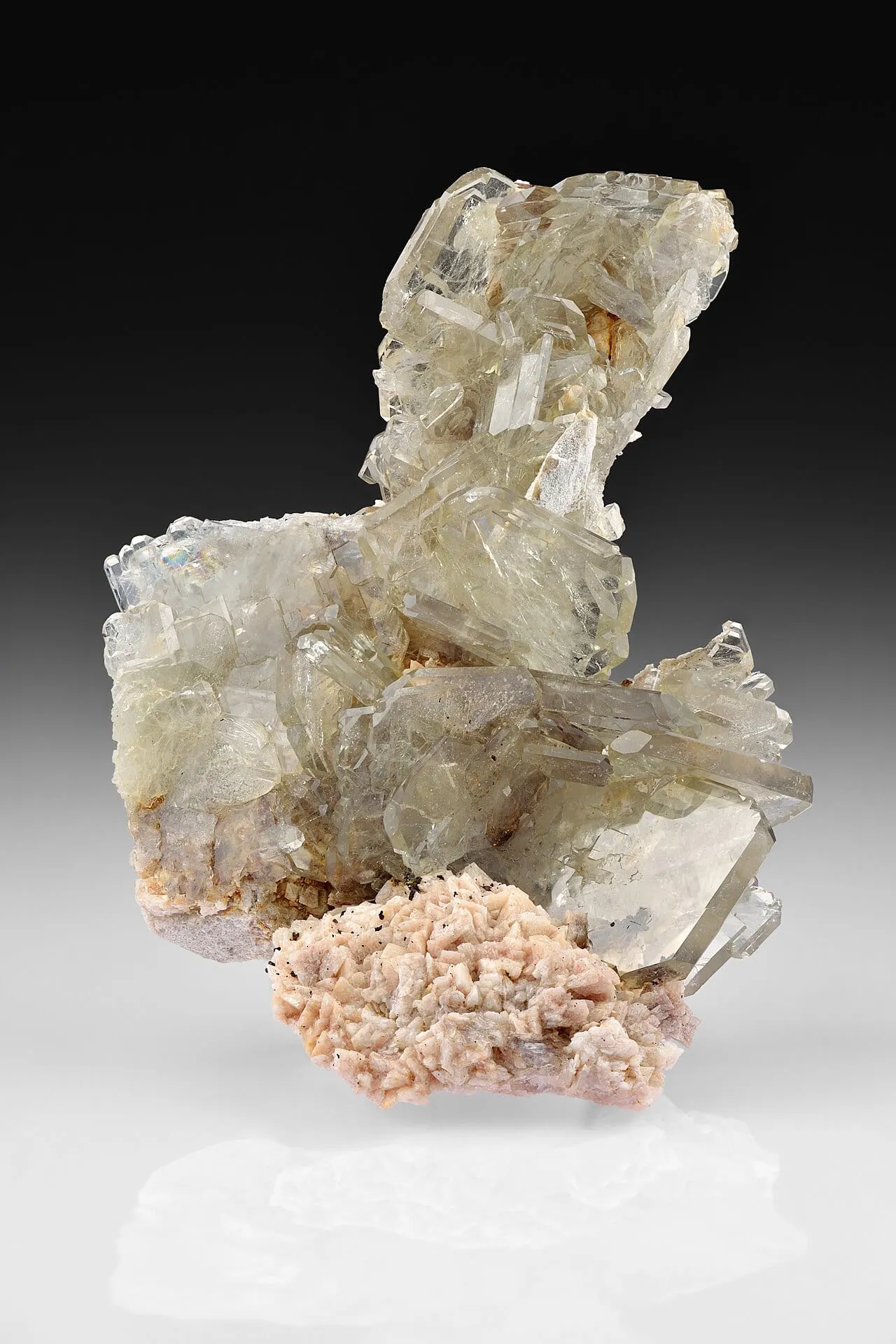
Baryte
A pale barium mineral that feels surprisingly heavy in the hand; even its name comes from the Greek word for heavy.
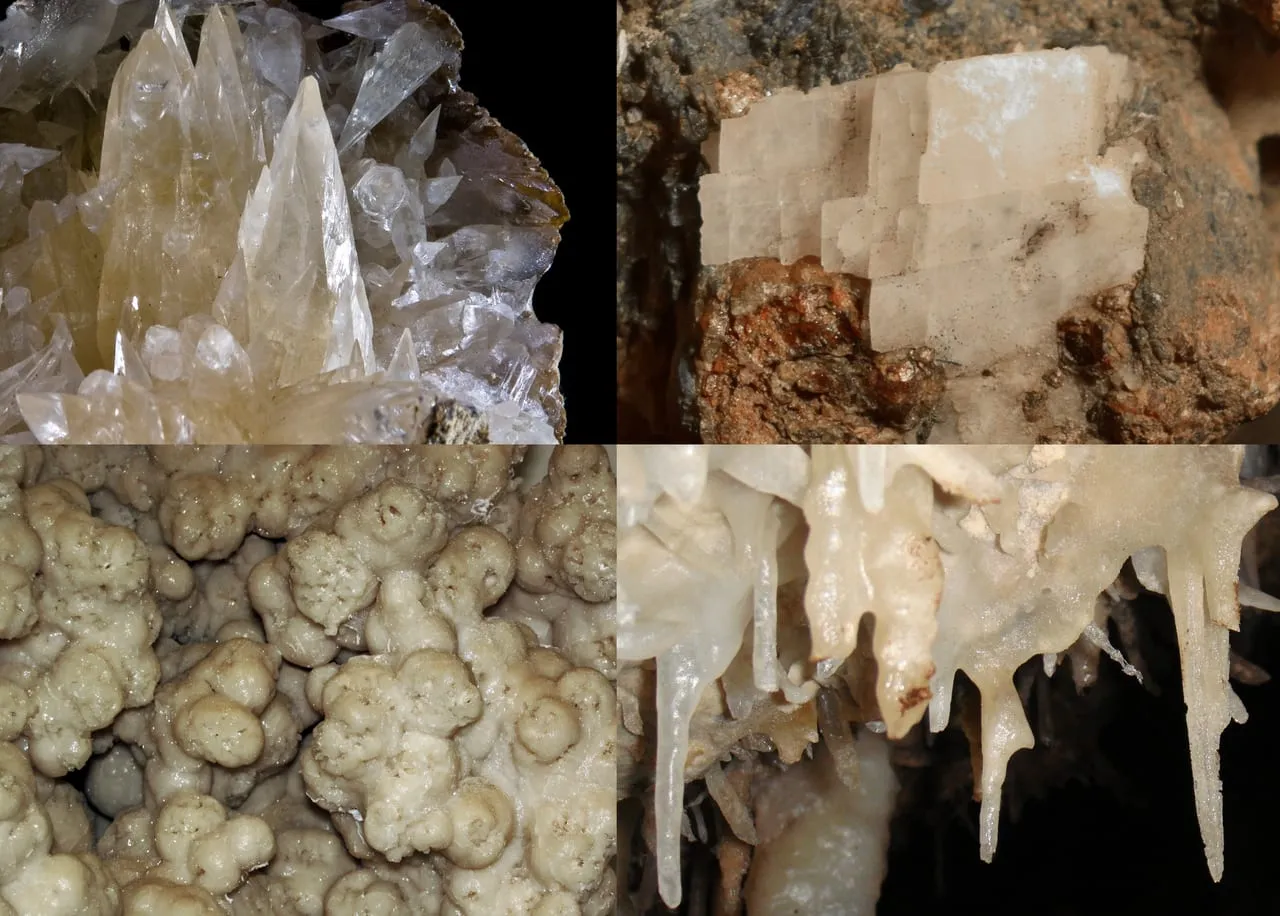
Calcite
The main mineral of limestone, marble and cave stalactites: it fizzes in acid, and its clear crystals show everything double.