Everyday name
Chalk
Tebeşir
Natural chalk is a soft, white limestone made of the shells of microscopic sea creatures; classroom chalk, however, is often gypsum.
Also known as: Natural chalk · Blackboard chalk · Sidewalk chalk · Whiting
- Popularly: Ore and raw material
- Everyday
- Industrial

In short
Natural chalk is a soft, porous, brilliant white limestone. It is made almost entirely of calcite (calcium carbonate), and its purest varieties contain up to 99 percent calcium carbonate. It formed millions of years ago when the microscopic limy plates of single-celled algae called coccolithophores, and the shells of other tiny creatures, settled on the sea floor. The White Cliffs of Dover in England are the most famous example. The sticks we write on blackboards with, or that children draw on pavements with, however, are often not natural chalk but moulded from gypsum or other sources of calcium carbonate.
In scientific terms
This is an everyday name; in science it means these stones:
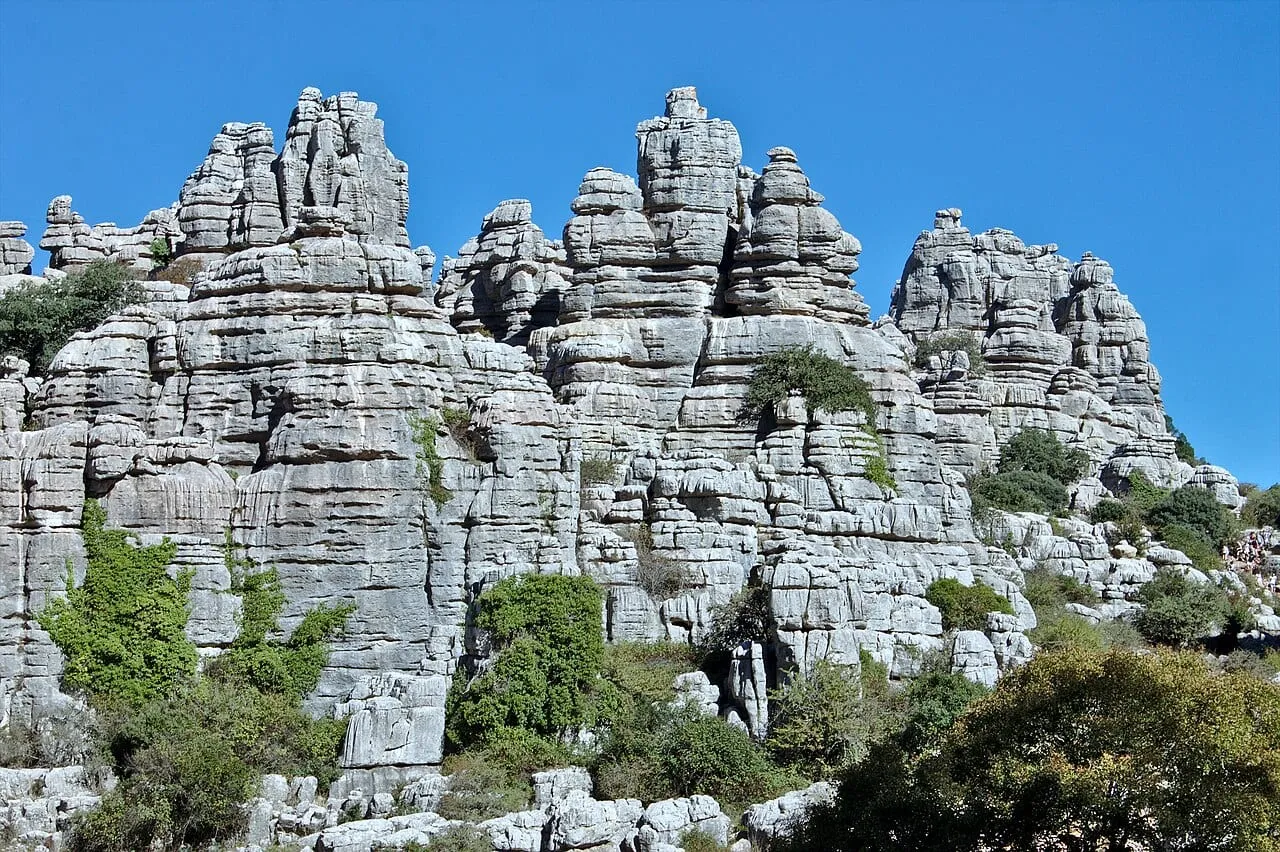
Limestone
A stone built from sea shells: the shared source of pyramids, caves and cement.
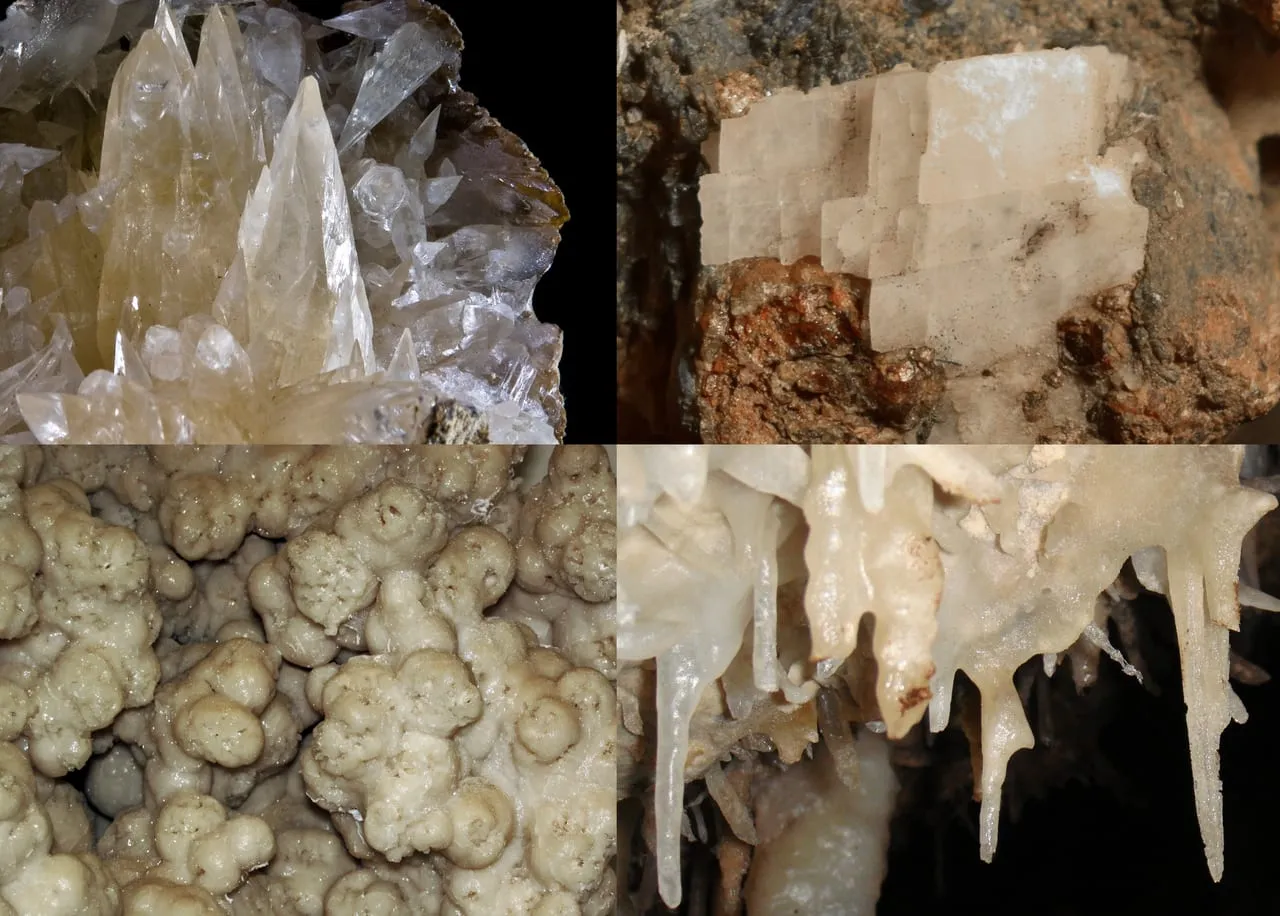
Calcite
The main mineral of limestone, marble and cave stalactites: it fizzes in acid, and its clear crystals show everything double.
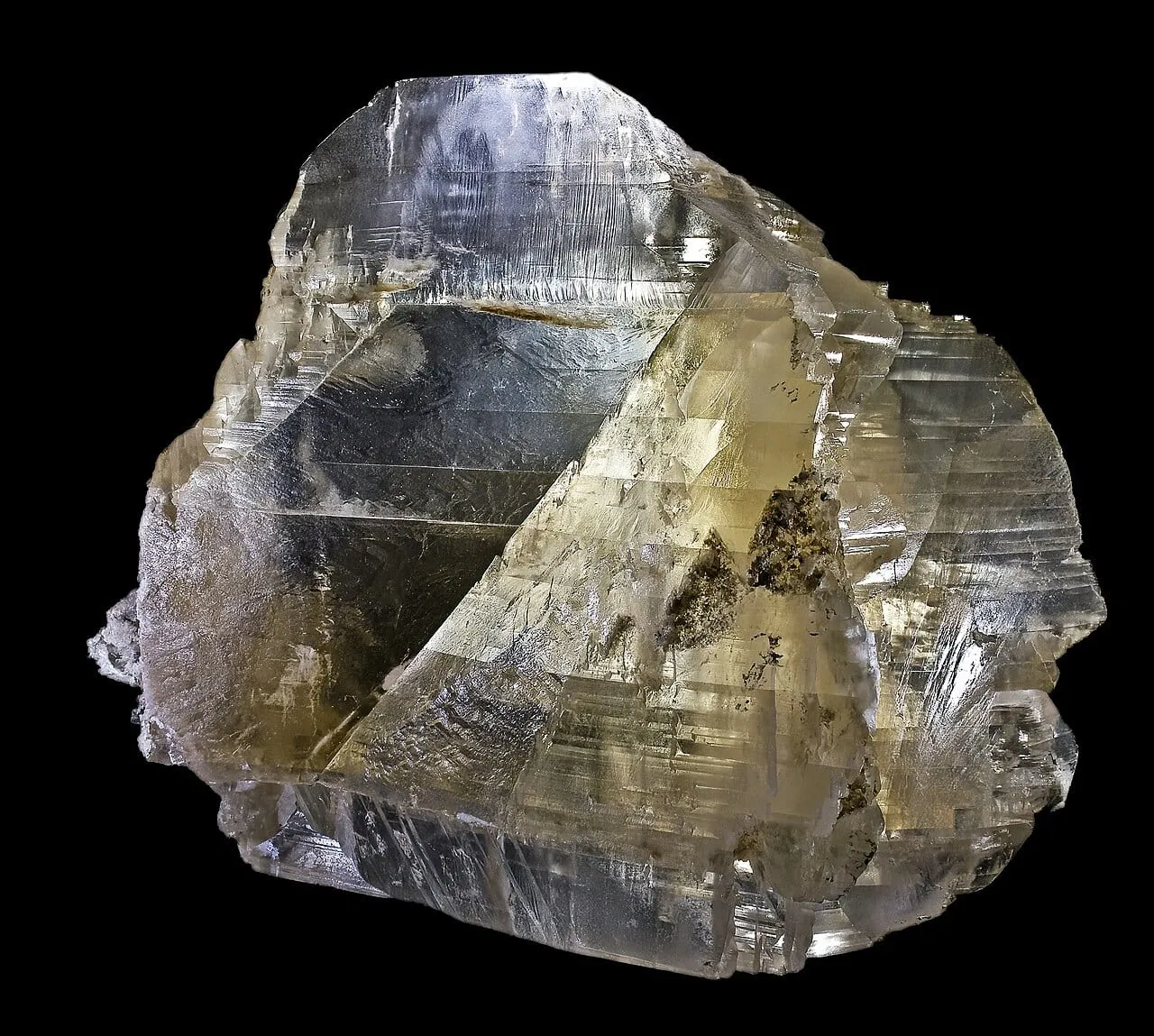
Gypsum
So soft a fingernail scratches it: the mineral behind plaster and plasterboard, which grows 11-metre giant crystals at Naica.
How does it form?
The story of chalk begins in the Cretaceous period, roughly 100 to 66 million years ago, in the warm, shallow seas that covered much of Europe. These seas teemed with coccolithophores, single-celled algae that armour themselves with tiny plates of calcium carbonate (coccoliths); they still live in the oceans today. When they died, these plates, together with the shells of other tiny creatures such as foraminifera, slowly sank to the sea floor. Over time, the thick layers of white ooze were compacted into a soft, porous limestone: chalk.
What is it used for?
- Lime and cement: Like limestone, chalk is burned in kilns to make lime and portland cement.
- Agriculture: It is used to correct acid soils and in fertiliser production.
- Filler: Finely ground chalk is used as a filler in paint, glazier’s putty, ceramics and cosmetics, and as a mild abrasive in toothpaste.
- Writing and drawing: Blackboard chalk and pavement chalk are named after natural chalk, and chalk was once used to mark the lines of sports fields.
Why is classroom chalk gypsum?
Natural chalk is soft and crumbly, and its colour and hardness vary from quarry to quarry. Powdered gypsum or calcium carbonate, by contrast, can be mixed with water and poured into moulds to make smooth sticks of exactly the same hardness every time. That is why most sticks sold as “chalk” today are made not from the rock they are named after but from gypsum. It is easy to find out which one you have: put a drop of vinegar on it. If it fizzes, it is calcium carbonate; if it does not, it is most likely gypsum.
What determines its value?
Natural chalk is a cheap raw material sold by the tonne. Its value depends on its whiteness and purity (calcium carbonate content), its fineness and the distance from the quarry to where it is used. Very finely ground pure chalk is worth more as a filler in paint, putty, plastics and ceramics; lower grades are used for cement and agricultural lime.
This information is educational, not buying, selling or investment advice. Value varies enormously with quality and treatment.
How to recognise it
- 1
Natural chalk is very soft: it can be scraped with a fingernail and leaves a white mark on hands and dark surfaces.
- 2
Vinegar test: a drop of vinegar or dilute acid makes natural chalk fizz vigorously, because it is calcium carbonate. Classroom chalk made of gypsum does not fizz.
- 3
It is porous and light and soaks up water quickly. Chalk cliffs often contain dark, hard nodules of flint.
Fakes and imitations
What shops usually don’t tell you:
- Most classroom and pavement chalk is not natural chalk; it is moulded from gypsum (calcium sulfate) or other sources of calcium carbonate.
- The “chalk” that climbers and gymnasts rub on their hands is actually magnesium carbonate; it shares only its name with chalk.
Safety
Chalk is not toxic. However, the fine dust that rises from a blackboard can irritate the throat and eyes when breathed in, so dusty classrooms should be well ventilated.
Myths and misconceptions
MythThe chalk we write with is cut from rock.
FactToday, classroom chalk is mostly made by mixing powdered gypsum or calcium carbonate with water and moulding it into sticks. Chalk sticks cut from natural chalk are now rare.
MythChalk, lime and plaster are the same thing.
FactChalk is a natural rock made of calcium carbonate. Lime is calcium oxide, made by burning limestone or chalk in a kiln. Plaster is made from gypsum, which contains calcium sulfate. All three are white, but their chemistry is different.
Did you know?
The Cretaceous period of the geological time scale takes its name from the Latin “creta”, meaning chalk; Western Europe’s thick chalk beds formed during this period.
The coccolith plates that make up chalk are only 2 to 25 micrometres (thousandths of a millimetre) across; the White Cliffs of Dover are built from countless numbers of these tiny plates piled up.
In France’s Champagne region, wine cellars were dug into the chalky hillsides in the 17th and 18th centuries; these hillsides, houses and cellars were added to the UNESCO World Heritage List in 2015.
Where is it found?
Loading map…
- Dover, Kent, England · Major depositThe brilliant white chalk cliffs on the English Channel (the White Cliffs of Dover), made of chalk laid down on the sea floor in the Cretaceous.
Locations are approximate to protect sites. Red dots mark places in Türkiye. Open in the big map →
Frequently asked questions
What is chalk?
Natural chalk is a soft, porous, brilliant white limestone. It is made almost entirely of calcite (calcium carbonate), and its purest varieties contain up to 99 percent calcium carbonate. It formed millions of years ago when the microscopic limy plates of single-celled algae called coccolithophores, and the shells of other tiny creatures, settled on the sea floor. The White Cliffs of Dover in England are the most famous example. The sticks we write on blackboards with, or that children draw on pavements with, however, are often not natural chalk but moulded from gypsum or other sources of calcium carbonate.
What is chalk used for?
Lime and cement: Like limestone, chalk is burned in kilns to make lime and portland cement. Agriculture: It is used to correct acid soils and in fertiliser production. Filler: Finely ground chalk is used as a filler in paint, glazier’s putty, ceramics and cosmetics, and as a mild abrasive in toothpaste. Writing and drawing: Blackboard chalk and pavement chalk are named after natural chalk, and chalk was once used to mark the lines of sports fields.
Where is chalk found?
Its best-known localities: Dover, Kent, England.
How can you tell if chalk is real?
Natural chalk is very soft: it can be scraped with a fingernail and leaves a white mark on hands and dark surfaces. Vinegar test: a drop of vinegar or dilute acid makes natural chalk fizz vigorously, because it is calcium carbonate. Classroom chalk made of gypsum does not fizz. It is porous and light and soaks up water quickly. Chalk cliffs often contain dark, hard nodules of flint. Most classroom and pavement chalk is not natural chalk; it is moulded from gypsum (calcium sulfate) or other sources of calcium carbonate.
Is chalk valuable?
On the “street to diamond” value ladder it sits on step 2 of nine: Raw material by the tonne. Natural chalk is a cheap raw material sold by the tonne. Its value depends on its whiteness and purity (calcium carbonate content), its fineness and the distance from the quarry to where it is used. Very finely ground pure chalk is worth more as a filler in paint, putty, plastics and ceramics; lower grades are used for cement and agricultural lime.
Is chalk dangerous?
Chalk is not toxic. However, the fine dust that rises from a blackboard can irritate the throat and eyes when breathed in, so dusty classrooms should be well ventilated.
Sources
- Chalk · Encyclopaedia Britannica
- Chalk · Wikipedia
- Coccolithophore · Wikipedia
- Champagne Hillsides, Houses and Cellars · Wikipedia
- Magnesium carbonate · Wikipedia
External links
Draft: awaiting expert reviewReport an error ↗
On the same step
Andesite
The rock of volcanic arcs, named after the Andes — and the pink-grey stone of Ankara Castle.
Augite (pyroxene)
The most common pyroxene, which darkens basalt and gabbro: inconspicuous, yet one of the key building blocks of Earth’s crust.
Basalt
The rock of the ocean floors and the Moon’s dark plains — the most common volcanic rock on Earth.