Mineraloid
Tektite
Tektit
Not meteorites: natural glass made from Earth rocks that were melted and flung into the air by giant impacts.
Also known as: Moldavite (Central European tektite) · Australite (Australian tektite) · Indochinite (South-East Asian tektite)
- Gemstone
- Ornamental

In short
Tektites are small pieces of glass that form when a large meteorite hits the ground, melts the rock and throws it into the air, where it cools as it flies. They do not come from space; they are made of Earth’s own rocks. The best known is moldavite, a bottle-green glass found in Czechia.
How does it form?
When a large meteorite strikes the ground, the enormous energy released instantly melts the rocks at the impact site. Droplets of melt are hurled high into the atmosphere and cool rapidly into glass as they fly. That is why tektites are not meteorites but impact glasses made of Earth rock. They are rich in silica and contain much less water than the volcanic glass obsidian. Because they have no ordered crystal structure, they are classed as mineraloids.
Strewn fields
Tektites are found in large areas called strewn fields. The largest is the roughly 800,000-year-old Australasian field, stretching from South-East Asia to Australia; tektites from Australia are called australites and those from South-East Asia indochinites. Central Europe’s green moldavites formed about 15 million years ago in the impact that made the Ries crater in Bavaria, in today’s Germany; most are found hundreds of kilometres to the east, in the South Bohemia and Moravia regions of Czechia. North American and Ivory Coast strewn fields are also known.
The shape of australites
The button shape of some australites formed when already solid glass pieces re-entered the atmosphere at high speed: their front surface melted and the melt was pushed towards the edges. This is why they have a ring-shaped “flange” around the rim.
How to recognise it
- 1
It is glassy; most tektites are black or dark brown, while moldavites are green. Thin edges held up to the light look greenish or brownish.
- 2
Surfaces are often pitted, grooved or sculpted, and shapes may be aerodynamic: teardrops, buttons, discs and dumbbells.
- 3
Under a loupe you may see plenty of gas bubbles and worm-like threads of lechatelierite (pure silica glass); these threads are among the best clues for telling moldavite from man-made glass.
- 4
It does not attract a magnet and contains no crystals. Pieces with a natural-looking surface in particular need a gemmological laboratory for a definite identification.
Fakes and imitations
What shops usually don’t tell you:
- Green glass imitations: man-made glass sold as “moldavite” is increasingly common. It has a very even colour and few bubbles; imitations examined by GIA had a higher refractive index and density than natural moldavite and glowed a chalky blue under short-wave ultraviolet light.
- Acid-etched glass: the sculpted surface of natural moldavite can be imitated very closely by etching glass with hydrofluoric acid; straight, evenly spaced “flow lines” should raise suspicion.
- Confusion with obsidian: obsidian is also a natural glass, but it is volcanic and contains more water than tektites.
- Tektites are not meteorites; selling them as “meteorite glass” or “space stone” is misleading.
Did you know?
A museum study of five 19th-century moldavite jewellery sets found that four of them actually contained glass imitations, so faking moldavite is nothing new.
The word “tektite” comes from the Greek “tēktos”, meaning “molten”.
Where is it found?
Loading map…
- South Bohemia, Czechia · Major depositMost moldavites are found in South Bohemia and Moravia. The name comes from the Vltava (German: Moldau) River.
- Ries crater, Nördlingen, Bavaria, Germany · Known localityThe crater of the impact that created the moldavites about 15 million years ago; it is about 24 km across.
- Southern Australia · Major depositPart of the roughly 800,000-year-old Australasian strewn field; famous for button- and flanged-disc-shaped australites.
- Khorat Plateau, Thailand · Known localityBlack indochinites of the Australasian strewn field, many shaped like teardrops and dumbbells, are found here.
Locations are approximate to protect sites. Red dots mark places in Türkiye. Open in the big map →
Sources
- Tektite · Encyclopaedia Britannica
- Moldavites: Natural or Fake? (Hyršl, J.), Gems & Gemology 51(1), Gem News International · Gemological Institute of America (GIA), 2015
- Imitation Moldavite, Gems & Gemology 57(2), Lab Notes · Gemological Institute of America (GIA), 2021
External links
Draft: awaiting expert reviewReport an error ↗
On the same step
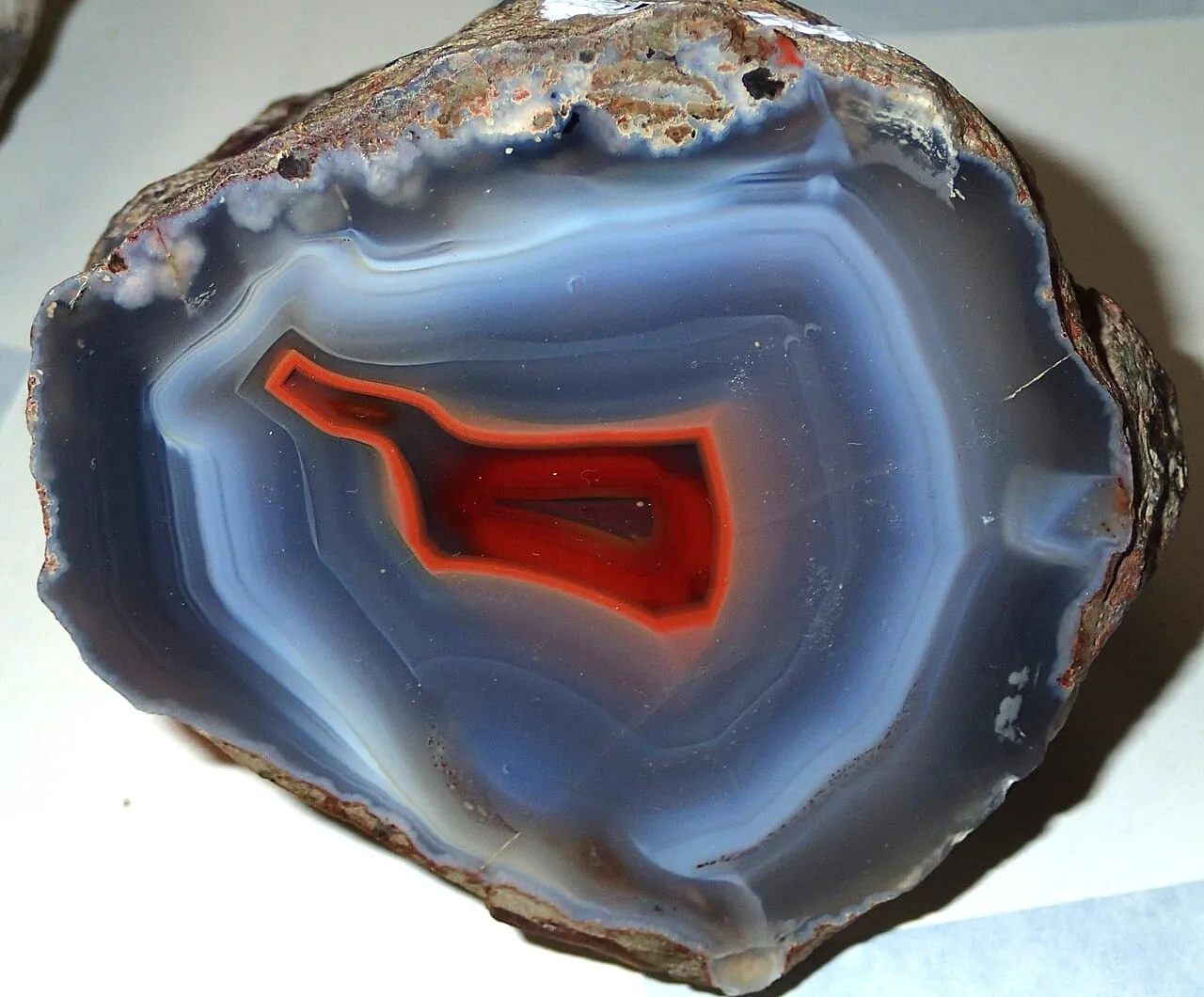
Agate
The banded variety of chalcedony: it grows layer by layer in hollows in volcanic rock and shows a new pattern every time it is cut.
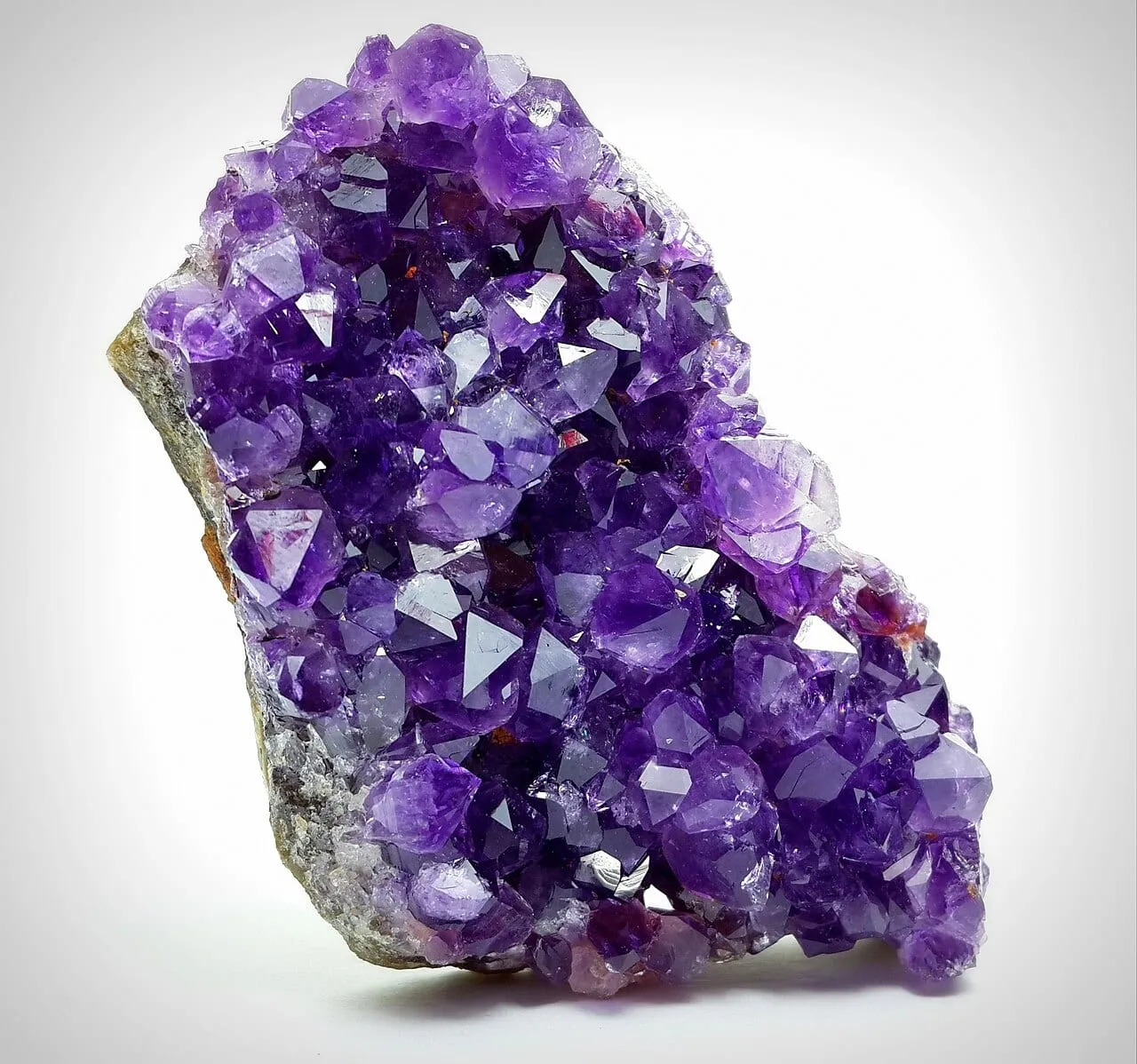
Amethyst
The purple variety of quartz, coloured by traces of iron working together with natural radiation.
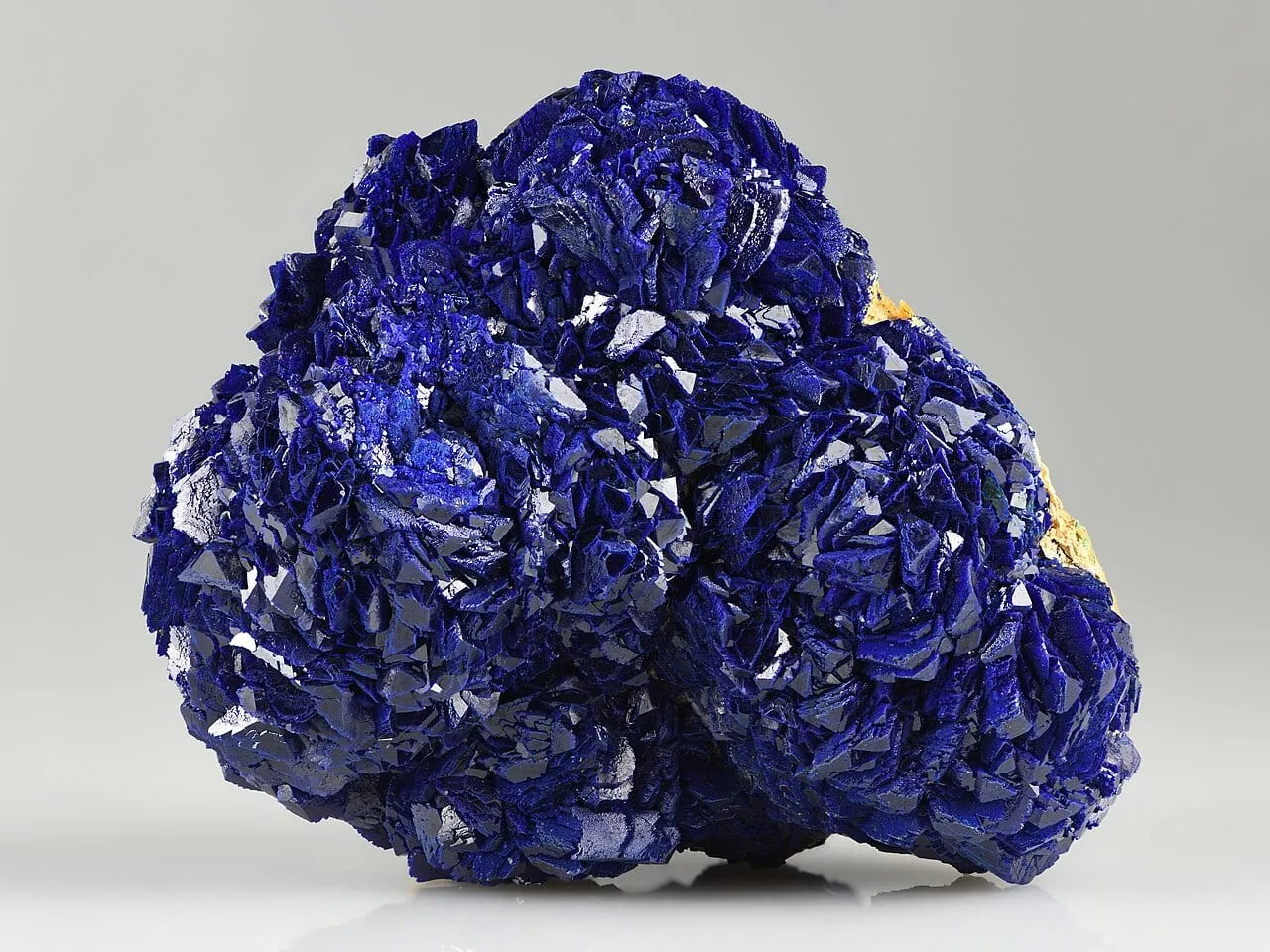
Azurite
A deep blue copper mineral that was the most important blue pigment of medieval and Renaissance painters.