Mineral
Diamond
CElmas
Pure carbon and the hardest known natural mineral: it forms about 150–200 km deep and reaches the surface in volcanic eruptions.
- Gemstone
- Industrial
- Mohs scale mineral

In short
Diamond is made entirely of carbon, just like the graphite in a pencil; the difference is that its atoms are packed in a very tight, orderly crystal structure. This structure makes it the hardest known natural mineral. Most natural diamonds are more than a billion years old.
How does it form?
Most natural diamonds form about 150–200 km below the surface, in the old, thick mantle roots beneath continents, under very high pressure and temperature. They are carried to the surface by rare, very fast volcanic eruptions of kimberlite and lamproite. Diamonds are very old: most are more than a billion years old, and the oldest dated ones are about 3.5 billion years old. Major producing countries include Russia, Botswana, Canada, the Democratic Republic of the Congo, Angola and South Africa.
What is it used for?
Diamond’s hardness makes it unmatched for cutting, drilling, grinding and polishing; most diamond used in industry today is grown in laboratories. Because it conducts heat so well, it is also used in some electronic and optical applications.
What makes it valuable?
Gem diamonds are graded by the “4Cs”: colour, clarity, cut and carat weight. Stones closest to colourless are the most sought after, while rare “fancy colour” diamonds with distinct pink, blue or green colours form a separate category. One carat is 0.2 grams. Laboratory-grown diamonds are graded with the same criteria, but their reports clearly state their origin.
How to recognise it
- 1
It is very brilliant (adamantine lustre) and splits light into colours, showing strong “fire”; but many imitations do this too.
- 2
It is 10 on the Mohs scale and scratches everything. Still, it has perfect cleavage in four directions and can split from a hard knock, so never try scratch or hammer tests.
- 3
Home tests such as the “fog” or “newspaper reading” test are unreliable. “Diamond testers” that measure heat conduction may not tell moissanite from diamond.
- 4
Only a gem laboratory with advanced instruments can tell natural, laboratory-grown and treated diamonds apart. Stones with a laser-inscribed number on the girdle can be checked against the number on the laboratory report.
Fakes and imitations
What shops usually don’t tell you:
- Laboratory-grown diamond (HPHT and CVD methods) is chemically and physically real diamond, not an imitation; but it cannot be sold as natural diamond and must be clearly disclosed.
- Cubic zirconia: a man-made simulant, not to be confused with the natural mineral zircon. It is noticeably heavier than diamond and softer.
- Moissanite (silicon carbide): looks very much like diamond and can pass thermal testers. Because it is doubly refractive, the back facet edges may look doubled under a loupe.
- Treatments: filling cracks with glass, laser drilling, or changing colour with high pressure and high temperature (HPHT) or irradiation; all should be disclosed by the seller.
Did you know?
Diamond is one of the best conductors of heat known, which is why it feels cold to the touch and why “diamond testers” rely on this property.
The Turkish word “pırlanta” is not a separate stone: it is the name for a diamond cut in the many-faceted round brilliant style.
Where is it found?
Loading map…
- Kimberley, Northern Cape, South Africa · Historic sourceThe hand-dug “Big Hole”; mining ended in 1914. Kimberlite is named after the town
- Jwaneng, Botswana · Major depositWith Orapa, one of Botswana’s most important diamond mines
- Mirny, Yakutia (Sakha), Russia · Major depositGiant open pit of the Mir kimberlite pipe; Yakutia is one of the world’s main diamond regions
- Argyle, Western Australia · Historic sourceLamproite-hosted; famous for pink diamonds, closed in 2020
- Lac de Gras, Northwest Territories, Canada · Known localityEkati and Diavik mines; Diavik ended production in March 2026
Locations are approximate to protect sites. Red dots mark places in Türkiye. Open in the big map →
Sources
- Handbook of Mineralogy: Diamond · Mineralogical Society of America
- Diamonds from the Deep: How Do Diamonds Form in the Deep Earth? · GIA, Gems & Gemology, 2018
- Diamond Description (Gem Encyclopedia) · GIA
External links
Draft: awaiting expert reviewReport an error ↗
On the same step
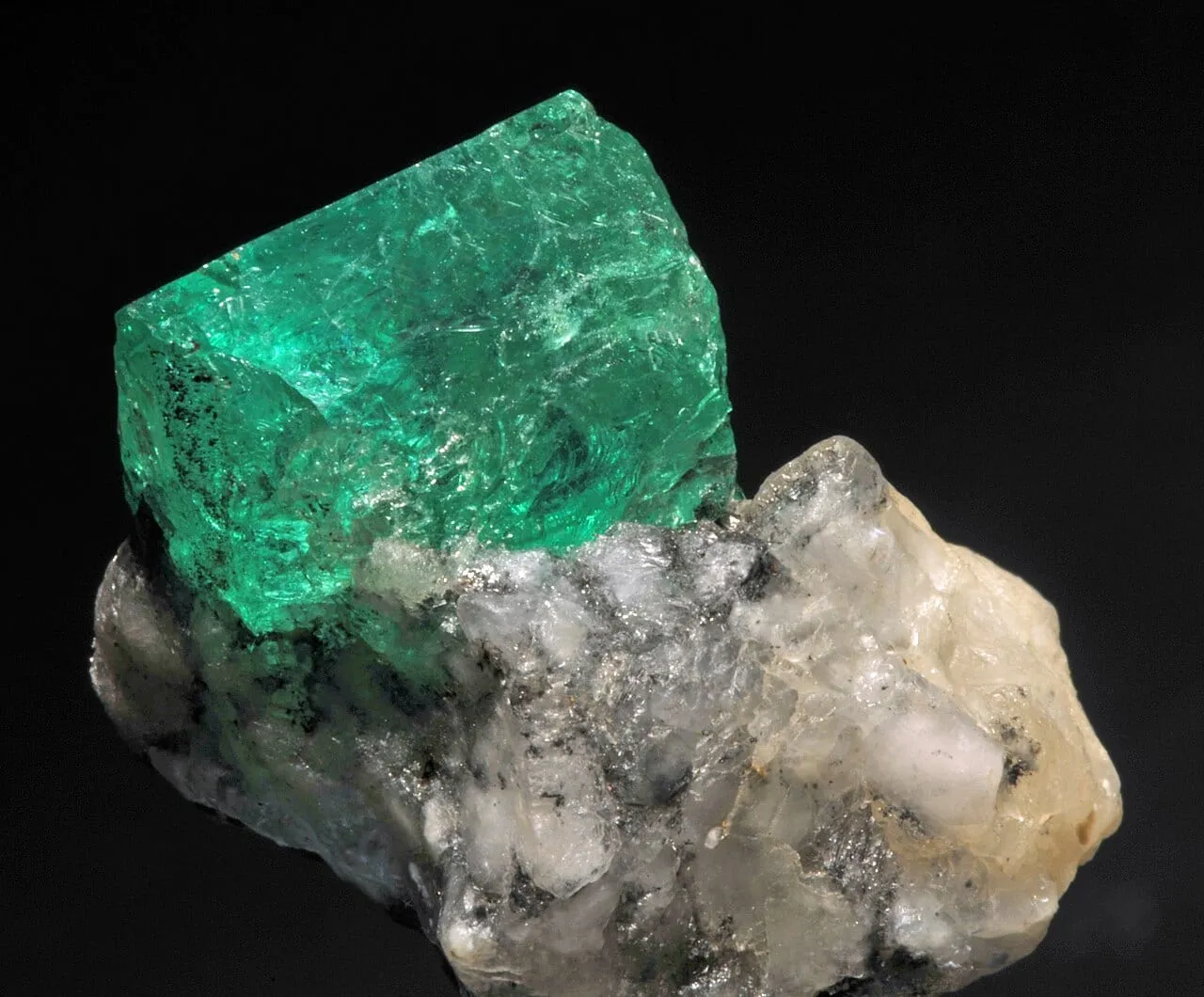
Emerald
Beryl turned green by chromium and vanadium: the world's most famous green gem, almost always full of inclusions.
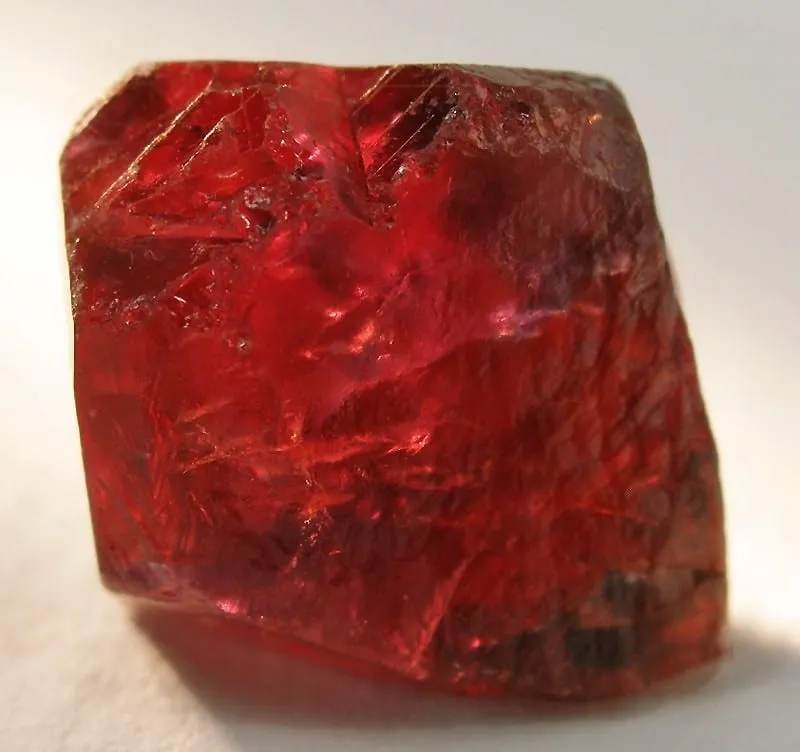
Ruby
Corundum coloured red by chromium: one of the world's most famous gems, able to glow red under ultraviolet light.
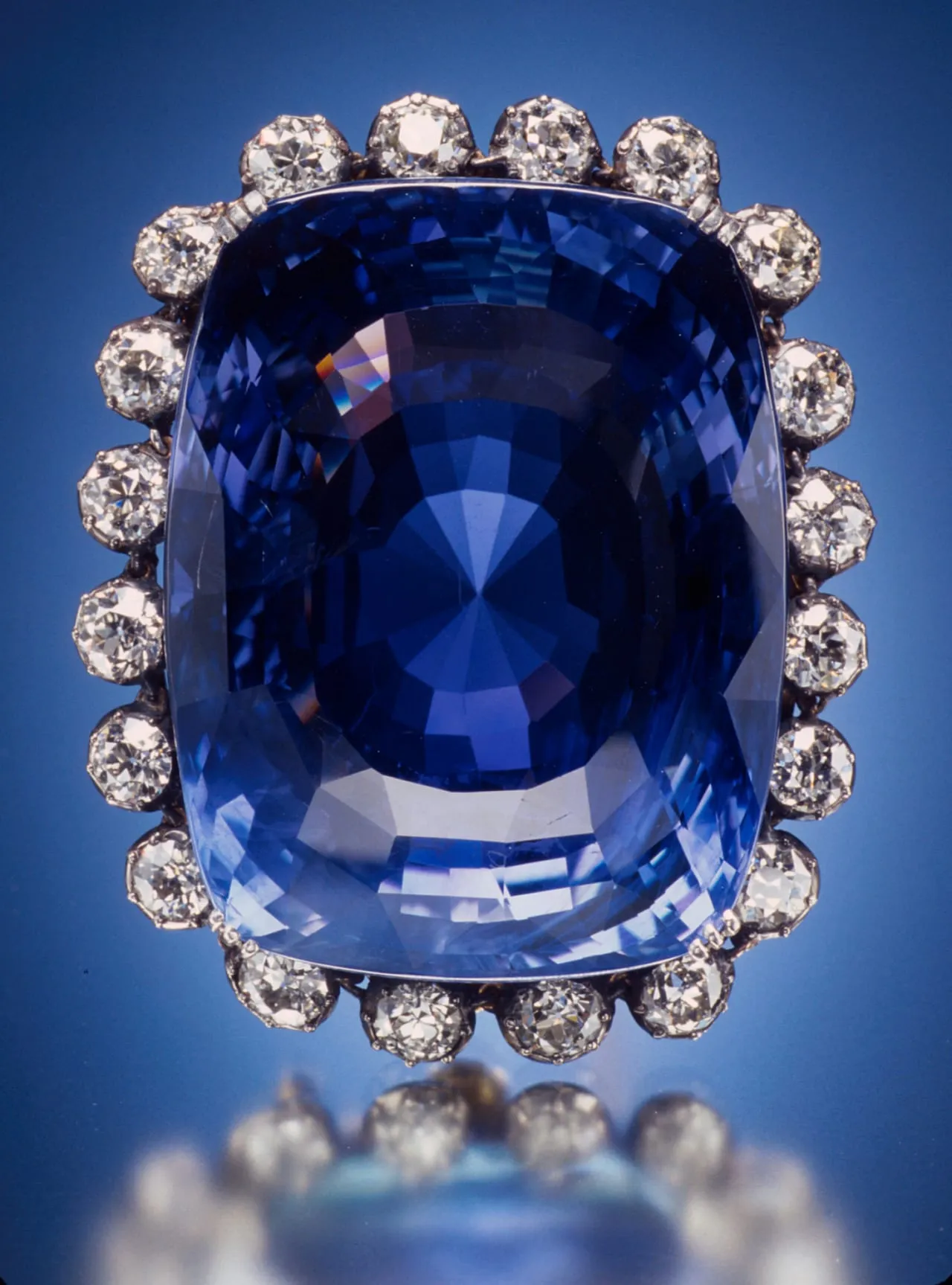
Sapphire
Corundum in almost any colour except red; the most famous is the blue sapphire, coloured by iron and titanium.