Mineral
Spinel
MgAl₂O₄Spinel
The gem mistaken for ruby for centuries: even the famous “Black Prince's Ruby” in the British crown is actually a spinel.
Also known as: Balas ruby (historical name for red spinel)
- Gemstone

In short
Spinel is an oxide mineral made of magnesium and aluminium. It comes in many colours, including red, pink, purple, blue and black. Red spinel looks so much like ruby that many famous “rubies” in royal jewels later turned out to be spinels.
How does it form?
Spinel is found mostly in marbles formed when limestone and dolomite are transformed by heat and fluids from magma. This setting is very similar to that of ruby, so in places such as Mogok in Myanmar, ruby and spinel come from the same rocks and the same river gravels. Because spinel is hard and chemically resistant, it collects in gravels when rocks wear away.
Where does the colour come from?
Pure spinel is colourless. Vivid reds and pinks come from traces of chromium, orange and purple tones from iron together with chromium, violet and blue tones from iron, and the most vivid blues from cobalt.
The stone confused with ruby
Before modern mineralogy, most red gems were called ruby; only later was spinel recognised as a separate mineral. Today the most desirable colour is vivid red, followed by fine cobalt blue; bright pink spinels are also popular. Large, clean stones are rare.
How to recognise it
- 1
Its crystals are often sharp eight-sided octahedra; flat, triangular “spinel twins”, formed when two crystals grow together, are also typical.
- 2
It is singly refractive: unlike ruby, its colour does not change when viewed from different directions (no pleochroism).
- 3
Its hardness is 7.5–8, so it scratches quartz. Its specific gravity is about 3.6, a little lighter than ruby (about 4.0).
- 4
Telling natural from synthetic spinel, and red spinel from ruby, with certainty needs a gem laboratory.
Fakes and imitations
What shops usually don’t tell you:
- Synthetic spinel is made by flame fusion (Verneuil) and flux growth. It has long been used to imitate aquamarine, sapphire and many other gems; some coloured stones sold as birthstones are synthetic spinel.
- Red spinel can be mistaken for ruby, and blue spinel for sapphire. Conversely, red glass and garnet may be sold as spinel.
- Names such as “balas ruby” or “spinel ruby” are misleading; the correct name of the stone is spinel.
Did you know?
The “Black Prince's Ruby” in the British Imperial State Crown came into the hands of Edward, Prince of Wales, in 1367 and is actually a large, polished red spinel.
The “Timur Ruby” in the British Royal Collection, weighing more than 350 carats, is also a spinel; it bears engraved Persian inscriptions.
Where is it found?
Loading map…
- Mogok, Mandalay Region, Myanmar · Major depositRed and pink spinels formed in marble alongside ruby; famous for sharp octahedral crystals
- Kuh-i-Lal, Gorno-Badakhshan, Tajikistan · Historic sourceHistoric spinel deposits of the Badakhshan region; the word “balas” in “balas ruby”, an old name for red spinel, derives from the region’s name
- Mahenge, Morogoro, Tanzania · Known localityVivid pink and red spinels
- Luc Yen, Yen Bai, Vietnam · Known localitySpinels in many colours, including blue
Locations are approximate to protect sites. Red dots mark places in Türkiye. Open in the big map →
Sources
- Handbook of Mineralogy: Spinel · Mineralogical Society of America
- Spinel Description (Gem Encyclopedia) · GIA
- Spinel History and Lore · GIA
External links
Draft: awaiting expert reviewReport an error ↗
On the same step
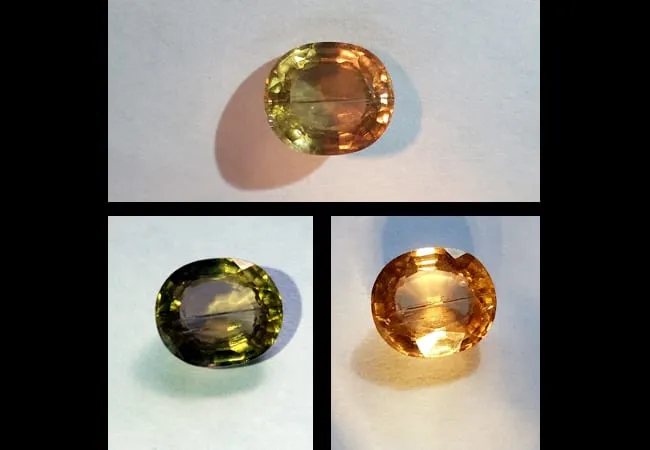
Diaspore
A rare mineral that looks greenish in daylight and pinkish under incandescent light; gem-quality material comes almost only from Muğla.
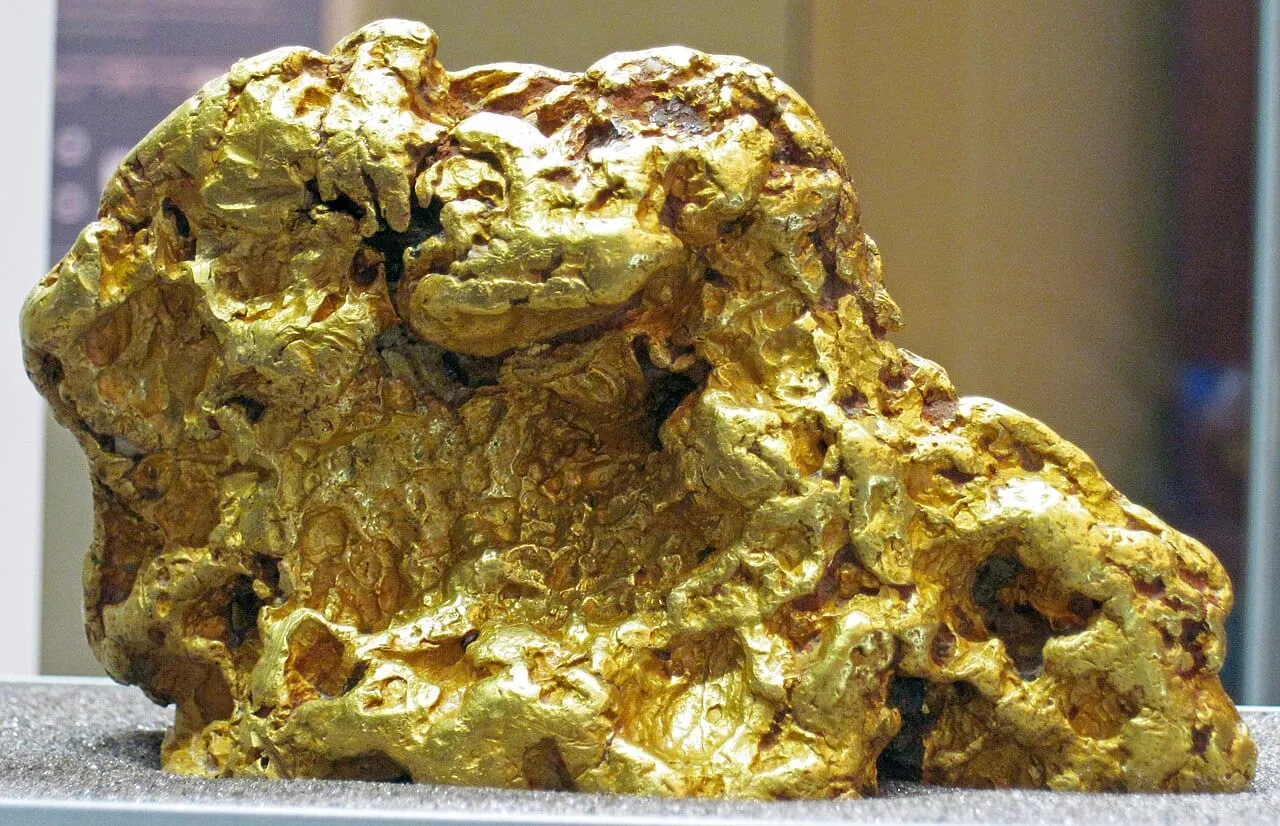
Gold
A heavy, bright yellow metal that occurs pure in nature, never tarnishes and can be hammered into sheets or drawn into wire.
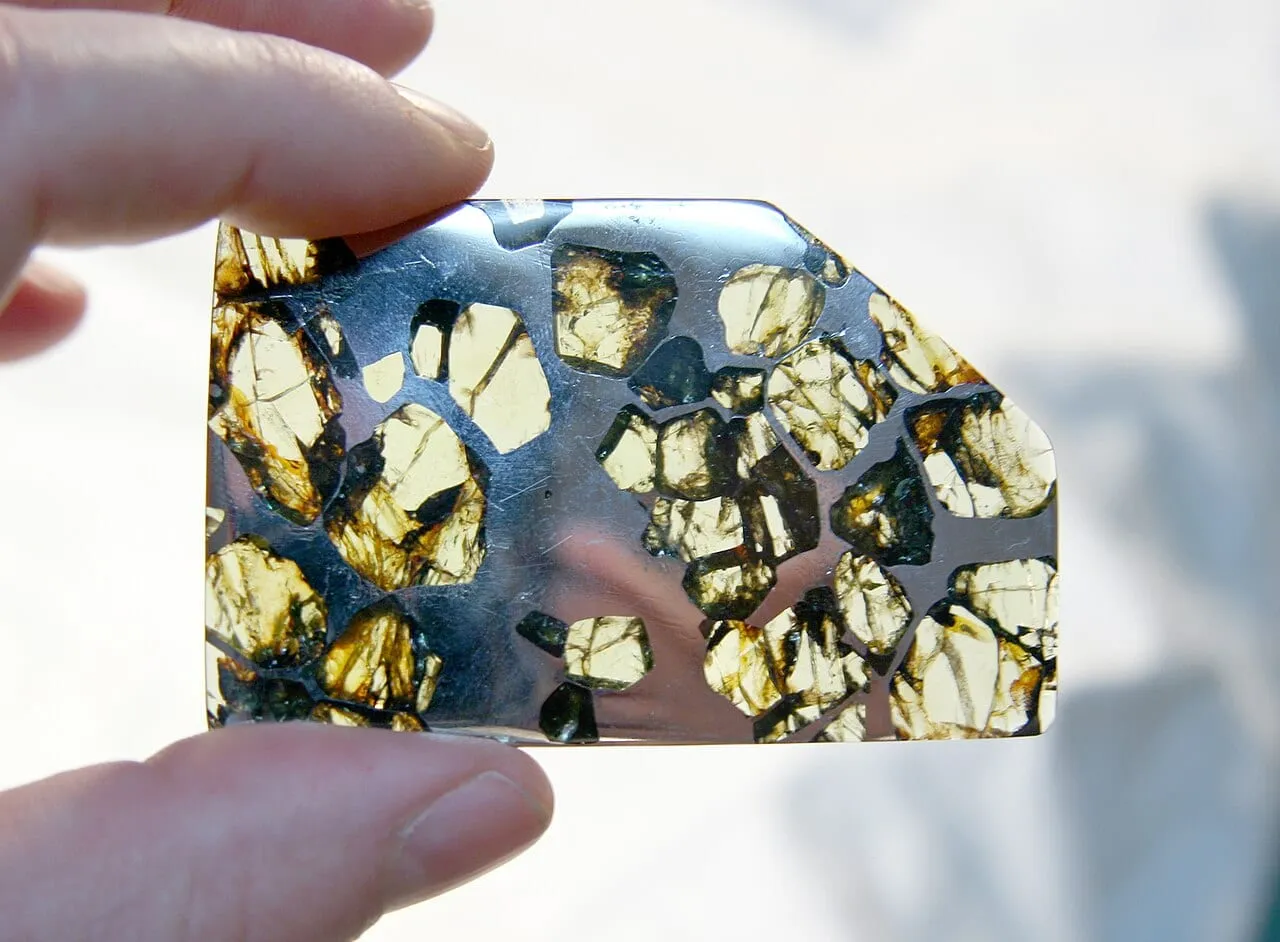
Pallasite
A rare stony-iron meteorite with golden-green olivine crystals set in shining iron–nickel metal, counted among the most beautiful meteorites.