VarietyA variety of Quartz
Smoky quartz
SiO₂Dumanlı kuvars
The brown-to-black variety of quartz, which owes its colour to natural radiation from the surrounding rocks.
Also known as: Morion (black, opaque variety) · Cairngorm (from Scotland)
- Gemstone
- Ornamental
In short
Smoky quartz is the variety of quartz whose colour ranges from light brown through smoky grey to an almost opaque black. Its colour comes from tiny amounts of aluminium inside the crystal reacting to natural radiation from the surrounding rocks. It can grow as large, shiny crystals in cavities in granite and pegmatite.
Where does the colour come from?
In the quartz crystal structure, a few silicon atoms can be replaced by tiny amounts of aluminium. Over long periods, radiation from naturally radioactive elements in rocks such as granite creates colour centres around this aluminium, and the crystal turns smoky. The colour is sensitive to heat: heated smoky quartz grows paler, sometimes passing through yellow before losing its colour completely. Because the same process can be imitated in the laboratory, some smoky quartz on the market has been artificially irradiated.
Where is it found?
Smoky quartz is common in granites and pegmatites that are relatively rich in radioactive elements. Fissures in the Swiss Alps are famous for large, clear crystals. Around Pikes Peak in Colorado, USA, smoky quartz occurs together with blue-green amazonite crystals. Scotland’s Cairngorm Mountains even gave the stone one of its names.
What is it used for?
Smoky quartz is facet-cut for jewellery and carved into ornaments, and well-formed crystals are sought after by collectors. In Scotland it was traditionally set into brooches, kilt pins and the handles of traditional knives and daggers. Its brown tones sometimes lead to confusion with topaz, but hardness and optical properties show that it is quartz.
How to recognise it
- 1
It is as hard as quartz (7): it scratches glass, and a steel knife cannot scratch it.
- 2
Its crystals end in a six-sided prism with a pointed tip and are often found in cavities in granite or pegmatite together with feldspar crystals.
- 3
Held up to the light it shows a brownish-grey tone; its darkest form, morion, lets almost no light through.
- 4
Whether the colour is natural or the result of artificial irradiation cannot be told at home; that needs laboratory testing.
Fakes and imitations
What shops usually don’t tell you:
- Artificially irradiated quartz: colourless quartz can be given a smoky colour by irradiation. This is common on the market and the seller should disclose it.
- Names such as “smoky topaz” are misleading: the stone is quartz, not topaz.
- Heated smoky quartz: heating lightens the colour and sometimes turns it yellow; such stones may be sold as citrine.
- Brown glass: softer than quartz and may show round air bubbles inside.
Did you know?
Smoky quartz from Scotland's Cairngorm Mountains is called “cairngorm” and is a favourite ornamental stone in brooches worn with Highland dress.
Morion is the general German name for smoky quartz; in English and Turkish it is used only for the almost black, opaque form.
Where is it found?
Loading map…
- Cairngorm Mountains, Scotland · Historic sourceSource of the smoky quartz called “cairngorm”, used in brooches worn with Highland dress
- Gotthard massif, Swiss Alps · Major depositLarge, clear crystals in Alpine-type fissures
- Pikes Peak, Colorado, USA · Known localityTogether with blue-green amazonite crystals in granite pegmatites
Locations are approximate to protect sites. Red dots mark places in Türkiye. Open in the big map →
Family

Sources
- Smoky quartz · Encyclopaedia Britannica
- Handbook of Mineralogy: Quartz · Mineralogical Society of America
- Geology to jewellery: the history and science of Cairngorm quartz · National Museums Scotland
External links
Draft: awaiting expert reviewReport an error ↗
On the same step
Agate
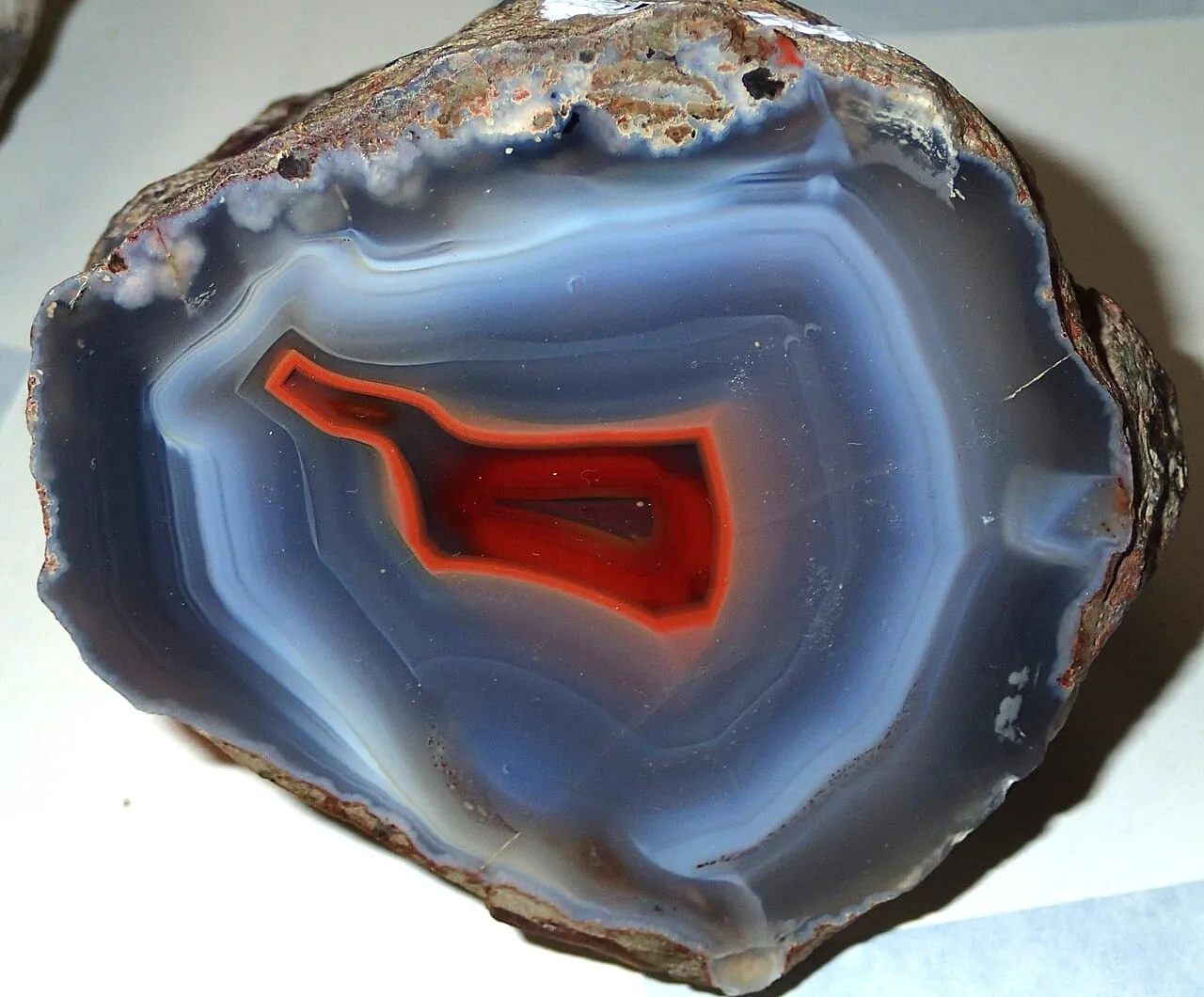
The banded variety of chalcedony: it grows layer by layer in hollows in volcanic rock and shows a new pattern every time it is cut.
Amethyst
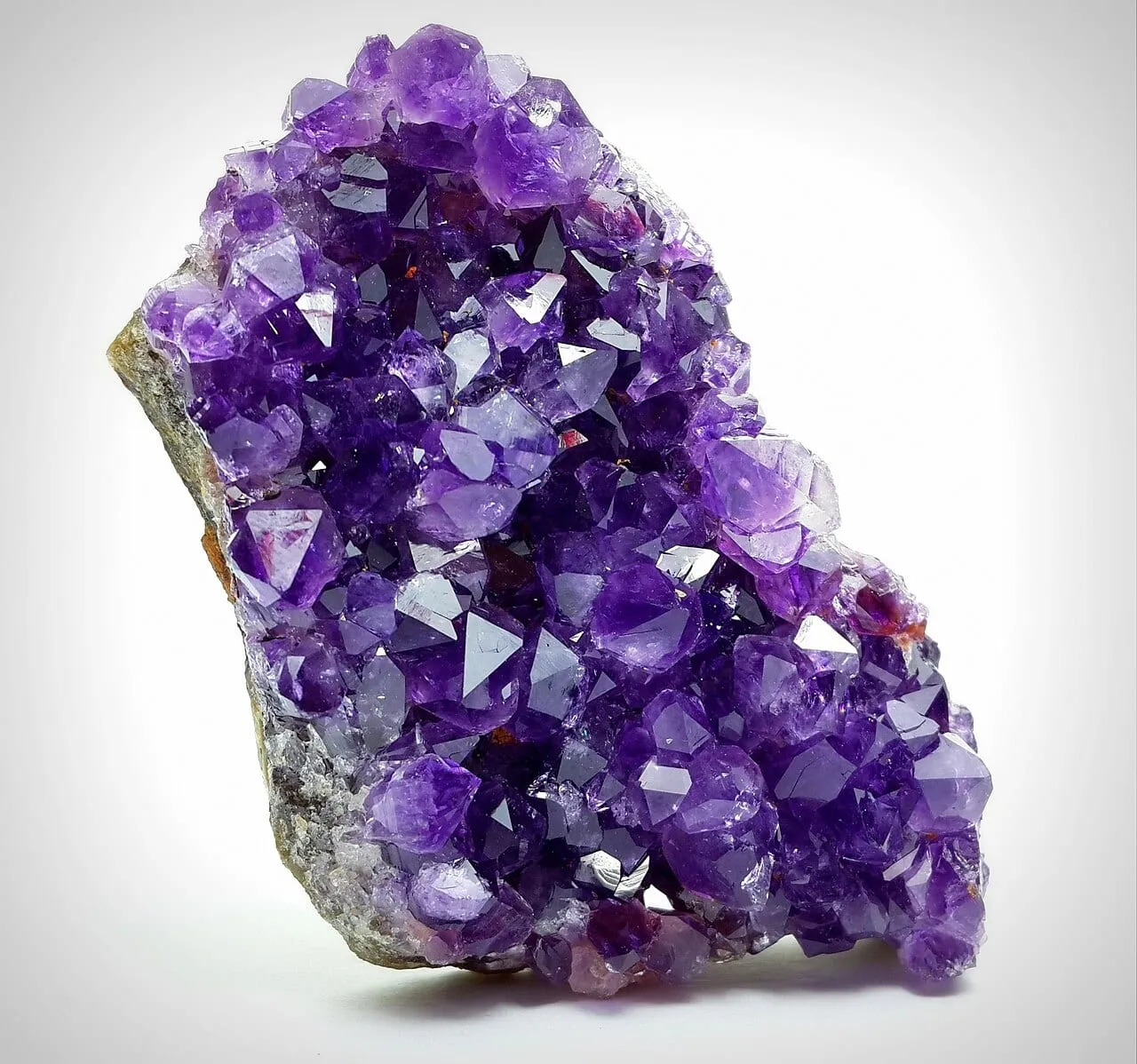
The purple variety of quartz, coloured by traces of iron working together with natural radiation.
Azurite
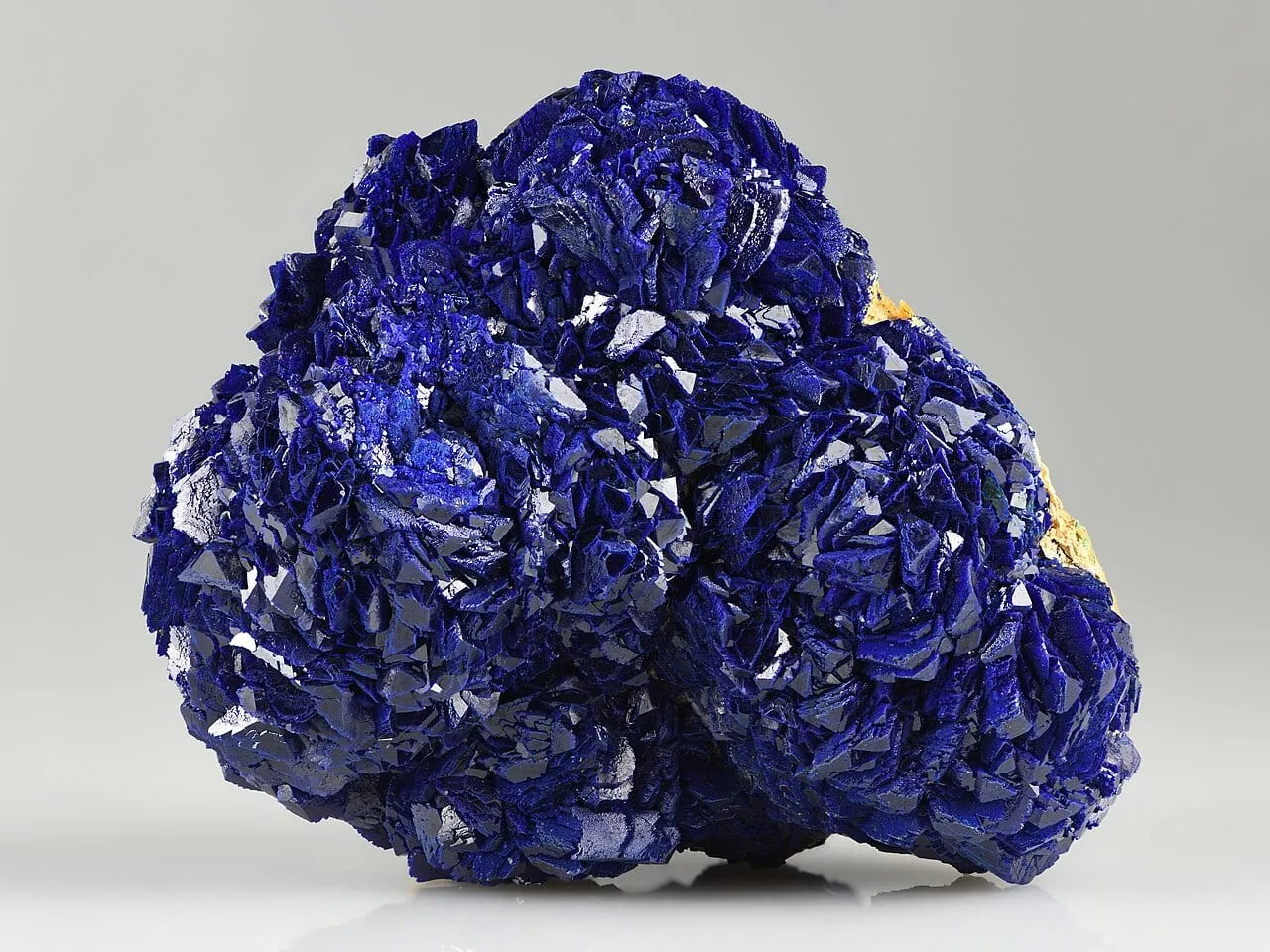
A deep blue copper mineral that was the most important blue pigment of medieval and Renaissance painters.