Mineral
Corundum
Al₂O₃Korindon
The aluminium oxide that defines 9 on the Mohs hardness scale: its red form is ruby, all its other colours are sapphire.
- Industrial
- Gemstone
- Mohs scale mineral
- Important in Türkiye
In short
Corundum is a very hard mineral made of aluminium and oxygen. Pure corundum is colourless; tiny amounts of chromium turn it red (ruby), while iron and titanium turn it blue (sapphire). Its plain, dark varieties have been used for centuries as abrasives because they are so hard.
How does it form?
Corundum forms in settings rich in aluminium but poor in silicon. If silicon were plentiful, the aluminium would go into silicate minerals such as feldspar or mica instead. Marbles, some igneous rocks such as syenite, and aluminium-rich rocks transformed at high temperature are the main sources. Because corundum is so durable, it survives when rocks wear away and collects in river gravels; this is how the gem deposits of Ratnapura in Sri Lanka formed.
What is it used for?
- Abrasives: Its hardness makes it useful in sandpaper and in grinding and polishing powders. Today mostly manufactured aluminium oxide is used for this.
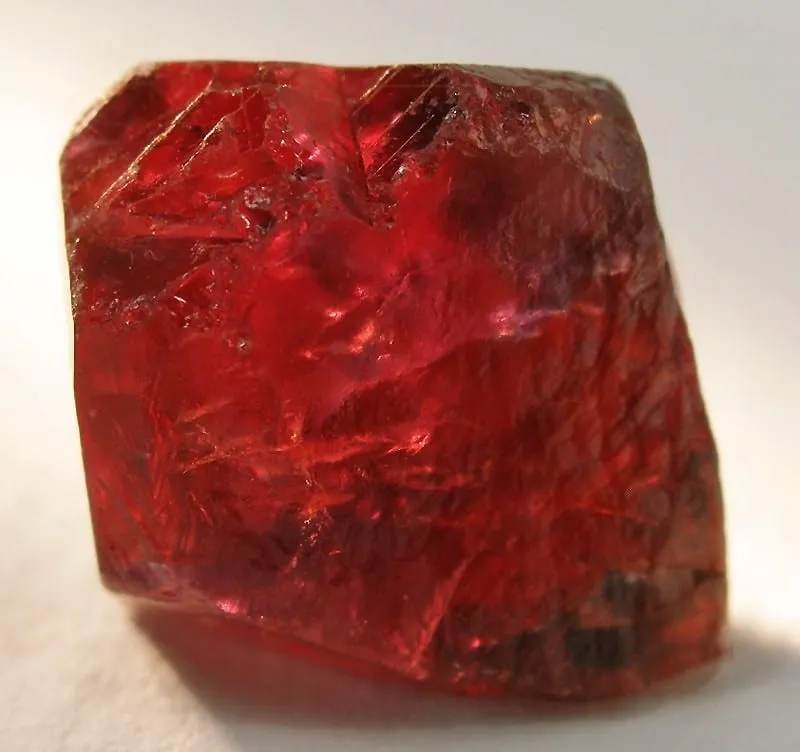
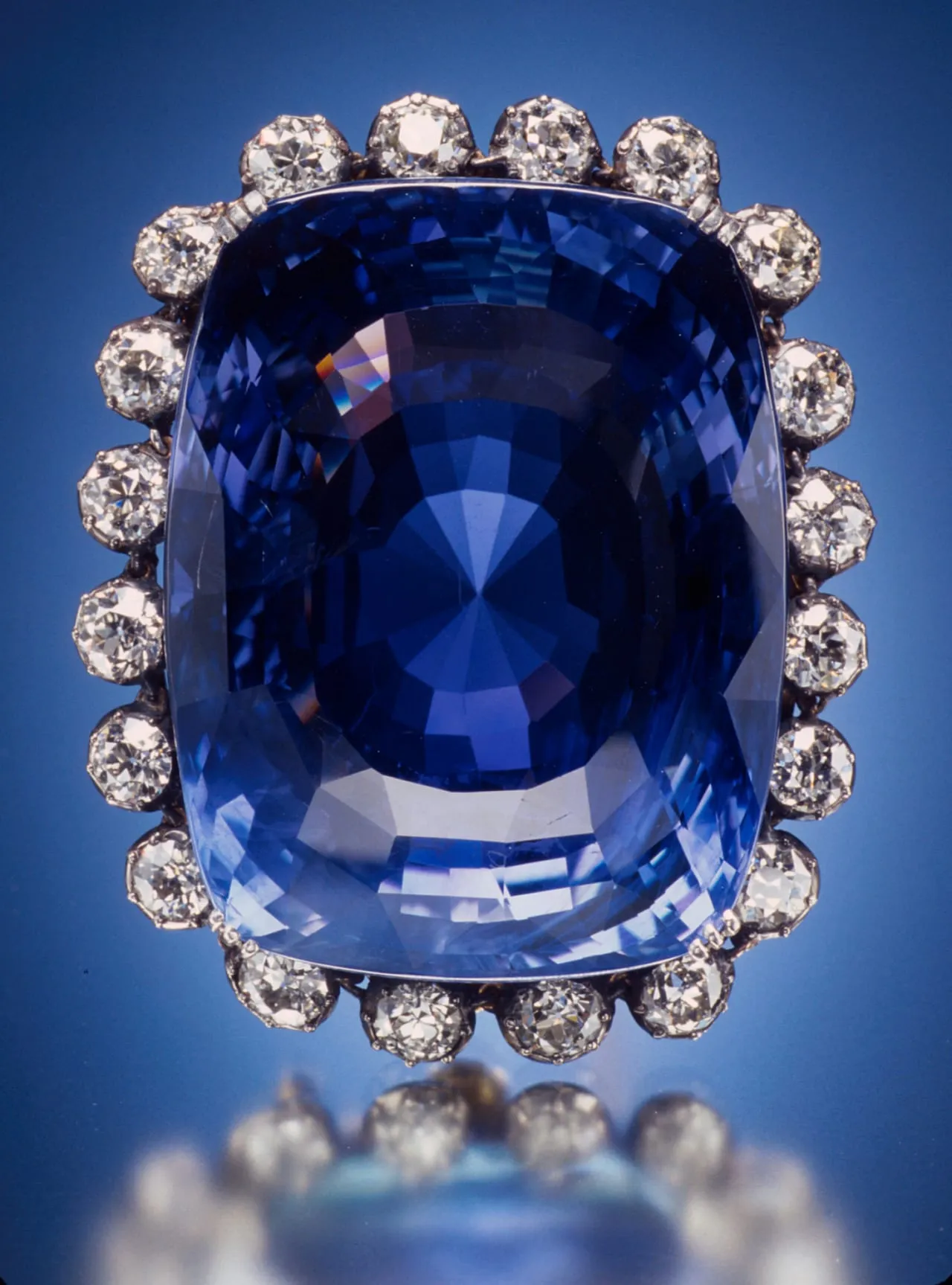
- Gemstones: The red variety is called ruby; every other colour is sapphire.
- Technology: Synthetic corundum crystals are used in watch glasses, lasers and electronics.
Türkiye and emery
Emery is a dark, very hard rock in which corundum is mixed with minerals such as magnetite, hematite and spinel. The Menderes Massif in western Anatolia (around Aydın, İzmir and Muğla) hosts important emery deposits. Türkiye and Greece (the island of Naxos) are the main sources of the world’s natural emery.
How to recognise it
- 1
It is very hard (9): it scratches quartz and topaz. Do not try this on cut gems; they can be damaged.
- 2
It feels heavy for its size (specific gravity about 4.0).
- 3
Crystals are often barrel-shaped or steep six-sided pyramids, and their faces may show horizontal lines and hexagonal patterns.
- 4
Emery is dark grey to black, heavy and fine-grained; because it contains magnetite, it may be attracted to a magnet.
Fakes and imitations
What shops usually don’t tell you:
- Synthetic corundum has been made by the Verneuil (flame fusion) method since 1902 and is chemically identical to natural corundum. Curved growth lines and gas bubbles seen under magnification can be clues, but a definite answer needs a laboratory.
- Heat treatment to improve colour and clarity is very common. There are also more advanced treatments, such as diffusing elements like beryllium into the stone with heat; all treatments should be disclosed by the seller.
- Colourless synthetic corundum (synthetic sapphire) is sometimes used to imitate diamond and other colourless gems.
Did you know?
Scratch-resistant “sapphire crystal” watch glasses are actually laboratory-grown colourless corundum.
Its name is thought to come from the Sanskrit “kuruvinda”, meaning ruby, through the Tamil “kurundam”.
Where is it found?
Loading map…
- Menderes Massif emery deposits (Aydın, İzmir, Muğla), Türkiye · Major depositTürkiye is one of the world’s main sources of natural emery
- Naxos, Greece · Historic sourceEmery worked since antiquity
- Ratnapura, Sri Lanka · Major depositGem corundum (sapphire, ruby) in river gravels
- Chester, Massachusetts, USA · Historic sourceFormer emery mines
Locations are approximate to protect sites. Red dots mark places in Türkiye. Open in the big map →
Varieties

Sources
- Handbook of Mineralogy: Corundum · Mineralogical Society of America
- Emery (rock) · Encyclopaedia Britannica
- Verneuil method · Wikipedia
External links
Draft: awaiting expert reviewReport an error ↗
On the same step
Borax (tincal)
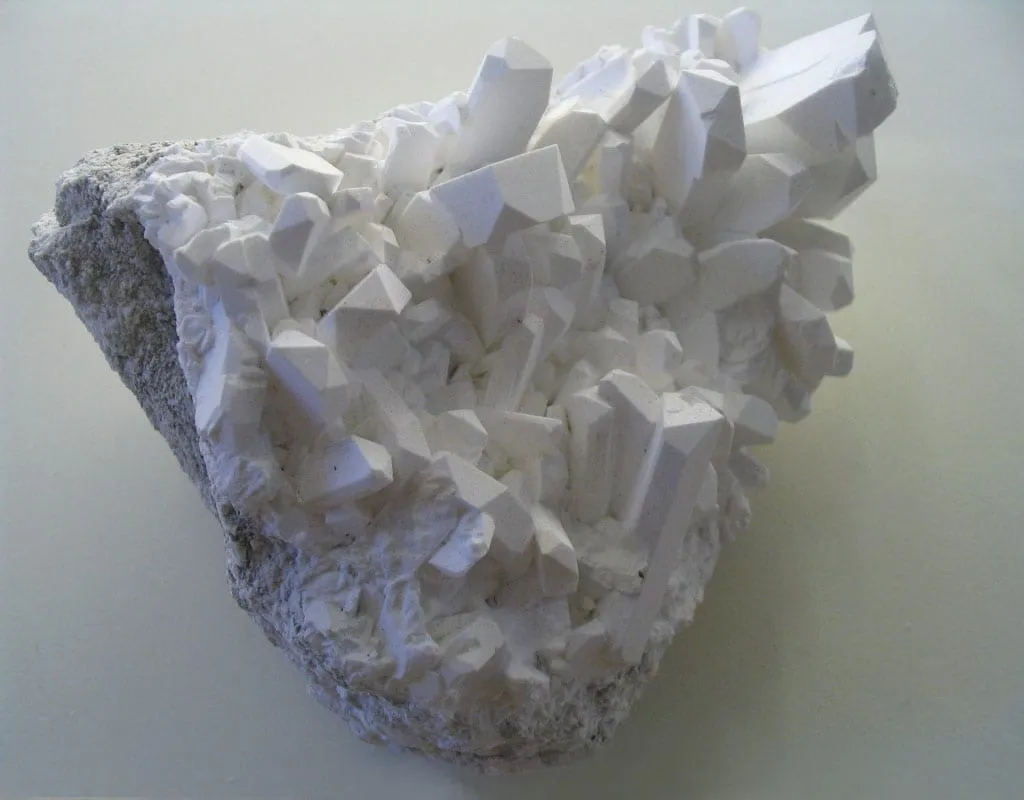
A sodium borate that dissolves in water and crumbles to white powder in dry air; one of the world’s key tincal deposits is at Kırka in Eskişehir.
Celestine
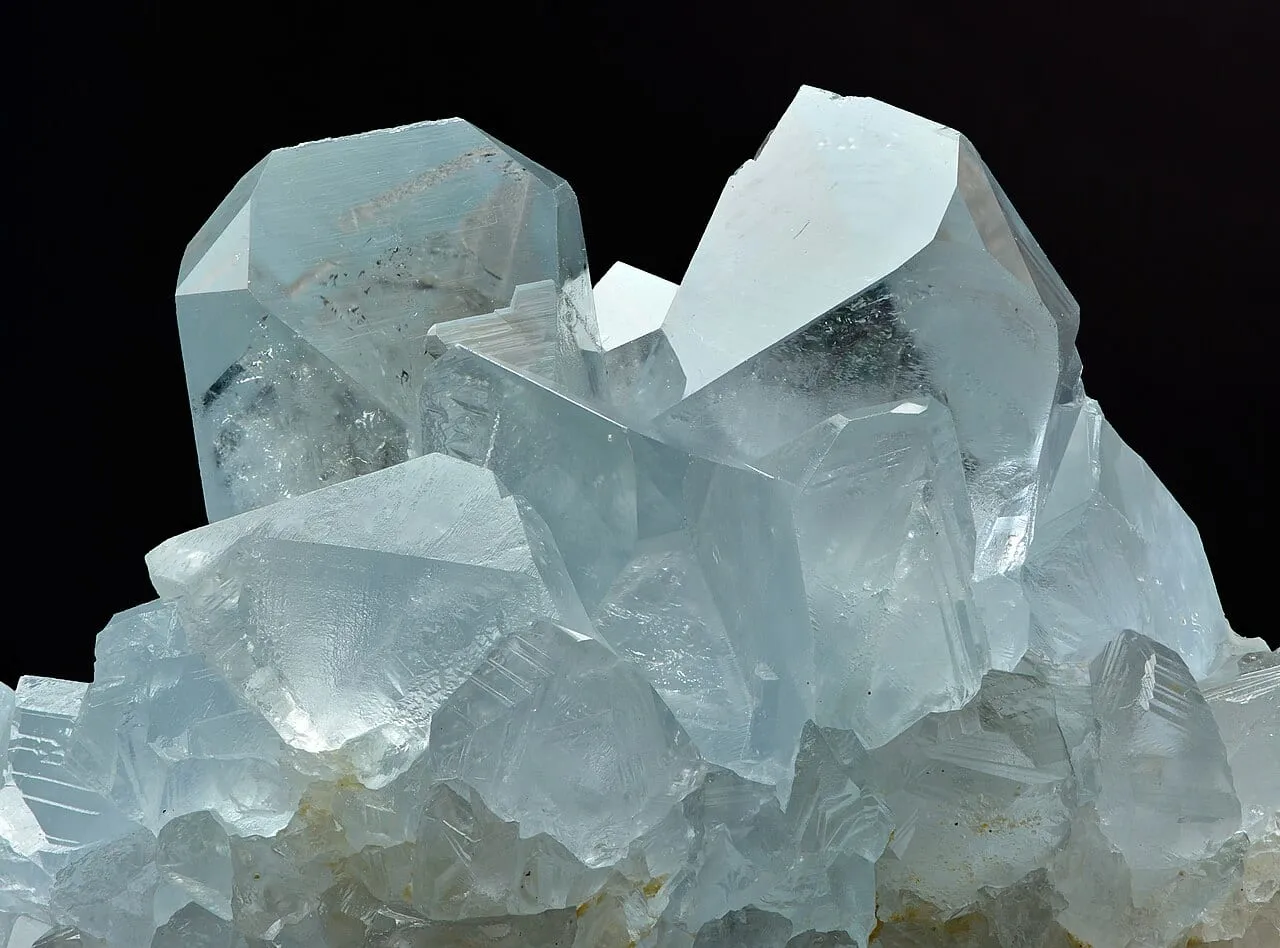
A strontium mineral named after the sky, often forming pale blue crystals; the source of the red in fireworks.
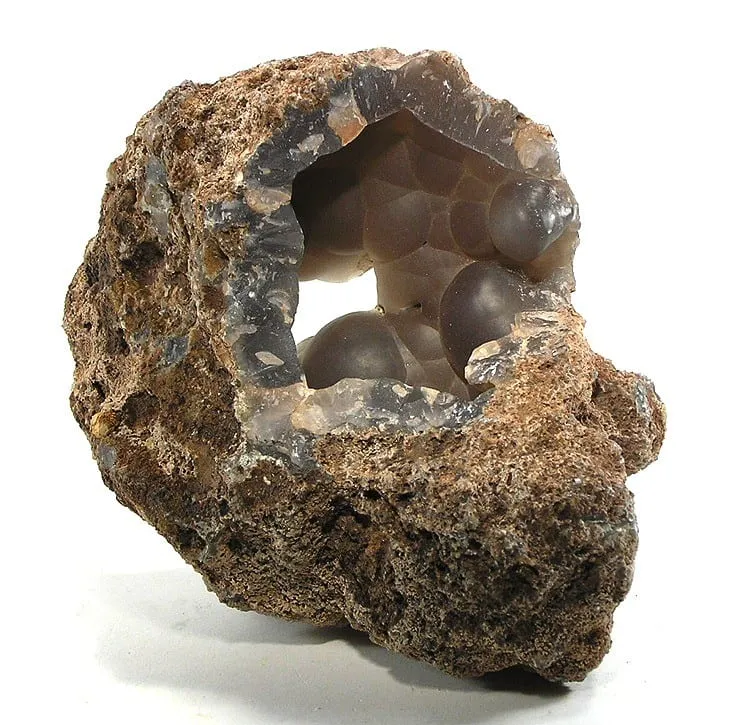
Chalcedony
A waxy-lustred stone made of quartz crystals far too small to see: the family name for agate, onyx and many other ornamental stones.