Organic gem
Amber
Kehribar
Tree resin fossilised over millions of years: a light, warm organic gem that sometimes holds prehistoric insects.
Also known as: Succinite (Baltic amber)
- Gemstone
- Ornamental

In short
Amber forms when sticky resin oozing from ancient trees gets buried in the ground and slowly hardens over millions of years. That is why it is an organic gem, not a mineral. Some pieces of amber contain insects and leaves that got stuck in the resin long ago.
How does it form?
Some trees release a sticky resin to protect themselves when they are wounded. If this resin is buried in soil or sediment, it loses its volatile components and changes chemically, hardening over millions of years. Young resin that has not yet completed this change is called copal. Because amber has no crystal structure and comes from a living thing, it is classed as an organic gem. Insects, spiders and plant fragments trapped in the resin are preserved in remarkable detail, and these inclusions are a unique source of information for palaeontologists. The oldest known amber is about 320 million years old.
Where is it found?
The world’s largest deposits lie around the Baltic Sea. Baltic amber formed in the Eocene epoch (about 56–34 million years ago), and most of the amber mined today comes from Russia’s Kaliningrad region; pieces washed up on the beaches after storms are collected too. The Dominican Republic and the Mexican state of Chiapas are known for younger (Miocene) amber, famous for its inclusions.
Amber in Türkiye
In Türkiye amber is a favourite material for prayer beads (tespih); craftsmen in cities such as Mardin make them from natural “drop amber” and from pressed amber. Oltu stone, popularly called “black amber”, is not amber at all but a kind of jet made of coalified wood.
How to recognise it
- 1
It is very light: it floats in saturated salt water (stir salt into a glass of water until no more dissolves), while glass and stone imitations sink. Copal and some plastics float too, so this test is not enough on its own. Remove any metal fittings first.
- 2
It is soft (Mohs 2–2.5) and feels warm rather than cold. Rubbed on a woollen cloth, it becomes charged and picks up small bits of paper, although many plastics do the same.
- 3
A heated needle touched to a hidden spot makes real amber smell of resin (pine), while plastic gives off a sharp, burnt-plastic smell. This test leaves a mark: do not use it on valuable pieces, and take care with the flame.
- 4
Telling amber reliably from copal, pressed amber and plastic imitations needs laboratory methods such as infrared spectroscopy (FTIR).
Fakes and imitations
What shops usually don’t tell you:
- Copal: much younger tree resin that is not yet fully fossilised. It looks very like amber and also floats in salt water, but a drop of acetone quickly makes its surface sticky (this test also leaves a mark).
- Pressed (reconstructed) amber, sometimes called ambroid: small pieces of amber fused together by heat and pressure. It is made of real amber but is not a natural single piece and must be sold as such; under a loupe it may show a granular structure, flow marks and stretched bubbles.
- Plastic and resin imitations made of Bakelite, polyester or epoxy, sometimes with insects embedded in them. Many old prayer beads sold in Türkiye as “faturan” or “Ottoman pressed amber” are also Bakelite-like phenolic resin, not natural amber.
- The name “black amber” is misleading: Oltu stone, often called that, is a kind of jet made of coalified wood, whereas amber is fossil resin.
Safety
Amber is not toxic. Amber “teething necklaces” for babies are dangerous, however: the U.S. Food and Drug Administration (FDA) has reported cases of babies seriously injured or killed by choking on beads or being strangled by such necklaces, and recommends not using them. The claim that they ease teething pain is not supported by scientific evidence.
Did you know?
The Turkish word “kehribar” comes from Persian kahrubā, meaning “straw attractor”: people have long known that rubbed amber picks up bits of straw.
The ancient Greek name for amber was “elektron”. In 1600 the English scientist William Gilbert named materials that attract objects when rubbed after this word, which is where the idea of “electricity” comes from.
Where is it found?
Loading map…
- Yantarny, Kaliningrad, Russia · Major depositThe world’s largest amber deposits; most of the amber mined today comes from here.
- Gulf of Gdańsk coast, Poland · Historic sourceAmber washed up on Baltic beaches after storms is collected here; Gdańsk has been a centre of amber craftsmanship for centuries.
- Cordillera Septentrional, Dominican Republic · Major depositClear Miocene amber famous for its inclusions; also the source of “blue amber”, which glows blue in ultraviolet light and sunlight.
- Simojovel, Chiapas, Mexico · Known localityThe main mining area for Mexico’s Miocene amber.
Locations are approximate to protect sites. Red dots mark places in Türkiye. Open in the big map →
Sources
- Amber · Gemological Institute of America (GIA)
- Amber · Encyclopaedia Britannica
- Safely Soothing Teething Pain in Infants and Children · U.S. Food and Drug Administration (FDA)
- Mardin'de ürettiği kehribar tespihleri Orta Doğu ülkelerine ihraç ediyor · Demirören Haber Ajansı (DHA), 2024
External links
Draft: awaiting expert reviewReport an error ↗
On the same step
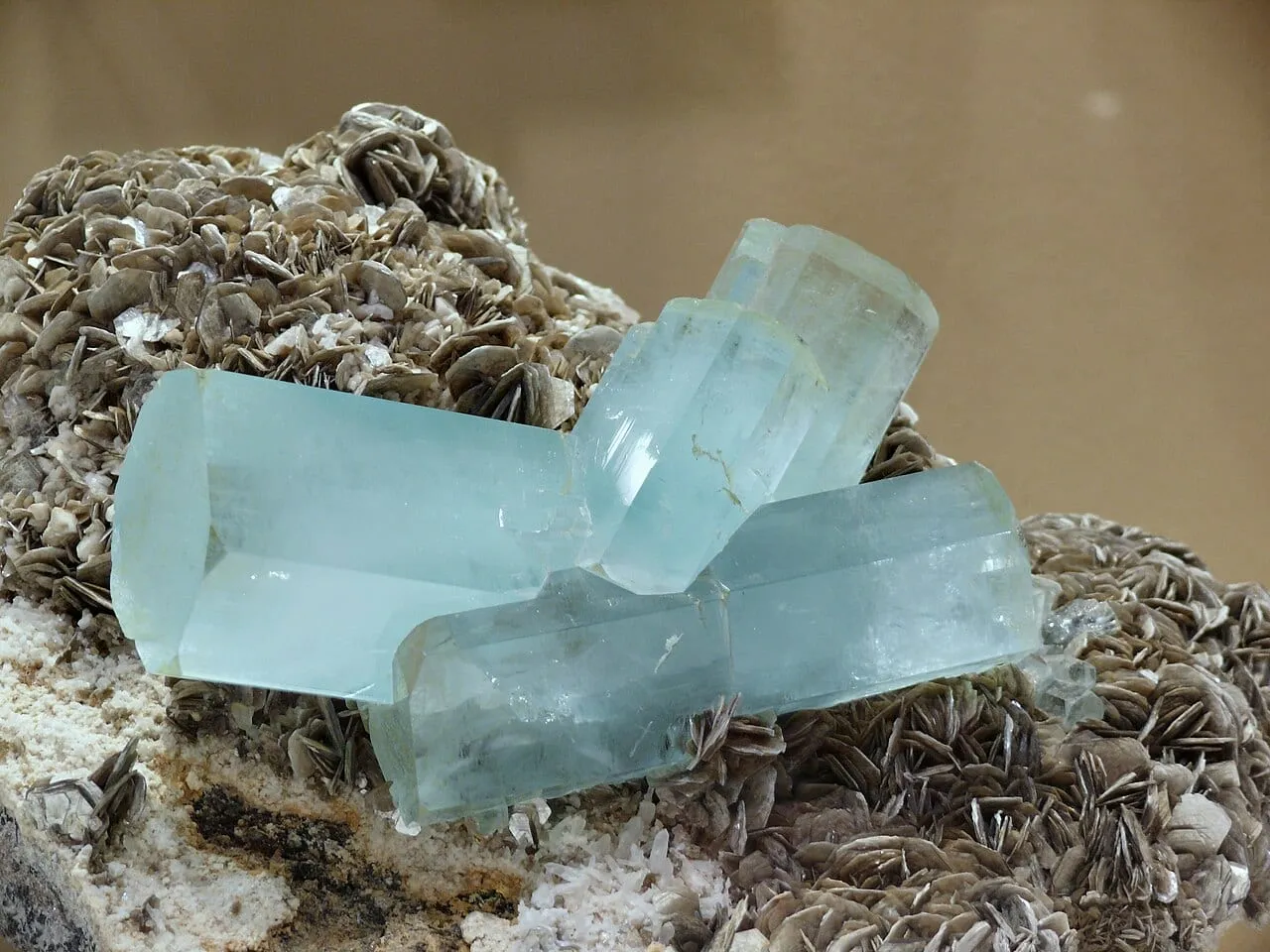
Aquamarine
The blue member of the beryl family, named after seawater: often found as large, clear, nearly flawless crystals.
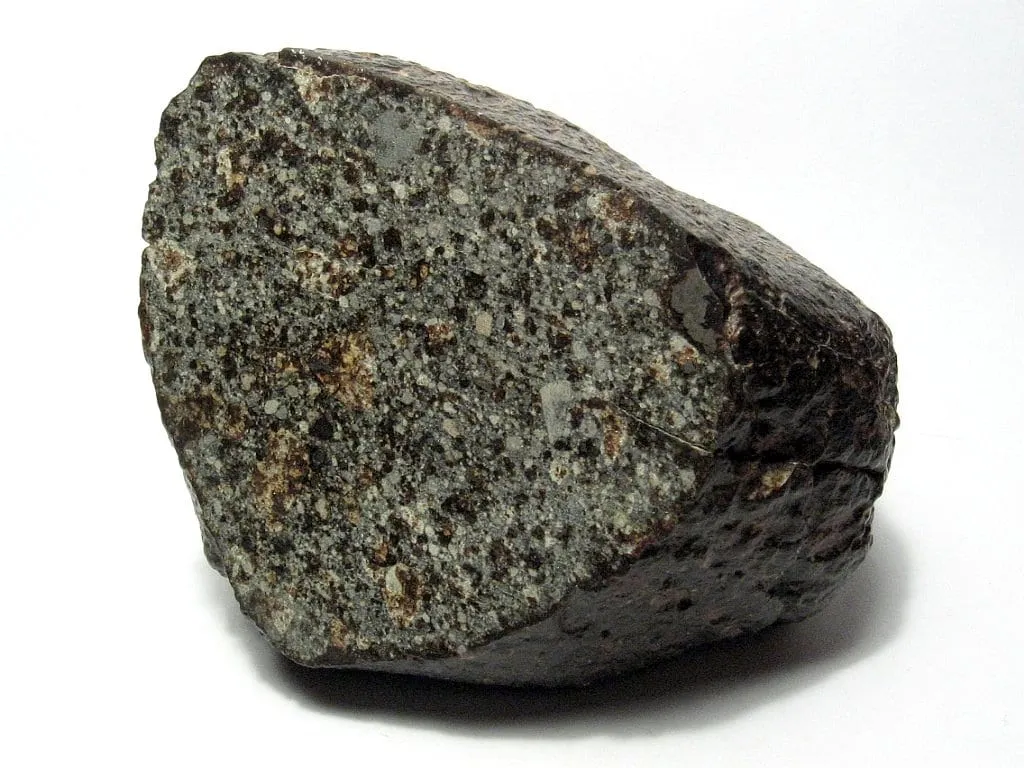
Chondrite
A leftover from the birth of the Solar System, full of tiny once-molten droplets, and the commonest kind of meteorite to fall to Earth.
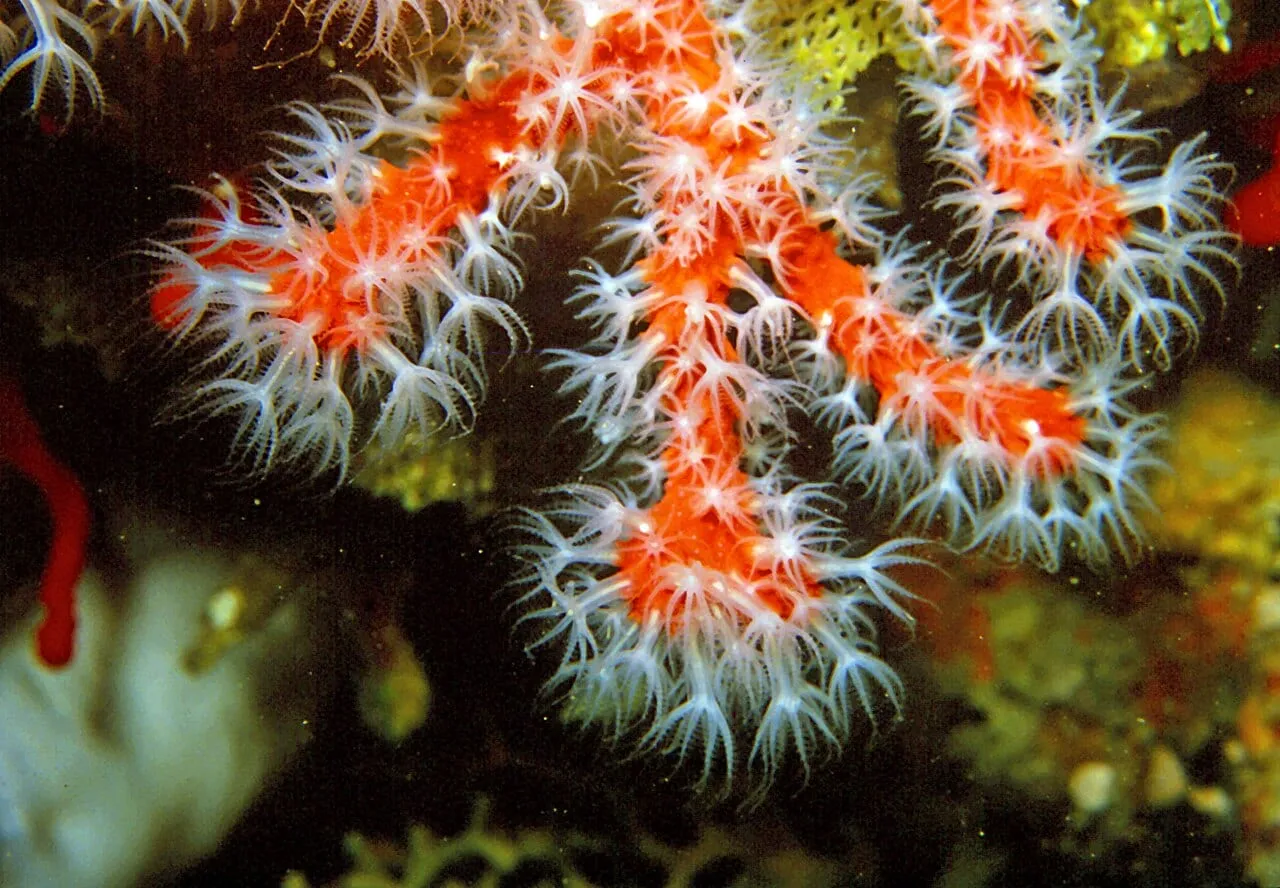
Coral
The red limestone skeleton of tiny deep-sea animals: an organic gem that grows so slowly it needs protecting.