Rock
Quartzite
Kuvarsit
Sandstone turned to steel: an almost pure quartz rock that stubbornly resists wear.
- Building stone
- Industrial

In short
Quartzite is a very hard rock formed when sandstone made of quartz sand is changed by heat and pressure inside Earth's crust. The sand grains recrystallise and lock together so tightly that the rock breaks through the grains instead of around them. Because it resists wear so well, it often caps hills and ridges.
How does it form?
Quartzite starts out as pure sandstone made almost entirely of quartz grains. When such rock is buried deep and heated during mountain building, the quartz grains recrystallise and the spaces between them disappear. The grains end up so tightly interlocked that the rock breaks through the grains rather than around them.
Some sandstones become just as hard without metamorphism, cemented by silica deposited between the grains. Geologists sometimes call these orthoquartzites and the metamorphic kind metaquartzites. Quartzites are the largest and purest concentrations of silica in Earth’s crust. Pure quartzite is white; iron oxides tint it pink or red, and flakes of chromium-bearing mica turn it green.
What is it used for?
- Industry: Very pure quartzite is used in metallurgy, for example to make silicon and ferrosilicon, and in heat-resistant silica bricks.
- Construction and roads: Crushed quartzite is used as road aggregate and railway ballast; varieties that split into slabs are used for paving and cladding.
- Worktops: Polished quartzite slabs are also used as kitchen worktops.
- Stone tools: Where flint was not available, Stone Age people often made their tools from quartzite.
How to recognise it
- 1
It is very hard: it easily scratches glass and steel.
- 2
Its broken surface is smooth and glassy, not sandy and rough like sandstone.
- 3
It has a sugary, slightly sparkly look and is usually white, grey or pinkish.
- 4
It does not fizz in dilute acid, which easily tells it apart from look-alike marble.
Fakes and imitations
What shops usually don’t tell you:
- Kitchen worktops sold as “quartz” or “quartz composite” are not natural quartzite: they are engineered stone made of crushed quartz mixed with resin.
- Some marbles and dolomites are sold as “quartzite”. Real quartzite scratches glass and does not fizz in acid; marble can be scratched with a knife and fizzes. Trying these simple tests on a small sample before buying protects against misleading names.
- Dyed quartzite is sold in the jewellery trade under misleading names such as “Malaysian jade”; it is not jade.
Safety
Because quartzite is almost pure quartz, cutting, grinding and crushing it release large amounts of crystalline silica dust, which can cause silicosis when inhaled. Severe silicosis has also been reported among workers who fabricate engineered “quartz” worktops, which are very high in quartz. Wet cutting and proper respiratory protection are essential.
Did you know?
Quartzite is so durable that it is left standing as ridges when the surrounding rocks wear away; the Baraboo Range in Wisconsin, USA, is made of quartzite about 1.7 billion years old.
At Pipestone National Monument in the USA, layers of very hard Sioux Quartzite enclose a red pipestone soft enough to scratch with a fingernail, which Native Americans have carved into pipes for centuries.
Where is it found?
Loading map…
- Baraboo Range, Wisconsin, USA · Known localityRidges of quartzite formed from sand laid down in a shallow sea about 1.7 billion years ago; Devil's Lake lies between them.
- Pipestone National Monument, Minnesota, USA · Known localityLayers of very hard Sioux Quartzite, about 1.6 billion years old, enclose the soft red pipestone that Native Americans carve into pipes.
- São Tomé das Letras, Minas Gerais, Brazil · Known localityOne of Brazil's main centres of ornamental quartzite production; the local “Pedra São Tomé” quartzite also builds the town's walls, pavements and facades.
Locations are approximate to protect sites. Red dots mark places in Türkiye. Open in the big map →
Sources
- Quartzite · Encyclopaedia Britannica
- Geologic Formations — Pipestone National Monument · U.S. National Park Service
- Silicosis Among Immigrant Engineered Stone (Quartz) Countertop Fabrication Workers in California (Fazio et al.) · JAMA Internal Medicine, 2023
External links
Draft: awaiting expert reviewReport an error ↗
On the same step
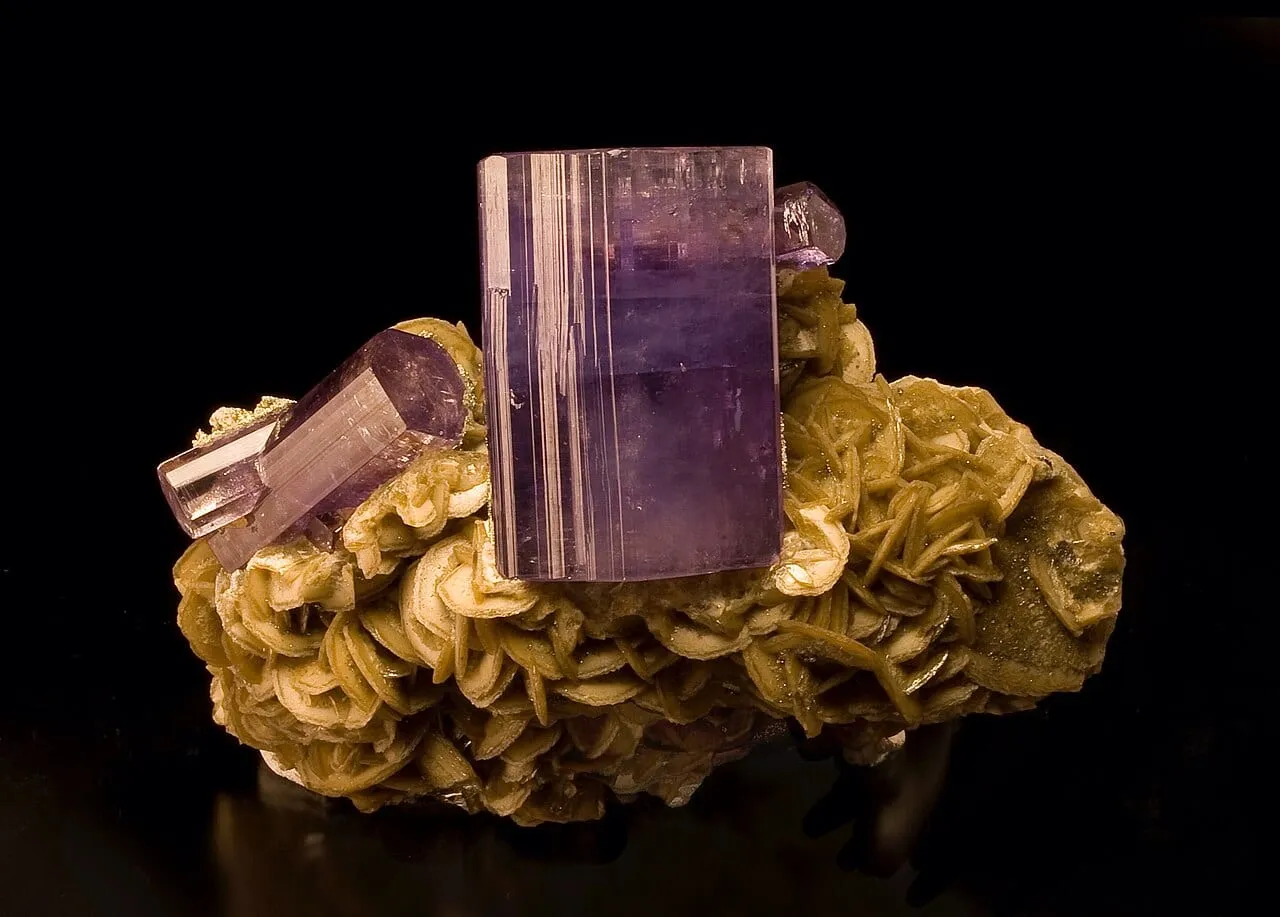
Apatite
A mineral cousin of our teeth and bones, the source of the phosphorus in fertilisers, and number 5 on the Mohs scale.
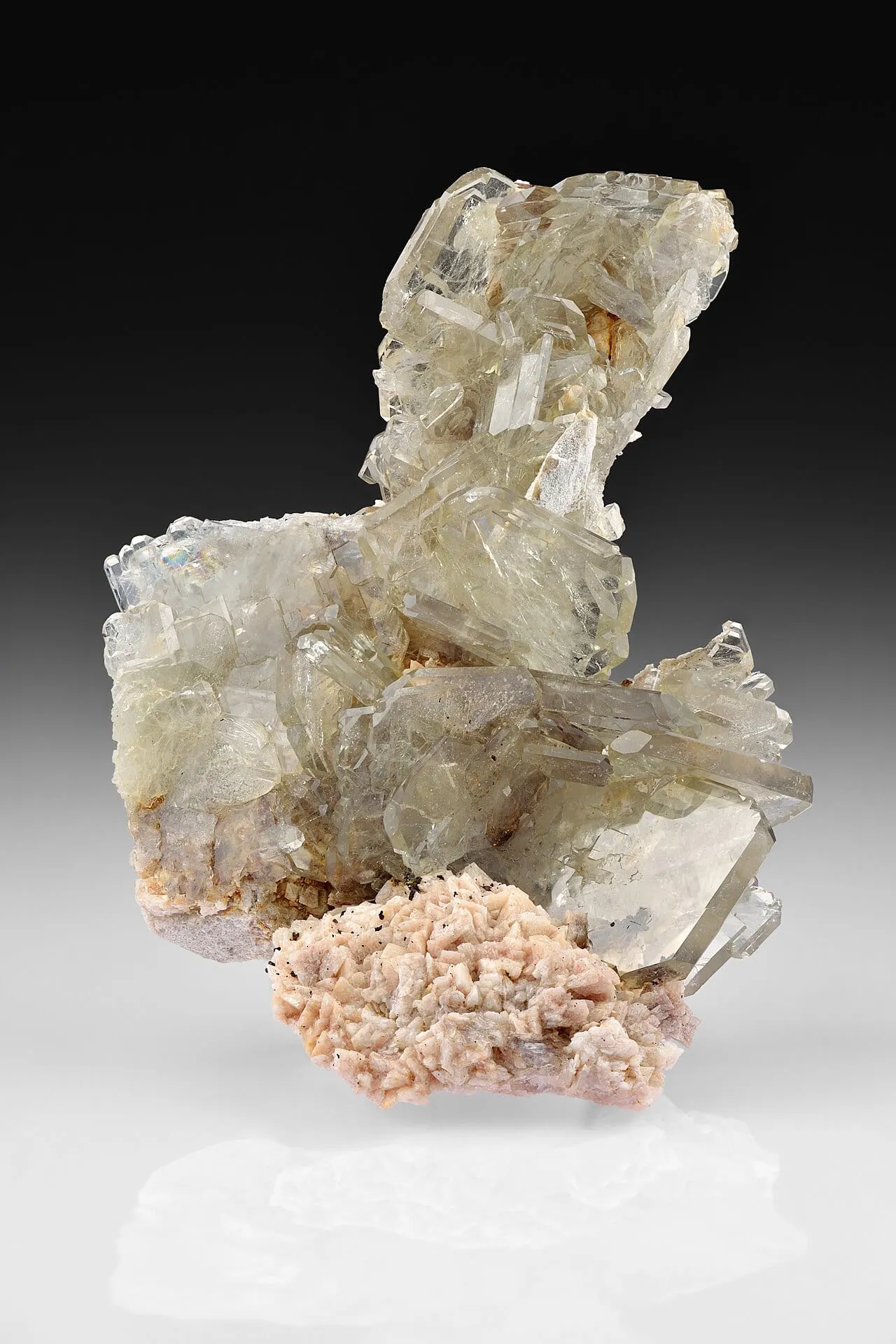
Baryte
A pale barium mineral that feels surprisingly heavy in the hand; even its name comes from the Greek word for heavy.
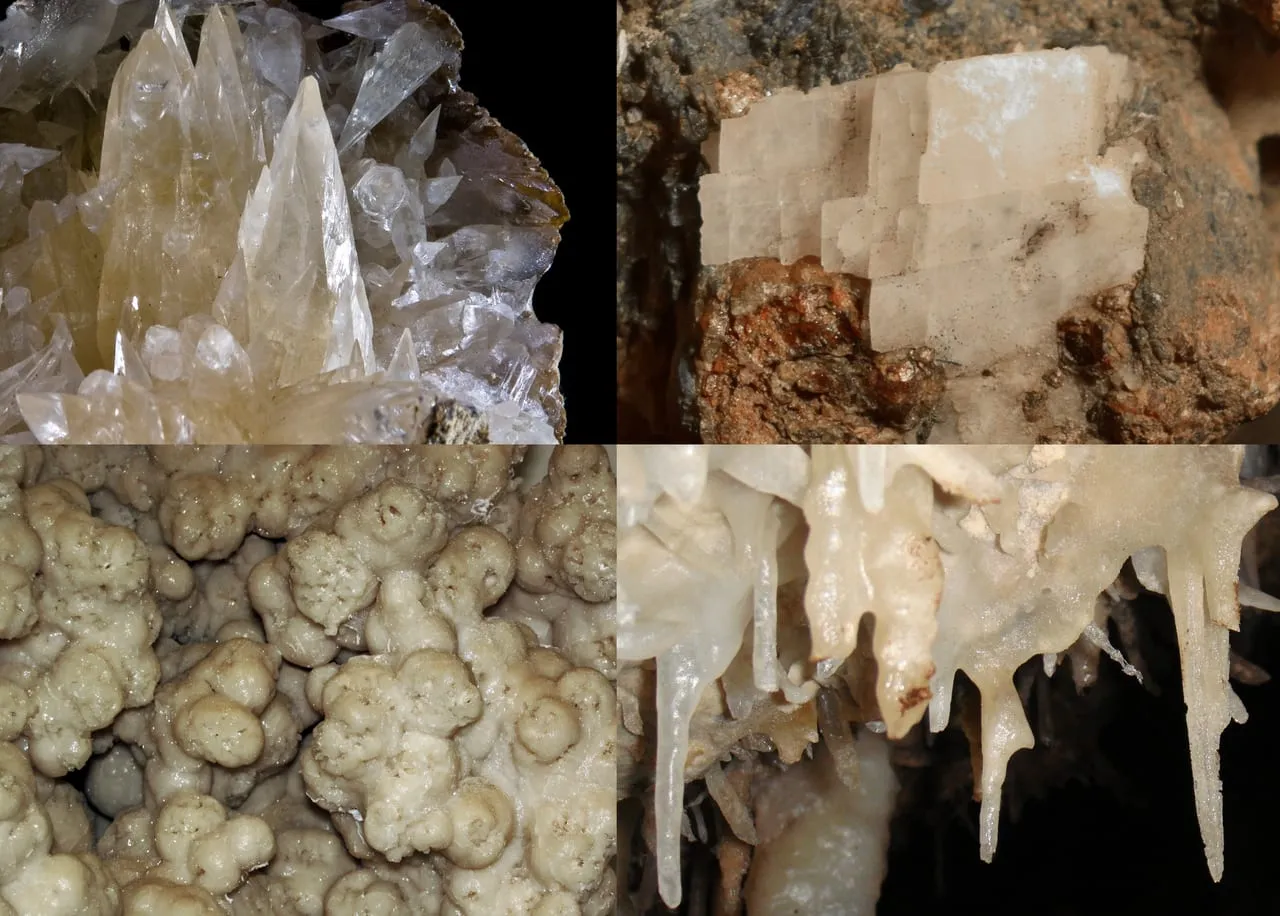
Calcite
The main mineral of limestone, marble and cave stalactites: it fizzes in acid, and its clear crystals show everything double.