VarietyA variety of Quartz
Citrine
SiO₂Sitrin
The yellow to orange variety of quartz: rare in nature, so most of what is sold is heated amethyst.
Also known as: Yellow quartz
- Gemstone
In short
Citrine is the transparent variety of quartz whose colour ranges from pale yellow to brownish orange. Natural citrine is quite rare. Most of the citrine we see in jewellery is purple amethyst that has been heated until it turns yellow or orange.
Where does the colour come from?
Scientists do not fully agree on what colours natural citrine. One view is that, as in smoky quartz, traces of aluminium in the crystal interact with natural radiation; another points to traces of iron. What is certain is that natural citrine is rare and usually pale.
Heated amethyst
When amethyst is heated it loses its purple and, because of the iron it contains, turns yellow, orange or reddish brown. Most citrine on the market is made this way, especially from stones mined in large amethyst-producing regions such as southern Brazil and Uruguay. The change is permanent and accepted in the jewellery trade, but buyers should still be told that the stone has been heated.
What makes it valuable?
The most sought-after colours are saturated yellows to reddish oranges without brownish tints. Because citrine is relatively plentiful, large stones are easy to find. Clarity and the quality of the cut also affect value. For centuries citrine was confused with topaz, because every golden-yellow stone tended to be called topaz; hardness and optical properties tell the two apart.
How to recognise it
- 1
It is as hard as quartz (7): it scratches glass, and a steel knife cannot scratch it. Yellow topaz, which looks similar, is harder (8).
- 2
Natural citrine is usually pale yellow; deep orange and reddish-brown shades often come from heated amethyst.
- 3
In “citrine” geodes and crystal clusters, colour that is deepest at the crystal tips and fades to white at the base is a strong sign of heated amethyst.
- 4
Whether a cut stone is natural or heated usually cannot be told at home; that needs a gem laboratory.
Fakes and imitations
What shops usually don’t tell you:
- Heated amethyst: most citrine on the market is exactly this. It is a common and accepted treatment, but the seller should state it clearly.
- Heated smoky quartz: heating lightens smoky quartz and sometimes turns it yellow; such stones may also be sold as citrine.
- Misleading names: citrine was confused with topaz for centuries. Names such as “Madeira topaz” that are still met today are misleading; the stone is quartz, not topaz.
- Quartz stained on its surface or in its cracks by iron oxides is not citrine; in such stones the colour sits only on the surface or in patches.
Did you know?
Its name comes from the French word “citron”, meaning lemon.
Some crystals from the Anahí mine in Bolivia naturally combine purple and yellow zones in a single stone; this is called ametrine.
Where is it found?
Loading map…
- Rio Grande do Sul, Brazil · Major depositA main source of the amethyst that is heated into citrine
- Anahí mine, eastern Bolivia · Known localityNear the Brazilian border; produces natural citrine, amethyst and ametrine, which combines the two
- Madagascar · Known localityOne of the sources of natural citrine
Locations are approximate to protect sites. Red dots mark places in Türkiye. Open in the big map →
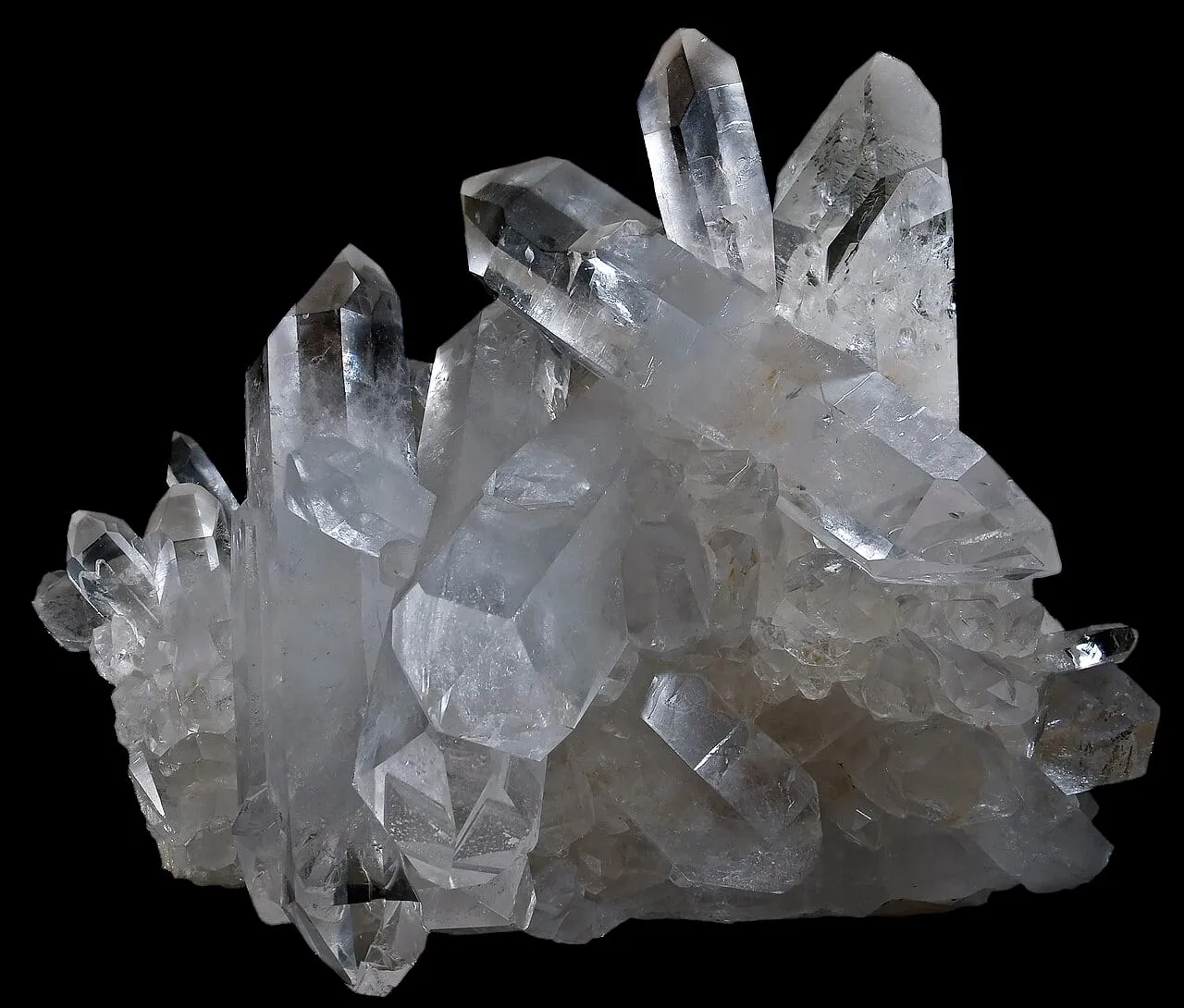
Family

Sources
- Citrine Description (Gem Encyclopedia) · GIA
- Is citrine treated? · GIA
- The Anahí Ametrine Mine, Bolivia (Vasconcelos, Wenk & Rossman), Gems & Gemology 30(1) · GIA, 1994
- Smoky quartz · Encyclopaedia Britannica
External links
Draft: awaiting expert reviewReport an error ↗
On the same step
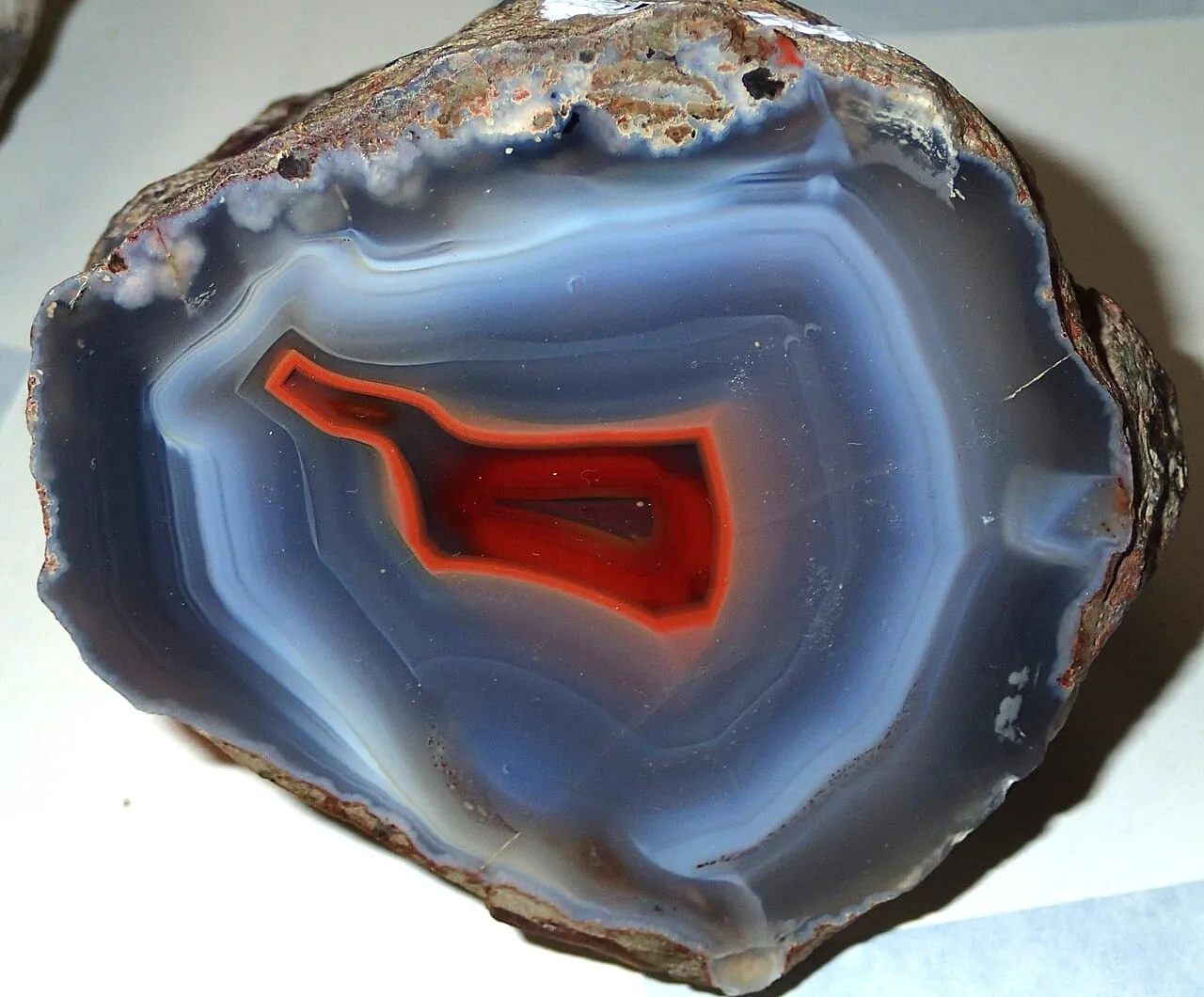
Agate
The banded variety of chalcedony: it grows layer by layer in hollows in volcanic rock and shows a new pattern every time it is cut.
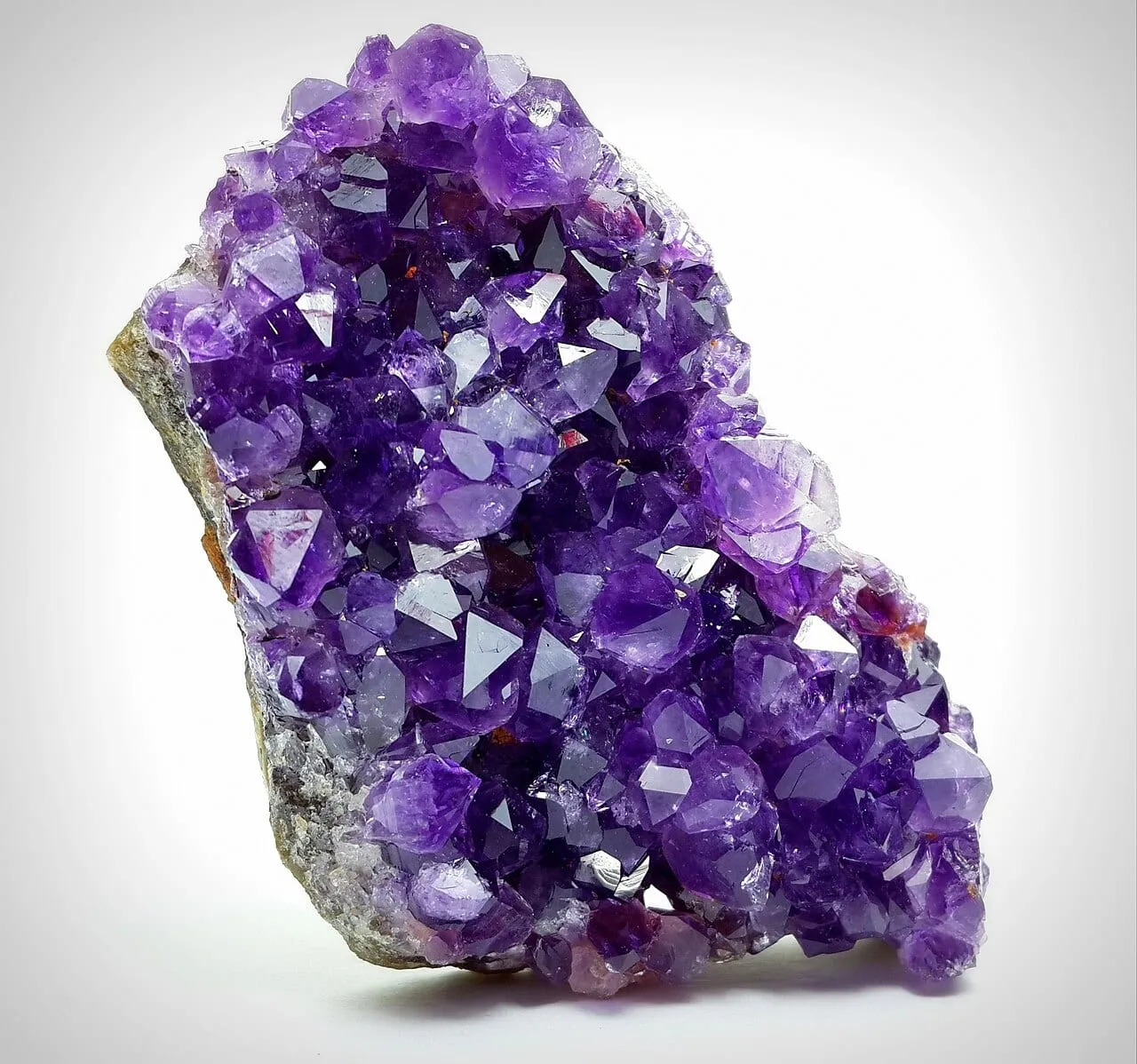
Amethyst
The purple variety of quartz, coloured by traces of iron working together with natural radiation.
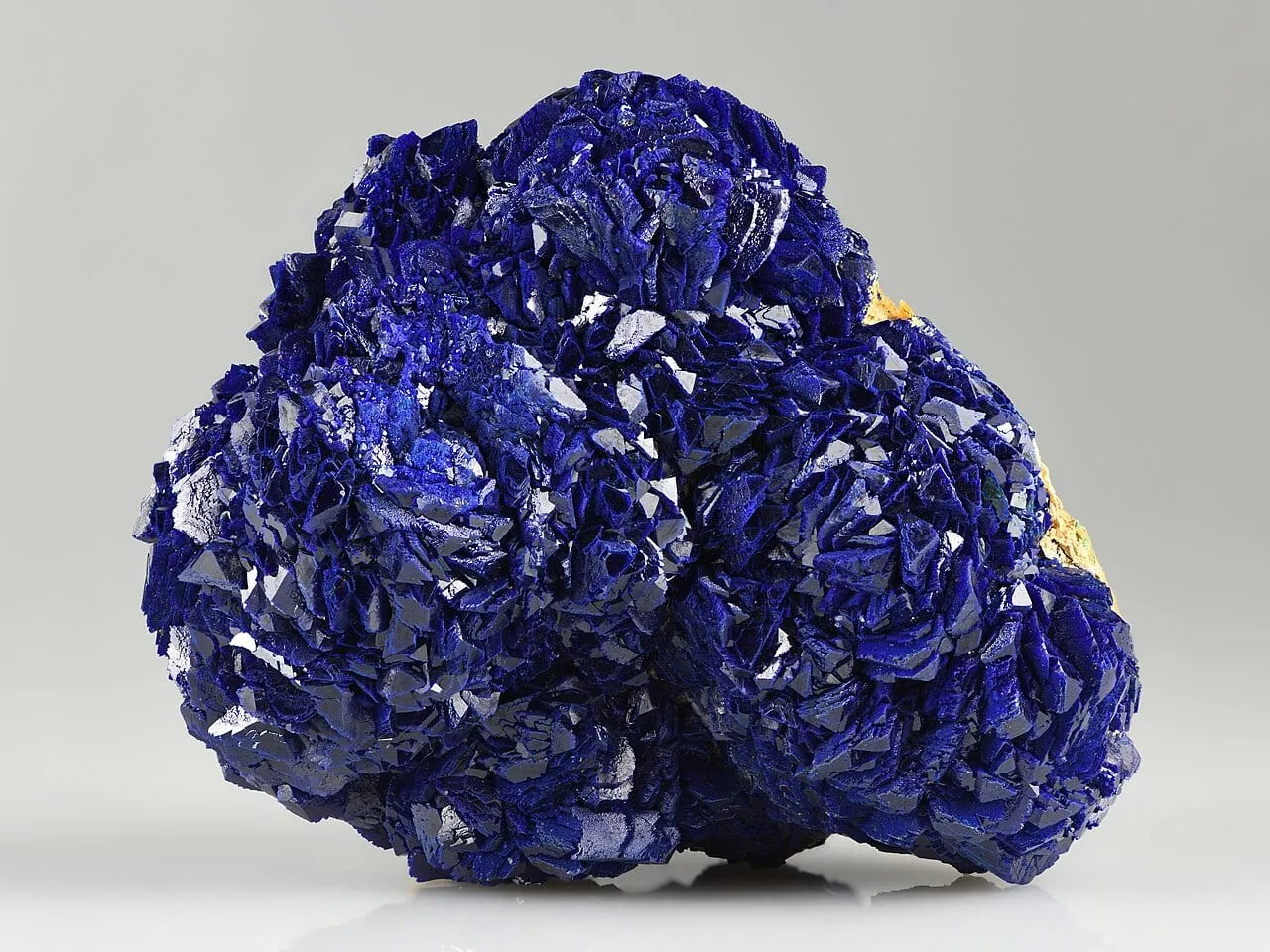
Azurite
A deep blue copper mineral that was the most important blue pigment of medieval and Renaissance painters.