VarietyA variety of Quartz
Tourmalinated quartz
SiO₂Turmalinli kuvars
Clear or smoky quartz holding needles of black tourmaline: an ornamental stone prized for the sharp contrast of dark needles in pale crystal.
Also known as: Tourmalated quartz · Tourmaline in quartz · Sagenitic quartz (with needle inclusions in general)
- Popularly: Semi-precious stone
In short
Tourmalinated quartz is quartz that contains crystals of tourmaline. Almost all of the needles are schorl, the black, iron-rich member of the tourmaline group and by far its most common one; green or blue tourmaline needles are rare. The needles may be fine or thick, run parallel or cross at random. While inclusions usually lower the value of quartz, this stone is sought after precisely for the patterns its inclusions make.
Photos
How does it form?
Tourmaline, and black schorl in particular, forms in granites, granite pegmatites (rock veins in which large crystals grow during the last stage of a magma) and high-temperature hydrothermal veins, where it occurs together with quartz. If the tourmaline crystals grow first, or at the same time as the quartz, the growing quartz crystal surrounds the needles and encloses them. GIA notes that tourmaline inclusions are sometimes seen in pegmatite minerals such as quartz, beryl, mica and spodumene. The needles are therefore an integral part of the crystal, not something stuck to its surface.
What is it used for?
- Ornament and jewellery: it is used almost entirely for decoration. It is mostly made into beads or cabochons (domed, polished stones); faceted stones are rare.
- Collecting: pieces showing tourmaline needles grown inside a quartz crystal, or well-formed tourmaline crystals on quartz, are sought by mineral collectors.
- Visual effect: gemmologists value such stones for patterns that look like artwork trapped in a transparent sculpture; black needles and colourless quartz make a strong contrast without any particular pattern.
Where is it found?
Much tourmalinated quartz comes from Brazil, where the pegmatites of Minas Gerais are known for clear quartz crystals filled with black schorl needles. The Erongo Mountains in Namibia also yield smoky quartz with fine tourmaline needles. Sources also list Germany, Switzerland, India, Sri Lanka, Madagascar, Pakistan and the United States.
Tourmaline or rutile?
Needle inclusions in quartz can belong to different minerals. The needles in rutilated quartz are usually golden, copper-red or silvery rutile; those in tourmalinated quartz are mostly black schorl. Because black rutile needles also exist, the two stones are sometimes confused. Tourmaline crystals have a roughly triangular cross-section and faces striated along their length; in thicker needles this difference can be seen with a loupe. See the rutilated quartz and tourmaline pages for more.
What determines its value?
Tourmalinated quartz is generally an inexpensive ornamental stone; the very common black schorl needles add real value only in the finest material. Value depends on the clarity of the quartz and on how sharp, dense and well patterned the needles are: crisp, glossy black needles in clear quartz are the most sought after. Collector pieces showing needles grown inside a quartz crystal, or well-formed tourmaline crystals on quartz, are prized more than cut stones.
This information is educational, not buying, selling or investment advice. Value varies enormously with quality and treatment.
How to recognise it
- 1
Straight, long black needles show inside colourless, milky or smoky quartz; they may be single, in bundles or cross one another like rods.
- 2
Most of the stone is quartz, so its hardness is about 7: it scratches glass, and a steel knife cannot scratch it. The tourmaline needles are similarly hard (7–7.5).
- 3
Tourmaline crystals have a roughly triangular cross-section and faces striated along their length; in thicker needles this can be seen with a loupe.
- 4
Not every dark needle in quartz is tourmaline: rutile, actinolite and other minerals form similar needles. A sure identification needs a mineralogical or gemmological laboratory.
Myths and misconceptions
MythTourmalinated quartz and rutilated quartz are the same stone.
FactBoth are quartz with needle inclusions, but the needles are different minerals: in tourmalinated quartz they are mostly black tourmaline (schorl), in rutilated quartz usually golden rutile (titanium dioxide).
MythIf quartz has black needles inside, it is tourmalinated quartz.
FactStraight, needle-like inclusions in quartz are usually rutile, tourmaline or actinolite, and black rutile needles exist too. Which mineral the needles are can only be settled by testing.
What is it believed to be good for?
This section reports beliefs; it is not health information. There is no scientific evidence for these claims and no stone replaces medical treatment.
The meanings people give this stone, and who holds them:
- Today crystal-therapy websites claim that tourmalinated quartz, thanks to its black tourmaline, opens the root chakra, “grounds” a person and raises their consciousness.
- The same websites say the stone dispels negative thoughts and “negative energy” and clears the mind.
What science says
There is no scientific evidence that tourmalinated quartz opens a chakra, dispels “negative energy” or clears the mind. The needles inside it are ordinary tourmaline crystals that grew in the same rock as the quartz; apart from their looks, they give the stone no special property.
Did you know?
Schorl is so common that it may make up 95 percent or more of all tourmaline in nature, which is why the needles in tourmalinated quartz are almost always black.
The name schorl comes from a village in Saxony that was called “Schorl” before 1400 and is now Zschorlau; black tourmaline was found with cassiterite in a tin mine nearby.
Gemmologists call quartz with straight, needle-like inclusions “sagenitic quartz”; the needles are usually rutile, tourmaline or actinolite.
Where is it found?
Loading map…
- Minas Gerais, Brazil · Major depositMuch tourmalinated quartz comes from Brazil; the Minas Gerais pegmatites yield clear quartz crystals filled with black schorl needles
- Erongo Mountains, Erongo Region, Namibia · Known localitySmoky quartz crystals holding fine needles of black tourmaline (schorl)
- Madagascar · Known localitySources name Madagascar among the producers after Brazil; no exact site is given
Locations are approximate to protect sites. Red dots mark places in Türkiye. Open in the big map →
Frequently asked questions
What is tourmalinated quartz?
Tourmalinated quartz is quartz that contains crystals of tourmaline. Almost all of the needles are schorl, the black, iron-rich member of the tourmaline group and by far its most common one; green or blue tourmaline needles are rare. The needles may be fine or thick, run parallel or cross at random. While inclusions usually lower the value of quartz, this stone is sought after precisely for the patterns its inclusions make.
What is tourmalinated quartz used for?
Ornament and jewellery: it is used almost entirely for decoration. It is mostly made into beads or cabochons (domed, polished stones); faceted stones are rare. Collecting: pieces showing tourmaline needles grown inside a quartz crystal, or well-formed tourmaline crystals on quartz, are sought by mineral collectors. Visual effect: gemmologists value such stones for patterns that look like artwork trapped in a transparent sculpture; black needles and colourless quartz make a strong contrast without any particular pattern.
How hard is tourmalinated quartz?
It has a hardness of 7 on the Mohs scale. It scratches glass and steel; a steel knife cannot scratch it. Its specific gravity is 2.65–2.66 g/cm³.
Where is tourmalinated quartz found?
Its best-known localities: Minas Gerais, Brazil; Erongo Mountains, Erongo Region, Namibia; Madagascar.
How can you tell if tourmalinated quartz is real?
Straight, long black needles show inside colourless, milky or smoky quartz; they may be single, in bundles or cross one another like rods. Most of the stone is quartz, so its hardness is about 7: it scratches glass, and a steel knife cannot scratch it. The tourmaline needles are similarly hard (7–7.5). Tourmaline crystals have a roughly triangular cross-section and faces striated along their length; in thicker needles this can be seen with a loupe.
Is tourmalinated quartz valuable?
On the “street to diamond” value ladder it sits on step 5 of nine: Ornamental stone. Tourmalinated quartz is generally an inexpensive ornamental stone; the very common black schorl needles add real value only in the finest material. Value depends on the clarity of the quartz and on how sharp, dense and well patterned the needles are: crisp, glossy black needles in clear quartz are the most sought after. Collector pieces showing needles grown inside a quartz crystal, or well-formed tourmaline crystals on quartz, are prized more than cut stones.
What is tourmalinated quartz good for?
Today crystal-therapy websites claim that tourmalinated quartz, thanks to its black tourmaline, opens the root chakra, “grounds” a person and raises their consciousness. The same websites say the stone dispels negative thoughts and “negative energy” and clears the mind. There is no scientific evidence that tourmalinated quartz opens a chakra, dispels “negative energy” or clears the mind. The needles inside it are ordinary tourmaline crystals that grew in the same rock as the quartz; apart from their looks, they give the stone no special property. This section reports beliefs; it is not health information. There is no scientific evidence for these claims and no stone replaces medical treatment.
Family


Sources
- Quartz Value, Price, and Jewelry Information (J. E. Arem, D. Clark, B. Smigel) · International Gem Society
- Quartz gemstone information · Minerals.net
- Micro-Features of Tourmaline (N. D. Renfro, M. Smith, J. I. Koivula, S. F. McClure, J. E. Shigley), Gems & Gemology 60(2) · GIA, 2024
- Gem Focus May 2022: Quartz gems with curious inclusions · Gemworld International (GemGuide), 2022
- Handbook of Mineralogy: Schorl · Mineralogical Society of America
- Schorl · Wikipedia
- Tourmalinated Quartz · Albion Fire and Ice
- Schorl Tourmaline in Quartz, Minas Gerais, Brazil (specimen SM21-143) · iRocks
- Smoky quartz crystal with black tourmaline inclusions, Erongo Mountains, Namibia · FossilEra
Draft: awaiting expert reviewReport an error
On the same step
Agate
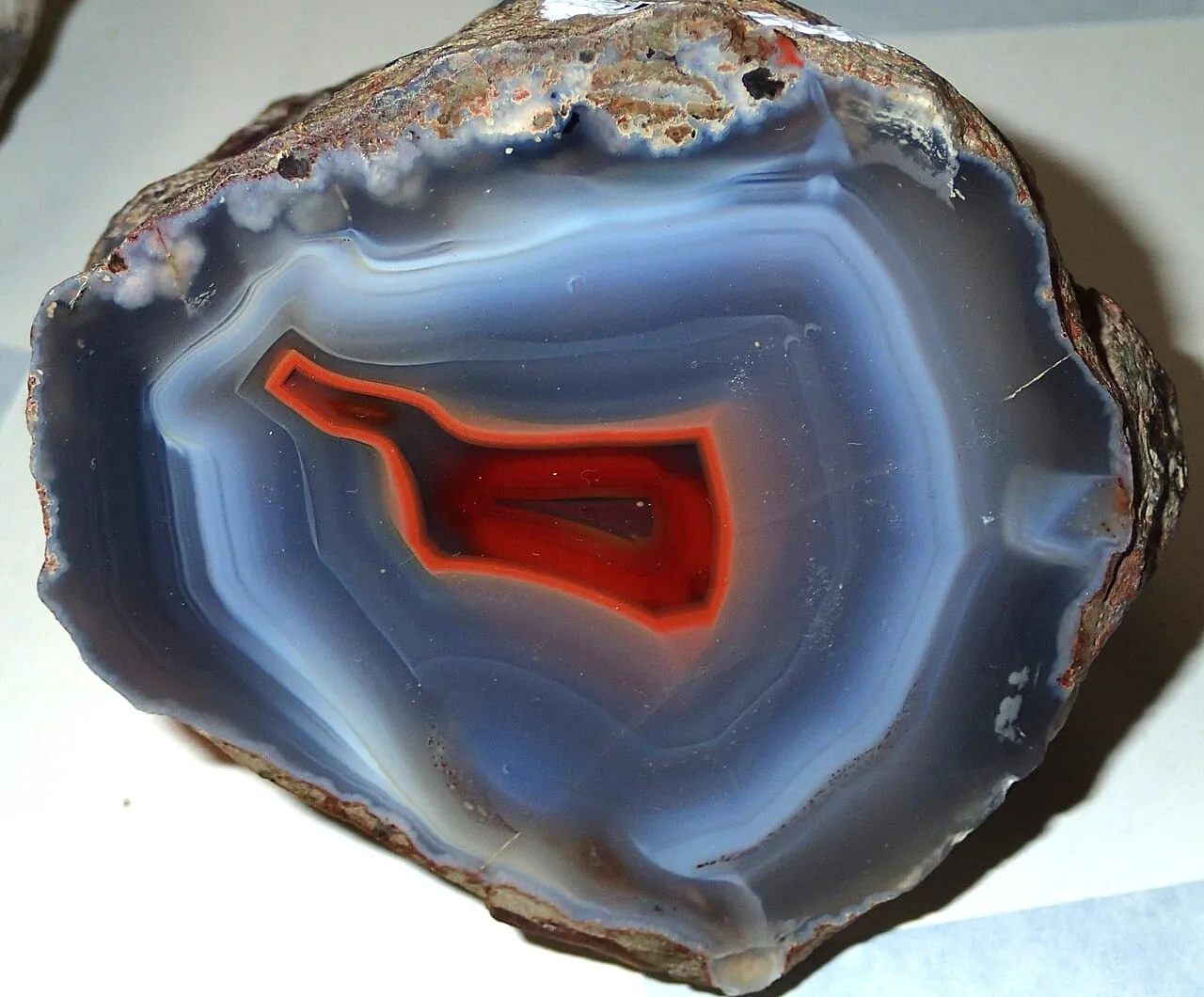
The banded variety of chalcedony: it grows layer by layer in hollows in volcanic rock and shows a new pattern every time it is cut.
Almandine
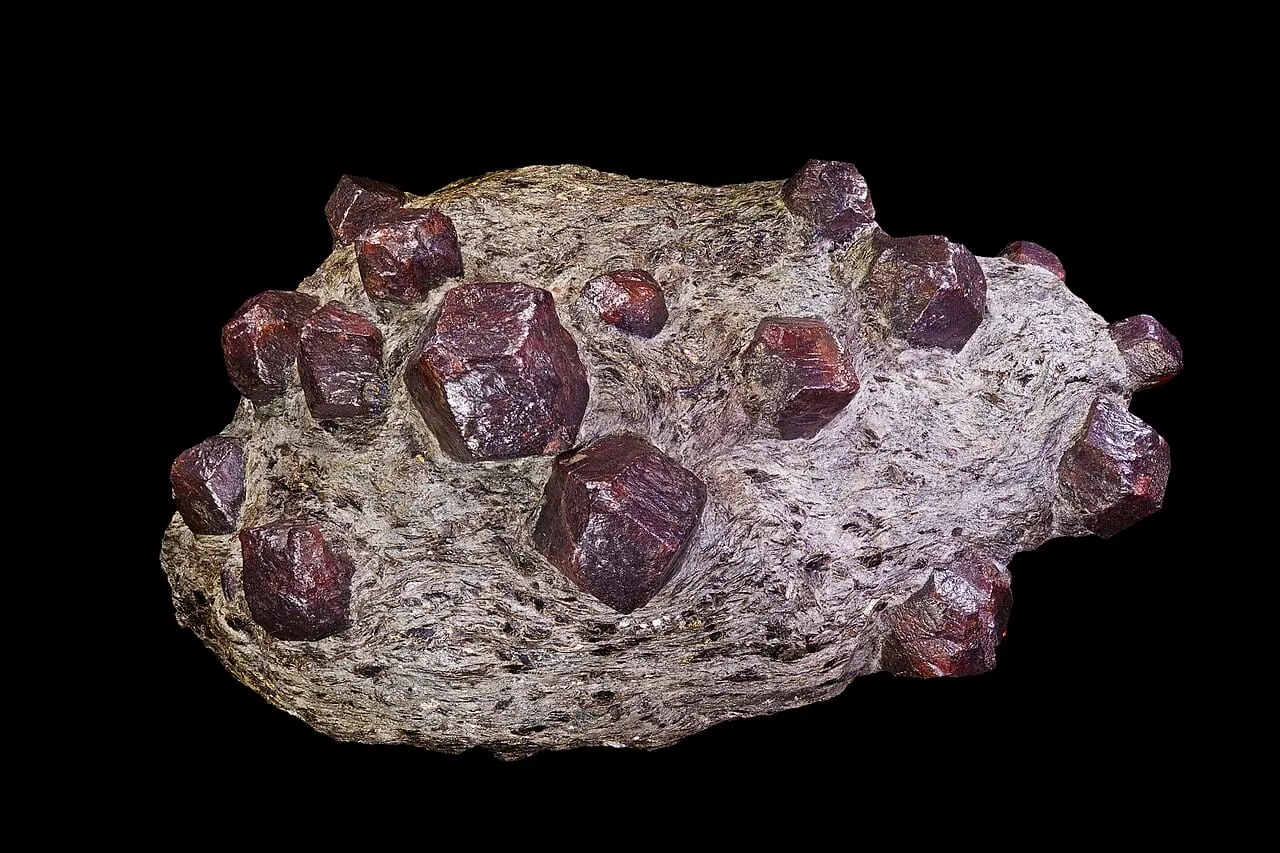
The commonest garnet: a deep red, iron-rich stone named after the ancient city of Alabanda in Anatolia, used in jewellery and in sandpaper alike.
Amazonite
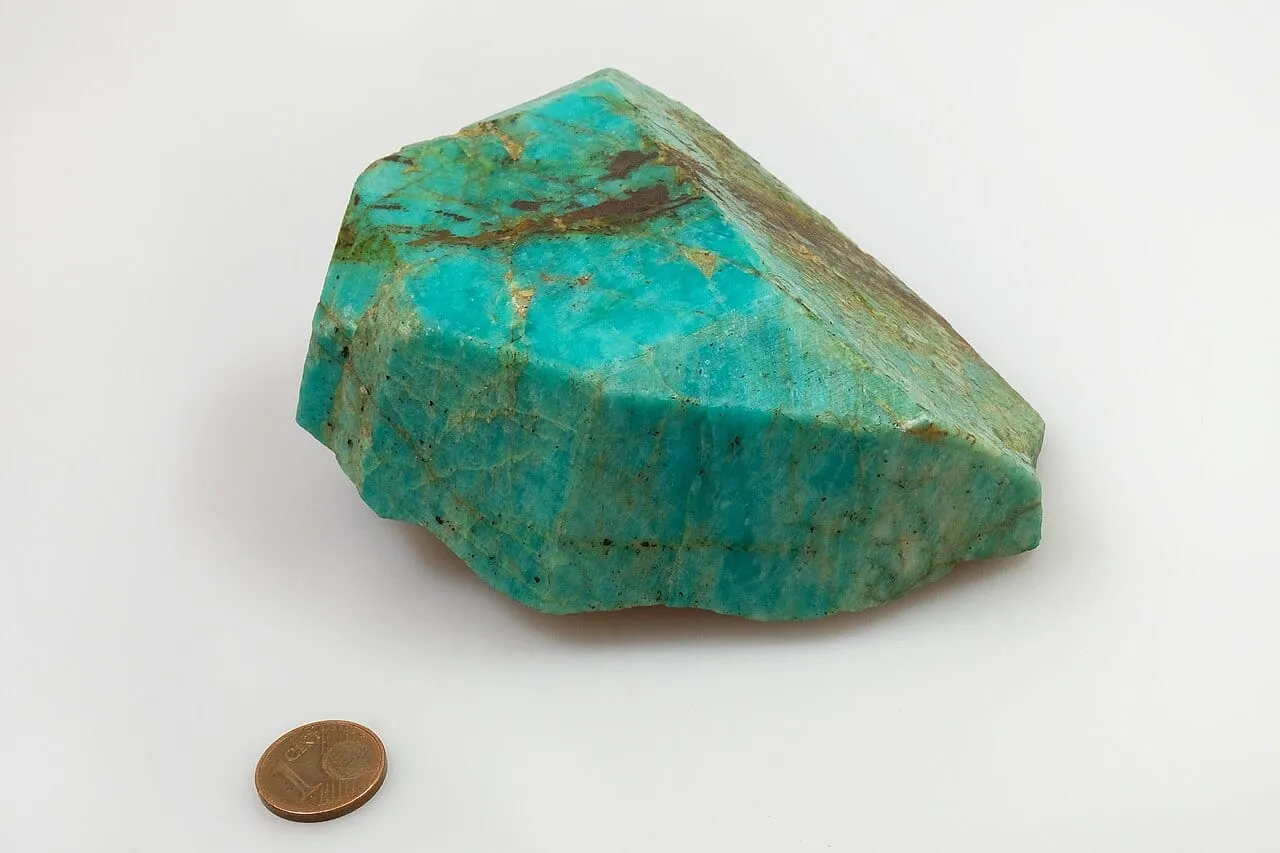
A turquoise-like green-blue feldspar: a variety of microcline worn as jewellery for more than three thousand years, but it can release lead.