Everyday name
Natural stone and trade names
Doğal taş ve “mermer, granit” adları
A stonemason’s “marble” and “granite” are far broader than a geologist’s: polishable limy stones are sold as marble, hard silicate stones as granite.
Also known as: Dimension stone · Commercial marble · Commercial granite · Black granite · Travertine marble · Onyx marble
- Popularly: Natural stone (building and decor)
- Everyday
- Building stone
- Important in Türkiye

In short
“Natural stone” (or dimension stone) is the trade name for stone quarried in blocks, then cut and polished for buildings, floors, worktops and monuments. The stone trade roughly divides these stones into two big families. “Marble” means polishable, calcium carbonate stones that are relatively soft: besides true marble, limestone, travertine, banded calcite (“onyx marble”) and green serpentinite are sold as marble. “Granite” means hard, polishable silicate stones: besides true granite, gabbro, diorite, syenite and gneiss are sold as granite. In geology, by contrast, marble is only the rock formed when limestone is transformed by heat and pressure, and granite is a particular plutonic rock made of quartz and feldspar.
In scientific terms
This is an everyday name; in science it means these stones:
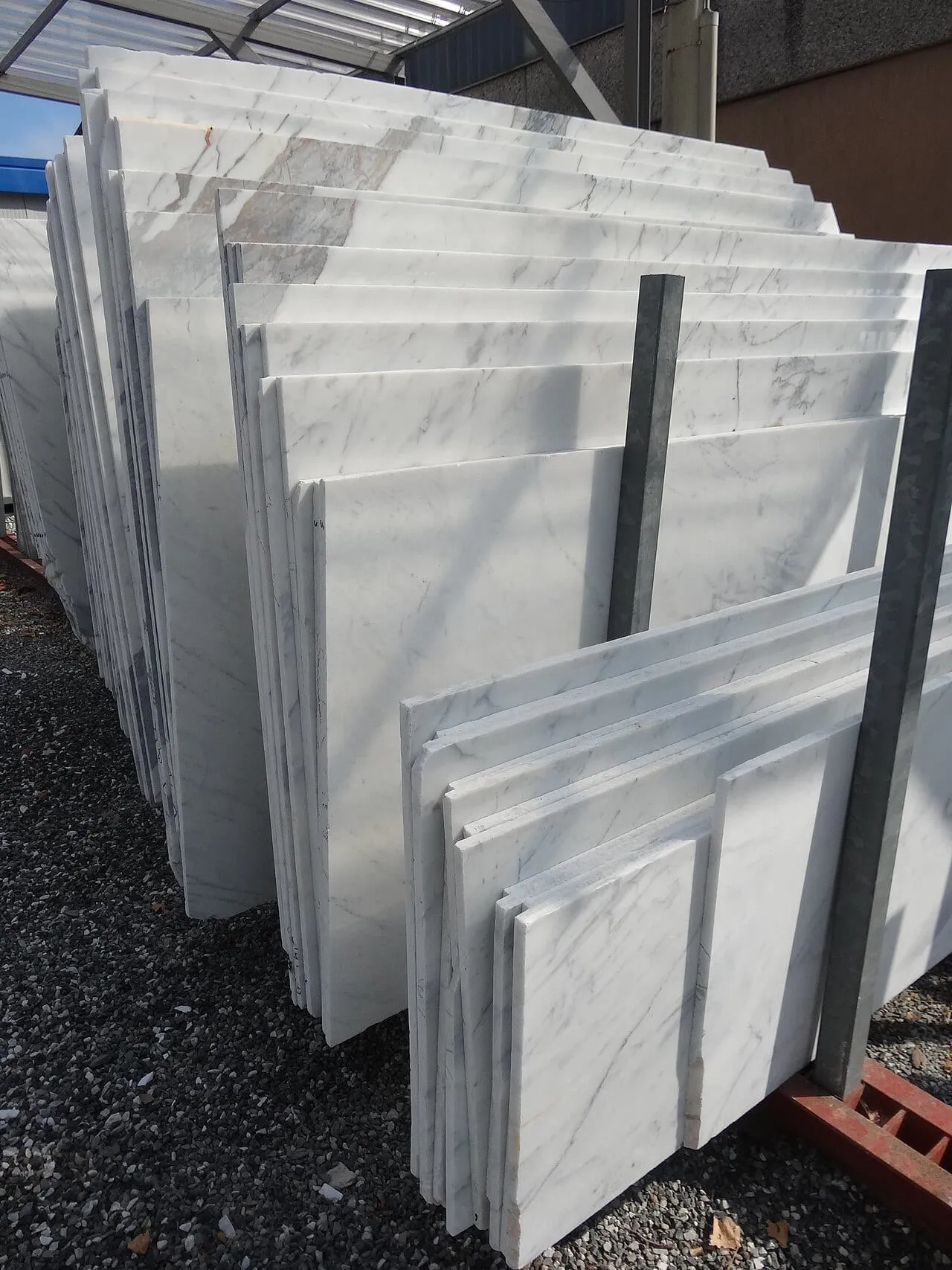
Marble
Limestone reborn by heat and pressure — the favourite stone of sculptors and architects for thousands of years.
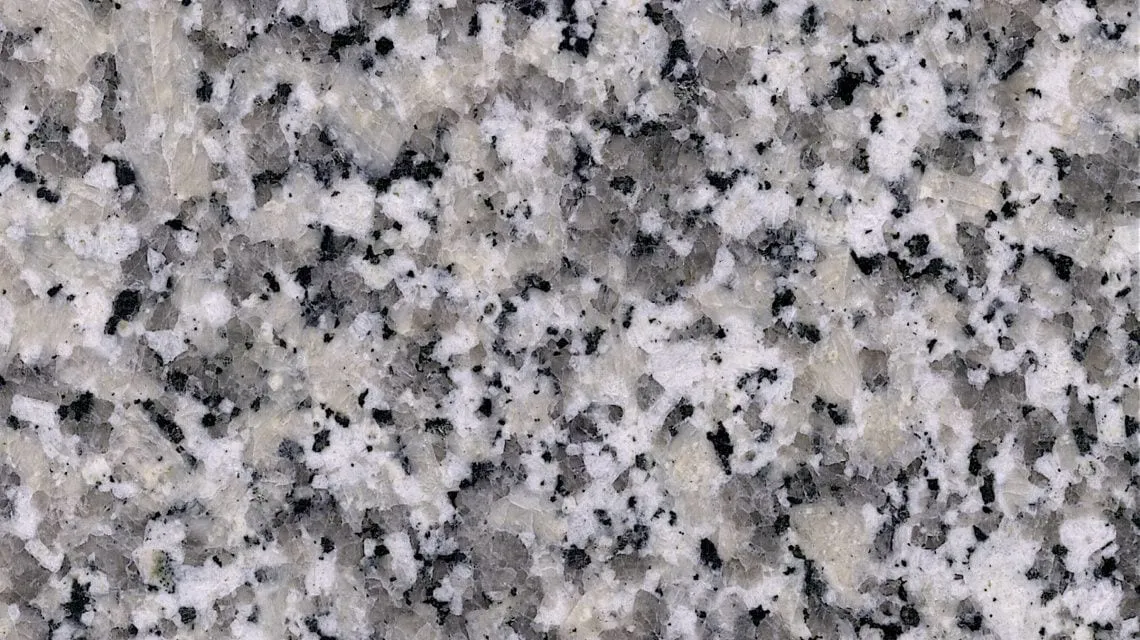
Granite
From kitchen worktops to monuments: a tough, coarse-grained rock born from magma that cooled slowly deep underground.
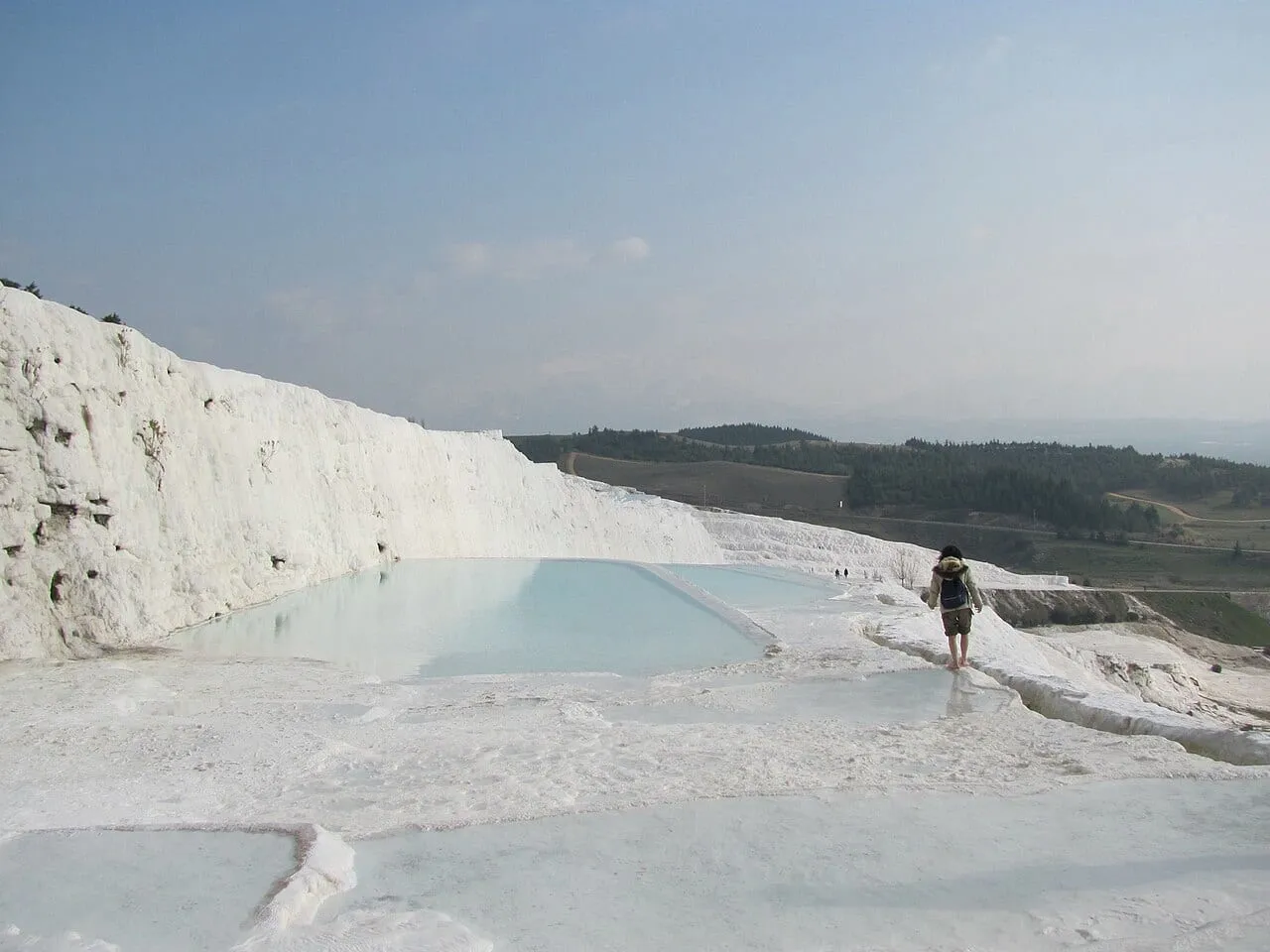
Travertine
Hot springs turned to stone: the rock of Pamukkale's snow-white terraces and the walls of the Colosseum.
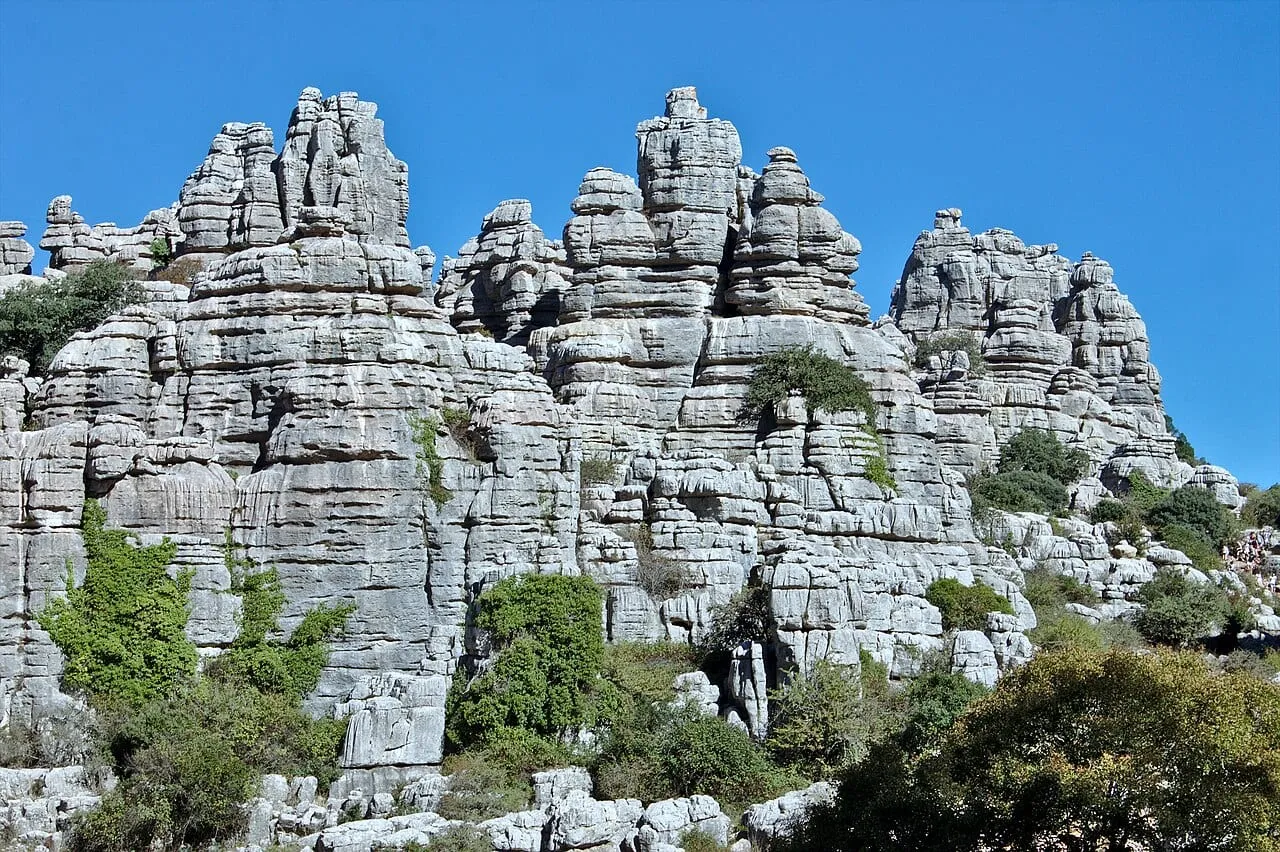
Limestone
A stone built from sea shells: the shared source of pyramids, caves and cement.
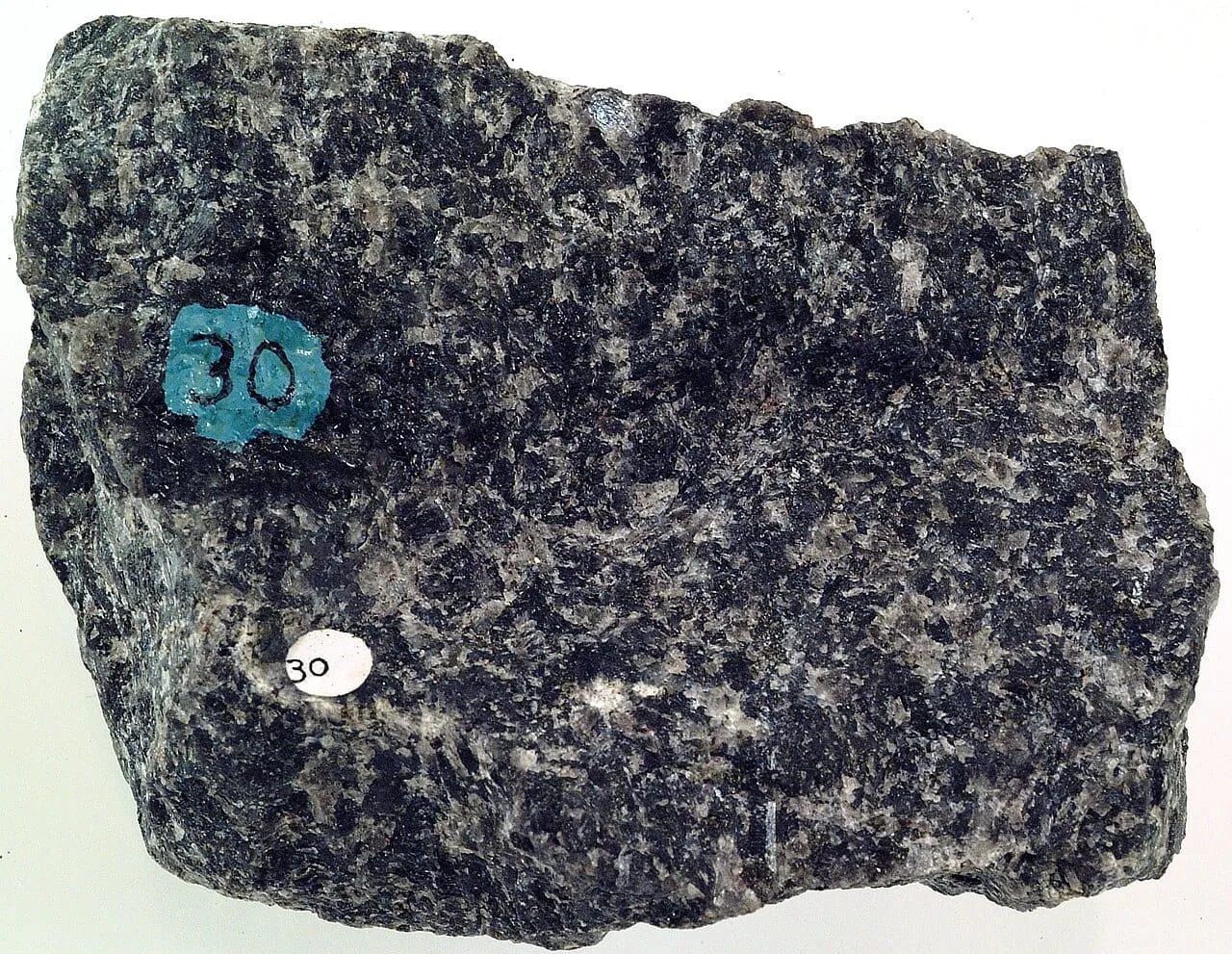
Gabbro
The deep building block of the ocean crust: the slowly cooled, coarse-grained twin of basalt.
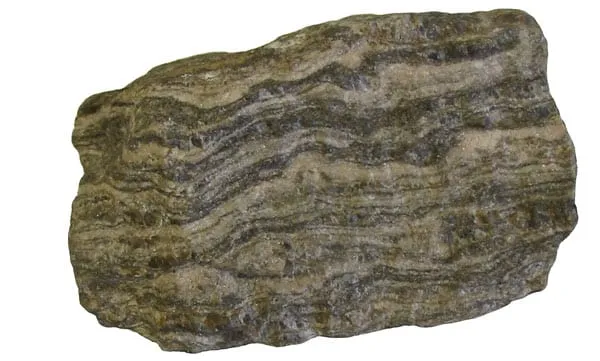
Gneiss
Striped in light and dark bands, the rock that underpins the continents: some gneisses are around 4 billion years old.
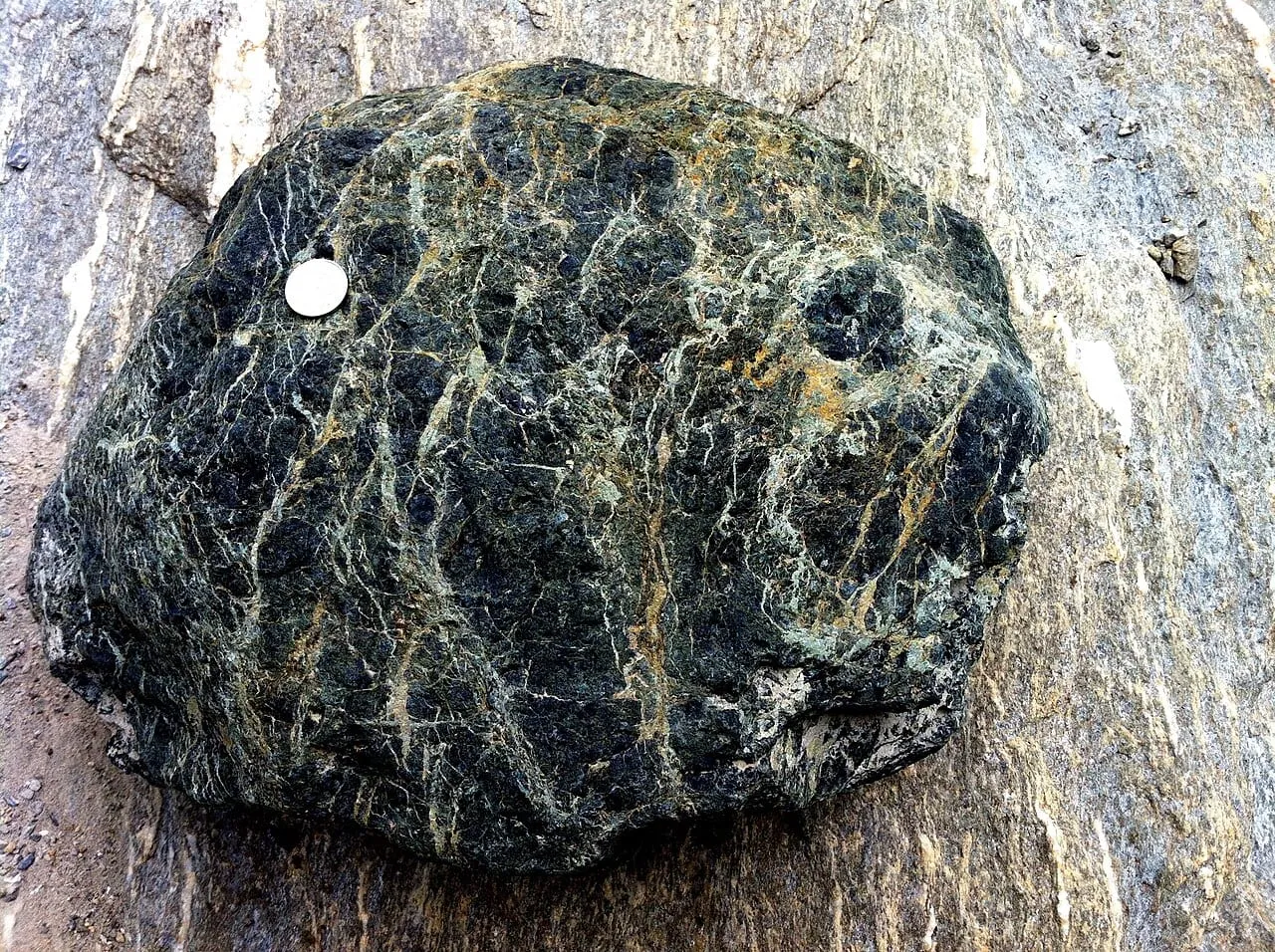
Serpentinite
A green rock patterned like snakeskin: mantle rock transformed by water — and sometimes hiding asbestos.
What is it used for?
- Facades and interiors: Building facades, floors, stairs, wall cladding and bathrooms are faced with natural stone.
- Worktops: Kitchen and bathroom worktops are mostly made from the granite family, which resists acids and scratches; marble worktops can be dulled by lemon juice and vinegar.
- Monuments and sculpture: Marble is common in sculpture and monuments, granite in gravestones and memorials.
- Landscaping: Hard stones such as granite, andesite and basalt are used for paving, kerbs, steps and garden paving.
Why do the names marble and granite get mixed up?
What matters to a stonemason is not how a stone formed but how it works. Stones made of calcite and dolomite are soft (Mohs 3–4), easy to cut and polish, but sensitive to acid; because they all behave alike in the workshop, they are called “marble”. Stones made of hard silicate minerals such as quartz and feldspar (Mohs 6–7) are harder to cut but resist wear and acids; these are called “granite”. A geologist, however, names a stone by how it formed: sedimentary limestone, travertine deposited by spring water and metamorphic marble are three different rocks in science. So to learn a stone’s real name, look not at its trade name but at its mineral make-up and origin.
Natural stone in Türkiye
Türkiye is rich in natural stone and is one of the world’s leading marble producers. Its Mining Law classes marble, decorative stones, travertine, limestone, dolomite, granite, syenite, andesite and basalt together as Group II minerals. In Türkiye stones are often called after the places they come from; Afyon, Marmara, Denizli and Bergama are among the best-known of these names. Such names describe a place and a look; they do not always tell you the geological type of the stone.
What determines its value?
The value of natural stone depends on the size and soundness of the blocks that can be quarried, the evenness or striking quality of colour and pattern, how well it takes a polish, its durability and the fame of the quarry. Rare and sought-after colours, and the ability to cut many matching slabs from the same stone, raise its value. Because much of the quarried stone cannot be cut into blocks and ends up as crushed stone or waste, producing good blocks takes effort and money. Marble blocks sit on the fourth step of the value ladder.
This information is educational, not buying, selling or investment advice. Value varies enormously with quality and treatment.
How to recognise it
- 1
Steel knife or nail test: the calcite stones of the “marble” family are scratched by steel; the silicate stones of the “granite” family are not.
- 2
Vinegar or lemon test (on a hidden corner): calcium carbonate stones fizz and lose their polish; granite, gabbro and gneiss are unaffected.
- 3
Look closely: true marble is made of sparkling, sugary calcite crystals; limestone shows fossils, travertine small cavities and layers. Granite shows a speckled pattern of glassy quartz, opaque feldspar and shiny mica; the gabbro sold as “black granite” is dark and evenly grained, with no quartz.
Fakes and imitations
What shops usually don’t tell you:
- Marble- or granite-look porcelain slabs, laminates printed with a marble pattern and the artificial stone known as quartz countertops are not natural stone; their patterns repeat and their cut edges look different.
- The “cultured marble” used in bathrooms is an artificial material made by mixing calcium carbonate powder with resin and casting it in moulds.
- The holes in travertine slabs are often filled with cement or resin; this is not a fake but a normal treatment, though the seller should say so.
Safety
The dust from cutting and grinding natural stone contains respirable crystalline silica in quartz-bearing stones such as granite, gneiss, quartzite and sandstone, and can cause silicosis; stone workers should cut wet and wear a suitable dust mask. Concerns that granite worktops give off dangerous levels of radiation at home, on the other hand, are not supported by measurements.
Myths and misconceptions
MythEvery polished, veined white stone is marble.
FactThe trade uses the name marble for many polishable limy stones: limestone, travertine and banded calcite are sold as marble too. In geology, marble is only limestone or dolomite recrystallised by heat and pressure. Marble-look porcelain and artificial stone are not stone at all.
MythBlack granite is a black-coloured granite.
FactThe stone sold as “black granite” is usually gabbro, which has a completely different chemical composition from granite and contains no quartz. In the trade, almost any hard, polishable dark plutonic rock is called granite.
MythGranite worktops give off dangerous radiation at home.
FactGranite can contain traces of uranium. But in a 2008 study, all 39 full-size granite slabs measured had radiation levels well below European Union safety standards, and the radon they emitted was below average outdoor radon levels in the US.
Did you know?
The Proconnesus quarries on Marmara Island have been worked since antiquity; their grey-veined white marble was used in many buildings, including Hagia Sophia in Istanbul.
In Türkiye, natural stones are often named after where they come from: stone from the Kozak Plateau in İzmir is registered as a geographical indication as “Bergama Graniti”, and stone from quarries in Denizli as “Denizli Traverteni”.
Most of the stone sold as Bergama granite is geologically granodiorite, a close relative of granite; the trade simply calls both granite.
Frequently asked questions
What is natural stone and trade names?
“Natural stone” (or dimension stone) is the trade name for stone quarried in blocks, then cut and polished for buildings, floors, worktops and monuments. The stone trade roughly divides these stones into two big families. “Marble” means polishable, calcium carbonate stones that are relatively soft: besides true marble, limestone, travertine, banded calcite (“onyx marble”) and green serpentinite are sold as marble. “Granite” means hard, polishable silicate stones: besides true granite, gabbro, diorite, syenite and gneiss are sold as granite. In geology, by contrast, marble is only the rock formed when limestone is transformed by heat and pressure, and granite is a particular plutonic rock made of quartz and feldspar.
What is natural stone and trade names used for?
Facades and interiors: Building facades, floors, stairs, wall cladding and bathrooms are faced with natural stone. Worktops: Kitchen and bathroom worktops are mostly made from the granite family, which resists acids and scratches; marble worktops can be dulled by lemon juice and vinegar. Monuments and sculpture: Marble is common in sculpture and monuments, granite in gravestones and memorials. Landscaping: Hard stones such as granite, andesite and basalt are used for paving, kerbs, steps and garden paving.
How can you tell if natural stone and trade names is real?
Steel knife or nail test: the calcite stones of the “marble” family are scratched by steel; the silicate stones of the “granite” family are not. Vinegar or lemon test (on a hidden corner): calcium carbonate stones fizz and lose their polish; granite, gabbro and gneiss are unaffected. Look closely: true marble is made of sparkling, sugary calcite crystals; limestone shows fossils, travertine small cavities and layers. Granite shows a speckled pattern of glassy quartz, opaque feldspar and shiny mica; the gabbro sold as “black granite” is dark and evenly grained, with no quartz. Marble- or granite-look porcelain slabs, laminates printed with a marble pattern and the artificial stone known as quartz countertops are not natural stone; their patterns repeat and their cut edges look different.
Is natural stone and trade names valuable?
On the “street to diamond” value ladder it sits on step 4 of nine: Fine dimension stone and ore. The value of natural stone depends on the size and soundness of the blocks that can be quarried, the evenness or striking quality of colour and pattern, how well it takes a polish, its durability and the fame of the quarry. Rare and sought-after colours, and the ability to cut many matching slabs from the same stone, raise its value. Because much of the quarried stone cannot be cut into blocks and ends up as crushed stone or waste, producing good blocks takes effort and money. Marble blocks sit on the fourth step of the value ladder.
Is natural stone and trade names dangerous?
The dust from cutting and grinding natural stone contains respirable crystalline silica in quartz-bearing stones such as granite, gneiss, quartzite and sandstone, and can cause silicosis; stone workers should cut wet and wear a suitable dust mask. Concerns that granite worktops give off dangerous levels of radiation at home, on the other hand, are not supported by measurements.
Sources
- Marble · Wikipedia
- Granite · Wikipedia
- 3213 sayılı Maden Kanunu, madde 2: maden grupları (5177 sayılı Kanunla değişik metin) · FAOLEX (FAO), Türk mevzuatı metni, 2004
- Bergama Graniti — Coğrafi İşaret Tescil Belgesi (No. 271) · TÜRKPATENT, 2017
- Denizli Traverteni — Coğrafi İşaret Tescil Belgesi (No. 151, Menşe Adı) · TÜRKPATENT
- Place: Marmara Adası · The Art of Making in Antiquity (King's College London)
- Severe Silicosis in Engineered Stone Fabrication Workers — California, Colorado, Texas, and Washington, 2017–2019 (Rose et al.) · CDC, Morbidity and Mortality Weekly Report 68(38), 2019
External links
Draft: awaiting expert reviewReport an error ↗
On the same step
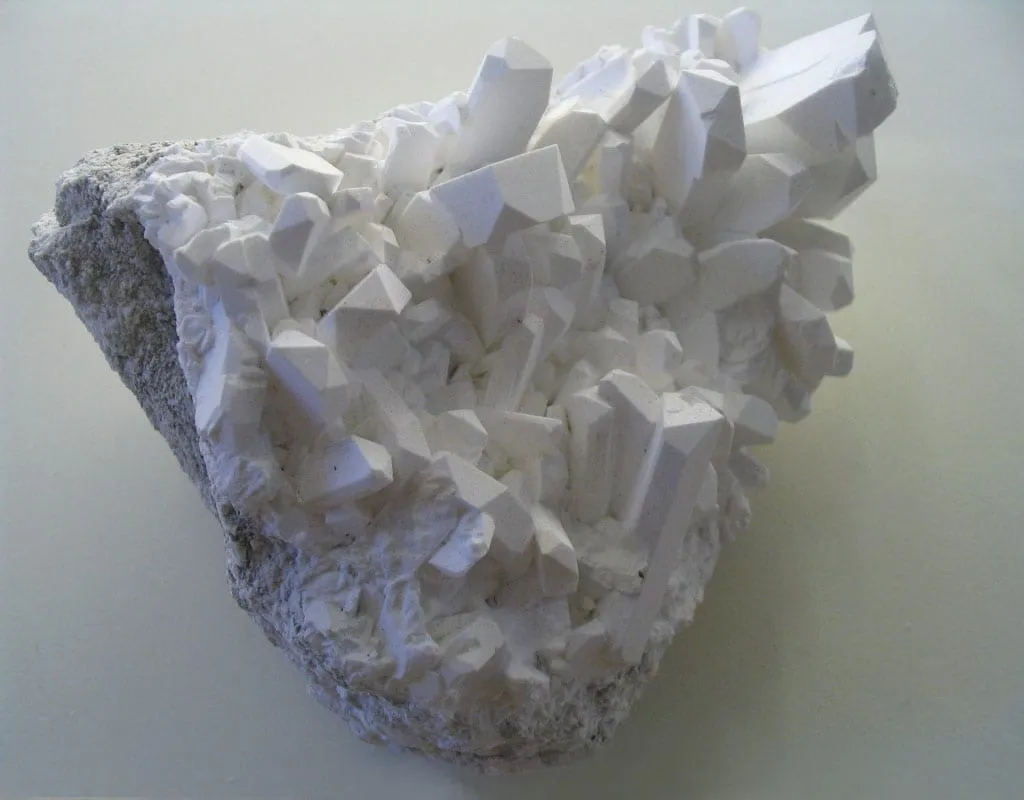
Borax (tincal)
A sodium borate that dissolves in water and crumbles to white powder in dry air; one of the world’s key tincal deposits is at Kırka in Eskişehir.
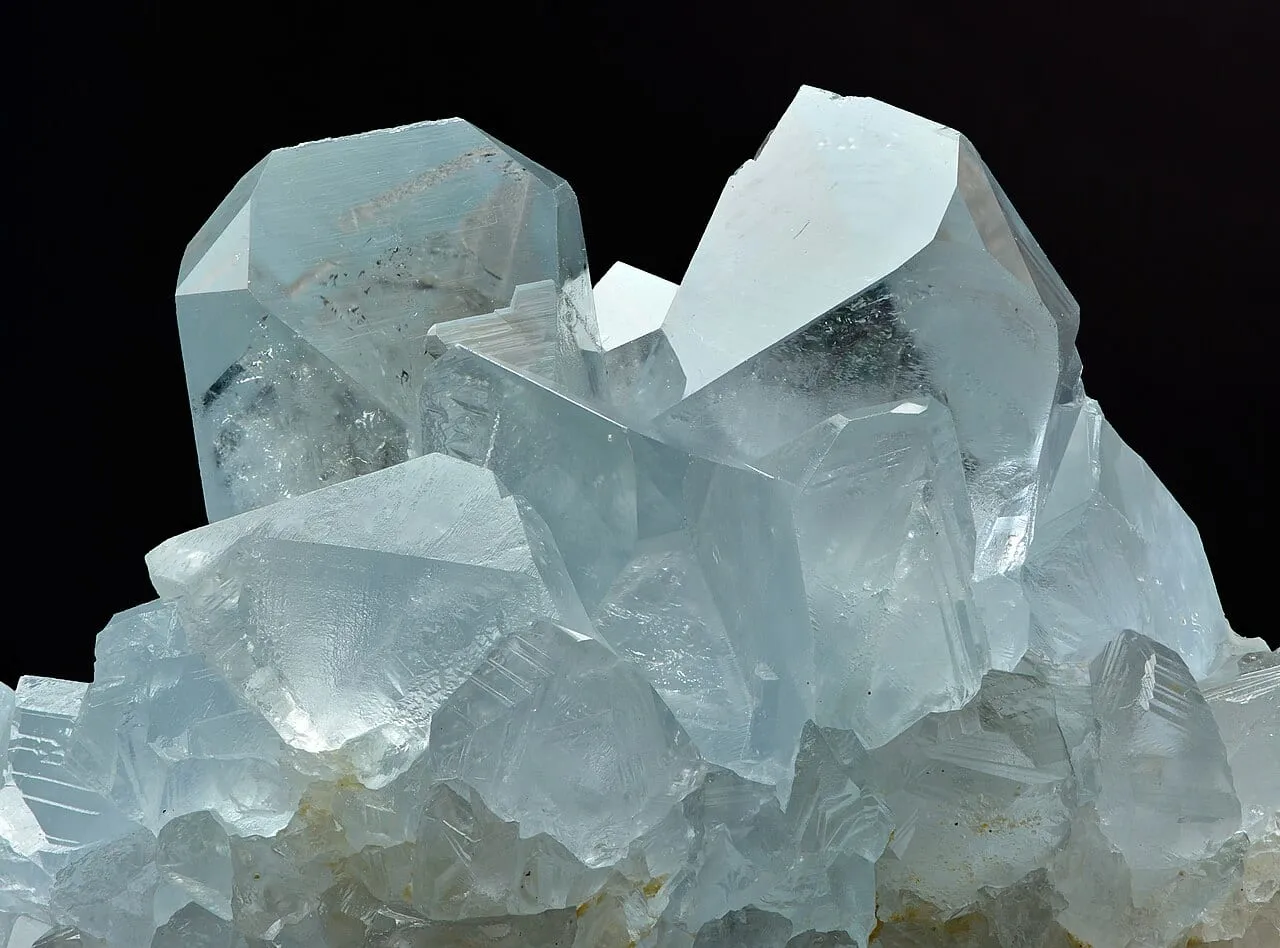
Celestine
A strontium mineral named after the sky, often forming pale blue crystals; the source of the red in fireworks.
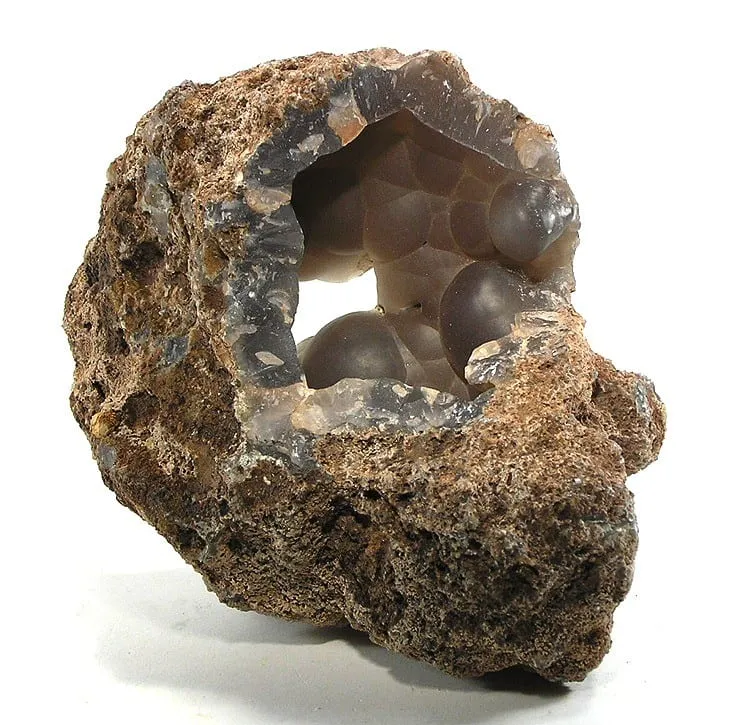
Chalcedony
A waxy-lustred stone made of quartz crystals far too small to see: the family name for agate, onyx and many other ornamental stones.