All stones
Filter by kind or tag. Cards are ordered along the value ladder.
108 stones
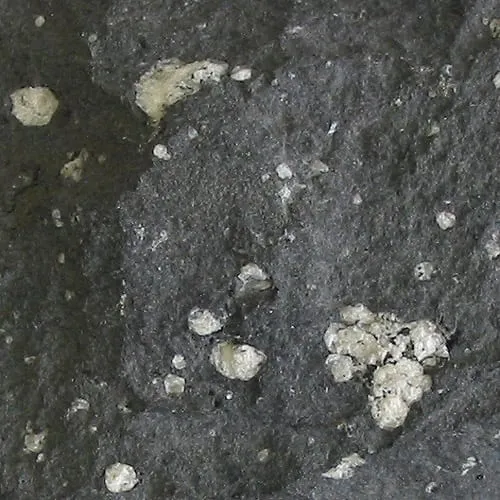
Andesite
The rock of volcanic arcs, named after the Andes — and the pink-grey stone of Ankara Castle.
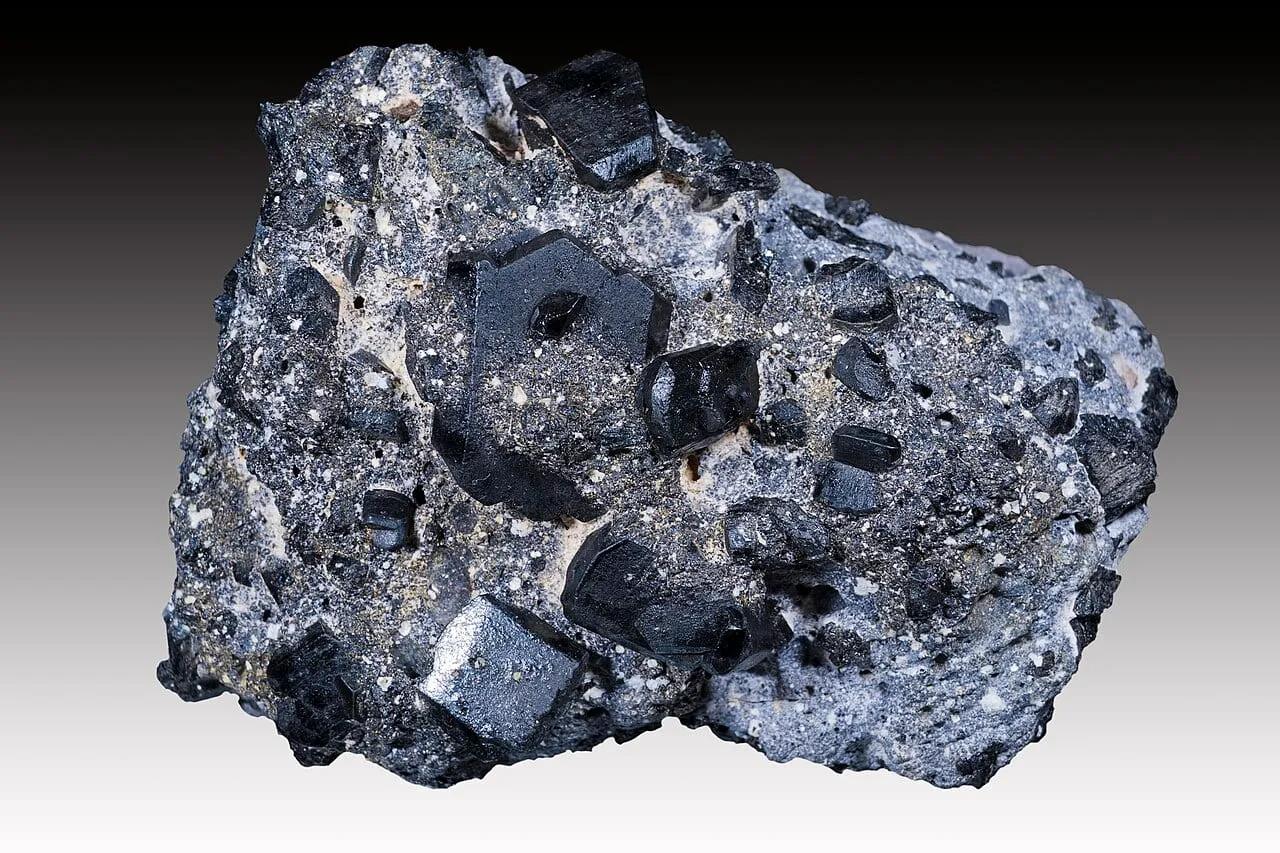
Augite (pyroxene)
The most common pyroxene, which darkens basalt and gabbro: inconspicuous, yet one of the key building blocks of Earth’s crust.
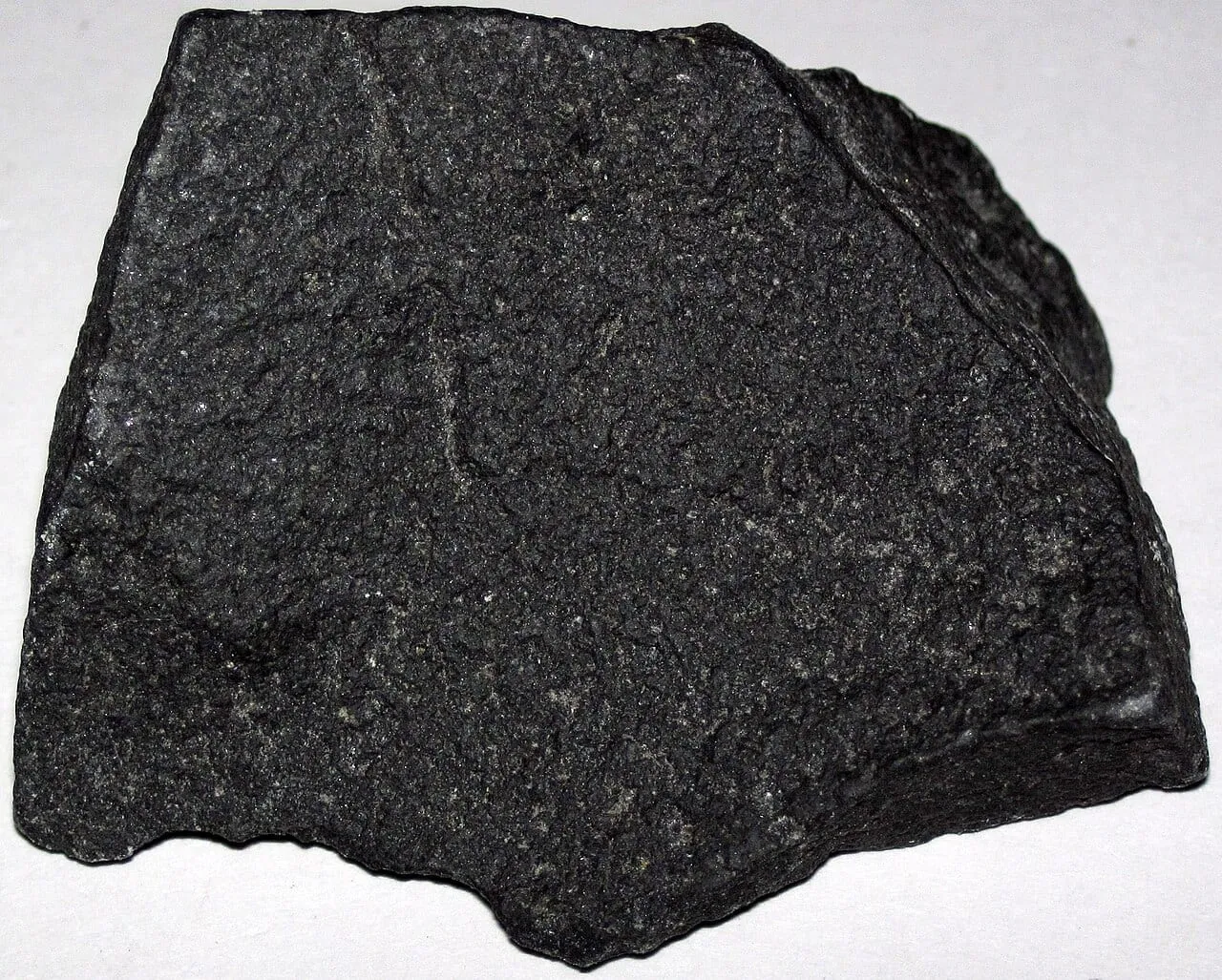
Basalt
The rock of the ocean floors and the Moon’s dark plains — the most common volcanic rock on Earth.
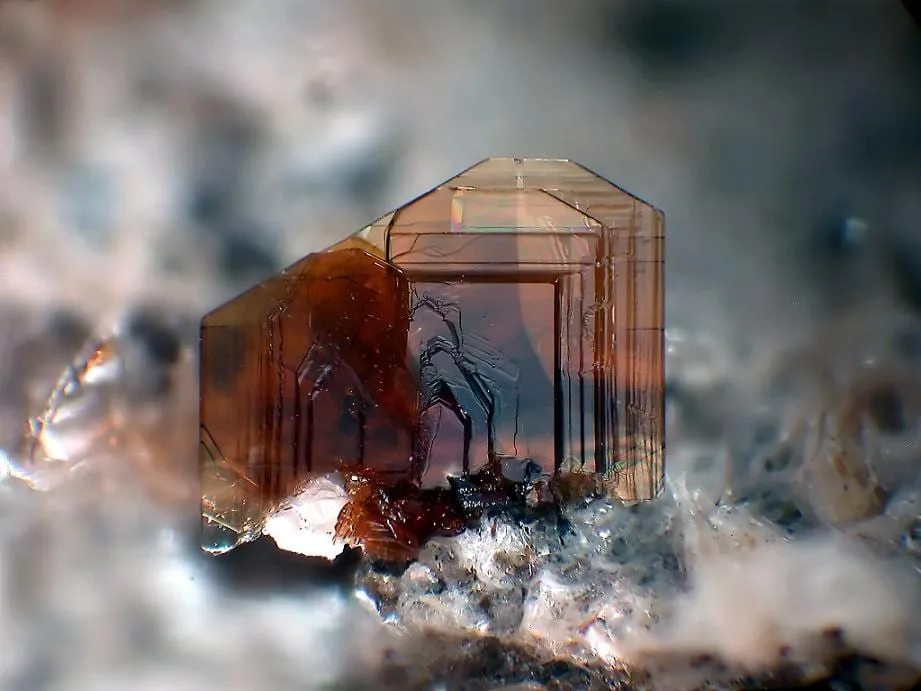
Biotite
The shiny black flakes in granite: a dark mica that peels into thin sheets and can glitter like gold as it weathers.
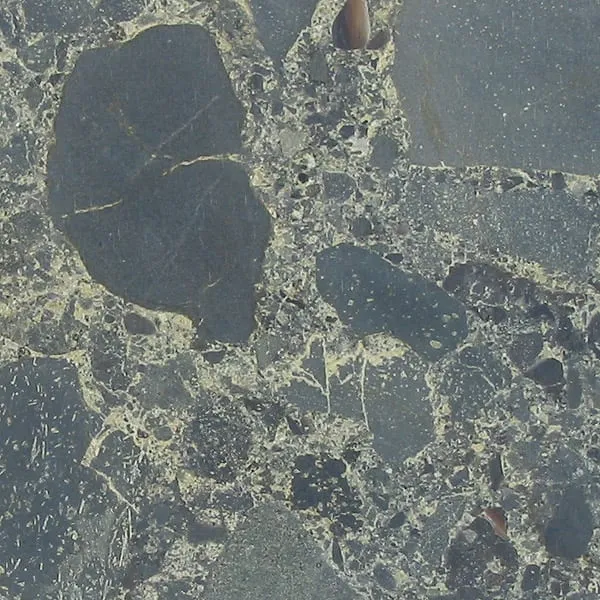
Breccia
A rock broken and glued back together: its sharp, angular pieces tell of landslides, faults, volcanoes and asteroid impacts.
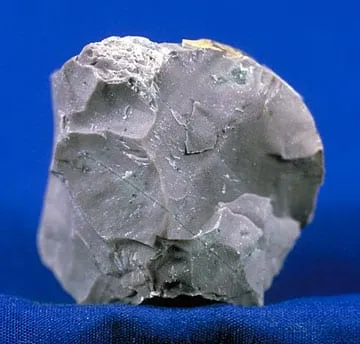
Chert and flint
The steel of the Stone Age: a hard silica rock that breaks into razor-sharp edges and throws sparks when struck with steel.
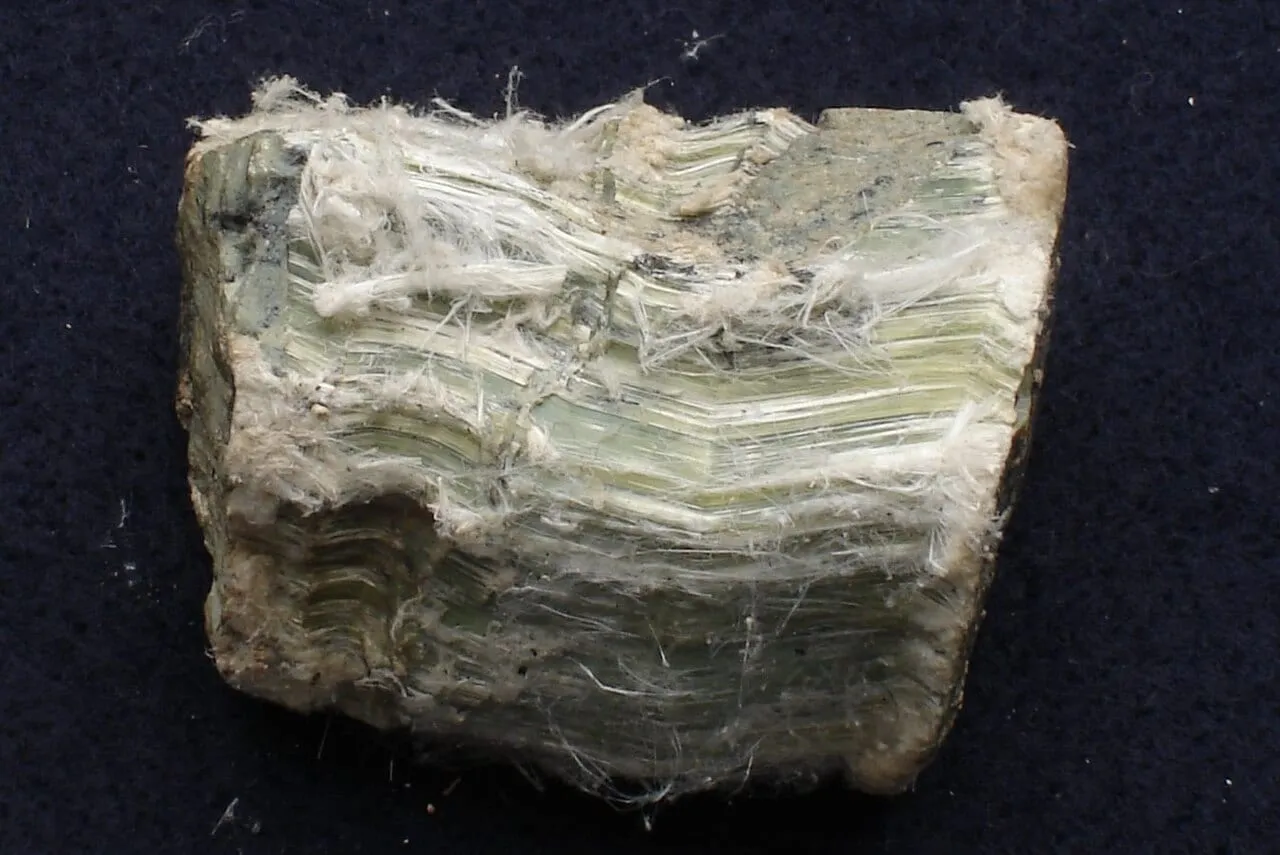
Chrysotile (white asbestos)
White asbestos: its heat-resistant fibres were used everywhere for a century, but when inhaled they cause cancer; it is now banned in many countries.
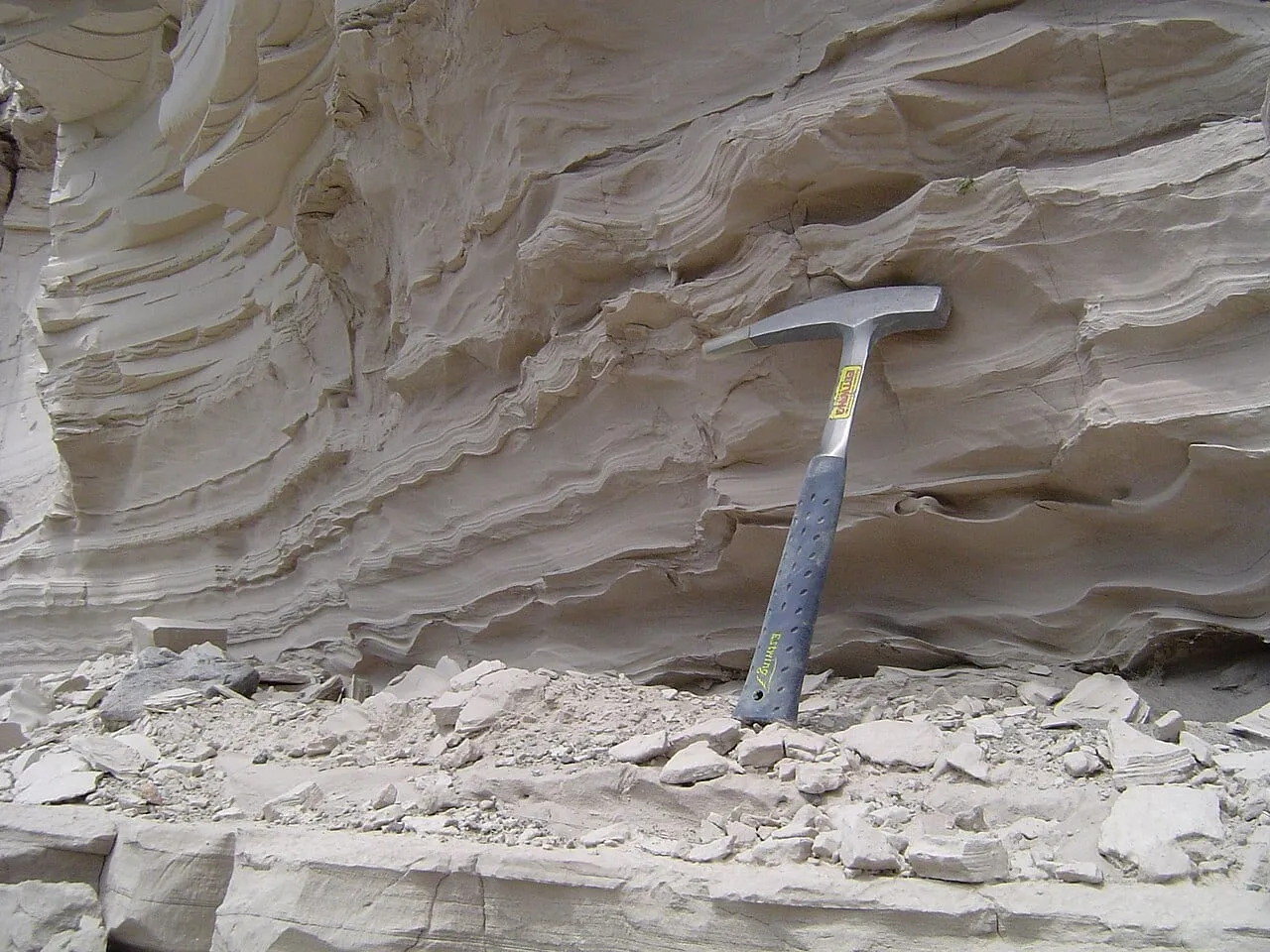
Claystone
Clay turned to stone: a raw material for bricks, studied as a home for radioactive waste because water barely passes through it.
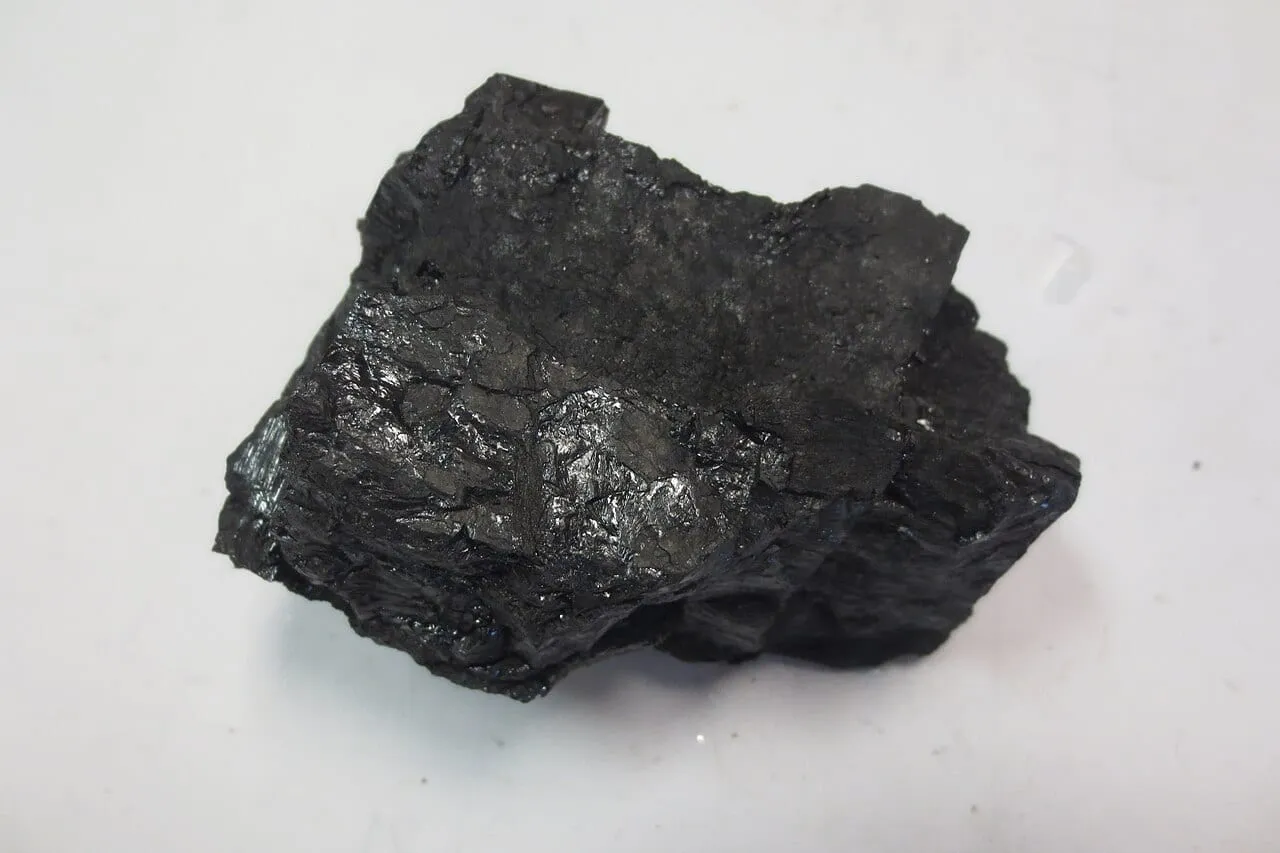
Coal
Swamp forests turned to stone: the fuel of the Industrial Revolution, still burnt today for electricity and steel.
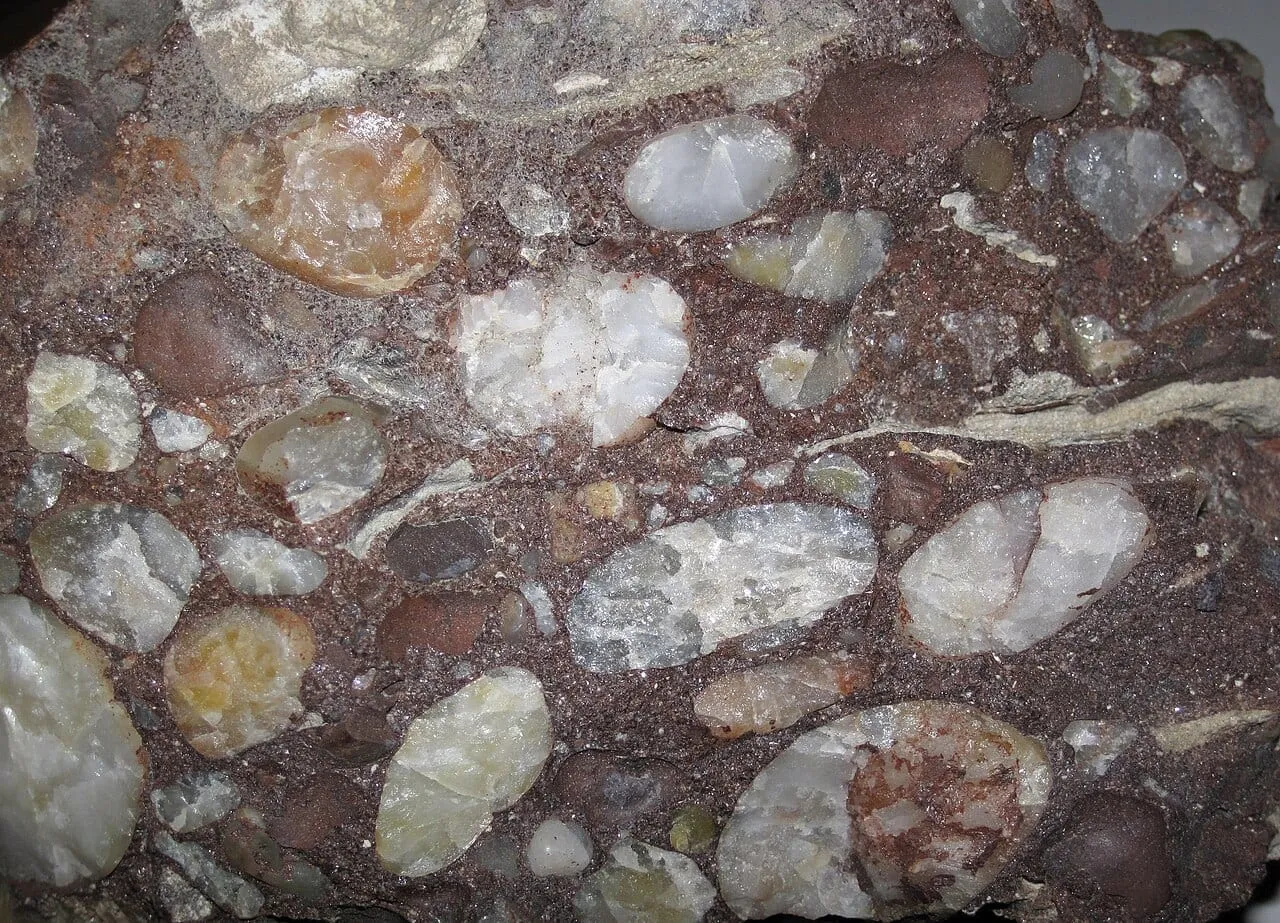
Conglomerate
A fossilised gravel bed: rounded pebbles from ancient rivers and beaches held together by natural cement.
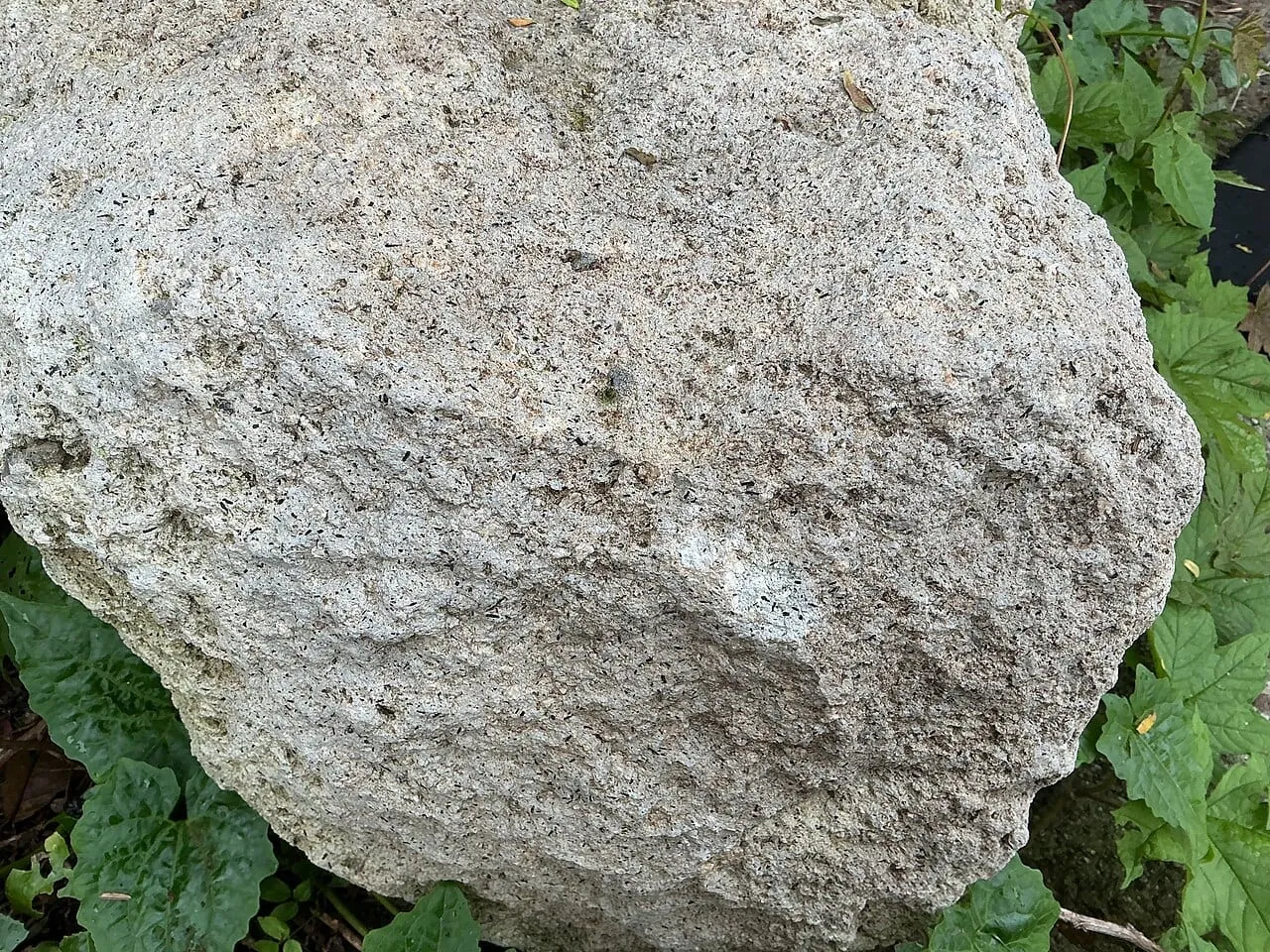
Dacite
Between andesite and rhyolite: a quartz-bearing volcanic rock that builds lava domes and drives explosive eruptions.
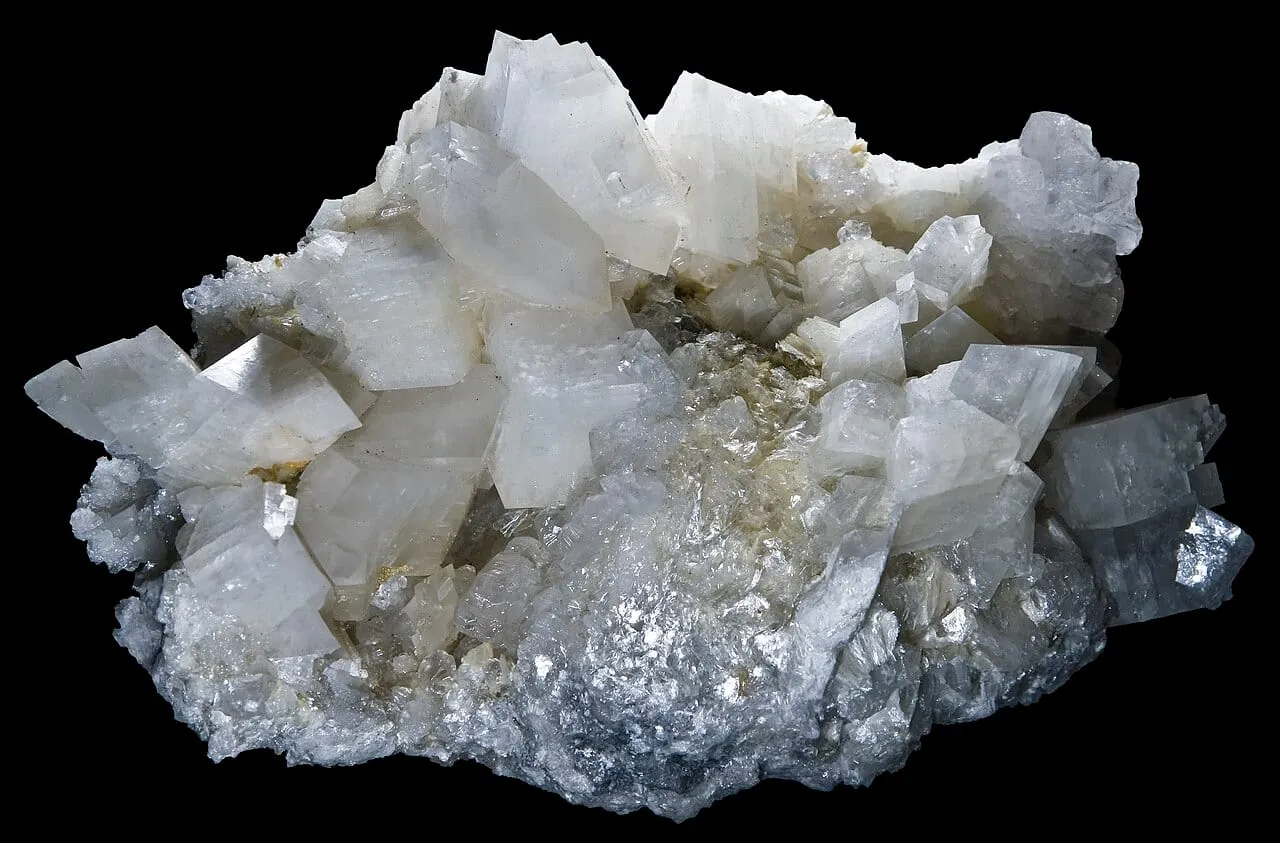
Dolomite
Calcite’s magnesium-bearing sibling: a carbonate mineral that builds whole mountain ranges yet barely fizzes in acid.
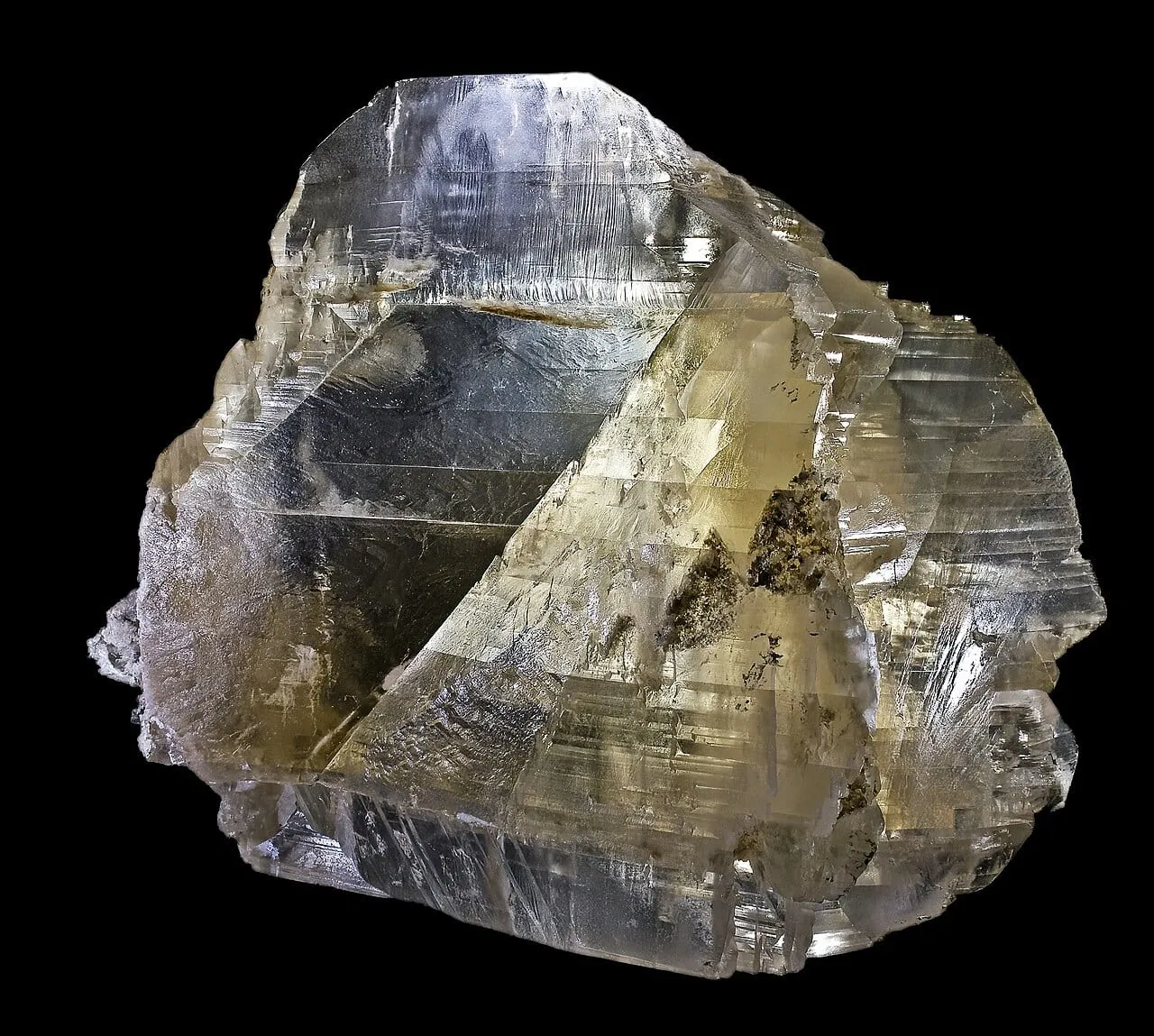
Gypsum
So soft a fingernail scratches it: the mineral behind plaster and plasterboard, which grows 11-metre giant crystals at Naica.
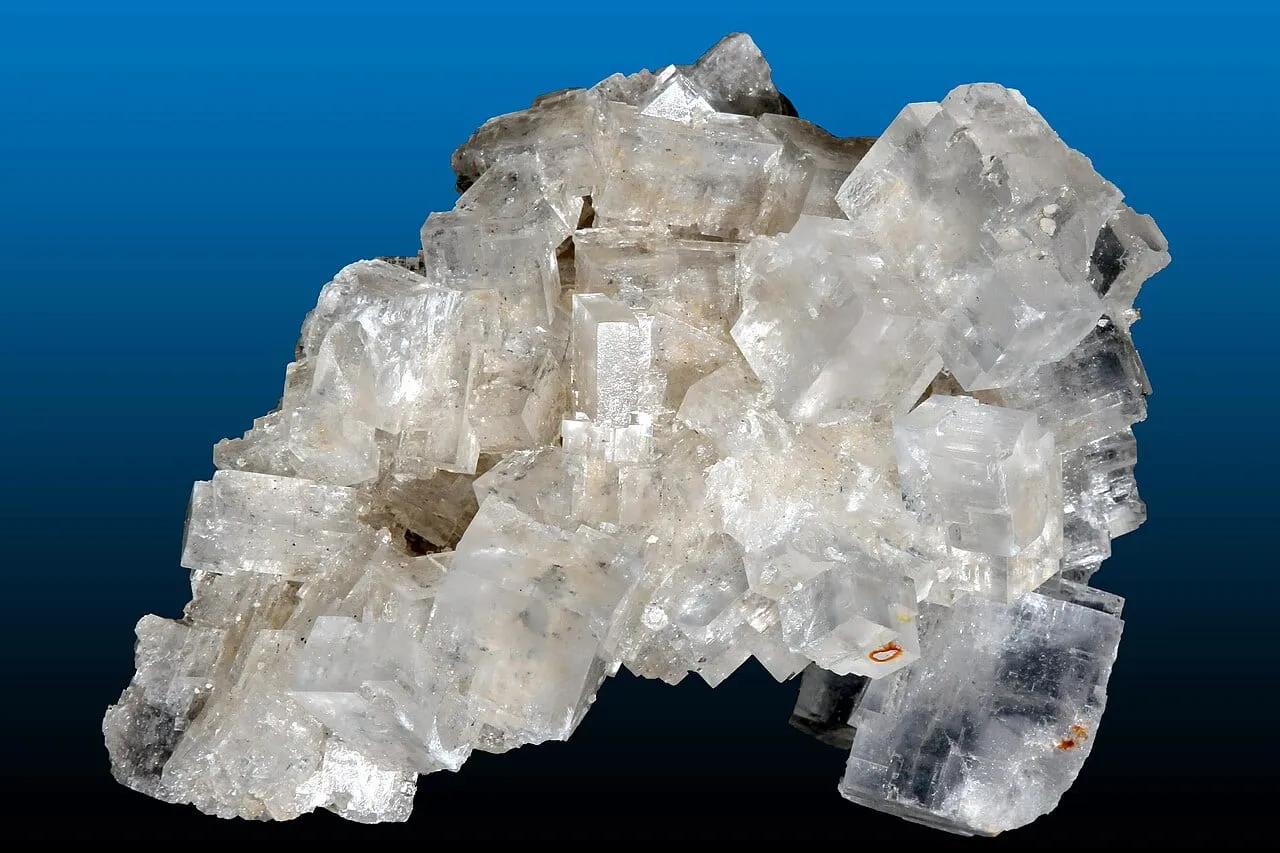
Halite (rock salt)
Table salt as a mineral: soft, soluble in water, breaking into cubes and lying underground in thick layers.
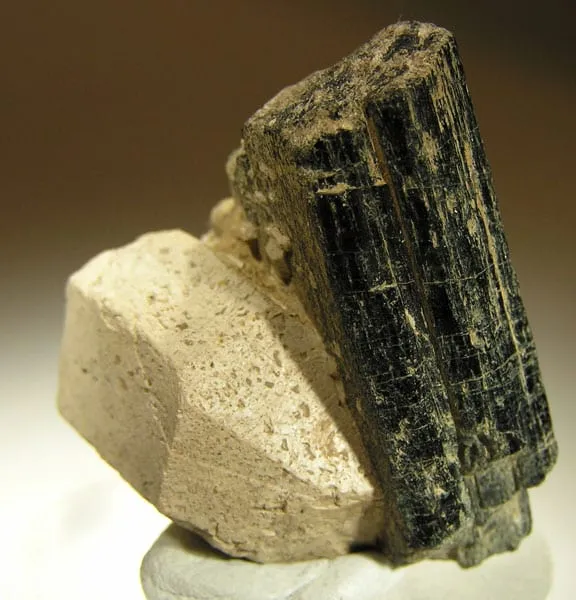
Hornblende (amphibole)
Behind most of the black grains in granite and the dark rods in andesite: the most common dark amphibole in rocks.
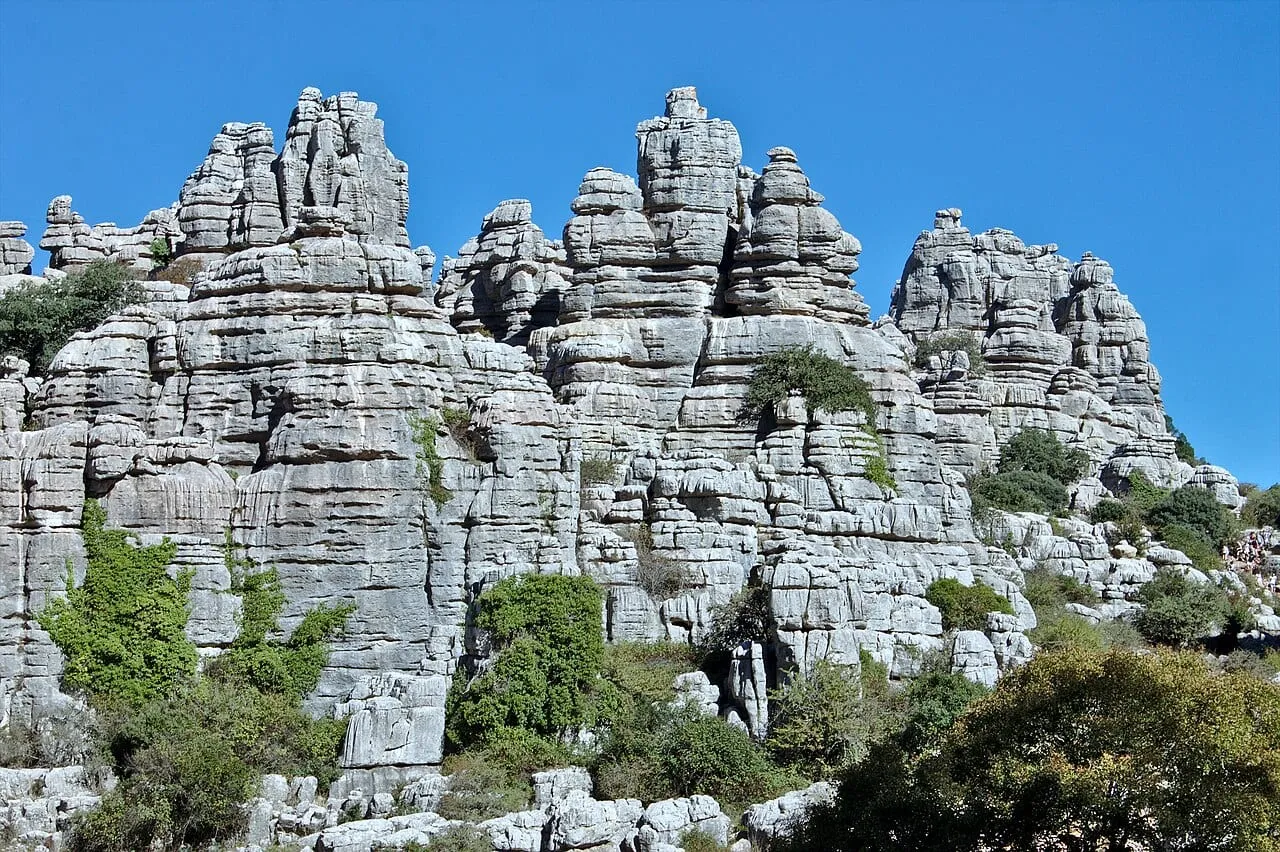
Limestone
A stone built from sea shells: the shared source of pyramids, caves and cement.
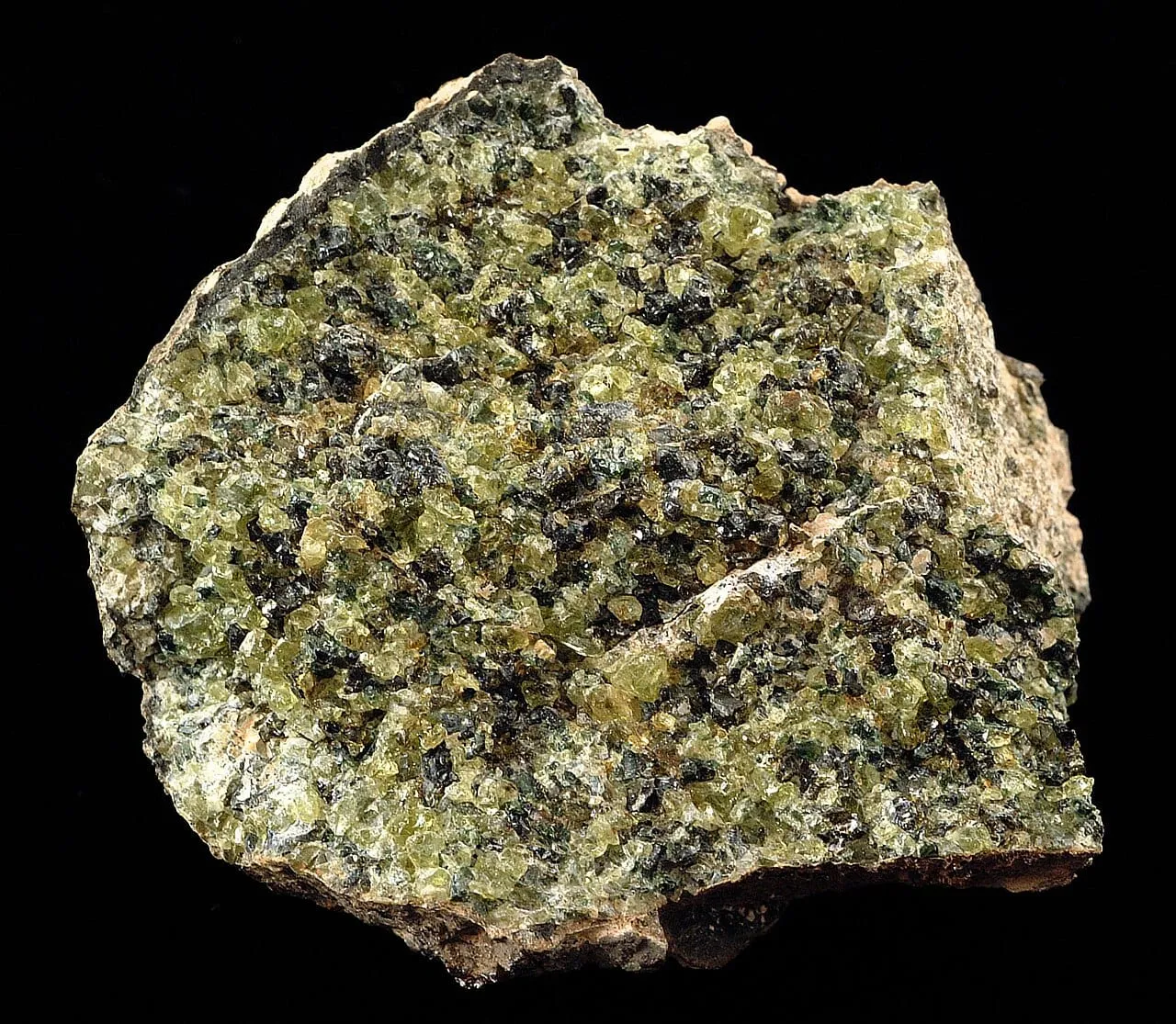
Peridotite
The real stuff far beneath our feet: the green, olivine-rich rock that makes up Earth’s upper mantle.
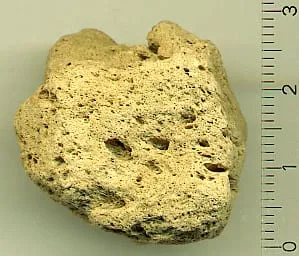
Pumice
The stone that floats: volcanic glass frothed up by gas in an eruption and frozen full of holes.
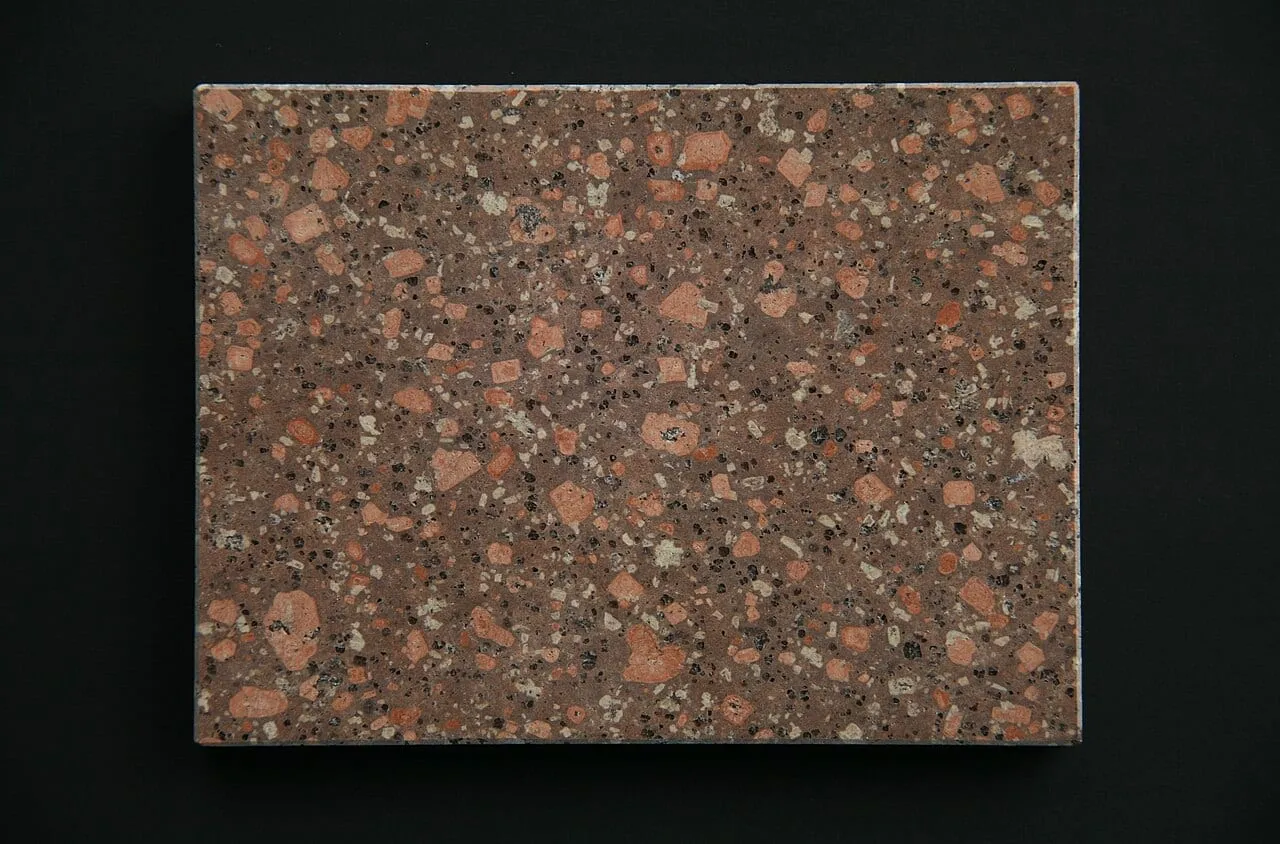
Rhyolite
Granite’s volcanic twin: a silica-rich rock born from sticky lava, often pink and banded.
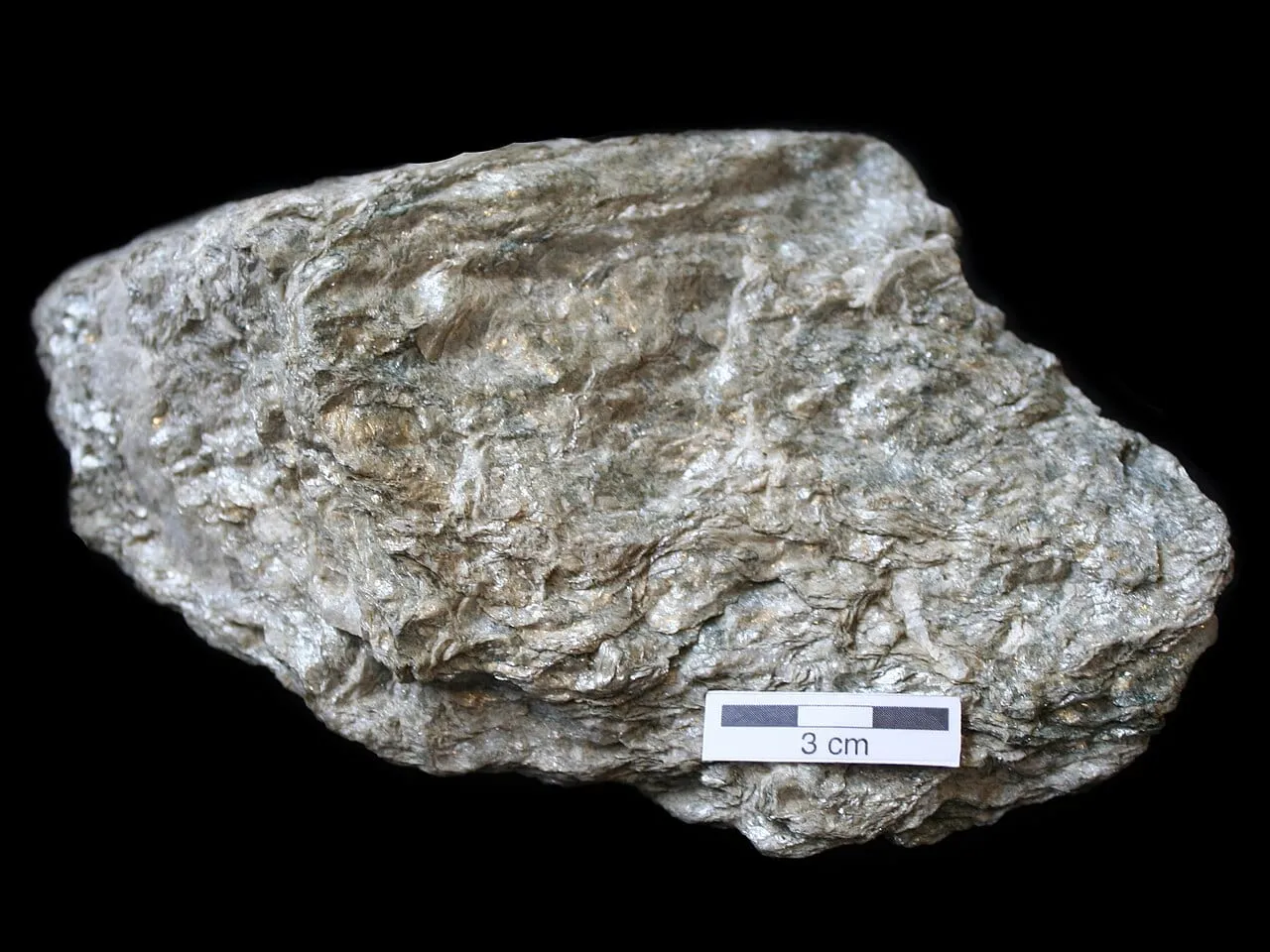
Schist
A glittering, flaky metamorphic rock: its mica flakes catch the light, and red garnets often stud its surface.
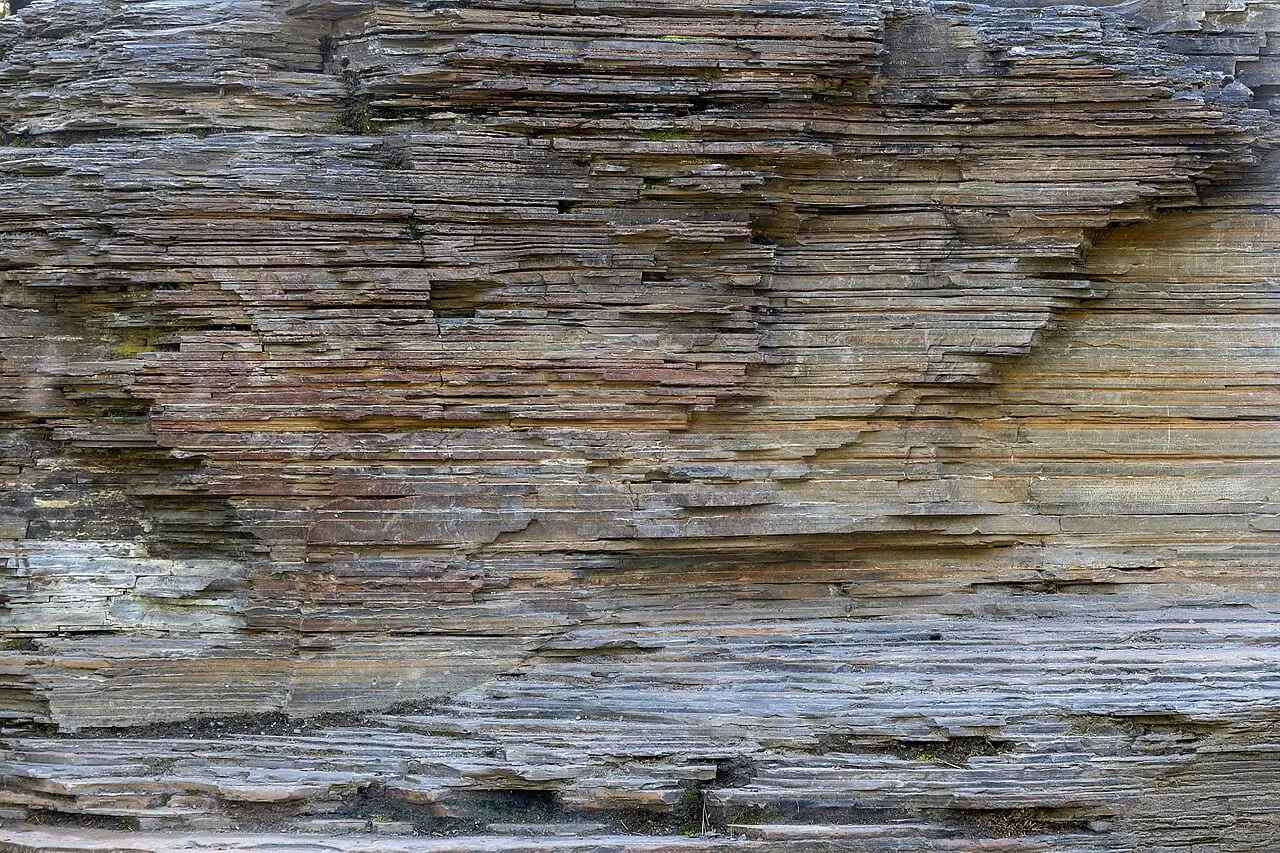
Shale
Earth's most common sedimentary rock: hardened mud that splits into sheets and can hold fossils, oil and natural gas.
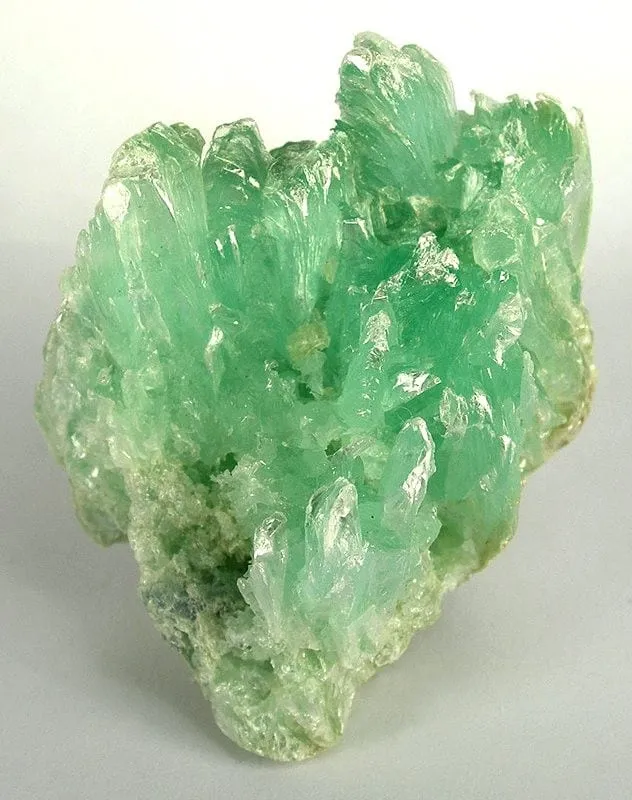
Talc
The softest mineral on the Mohs scale: scratched by a fingernail, soapy to the touch and used in everything from plastics to ceramics.
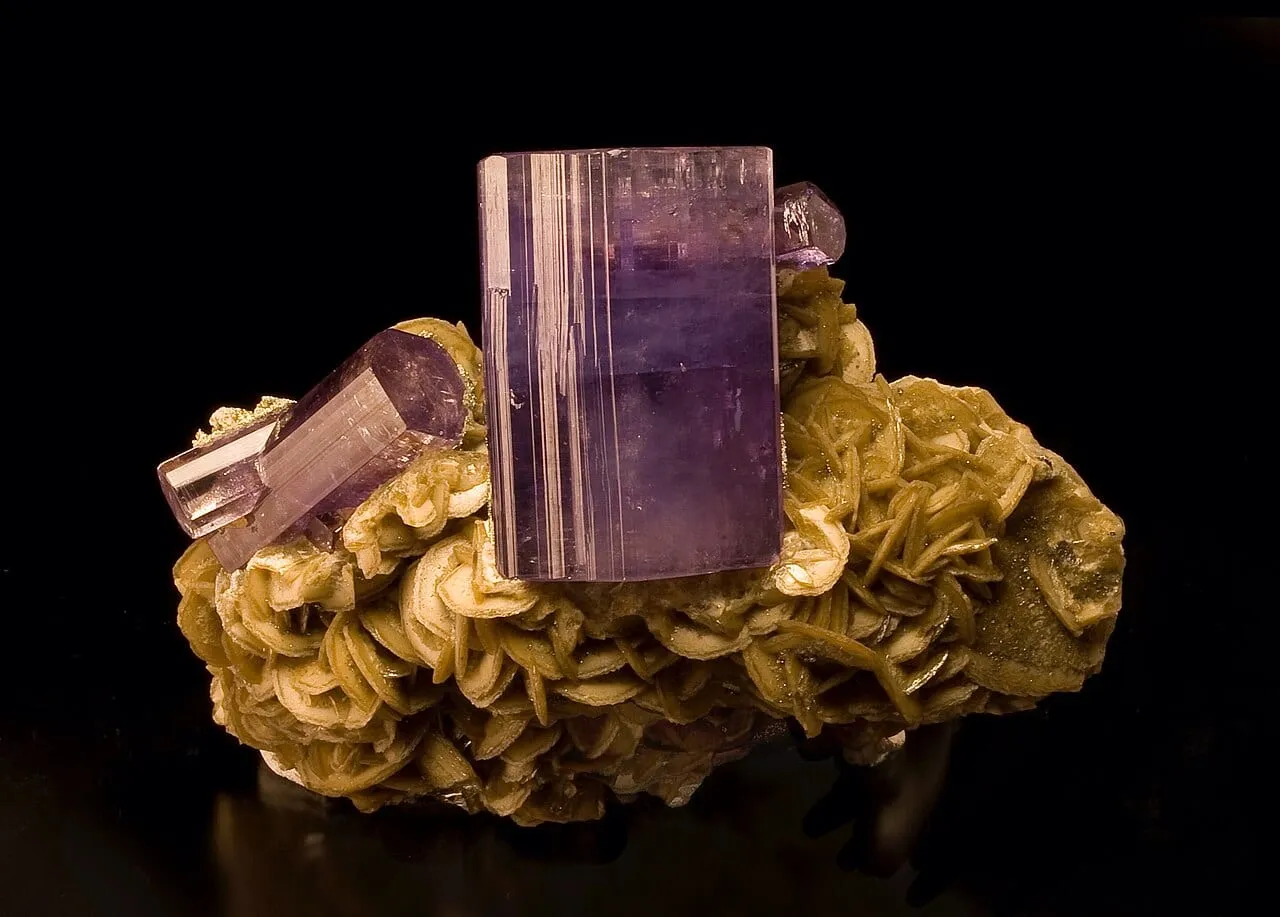
Apatite
A mineral cousin of our teeth and bones, the source of the phosphorus in fertilisers, and number 5 on the Mohs scale.
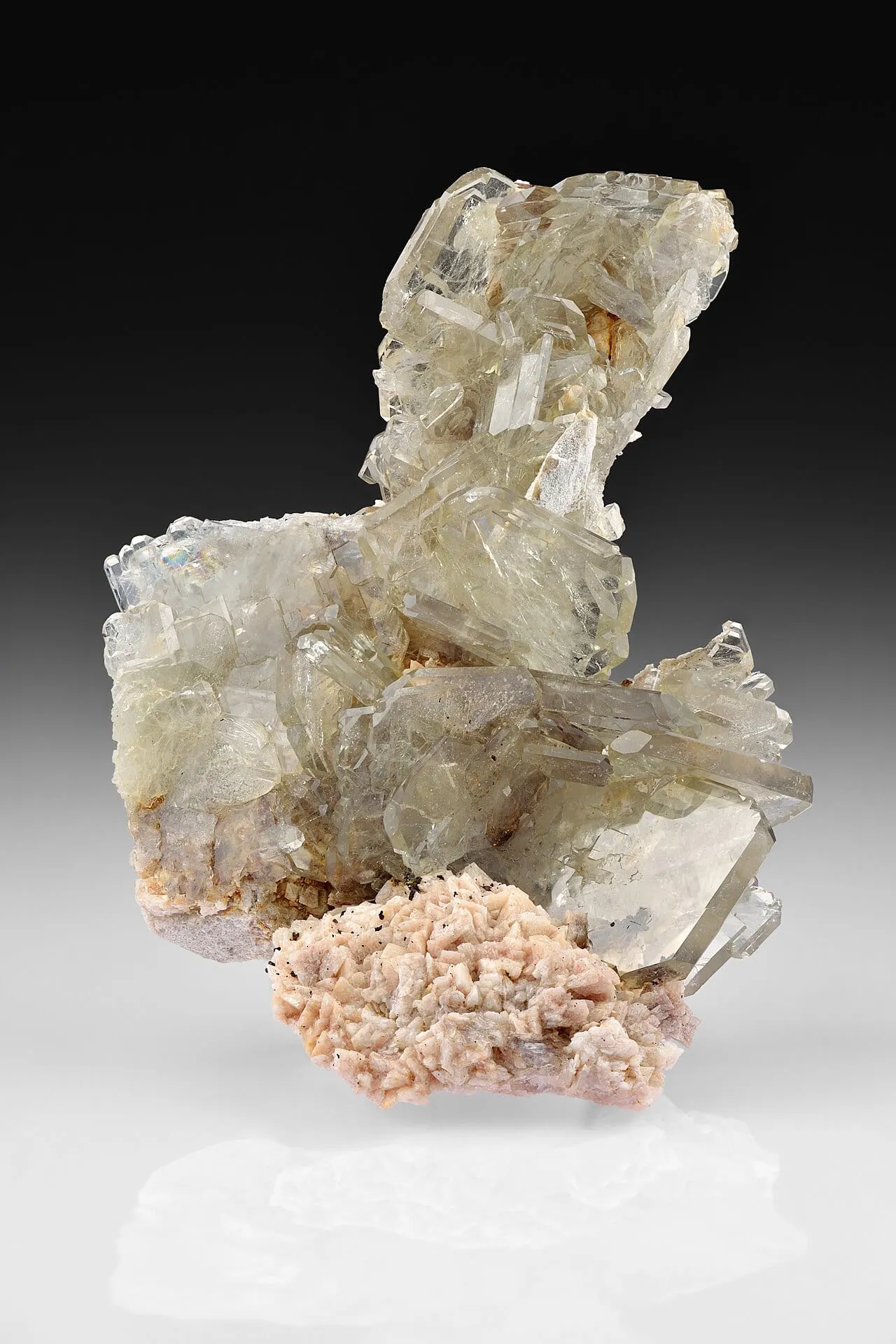
Baryte
A pale barium mineral that feels surprisingly heavy in the hand; even its name comes from the Greek word for heavy.
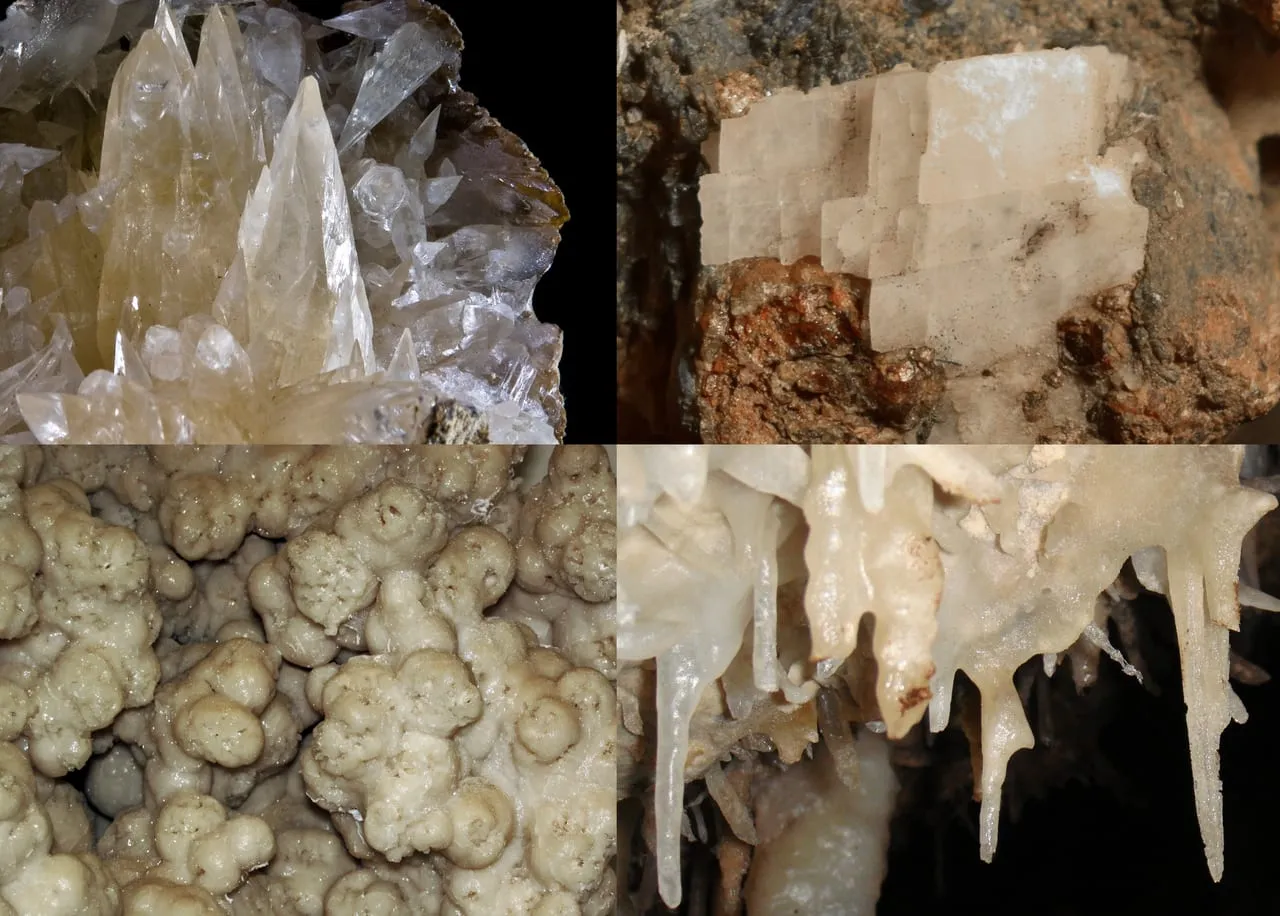
Calcite
The main mineral of limestone, marble and cave stalactites: it fizzes in acid, and its clear crystals show everything double.
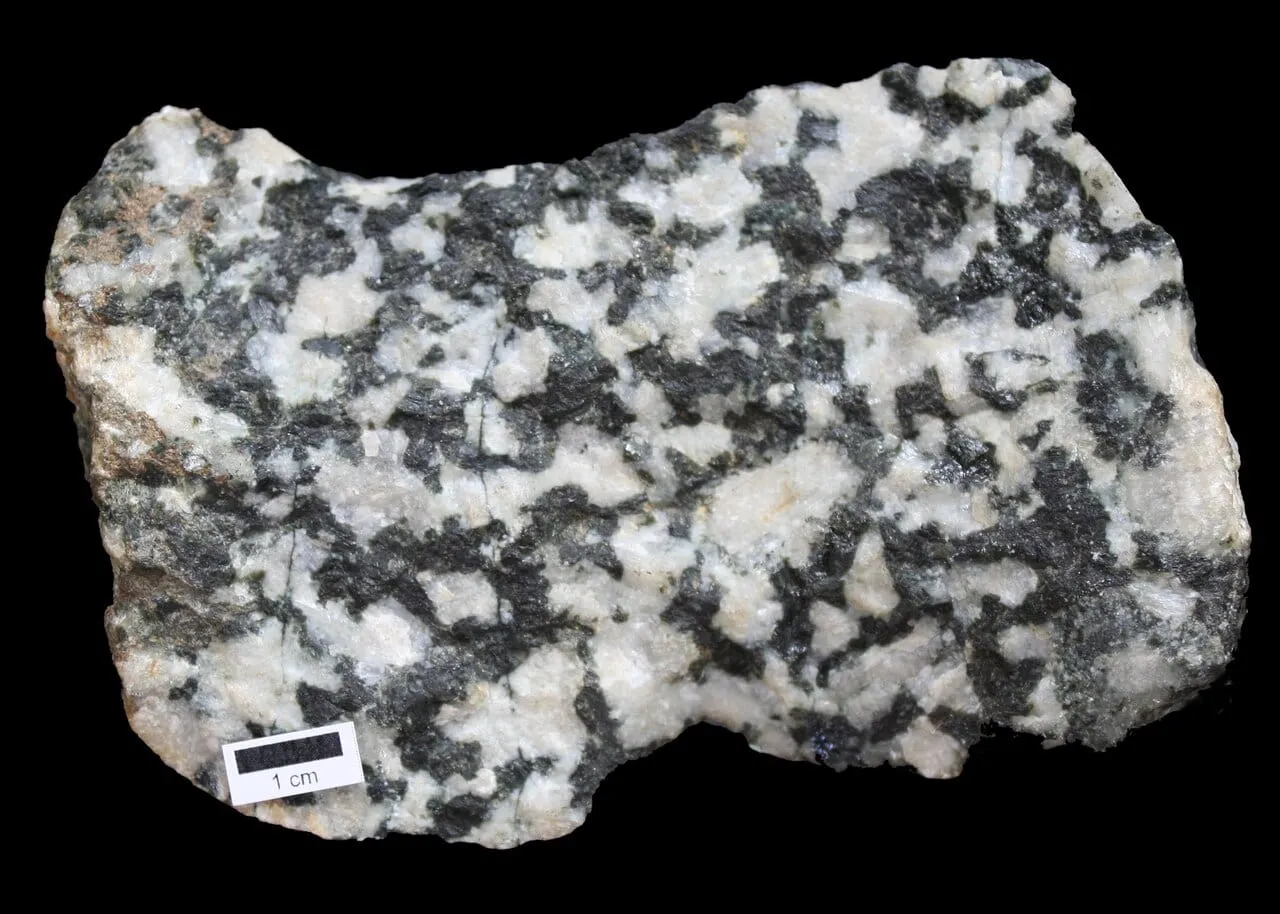
Diorite
A black-and-white, “salt-and-pepper” plutonic rock whose make-up sits halfway between granite and gabbro.
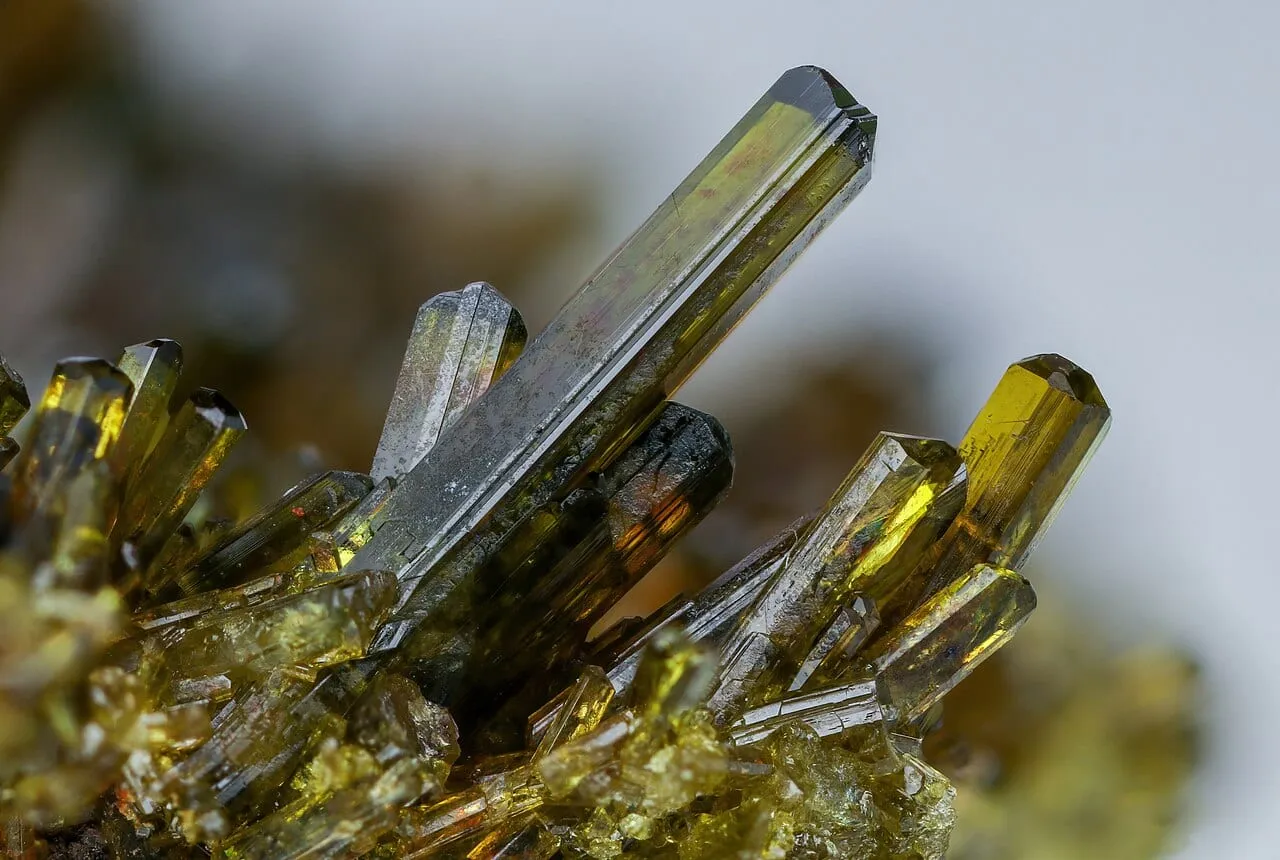
Epidote
Known for its pistachio green, a common, lustrous, prismatic mineral of rocks altered by heat, pressure and hot water.
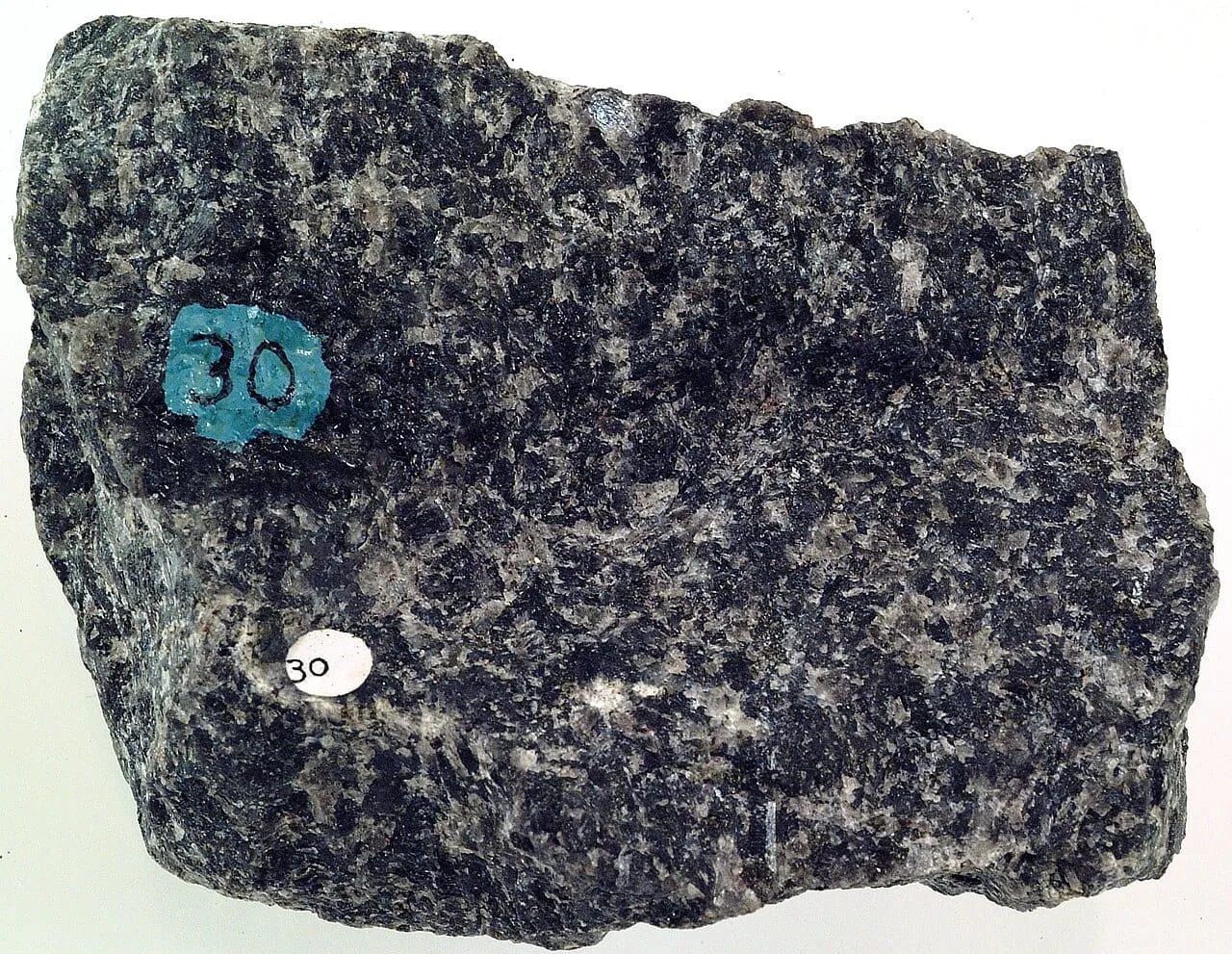
Gabbro
The deep building block of the ocean crust: the slowly cooled, coarse-grained twin of basalt.
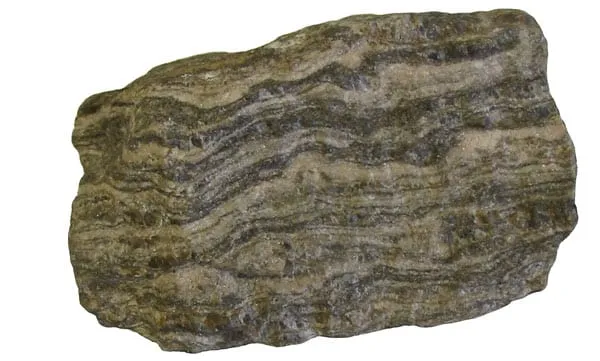
Gneiss
Striped in light and dark bands, the rock that underpins the continents: some gneisses are around 4 billion years old.
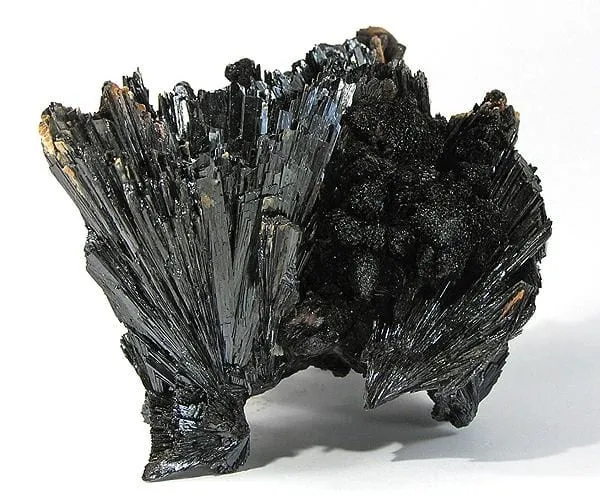
Goethite (limonite)
The iron mineral behind the colour of rust, yellow ochre and brown soils, named after a poet.
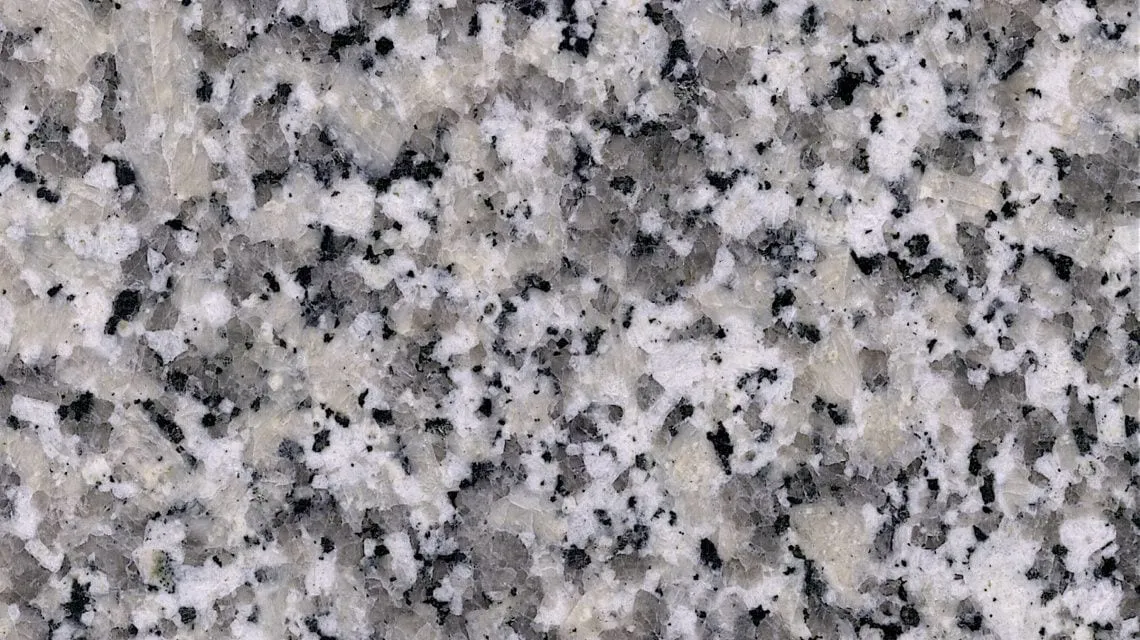
Granite
From kitchen worktops to monuments: a tough, coarse-grained rock born from magma that cooled slowly deep underground.
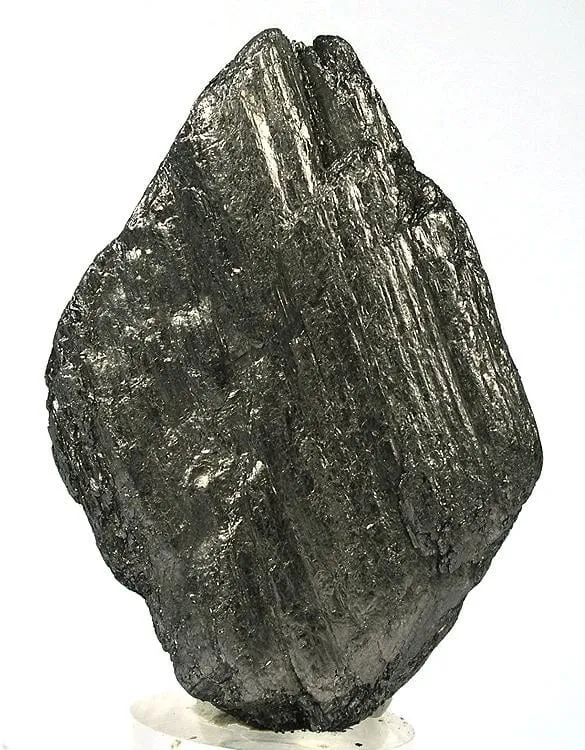
Graphite
The “lead” in your pencil: a soft, slippery mineral made of carbon, the same element as diamond, yet utterly different.
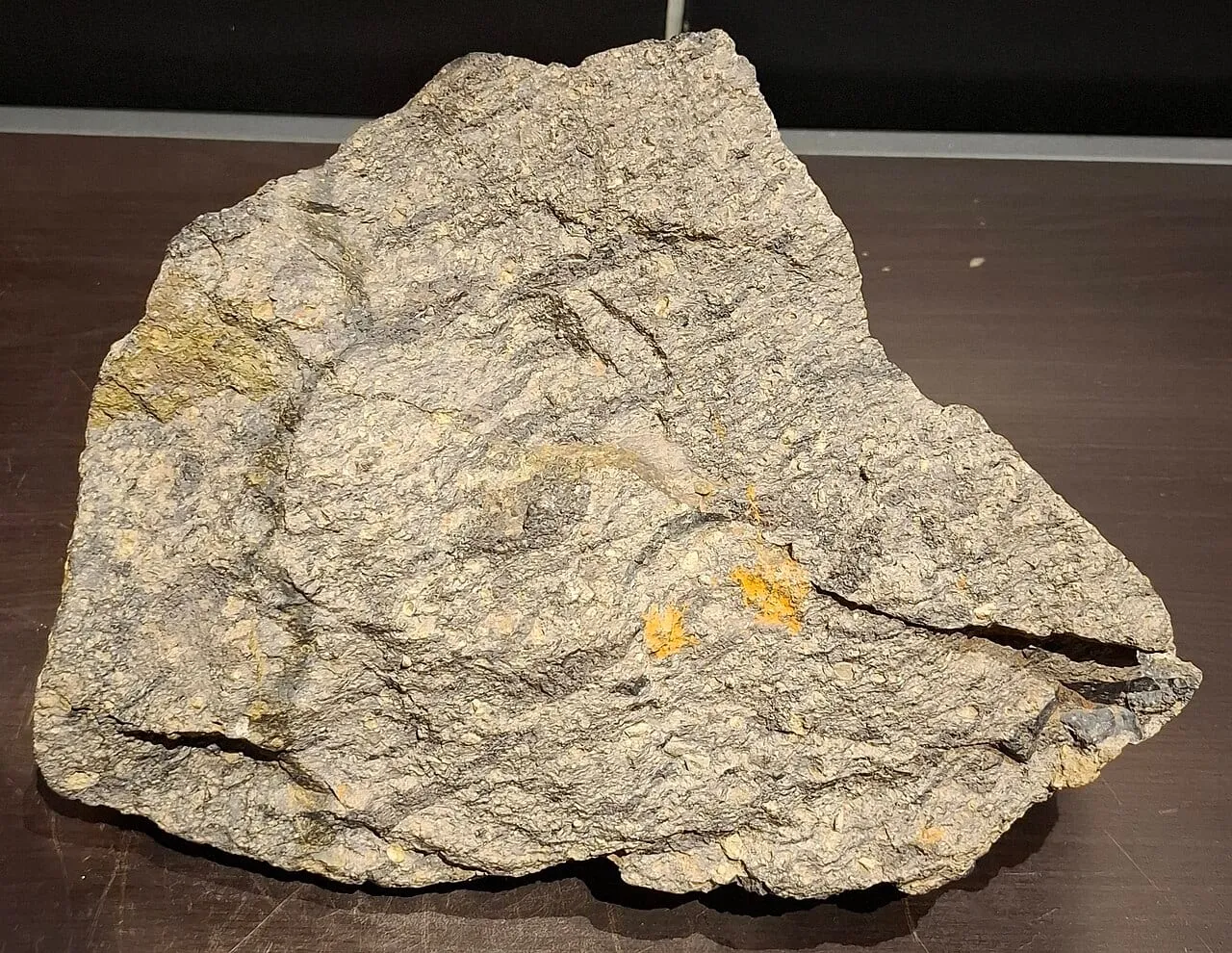
Ignimbrite
The rock left by glowing avalanches of hot ash — the stone of the Seljuk gravestones of Ahlat.
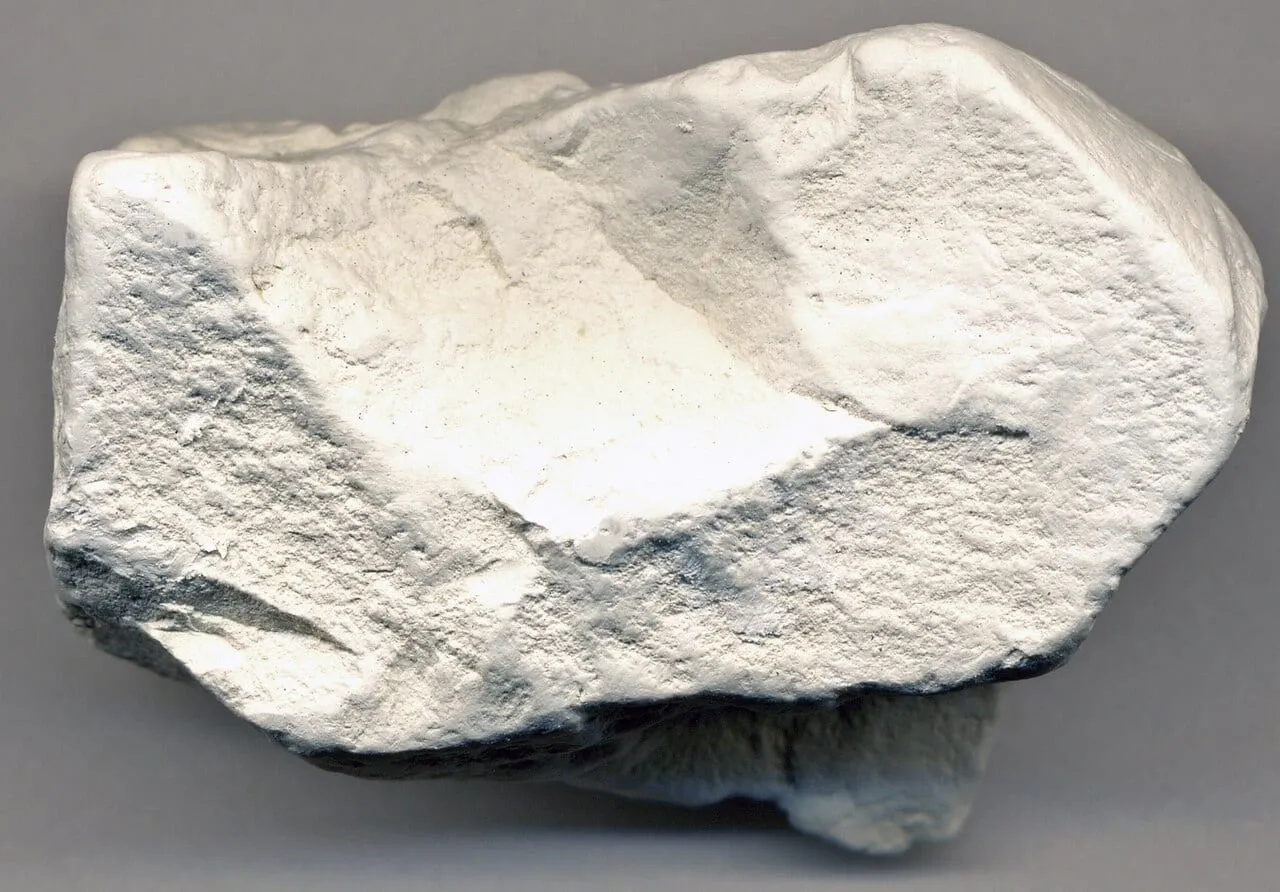
Kaolinite
The white clay of porcelain: named after Gaoling hill in China, it is a raw material for everything from ceramics to paper.
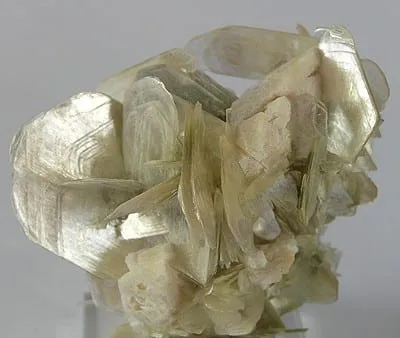
Muscovite
The white mica that peels into paper-thin, clear, flexible sheets; in Russia it was once used instead of window glass.
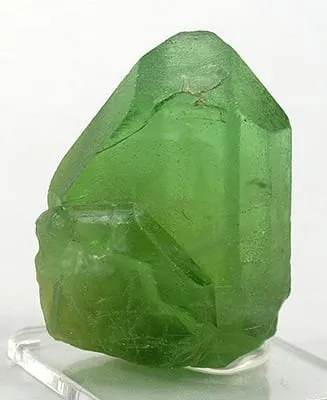
Olivine
The olive-green mineral that makes up much of Earth’s upper mantle; its clear, gem-quality crystals are called peridot.
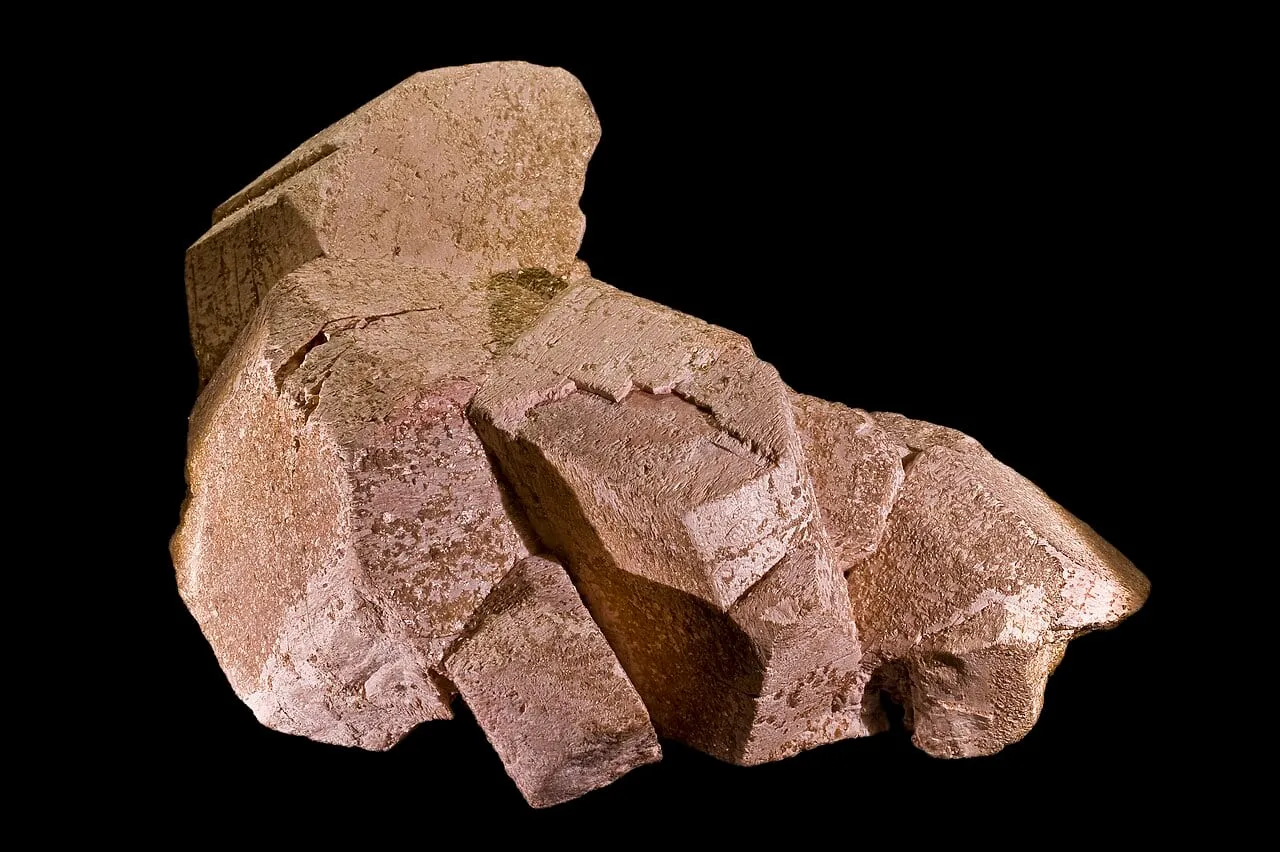
Orthoclase
The potassium feldspar that defines 6 on the Mohs scale: it gives many granites their pink colour and is a raw material for glass and ceramics.
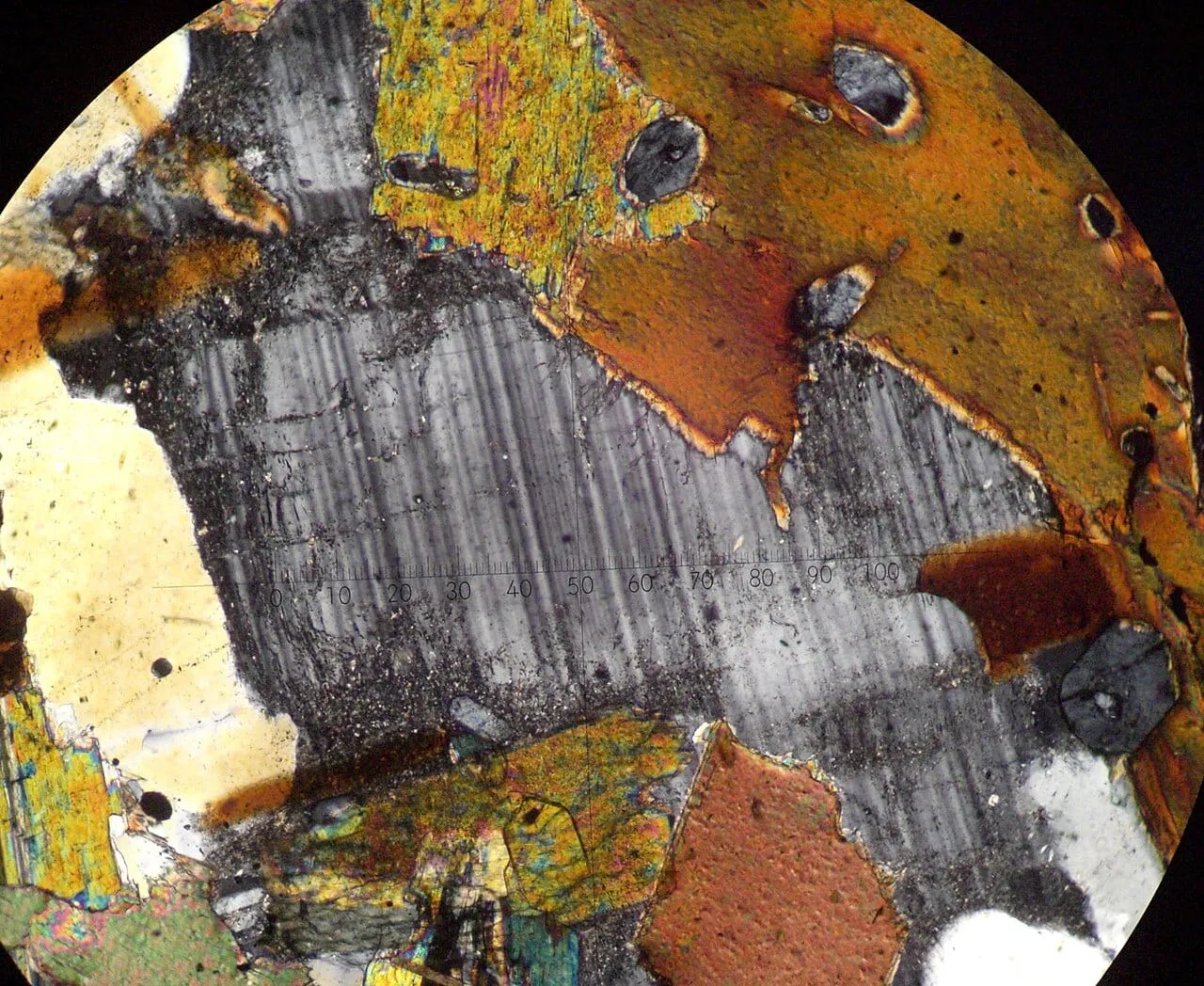
Plagioclase
One of the most abundant minerals in Earth's crust: the albite–anorthite feldspar series, known by the fine parallel lines on its cleavage faces.
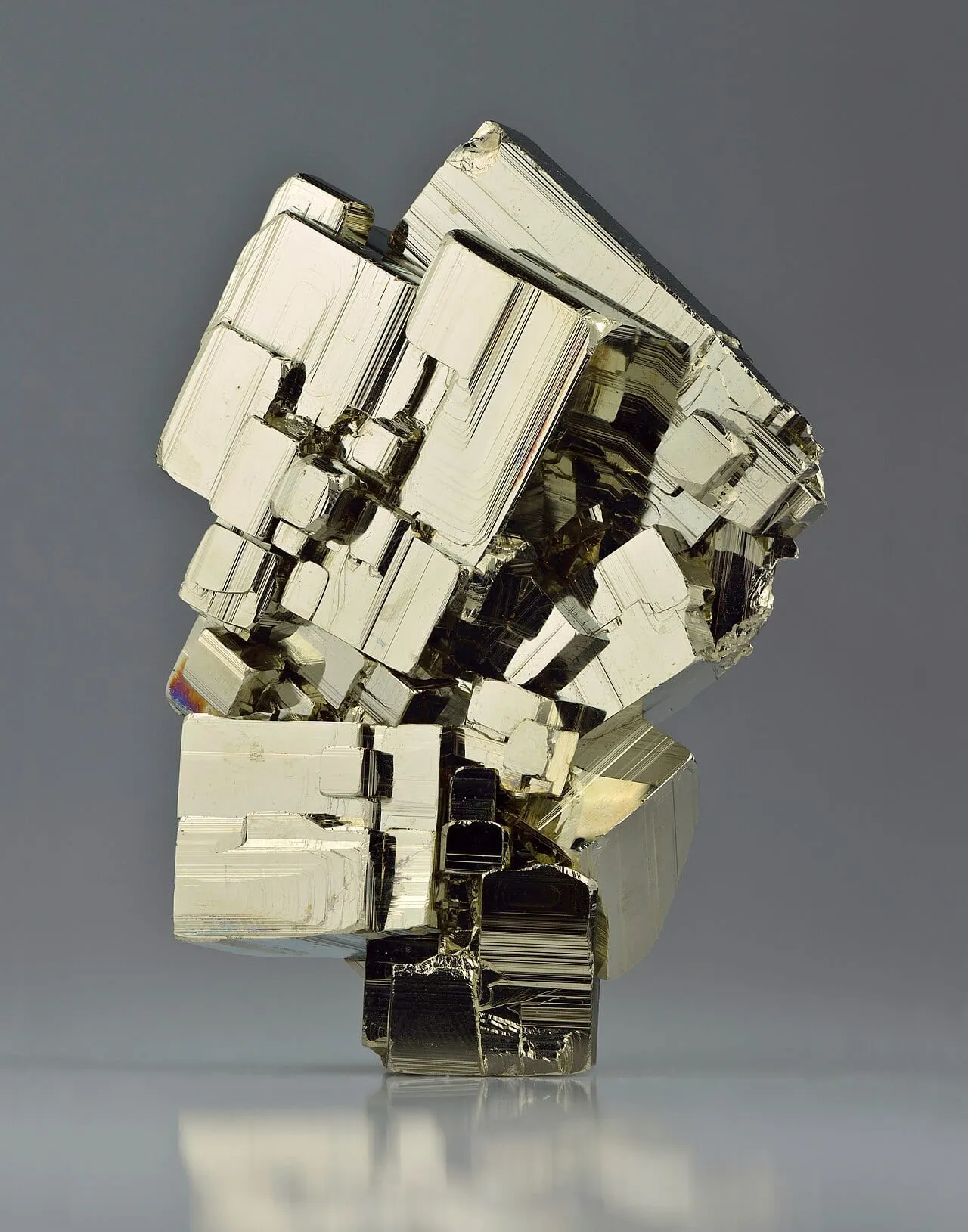
Pyrite
“Fool’s gold”: the most common sulfide mineral on Earth, looking like gold but far harder, more brittle and lighter.
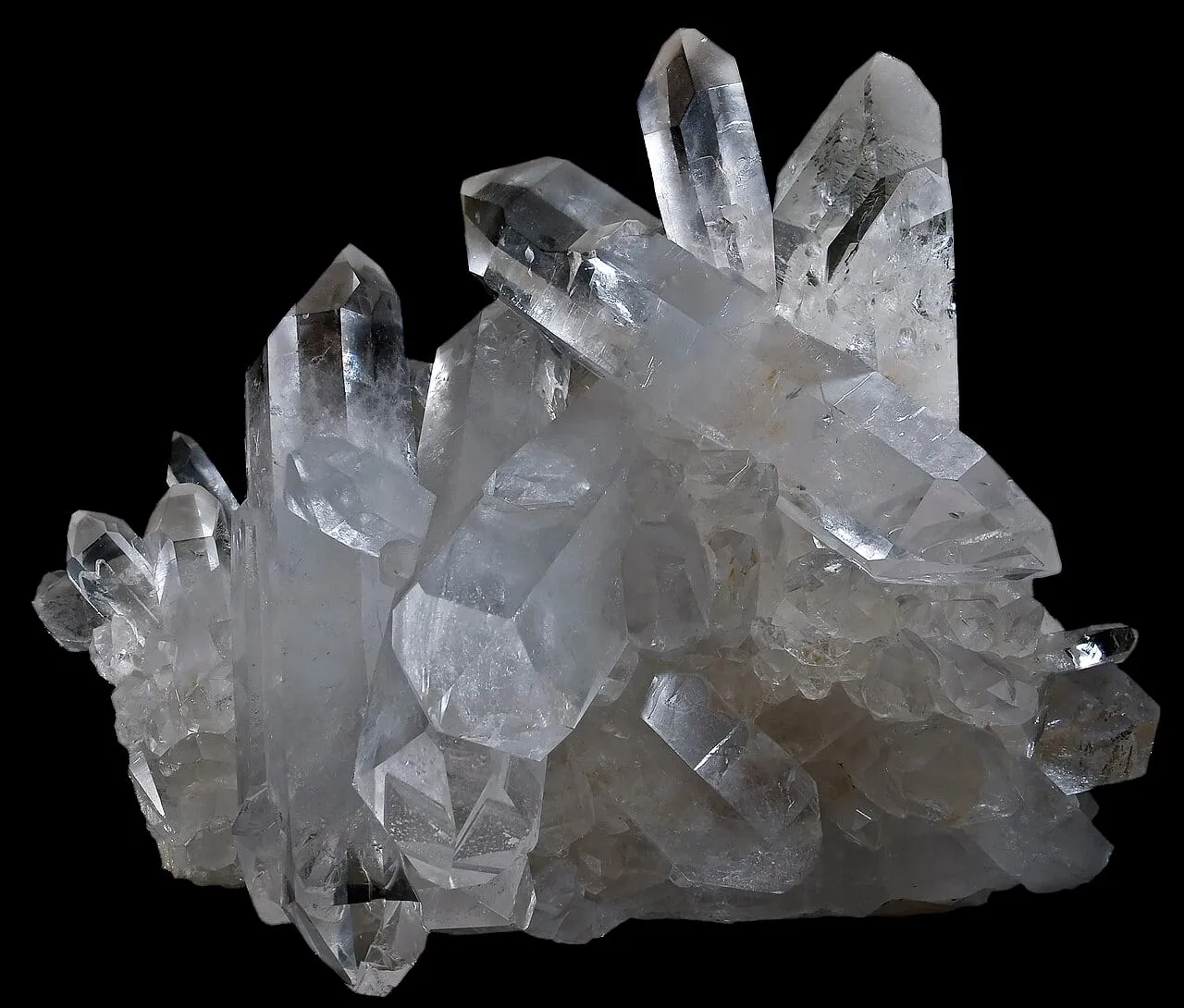
Quartz
The common root of sand, glass and amethyst — one of the most abundant minerals in Earth’s crust.
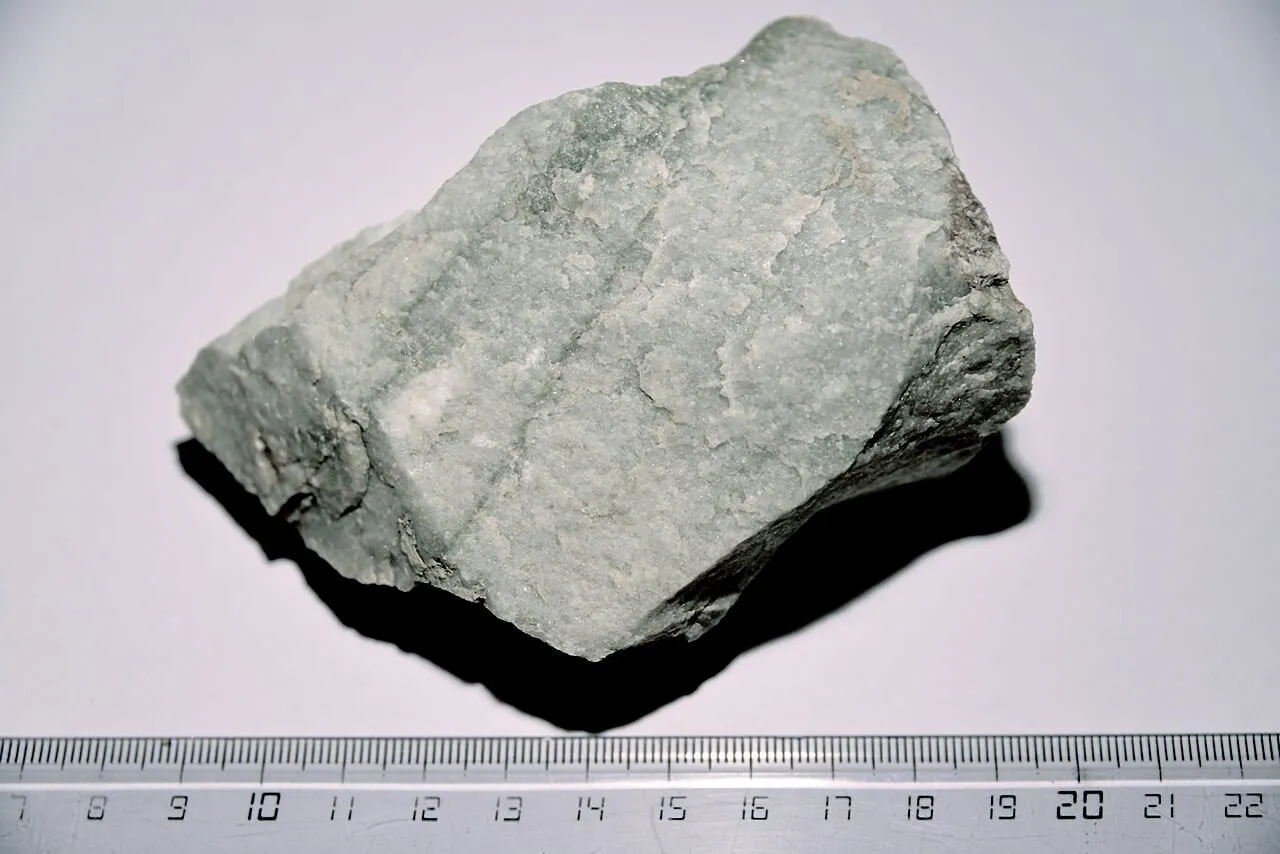
Quartzite
Sandstone turned to steel: an almost pure quartz rock that stubbornly resists wear.
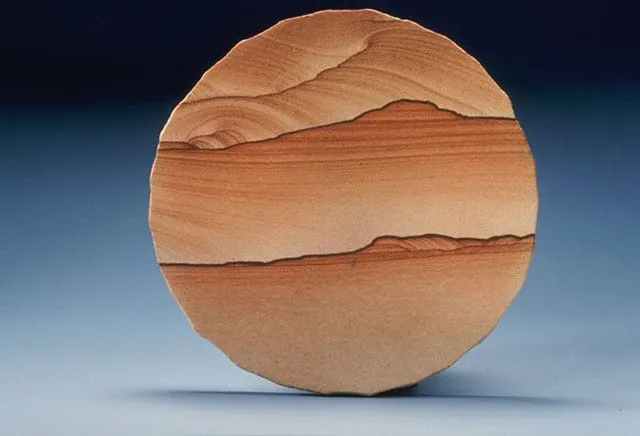
Sandstone
Sand turned to stone: from the carved facades of Petra to the layers that hold groundwater and oil.
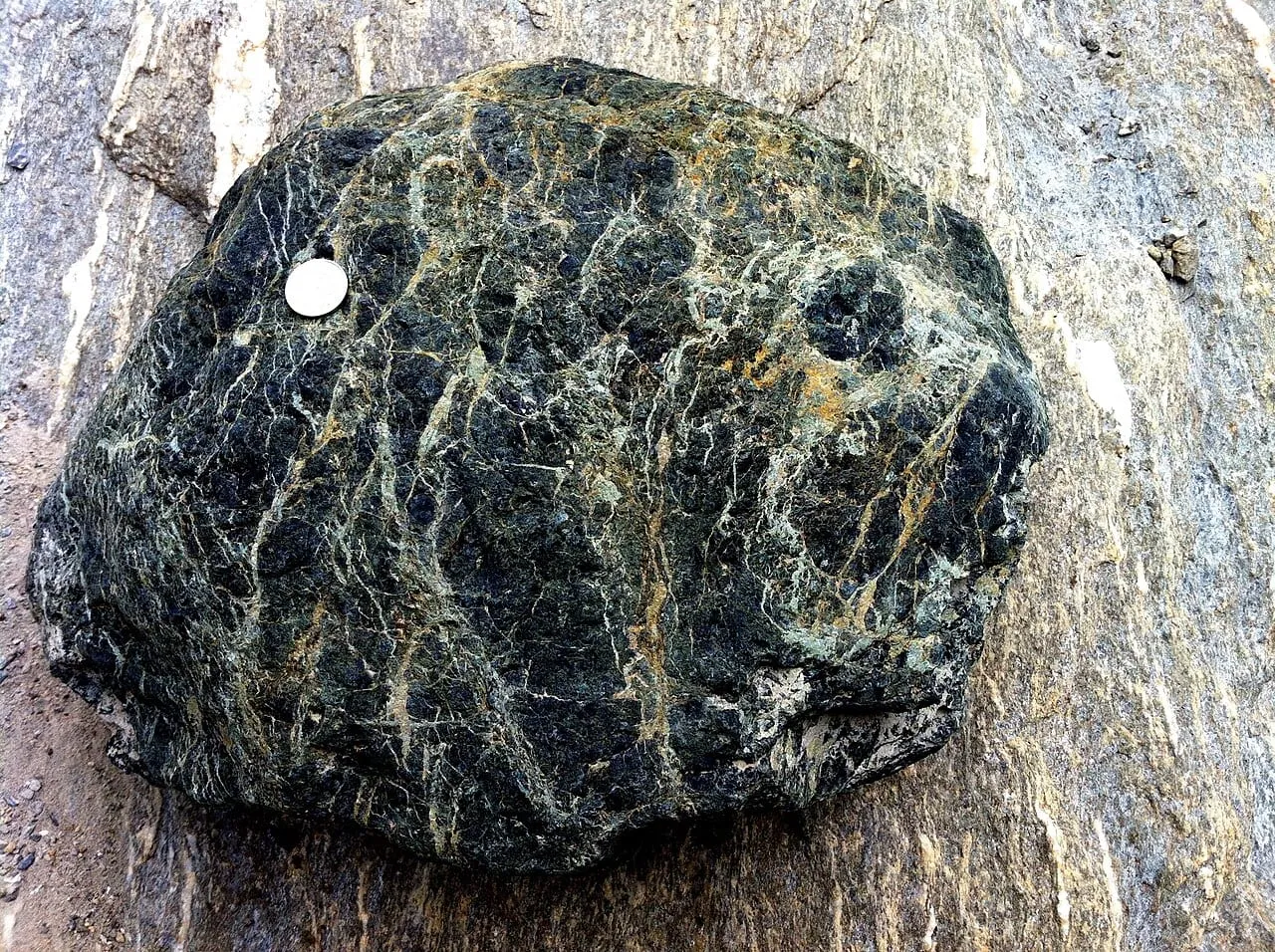
Serpentinite
A green rock patterned like snakeskin: mantle rock transformed by water — and sometimes hiding asbestos.
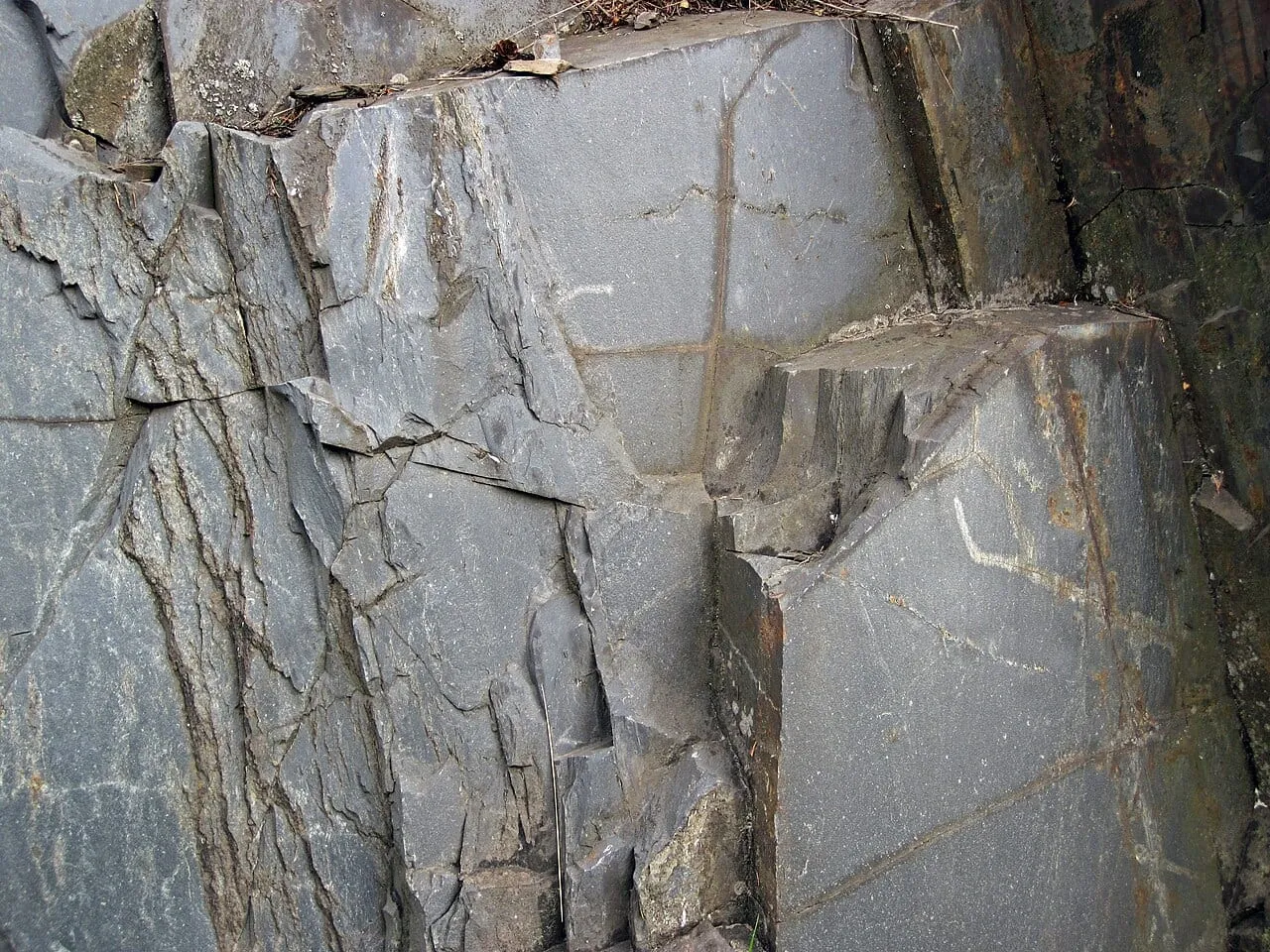
Slate
The stone that splits into sheets: for centuries it has roofed houses and become blackboards and billiard-table beds.
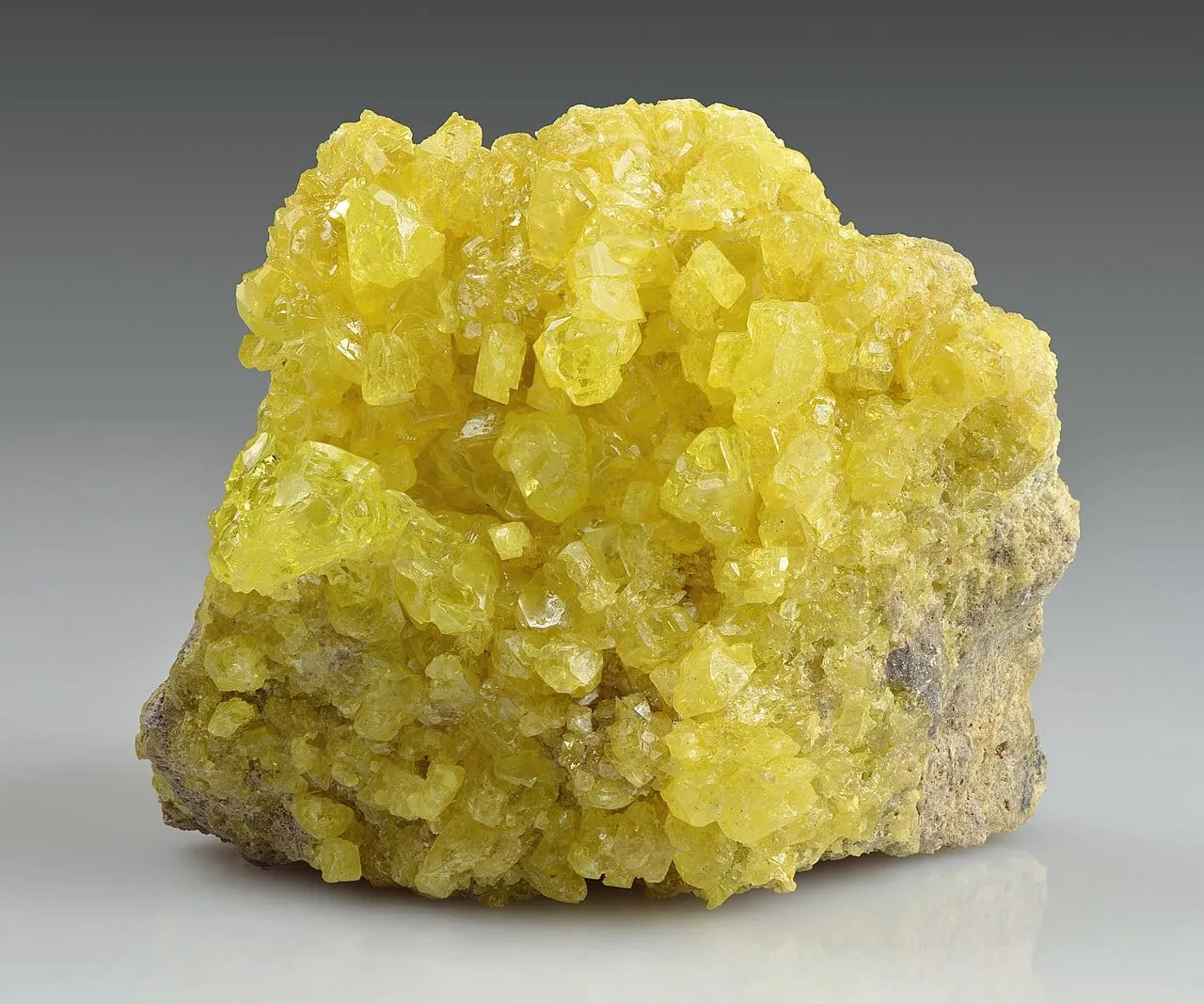
Sulfur
A light, soft element that gathers as bright yellow crystals around volcanic vents and burns with a blue flame.
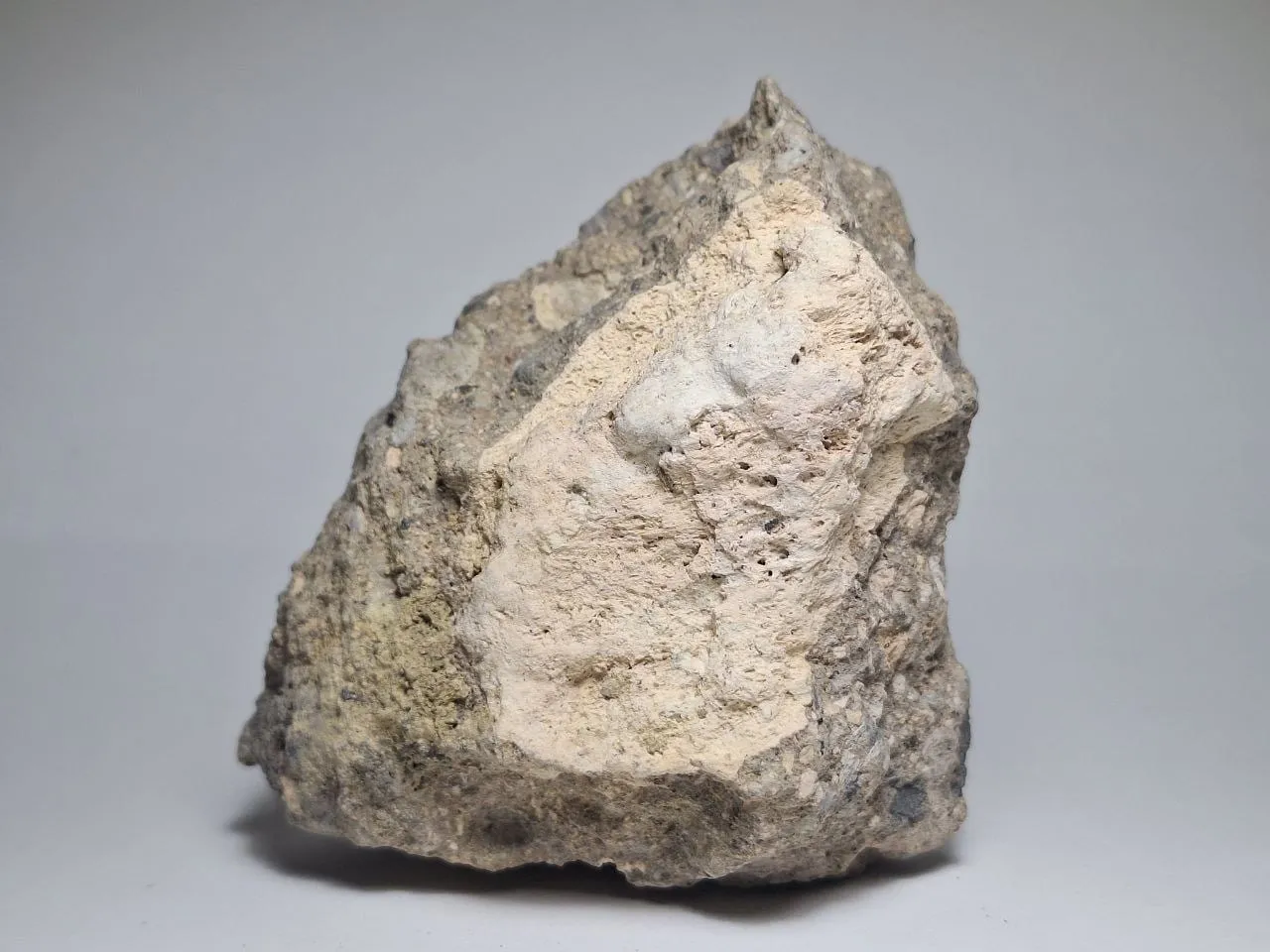
Tuff
Volcanic ash turned to stone: the soft rock that made Cappadocia’s fairy chimneys and rock-cut churches possible.
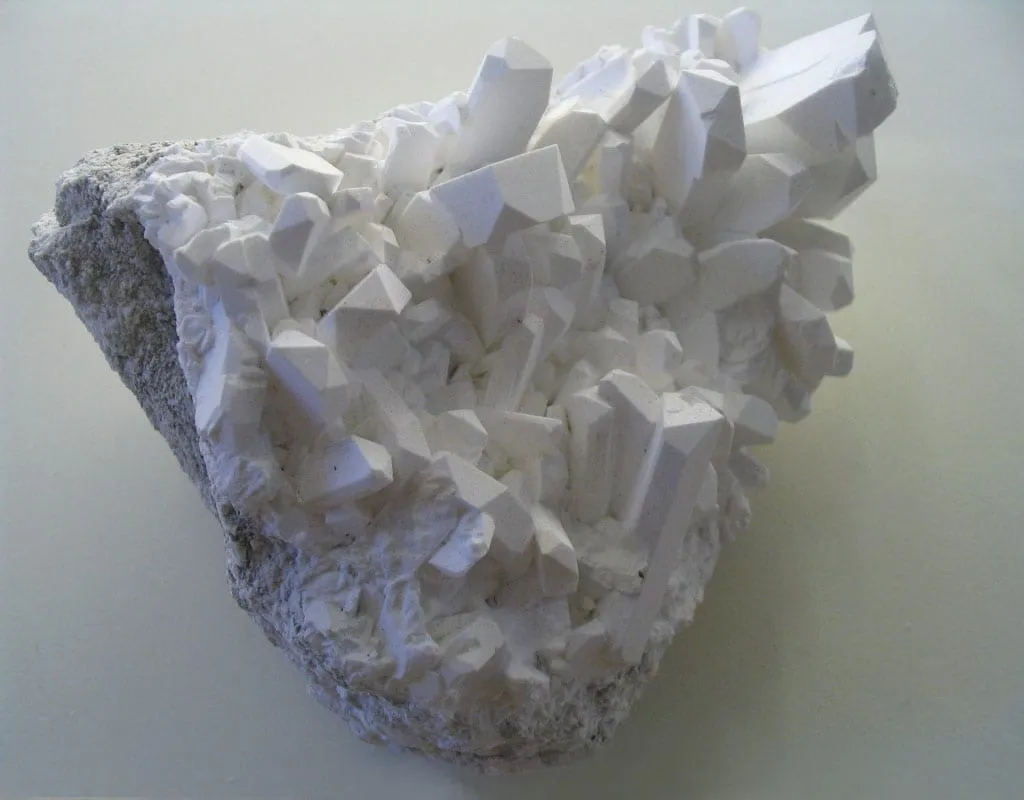
Borax (tincal)
A sodium borate that dissolves in water and crumbles to white powder in dry air; one of the world’s key tincal deposits is at Kırka in Eskişehir.
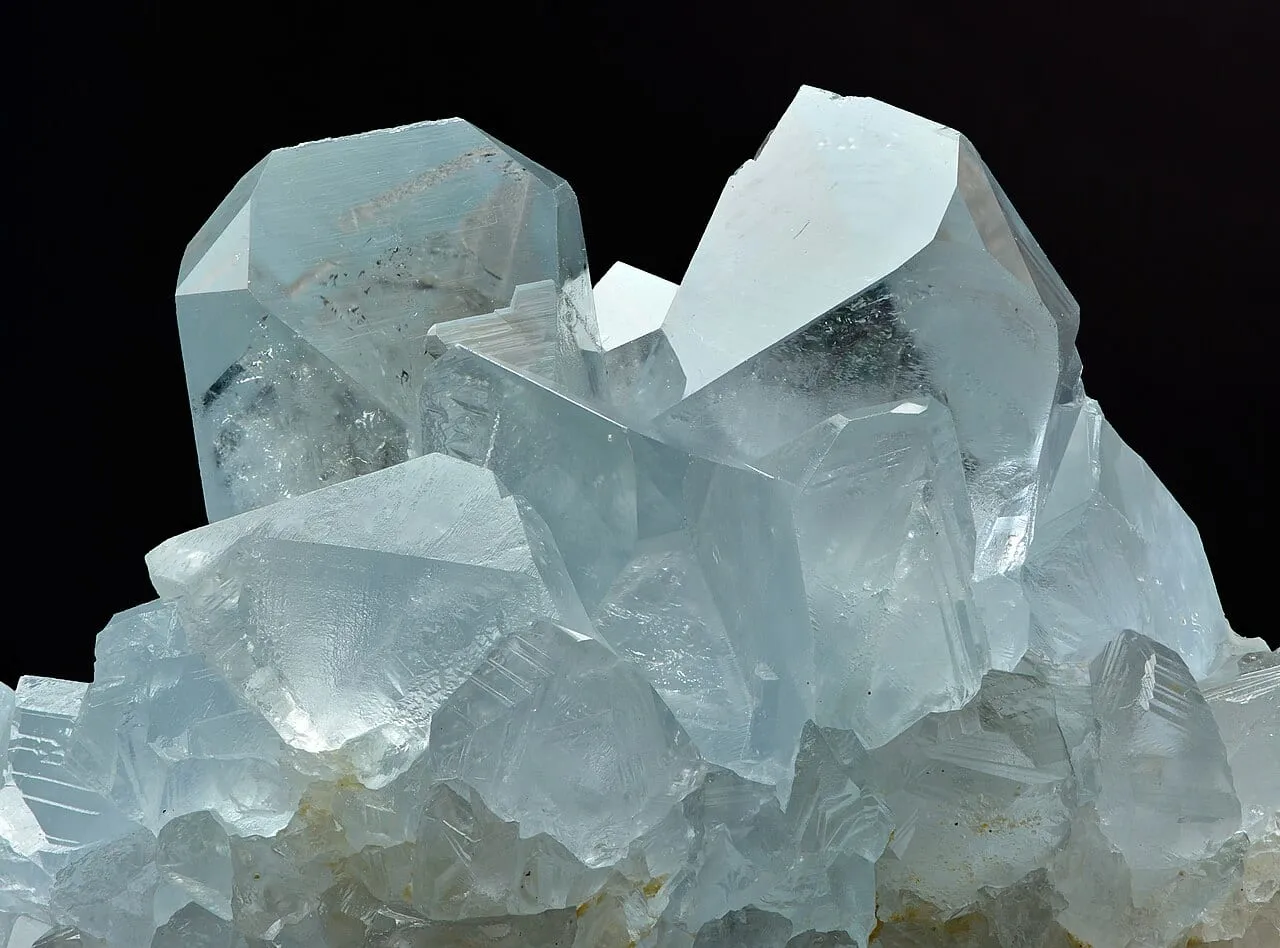
Celestine
A strontium mineral named after the sky, often forming pale blue crystals; the source of the red in fireworks.
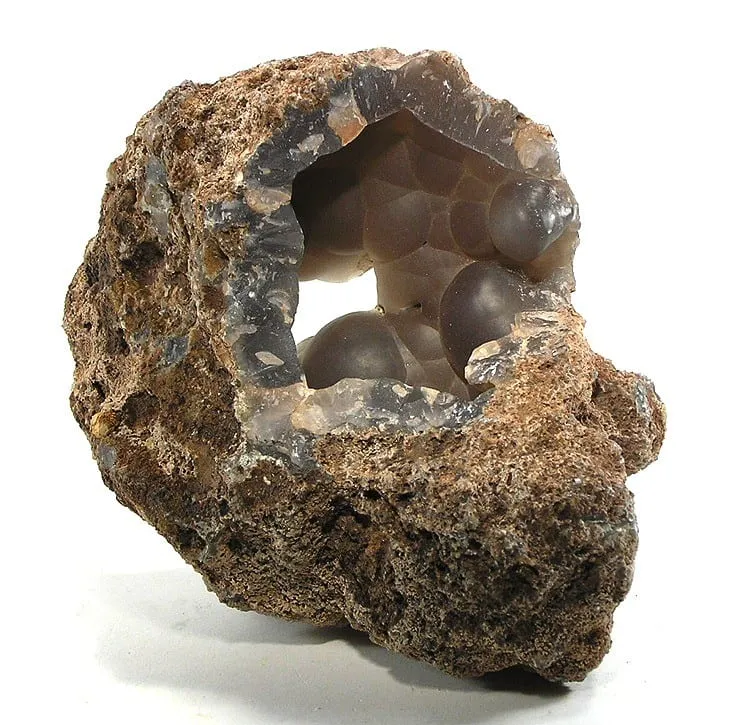
Chalcedony
A waxy-lustred stone made of quartz crystals far too small to see: the family name for agate, onyx and many other ornamental stones.
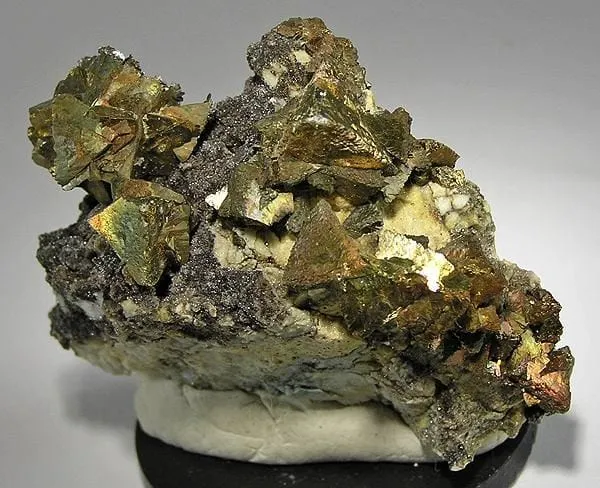
Chalcopyrite
The world’s most important source of copper: a brass-yellow sulfide that resembles gold and often tarnishes to rainbow colours.
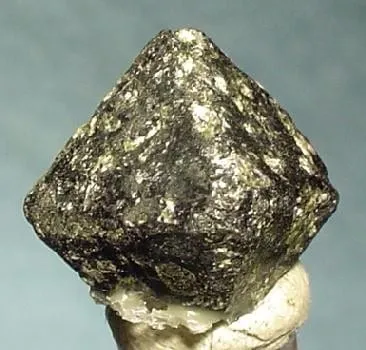
Chromite
The only important ore of chromium, the metal that makes stainless steel resist rust; Türkiye is one of its leading producers.
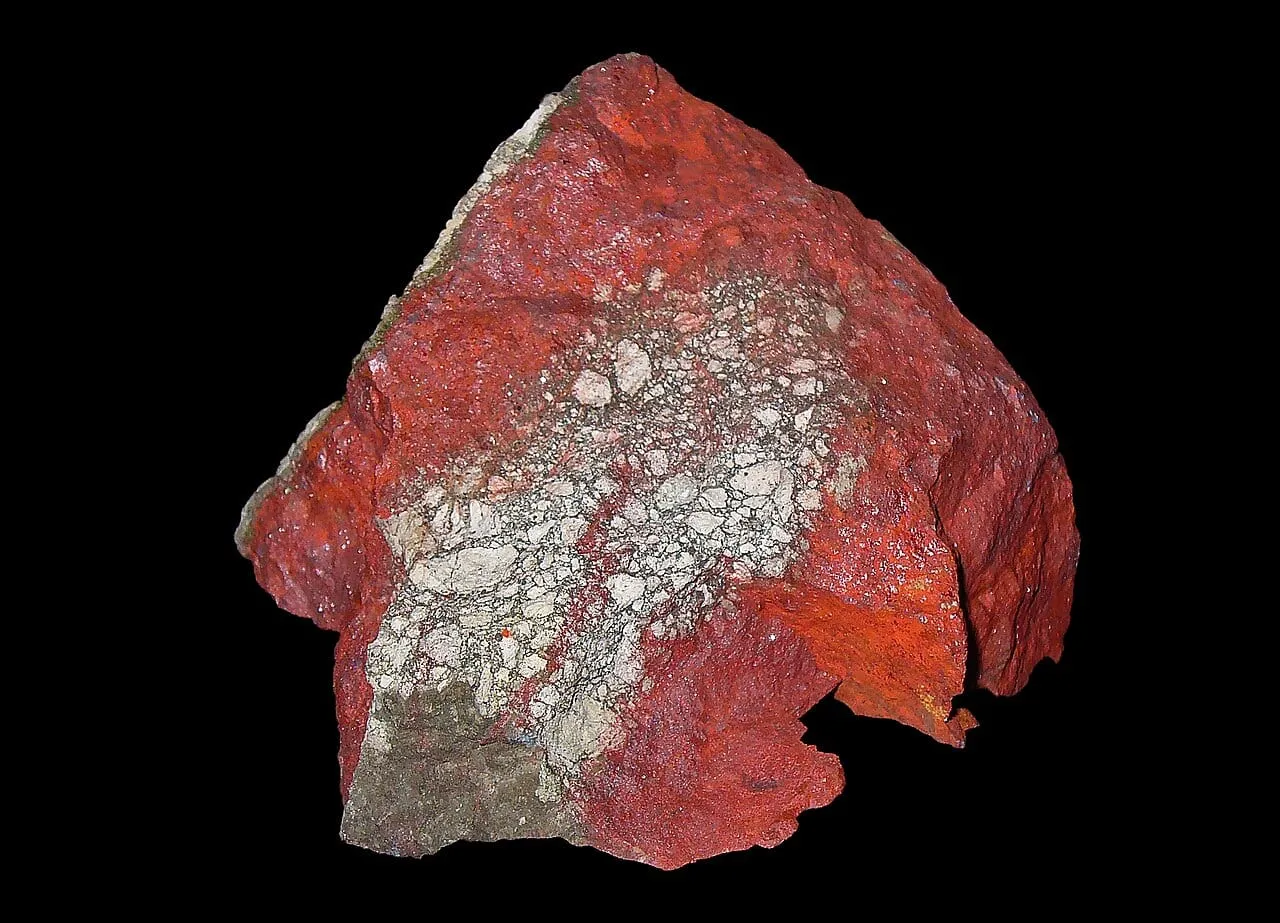
Cinnabar
The main ore of mercury: a blood-red mineral used as paint for thousands of years, but one that demands care because of its mercury.
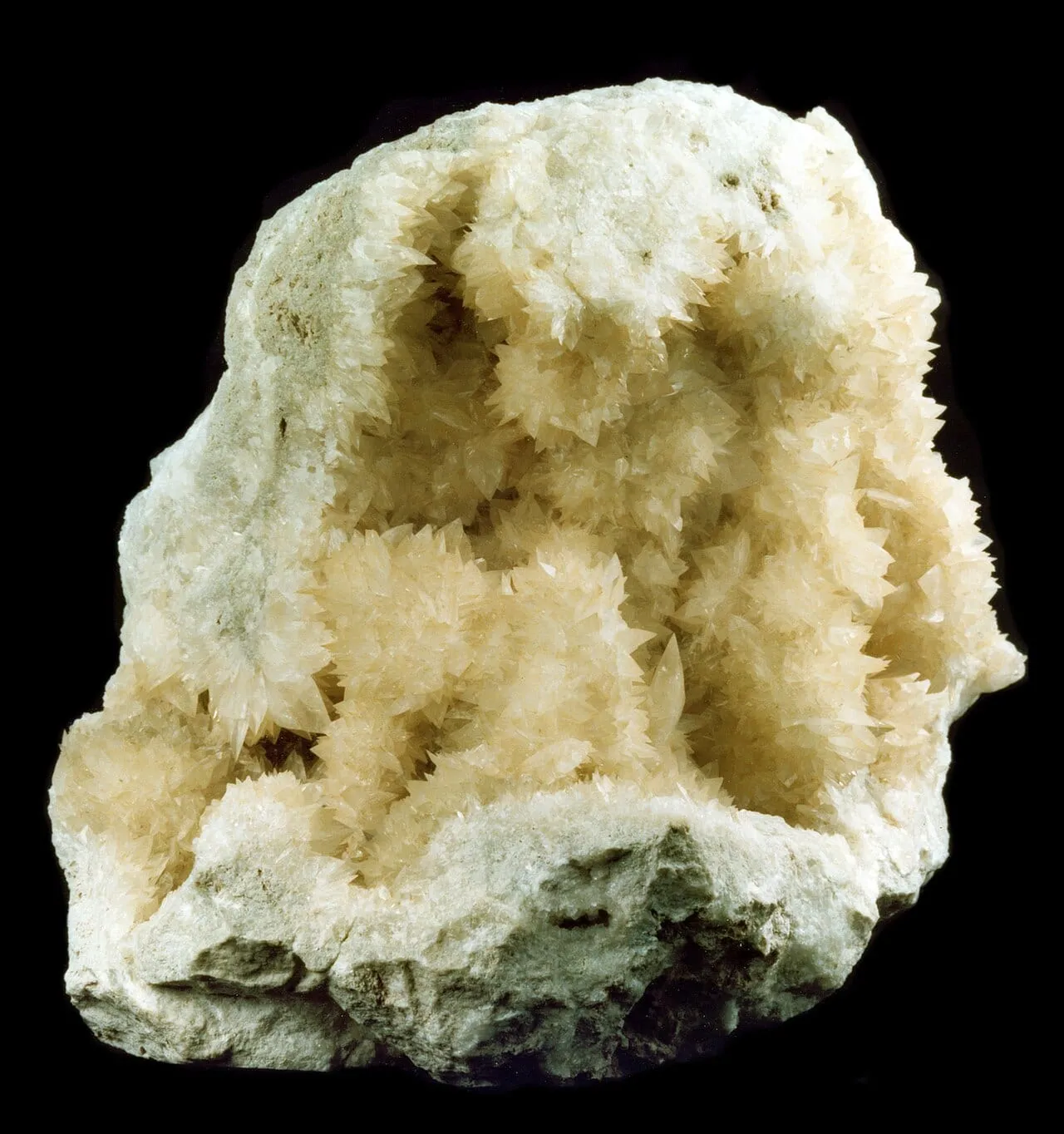
Colemanite
The backbone of Türkiye’s boron wealth: a calcium borate used to make heat-resistant glass and glass fibre.
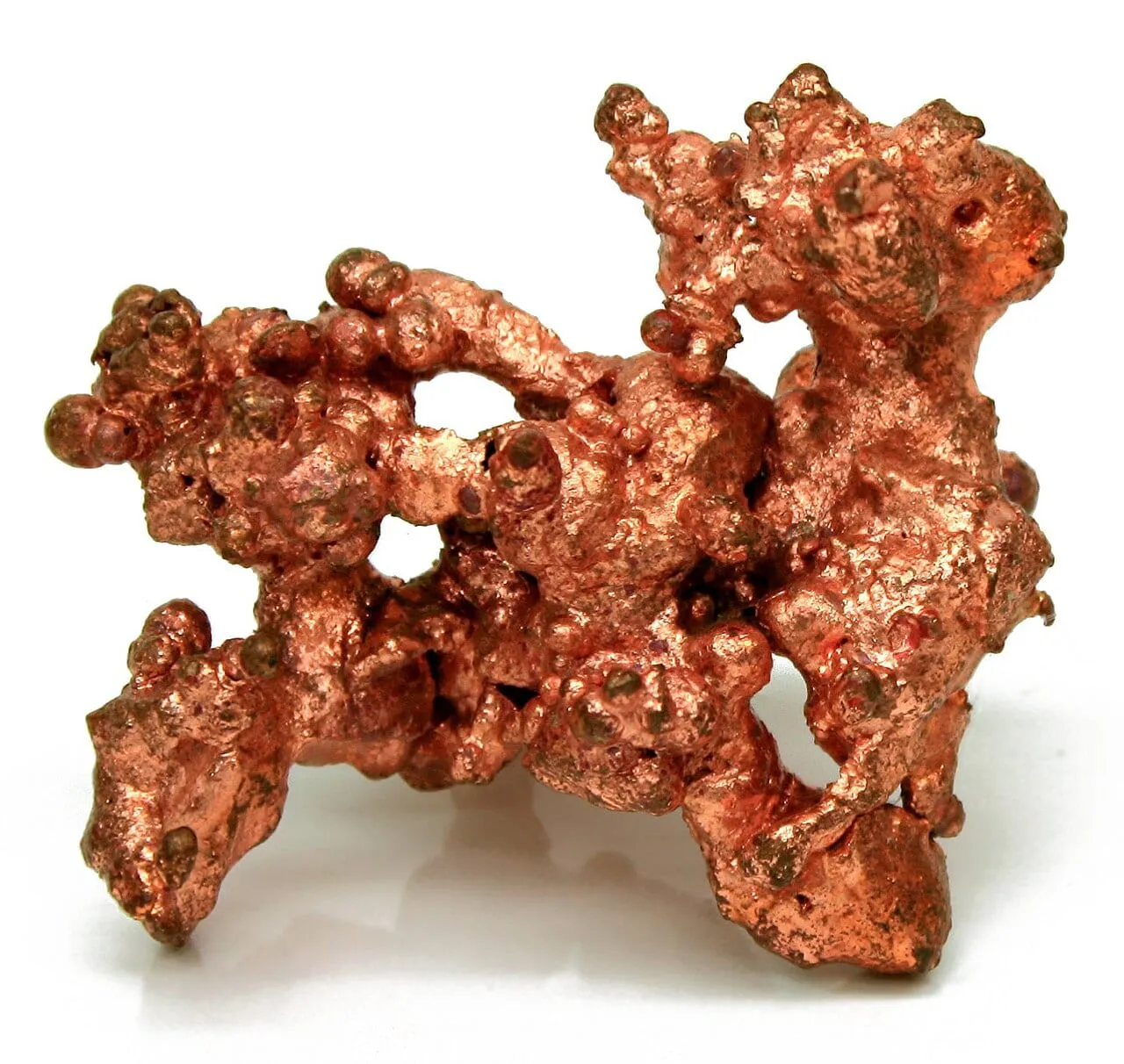
Copper
One of the first metals people ever worked: in nature it sometimes occurs pure, as reddish, easily hammered masses and branches.
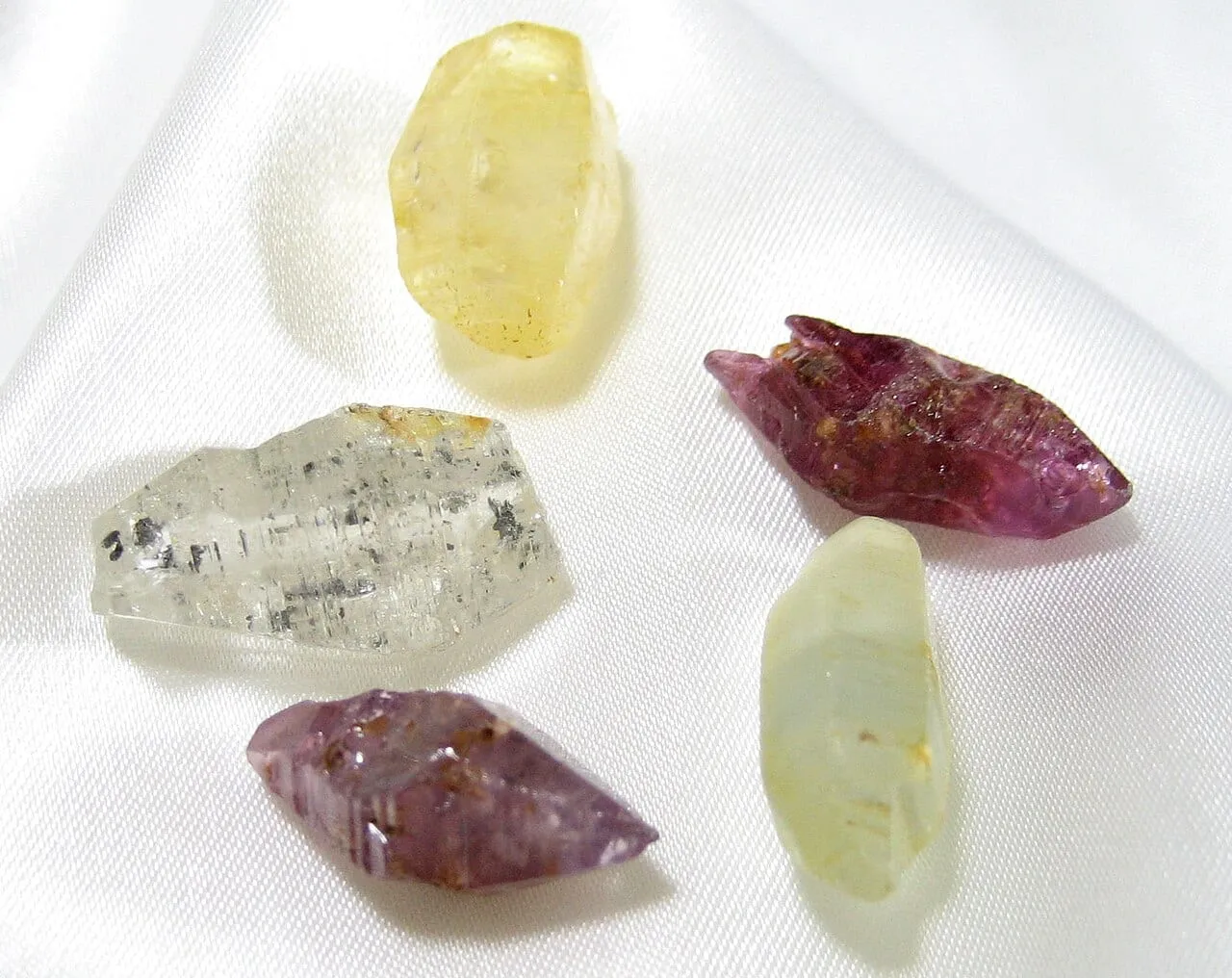
Corundum
The aluminium oxide that defines 9 on the Mohs hardness scale: its red form is ruby, all its other colours are sapphire.
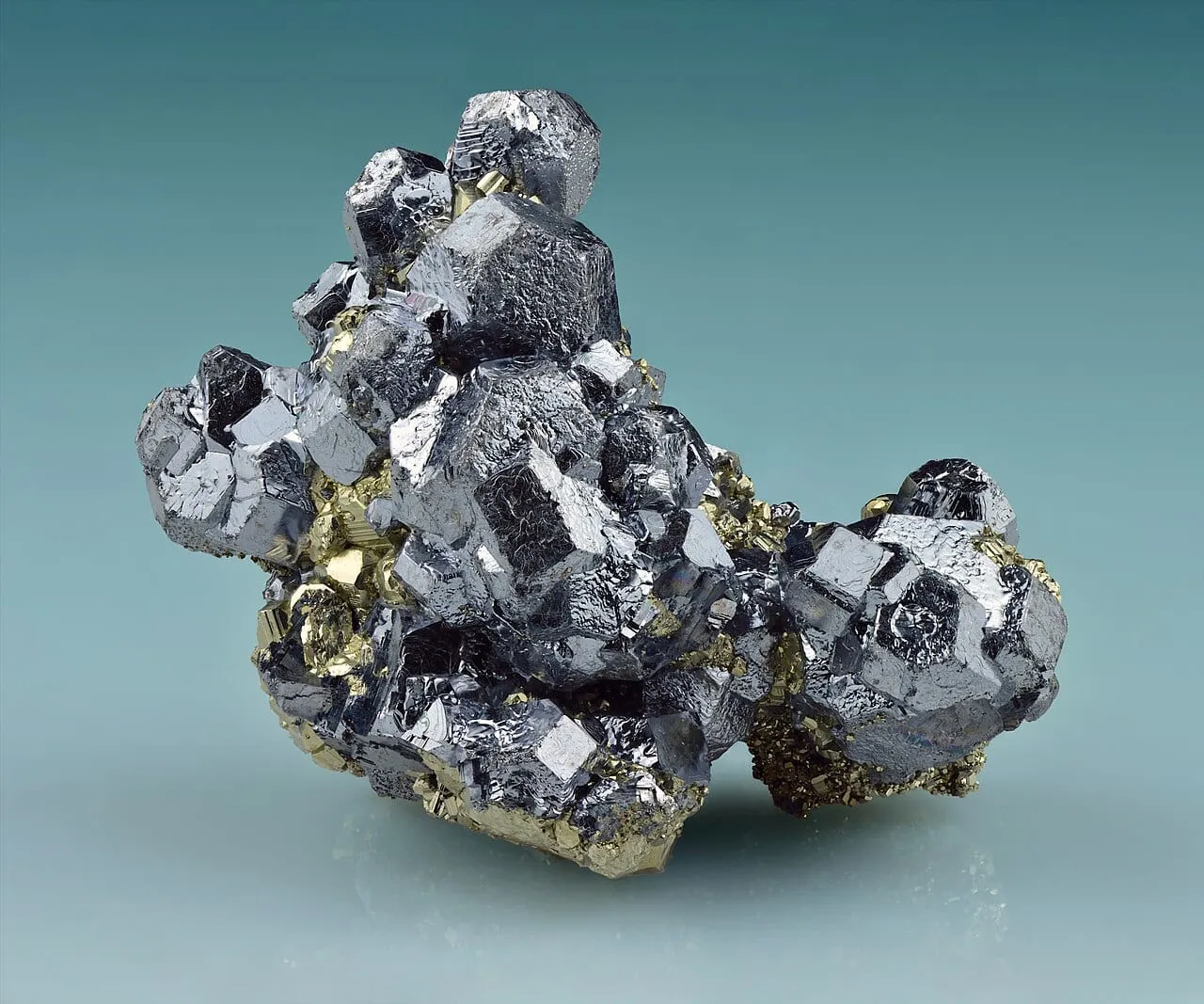
Galena
The main ore of lead: a lead-grey, metallic mineral that breaks into little cubes and feels surprisingly heavy in the hand.
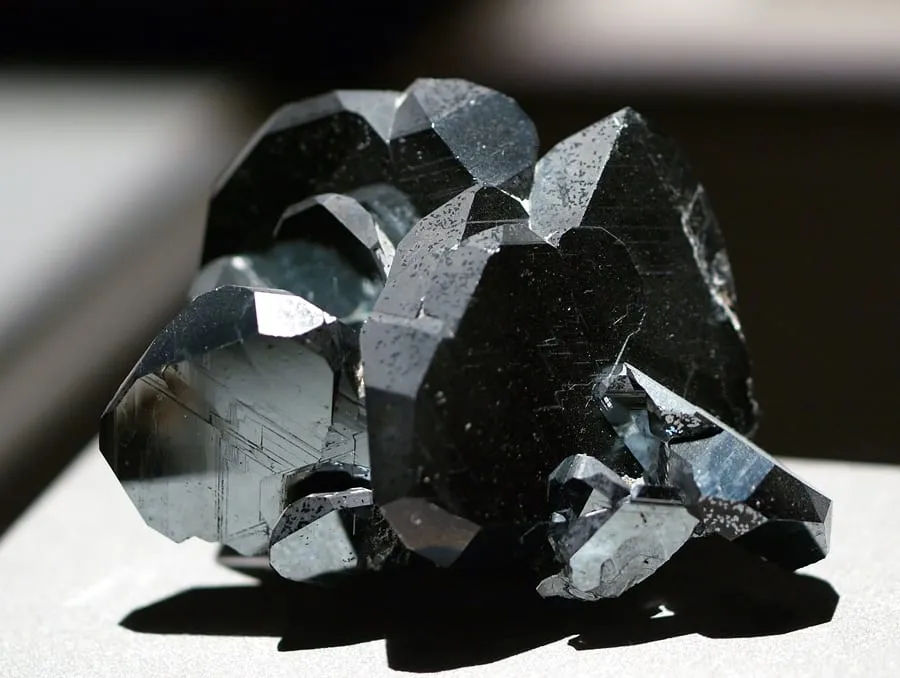
Hematite
Even when it looks black and metallic, its streak is blood red: one of the world’s most important iron ores.
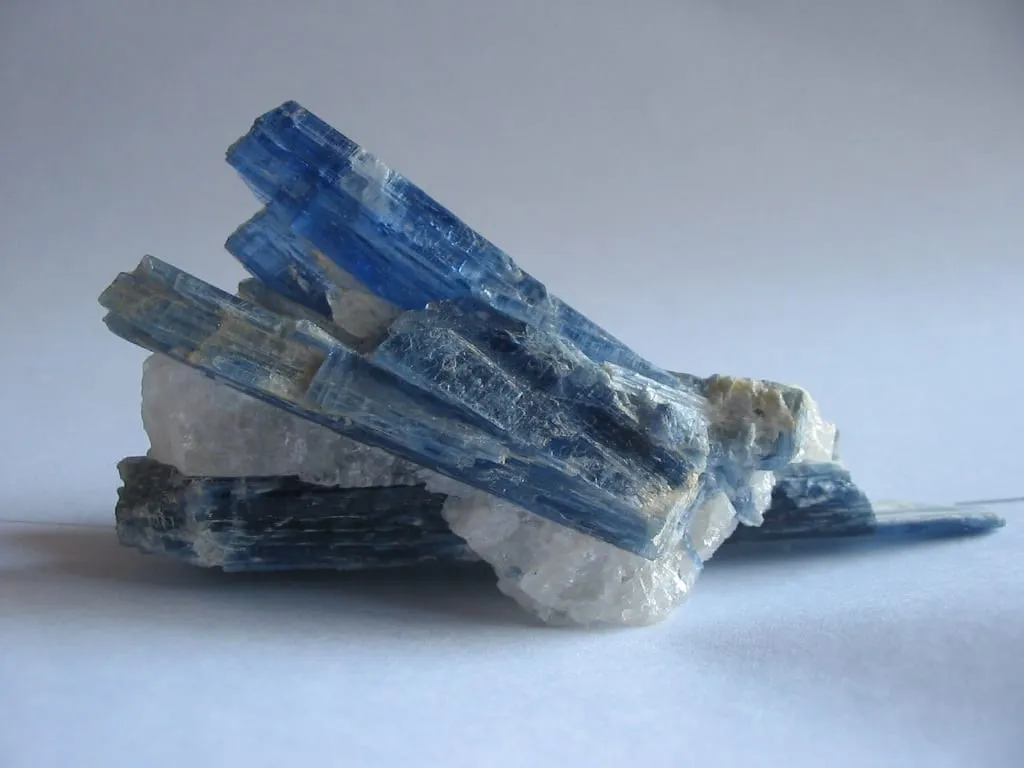
Kyanite
Blue, blade-shaped crystals whose hardness depends on direction: steel scratches them lengthwise but not across.
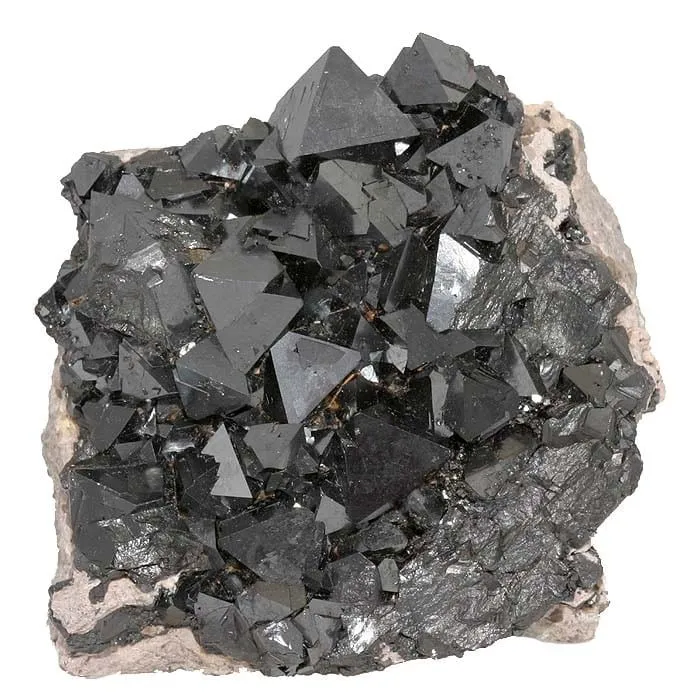
Magnetite
The black iron mineral that sticks to a magnet: its naturally magnetised pieces were the first magnets people knew.
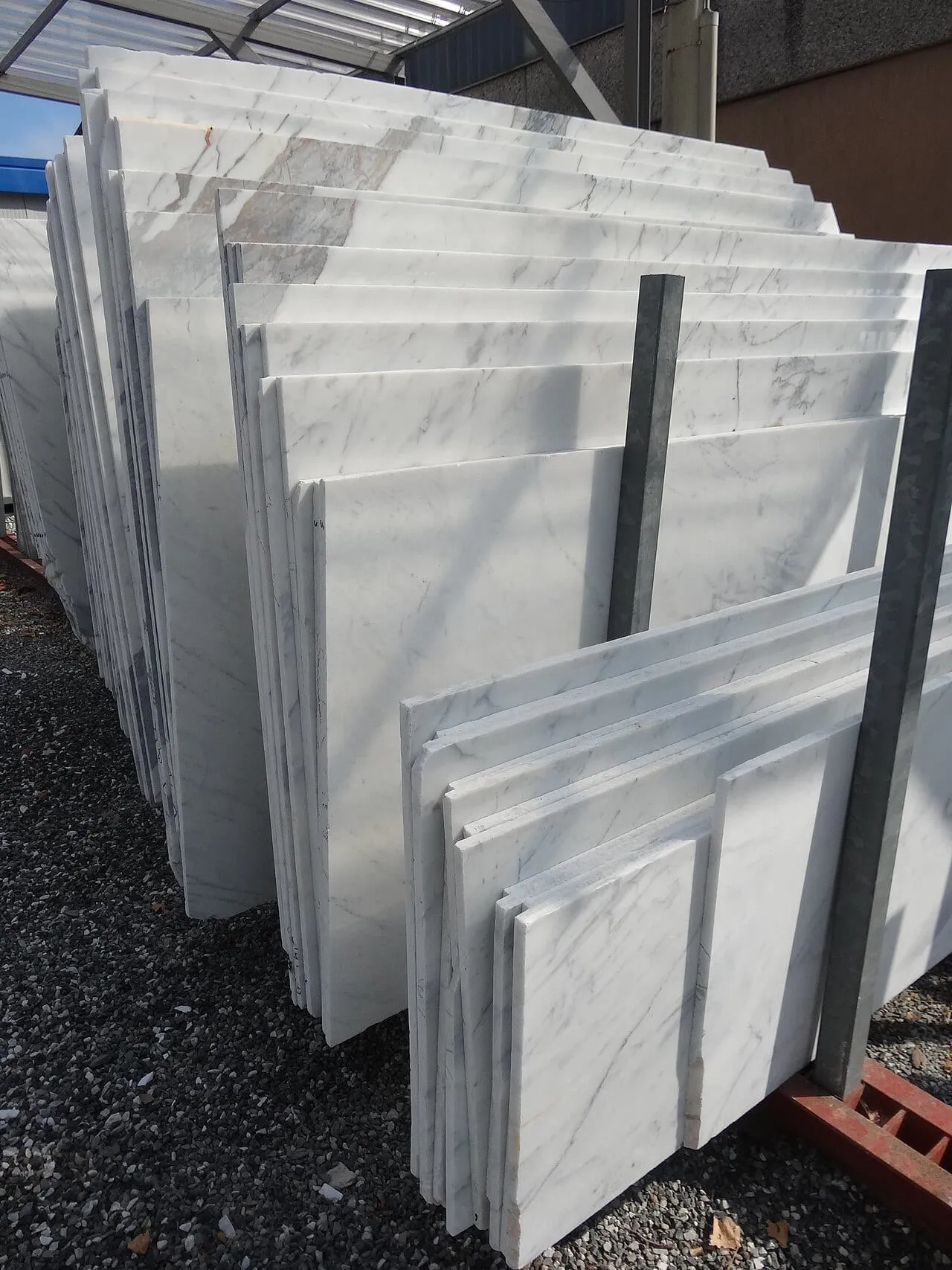
Marble
Limestone reborn by heat and pressure — the favourite stone of sculptors and architects for thousands of years.
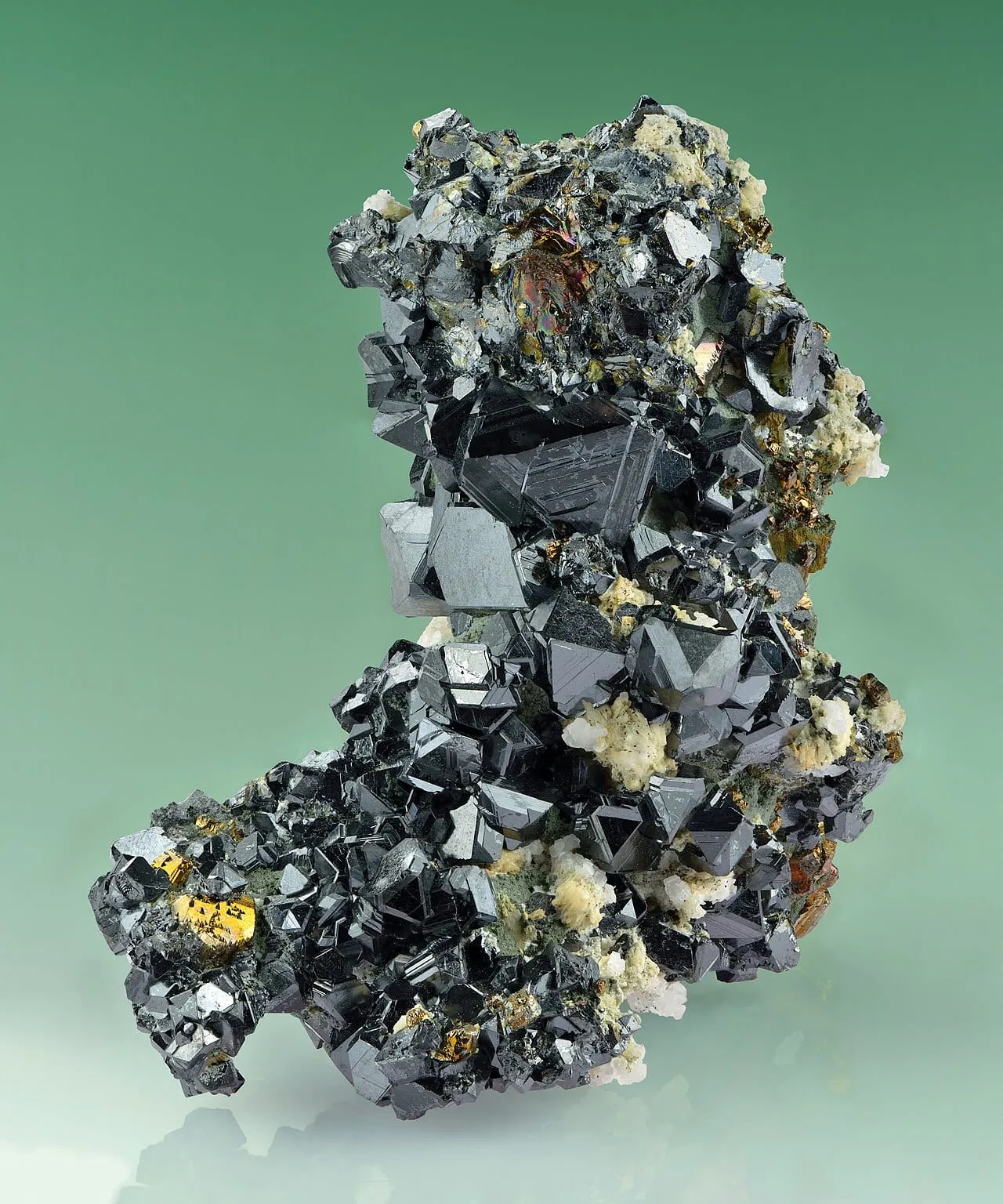
Sphalerite
The main ore of zinc: with colours from honey-yellow to coal-black, one of the hardest common minerals to recognise.
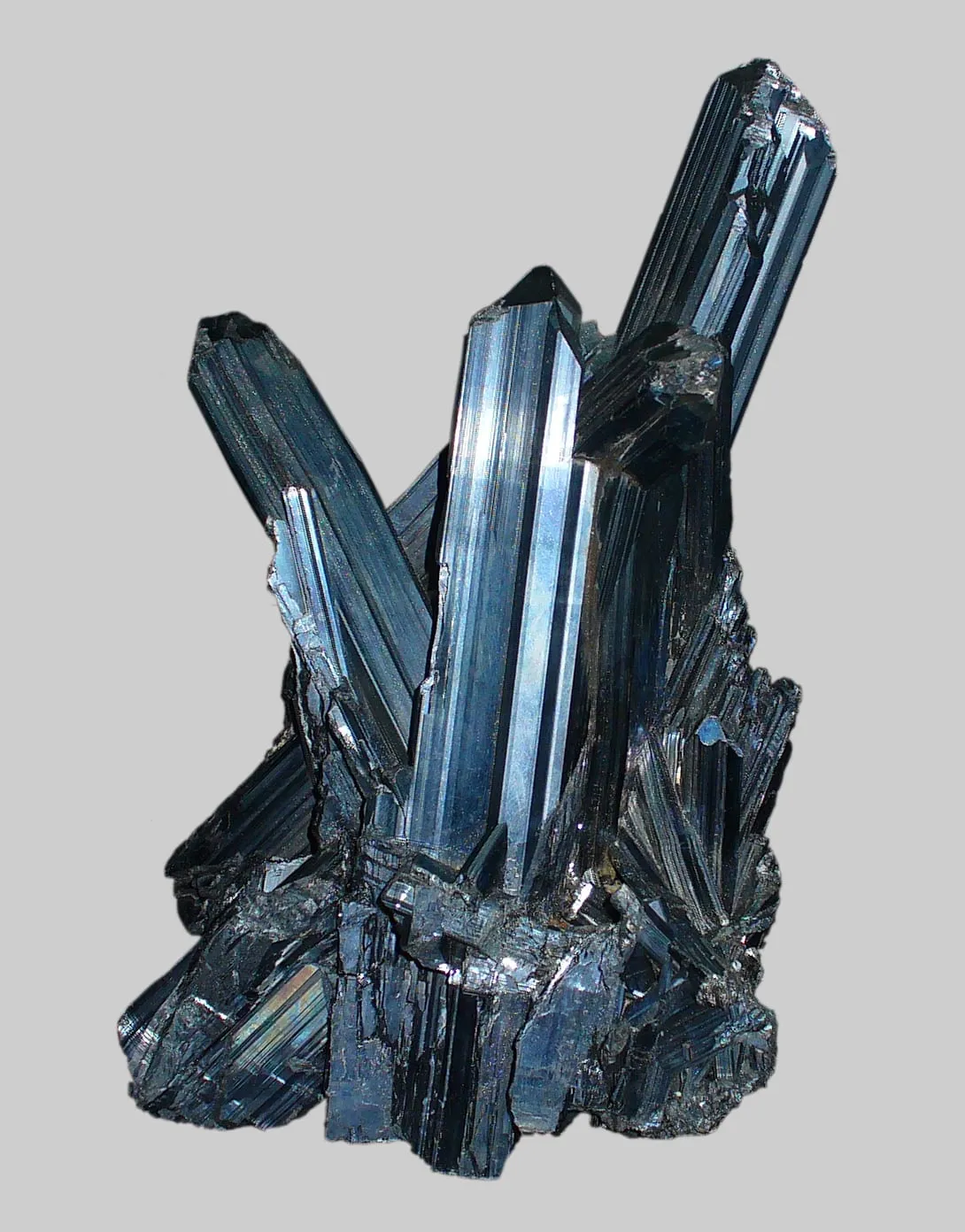
Stibnite
The main ore of antimony: a soft, lead-grey mineral that grows long, striated, sword-like crystals with a metallic shine.
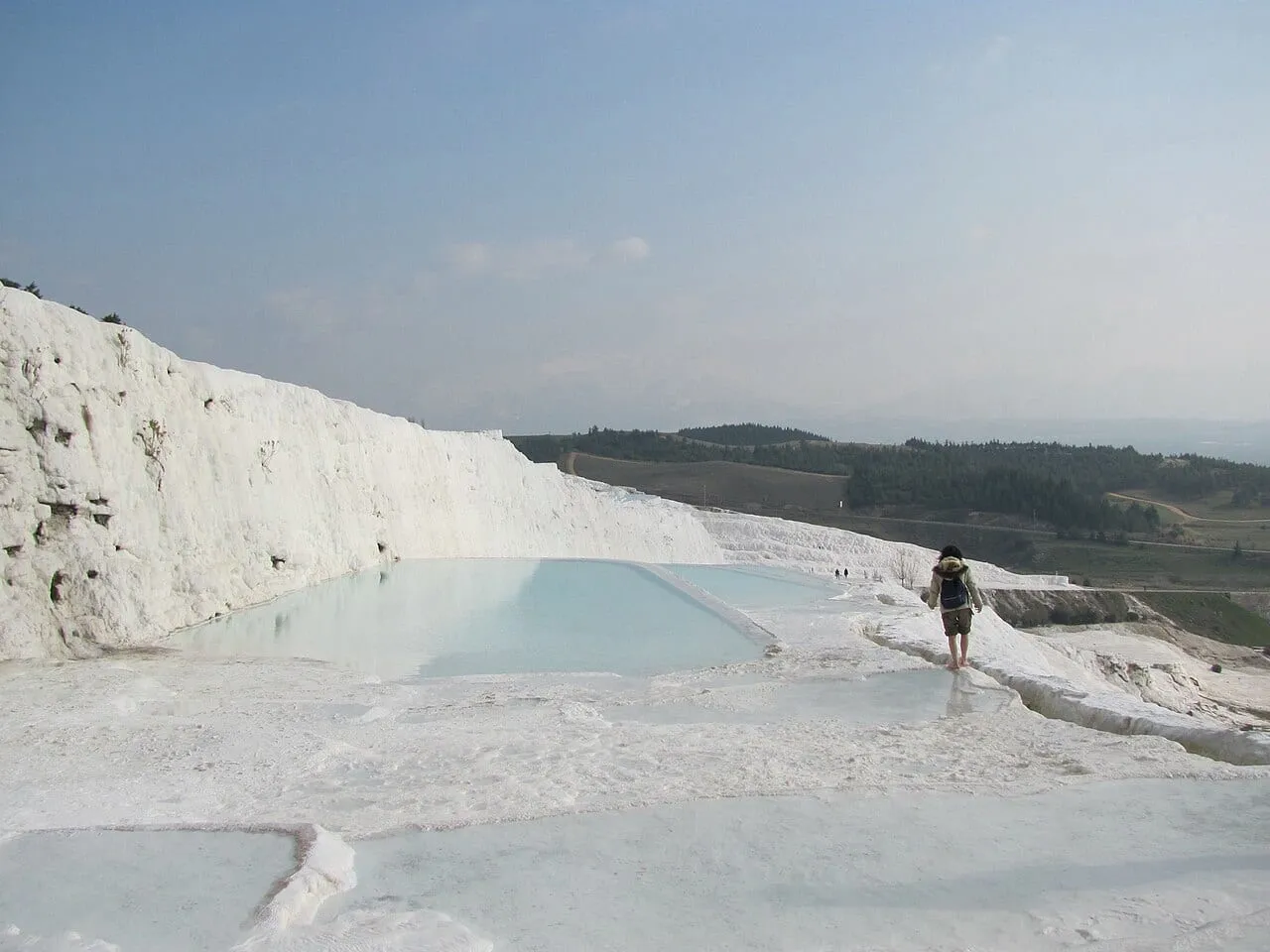
Travertine
Hot springs turned to stone: the rock of Pamukkale's snow-white terraces and the walls of the Colosseum.
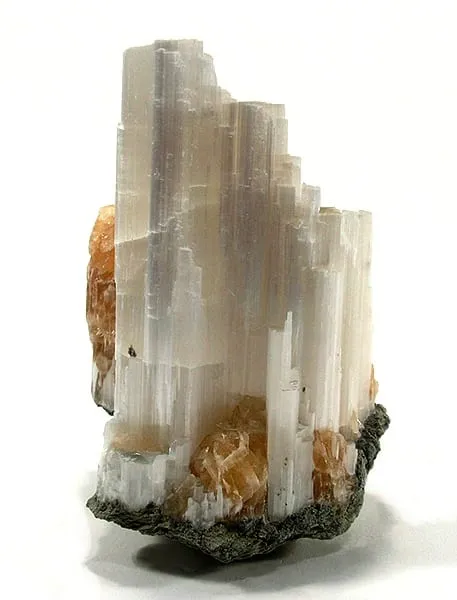
Ulexite
Nature’s fibre optics: a boron mineral, known as “TV stone”, that lifts writing up to its own surface.
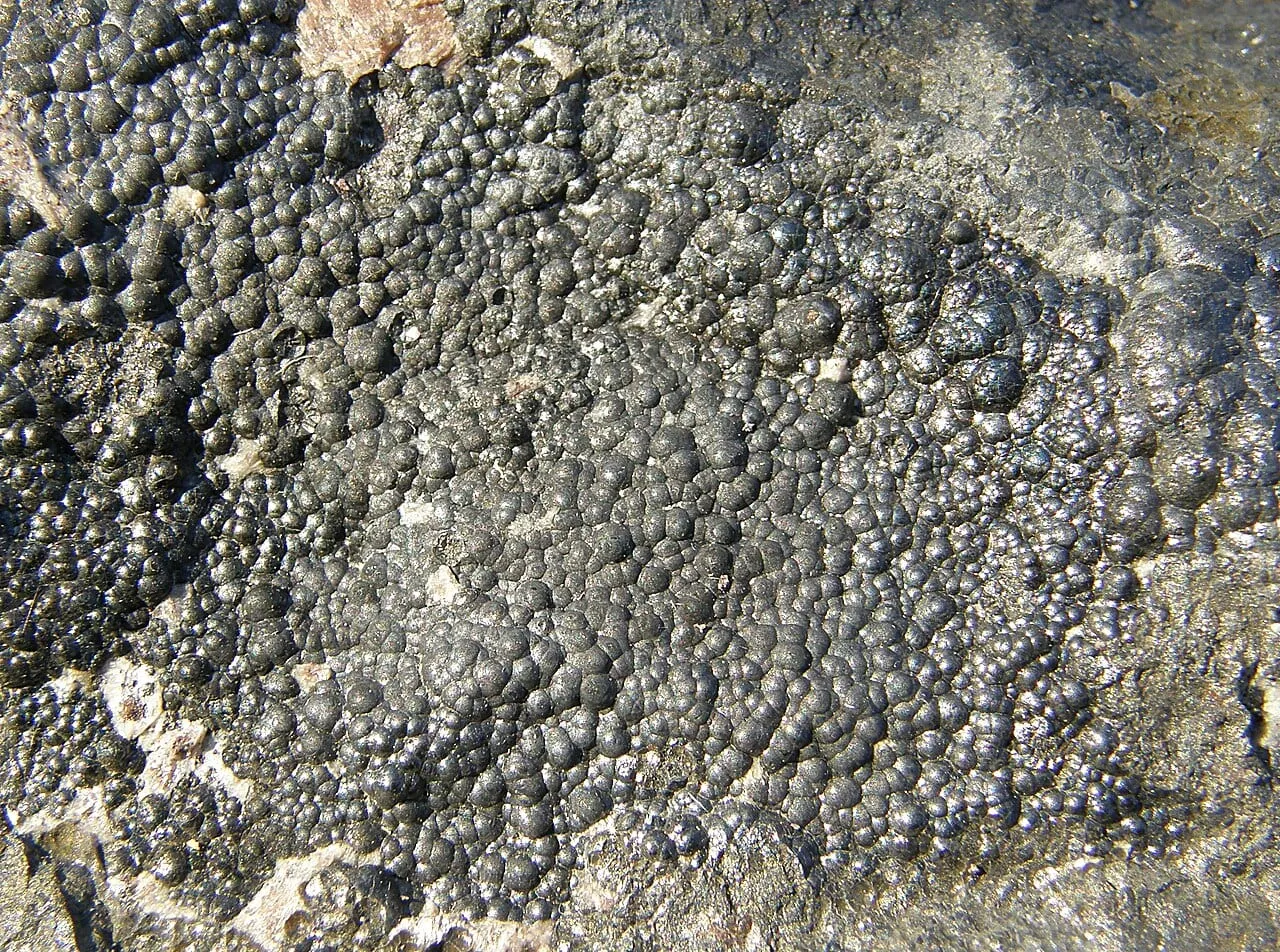
Uraninite
The main ore of uranium: black, very heavy and radioactive; the pitchblende in which the Curies discovered radium and polonium.
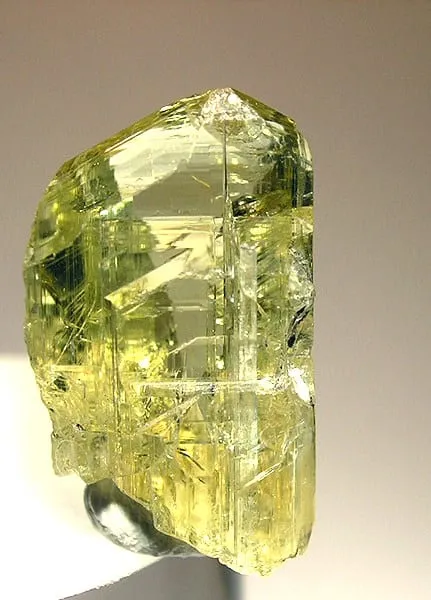
Zoisite
The mineral behind tanzanite, pink thulite and ruby-spotted green carvings: usually plain grey-green, sometimes spectacularly coloured.
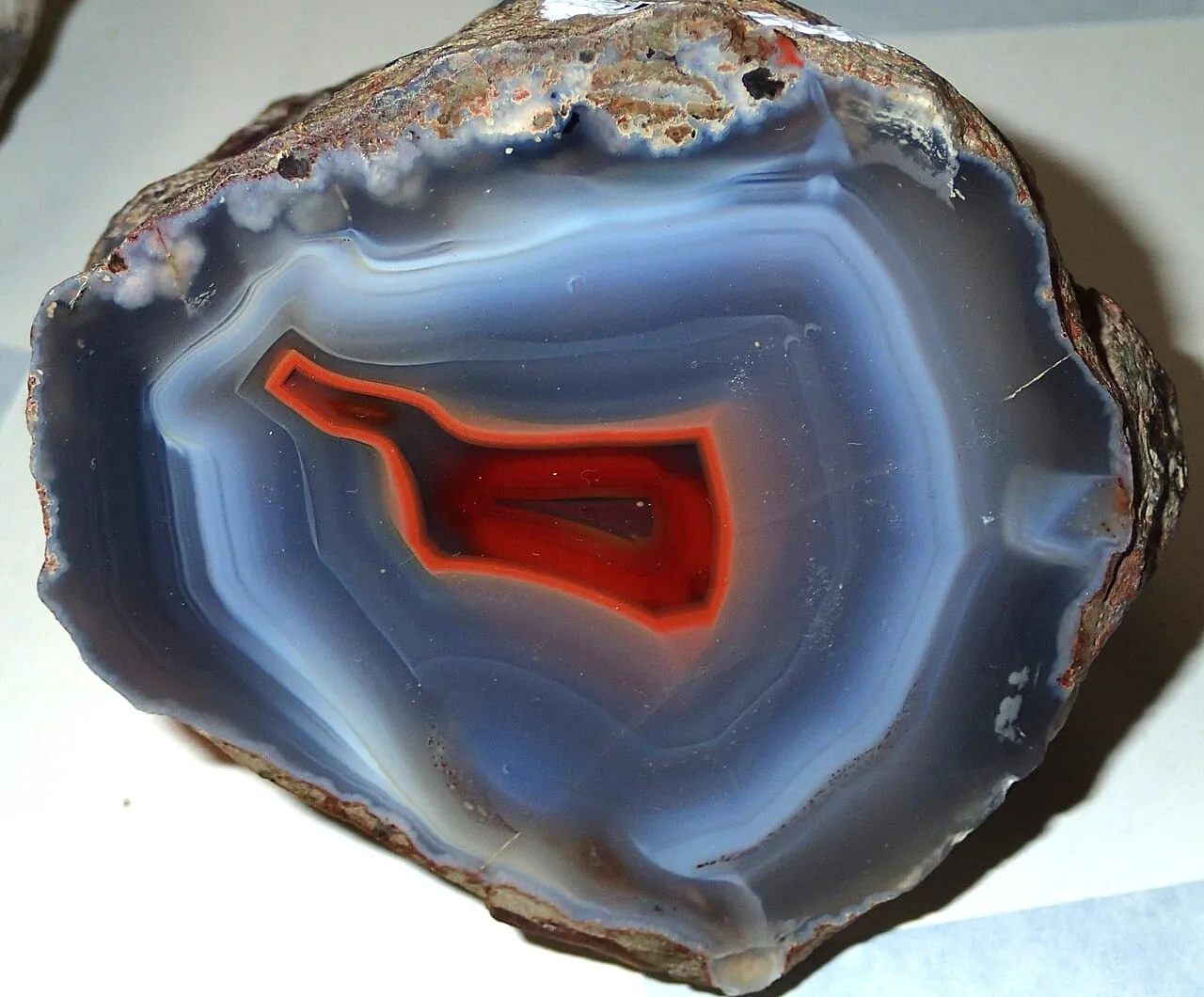
Agate
The banded variety of chalcedony: it grows layer by layer in hollows in volcanic rock and shows a new pattern every time it is cut.
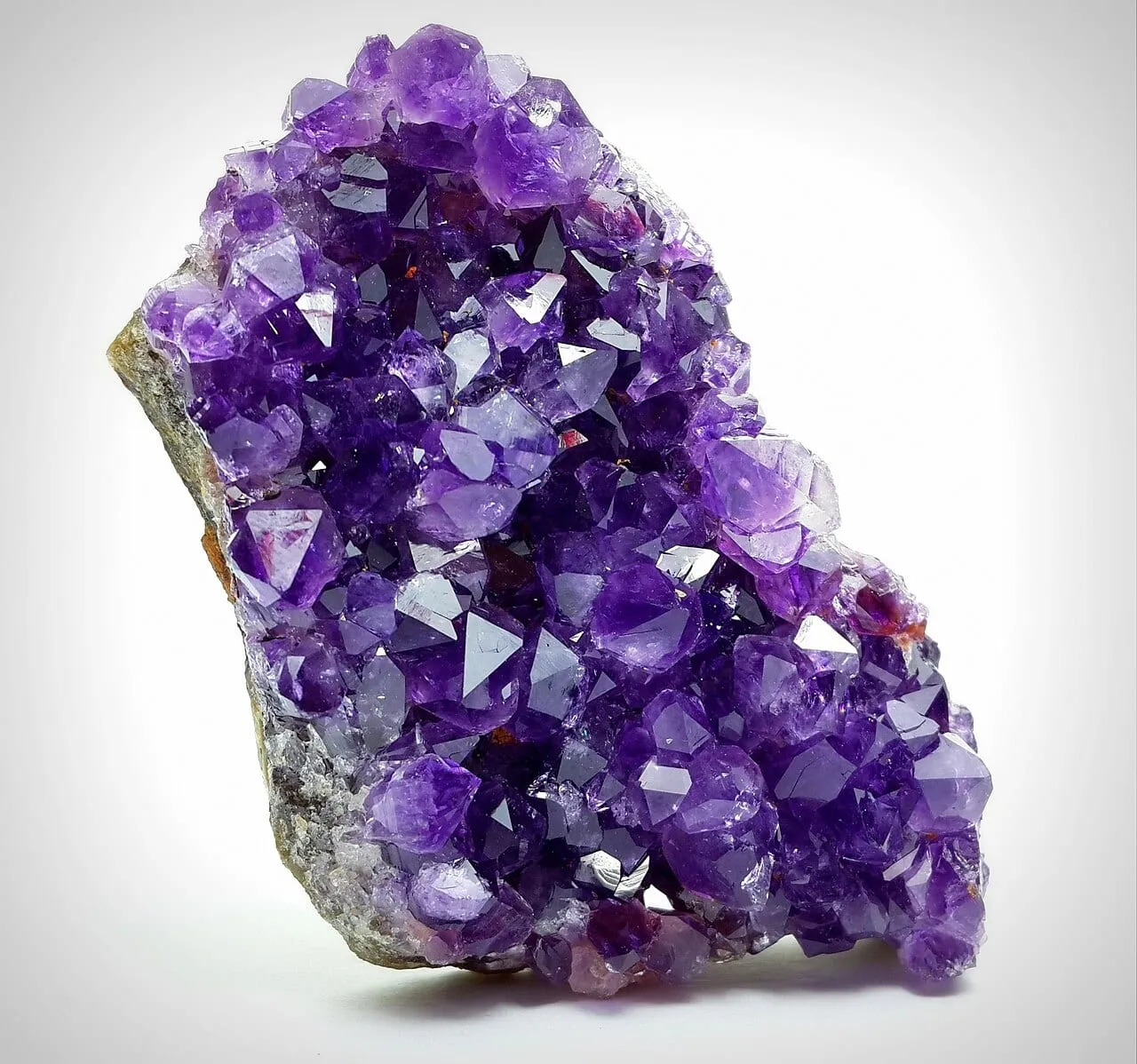
Amethyst
The purple variety of quartz, coloured by traces of iron working together with natural radiation.
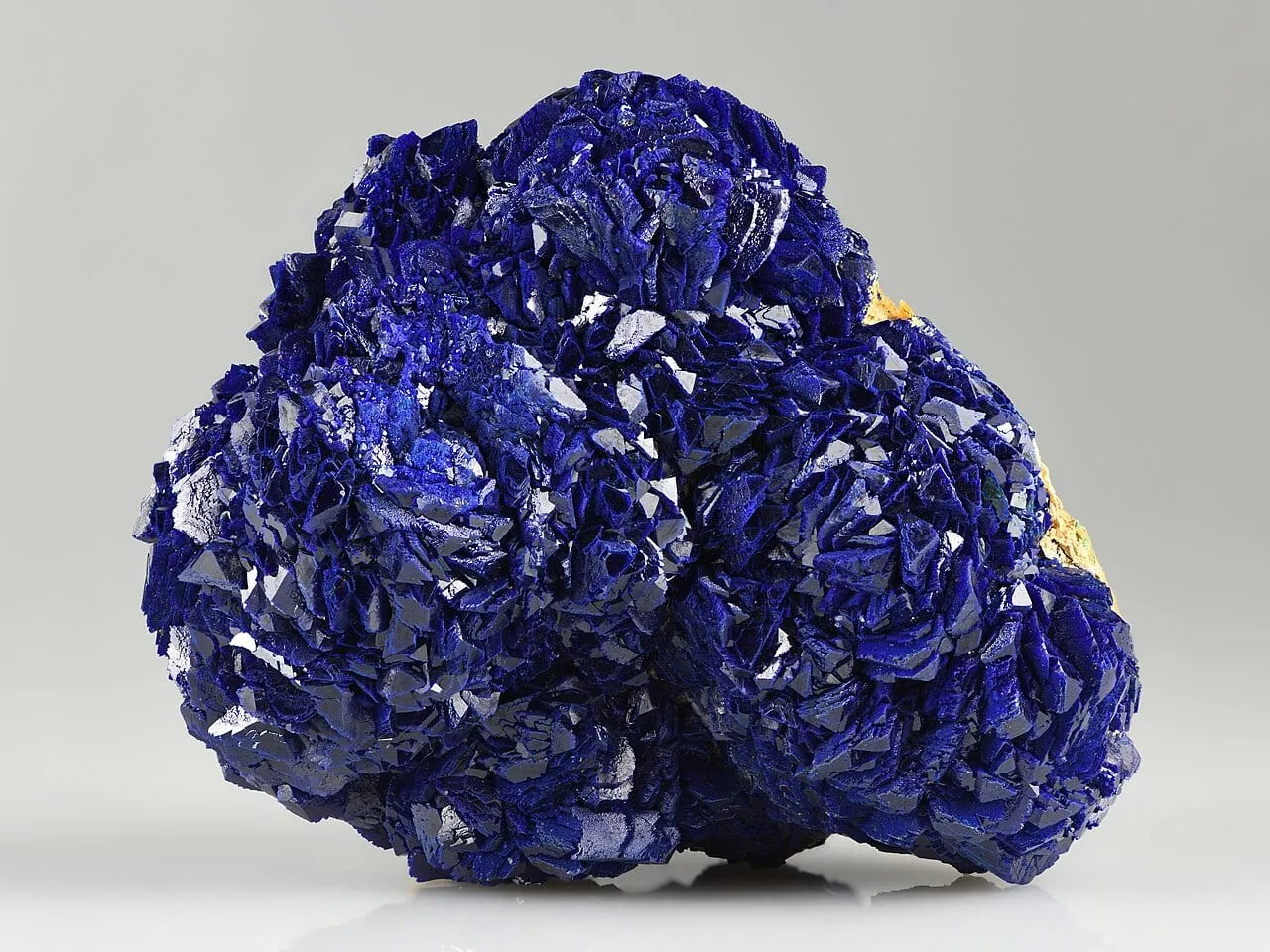
Azurite
A deep blue copper mineral that was the most important blue pigment of medieval and Renaissance painters.
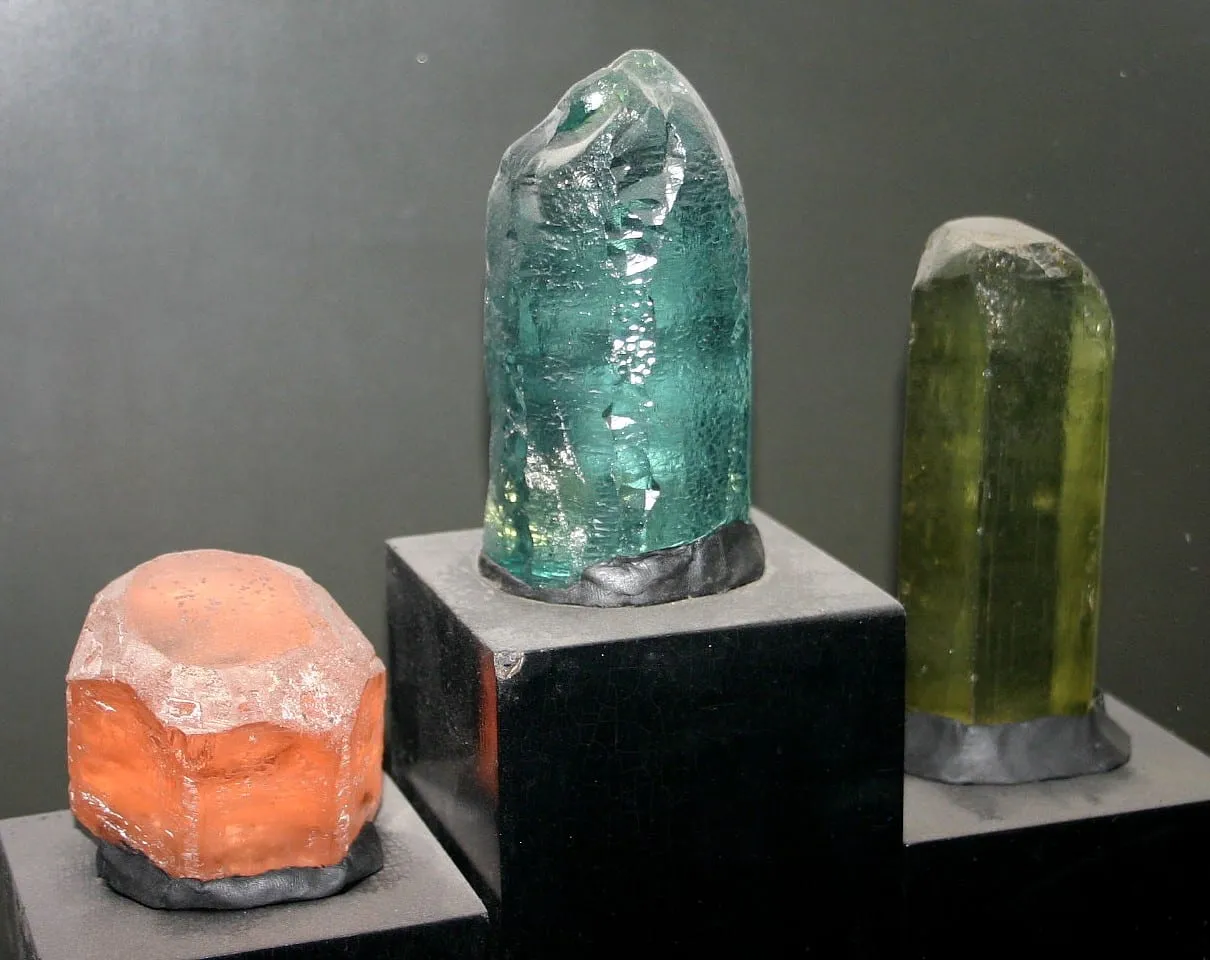
Beryl
The mineral behind emerald and aquamarine: a gem family running from colourless to green, blue and pink, and an ore of beryllium.
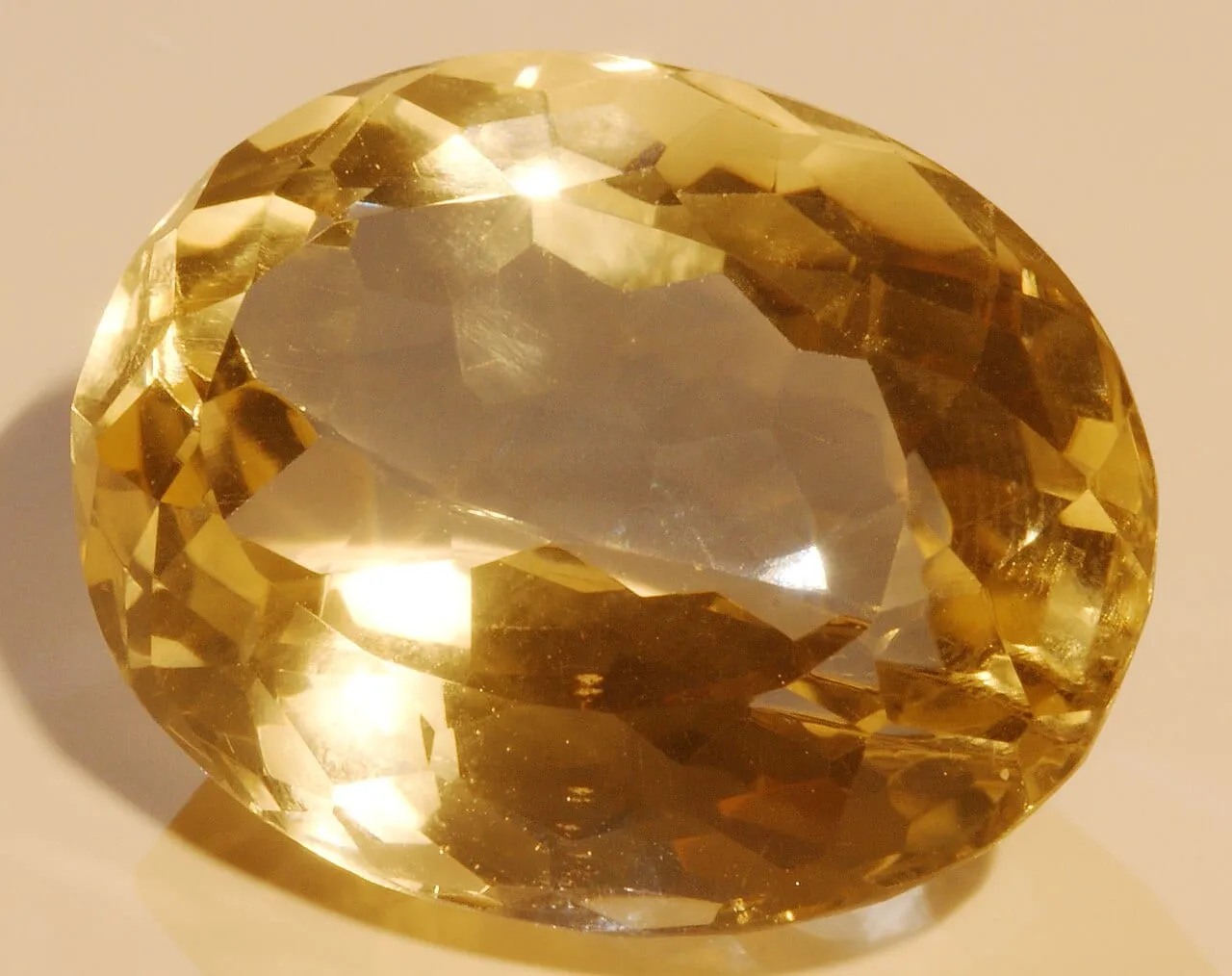
Citrine
The yellow to orange variety of quartz: rare in nature, so most of what is sold is heated amethyst.
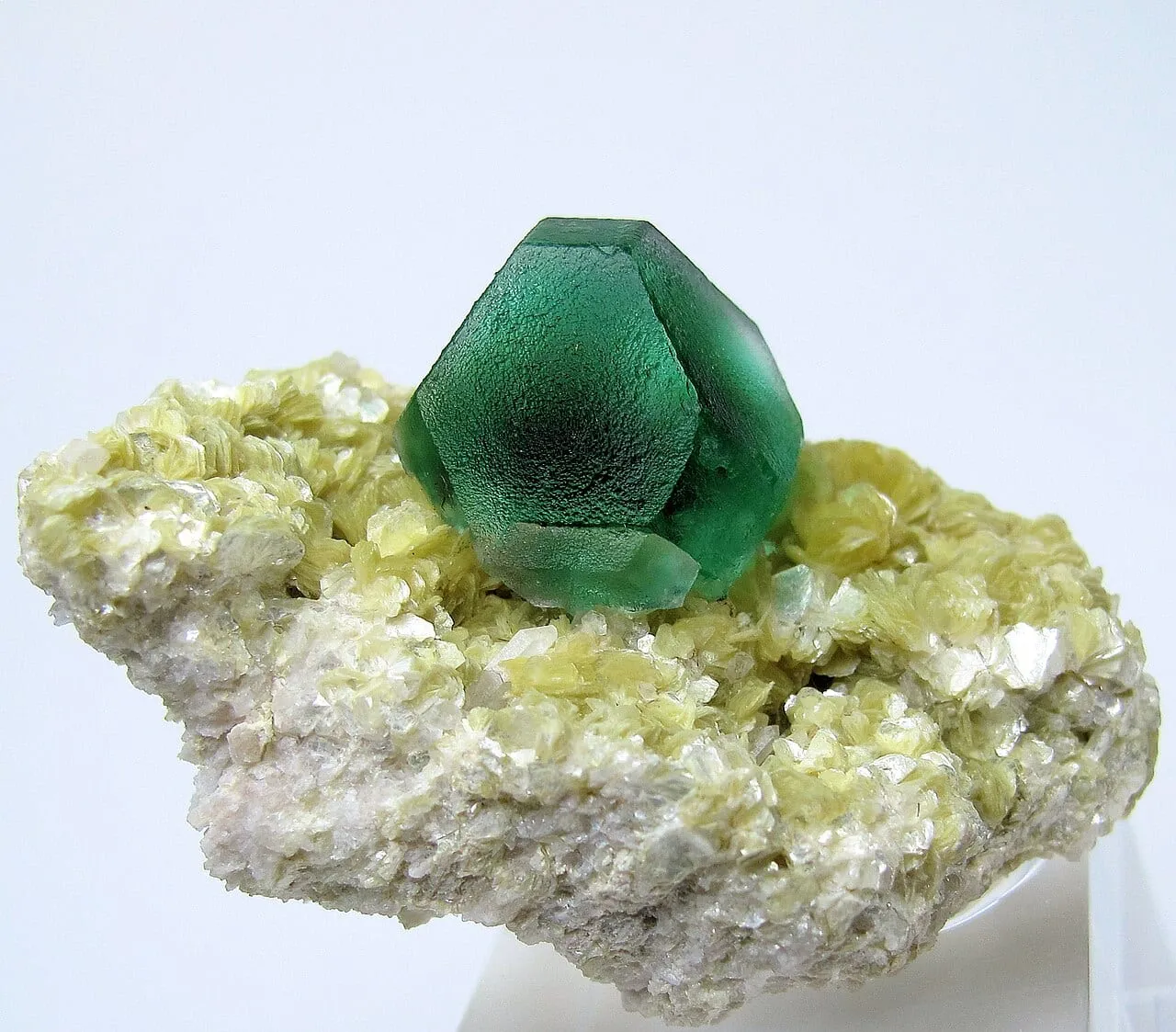
Fluorite
Number 4 on the Mohs hardness scale and the mineral that gave “fluorescence” its name, found in almost every colour from purple to green.
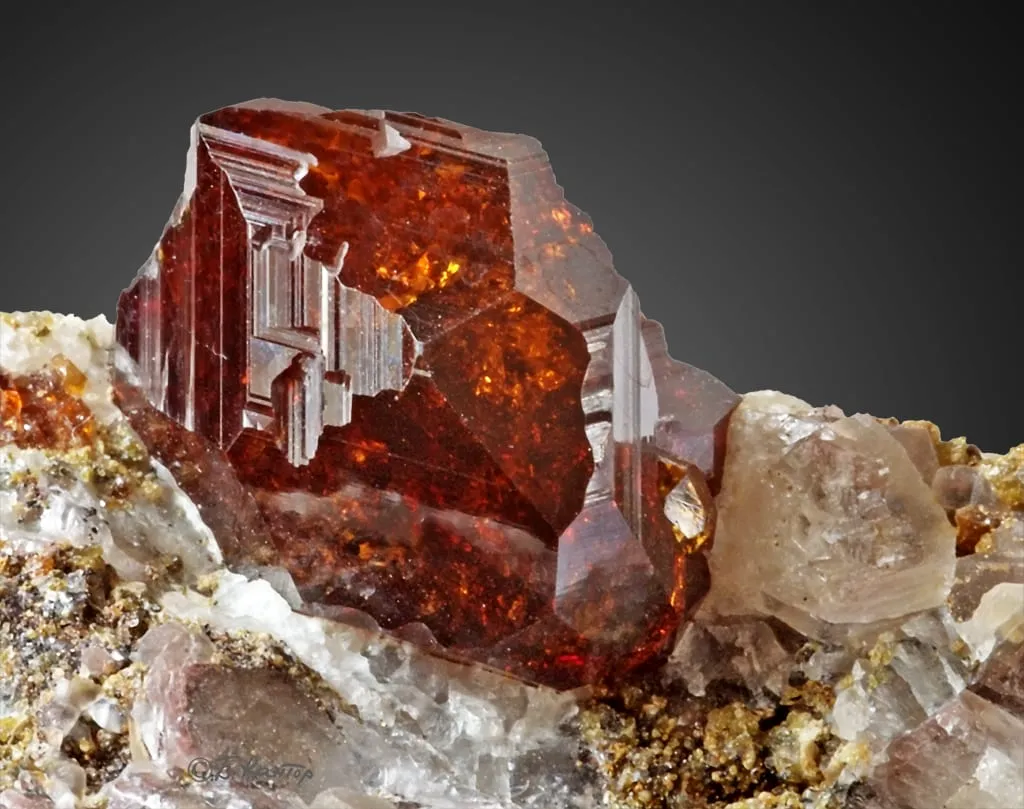
Garnet
Not one mineral but a large family: best known for its reds, garnet turns up everywhere from sandpaper to fine jewellery.
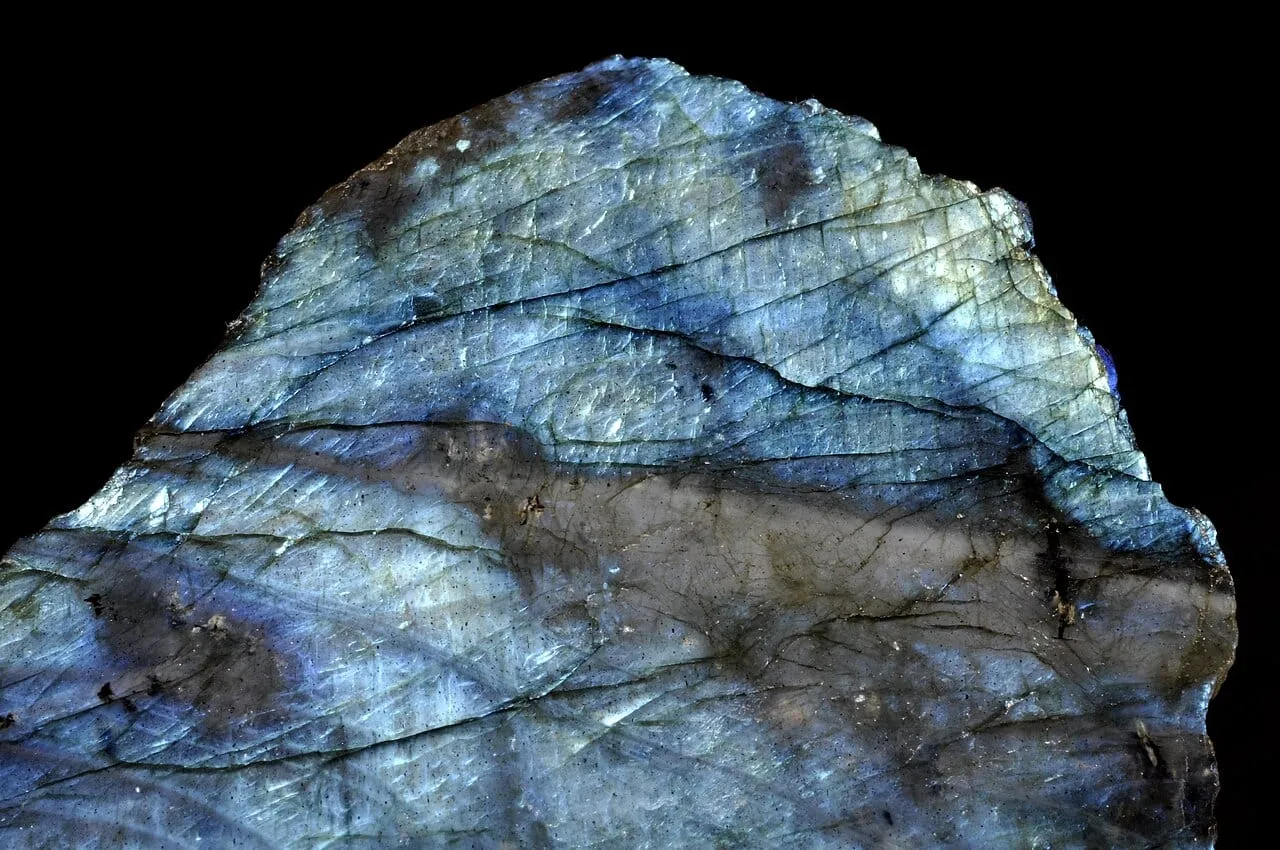
Labradorite
A dark grey feldspar that, seen from the right angle, flashes blue, green and gold all at once.
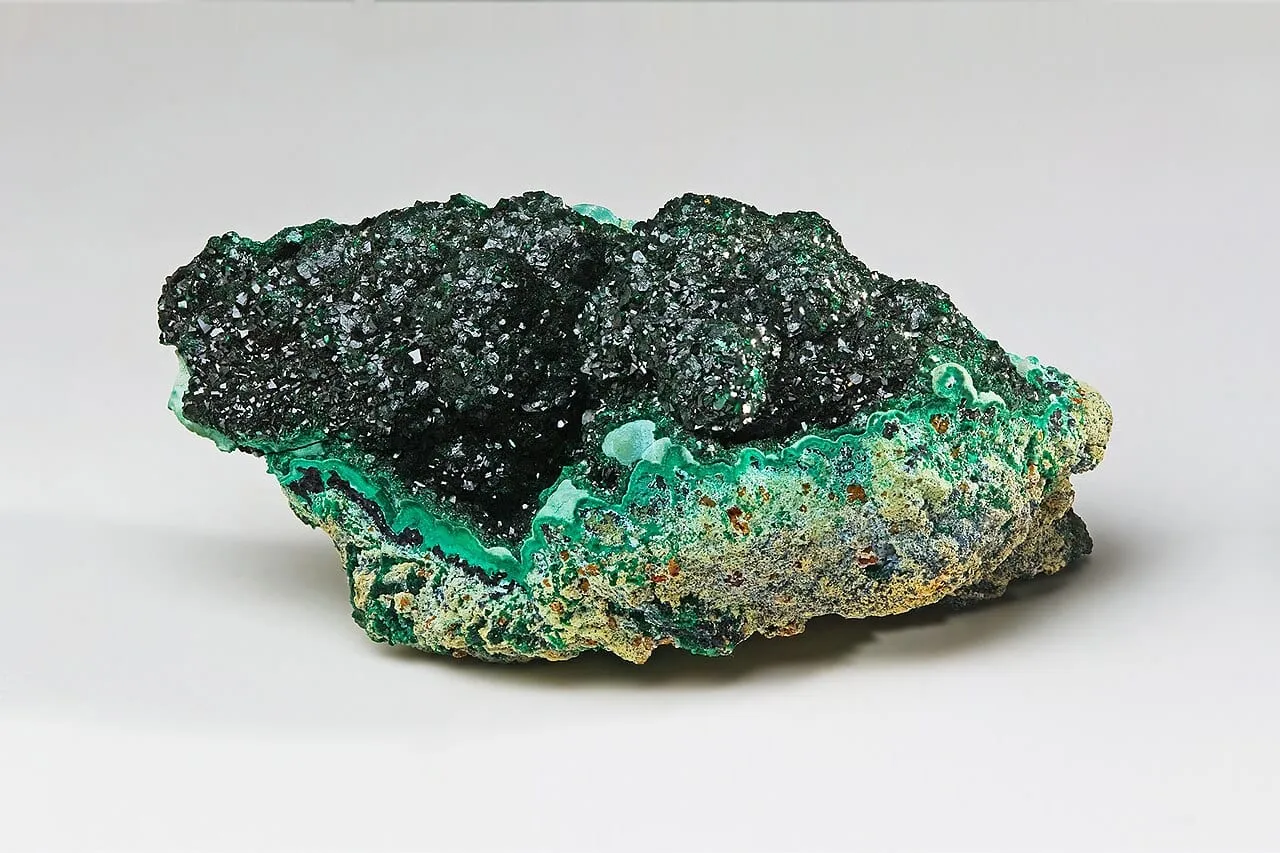
Malachite
A copper mineral known for its light and dark green rings, used for thousands of years as a pigment, ornamental and jewellery stone.
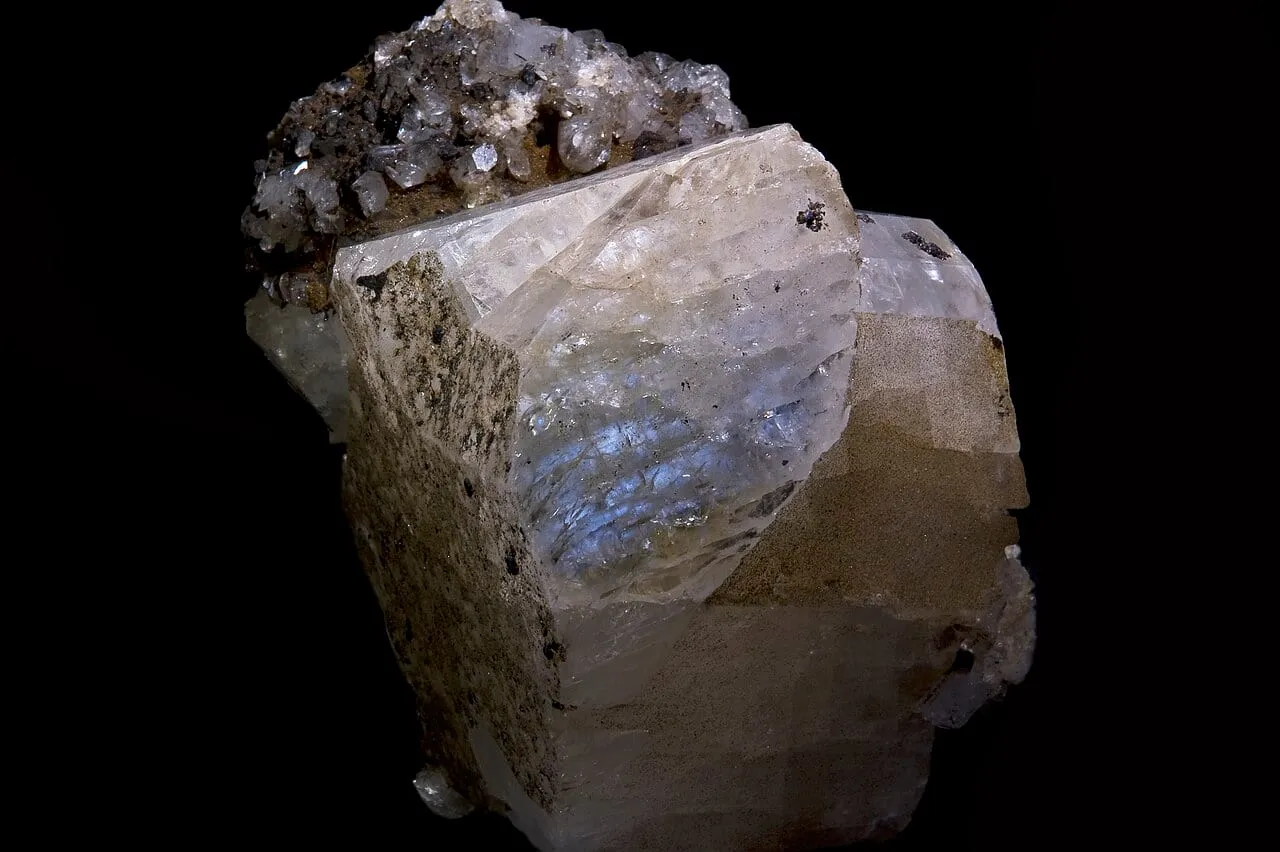
Moonstone
A feldspar with a bluish glow that drifts across its surface like moonlight, scattered from thin layers inside the stone.
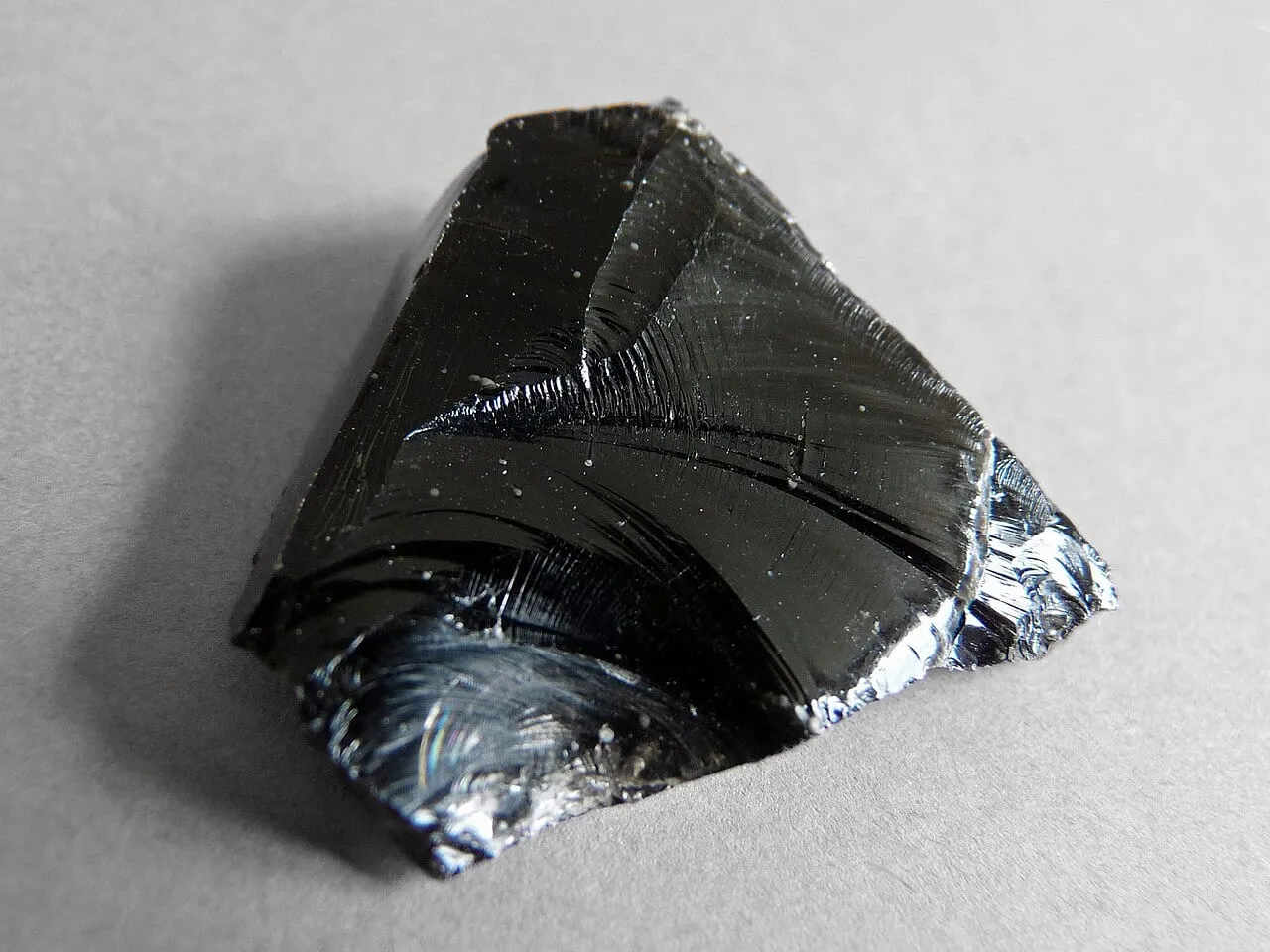
Obsidian
Nature’s volcanic glass — the shiny black stone that gave the Stone Age its sharpest blades.
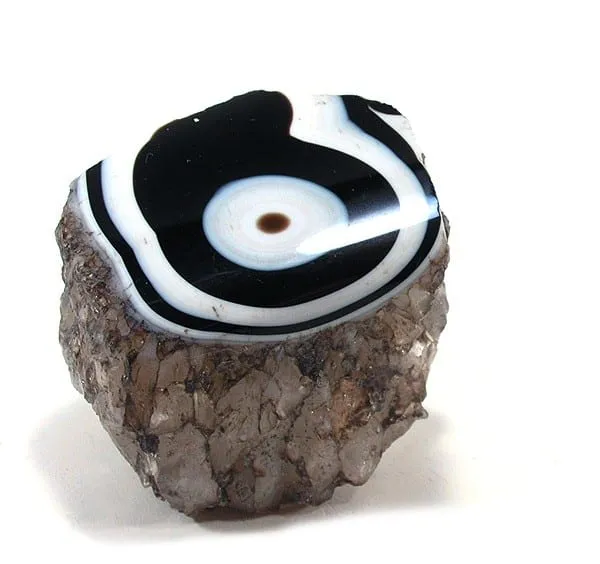
Onyx
Chalcedony with straight black and white bands. Most souvenirs sold as “onyx” in Türkiye, however, are really banded calcite.
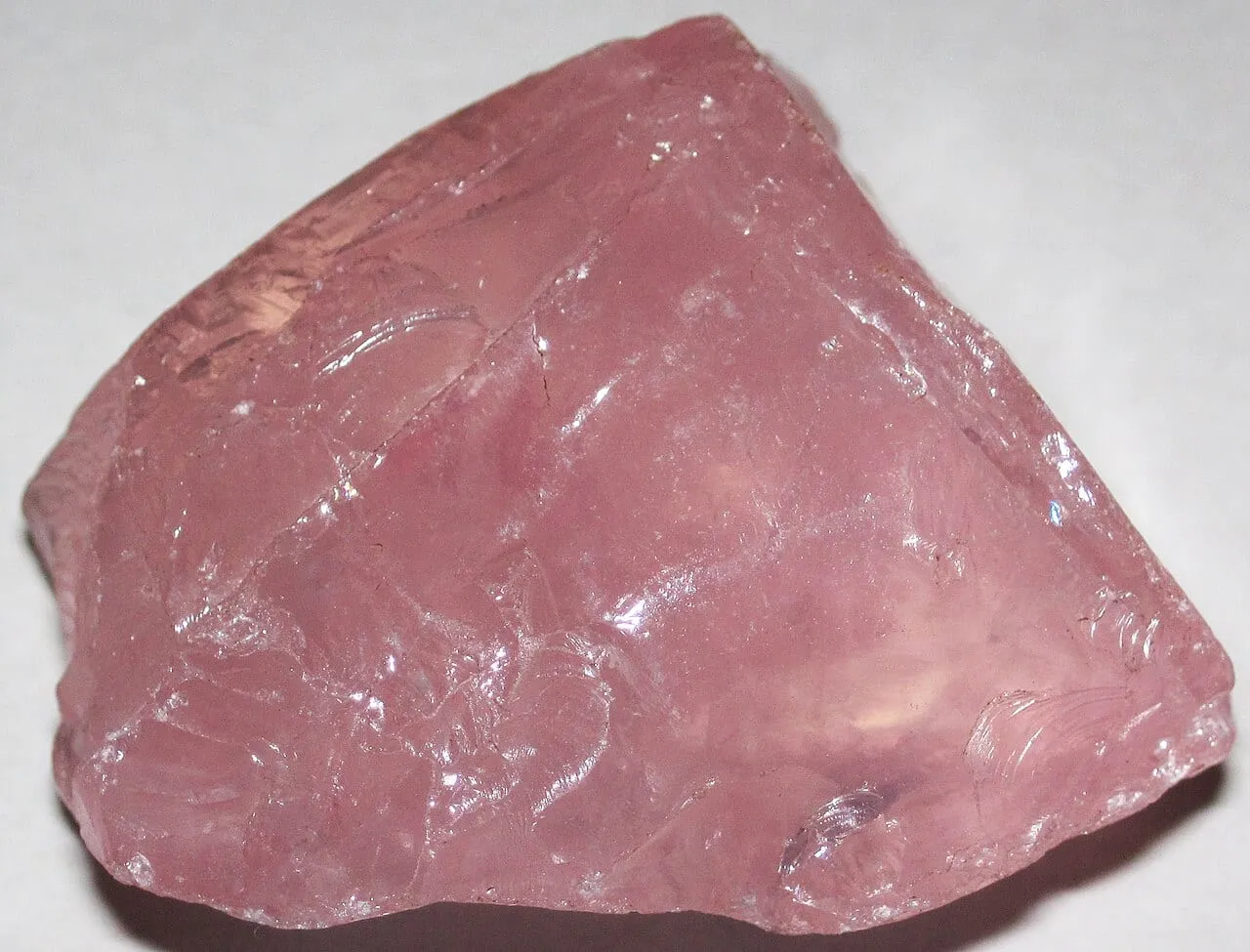
Rose quartz
The cloudy pink variety of quartz, coloured by fibres far too fine to see.
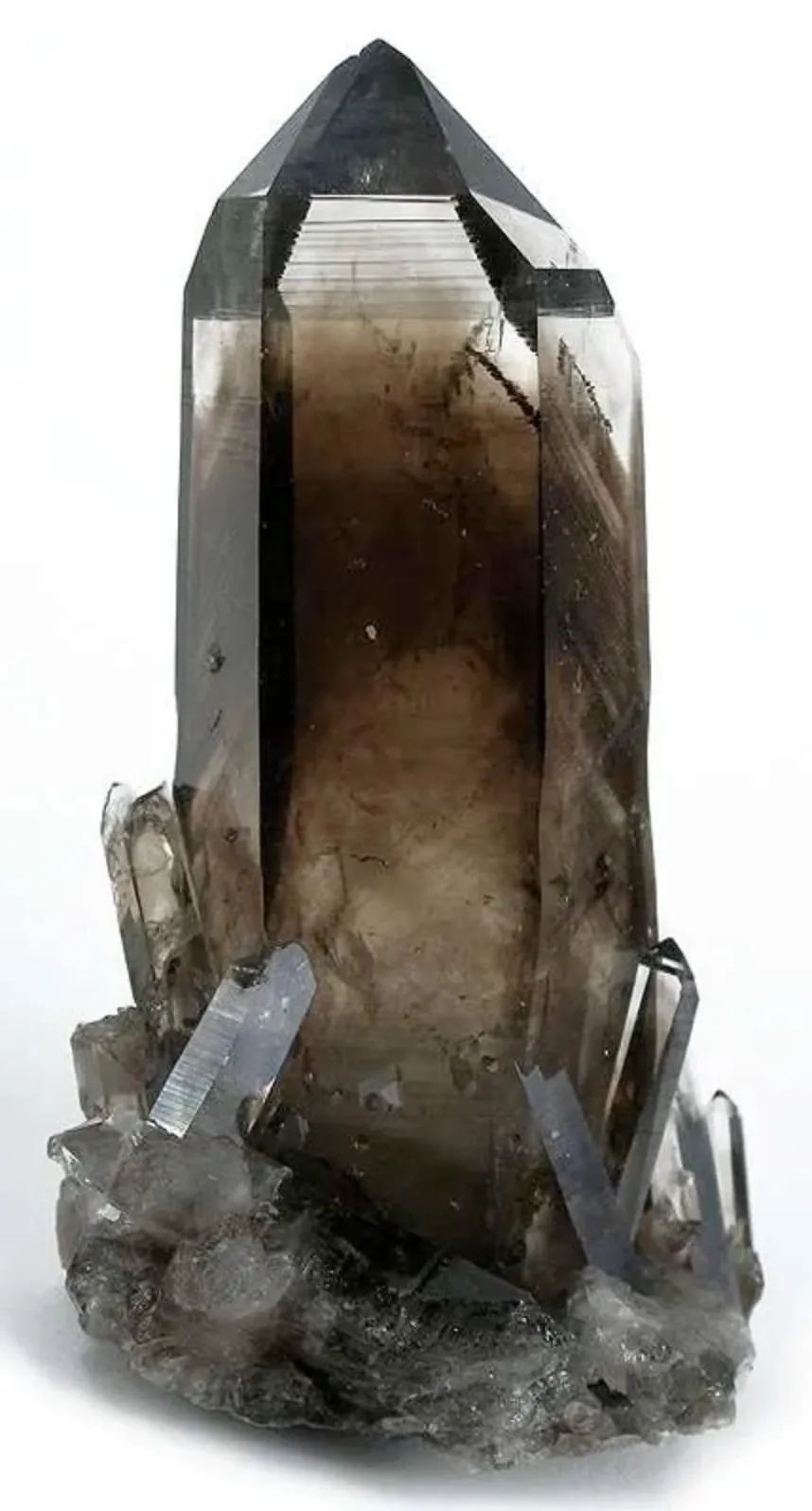
Smoky quartz
The brown-to-black variety of quartz, which owes its colour to natural radiation from the surrounding rocks.
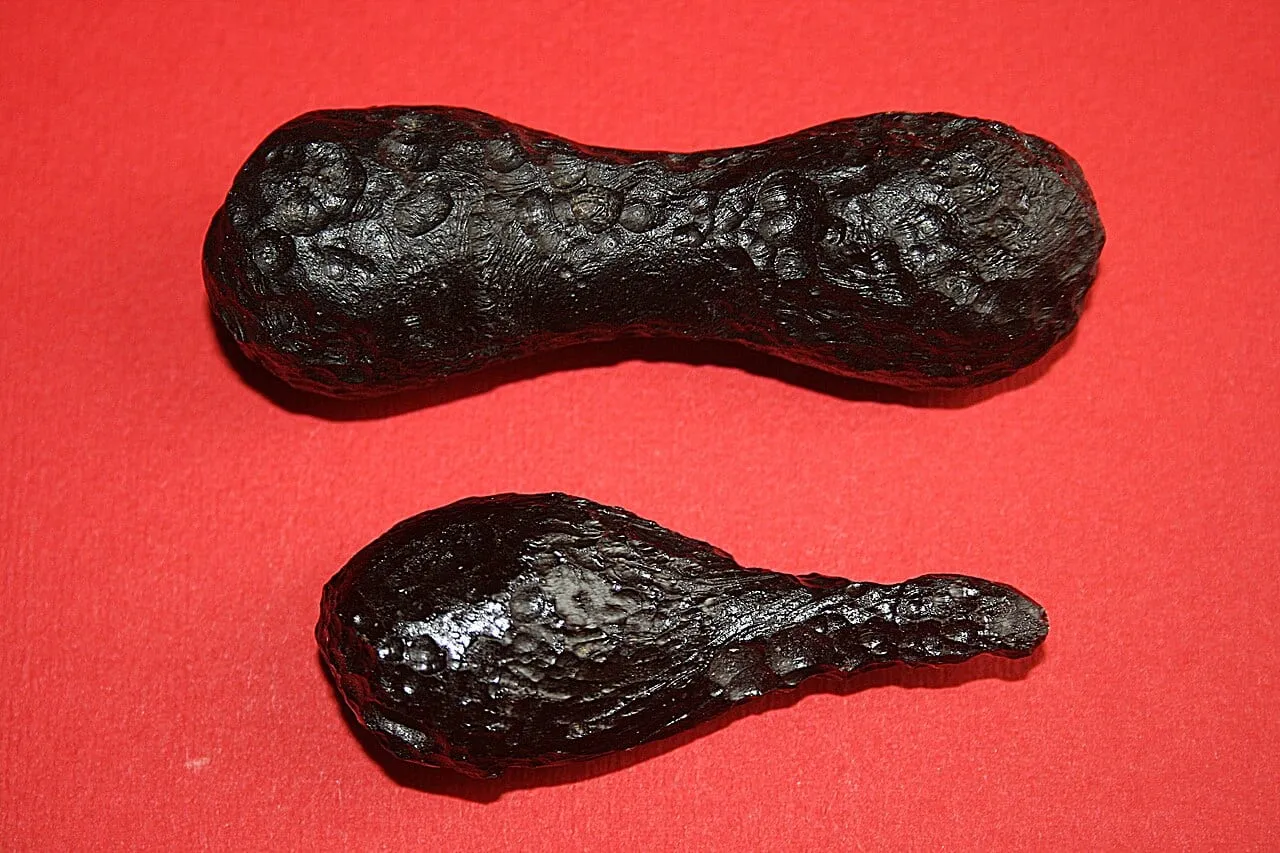
Tektite
Not meteorites: natural glass made from Earth rocks that were melted and flung into the air by giant impacts.
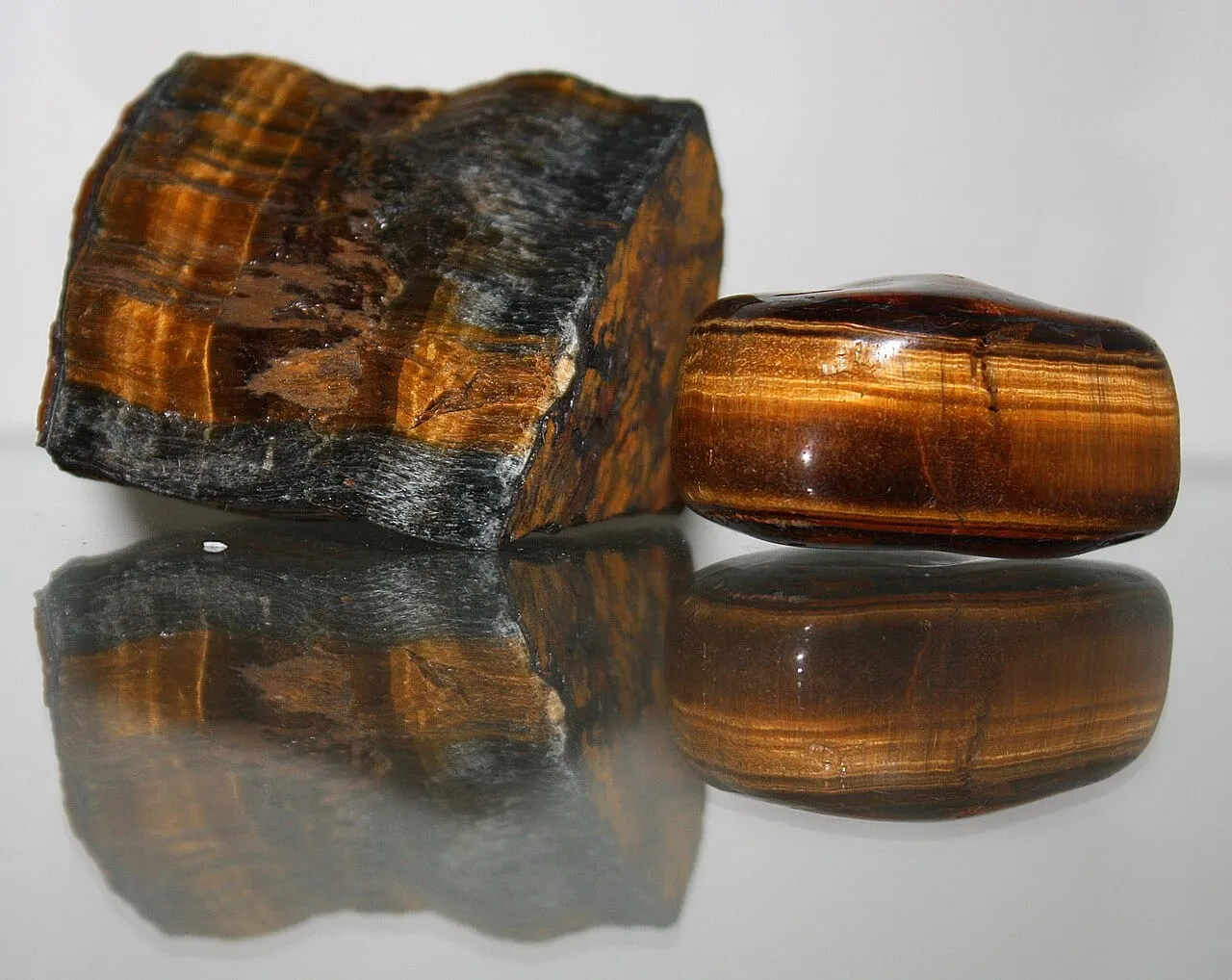
Tiger's eye
A golden-brown stone with a silky band of light gliding across it, born from quartz and fine asbestos fibres growing together.
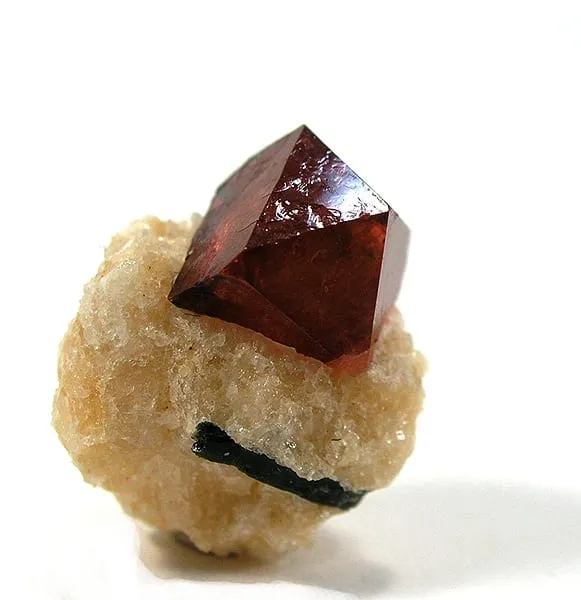
Zircon
One of Earth’s oldest witnesses: a natural mineral with 4.4-billion-year-old grains and a diamond-like sparkle. Not to be confused with cubic zirconia!
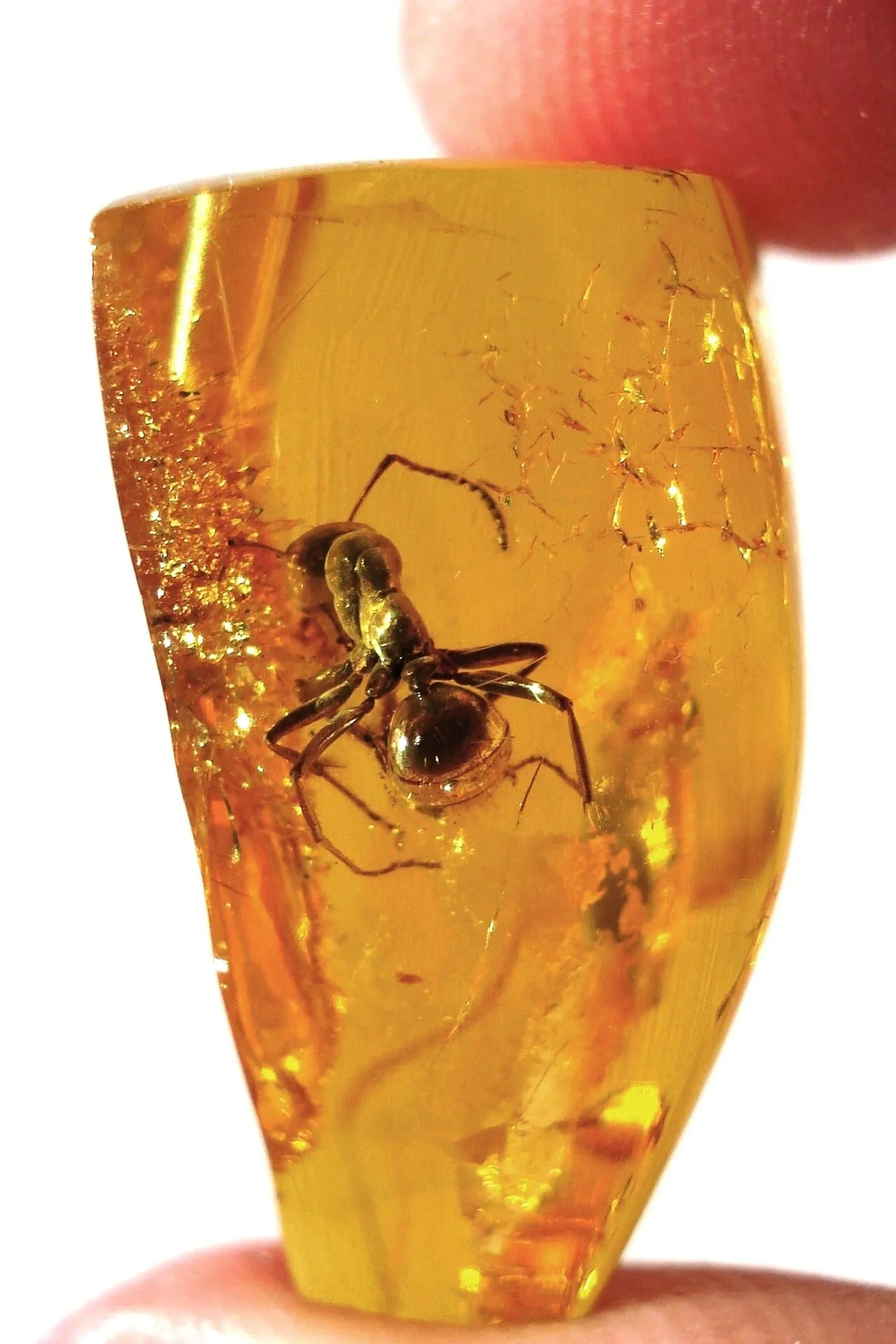
Amber
Tree resin fossilised over millions of years: a light, warm organic gem that sometimes holds prehistoric insects.
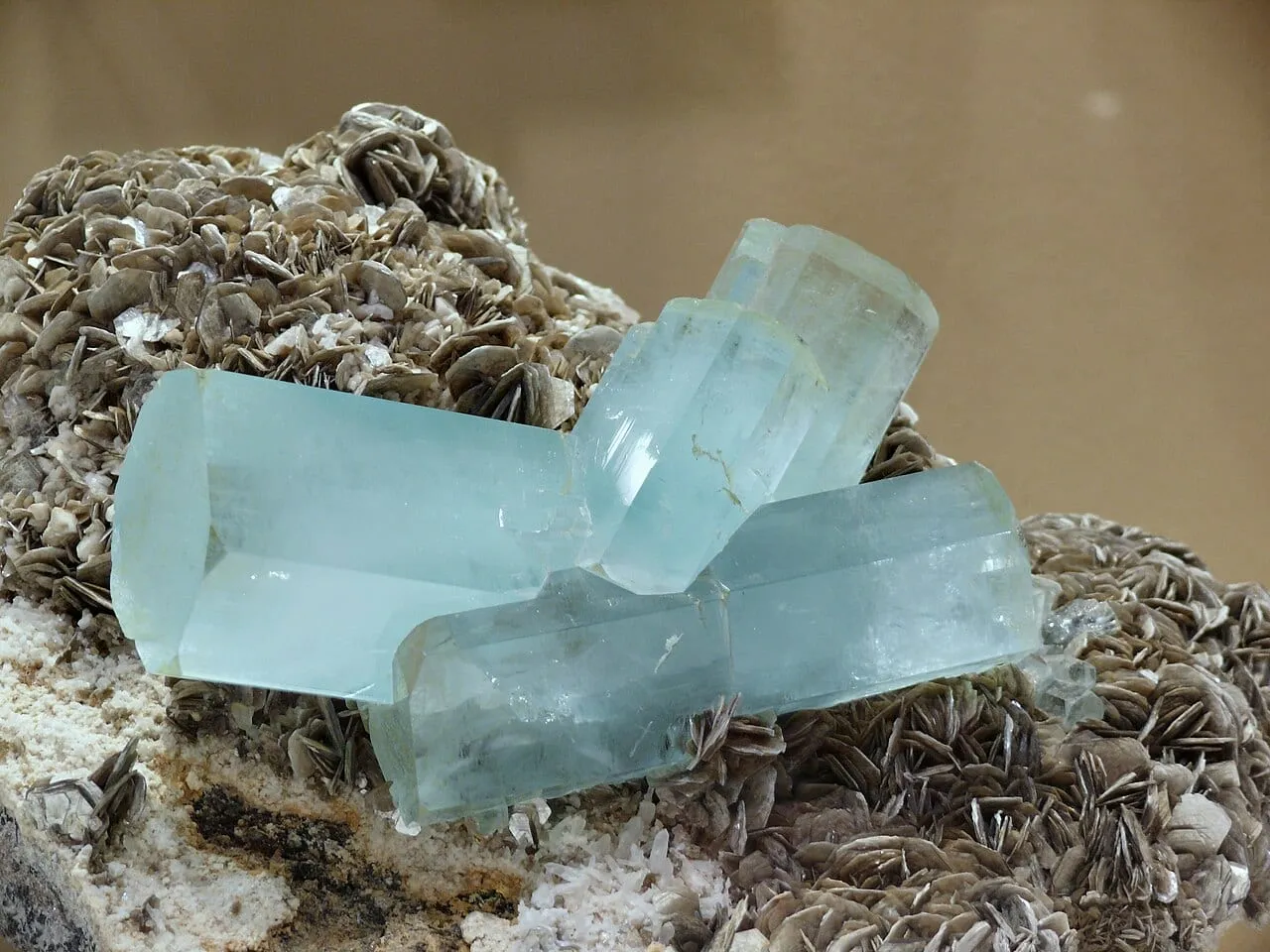
Aquamarine
The blue member of the beryl family, named after seawater: often found as large, clear, nearly flawless crystals.
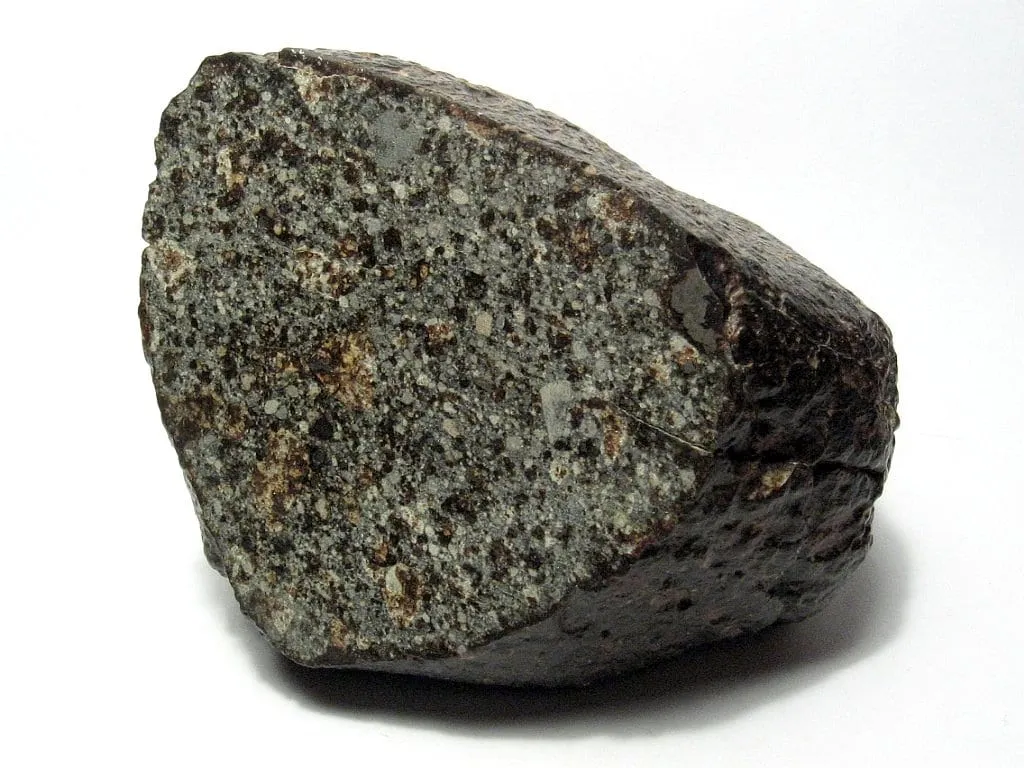
Chondrite
A leftover from the birth of the Solar System, full of tiny once-molten droplets, and the commonest kind of meteorite to fall to Earth.
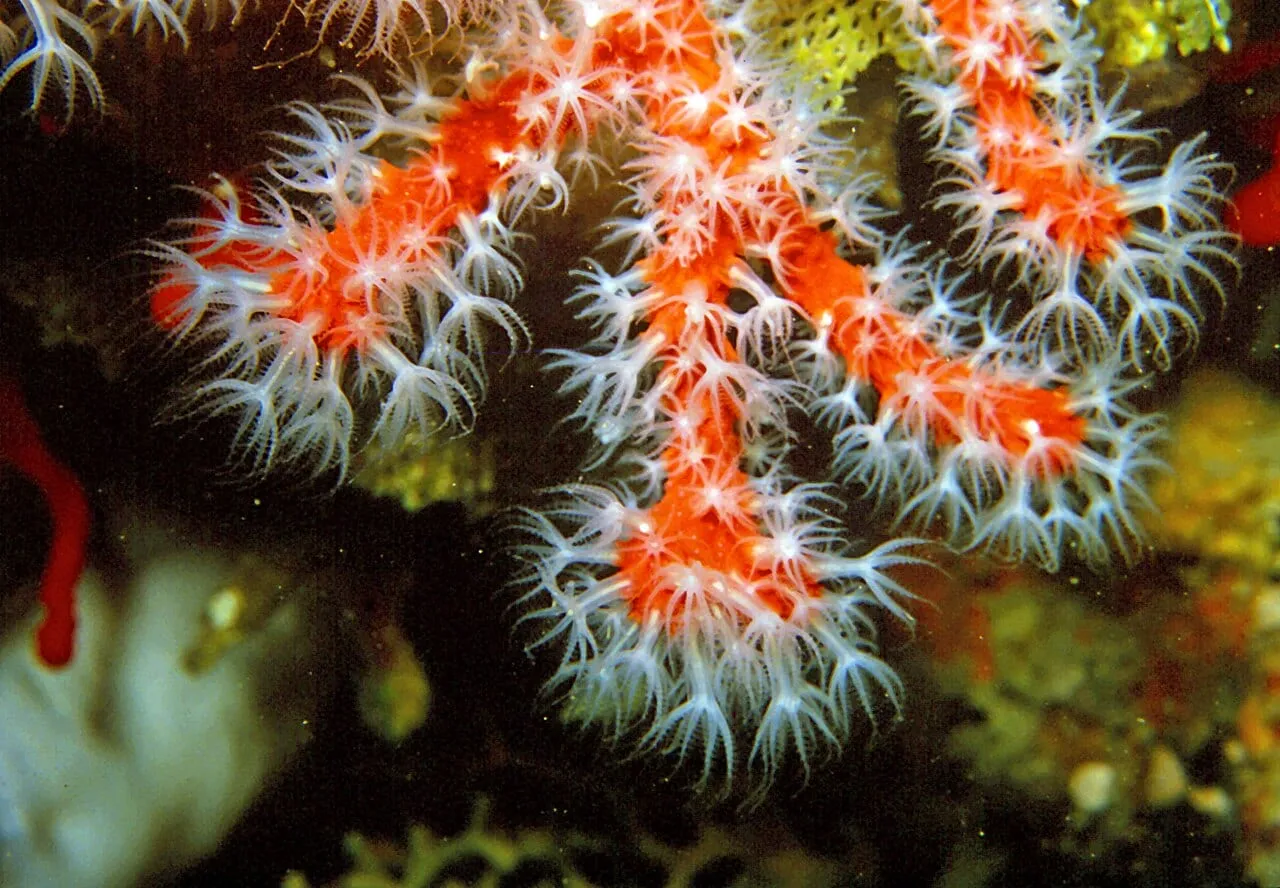
Coral
The red limestone skeleton of tiny deep-sea animals: an organic gem that grows so slowly it needs protecting.
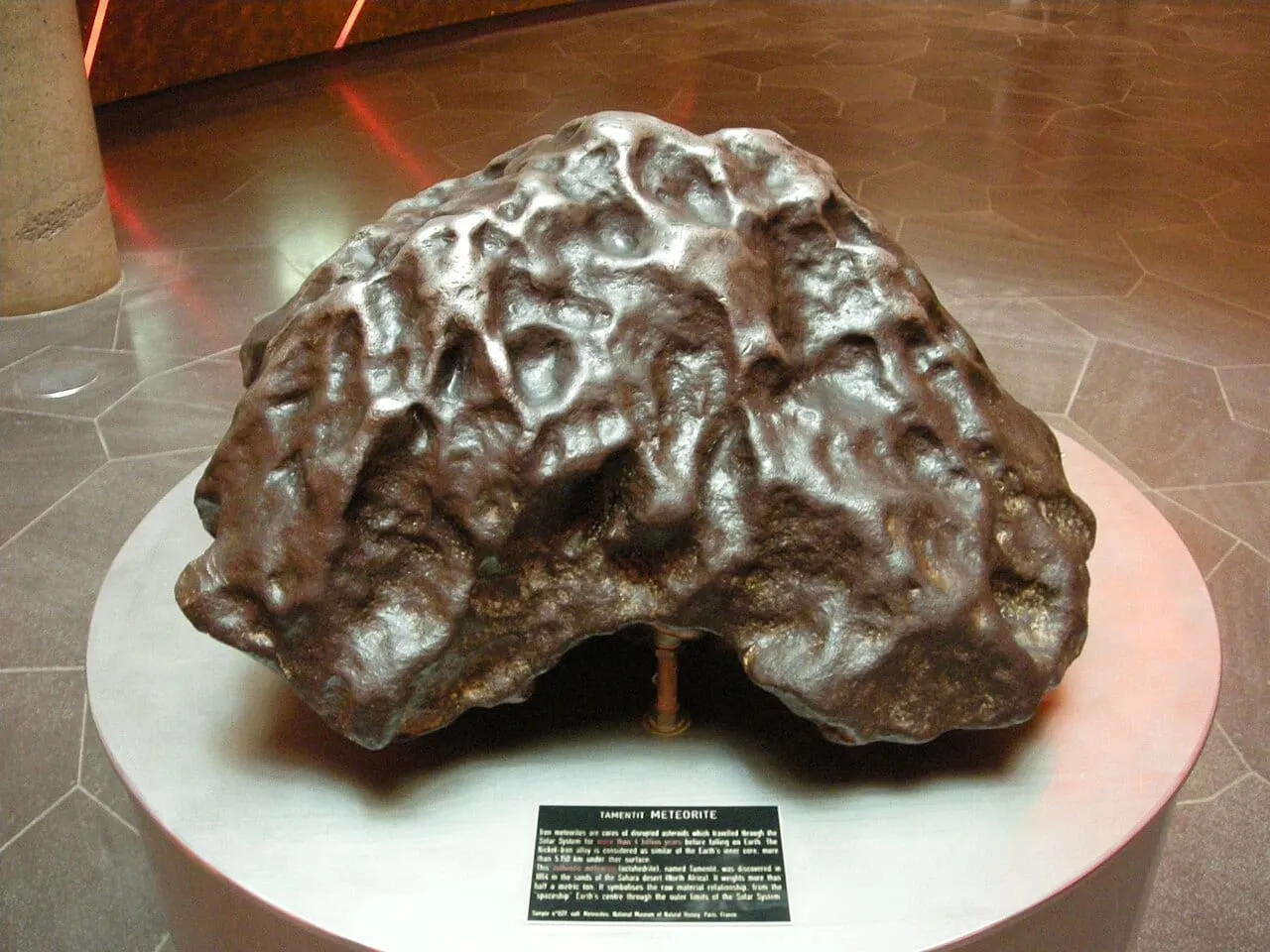
Iron meteorite
Masses of iron–nickel from the cores of shattered asteroids that reveal a unique crystal pattern when etched with acid.
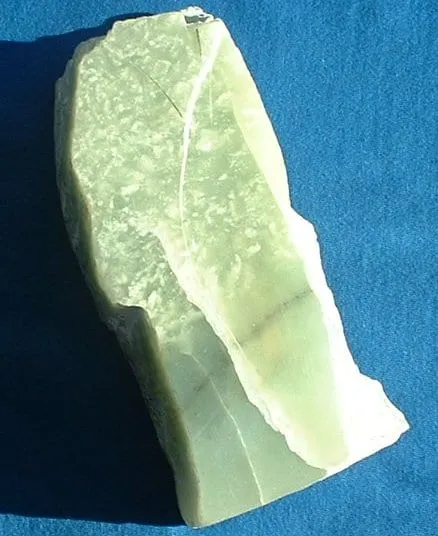
Jade
Really a shared name for two stones: nephrite and jadeite, extremely tough materials used for tools, jewellery and art for thousands of years.
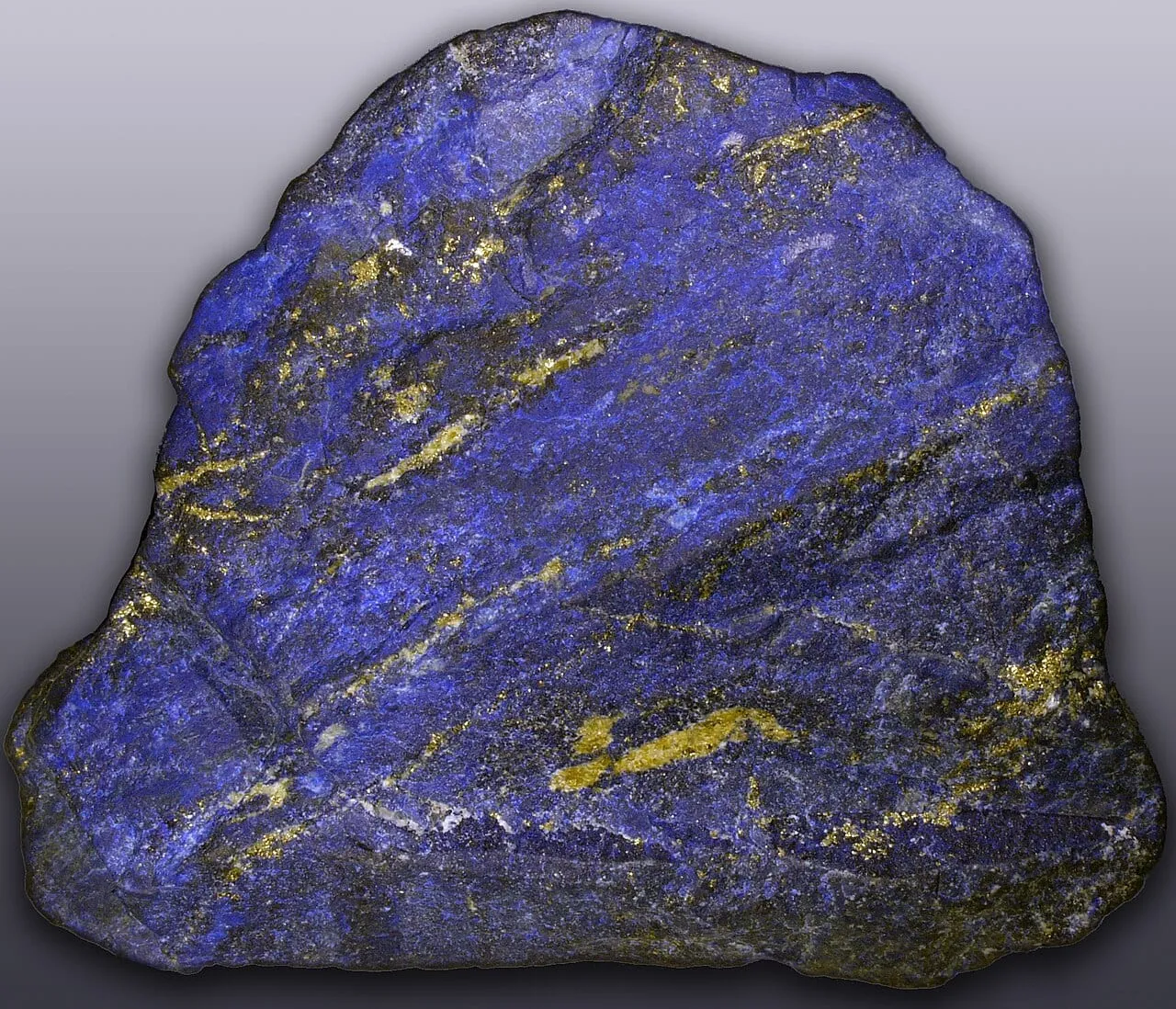
Lapis lazuli
A midnight-blue rock flecked with gold, used for thousands of years in seals, jewellery and painters' ultramarine.
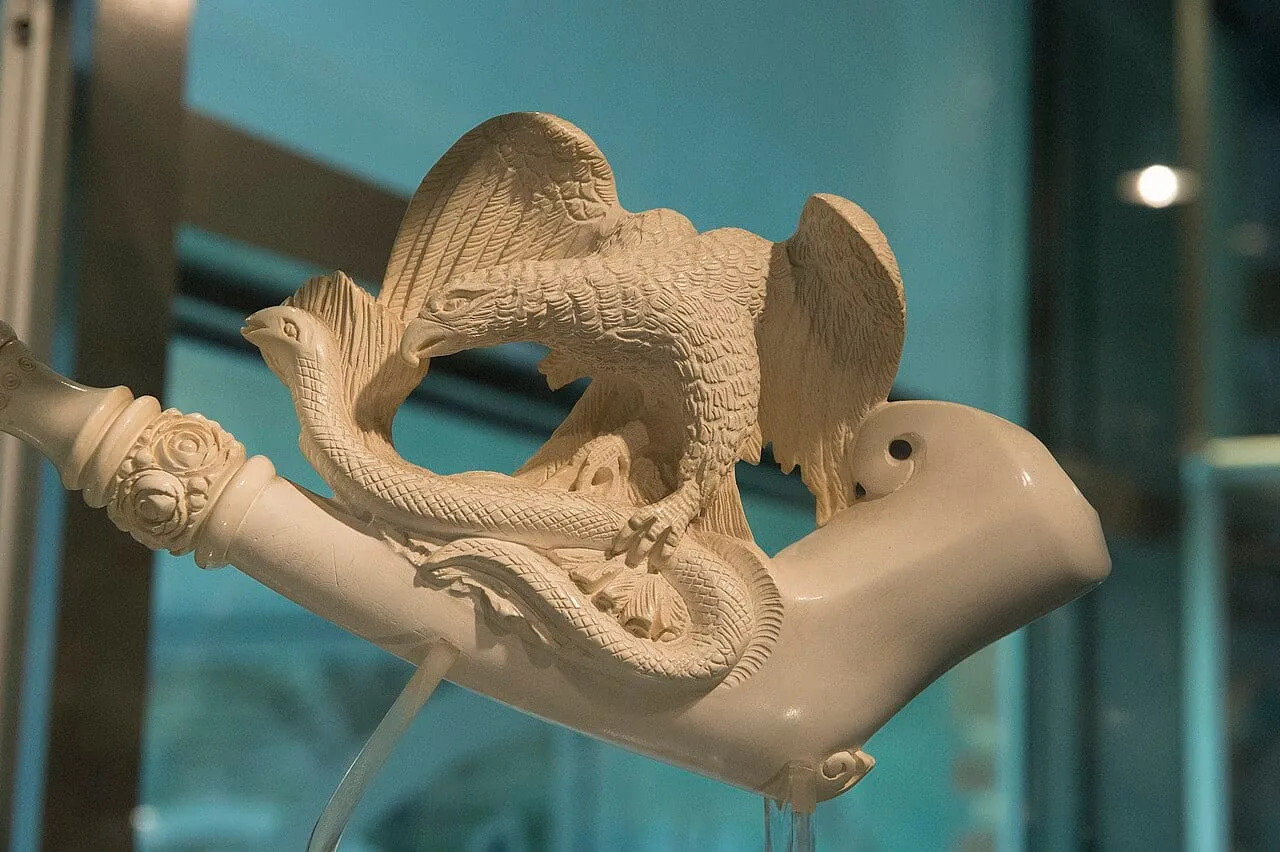
Meerschaum
A white stone light enough to float when dry and soft enough to carve: meerschaum, the raw material of Eskişehir's famous pipes.
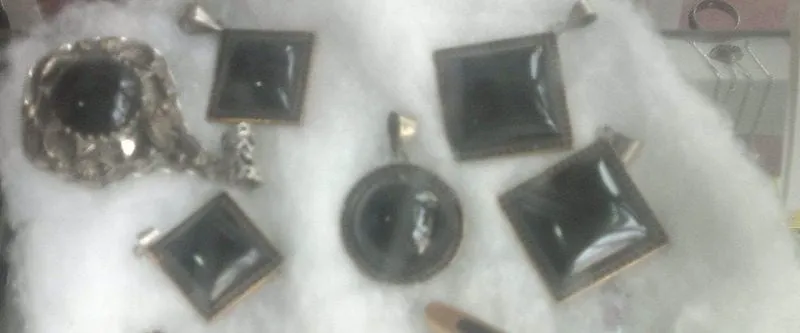
Oltu stone
Erzurum’s black treasure: a kind of jet made from coalified wood, famous for its prayer beads.
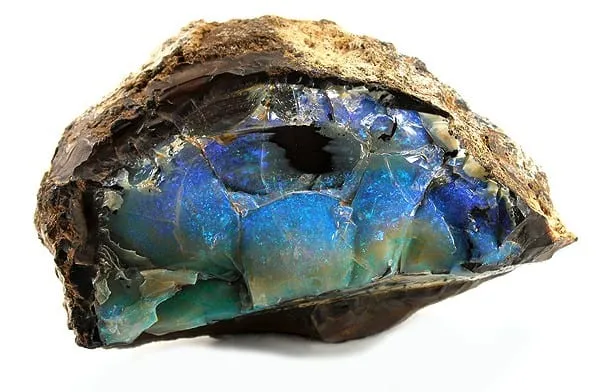
Opal
Water-bearing silica with no crystal structure: in precious opal, tiny stacked spheres split light into flashes of rainbow colour.
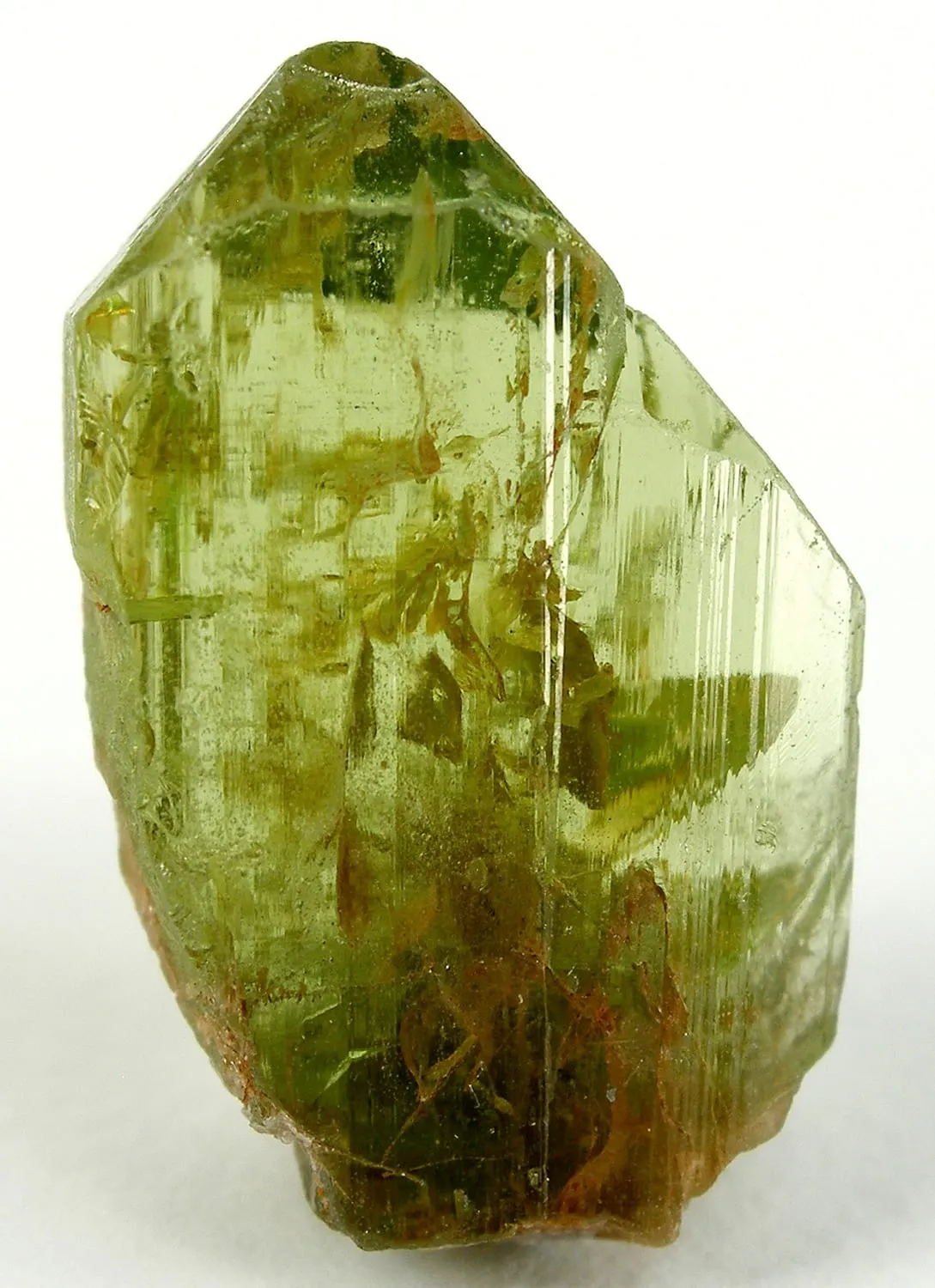
Peridot
A green gem from deep inside the Earth, and very rarely from space: the gem-quality variety of the mineral olivine.
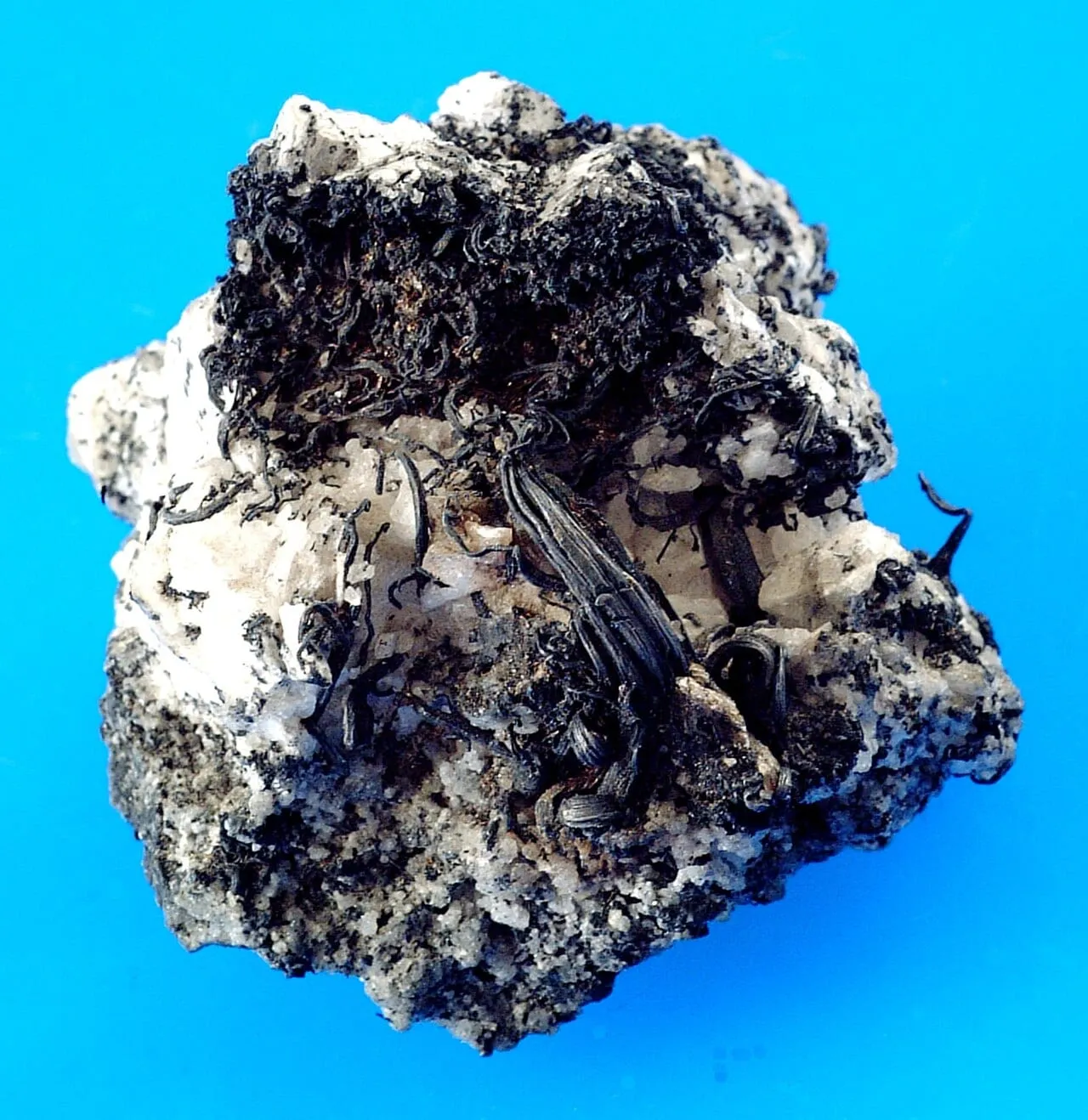
Silver
The best conductor of electricity and heat of all metals; in nature it sometimes grows pure, as curling wires.
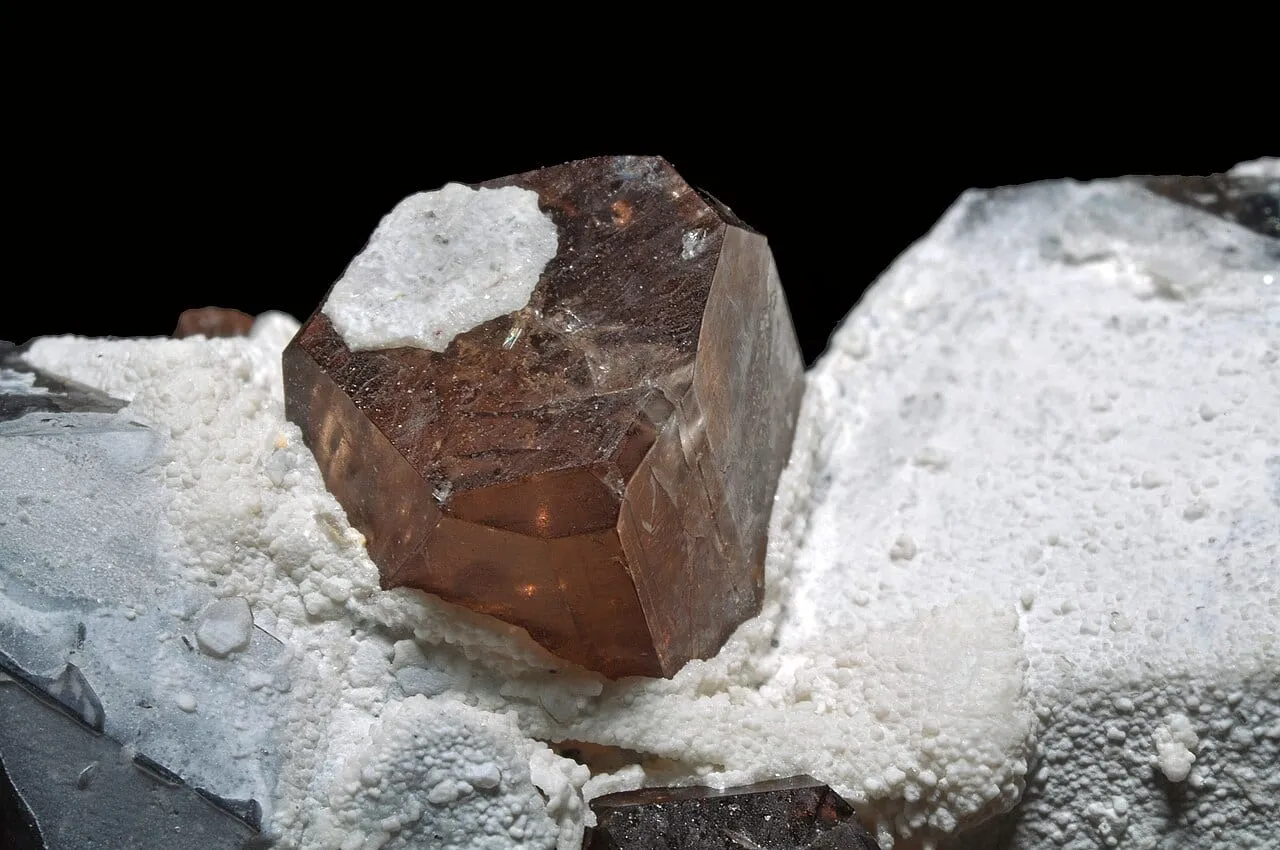
Topaz
The reference mineral for 8 on the Mohs scale: a hard, brilliant gem whose blue colour is almost always added by people.
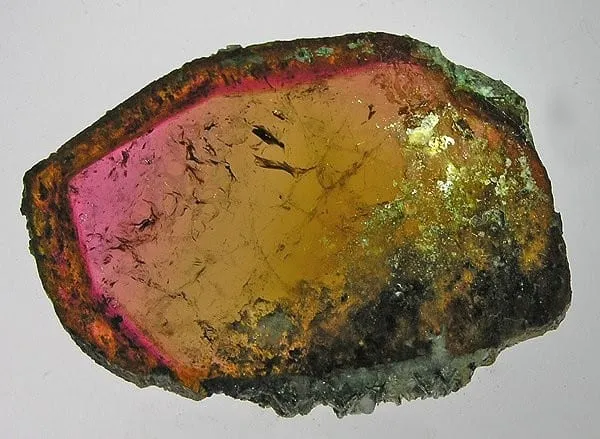
Tourmaline
A gem family that comes in almost every colour of the rainbow, sometimes several in one crystal, and becomes electrically charged when heated.
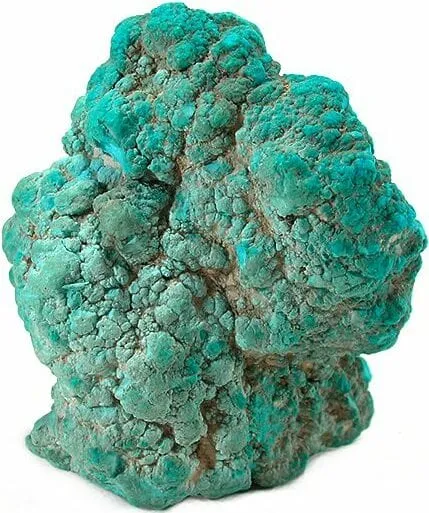
Turquoise
A blue-green copper aluminium phosphate whose name means “Turkish stone”, prized as an ornamental stone for thousands of years.
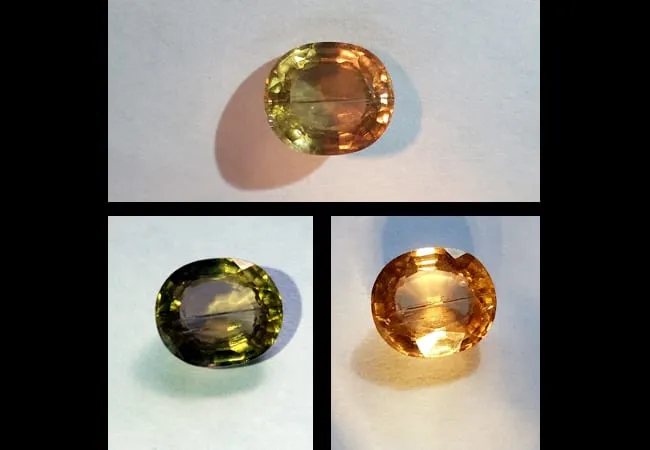
Diaspore
A rare mineral that looks greenish in daylight and pinkish under incandescent light; gem-quality material comes almost only from Muğla.
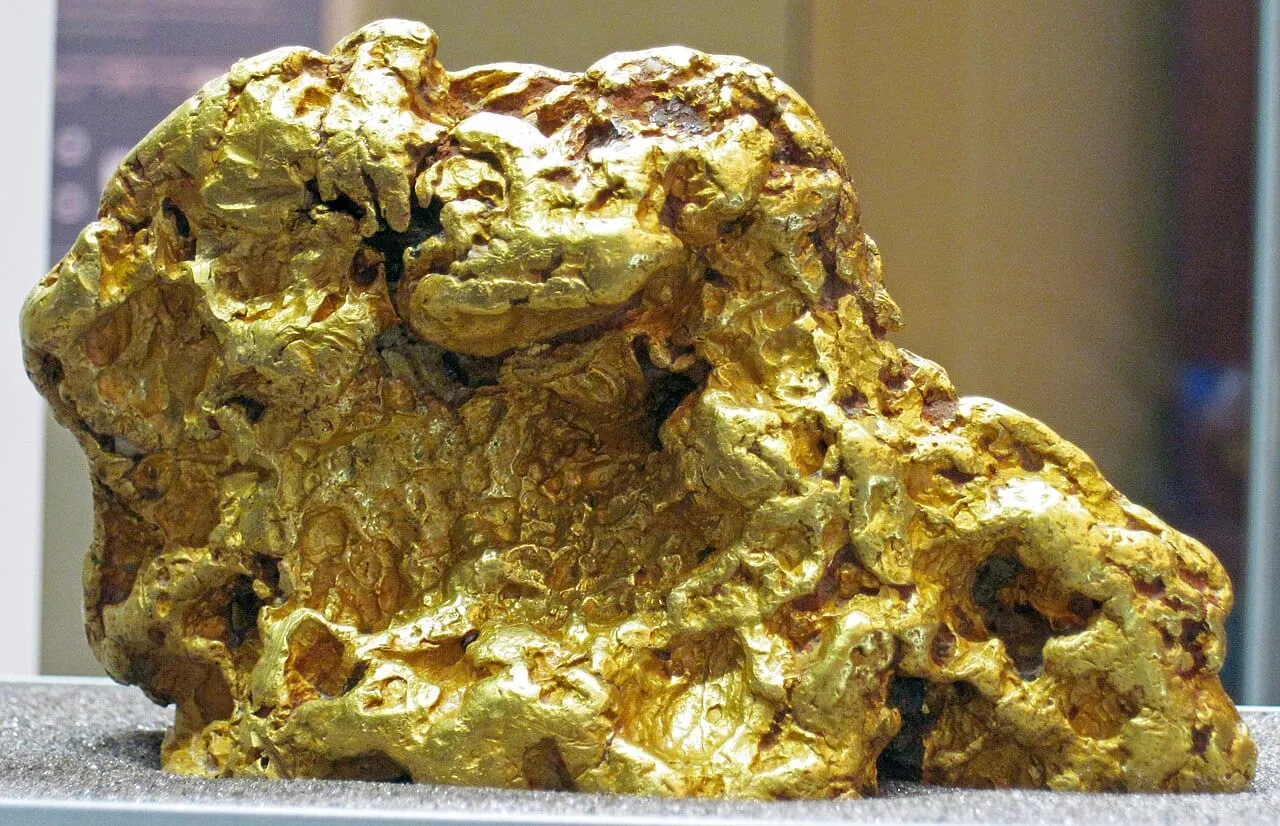
Gold
A heavy, bright yellow metal that occurs pure in nature, never tarnishes and can be hammered into sheets or drawn into wire.
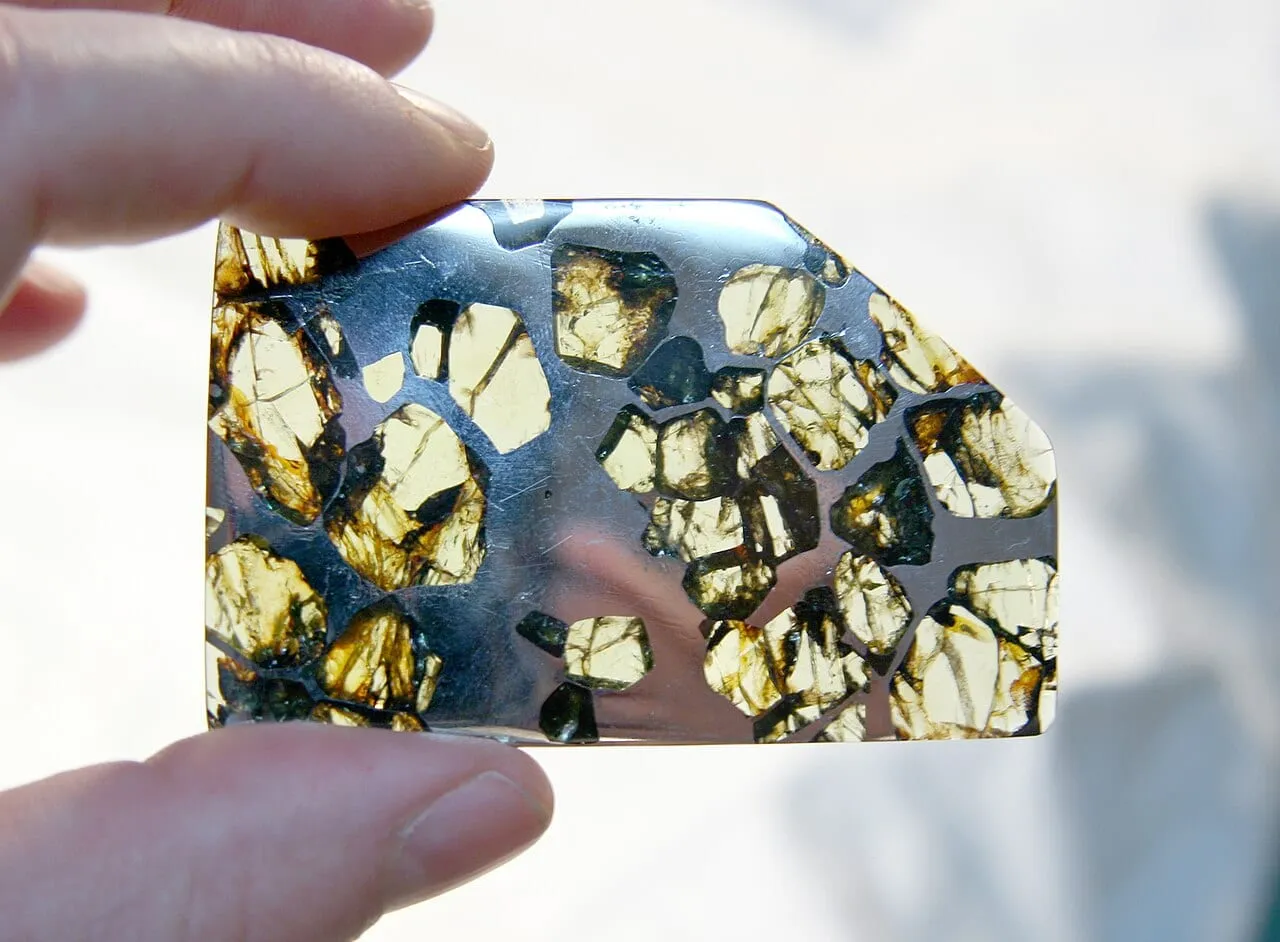
Pallasite
A rare stony-iron meteorite with golden-green olivine crystals set in shining iron–nickel metal, counted among the most beautiful meteorites.
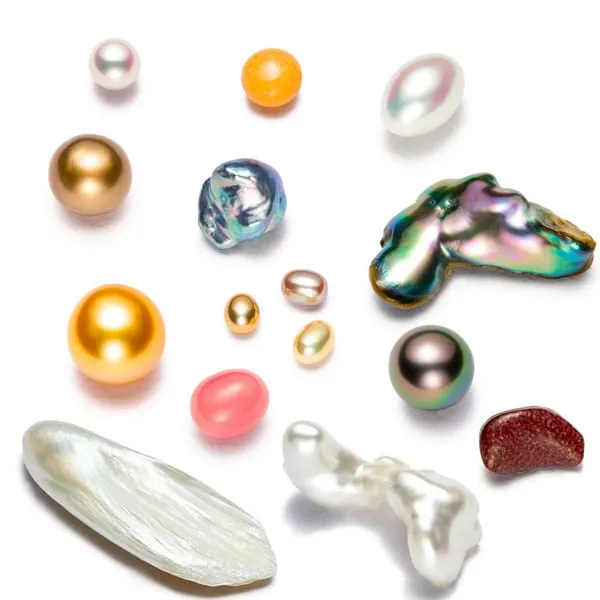
Pearl
An organic gem that grows layer by layer inside oysters and mussels and glows without any cutting or polishing.
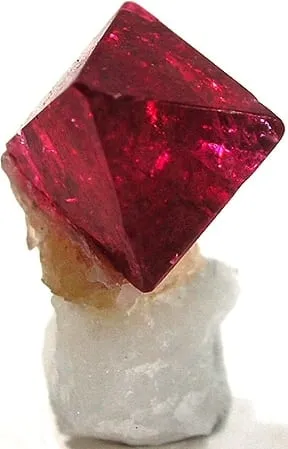
Spinel
The gem mistaken for ruby for centuries: even the famous “Black Prince's Ruby” in the British crown is actually a spinel.
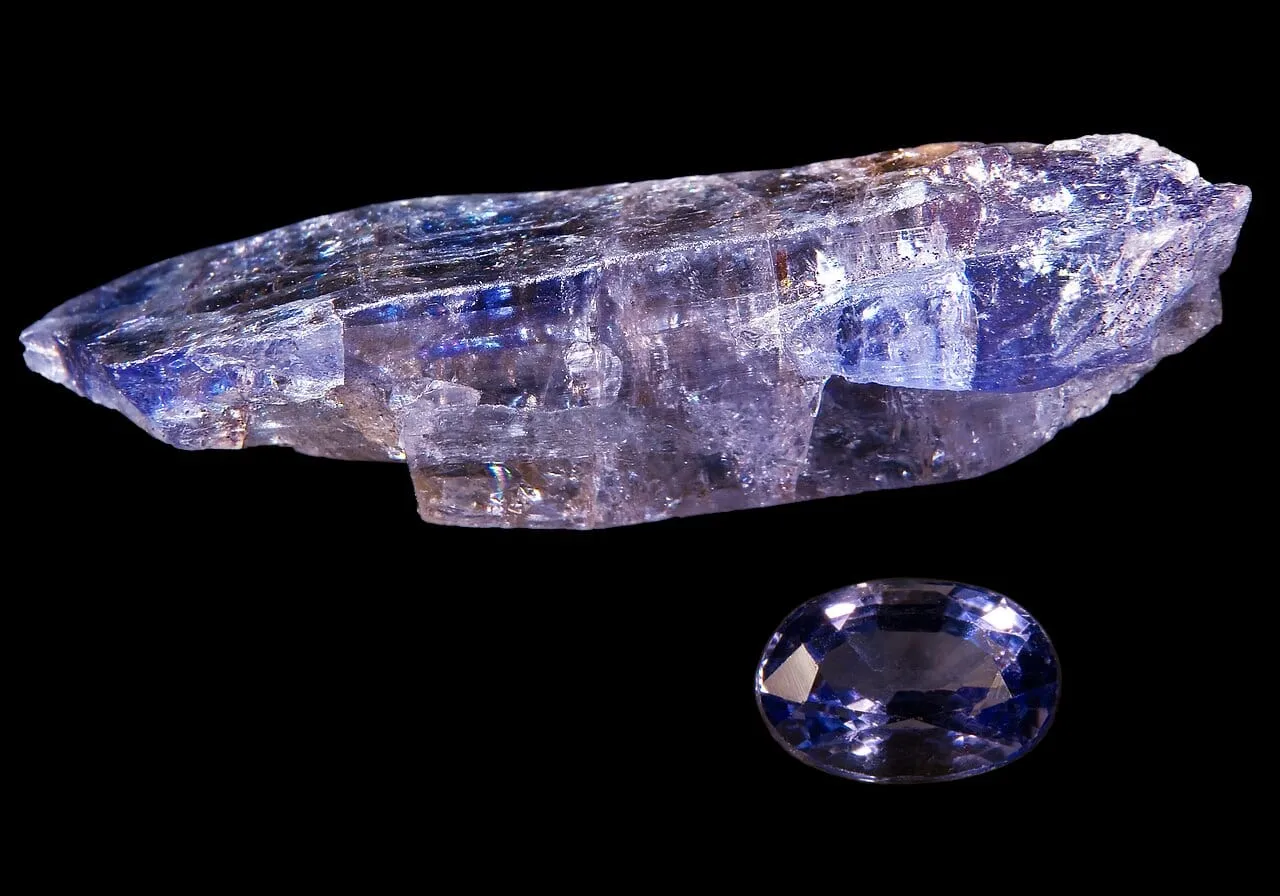
Tanzanite
Zoisite that looks blue or violet depending on the viewing direction, mined commercially in just one small area of Tanzania.
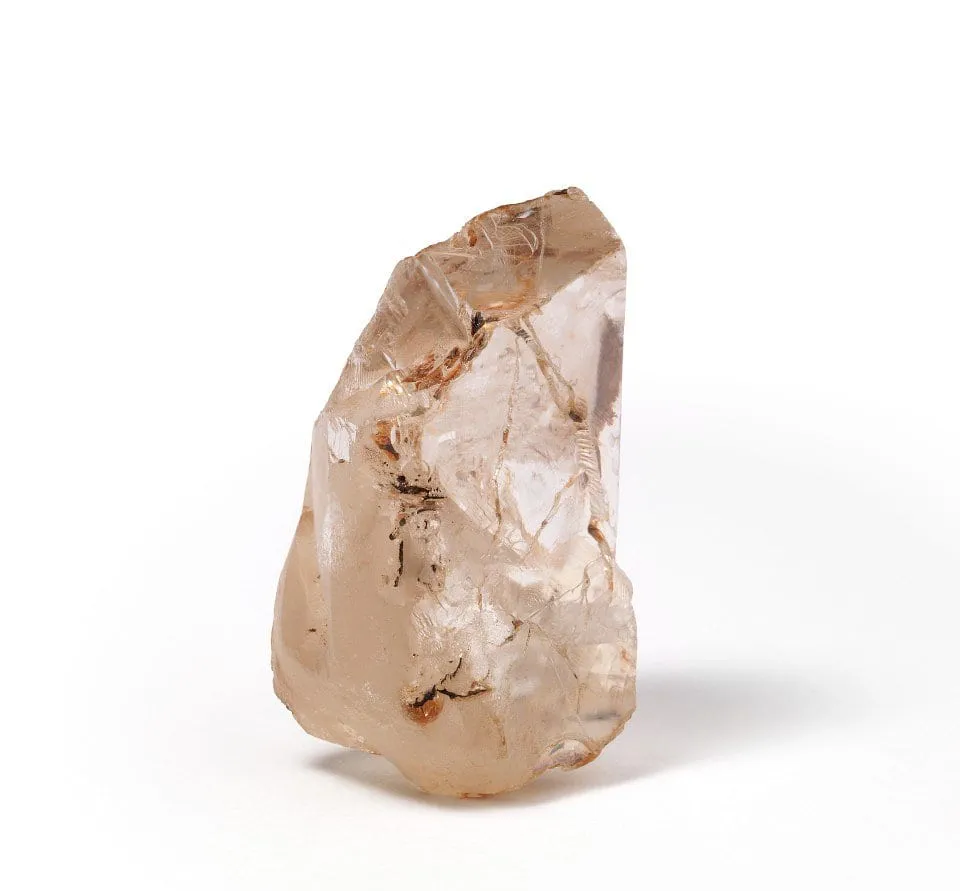
Diamond
Pure carbon and the hardest known natural mineral: it forms about 150–200 km deep and reaches the surface in volcanic eruptions.
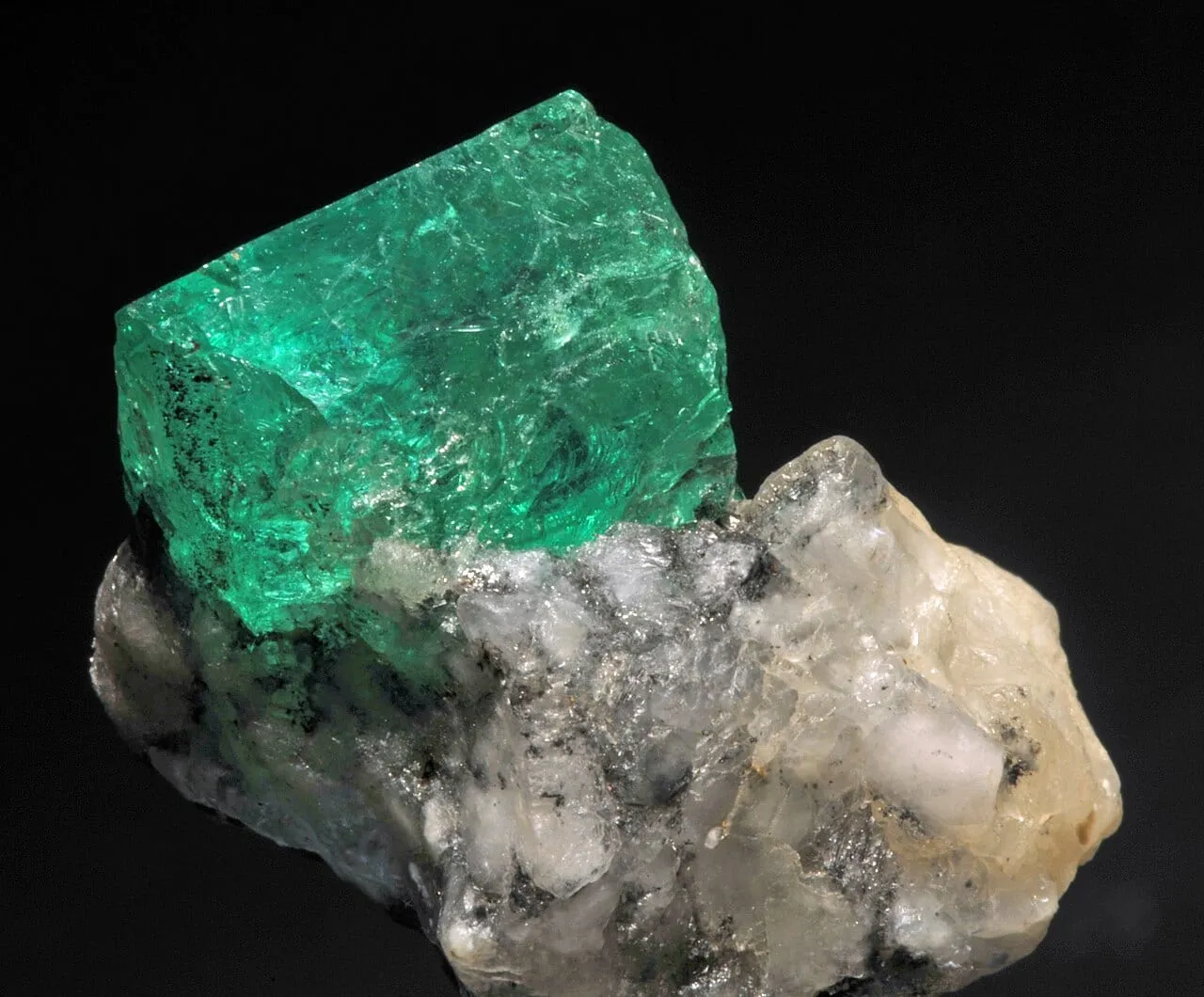
Emerald
Beryl turned green by chromium and vanadium: the world's most famous green gem, almost always full of inclusions.
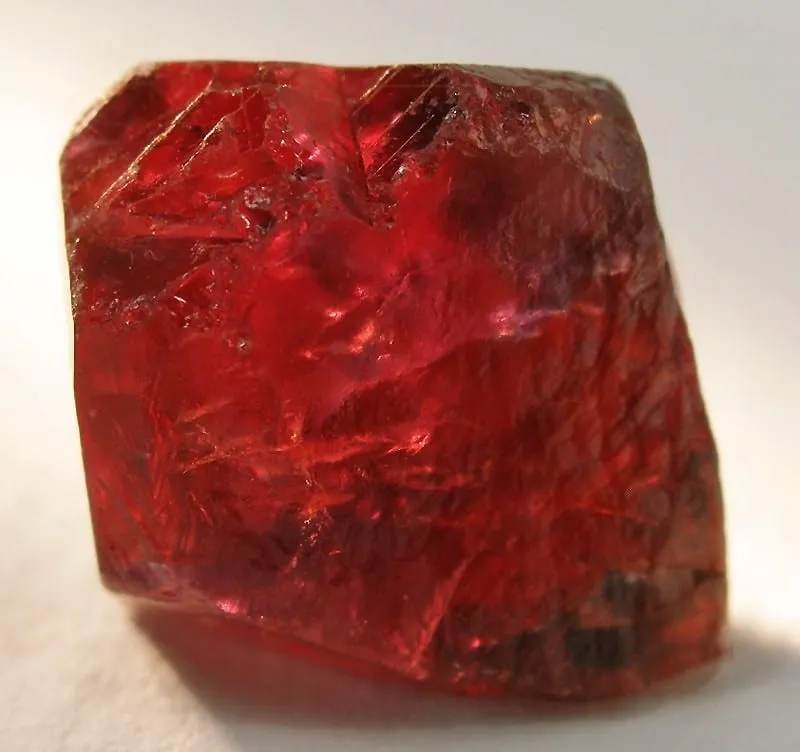
Ruby
Corundum coloured red by chromium: one of the world's most famous gems, able to glow red under ultraviolet light.
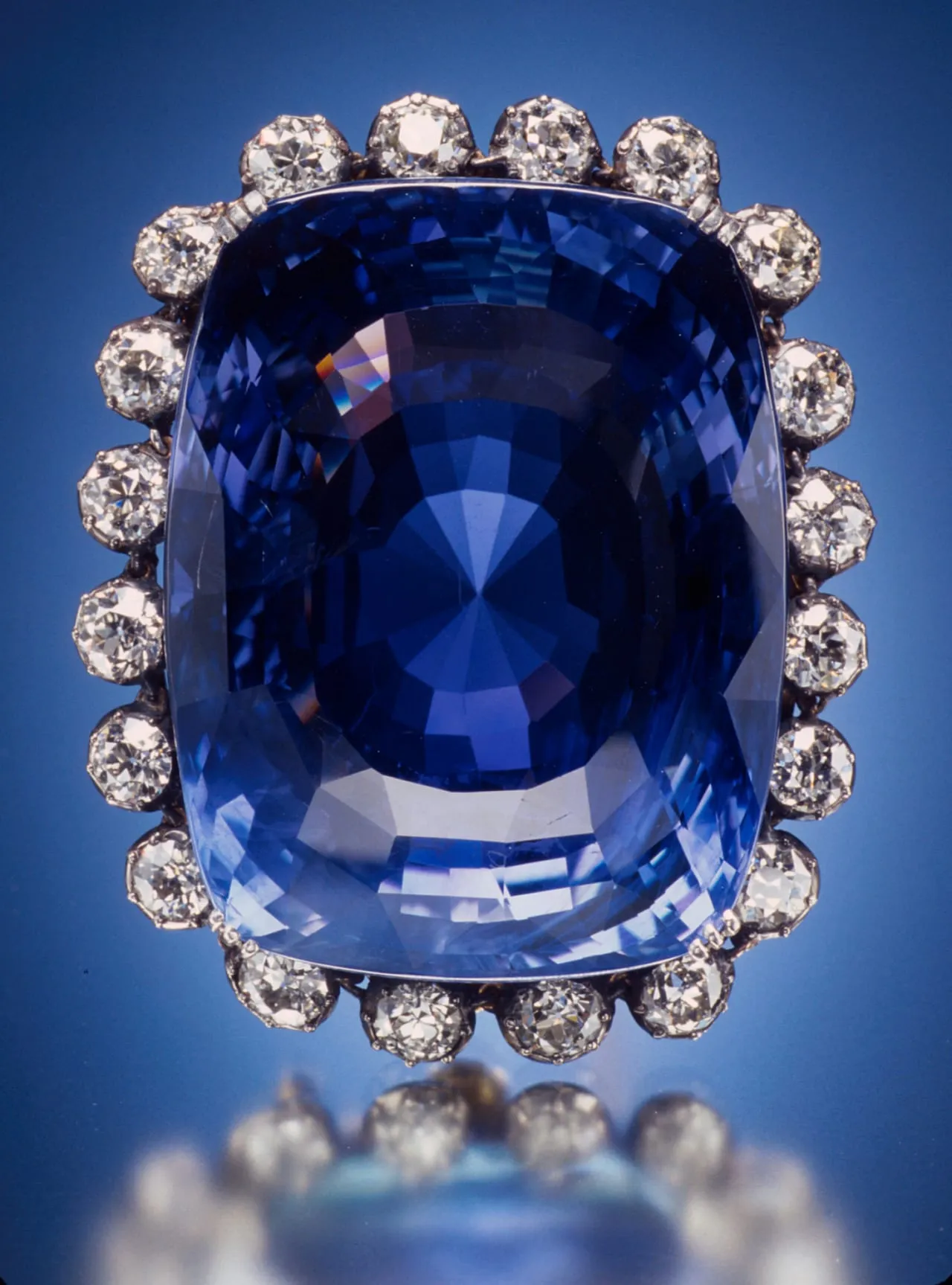
Sapphire
Corundum in almost any colour except red; the most famous is the blue sapphire, coloured by iron and titanium.