Mineral
Olivine
(Mg,Fe)₂SiO₄Olivin
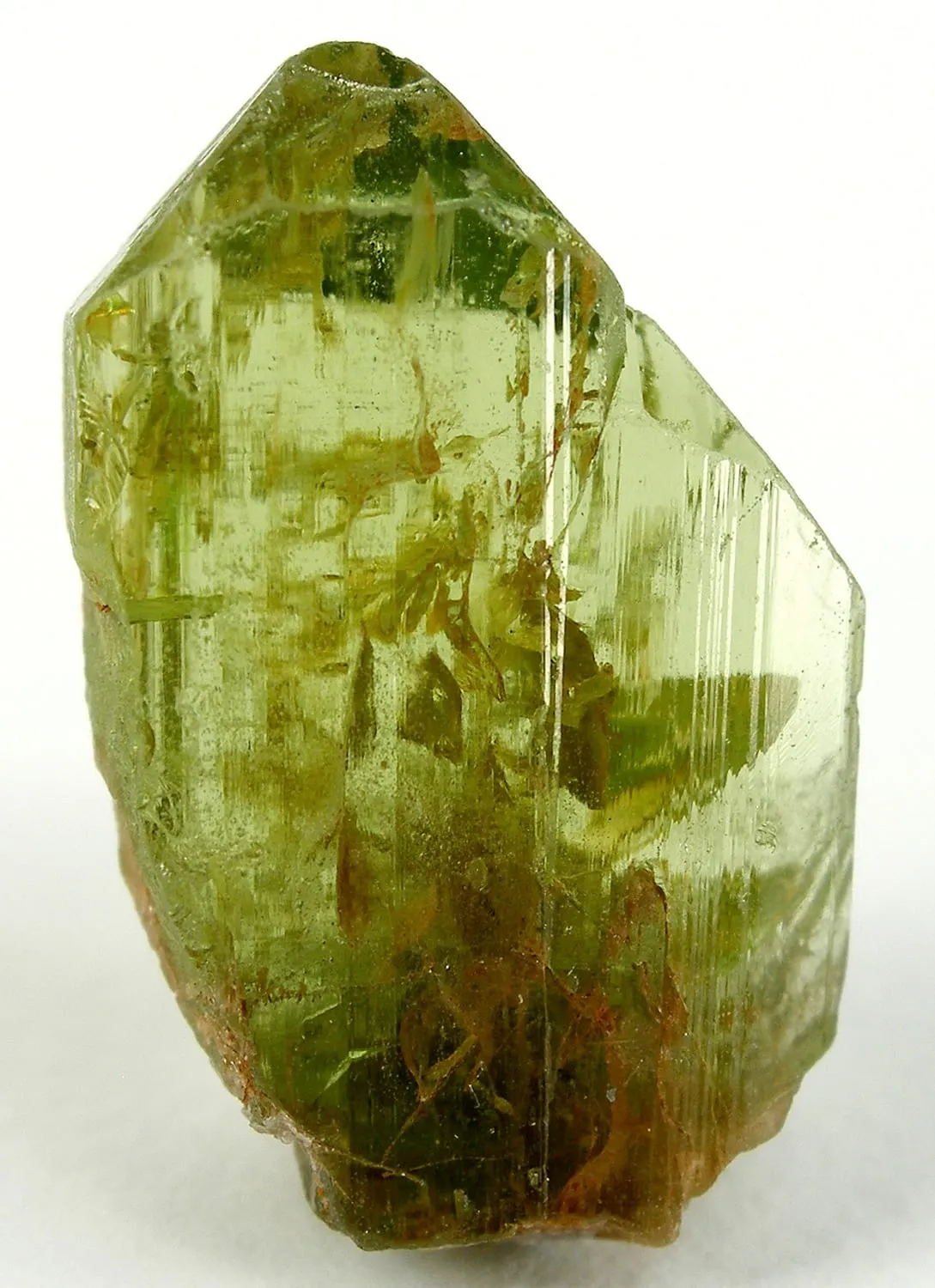
The olive-green mineral that makes up much of Earth’s upper mantle; its clear, gem-quality crystals are called peridot.
Also known as: Peridot (gem-quality olivine) · Chrysolite (old name)
- Gemstone
- Industrial
In short
Olivine is a green mineral made of magnesium, iron, silicon and oxygen. Most of the upper mantle, far beneath our feet, is made of olivine. Volcanoes sometimes bring it to the surface, and its clear, attractive crystals are used in jewellery as peridot.
How does it form?
Olivine is one of the first minerals to crystallise from magnesium-rich, silica-poor magmas, so it is common in dark rocks such as basalt and gabbro. Rocks very rich in olivine are called peridotite, and those made almost entirely of it are called dunite. Because most of the upper mantle is peridotite, olivine is one of the most abundant minerals on Earth.
Olivine is really a group rather than a single mineral: the magnesium end member is forsterite and the iron end member is fayalite. Most natural olivine is magnesium-rich; as the iron content rises, the colour darkens and the mineral becomes heavier.
What is it used for?
- Industry: Because it withstands high temperatures, it is used as a refractory material and as moulding sand in foundries, and steelworks use it as a substitute for dolomite. Norway is Europe’s main source of industrial olivine.
- Gemstone: Clear green olivine is called peridot.
- Research: Scientists are studying whether crushed olivine could slowly lock up carbon dioxide from the air.
Green beaches
Olivine breaks down easily at Earth’s surface, but on volcanic islands grains freshly eroded from lava can collect along the shore. That is why the sand of Papakōlea Beach in Hawaii is green.
How to recognise it
- 1
In dark volcanic rocks such as basalt it appears as bottle-green, glassy grains or clusters of grains.
- 2
It scratches glass (hardness 6.5–7), has no prominent cleavage and breaks along curved, shell-like surfaces.
- 3
It weathers easily: grains that have been exposed for a long time are often coated with a rusty brown crust.
- 4
In a cut peridot, strong double refraction makes the back facet edges look doubled under a loupe. Certain identification needs a gem laboratory.
Fakes and imitations
What shops usually don’t tell you:
- Green glass (bottle glass or slag) may be sold as olivine or peridot. Glass may contain round air bubbles and shows no double refraction.
- “Evening emerald” is an old trade name for peridot; the stone is not an emerald.
- The name “chrysolite” has historically been used for many different yellowish-green stones, so a stone sold under that name is not automatically olivine.
Did you know?
The word “topaz” comes from Topazios, the old Greek name of Zabargad Island in the Red Sea, where peridot was mined. The stone called topaz in antiquity was most likely what we now call olivine.
Olivine also turns up in meteorites: in the stony-iron meteorites called pallasites, olivine crystals sit embedded in iron–nickel metal.
Where is it found?
Loading map…
- Zabargad (St John's Island), Red Sea, Egypt · Historic sourceIsland famous since antiquity for large, clear peridot crystals
- Peridot Mesa, San Carlos, Arizona, USA · Major depositMantle-derived olivine nodules in basalt; an important source of peridot
- Åheim, Sunnmøre, Norway · Major depositEurope's main source of industrial olivine (dunite)
- Papakōlea Beach, Hawaii, USA · Known localityOlivine grains eroded from lava turn the sand green
Locations are approximate to protect sites. Red dots mark places in Türkiye. Open in the big map →
Varieties

Sources
- Handbook of Mineralogy: Forsterite · Mineralogical Society of America
- Handbook of Mineralogy: Fayalite · Mineralogical Society of America
- Peridot Description · GIA
External links
Draft: awaiting expert reviewReport an error ↗
On the same step
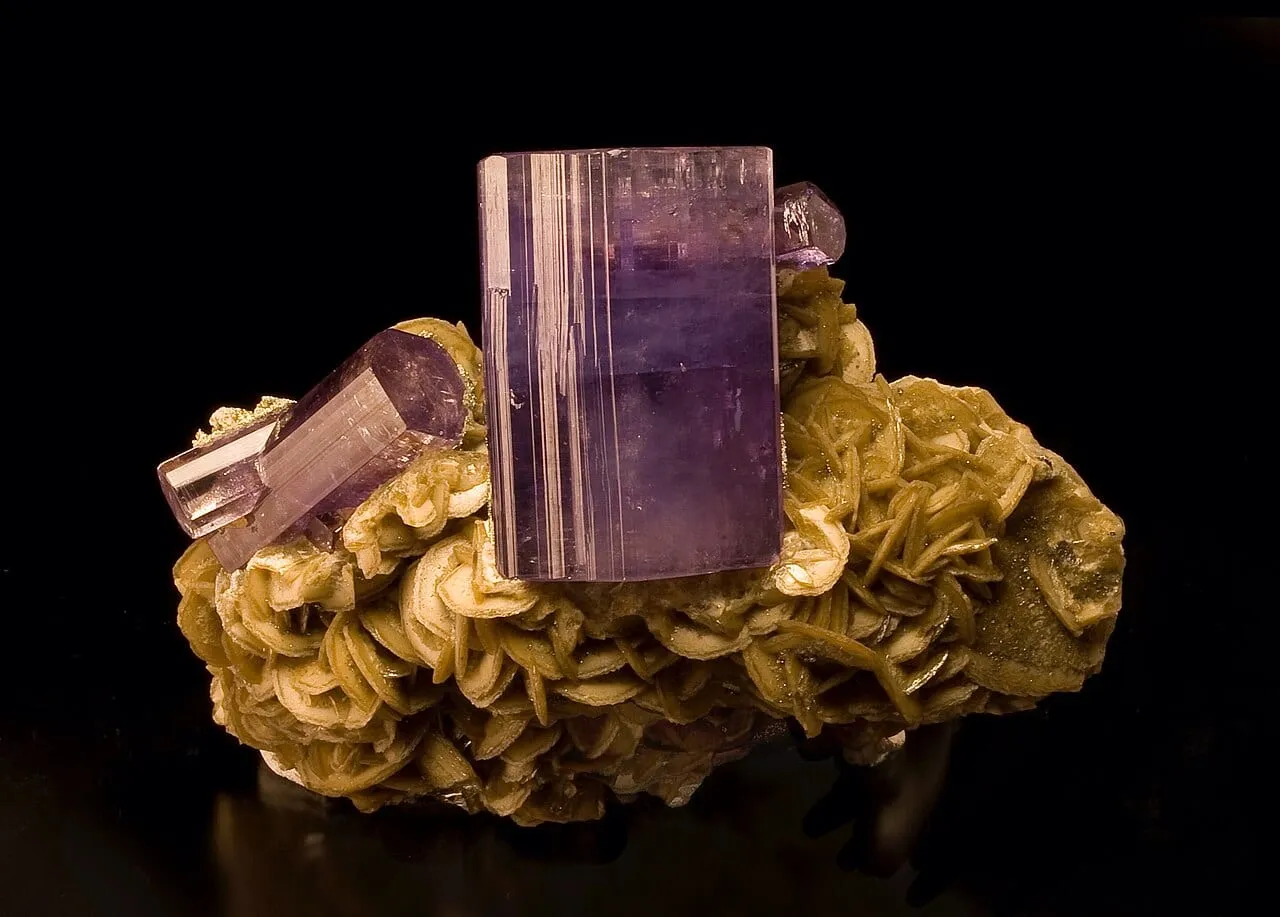
Apatite
A mineral cousin of our teeth and bones, the source of the phosphorus in fertilisers, and number 5 on the Mohs scale.
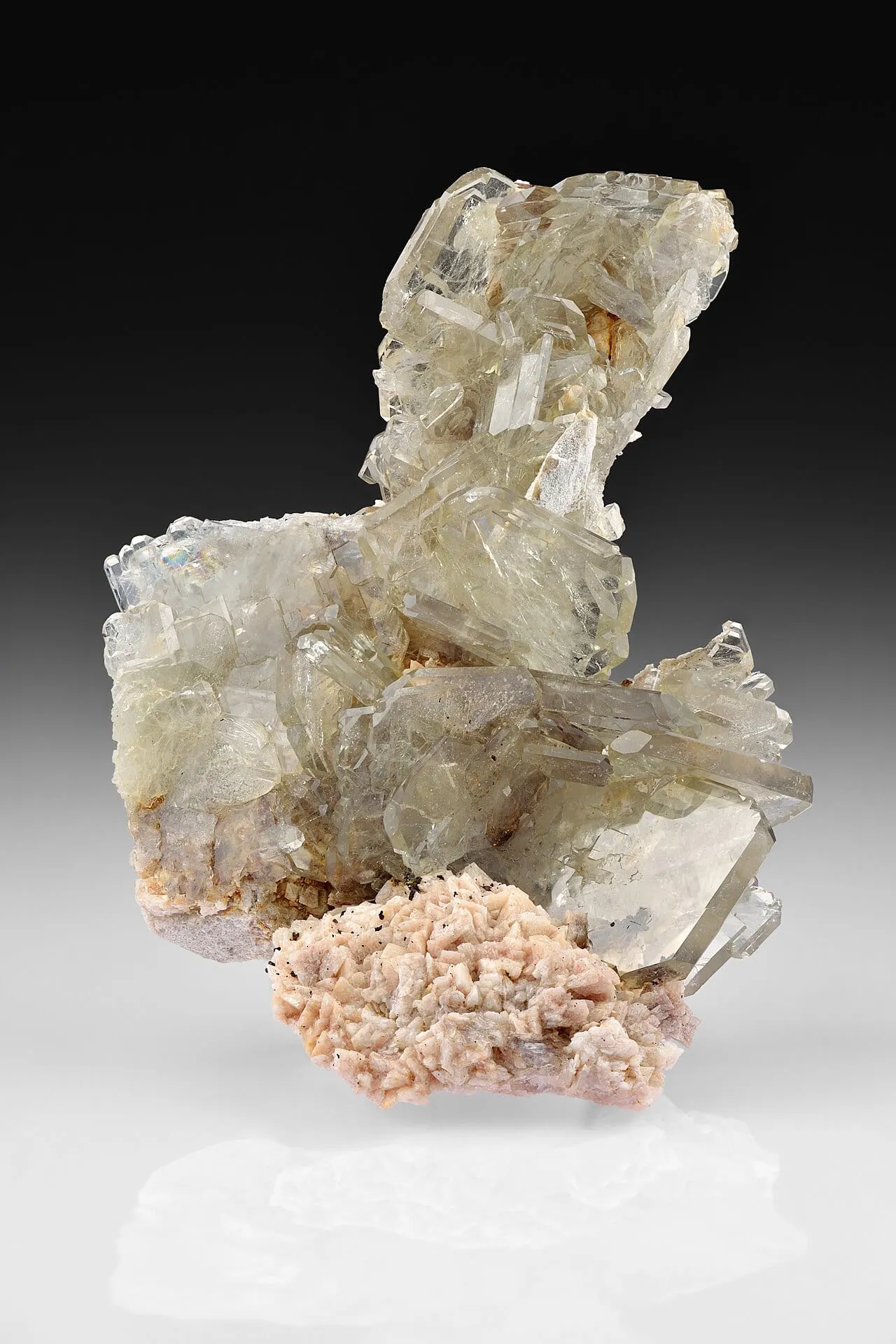
Baryte
A pale barium mineral that feels surprisingly heavy in the hand; even its name comes from the Greek word for heavy.
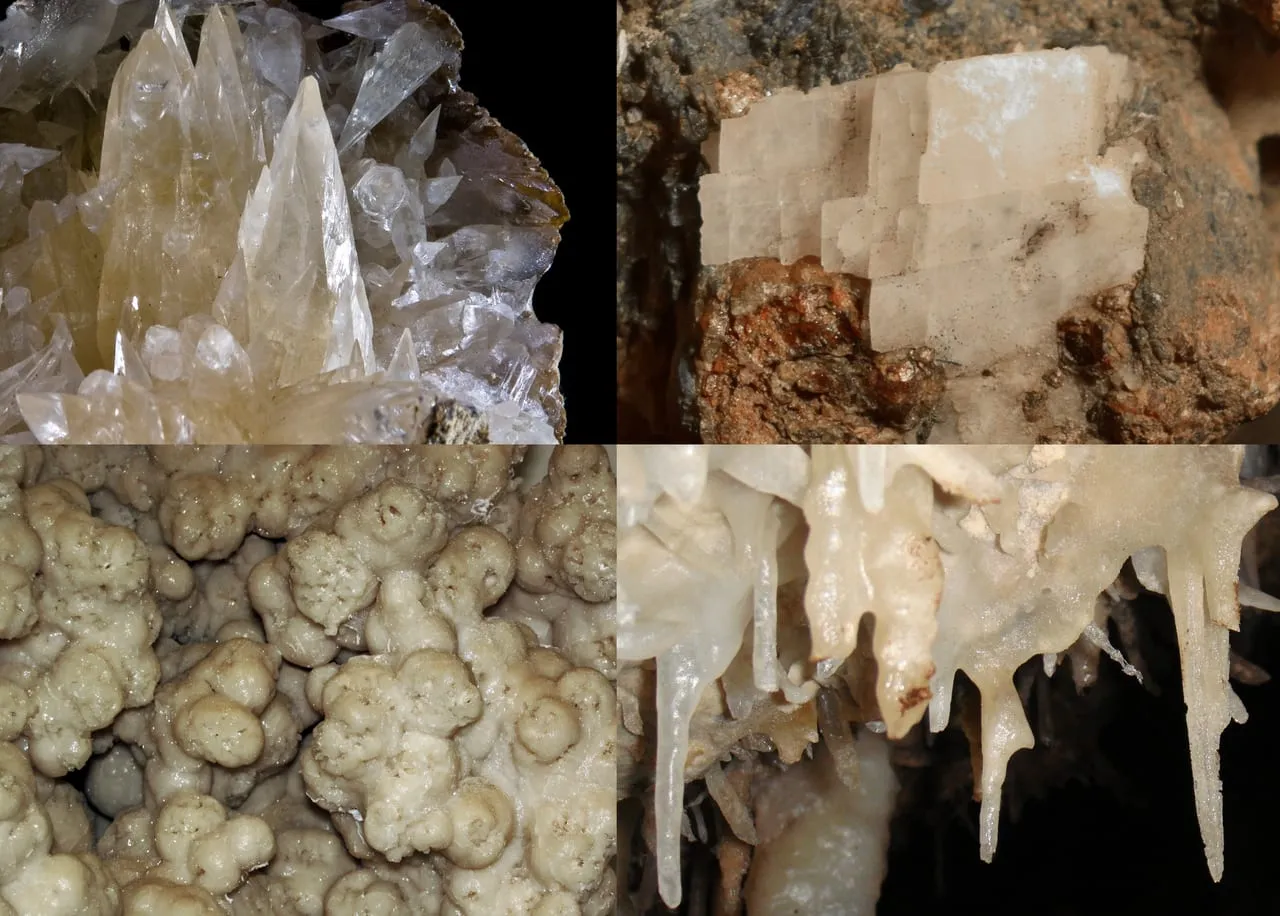
Calcite
The main mineral of limestone, marble and cave stalactites: it fizzes in acid, and its clear crystals show everything double.