VarietyA variety of Opal
Wood opal
SiO₂·nH₂OAğaç opali
Petrified wood in which opal has taken the place of the wood: grain and growth rings still show in the stone, usually in yellowish or brownish tones.
Also known as: Xylopal · Opalized wood · Opalized petrified wood
- Popularly: Semi-precious stone
In short
Wood opal is a kind of petrified wood: the tissue of a buried tree has been replaced, partly or completely, by opal, the water-bearing silica with no crystal structure. The stone therefore keeps the shape, fibres and growth rings of the tree. Most wood opal is yellowish or brownish common opal with no play-of-colour; in a few places, such as Virgin Valley in Nevada, precious opal flashing with rainbow colours replaces the wood. In Türkiye it is found around Zile in Tokat Province.
Photos
How does it form?
Wood opal forms when the tissue of a tree buried in soil or volcanic ash is replaced by silica. Groundwater carrying dissolved silica seeps into the buried wood; the silica is deposited in its pores and cells and in time takes the place of the organic matter. If the silica stays as a water-bearing, glassy substance instead of crystallising, the result is wood opal; if chalcedony or quartz forms instead, ordinary petrified wood results. Because the silica copies the structure of the wood step by step, the stone keeps the tree’s fibres and growth rings.
In Virgin Valley, Nevada, silica-rich water from the area’s hot springs seeped into volcanic ash and replaced buried trees. In this deposit precious opal often filled rotten, hollowed parts of the wood; the cavities are thought to have been caused by a fungal disease. The green wood opal of West Java in Indonesia, according to laboratory studies, consists mostly of opal-CT, a form of opal close to crystalline but poorly ordered.
What is it used for?
- Jewellery: Wood opal is mostly used as an ornamental stone, cut as cabochons (domed, polished stones) for pendants and rings. Because it is porous, it may be stabilised with resin before polishing.
- Collecting: Pieces that show both the texture of the wood and the glow of opal are sought by collectors as both mineral and fossil specimens.
- Science: Opalised wood and other opalised fossils are studied to understand when and how opal forms.
Where is it found?
The best-known source is Virgin Valley in Nevada, USA, where most of the precious opal has partly replaced wood. In Australia, the opal fields of Lightning Ridge in New South Wales and Yowah in Queensland also yield wood opal. In Hungary, the Tokaj-Hegyalja region has been known for its opalised trees since the 19th century. In the Garut area of West Java, Indonesia, a green wood opal has been found in recent years.
In Türkiye
Tokat Province is known for its ornamental stone deposits; a scientific study published in 2020 lists wood opal among the province’s ornamental stones, alongside chrysoprase, agate, amethyst and opal. According to news reports, the wood opal from Zile district is partly vivid green and partly brown, its colour changing with the grain of the wood. The stone is worked into necklaces, earrings and prayer beads at an ornamental stone workshop opened in Tokat.
What determines its value?
The value of wood opal depends above all on whether it shows play-of-colour: pieces in which precious opal with rainbow flashes has replaced the wood are the most sought after, while common wood opal without play-of-colour is an ornamental stone. How clearly the wood texture shows, the liveliness of the colour, the size of the piece and freedom from cracks also matter. Treatments such as resin impregnation and doublets affect value and should be disclosed.
This information is educational, not buying, selling or investment advice. Value varies enormously with quality and treatment.
How to recognise it
- 1
It keeps the shape and texture of wood: fibres, growth rings and traces of bark can often be seen in the stone.
- 2
It is usually yellowish or brownish; in some pieces the opal glows as a band or vein, and rarely rainbow flashes (play-of-colour) appear.
- 3
It is lighter and softer than wood petrified by quartz: its specific gravity is about 2.0–2.5 and its hardness 5.5–6.5, while wood petrified by chalcedony and jasper has a specific gravity of about 2.6–2.9.
- 4
Whether a piece is opal or chalcedony can only be settled for certain by laboratory tests (for example X-ray diffraction).
Fakes and imitations
What shops usually don’t tell you:
- Resin impregnation: the wood fibres in wood opal can stay porous, so the stone does not take a good polish; according to the jewellery trade magazine JCK, all American wood opal is treated with resin so that the surface can be polished evenly. The treatment should be disclosed by the seller.
- Doublets: thin slices of precious wood opal from Virgin Valley are often glued onto a black backing stone; such assembled stones should be sold openly as doublets.
Myths and misconceptions
MythWood opal is found only in the Zile district of Tokat, Türkiye.
FactSome news reports say so, but wood opal occurs in many places, including Virgin Valley in Nevada, the Australian opal fields, Hungary and Indonesia; Zile is one of them.
MythAll petrified wood is wood opal.
FactIn most petrified wood the wood has been replaced by chalcedony, jasper or quartz; opal is less common. Wood petrified by opal is lighter and softer.
MythLike opal, wood opal flashes with rainbow colours.
FactMost wood opal is yellowish or brownish common opal with no play-of-colour. Pieces in which precious opal with play-of-colour has replaced the wood come from only a few places, such as Virgin Valley.
Did you know?
Most of the precious opal from Virgin Valley in Nevada is opal that has partly replaced wood; the black fire opal found in the area is Nevada’s official gemstone.
The Hungarian Pallas Encyclopaedia, published at the end of the 19th century, records that around Megyaszó in Tokaj-Hegyalja not only thick tree trunks but thin branches, leaves and even fruits were found turned to opal.
According to a 2026 study of green wood opal from West Java, Indonesia, its green colour comes from tiny grains of the green minerals glauconite or celadonite scattered through the opal.
Where is it found?
Loading map…
- Virgin Valley, Humboldt County, Nevada, USA · Major depositMost of the precious opal here is partial replacement of wood; among the most sought-after American opals
- Lightning Ridge (Coocoran opal fields), New South Wales, Australia · Known locality
- Yowah opal field, Paroo Shire, Queensland, Australia · Known locality
- Megyaszó area, Tokaj-Hegyalja, Hungary · Historic sourceThe late 19th-century Hungarian Pallas encyclopaedia records opalised branches, leaves and even fruits here as well as thick trunks
- Garut, West Java, Indonesia · Known localityGreen wood opal found in recent years
- Zile, Tokat, Türkiye · Known localityWood opal in green and brown tones; worked into jewellery and prayer beads in Tokat
Locations are approximate to protect sites. Red dots mark places in Türkiye. Open in the big map →
Frequently asked questions
What is wood opal?
Wood opal is a kind of petrified wood: the tissue of a buried tree has been replaced, partly or completely, by opal, the water-bearing silica with no crystal structure. The stone therefore keeps the shape, fibres and growth rings of the tree. Most wood opal is yellowish or brownish common opal with no play-of-colour; in a few places, such as Virgin Valley in Nevada, precious opal flashing with rainbow colours replaces the wood. In Türkiye it is found around Zile in Tokat Province.
What is wood opal used for?
Jewellery: Wood opal is mostly used as an ornamental stone, cut as cabochons (domed, polished stones) for pendants and rings. Because it is porous, it may be stabilised with resin before polishing. Collecting: Pieces that show both the texture of the wood and the glow of opal are sought by collectors as both mineral and fossil specimens. Science: Opalised wood and other opalised fossils are studied to understand when and how opal forms.
How hard is wood opal?
It has a hardness of 5.5–6.5 on the Mohs scale. It can scratch glass; a steel knife scratches it only with difficulty. Its specific gravity is 1.98–2.5 g/cm³.
Where is wood opal found?
Its best-known localities: Virgin Valley, Humboldt County, Nevada, USA; Megyaszó area, Tokaj-Hegyalja, Hungary; Lightning Ridge (Coocoran opal fields), New South Wales, Australia; Yowah opal field, Paroo Shire, Queensland, Australia; Garut, West Java, Indonesia.
Where is wood opal found in Türkiye?
Known localities in Türkiye: Zile, Tokat, Türkiye.
How can you tell if wood opal is real?
It keeps the shape and texture of wood: fibres, growth rings and traces of bark can often be seen in the stone. It is usually yellowish or brownish; in some pieces the opal glows as a band or vein, and rarely rainbow flashes (play-of-colour) appear. It is lighter and softer than wood petrified by quartz: its specific gravity is about 2.0–2.5 and its hardness 5.5–6.5, while wood petrified by chalcedony and jasper has a specific gravity of about 2.6–2.9. Resin impregnation: the wood fibres in wood opal can stay porous, so the stone does not take a good polish; according to the jewellery trade magazine JCK, all American wood opal is treated with resin so that the surface can be polished evenly. The treatment should be disclosed by the seller.
Is wood opal valuable?
On the “street to diamond” value ladder it sits on step 5 of nine: Ornamental stone. The value of wood opal depends above all on whether it shows play-of-colour: pieces in which precious opal with rainbow flashes has replaced the wood are the most sought after, while common wood opal without play-of-colour is an ornamental stone. How clearly the wood texture shows, the liveliness of the colour, the size of the piece and freedom from cracks also matter. Treatments such as resin impregnation and doublets affect value and should be disclosed.
Family


Sources
- Opal (section: Wood opal) · Wikipedia
- Wood Opal · GemDat
- Wood opal (variety of opal) · Minerals.net
- Virgin Valley Opalized Wood (Gary Roskin) · JCK, 2003
- Tokat Yöresi Jasper Oluşumlarının Mineralojik-petrografik, Jeokimyasal Özellikleri ve Süstaşı Olarak Kullanılabilirliği (Arık, Özen & Alahdab), Niğde Ömer Halisdemir Üniversitesi Mühendislik Bilimleri Dergisi 9(1) · Konya Teknik Üniversitesi GCRIS, 2020
- Dünyada sadece Tokat'ta çıkıyor, milyonlarca yıllık taşın fiyatı altınla yarışıyor · Milliyet
- Dünyada sadece Tokat'ta çıkıyor, altından pahalı · Memurlar.net
- Opál (Pallas nagy lexikona) · Magyar Elektronikus Könyvtár
- Green Opalised Wood from West Java, Indonesia (Vigier, Gouzy, Rondeau & Fritsch), The Journal of Gemmology 40(1) · Gem-A (EBSCO record), 2026
- Petrified Wood (Fossilized Wood) · GemDat
- Virgin Valley (valley), Humboldt County, Nevada · TopoQuest
- Yowah, Queensland · Wikipedia
- Megyaszó · Wikipedia
- Garut Regency · Wikipedia
- Zile · Wikipedia
External links
Draft: awaiting expert reviewReport an error
On the same step
Agate
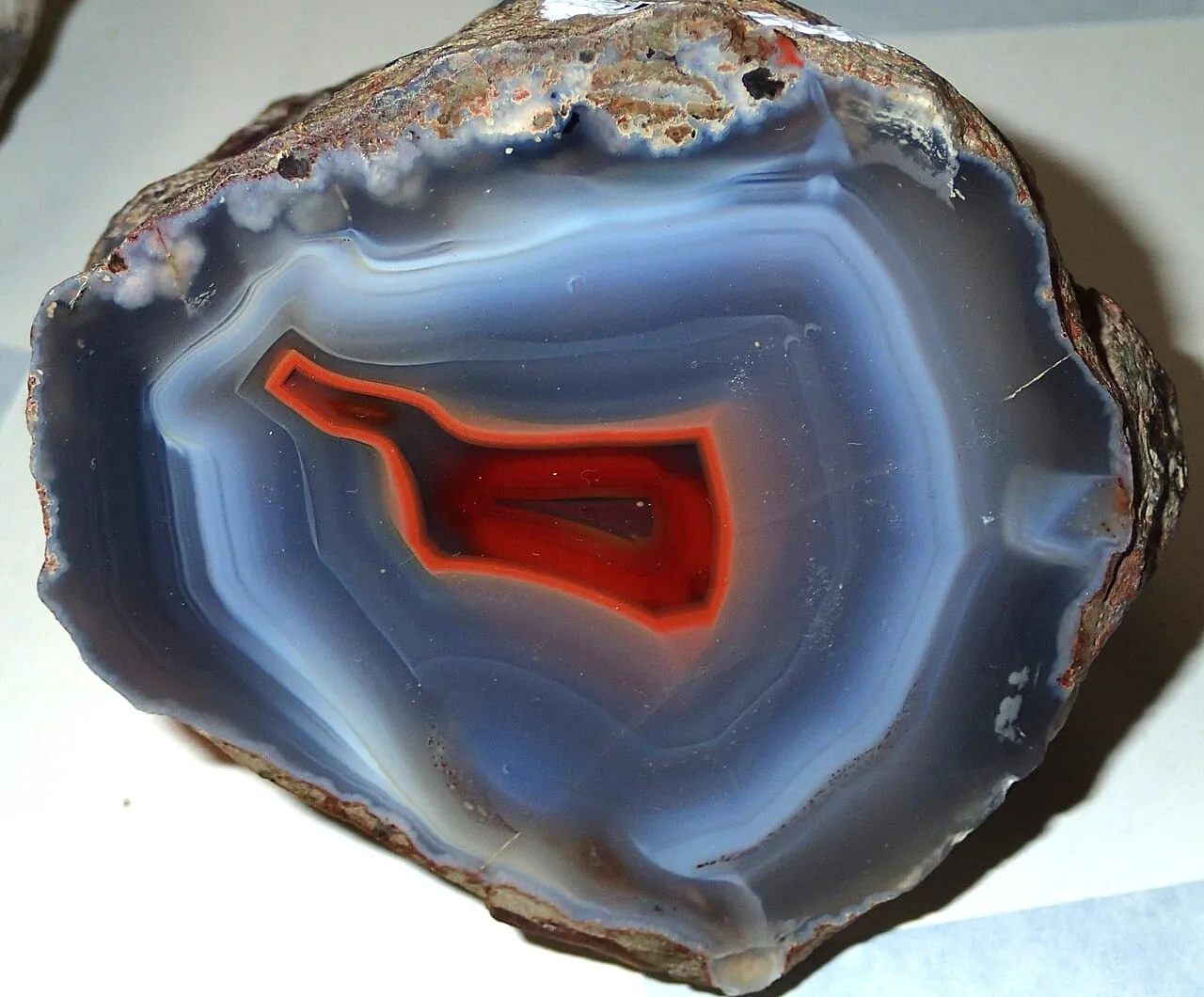
The banded variety of chalcedony: it grows layer by layer in hollows in volcanic rock and shows a new pattern every time it is cut.
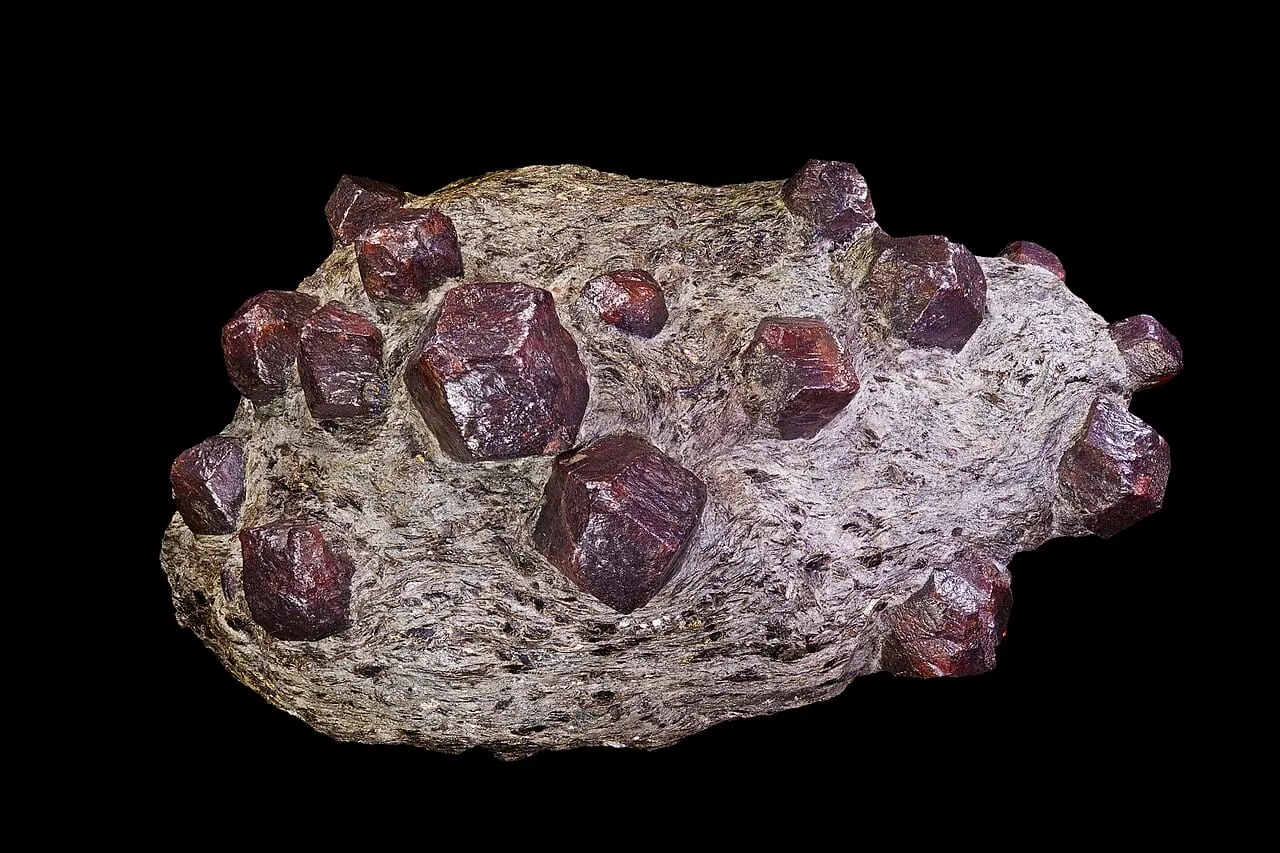
Almandine
The commonest garnet: a deep red, iron-rich stone named after the ancient city of Alabanda in Anatolia, used in jewellery and in sandpaper alike.
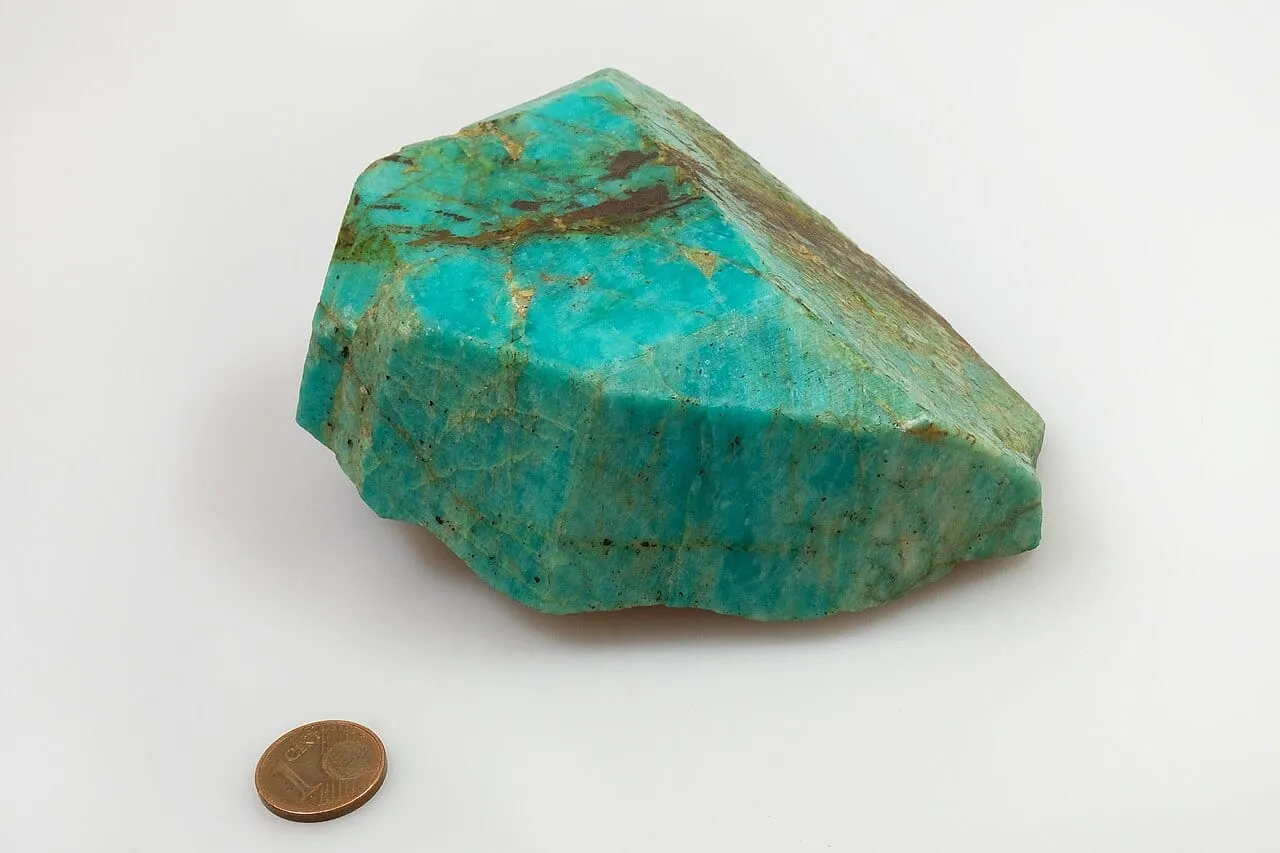
Amazonite
A turquoise-like green-blue feldspar: a variety of microcline worn as jewellery for more than three thousand years, but it can release lead.