Mineral
Meerschaum
Mg₄Si₆O₁₅(OH)₂·6H₂OLületaşıSepiolite
A white stone light enough to float when dry and soft enough to carve: meerschaum, the raw material of Eskişehir's famous pipes.
Also known as: Sepiolite (mineral name) · Sea-foam (literal meaning of the German name)
- Ornamental
- Important in Türkiye

In short
Meerschaum is a white, light, porous clay mineral containing magnesium and silicon, which mineralogists call sepiolite. When freshly dug and still damp it is soft and easy to carve. In Eskişehir, craftsmen turn it into pipes, prayer beads and ornaments.
Photos


How does it form?
Sepiolite is a clay mineral made of microscopic fibres that forms in magnesium-rich settings. Its crystal structure contains narrow channels that hold water molecules, which makes it very porous and light. It forms in sedimentary basins and in settings linked to serpentine-bearing rocks. Meerschaum is the compact, carvable form of sepiolite and occurs underground as nodules.
Eskişehir and meerschaum
Eskişehir’s meerschaum deposits have been known since antiquity. “Eskişehir Lületaşı” is a designation of origin registered in 1999 by the Turkish Patent Institute (today’s TÜRKPATENT) on the application of the Eskişehir Chamber of Industry; its geographical area is Eskişehir Province. Craftsmen clean the freshly mined stone, shape it with knives, dry it on shelves, rub it with damp cloth and polish it with beeswax-coated cloth. Its best-known products are pipes; prayer beads, necklaces and figurines are made too. In the 1970s Türkiye banned the export of raw block meerschaum, which helped concentrate carving in Eskişehir.
What determines its value?
According to the registration document, stones are graded by size, weight, colour, flaws, pores and veining: large, white, flawless and compact blocks are the most valuable. In a finished piece craftsmanship decides; finely carved figural pipes take the most work.
How to recognise it
- 1
It is very light; dry, porous pieces can float on water.
- 2
It is white or cream, dull and opaque. It is very soft (hardness 2–2.5), and a steel knife scrapes it easily.
- 3
Its porous structure soaks up water and the nicotine in tobacco smoke, which is why meerschaum pipes slowly turn yellowish-brown with use.
- 4
A piece carved from natural block meerschaum cannot always be told from pressed imitations by eye; ask an expert if in doubt.
Fakes and imitations
What shops usually don’t tell you:
- Pressed meerschaum: made by mixing meerschaum powder with a binder and pressing it in a mould. It is not the same as a piece carved from a natural block; ask the seller whether an item was carved from block meerschaum.
- White plastic and resin imitations: made in moulds, so the pieces are identical, and being non-porous they do not absorb moisture.
- “Eskişehir Lületaşı” is a registered designation of origin, so stone sold under this name must come from within Eskişehir Province. Sepiolite from other countries, such as Tanzania, may also be sold as meerschaum.
Did you know?
The German name “Meerschaum” means “sea foam”: the light, white, porous stone was compared to the foam of the sea.
According to the geographical indication document, raw meerschaum is sorted into seven main grades: sıramalı, birimbirlik, pamuklu, daneli, orta, dökme and cılız. Stones that have dried and hardened are put back into water to soften before carving.
Where is it found?
Loading map…
- Eskişehir, Türkiye · Major depositA famous meerschaum source known since antiquity. “Eskişehir Lületaşı” has been a registered designation of origin at TÜRKPATENT since 1999 (registration no. 26).
- Bettolino, Baldissero Canavese, Piedmont, Italy · Type localityLocality of the material first named “sepiolite” (1847)
- Vallecas, Madrid, Spain · Major depositIndustrial sepiolite deposits
- Near Lake Amboseli, Kenya · Known locality
Locations are approximate to protect sites. Red dots mark places in Türkiye. Open in the big map →
Sources
- Handbook of Mineralogy: Sepiolite · Mineralogical Society of America
- Eskişehir Lületaşı — Coğrafi İşaret Tescil Belgesi (No. 26) · TÜRKPATENT, 1999
External links
Draft: awaiting expert reviewReport an error ↗
On the same step
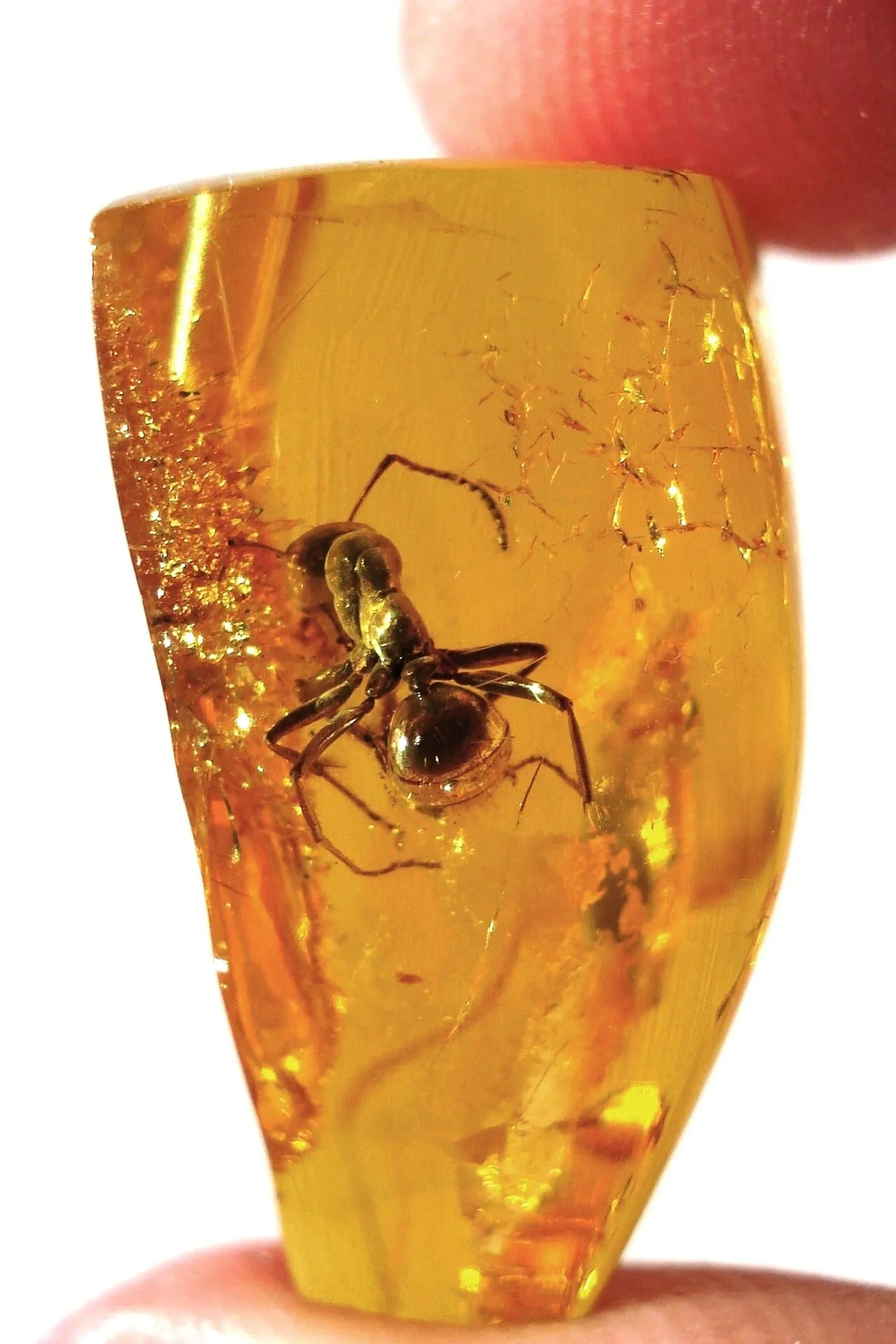
Amber
Tree resin fossilised over millions of years: a light, warm organic gem that sometimes holds prehistoric insects.
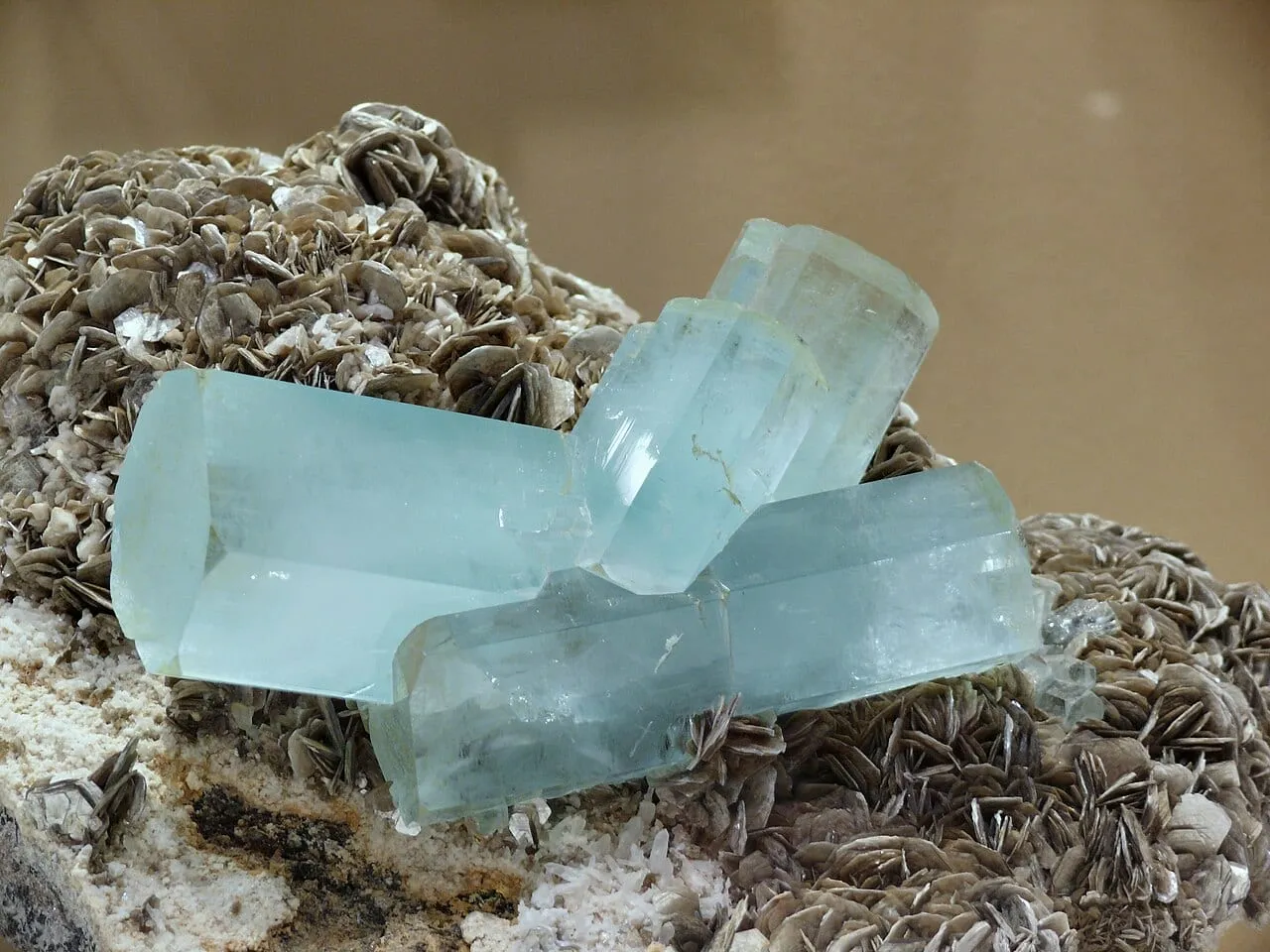
Aquamarine
The blue member of the beryl family, named after seawater: often found as large, clear, nearly flawless crystals.
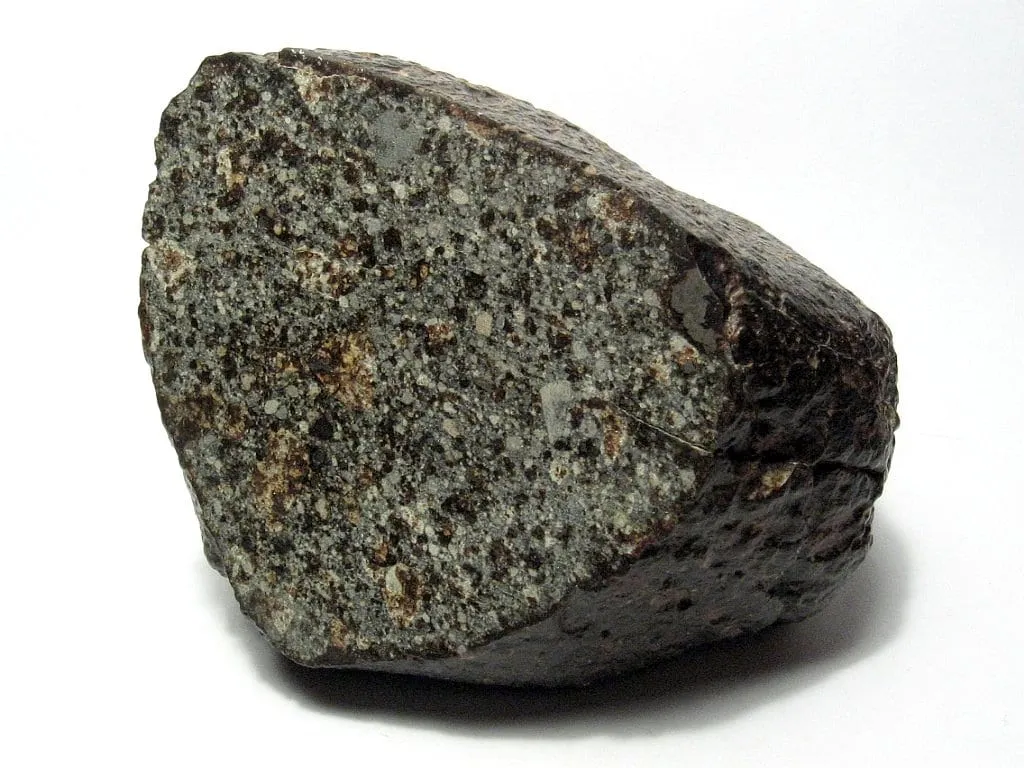
Chondrite
A leftover from the birth of the Solar System, full of tiny once-molten droplets, and the commonest kind of meteorite to fall to Earth.