Mineral
Quartz
SiO₂Kuvars
The common root of sand, glass and amethyst — one of the most abundant minerals in Earth’s crust.
Also known as: Rock crystal (colourless quartz)
- Everyday
- Ornamental
- Industrial
- Mohs scale mineral

In short
Quartz is a hard mineral made of silicon and oxygen. Most beach sand is made of quartz grains. Pure quartz is as clear as water; tiny amounts of other substances and natural radiation can colour it purple, yellow, pink or smoky.
How does it form?
Quartz forms in many different settings. It is one of the last minerals to crystallise as igneous rocks such as granite cool. Hot, silica-rich waters moving through cracks underground leave behind quartz veins, and precious metals such as gold are often found inside them.
Quartz is hard and chemically resistant, so it survives when rocks wear away: its grains are carried by rivers, pile up along shores and over time become sand and sandstone.
What is it used for?
- Glass: Quartz sand is the main raw material of glassmaking.
- Electronics: The piezoelectric effect of quartz controls frequencies in watches, phones and computers. Today mostly laboratory-grown quartz crystals are used for this.
- Silicon: High-purity quartz is the source of the silicon in solar panels and computer chips.
- Gemstones: Coloured varieties such as amethyst, citrine, rose quartz and smoky quartz are used in jewellery.
The colourful quartz family
Colourless quartz is called rock crystal. Purple quartz is amethyst, yellow-orange is citrine, pink is rose quartz and brownish-grey is smoky quartz. Chalcedony, agate and onyx are made of quartz crystals too small to see (microcrystalline quartz).
How to recognise it
- 1
It scratches glass, and a steel knife cannot scratch it (hardness 7).
- 2
It breaks along curved, shell-like surfaces instead of flat planes.
- 3
Crystals usually form a six-sided prism ending in a pointed tip.
- 4
It does not fizz in vinegar or dilute acid, which tells it apart from calcite.
Fakes and imitations
What shops usually don’t tell you:
- Glass: softer than quartz, may show round air bubbles inside and warms up faster in the hand.
- Laboratory-grown (synthetic) quartz is chemically identical to natural quartz; telling them apart needs expert testing.
Safety
Quartz is harmless to handle. However, the fine quartz dust (crystalline silica) created by cutting, grinding or sandblasting can cause silicosis, a permanent lung disease, when inhaled. Stoneworkers should use wet cutting and proper respiratory protection.
Did you know?
Squeezing a quartz crystal produces an electric charge (piezoelectricity). Quartz watches keep time with a tiny quartz crystal vibrating 32,768 times per second.
Where quartz sits in classification depends on the system: Nickel-Strunz places it among the oxides, Dana among the silicates.
Where is it found?
Loading map…
- Minas Gerais, Brazil · Major deposit
- Hot Springs, Arkansas, USA · Major deposit
- Swiss Alps · Historic source
Locations are approximate to protect sites. Red dots mark places in Türkiye. Open in the big map →
Varieties
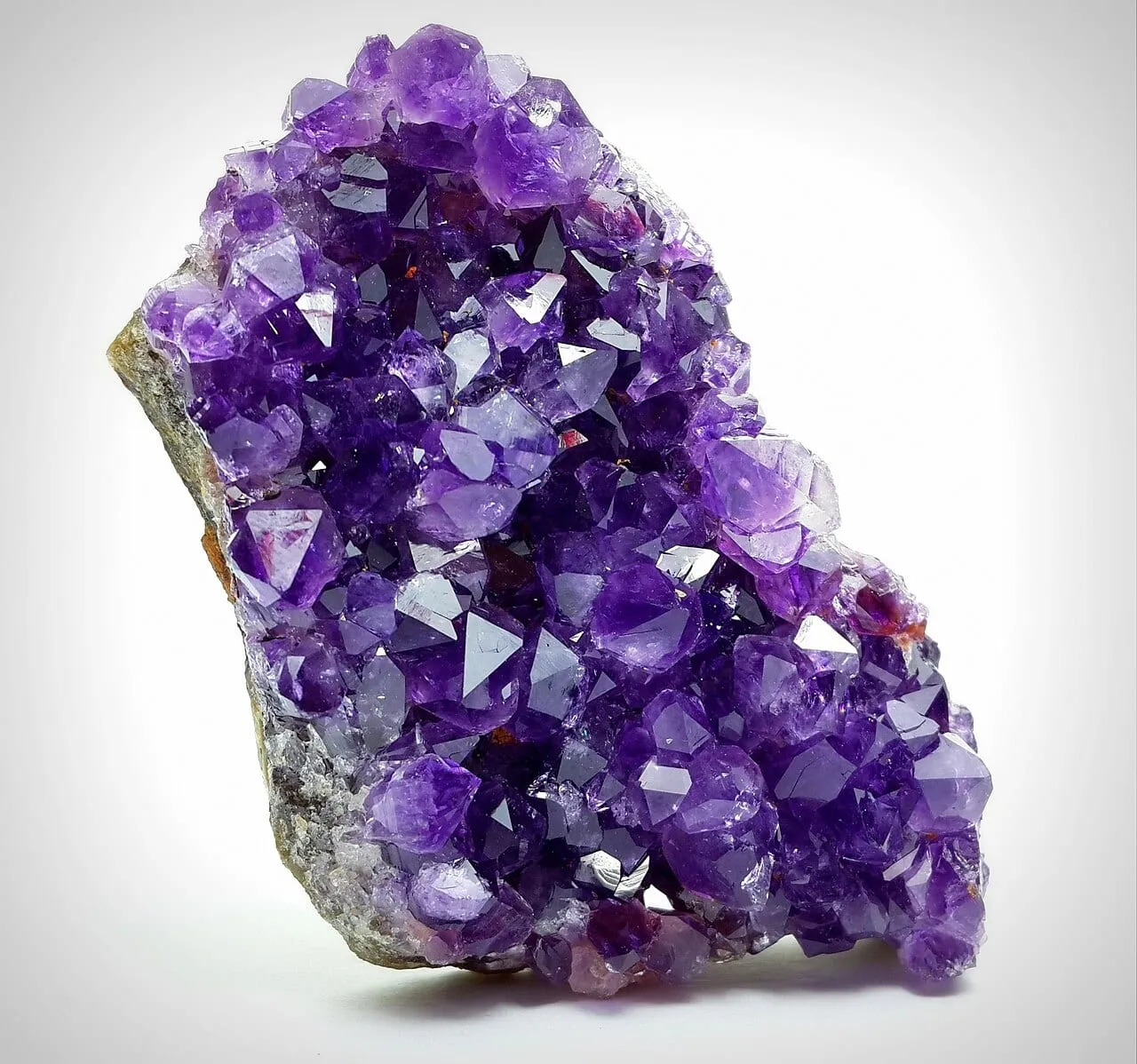
Amethyst
The purple variety of quartz, coloured by traces of iron working together with natural radiation.
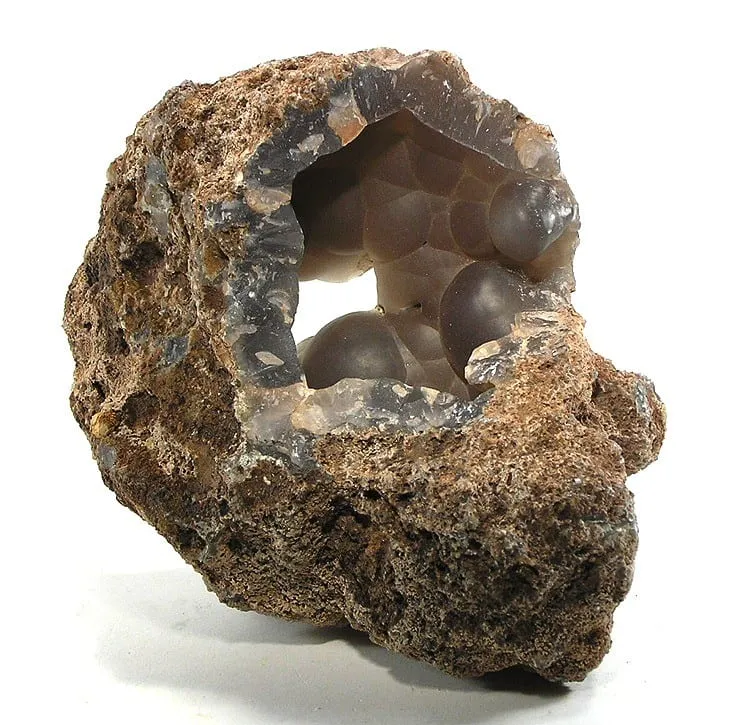
Chalcedony
A waxy-lustred stone made of quartz crystals far too small to see: the family name for agate, onyx and many other ornamental stones.
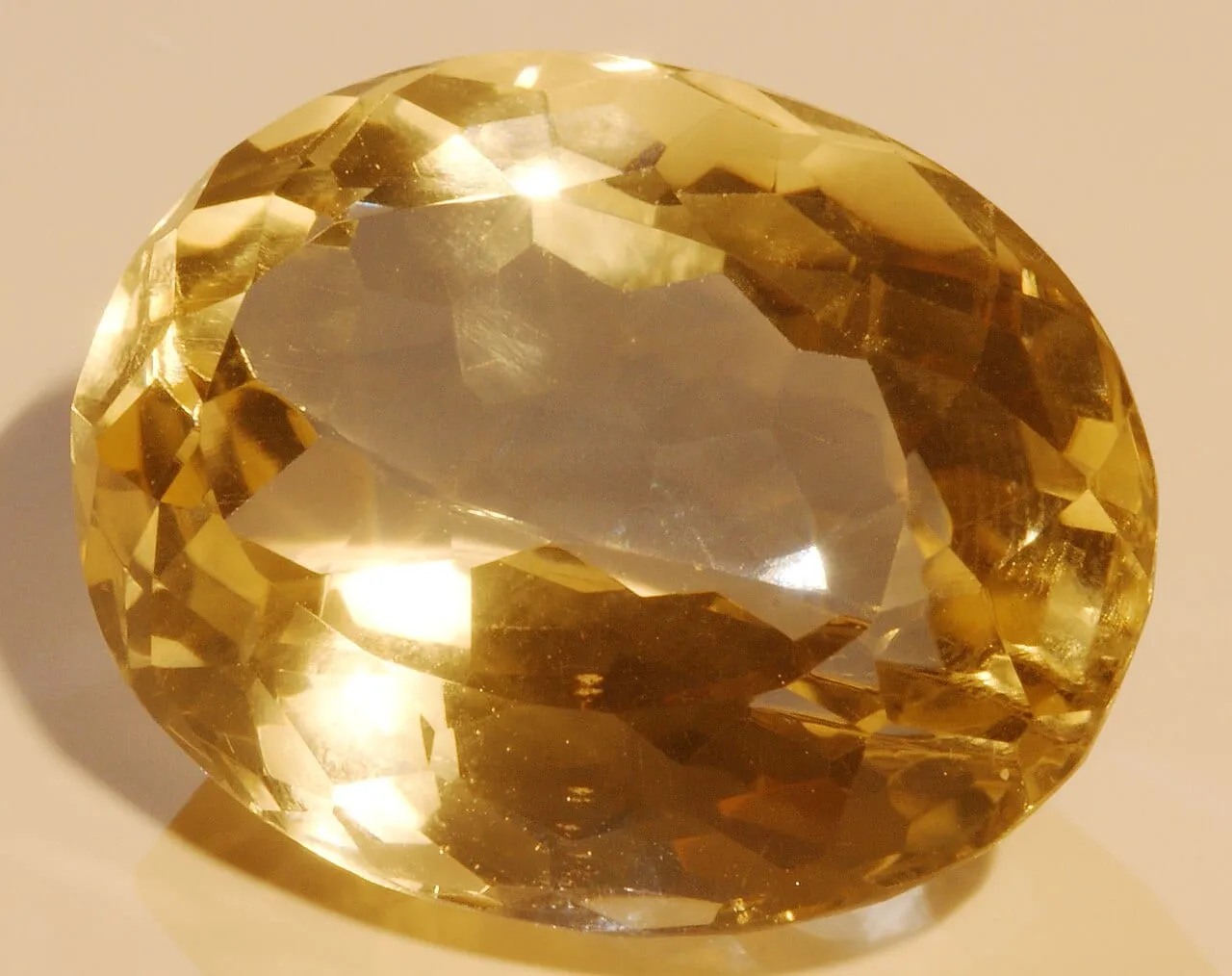
Citrine
The yellow to orange variety of quartz: rare in nature, so most of what is sold is heated amethyst.
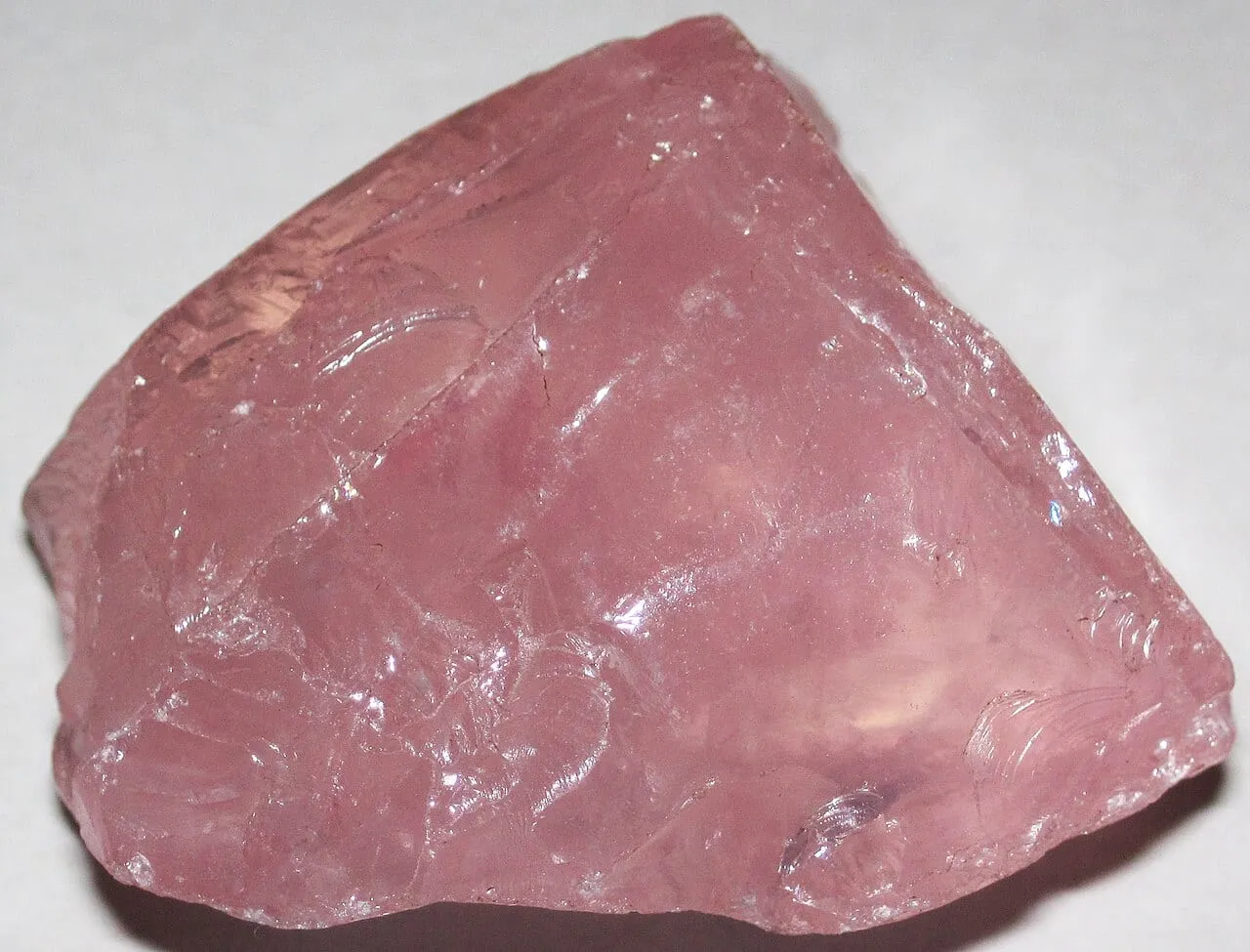
Rose quartz
The cloudy pink variety of quartz, coloured by fibres far too fine to see.
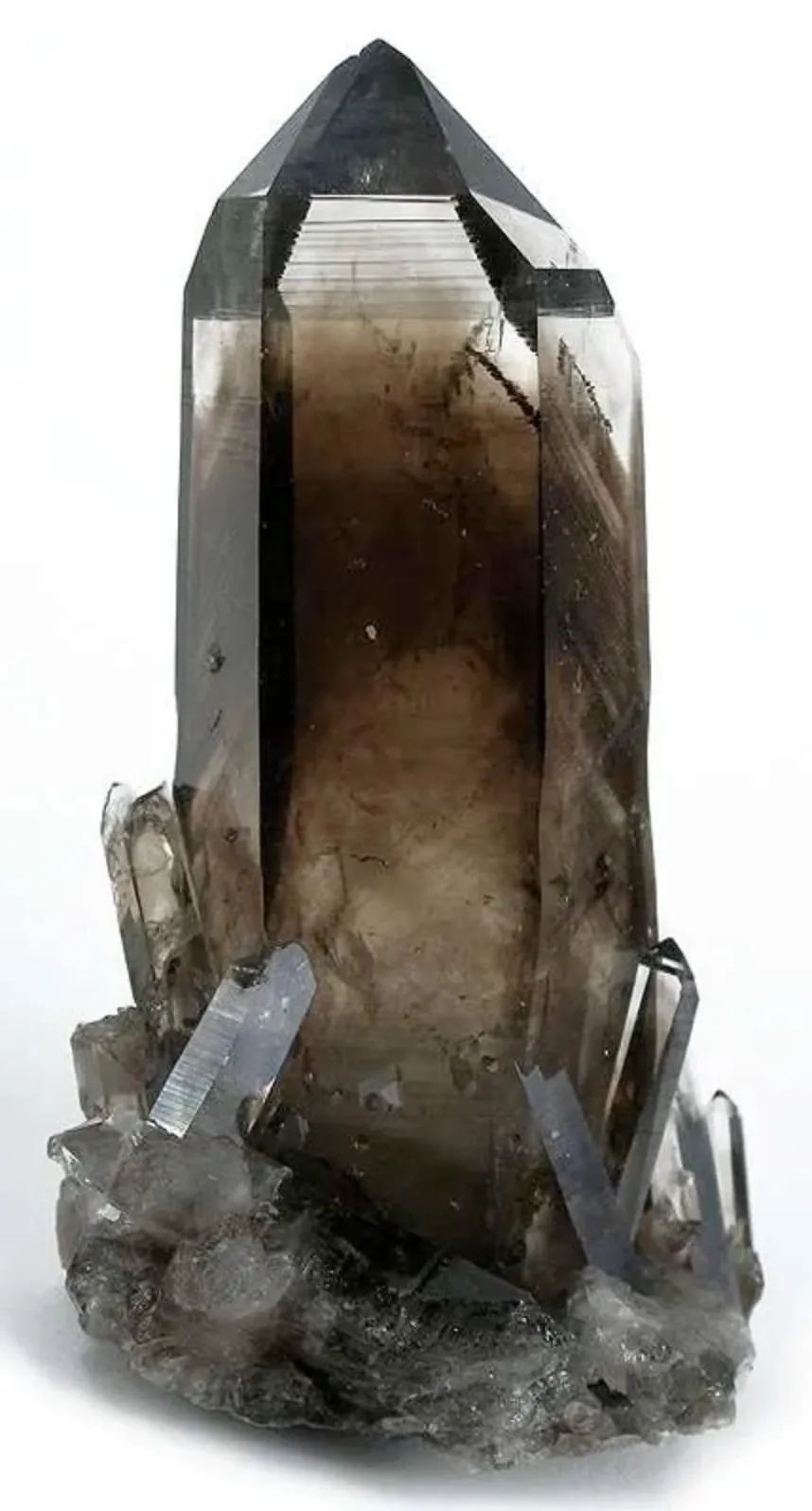
Smoky quartz
The brown-to-black variety of quartz, which owes its colour to natural radiation from the surrounding rocks.
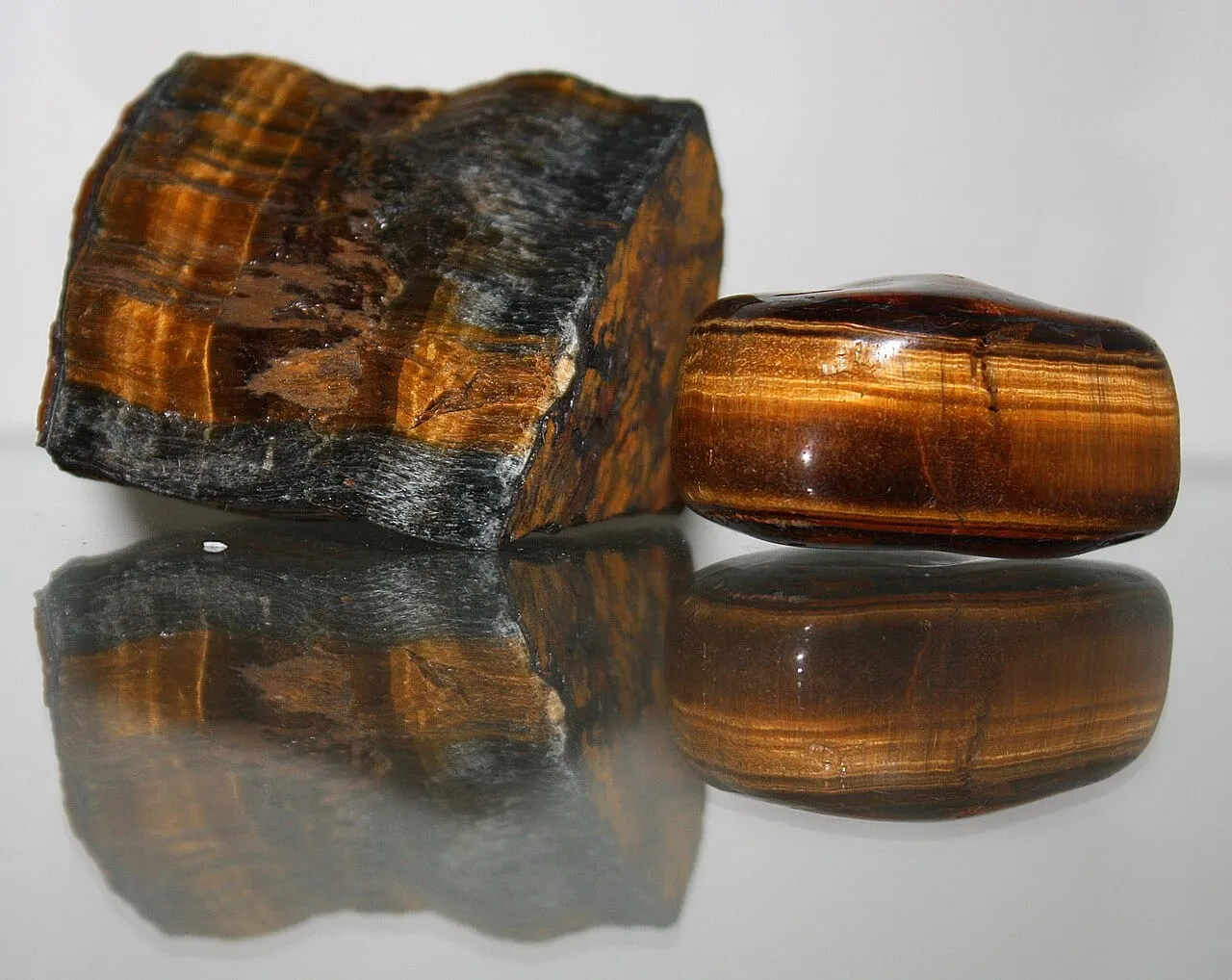
Tiger's eye
A golden-brown stone with a silky band of light gliding across it, born from quartz and fine asbestos fibres growing together.
Sources
- The New IMA List of Minerals (July 2026) · IMA–CNMNC, 2026
- Handbook of Mineralogy: Quartz · Mineralogical Society of America
External links
Draft: awaiting expert reviewReport an error ↗
On the same step
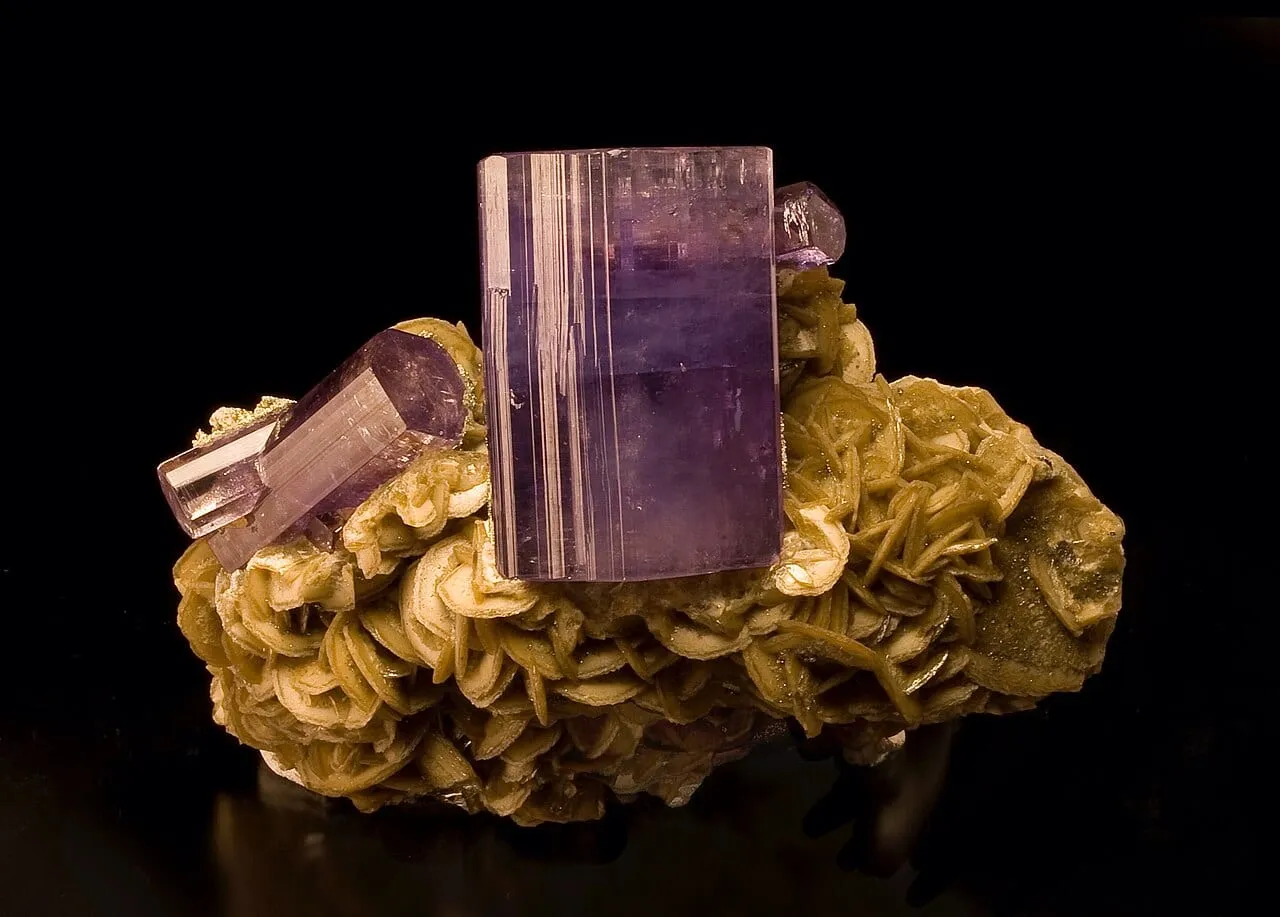
Apatite
A mineral cousin of our teeth and bones, the source of the phosphorus in fertilisers, and number 5 on the Mohs scale.
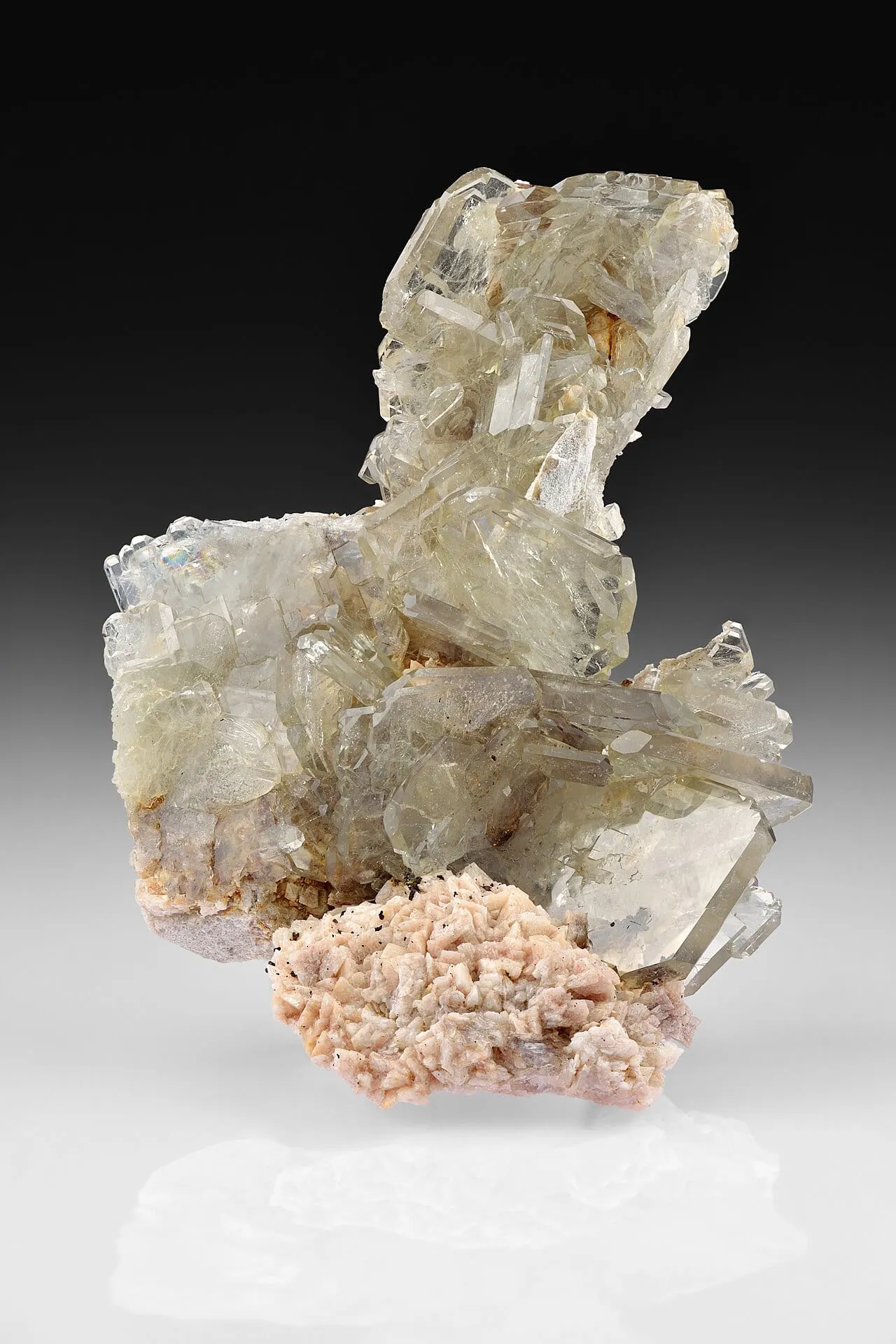
Baryte
A pale barium mineral that feels surprisingly heavy in the hand; even its name comes from the Greek word for heavy.
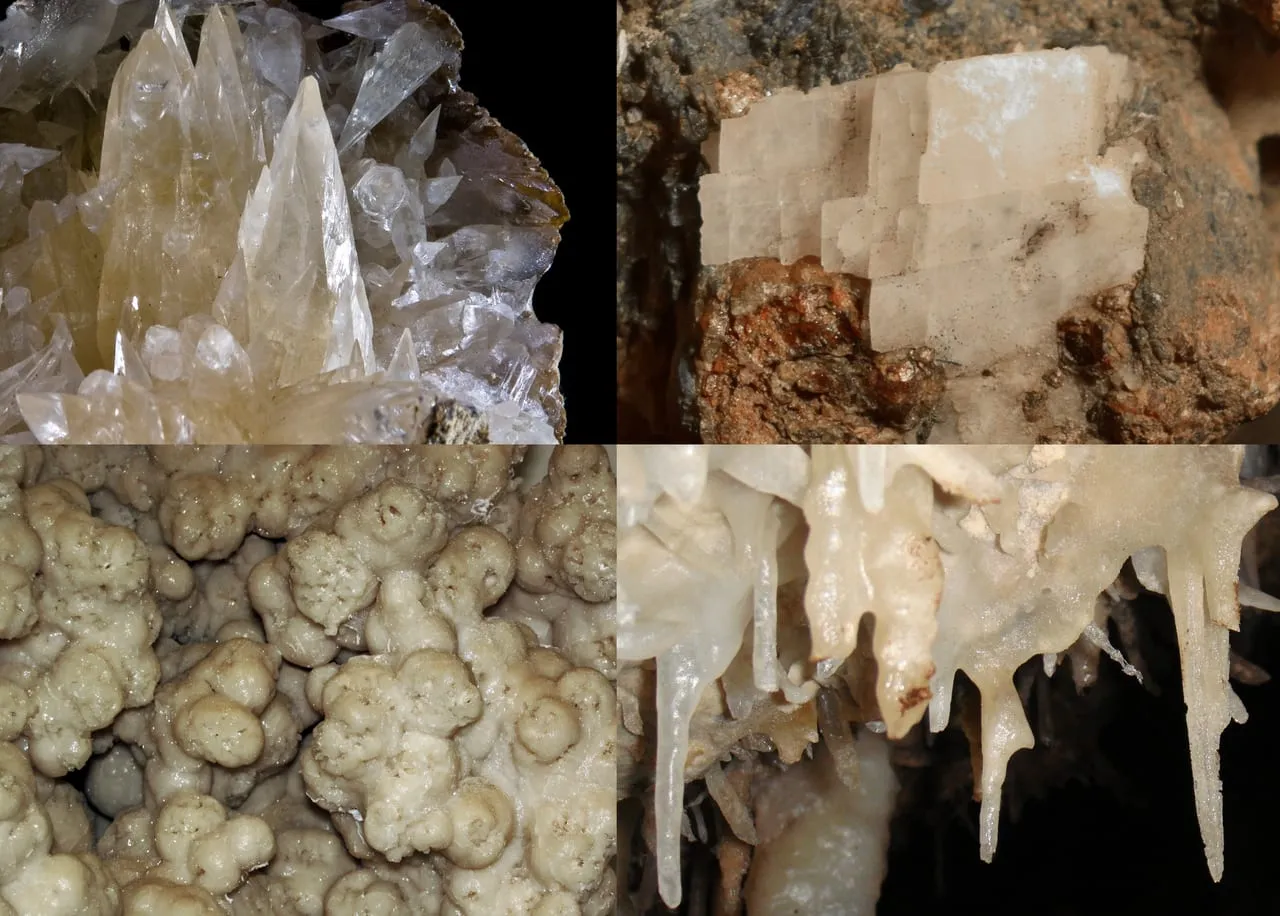
Calcite
The main mineral of limestone, marble and cave stalactites: it fizzes in acid, and its clear crystals show everything double.