Mineral
Biotite
K(Mg,Fe)₃AlSi₃O₁₀(OH,F)₂Biyotit
The shiny black flakes in granite: a dark mica that peels into thin sheets and can glitter like gold as it weathers.
Also known as: Black mica · Dark mica
- Everyday

In short
Biotite is a dark mica that contains iron and magnesium. Most of the small, black, shiny flakes in granite and many metamorphic rocks are biotite. Like its relative muscovite it splits into thin sheets, but it is black to dark brown.
How does it form?
Biotite is an important rock-forming mineral that forms under a wide range of conditions. It crystallises as magma cools in plutonic rocks such as granite and diorite, and it forms under heat and pressure in metamorphic rocks such as schist and gneiss. It is less common in volcanic rocks. Many of the black specks in granite are biotite; most of the rest are hornblende.
What happens when it weathers?
Biotite resists weathering less well than muscovite. As it meets water and air at the surface, its iron oxidises; the flakes turn bronze or golden and slowly change into vermiculite and clay minerals. Some of the bright yellow flakes that fool gold seekers are weathered biotite.
A mineral or a family?
Since the mica nomenclature report of the International Mineralogical Association (IMA), published in 1998, biotite has been used as a series (group) name rather than the name of a single species. It covers the dark micas between iron-rich annite and magnesium-rich phlogopite, together with their aluminium-rich relatives. In the field, dark micas that have not been chemically analysed are still called “biotite”.
How to recognise it
- 1
It forms black or dark brown, shiny flakes that a needle can split into thin sheets. A very thin sheet held up to the light looks brownish and semi-transparent.
- 2
Its sheets are flexible and spring back after bending, which tells it apart from dark minerals that do not flake, such as hornblende.
- 3
It is soft (hardness 2.5–3): a steel knife scratches it easily.
- 4
Weathered biotite flakes can shine bronze or golden, but they are light, crumble easily and do not flatten when pressed.
Fakes and imitations
What shops usually don’t tell you:
- Weathered, golden biotite flakes in stream beds can be mistaken for gold. Gold is very heavy and flattens when pressed; mica flakes are light and wash away easily when panning.
- A “biotite” label does not name a single mineral species: the name covers the dark micas between annite and phlogopite. Telling which species a specimen is needs chemical analysis.
- Vermiculite, which expands when heated and is used in gardening and heat insulation, is not biotite; it is a separate mineral that mostly forms when biotite and phlogopite weather.
Did you know?
It is named after the French physicist Jean-Baptiste Biot, one of the first to study the optical properties of micas.
Because biotite contains potassium, it is one of the minerals most often used to date rocks with the potassium–argon and argon–argon methods.
Where is it found?
Loading map…
- Vesuvius and Monte Somma, Campania, Italy · Known localityWell-formed crystals in volcanic ejecta
- Bancroft, Ontario, Canada · Known locality
- Miass, Ilmen Mountains, Southern Urals, Russia · Known locality
- Arendal, Norway · Known locality
Locations are approximate to protect sites. Red dots mark places in Türkiye. Open in the big map →
Sources
- Handbook of Mineralogy: Biotite · Mineralogical Society of America
- Nomenclature of the Micas (Rieder et al.), Clays and Clay Minerals 46: 586–595 · The Clay Minerals Society, 1998
- Biotite · Encyclopaedia Britannica
External links
Draft: awaiting expert reviewReport an error ↗
On the same step
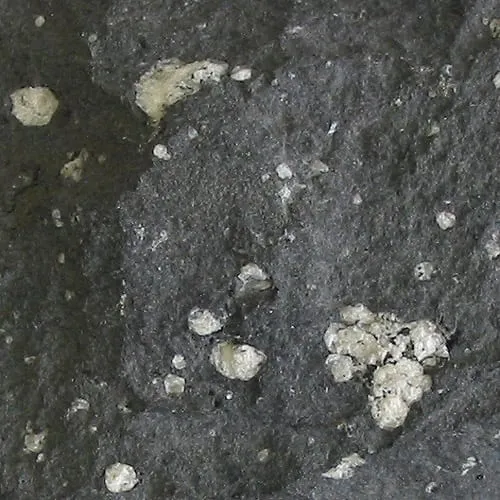
Andesite
The rock of volcanic arcs, named after the Andes — and the pink-grey stone of Ankara Castle.
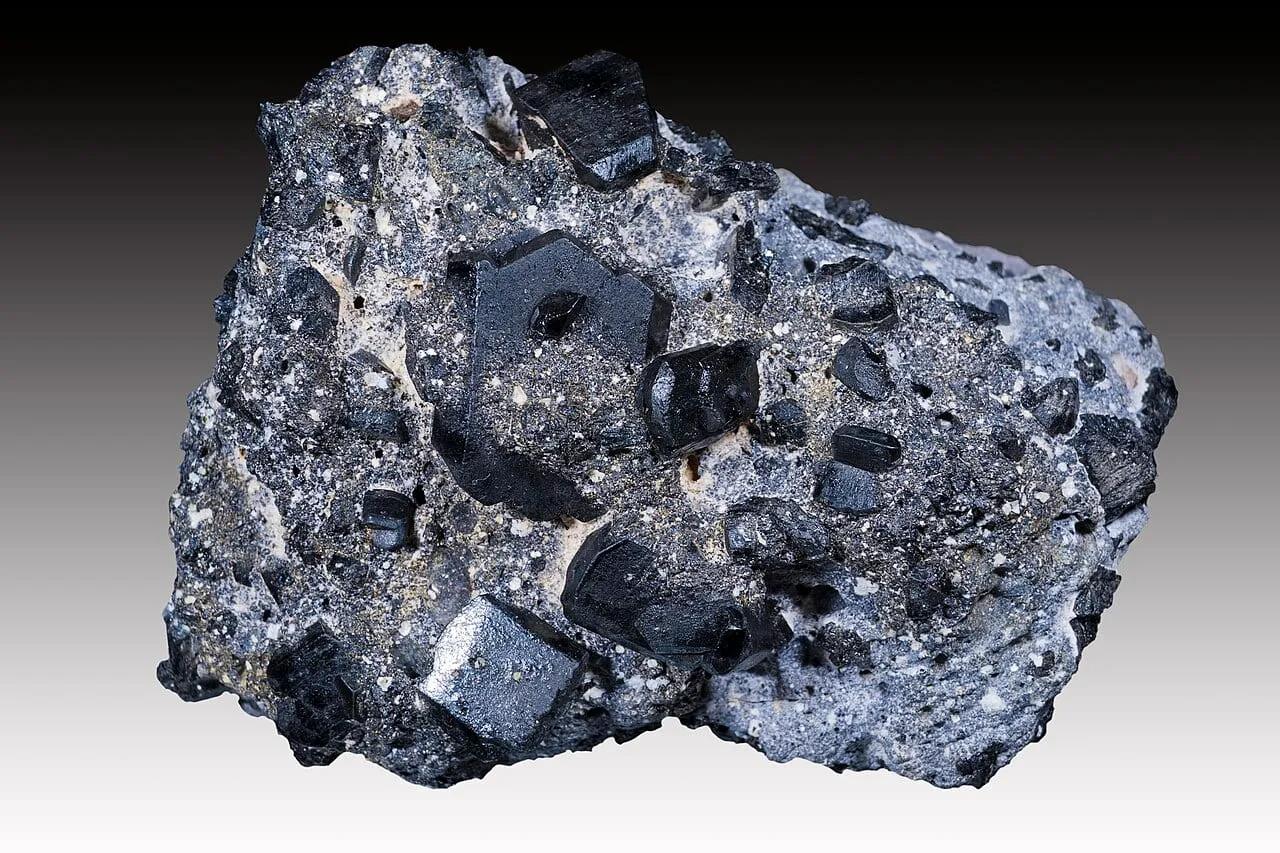
Augite (pyroxene)
The most common pyroxene, which darkens basalt and gabbro: inconspicuous, yet one of the key building blocks of Earth’s crust.
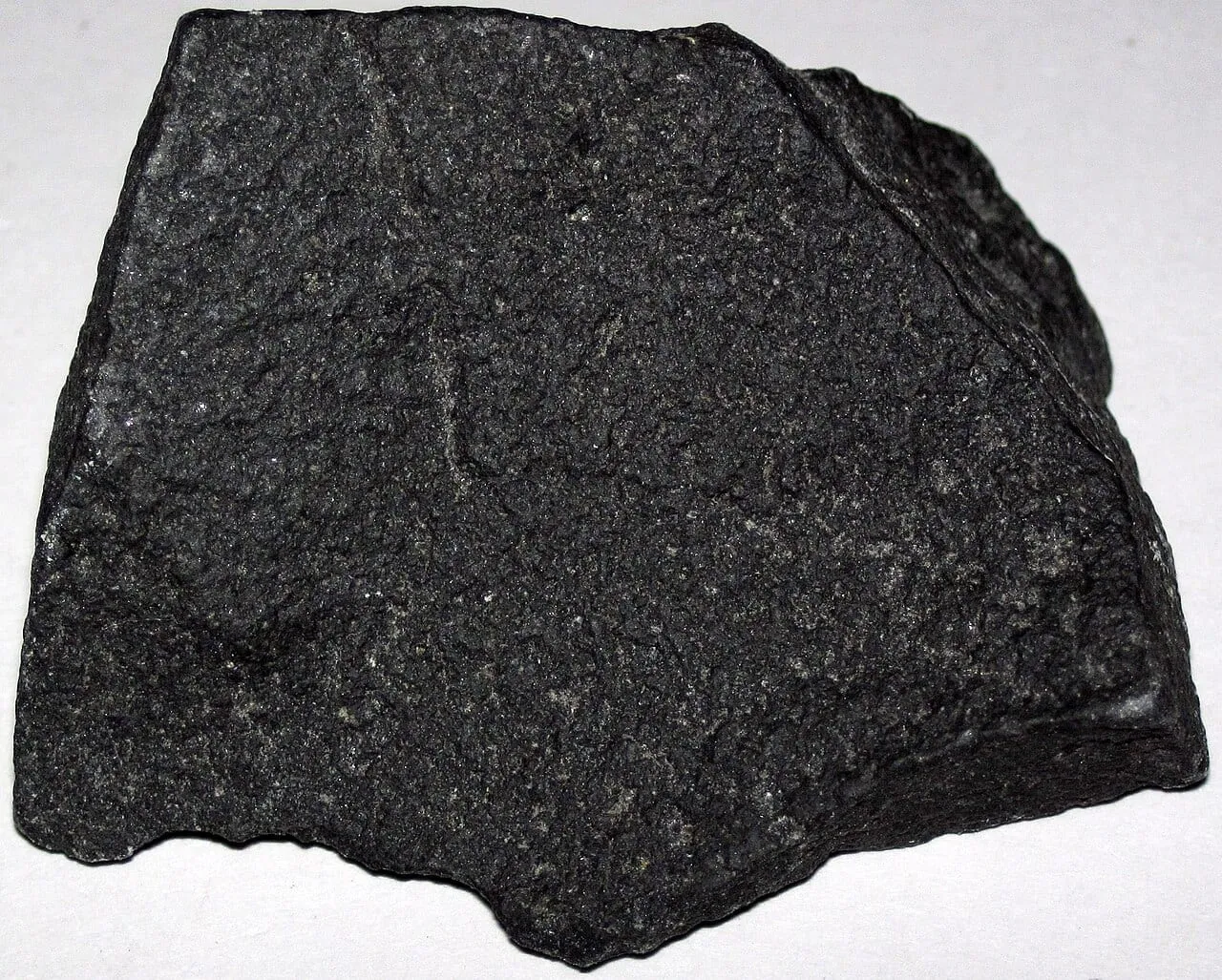
Basalt
The rock of the ocean floors and the Moon’s dark plains — the most common volcanic rock on Earth.