VarietyA variety of Pearl
Baroque pearl
Barok inci
A pearl that is not round but irregular: each one is unique, and its Portuguese name later gave a whole art movement, the Baroque, its name.
- Popularly: Semi-precious stone
In short
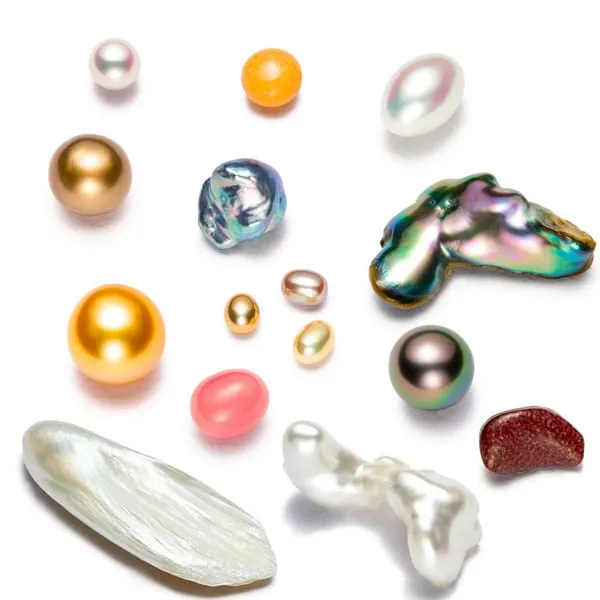
Baroque pearl is the general name for pearls that are not round but irregular in shape. The shape can range from a slight lopsidedness to distinctly oval, curved, pinched or lumpy forms. A baroque pearl can be natural or cultured, saltwater or freshwater; it is not a separate kind of pearl but a shape class. Most freshwater cultured pearls grown without a bead are baroque, and so is a large share of every Tahitian pearl harvest. Perfectly round pearls are usually worth more, but well-formed baroques, each one unique, are sought after by jewellery designers and pearl lovers.
Photos
How does it form?
A pearl grows inside a pouch of nacre-making tissue, the pearl sac, within the mollusc. If the sac fits tightly all round the core or bead inside it, nacre builds up evenly and a round pearl forms. If it does not, nacre also fills the gaps left in the sac and the pearl takes an irregular, baroque shape. That is why perfect roundness is rare and baroque shapes are far more common.
Cultured pearls turn baroque for several known reasons. Most freshwater pearls are grown with only a piece of tissue and no bead, so they are usually baroque. In saltwater cultured pearls, organic residue on the surface of the bead nucleus can stop the nacre from sticking there and lead to a baroque shape. In China, when a round bead is placed in a sac first opened with a flat bead and the sac does not fit it closely, the pearl grows irregular, sometimes with a tail. The small “keshi” pearls that form around the leftover tissue when an oyster rejects its bead are often irregular too.
What is it used for?
- Jewellery: baroque pearls are used in necklaces, earrings and rings; because each one is unique they are popular in original jewellery designs.
- Figurative jewels: jewellers have made use of their odd shapes as the body of a figure in figurative jewels; the merman-shaped Canning Jewel is a famous example.
- Art history: the word itself entered European art history and gave its name to the ornate art movement of the 17th century.
The story of the name
The Portuguese word “barroco” means a flawed or irregular pearl. It appears in an inventory of treasures from 1531, used to describe pearls, and a Portuguese dictionary of 1728 explains it as a “coarse and uneven pearl”. Taken into French as “baroque”, the word widened in meaning and came to be used in art criticism; in the 19th century it became the name of a whole period of art, the Baroque.
Where does it come from?
Most baroque pearls on the market today are freshwater cultured pearls grown in China. On the Tahitian pearl farms of French Polynesia, more than 40 percent of the harvest comes out baroque or semi-baroque. The South Sea pearl farms of Western Australia also yield large baroque pearls prized in jewellery.
What determines its value?
Lustre, size, surface quality, colour and the beauty of the shape set the value of a baroque pearl. According to GIA, perfectly round pearls are the rarest and usually the most valuable, but well-formed pear, oval and baroque cultured pearls are also prized. The most valuable baroques are large South Sea and Tahitian pearls, while the baroques most often seen in jewellery are the more affordable freshwater cultured pearls. Natural baroque pearls are very rare, and pieces with a history can be of museum value.
This information is educational, not buying, selling or investment advice. Value varies enormously with quality and treatment.
How to recognise it
- 1
The shape is irregular: symmetrical shapes such as drops, pears, buttons and ovals are called “semi-baroque”, completely irregular shapes “baroque”.
- 2
Some show parallel grooves running all the way round (rings), or a tail-like spike reaching out from a bulb.
- 3
Real baroque pearls are made of nacre, so they feel slightly gritty when rubbed together; glass and plastic imitations feel smooth.
- 4
Whether there is a bead inside, and so whether a pearl is freshwater, saltwater cultured or natural, can only be settled with X-rays in a laboratory.
Fakes and imitations
What shops usually don’t tell you:
- Glass and plastic imitations: they have no nacre and feel smooth when rubbed against the teeth or against each other.
- Dyed pearls: some black and dark baroque pearls have been dyed with silver salts; the seller should disclose the treatment.
- Cultured pearls sold as natural: most baroque pearls in jewellery are freshwater cultured pearls; natural baroques are far rarer and should be backed by a laboratory report.
Myths and misconceptions
MythA baroque pearl is a flawed, worthless pearl.
FactRound pearls are usually worth more, but a baroque shape is not a flaw; it is a shape class. Well-formed baroques are sought after, and large South Sea and Tahitian baroques rank among the most valuable pearls.
MythThe Baroque art movement has nothing to do with pearls.
FactThe word “baroque” comes from the Portuguese “barroco”, meaning a flawed or irregular pearl. First used for pearls that were not round, it later became the name of the ornate art and architecture movement of the 17th century.
Did you know?
The 1694 dictionary of the French Academy defined “baroque” as “only used for pearls that are imperfectly round”; the word later became the name of the ornate art movement of the 17th century.
In the “Canning Jewel”, on display at the Victoria and Albert Museum in London, the body of a merman holding a sword and shield is made from a single large baroque pearl. Long believed to be a 16th-century Renaissance piece, it was found, according to the museum, to have probably been made between 1850 and 1860.
Baroque cultured pearls with a bulb and often a pointed tail, which first reached the market in China in 2002, are called “fireballs”.
Where is it found?
Loading map…
- Zhuji, Zhejiang, China · Major depositChina’s largest pearl market. Most freshwater cultured pearls, grown without a bead, are baroque; bead-cultured baroques such as “fireballs” are also produced in China.
- Manihi Atoll, Tuamotu, French Polynesia · Known localityThe first harvest of Polynesia’s first pearl farm, in the 1960s, included baroque black cultured pearls.
- Gambier Islands (Mangareva), French Polynesia · Major depositOn most Tahitian pearl farms more than 40 percent of the harvest is baroque or semi-baroque.
- Cygnet Bay, Dampier Peninsula, Western Australia · Known localityAmong Australia’s longest-running pearl farms; its Pinctada maxima oysters yield a range of shapes, including baroque forms prized in jewellery.
- Broome, Western Australia · Major depositThe main centre of South Sea pearls, which together with Tahitian pearls make the most valuable baroques.
Locations are approximate to protect sites. Red dots mark places in Türkiye. Open in the big map →
Frequently asked questions
What is baroque pearl?
Baroque pearl is the general name for pearls that are not round but irregular in shape. The shape can range from a slight lopsidedness to distinctly oval, curved, pinched or lumpy forms. A baroque pearl can be natural or cultured, saltwater or freshwater; it is not a separate kind of pearl but a shape class. Most freshwater cultured pearls grown without a bead are baroque, and so is a large share of every Tahitian pearl harvest. Perfectly round pearls are usually worth more, but well-formed baroques, each one unique, are sought after by jewellery designers and pearl lovers.
What is baroque pearl used for?
Jewellery: baroque pearls are used in necklaces, earrings and rings; because each one is unique they are popular in original jewellery designs. Figurative jewels: jewellers have made use of their odd shapes as the body of a figure in figurative jewels; the merman-shaped Canning Jewel is a famous example. Art history: the word itself entered European art history and gave its name to the ornate art movement of the 17th century.
How hard is baroque pearl?
It has a hardness of 2.5–3 on the Mohs scale. A fingernail cannot scratch it, but a steel knife can. Its specific gravity is 2.6–2.85 g/cm³.
Where is baroque pearl found?
Its best-known localities: Zhuji, Zhejiang, China; Gambier Islands (Mangareva), French Polynesia; Broome, Western Australia; Manihi Atoll, Tuamotu, French Polynesia; Cygnet Bay, Dampier Peninsula, Western Australia.
How can you tell if baroque pearl is real?
The shape is irregular: symmetrical shapes such as drops, pears, buttons and ovals are called “semi-baroque”, completely irregular shapes “baroque”. Some show parallel grooves running all the way round (rings), or a tail-like spike reaching out from a bulb. Real baroque pearls are made of nacre, so they feel slightly gritty when rubbed together; glass and plastic imitations feel smooth. Glass and plastic imitations: they have no nacre and feel smooth when rubbed against the teeth or against each other.
Is baroque pearl valuable?
On the “street to diamond” value ladder it sits on step 5 of nine: Ornamental stone. Lustre, size, surface quality, colour and the beauty of the shape set the value of a baroque pearl. According to GIA, perfectly round pearls are the rarest and usually the most valuable, but well-formed pear, oval and baroque cultured pearls are also prized. The most valuable baroques are large South Sea and Tahitian pearls, while the baroques most often seen in jewellery are the more affordable freshwater cultured pearls. Natural baroque pearls are very rare, and pieces with a history can be of museum value.
Family


Sources
- Baroque pearl · Wikipedia
- Baroque (section: Etymology) · Wikipedia
- Barok (Sözlük Maddesi) · Küre Ansiklopedisi
- Pearl Quality Factors · Gemological Institute of America (GIA)
- Polynesian Black Pearls (M. Goebel & D. M. Dirlam), Gems & Gemology 25(3) · GIA, 1989
- Continuity and Change in Chinese Freshwater Pearl Culture (D. Fiske & J. Shepherd), Gems & Gemology 43(2) · GIA, 2007
- The Canning Jewel (M.2697-1931) · Victoria and Albert Museum
- La perle de Tahiti (note de l'Institut d'émission) · Institut d'émission d'outre-mer (IEOM), 2006
- Pearl · Wikipedia
- Zhuji · Wikipedia
- Manihi · Wikipedia
- Gambier Islands · Wikipedia
- Cygnet Bay Pearl Farm · ExplorOz
- Broome, Western Australia · Wikipedia
- South Sea pearl · Wikipedia
External links
Draft: awaiting expert reviewReport an error
On the same step
Agate
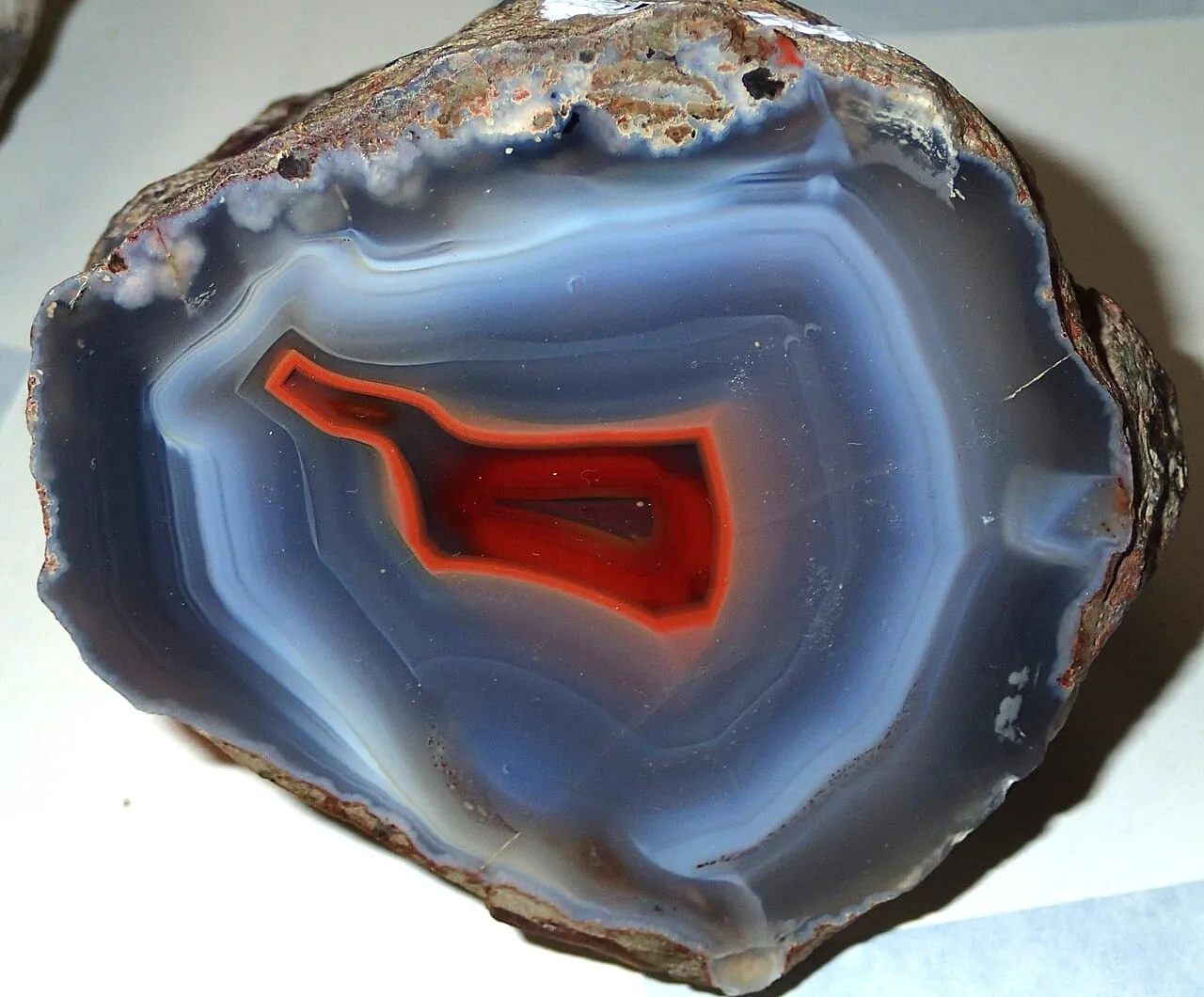
The banded variety of chalcedony: it grows layer by layer in hollows in volcanic rock and shows a new pattern every time it is cut.
Almandine
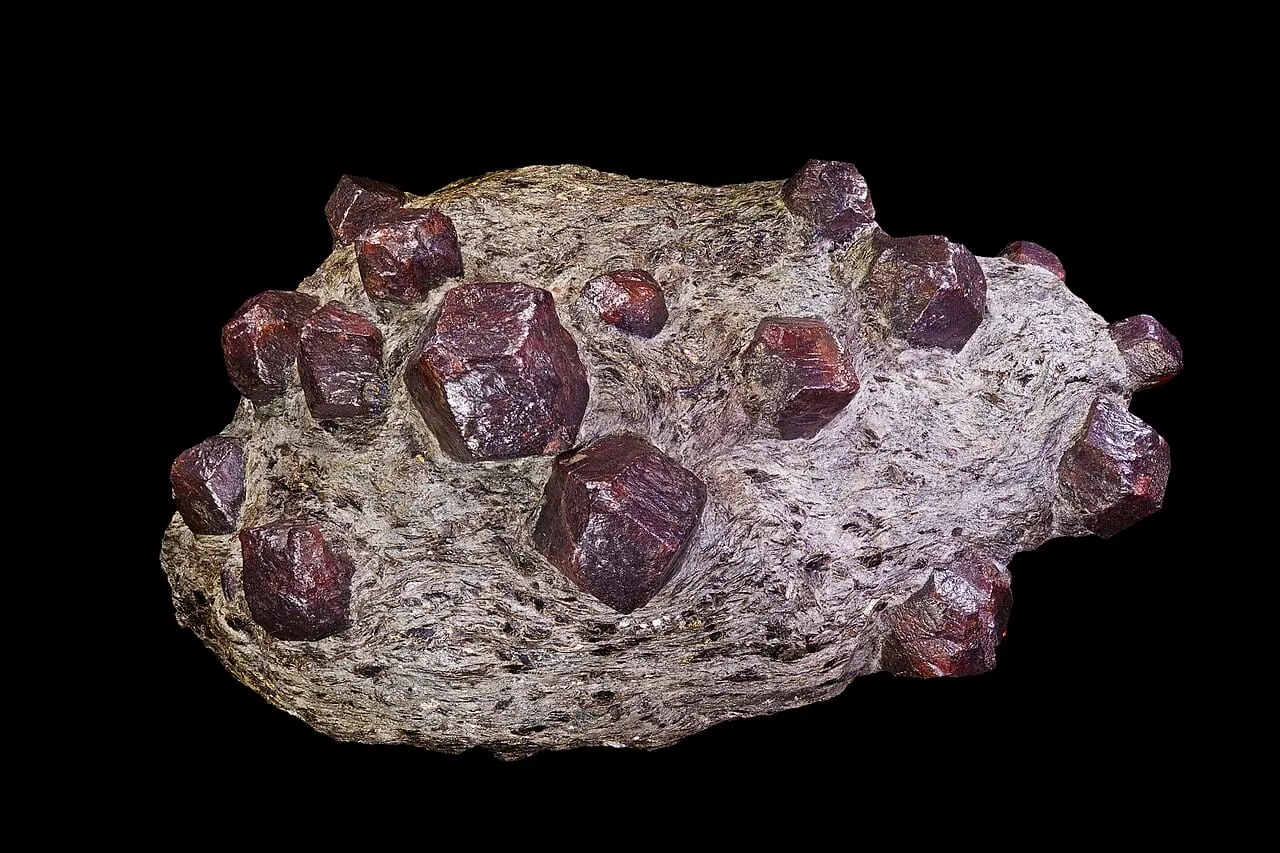
The commonest garnet: a deep red, iron-rich stone named after the ancient city of Alabanda in Anatolia, used in jewellery and in sandpaper alike.
Amazonite
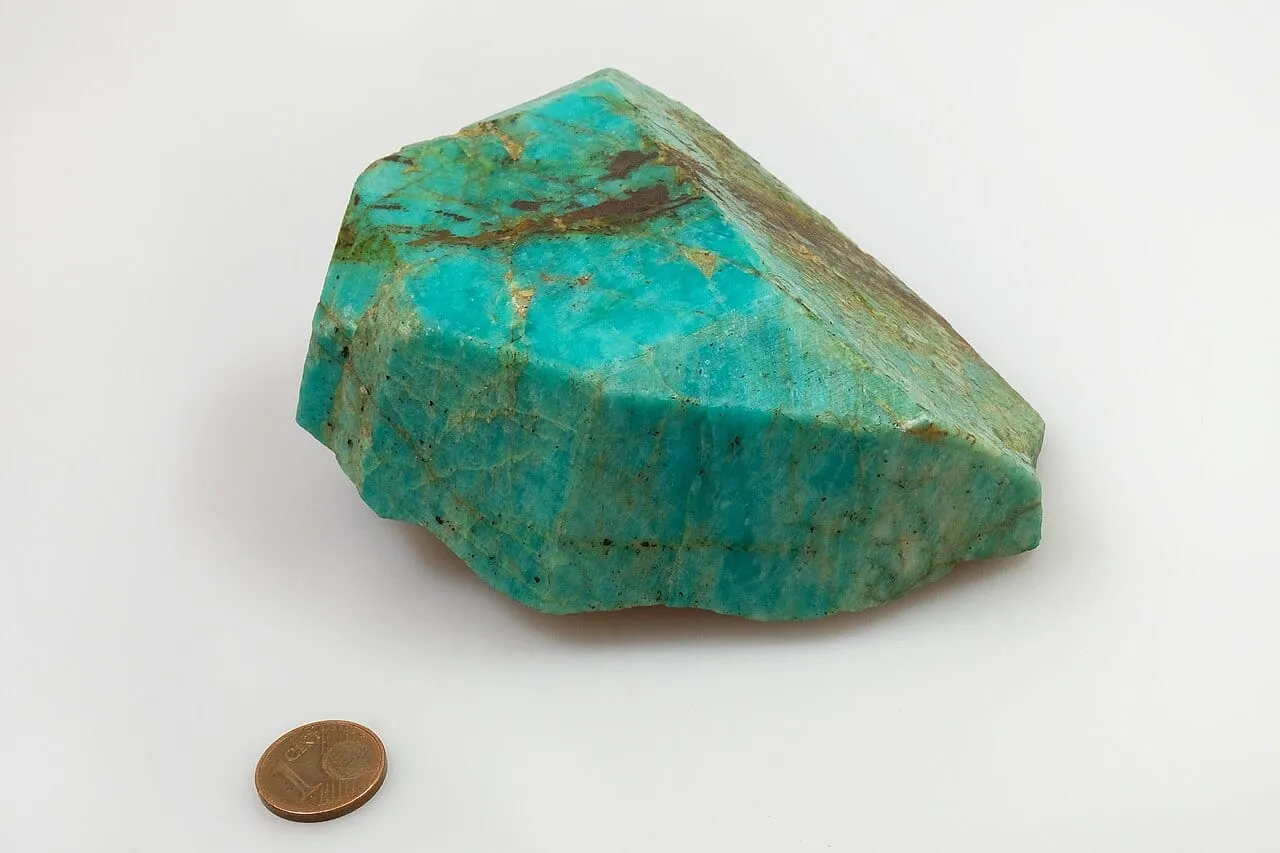
A turquoise-like green-blue feldspar: a variety of microcline worn as jewellery for more than three thousand years, but it can release lead.