Mineral
Zoisite
Ca₂Al₃(Si₂O₇)(SiO₄)O(OH)Zoisit
The mineral behind tanzanite, pink thulite and ruby-spotted green carvings: usually plain grey-green, sometimes spectacularly coloured.
Also known as: Saualpite (old name) · Tanzanite (blue-violet variety) · Thulite (pink variety)
- Gemstone
- Ornamental
In short
Zoisite is a mineral made of calcium, aluminium, silicon, oxygen and hydrogen. Most of the time it is grey, greenish or brownish and not very eye-catching. But its blue-violet variety, tanzanite, is a world-famous gem, and its pink variety, thulite, and a green zoisite rock with rubies are used as ornamental stones.
How does it form?
Zoisite forms mainly in metamorphic rocks and pegmatites, when calcium- and aluminium-rich rocks are transformed by heat and pressure. It is a close relative of epidote: their building blocks are similar, but zoisite contains almost no iron and crystallises in the orthorhombic system. Because it was first described from the Saualpe mountains in Austria, it was once also called saualpite.
Colourful varieties
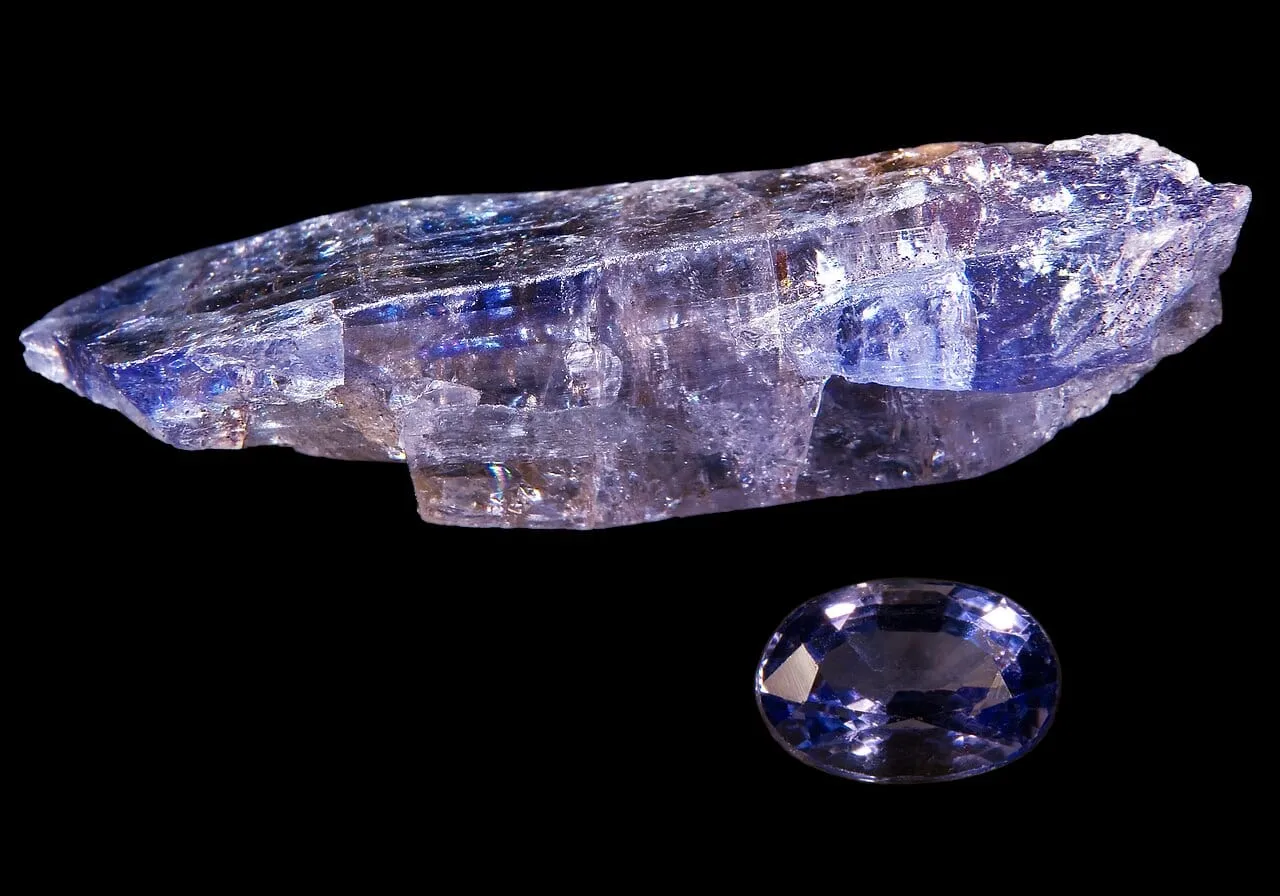
- Tanzanite: blue-violet zoisite. According to GIA it was found in 1967 in the Merelani area of northern Tanzania and was named by Tiffany & Co. It is still mined commercially only in this area.
- Thulite: pink, manganese-bearing zoisite. It is named after Thule, the legendary land that ancient writers placed at the far north of the world and that later became associated with Norway.
- Anyolite: near Longido in Tanzania, green zoisite occurs together with red ruby crystals. This colourful rock is used for carvings, bowls, beads and other ornaments.
What determines its value?
Ordinary grey-green zoisite is of scientific and collector interest only. Value rises steeply when clarity and a vivid blue-violet colour come together, as in tanzanite.
How to recognise it
- 1
Crystals are deeply striated prisms along their length, and their ends are often poorly formed.
- 2
It has one perfect cleavage, and cleavage surfaces have a pearly lustre.
- 3
It is strongly pleochroic: tanzanite, for example, can show blue, violet and yellowish-brownish tones when viewed from different directions.
- 4
It scratches glass (hardness 6–7). Cut stones need a gem laboratory for certain identification.
Fakes and imitations
What shops usually don’t tell you:
- Anyolite (“ruby in zoisite”) is not a variety of zoisite but a rock made of green zoisite, dark amphibole and ruby.
- Most tanzanite on the market has been heated to remove greenish to brownish tones. This treatment is routine but should be disclosed.
- Tanzanite is imitated with materials such as violet-blue glass and synthetic forsterite. Ask for an independent laboratory report when buying.
- Pink thulite can be confused with other pink massive stones such as rhodonite.
Did you know?
The mineral was named in 1805 by Abraham Gottlob Werner in honour of Sigmund Zois, the collector who brought the first specimens to scientists’ attention.
The name anyolite comes from anyoli, the Maasai word for “green”.
Where is it found?
Loading map…
- Saualpe, Carinthia, Austria · Type localityWhere the mineral was first found; its old name, saualpite, comes from here
- Merelani Hills, near Arusha, Tanzania · Major depositThe only commercial source of tanzanite, the blue-violet variety of zoisite
- Mundarara mine, near Longido, Tanzania · Known localityAnyolite, a rock of green zoisite, black amphibole and ruby
Locations are approximate to protect sites. Red dots mark places in Türkiye. Open in the big map →
Varieties

Sources
- Handbook of Mineralogy: Zoisite · Mineralogical Society of America
- Tanzanite Description · GIA
- Tanzanite History and Lore · GIA
External links
Draft: awaiting expert reviewReport an error ↗
On the same step
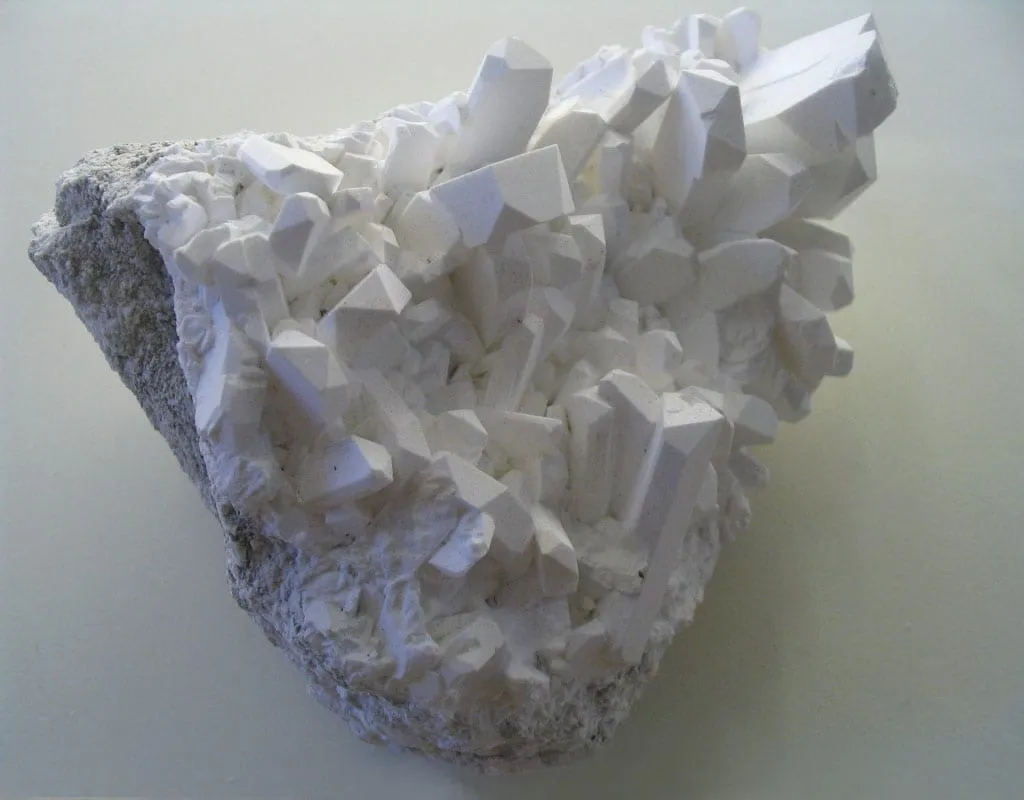
Borax (tincal)
A sodium borate that dissolves in water and crumbles to white powder in dry air; one of the world’s key tincal deposits is at Kırka in Eskişehir.
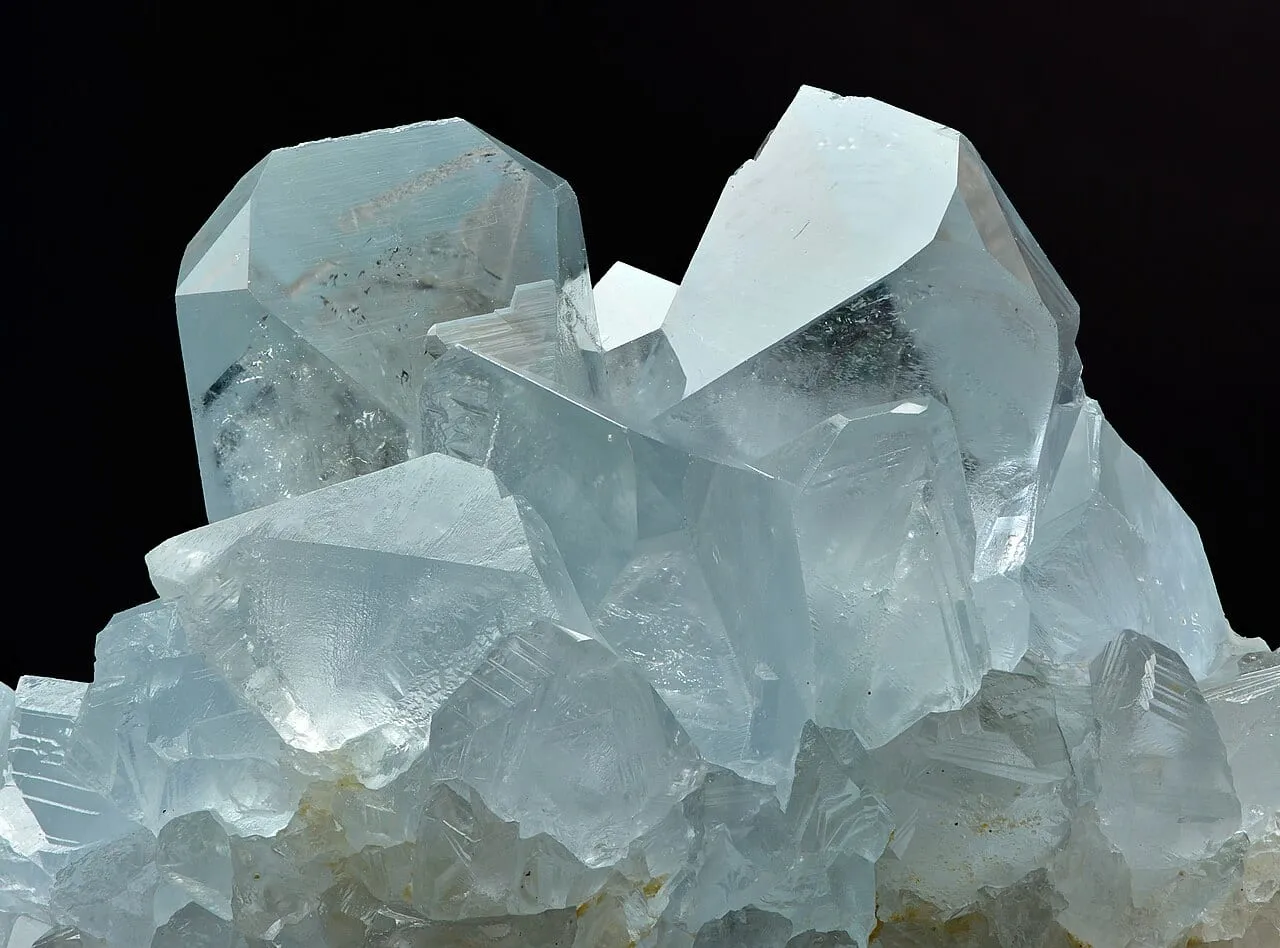
Celestine
A strontium mineral named after the sky, often forming pale blue crystals; the source of the red in fireworks.
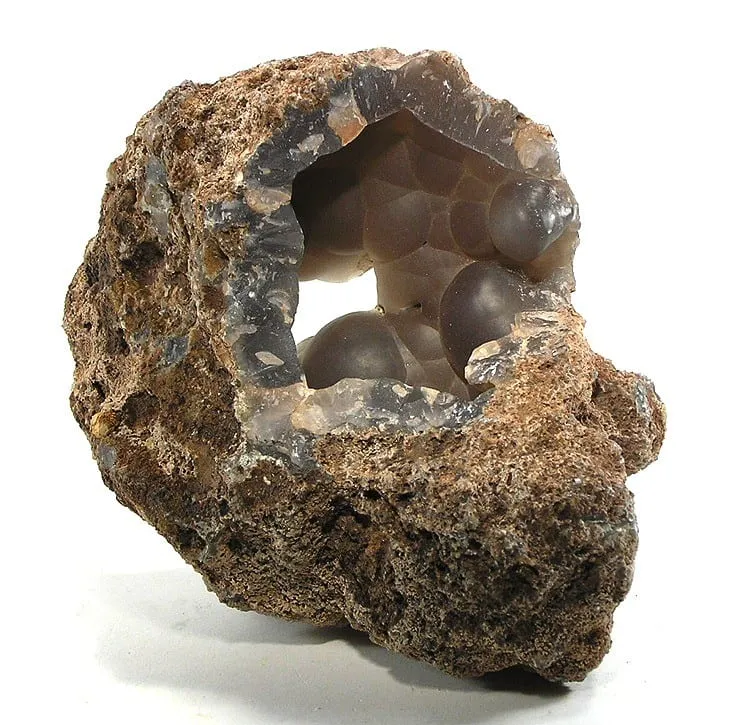
Chalcedony
A waxy-lustred stone made of quartz crystals far too small to see: the family name for agate, onyx and many other ornamental stones.