VarietyA variety of Diamond
Bort
CBort
The collective name for natural diamonds too flawed to be gems: off-colour, included or misshapen diamonds that are crushed and used as abrasives.
Also known as: Boart · Boort · Crushing bort (lowest grade) · Drilling bort · Ballas (shot bort)
- Popularly: Ore and raw material
In short
Bort is an umbrella term in the diamond trade for natural diamonds that are not of gem quality. It covers grey or black diamonds, stones full of inclusions and cracks, and irregularly shaped diamonds. Although unfit for jewellery it is real diamond and just as hard, so it is crushed and ground into abrasive powder and used in grinding wheels and drill bits. Today, however, almost all the diamond used in industry is synthetic diamond made in the laboratory.
How does it form?
Bort forms in the same way as gem diamonds: carbon crystallises as diamond under very high pressure and temperature deep in the Earth and is carried to the surface by volcanic rocks such as kimberlite. Whether a diamond counts as bort depends on the features it ends up with: according to Britannica, bort covers grey to black massive diamond whose colour comes from inclusions and impurities, as well as badly coloured, flawed or irregularly shaped diamond crystals unsuited to gem use. In the variety called ballas, tiny diamond crystals are arranged in concentric spheres, which makes it extremely hard, tough and difficult to cleave.
Most natural industrial diamond is recovered as a byproduct of mining gem-quality diamond. In other words, the diamonds from a mine are sorted, and those unfit for jewellery are set aside as bort.
What is it used for?
- Abrasive grit: “Crushing bort”, the lowest grade, is crushed in steel mortars and graded into abrasive grits of various sizes. These grits are used to make grinding wheels for sharpening hard-metal cutting tools, and as loose grains suspended in oil or water for polishing and lapping.
- Drilling: Small, round “drilling bort” stones, averaging about twenty to the carat, are set in diamond drill bits.
- Cutting and polishing tools: Bort grains are added to cutting, drilling and grinding tools to extend their life and efficiency, and are used in polishing and scouring pastes.
- A changed industry: Today almost all the industrial diamond used for everything from cutting concrete and stone to making computer chips is synthetic; the share of natural bort has become very small.
Where is it found?
Bort occurs with gem diamonds almost everywhere diamonds are mined. According to the USGS, five countries produce 95 percent of natural industrial diamond: Russia (about 42 percent), the Democratic Republic of the Congo, Botswana, Zimbabwe and South Africa. The city of Mbuji-Mayi is the traditional centre of industrial diamond mining in Congo. The Marange diamond fields in Zimbabwe are known for low-value diamonds in dark brown, black and dark green. The Argyle mine in Australia, until it closed in 2020, was a giant mine most of whose output was near-gem or industrial grade.
Where does the name come from?
The word “bort” is of Dutch origin and is related to the English verb “to bore”, meaning to drill. It is also spelled “boart” or “boort”.
What determines its value?
Bort is an industrial raw material, bought and sold by the carat and the tonne rather than as individual stones. Its value depends on grain size, toughness and the job it suits: small, round stones are set aside for drill bits, while the lowest grade is crushed into abrasive grit. Because synthetic diamond is cheap and its quality can be controlled, it has largely replaced natural bort in industry.
This information is educational, not buying, selling or investment advice. Value varies enormously with quality and treatment.
How to recognise it
- 1
Being real diamond, it has a hardness of 10 and scratches even sapphire (corundum).
- 2
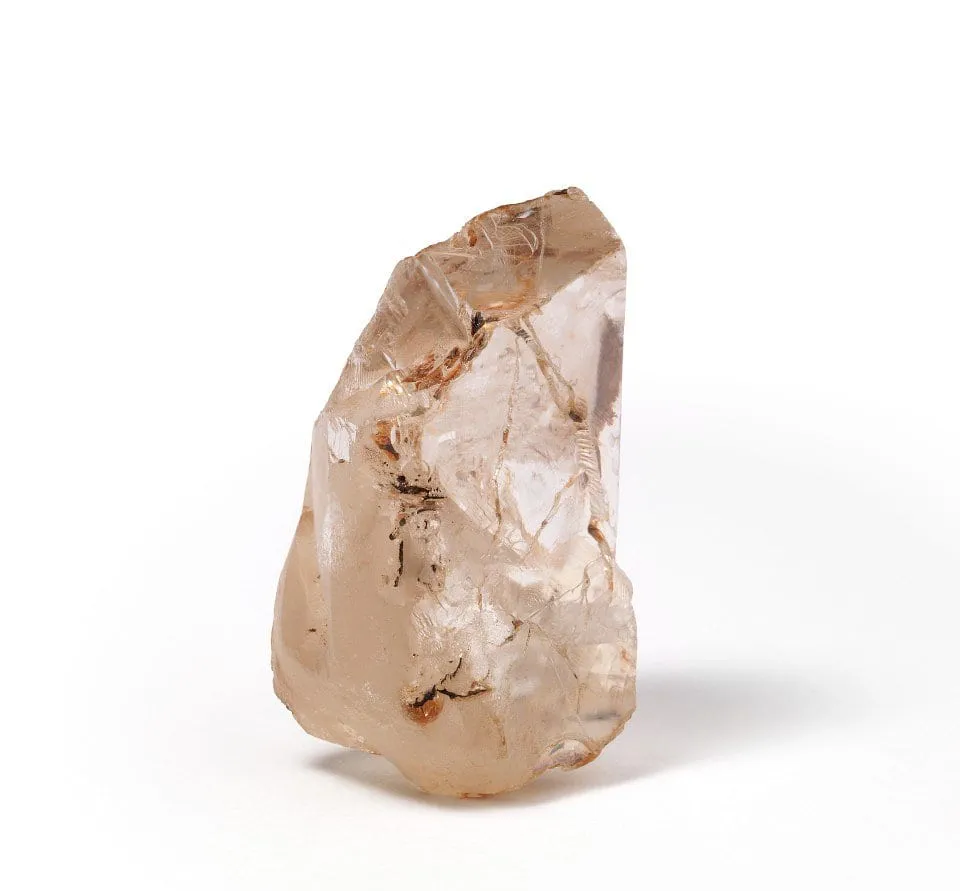
It is usually grey, black or brown; it is cloudy or opaque rather than clear, with many inclusions and cracks.
- 3
Instead of neat octahedral crystals like gem diamonds, it usually comes as small, irregular pieces. The variety called “ballas” forms round balls of tiny diamond crystals arranged in concentric layers.
- 4
Diamond sorters decide whether a diamond is bort or gem quality from its colour, clarity and shape; a sure identification needs a gemmological laboratory.
Myths and misconceptions
MythMost of the diamond used in industry is natural bort.
FactAccording to the US Geological Survey (USGS), more than 99 percent of the diamond used in industry worldwide is synthetic diamond made in the laboratory; natural diamond accounts for less than 1 percent.
MythBort is a worthless stone that is not really diamond.
FactBort is real diamond and just as hard; only its colour, clarity or shape make it unsuitable for jewellery. That is why it is a sought-after raw material for cutting, grinding and drilling.
Did you know?
Only 5 percent of the diamonds from the Argyle mine in Australia were of gem quality; the rest were split roughly evenly between “near-gem” and industrial grades.
More than 15 billion carats of synthetic industrial diamond are made worldwide each year, against about 38 million carats of natural industrial diamond mined.
According to one study, bort particles 1–2 nanometres across added to paraffin oil can cut friction to as little as half that of the oil without them.
Where is it found?
Loading map…
- Mbuji-Mayi, Kasai-Oriental, Democratic Republic of the Congo · Major depositThe traditional centre of industrial diamond mining in Congo; according to Britannica, 75 percent of the world’s crushing bort comes from Congo
- Sakha (Yakutia) diamond region, Russia · Major depositRussia leads the world in natural industrial diamond, with about 42 percent of production (country-level figure; the point is the town of Mirny)
- Orapa area, Botswana · Known localityBotswana supplies about 14 percent of natural industrial diamond (country-level figure)
- Marange diamond fields, Manicaland, Zimbabwe · Known localityKnown for low-value diamonds ranging from dark brown to black and dark green; Zimbabwe produces about 13 percent of natural industrial diamond
- Argyle mine, Kimberley, Western Australia · Historic sourceOnly 5 percent of its diamonds were of gem quality; the rest were split roughly evenly between “near-gem” and industrial grades. The mine closed in 2020
Locations are approximate to protect sites. Red dots mark places in Türkiye. Open in the big map →
Frequently asked questions
What is bort?
Bort is an umbrella term in the diamond trade for natural diamonds that are not of gem quality. It covers grey or black diamonds, stones full of inclusions and cracks, and irregularly shaped diamonds. Although unfit for jewellery it is real diamond and just as hard, so it is crushed and ground into abrasive powder and used in grinding wheels and drill bits. Today, however, almost all the diamond used in industry is synthetic diamond made in the laboratory.
What is bort used for?
Abrasive grit: “Crushing bort”, the lowest grade, is crushed in steel mortars and graded into abrasive grits of various sizes. These grits are used to make grinding wheels for sharpening hard-metal cutting tools, and as loose grains suspended in oil or water for polishing and lapping. Drilling: Small, round “drilling bort” stones, averaging about twenty to the carat, are set in diamond drill bits. Cutting and polishing tools: Bort grains are added to cutting, drilling and grinding tools to extend their life and efficiency, and are used in polishing and scouring pastes.
How hard is bort?
It has a hardness of 10 on the Mohs scale. It scratches glass and steel; a steel knife cannot scratch it. Its specific gravity is 3.51–3.53 g/cm³.
Where is bort found?
Its best-known localities: Mbuji-Mayi, Kasai-Oriental, Democratic Republic of the Congo; Sakha (Yakutia) diamond region, Russia; Argyle mine, Kimberley, Western Australia; Orapa area, Botswana; Marange diamond fields, Manicaland, Zimbabwe.
How can you tell if bort is real?
Being real diamond, it has a hardness of 10 and scratches even sapphire (corundum). It is usually grey, black or brown; it is cloudy or opaque rather than clear, with many inclusions and cracks. Instead of neat octahedral crystals like gem diamonds, it usually comes as small, irregular pieces. The variety called “ballas” forms round balls of tiny diamond crystals arranged in concentric layers.
Is bort valuable?
On the “street to diamond” value ladder it sits on step 3 of nine: Building and industrial stone. Bort is an industrial raw material, bought and sold by the carat and the tonne rather than as individual stones. Its value depends on grain size, toughness and the job it suits: small, round stones are set aside for drill bits, while the lowest grade is crushed into abrasive grit. Because synthetic diamond is cheap and its quality can be controlled, it has largely replaced natural bort in industry.
Family


Sources
- Bort · Wikipedia
- Industrial diamond · Encyclopaedia Britannica
- Mineral Commodity Summaries 2026: Diamond (Industrial) · U.S. Geological Survey, 2026
- Mbuji-Mayi · Wikipedia
- Argyle diamond mine · Wikipedia
- Marange diamond fields · Wikipedia
- Black Diamonds from Marange, Zimbabwe: A Result of Natural Irradiation and Graphite Inclusions, Gems & Gemology 54(2) · GIA, 2018
- Orapa diamond mine · Wikipedia
External links
Draft: awaiting expert reviewReport an error
On the same step
Acanthite
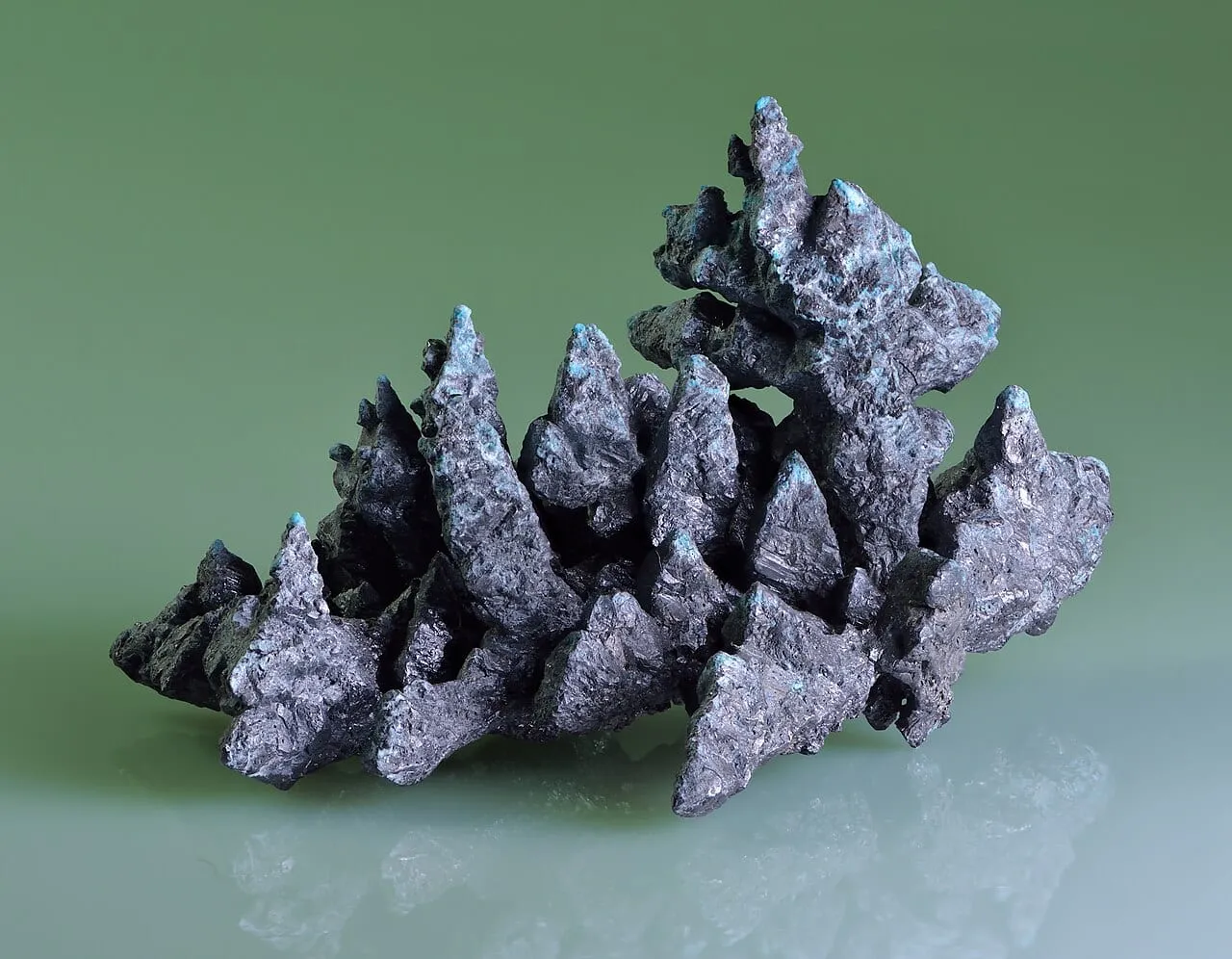
Silver's black sulfide: one of the world's main silver ores and the mineral that coats tarnished native silver.
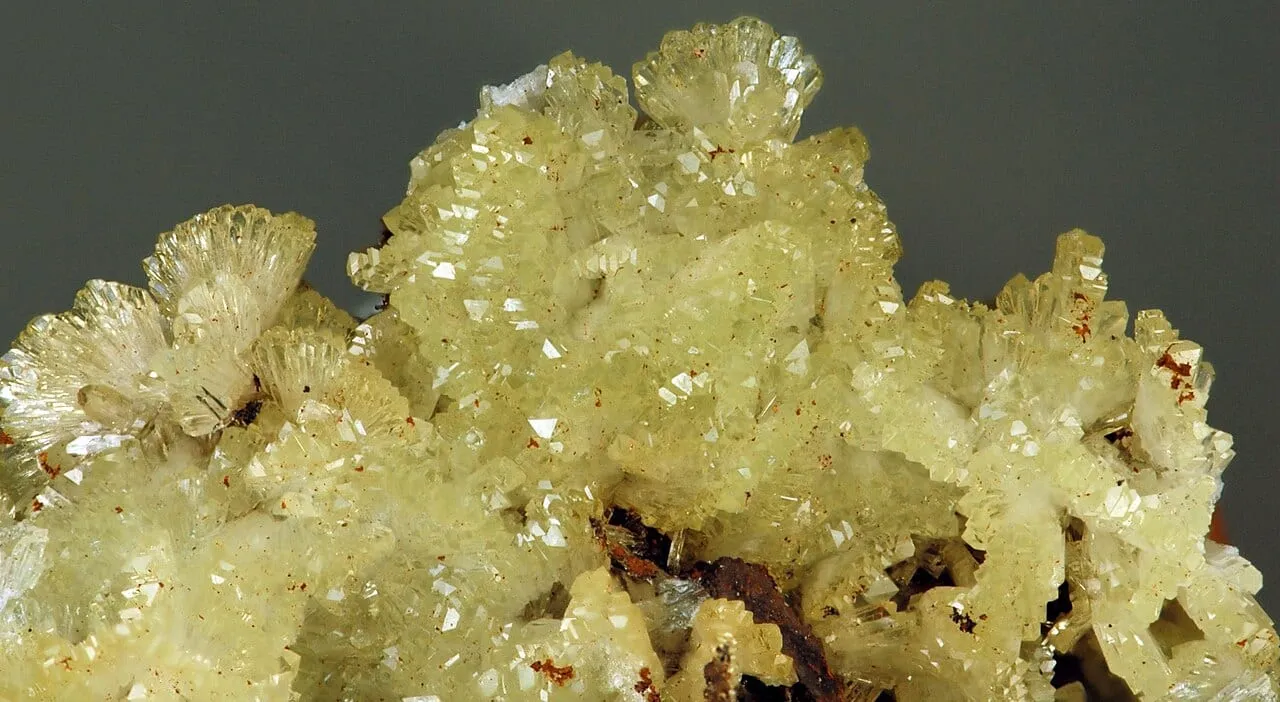
Adamite
Zinc arsenate in fan-shaped crystals from honey yellow to green: some specimens glow under ultraviolet light.
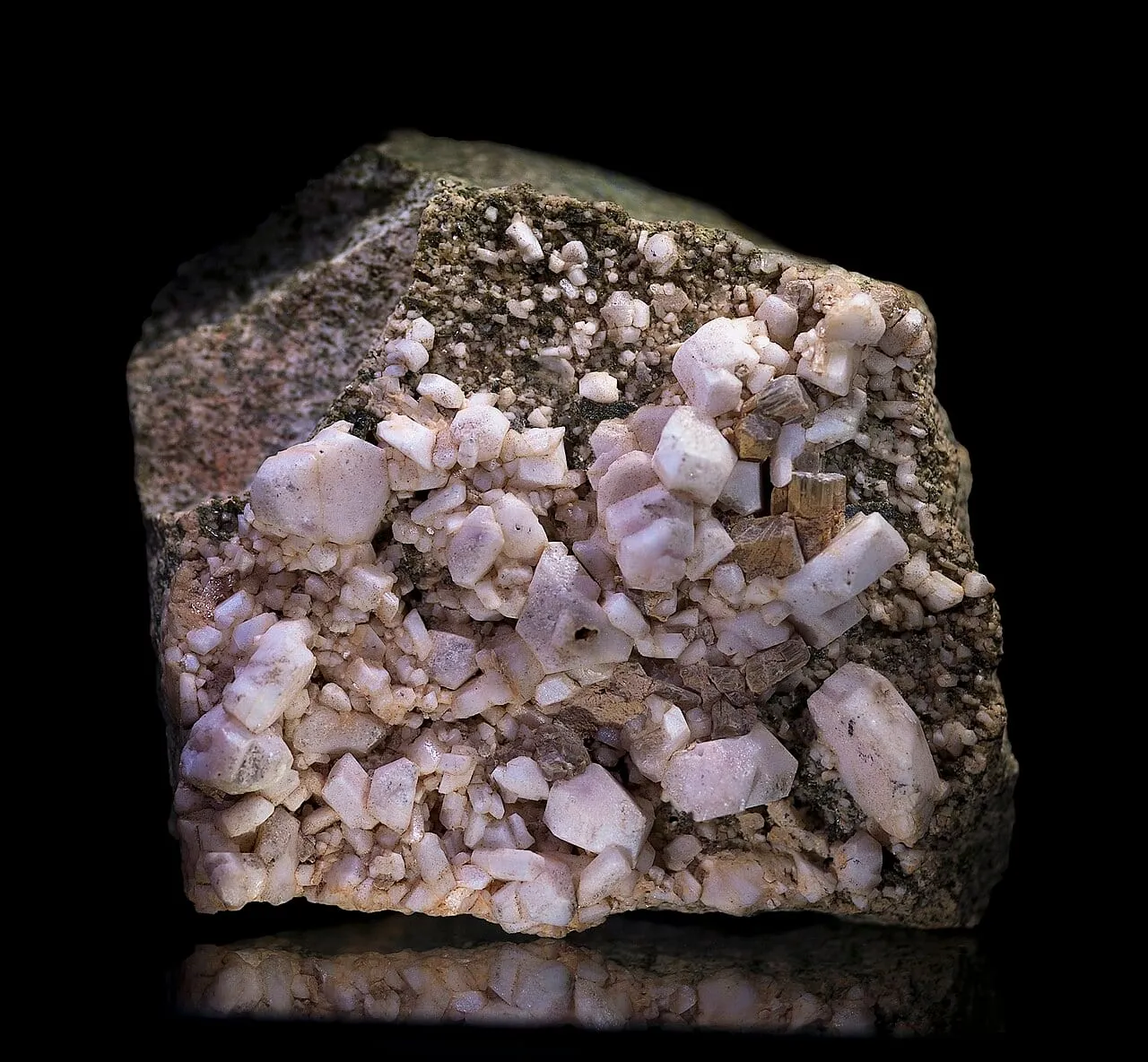
Albite
The white, sodium end of the feldspars: with its deposits at Çine–Milas, a glass and ceramics raw material that makes Türkiye one of the world’s main feldspar producers.