Mineral
Howlite
Ca₂B₅SiO₉(OH)₅Havlit
A white borate mineral with grey-black spiderweb veins; because it dyes so easily it is often sold as imitation turquoise.
Also known as: White turquoise (misleading trade name) · White buffalo turquoise (misleading trade name) · Turquenite (howlite dyed blue)
- Popularly: Semi-precious stone
- Ornamental
- Gemstone

In short
Howlite is a boron mineral containing calcium, boron and silicon. It mostly occurs as cauliflower-like nodules that are white with fine grey or black veins. It is porous and soaks up dye readily; many stones sold as blue “turquoise” are actually dyed howlite. In its natural state it is a plain white ornamental stone.
Photos

How does it form?
Howlite is found in evaporite layers, formed where lakes and seas dried up, together with other boron minerals. It sits next to colemanite, ulexite and bakerite and is mostly seen as cauliflower-shaped nodules inside layers of gypsum. Well-formed crystals are very rare.
What is it used for?
- Ornamental stone: Small carvings, beads, pendants and other pieces of jewellery are made from it. Its white, veined surface looks pleasant, so it is also used in its natural colour.
- In place of turquoise: In its natural or dyed state it is used to make jewellery similar to turquoise. White turquoise is very soft and has to be stabilised, so howlite is more popular for this kind of jewellery.
In Türkiye
Howlite is known in Türkiye from the Sultançayır borate deposit, about 8 km south of Susurluk in Balıkesir. According to the study by Gündoğan and Helvacı (1993), howlite nodules occur here together with pandermite (today called priceite) in beds of borate-bearing gypsum 10–15 metres thick within a Middle–Upper Miocene sandy claystone unit. The nodules do not exceed 7 cm across; their outer surface is indented and bumpy like a cauliflower, and the inside is dense and matt white. The average boron oxide (B₂O₃) content was measured at about 40.7 %. Much of the deposit was worked between 1865 and 1955 by French and English companies.
What determines its value?
Howlite is an abundant, inexpensive ornamental stone. Its value depends on its whiteness, the pattern of its veins and whether it is free of cracks and takes an even polish. Because it is porous it dyes very easily; dyed stone should be declared as such, and it is no substitute for turquoise. If howlite is sold as turquoise, the buyer has been deceived.
This information is educational, not buying, selling or investment advice. Value varies enormously with quality and treatment.
How to recognise it
- 1
Natural howlite is white and rather dull; its grey or black veins form an irregular, spiderweb-like pattern.
- 2
Its hardness is only 3.5: a steel knife scratches it easily. Turquoise is distinctly harder (5–6).
- 3
Its specific gravity is about 2.5–2.6, so it is a light stone; it has no cleavage and its broken surface is smooth.
- 4
Crystals are very rare and reach only about 1 cm; the piece in your hand is almost certainly a mass or nodule.
Fakes and imitations
What shops usually don’t tell you:
- Dyed howlite: its porous structure lets it be dyed blue, green and other colours easily, and it is most often sold as imitation turquoise. In dyed stones the colour tends to collect in the veins and cracks and looks too even and vivid; the veins resemble the matrix of turquoise, which makes it convincing.
- It is also sold as “white turquoise” and “white buffalo turquoise”, but natural howlite has nothing to do with turquoise. Most genuinely white turquoise is chalk-soft (hardness 1) and has to be stabilised before it can be used in jewellery.
Myths and misconceptions
MythBright blue stones with dark veins are natural turquoise.
FactSome of them are dyed howlite. Howlite is white and very porous, so it soaks up dye readily, and its veins resemble the matrix of turquoise. Turquoise is much harder.
MythHowlite is the white variety of turquoise.
FactHowlite is a separate boron mineral (a calcium borosilicate), while turquoise is a copper-bearing aluminium phosphate. “White turquoise” is a trade name.
What is it believed to be good for?
This section reports beliefs; it is not health information. There is no scientific evidence for these claims and no stone replaces medical treatment.
The meanings people give this stone, and who holds them:
- Today crystal-therapy practitioners claim that howlite calms, reduces anger and stress, helps one concentrate in meditation and opens the brow (third eye) chakra.
- Some news websites in Türkiye write that howlite helps with insomnia, prevents nightmares when placed under the pillow and strengthens memory.
- The same articles say howlite regulates blood circulation and so protects against heart and blood-pressure diseases, balances the level of calcium in the body and strengthens the bones.
What science says
There is no scientific evidence that howlite affects sleep, memory, blood pressure or bones. That it contains calcium does not mean that carrying it will help the body's calcium balance; calcium comes from food. Heart and blood-pressure conditions and lasting insomnia should be assessed by a doctor. Soaking the stone in water and drinking it has no benefit either.
Did you know?
Miners noticed the stone in 1868 in a gypsum quarry near Windsor, Nova Scotia, where it was a nuisance to them. The chemist Henry How examined it, and the geologist James Dwight Dana soon afterwards named the mineral after him.
Howlite crystals are so rare that they have been found in only a couple of places worldwide: Tick Canyon in California and Iona in Nova Scotia.
Where is it found?
Loading map…
- Windsor, Nova Scotia, Canada · Type localityThe mineral was found in a gypsum quarry here in 1868 and described by Henry How
- Iona, Cape Breton Island, Nova Scotia, Canada · Known localityColourless, white or brown, translucent to transparent howlite crystals, up to about 1 cm
- Calico, California, USA · Known localityBorate mining area in the Mojave Desert
- Boron (Kramer deposit), Kern County, California, USA · Known localityOccurs in the Kramer borate deposit with colemanite and ulexite
- Magdalena, Sonora, Mexico · Known locality
- Baljevac na Ibru, Kraljevo, Serbia · Known locality
- Sultançayır (Susurluk), Balıkesir, Türkiye · Known localityFound as nodules in gypsum in the borate deposit about 8 km south of Susurluk
Locations are approximate to protect sites. Red dots mark places in Türkiye. Open in the big map →
Frequently asked questions
What is howlite?
Howlite is a boron mineral containing calcium, boron and silicon. It mostly occurs as cauliflower-like nodules that are white with fine grey or black veins. It is porous and soaks up dye readily; many stones sold as blue “turquoise” are actually dyed howlite. In its natural state it is a plain white ornamental stone.
What is howlite used for?
Ornamental stone: Small carvings, beads, pendants and other pieces of jewellery are made from it. Its white, veined surface looks pleasant, so it is also used in its natural colour. In place of turquoise: In its natural or dyed state it is used to make jewellery similar to turquoise. White turquoise is very soft and has to be stabilised, so howlite is more popular for this kind of jewellery.
How hard is howlite?
It has a hardness of 3.5 on the Mohs scale. A fingernail cannot scratch it, but a steel knife can. Its specific gravity is 2.53–2.59 g/cm³.
Where is howlite found?
Its best-known localities: Windsor, Nova Scotia, Canada; Iona, Cape Breton Island, Nova Scotia, Canada; Calico, California, USA; Boron (Kramer deposit), Kern County, California, USA; Magdalena, Sonora, Mexico.
Where is howlite found in Türkiye?
Known localities in Türkiye: Sultançayır (Susurluk), Balıkesir, Türkiye.
How can you tell if howlite is real?
Natural howlite is white and rather dull; its grey or black veins form an irregular, spiderweb-like pattern. Its hardness is only 3.5: a steel knife scratches it easily. Turquoise is distinctly harder (5–6). Its specific gravity is about 2.5–2.6, so it is a light stone; it has no cleavage and its broken surface is smooth. Dyed howlite: its porous structure lets it be dyed blue, green and other colours easily, and it is most often sold as imitation turquoise. In dyed stones the colour tends to collect in the veins and cracks and looks too even and vivid; the veins resemble the matrix of turquoise, which makes it convincing.
Is howlite valuable?
On the “street to diamond” value ladder it sits on step 5 of nine: Ornamental stone. Howlite is an abundant, inexpensive ornamental stone. Its value depends on its whiteness, the pattern of its veins and whether it is free of cracks and takes an even polish. Because it is porous it dyes very easily; dyed stone should be declared as such, and it is no substitute for turquoise. If howlite is sold as turquoise, the buyer has been deceived.
What is howlite good for?
Today crystal-therapy practitioners claim that howlite calms, reduces anger and stress, helps one concentrate in meditation and opens the brow (third eye) chakra. Some news websites in Türkiye write that howlite helps with insomnia, prevents nightmares when placed under the pillow and strengthens memory. The same articles say howlite regulates blood circulation and so protects against heart and blood-pressure diseases, balances the level of calcium in the body and strengthens the bones. There is no scientific evidence that howlite affects sleep, memory, blood pressure or bones. That it contains calcium does not mean that carrying it will help the body's calcium balance; calcium comes from food. Heart and blood-pressure conditions and lasting insomnia should be assessed by a doctor. Soaking the stone in water and drinking it has no benefit either. This section reports beliefs; it is not health information. There is no scientific evidence for these claims and no stone replaces medical treatment.
Sources
- Handbook of Mineralogy: Howlite · Mineralogical Society of America
- Howlite · Wikipedia
- Sultançayır (Susurluk-Balıkesir) boratlı jips havzasının jeolojisi, mineralojisi ve ekonomik potansiyeli (Gündoğan & Helvacı), Türkiye Jeoloji Bülteni 36, 159–172 · TMMOB Jeoloji Mühendisleri Odası, 1993
- Howlite · Webmineral
- Priceite · Wikipedia
- Susurluk · Wikipedia
- Windsor, Nova Scotia · Wikipedia
- Havlit Taşının Faydaları Nelerdir? Havlit Taşı Özellikleri Nelerdir, Ne İşe Yarar? · Sabah, 2022
- Havlit Taşı Nedir, Nerelerde Ve Nasıl Bulunur? Havlit Taşı Nasıl Anlaşılır? Özellikleri Ve Faydaları · Hürriyet Mahmure
External links
Draft: awaiting expert reviewReport an error ↗
On the same step
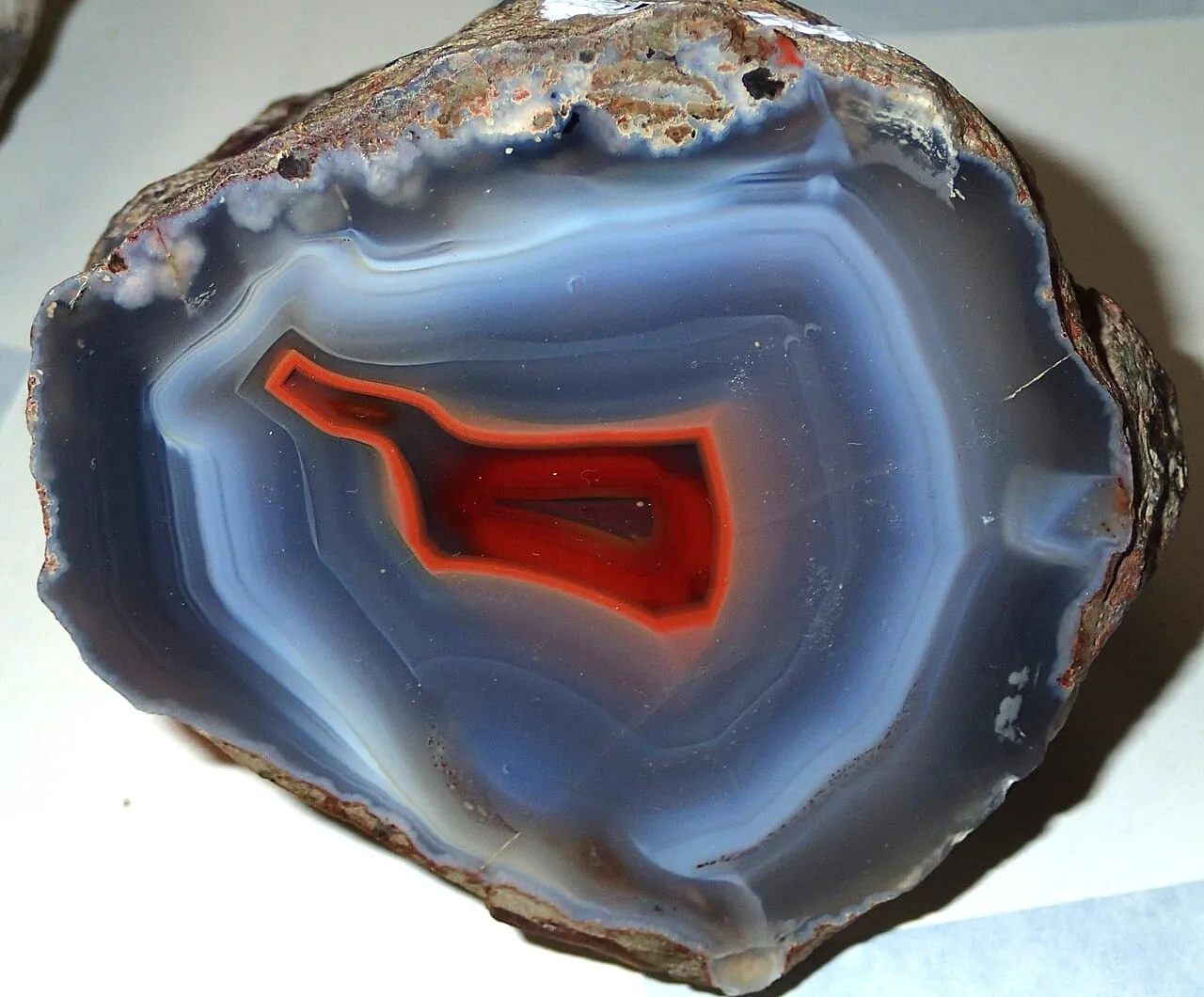
Agate
The banded variety of chalcedony: it grows layer by layer in hollows in volcanic rock and shows a new pattern every time it is cut.
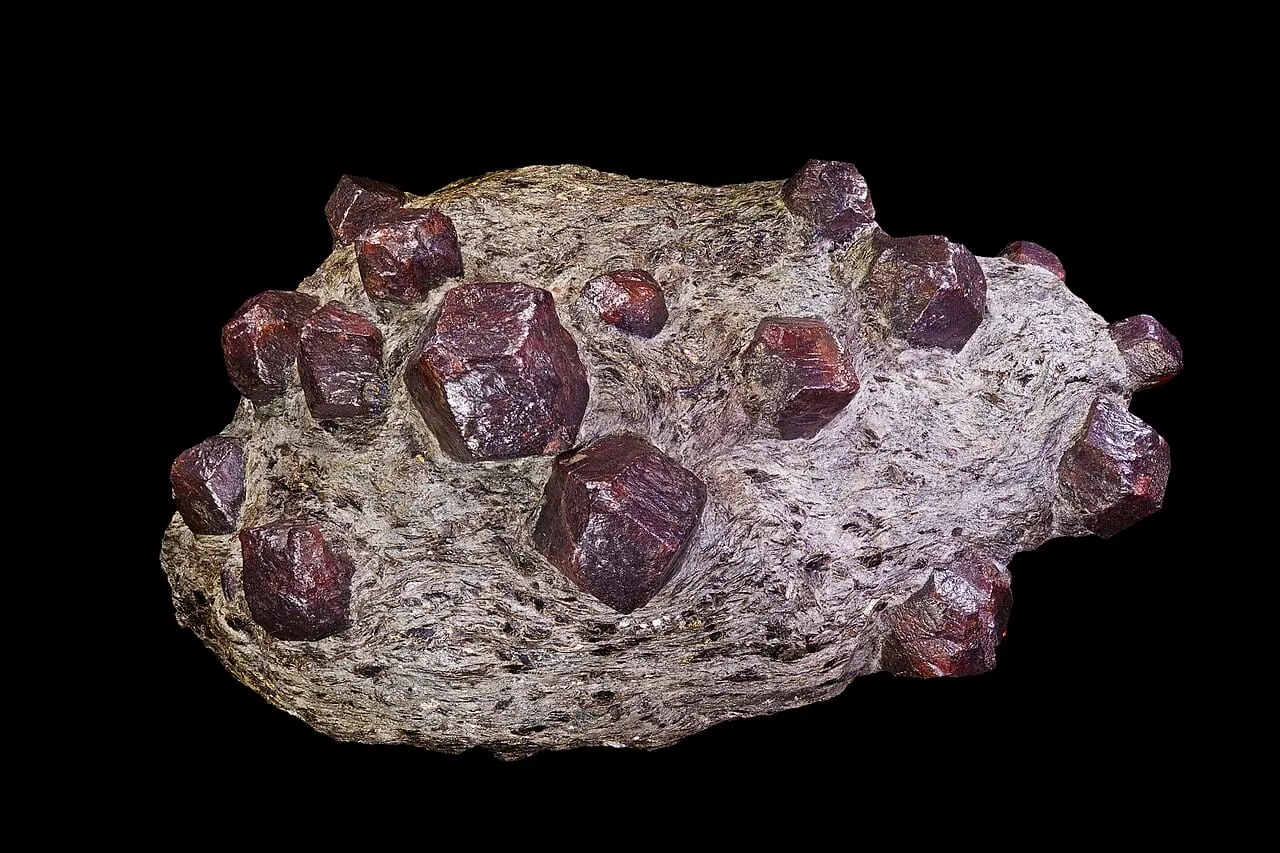
Almandine
The commonest garnet: a deep red, iron-rich stone named after the ancient city of Alabanda in Anatolia, used in jewellery and in sandpaper alike.
Amazonite
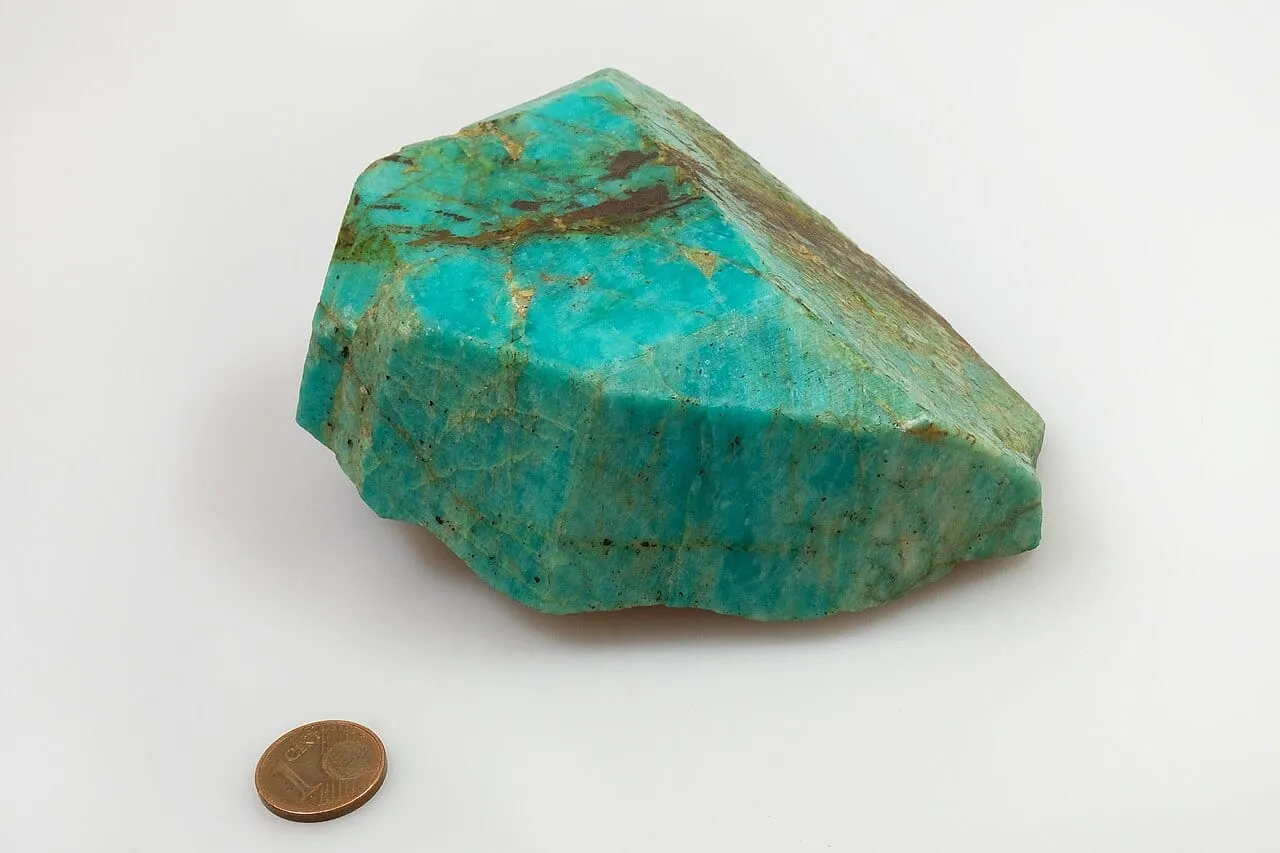
A turquoise-like green-blue feldspar: a variety of microcline worn as jewellery for more than three thousand years, but it can release lead.