VarietyA variety of Plagioclase
Labradorite
NaAlSi₃O₈ – CaAl₂Si₂O₈Labradorit
A dark grey feldspar that, seen from the right angle, flashes blue, green and gold all at once.
Also known as: Spectrolite (Finnish material)
- Gemstone
- Ornamental
In short
Labradorite is a calcium-rich kind of plagioclase feldspar. It usually looks dark grey, but when you turn it, flashes of blue, green, yellow and orange light up its surface. These colours are not pigments: they come from light interfering in very thin layers inside the stone. This effect is called labradorescence.
Where do the colours come from?
Labradorite gets its structure when, as magma cools very slowly, two feldspars of slightly different composition separate into extremely thin, regular layers. As light reflects from these layers, its waves reinforce or cancel each other (interference). The thickness of the layers decides which colour you see: thin layers reflect blue and violet, thicker ones yellow and orange. The colours of a soap bubble form in the same way.
Where is it found?
Labradorite is named after the Labrador coast of Canada, where Europeans came to know it in the 18th century. Today Madagascar is one of the important sources. The Ylämaa deposit in Finland is known as spectrolite for its especially rich colours. Labradorite is a common mineral in igneous rocks such as basalt, gabbro and anorthosite, but pieces with a strong play of colour are rare.
What is it used for?
It is used in jewellery as cabochons and beads, and in large slabs for ornaments and decorative cladding. Its value depends mostly on how large and bright the colour flash is and how many colours it covers.
How to recognise it
- 1
The play of colour appears only from a certain angle, usually as broad, bright patches facing one direction; tilt the stone slightly and the colours go out.
- 2
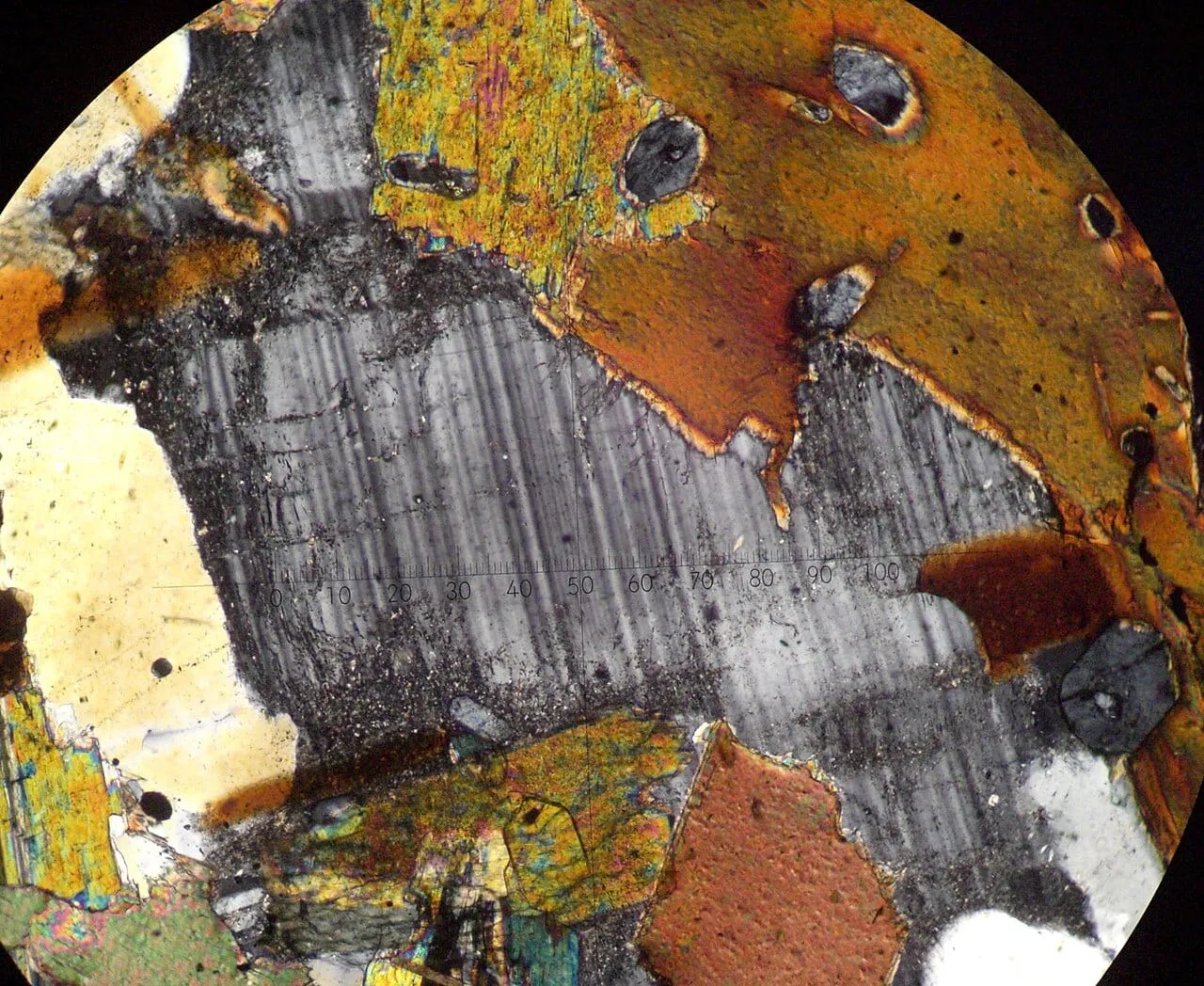
Fine, parallel lines (twinning striations) may be visible on broken or cleavage surfaces.
- 3
Its hardness is 6–6.5 and it has two cleavages, so handle it with care to avoid knocks.
- 4
Telling it reliably from coated glass and other feldspars needs a gem laboratory.
Fakes and imitations
What shops usually don’t tell you:
- White stones with colourful flashes sold as “rainbow moonstone” are actually light-coloured labradorite; the name is misleading.
- The name “spectrolite” properly refers to the richly coloured labradorite from the Ylämaa deposit in Finland; using it for labradorite from other sources gives a false impression of origin.
- Glass and stones coated with an iridescent film show the same colours from every angle, whereas true labradorescence depends on the angle.
- In the early 2000s, red and green stones made by copper-diffusing pale feldspar reached the market as “andesine” and were confused with natural Oregon sunstone.
Did you know?
The Finnish spectrolite deposit was found in 1940 while the Salpa Line fortifications were being built.
“Oregon sunstone”, the state gem of Oregon, USA, is also a labradorite; tiny flakes of copper inside give it its sparkle.
Where is it found?
Loading map…
- Nain area (Paul’s Island), Labrador, Canada · Type localityWhere Europeans first came to know the stone in the 18th century, and the source of its name
- Ylämaa, Lappeenranta, Finland · Known localityThe “spectrolite” deposit, found in 1940 while the Salpa Line fortifications were being built
- Near Plush, Lake County, Oregon, USA · Known localityClear, copper-bearing labradorite (“Oregon sunstone”); Oregon’s state gemstone since 1987
Locations are approximate to protect sites. Red dots mark places in Türkiye. Open in the big map →
Family
.jpg)
Sources
- Handbook of Mineralogy: Labradorite · Mineralogical Society of America
- Moonstone Description (Gem Encyclopedia) — on “rainbow moonstone” as labradorite · GIA
- Oregon Sunstone: Field Report · GIA, Gems & Gemology, 2013
- Spectrolite · Wikipedia
External links
Draft: awaiting expert reviewReport an error ↗
On the same step
Agate
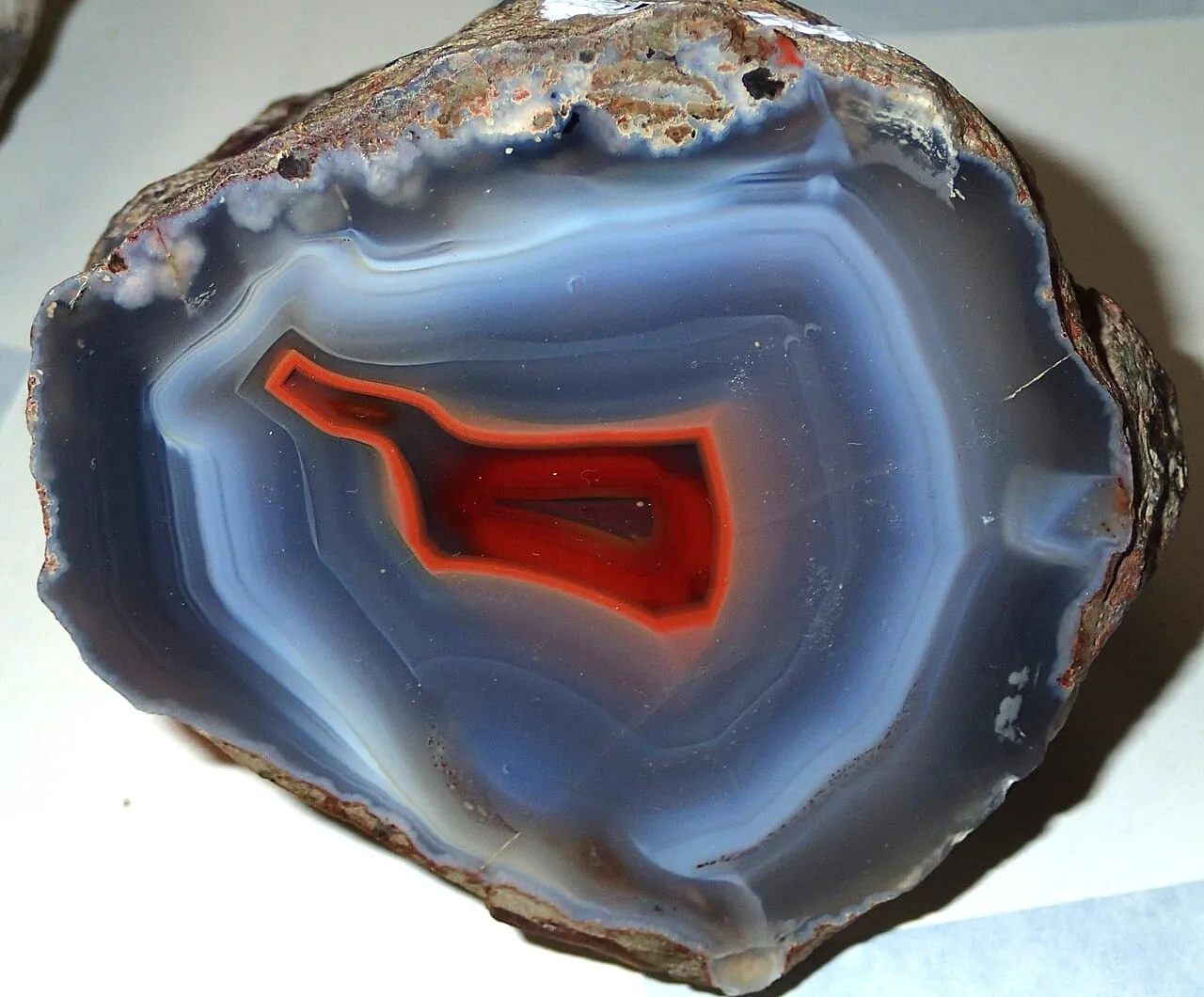
The banded variety of chalcedony: it grows layer by layer in hollows in volcanic rock and shows a new pattern every time it is cut.
Amethyst
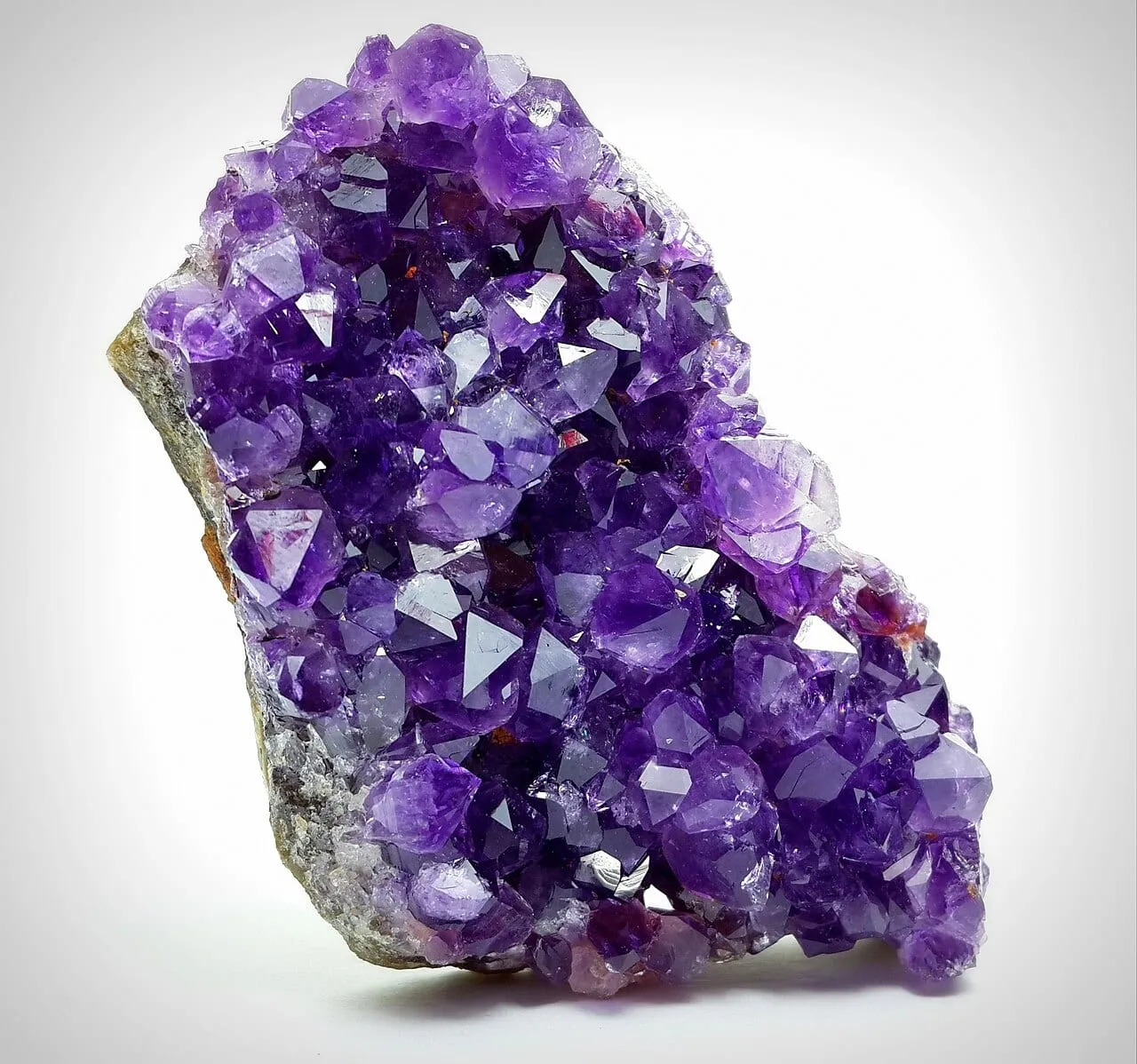
The purple variety of quartz, coloured by traces of iron working together with natural radiation.
Azurite
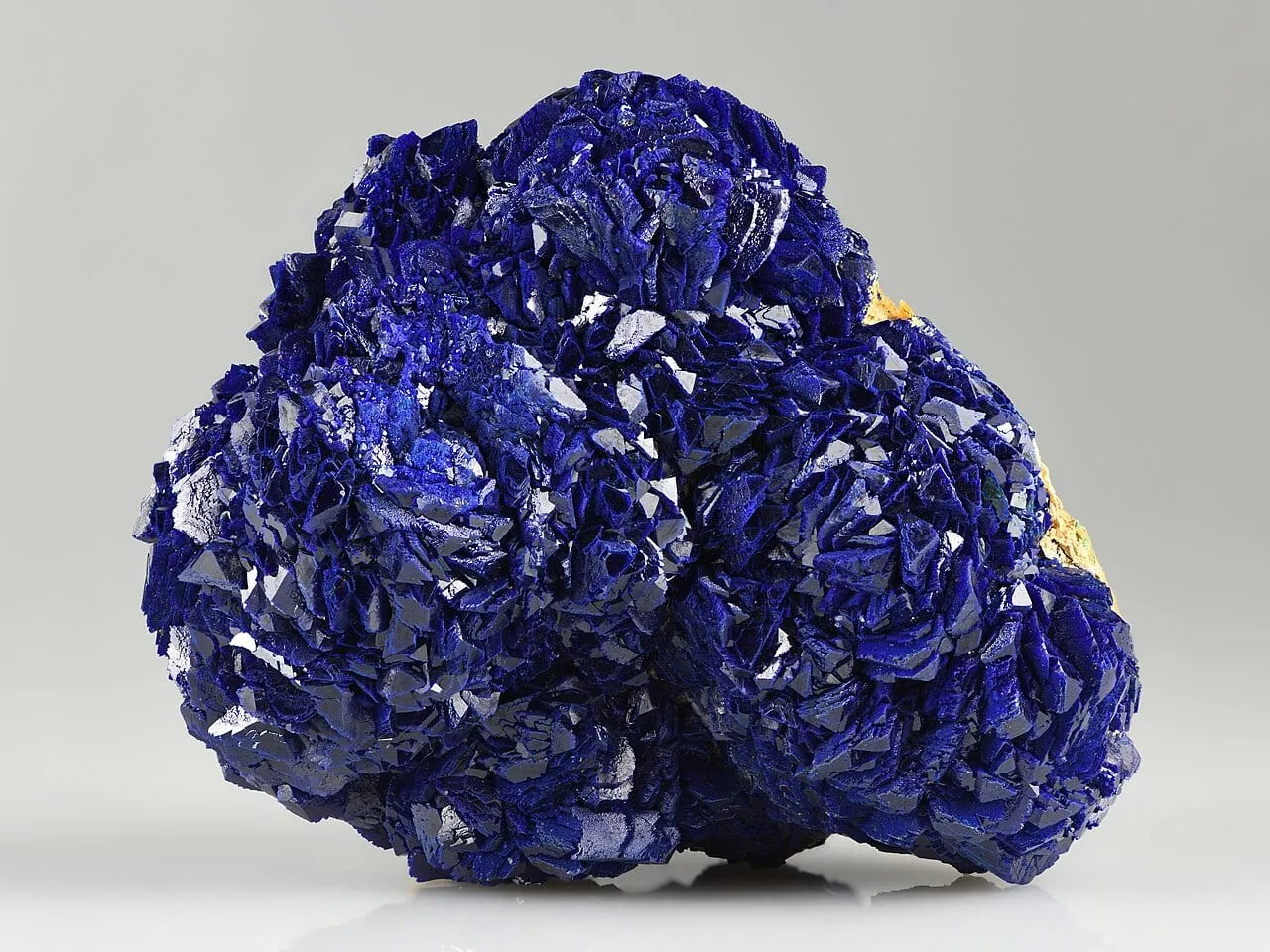
A deep blue copper mineral that was the most important blue pigment of medieval and Renaissance painters.