VarietyA variety of Quartz
Rutilated quartz
SiO₂Rutilli kuvars
Clear quartz holding fine needles of rutile in golden, copper-red or silver: also called “Venus’ hair stone”.
Also known as: Venus' hair stone · Venus's-hairstone · Flèches d'amour · Sagenite (net-like pattern)
- Popularly: Semi-precious stone
- Gemstone
In short
Rutilated quartz is quartz that contains thin, needle-shaped crystals of rutile. Rutile is the mineral titanium dioxide (TiO₂); the needles mostly look golden, but can also be copper-red, silver or black. They may be scattered at random, grouped in bundles or arranged in star shapes. While inclusions often lower the value of a quartz crystal, rutilated quartz is prized for the beauty of these inclusions.
Photos
How does it form?
The rutile needles are trapped inside the crystal as the quartz grows: in Britannica’s words, the quartz crystals “mechanically enclose” the rutile during growth. The needles may be scattered at random, form bundles or be woven into a net (sagenite). In six-rayed star patterns, according to JCK, the hexagonal symmetry of a hematite crystal controls the orientation of the rutile.
What is it used for?
- Jewellery: it is used as a gemstone; pieces in which the needles form a pleasing pattern are cut as cabochons or faceted stones.
- History: it has been an ornamental stone since ancient times and was especially popular in England and France in the 18th century.
Where is it found?
According to Britannica, the finest specimens come from the Brazilian state of Minas Gerais, from Madagascar, and in the United States from Hanover, New Hampshire, and northern Vermont. GIA reports reddish rutilated quartz from Bahia in northern Brazil, where a mine closed some decades ago was reopened as the stone’s value rose. The Graubünden region of Switzerland is known for its “arrows of love”.
What determines its value?
In quartz crystals, inclusions usually lower the value; in rutilated quartz, the quality of the inclusions sets it. The clearer the quartz and the brighter the golden needles, the higher the quality. What matters is not that the needles are scattered at random but that they form a pleasing pattern such as a bundle or a six-rayed star; stones with just one or two needles are not regarded as fine quality. Six-rayed stars occur regularly in the crystal, but are rarely oriented in a way that lets them be cut, which makes well-cut stones with a fine star rare.
This information is educational, not buying, selling or investment advice. Value varies enormously with quality and treatment.
How to recognise it
- 1
Fine golden, copper-red, silver or black needles show inside clear or smoky quartz; the needles may be single, in bundles or in star shapes.
- 2
Most of the stone is quartz, so it is as hard as quartz (7): it scratches glass, and a steel knife cannot scratch it. The rutile that forms the needles is a little softer (about 6).
- 3
The needles were trapped inside the crystal as the quartz grew; they are not stuck to the surface but lie within the stone, and stay there when it is cut and polished.
- 4
If the needles are dense, the stone can look almost opaque. Britannica calls quartz holding long, delicate rutile needles rutilated quartz or Venus’s-hairstone.
Myths and misconceptions
MythThe golden threads inside rutilated quartz are gold or copper.
FactThe needles are not metal but rutile: thin crystals of the mineral titanium dioxide (TiO₂). They mostly look golden, though copper-red, silver and black needles exist too; GIA ties the colour of reddish rutile to traces of iron.
MythThe needles in the quartz were pushed in later or seeped in through cracks.
FactQuartz crystals enclose rutile needles mechanically as they grow; the needles are an integral part of the crystal.
Did you know?
The rutile needles that pierce quartz, called “flèches d’amour” (arrows of love) in French, are known especially from Graubünden in Switzerland.
Rutilated quartz in which the rutile needles form a net-like mesh is called sagenite; the name comes from the Greek word for “net”.
According to Britannica, rutilated quartz has been used as an ornamental stone since ancient times and was particularly prized in England and France in the 18th century.
Where is it found?
Loading map…
- Minas Gerais, Brazil · Major depositAccording to Britannica, one of the places that give the finest specimens
- Bahia, Brazil · Major depositSource of reddish rutilated quartz; a mine closed decades ago was reopened as the value of the stone rose
- Madagascar · Known localityAccording to Britannica, one of the places that give the finest specimens; no exact site is given
- Graubünden, Switzerland · Historic sourceRutile needles piercing quartz are known here as “flèches d'amour” (arrows of love)
- Hanover, New Hampshire, USA · Known localityAccording to Britannica, one of the places that give the finest specimens
Locations are approximate to protect sites. Red dots mark places in Türkiye. Open in the big map →
Frequently asked questions
What is rutilated quartz?
Rutilated quartz is quartz that contains thin, needle-shaped crystals of rutile. Rutile is the mineral titanium dioxide (TiO₂); the needles mostly look golden, but can also be copper-red, silver or black. They may be scattered at random, grouped in bundles or arranged in star shapes. While inclusions often lower the value of a quartz crystal, rutilated quartz is prized for the beauty of these inclusions.
What is rutilated quartz used for?
Jewellery: it is used as a gemstone; pieces in which the needles form a pleasing pattern are cut as cabochons or faceted stones. History: it has been an ornamental stone since ancient times and was especially popular in England and France in the 18th century.
How hard is rutilated quartz?
It has a hardness of 7 on the Mohs scale. It scratches glass and steel; a steel knife cannot scratch it. Its specific gravity is 2.65–2.66 g/cm³.
Where is rutilated quartz found?
Its best-known localities: Minas Gerais, Brazil; Bahia, Brazil; Graubünden, Switzerland; Madagascar; Hanover, New Hampshire, USA.
How can you tell if rutilated quartz is real?
Fine golden, copper-red, silver or black needles show inside clear or smoky quartz; the needles may be single, in bundles or in star shapes. Most of the stone is quartz, so it is as hard as quartz (7): it scratches glass, and a steel knife cannot scratch it. The rutile that forms the needles is a little softer (about 6). The needles were trapped inside the crystal as the quartz grew; they are not stuck to the surface but lie within the stone, and stay there when it is cut and polished.
Is rutilated quartz valuable?
On the “street to diamond” value ladder it sits on step 5 of nine: Ornamental stone. In quartz crystals, inclusions usually lower the value; in rutilated quartz, the quality of the inclusions sets it. The clearer the quartz and the brighter the golden needles, the higher the quality. What matters is not that the needles are scattered at random but that they form a pleasing pattern such as a bundle or a six-rayed star; stones with just one or two needles are not regarded as fine quality. Six-rayed stars occur regularly in the crystal, but are rarely oriented in a way that lets them be cut, which makes well-cut stones with a fine star rare.
Family
.jpg)
.jpg)
Sources
- Rutilated quartz · Wikipedia
- Rutile · Encyclopaedia Britannica
- Rutile · Wikipedia
- Gem News International: Tucson, rutilated quartz, Gems & Gemology 50(1) · GIA, 2014
- Rutilated Quartz · JCK, 2001
External links
Draft: awaiting expert reviewReport an error ↗
On the same step
Agate
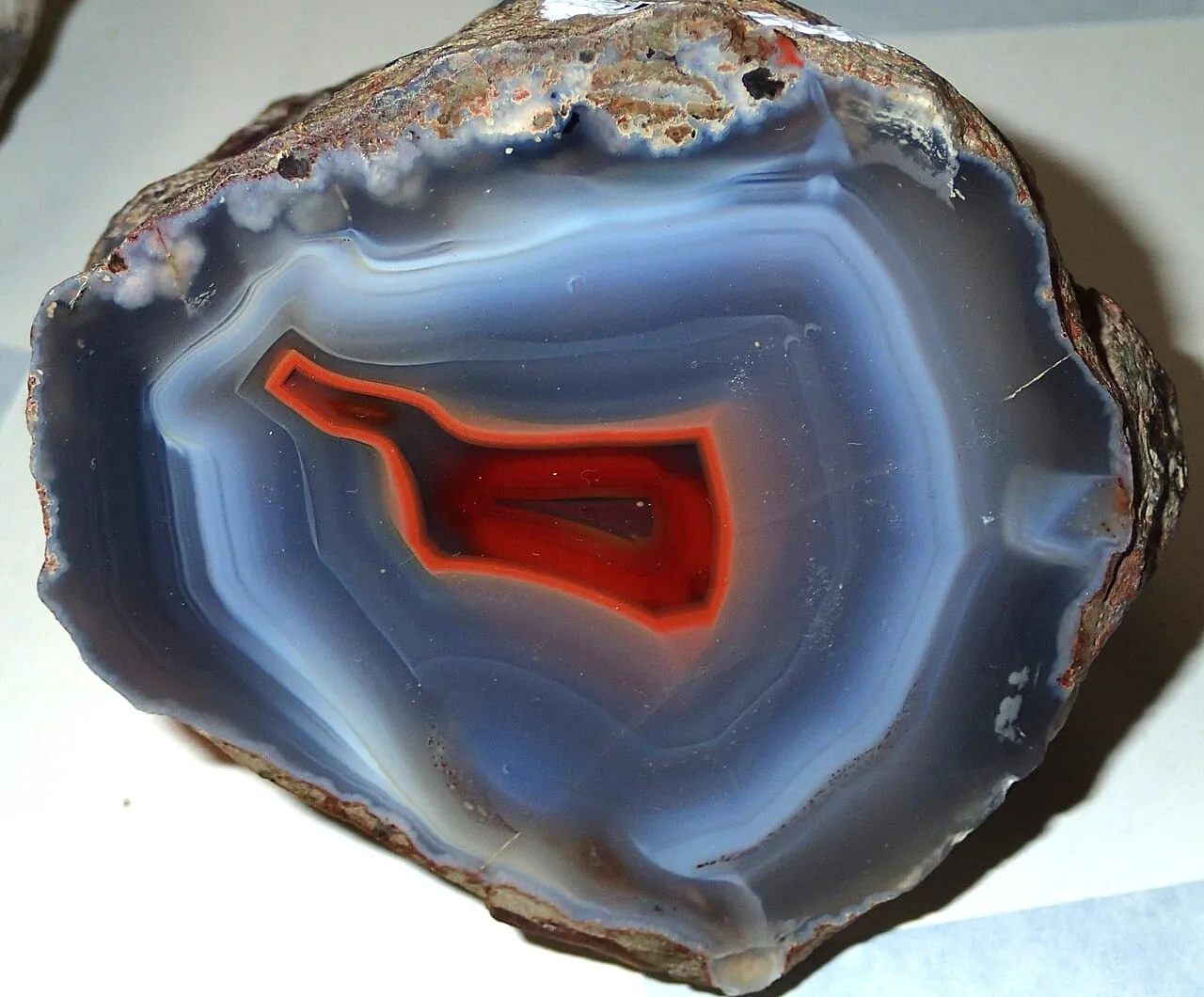
The banded variety of chalcedony: it grows layer by layer in hollows in volcanic rock and shows a new pattern every time it is cut.
Almandine
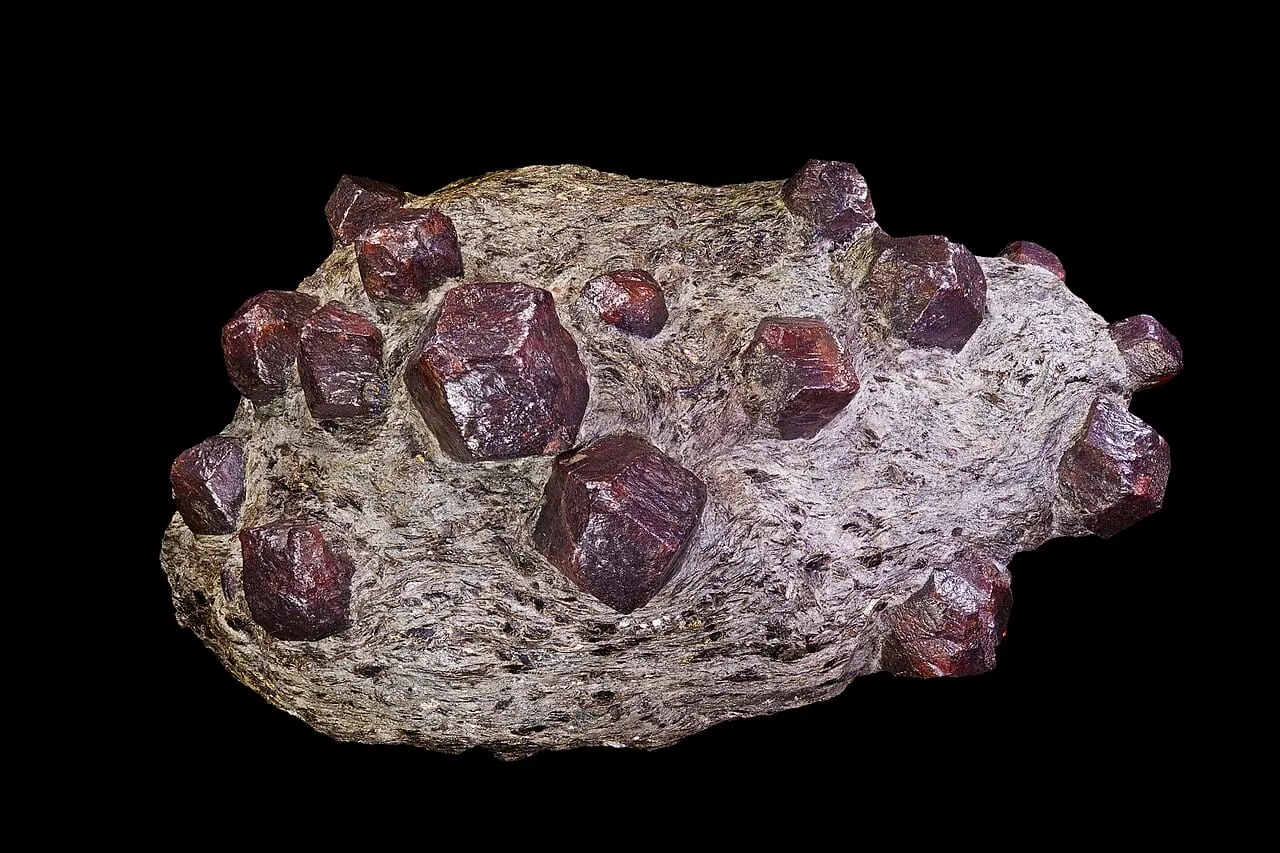
The commonest garnet: a deep red, iron-rich stone named after the ancient city of Alabanda in Anatolia, used in jewellery and in sandpaper alike.
Amazonite
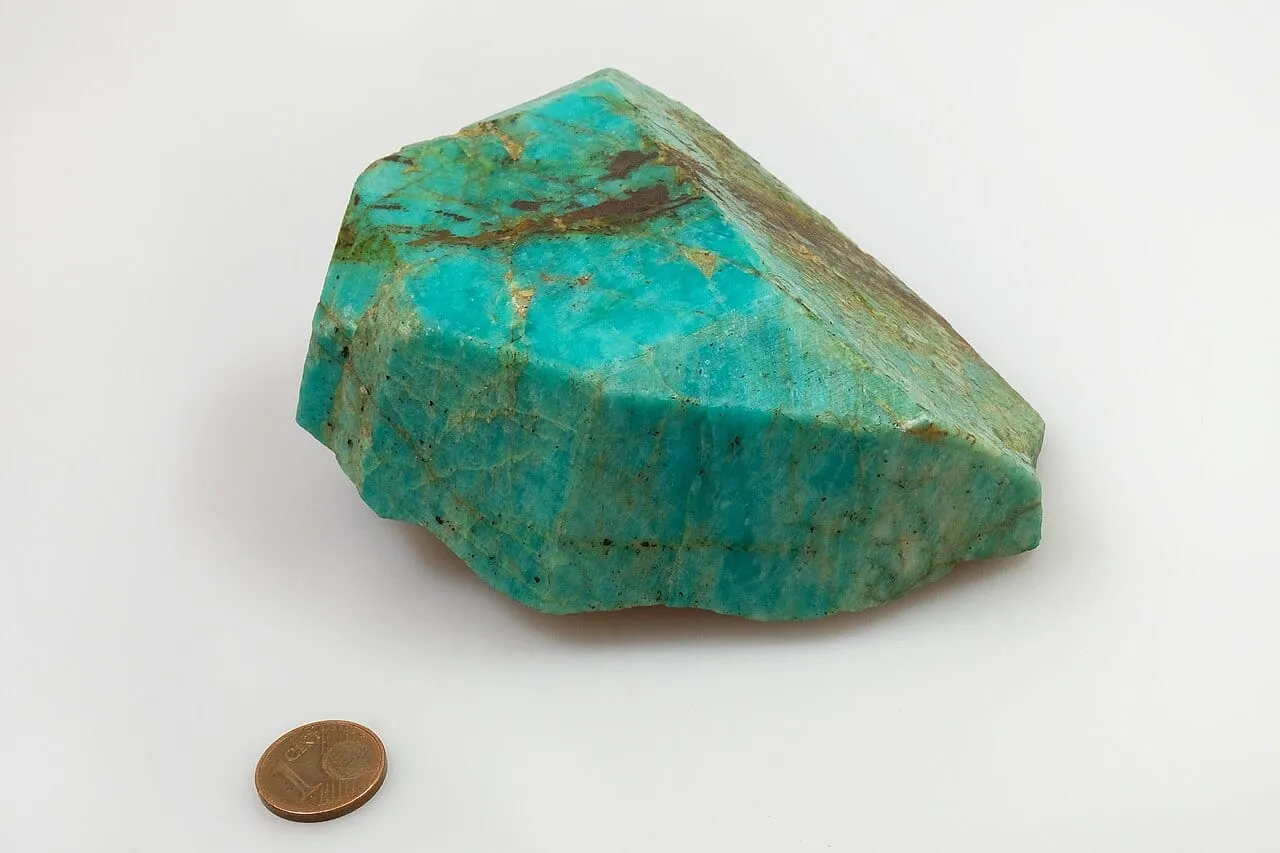
A turquoise-like green-blue feldspar: a variety of microcline worn as jewellery for more than three thousand years, but it can release lead.