VarietyA variety of Agate
Blue lace agate
SiO₂Mavi dantel akik
An agate known for fine, wavy, lace-like bands of pale blue and white; its classic source is a single mine in southern Namibia.
- Popularly: Semi-precious stone
In short
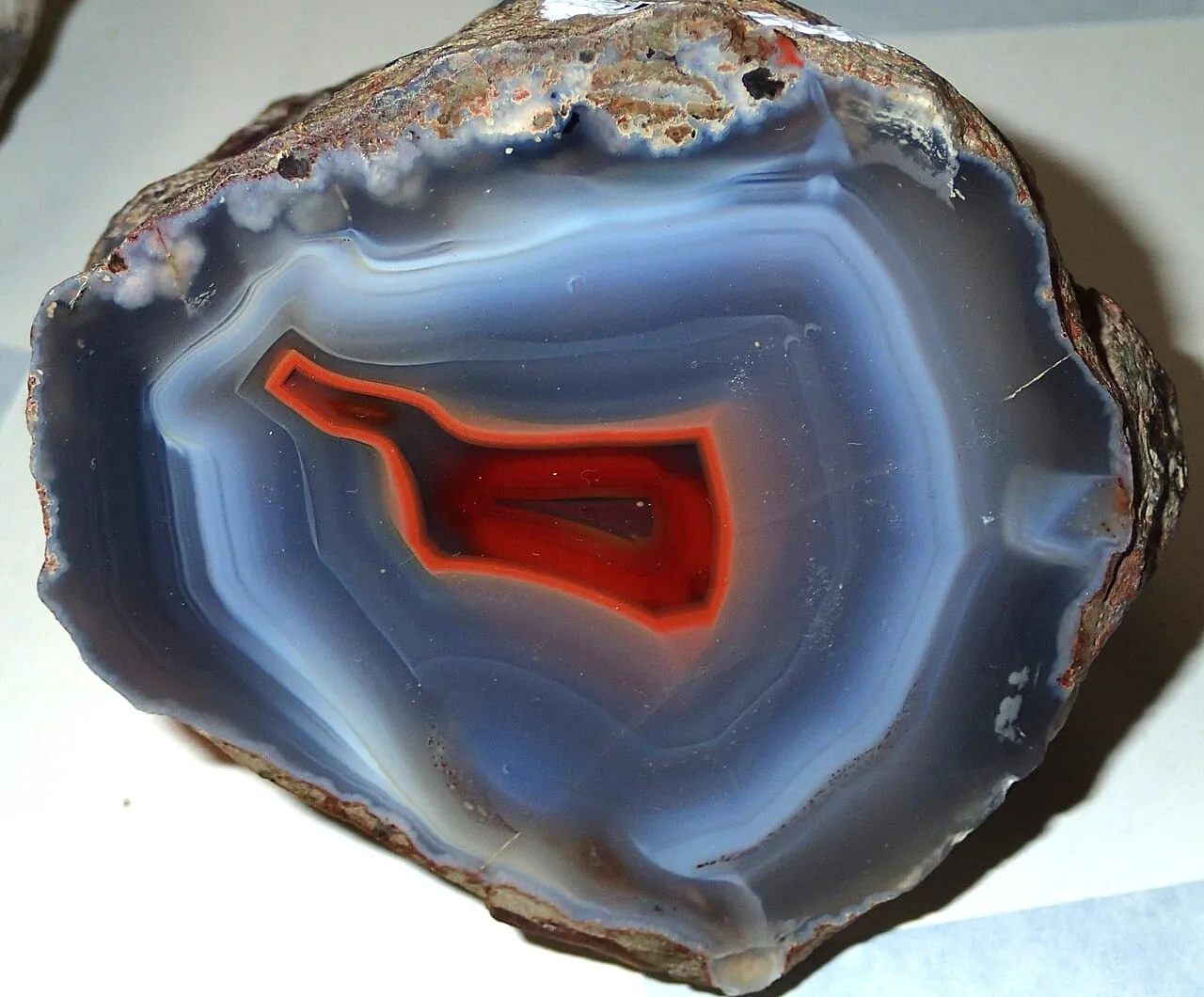
Blue lace agate is a variety of agate with pale blue and white bands in a wavy, lace-like pattern. The bands are made of layers of blue chalcedony alternating with layers of white, very fine-grained quartz. It is a vein agate. For decades almost all of it came from the Ysterputs Mine in southern Namibia, a private mine worked from 1962 to 2017. Similar blue agate and chalcedony have also come from places such as Kenya, Malawi and Zambia.
Photos
How does it form?
The Namibian blue lace agate formed as hot-water veins in cracks in the Tandjiesberg sill, a dolerite intrusion (dark igneous rock that spread underground as a flat sheet and solidified). The sill was emplaced during the Jurassic period, about 183 million years ago, into Permian Karoo shales. The heat of the magma set up a hot-water system that carried silica-rich, salty solutions from the underlying Karoo rocks into cracks in the sill.
In these cracks silica was laid down in successive bands as conditions changed. Bands of blue chalcedony alternated with bands of white, very fine-grained quartz. Most of the chalcedony in the stone is a kind called quartzine, which suggests that the agate formed in very salty water. Some veins have unbanded chalcedony in the middle or small cavities lined with clear or blue quartz crystals; calcite, gypsum, siderite and ankerite can also occur in these cavities.
Where does the blue come from?
Blue lace agate is not dyed. According to Wikipedia, the colour is thought to come from light being scattered by tiny cavities, inclusions or microscopic particles inside the stone (Rayleigh scattering). The same kind of scattering explains why the sky looks blue.
What is it used for?
- Jewellery: It is widely used as cabochons, beads and pendants.
- Ornamental stone: It is sold as tumbled (rounded and polished) stones and as cut slabs.
- Collecting: Specimens carrying quartz crystals or cube-shaped chalcedony are sought by mineral collectors.
For the general features of banded agates, see the agate page.
What determines its value?
Pattern and colour matter most: fine, crisp, regular bands curling like lace and an even, clean pale blue are what is sought. Freedom from cracks, size and the quality of the polish also count. Because the mine that supplied the classic Namibian material closed in 2017, good pieces from this deposit have become harder to find. For collectors, specimens carrying quartz crystals or cube-shaped chalcedony are valued in their own right.
This information is educational, not buying, selling or investment advice. Value varies enormously with quality and treatment.
How to recognise it
- 1
Its overall colour is light or pale blue, crossed by fine, wavy, lace-like white and blue bands.
- 2
It ranges from translucent to opaque; it has a waxy lustre and turns glassy when polished.
- 3
Its hardness is 6.5–7: it scratches glass, and a steel knife cannot scratch it.
- 4
Some specimens glow green under ultraviolet light because of traces of uranyl ions.
Fakes and imitations
What shops usually don’t tell you:
- Dyed agate: much commercial agate is dyed. Neon-bright, strongly saturated blue agates are very likely dyed; the colour of natural blue lace agate is a soft, pale blue.
Myths and misconceptions
MythThe colour of blue lace agate comes from dye.
FactThe pale blue of natural blue lace agate is not dye; it is thought to come from light being scattered by tiny cavities and particles inside the stone. There are, however, other dyed blue agates on the market, and very vivid blues point to dyeing.
MythBlue lace agate is a common stone found in abundance all over the world.
FactFor decades most of the blue lace agate known came from a single mine, Ysterputs in southern Namibia, which closed in 2017. Similar blue agate and chalcedony from other countries come from different deposits.
What is it believed to be good for?
This section reports beliefs; it is not health information. There is no scientific evidence for these claims and no stone replaces medical treatment.
The meanings people give this stone, and who holds them:
- Today crystal-therapy websites link blue lace agate to the “throat chakra” and claim that it eases communication, calms people and reduces stress.
- The same sources claim that the stone helps with sore throats, hoarseness and thyroid problems.
What science says
Blue lace agate is made of chemically inert silica; the only link between its blue colour and the “throat chakra” is a matter of colour. There is no scientific evidence that it calms, eases communication or cures throat or thyroid problems; persistent hoarseness and thyroid complaints call for a doctor.
Did you know?
The Ysterputs Mine was a private mine owned by George Swanson and was worked from 1962 until January 2017; as of December 2023 its future was uncertain.
The agate veins at the mine are usually only 20–30 mm thick.
Rare cube-shaped blue chalcedony crystals up to 9 mm across have also been found at the deposit, and collectors prize them.
Where is it found?
Loading map…
- Ysterputs Mine, Ysterputs Farm, Karasburg West, ǁKaras Region, Namibia · Type localityThe classic and for decades the main source of blue lace agate; the private mine was worked from 1962 until January 2017
- Lapurr Range, Turkana County, Kenya · Known localityListed among the places that have produced blue lace agate or a similar blue chalcedony
- Malawi · Known localityListed among the places that have produced blue lace agate or a similar blue chalcedony; no exact site is given
- Zambia · Known localityListed among the places that have produced blue lace agate or a similar blue chalcedony; no exact site is given
Locations are approximate to protect sites. Red dots mark places in Türkiye. Open in the big map →
Frequently asked questions
What is blue lace agate?
Blue lace agate is a variety of agate with pale blue and white bands in a wavy, lace-like pattern. The bands are made of layers of blue chalcedony alternating with layers of white, very fine-grained quartz. It is a vein agate. For decades almost all of it came from the Ysterputs Mine in southern Namibia, a private mine worked from 1962 to 2017. Similar blue agate and chalcedony have also come from places such as Kenya, Malawi and Zambia.
What is blue lace agate used for?
Jewellery: It is widely used as cabochons, beads and pendants. Ornamental stone: It is sold as tumbled (rounded and polished) stones and as cut slabs. Collecting: Specimens carrying quartz crystals or cube-shaped chalcedony are sought by mineral collectors. For the general features of banded agates, see the agate page.
How hard is blue lace agate?
It has a hardness of 6.5–7 on the Mohs scale. It scratches glass and steel; a steel knife cannot scratch it. Its specific gravity is 2.59–2.61 g/cm³.
Where is blue lace agate found?
Its best-known localities: Ysterputs Mine, Ysterputs Farm, Karasburg West, ǁKaras Region, Namibia; Lapurr Range, Turkana County, Kenya; Malawi; Zambia.
How can you tell if blue lace agate is real?
Its overall colour is light or pale blue, crossed by fine, wavy, lace-like white and blue bands. It ranges from translucent to opaque; it has a waxy lustre and turns glassy when polished. Its hardness is 6.5–7: it scratches glass, and a steel knife cannot scratch it. Dyed agate: much commercial agate is dyed. Neon-bright, strongly saturated blue agates are very likely dyed; the colour of natural blue lace agate is a soft, pale blue.
Is blue lace agate valuable?
On the “street to diamond” value ladder it sits on step 5 of nine: Ornamental stone. Pattern and colour matter most: fine, crisp, regular bands curling like lace and an even, clean pale blue are what is sought. Freedom from cracks, size and the quality of the polish also count. Because the mine that supplied the classic Namibian material closed in 2017, good pieces from this deposit have become harder to find. For collectors, specimens carrying quartz crystals or cube-shaped chalcedony are valued in their own right.
What is blue lace agate good for?
Today crystal-therapy websites link blue lace agate to the “throat chakra” and claim that it eases communication, calms people and reduces stress. The same sources claim that the stone helps with sore throats, hoarseness and thyroid problems. Blue lace agate is made of chemically inert silica; the only link between its blue colour and the “throat chakra” is a matter of colour. There is no scientific evidence that it calms, eases communication or cures throat or thyroid problems; persistent hoarseness and thyroid complaints call for a doctor. This section reports beliefs; it is not health information. There is no scientific evidence for these claims and no stone replaces medical treatment.
Family

.jpg)
Sources
- Blue lace agate · Wikipedia
- Ysterputs (place), ǁKaras Region, Namibia · Bamwor (GeoNames data)
- Lapurr Sandstone · Wikipedia
- Agate · Wikipedia
- Blue Lace Agate (Ysterputz Mine, Ysterputs Farm 254, Karasburg West, ǁKaras Region, Namibia) · Wikimedia Commons
External links
Draft: awaiting expert reviewReport an error
On the same step

Almandine
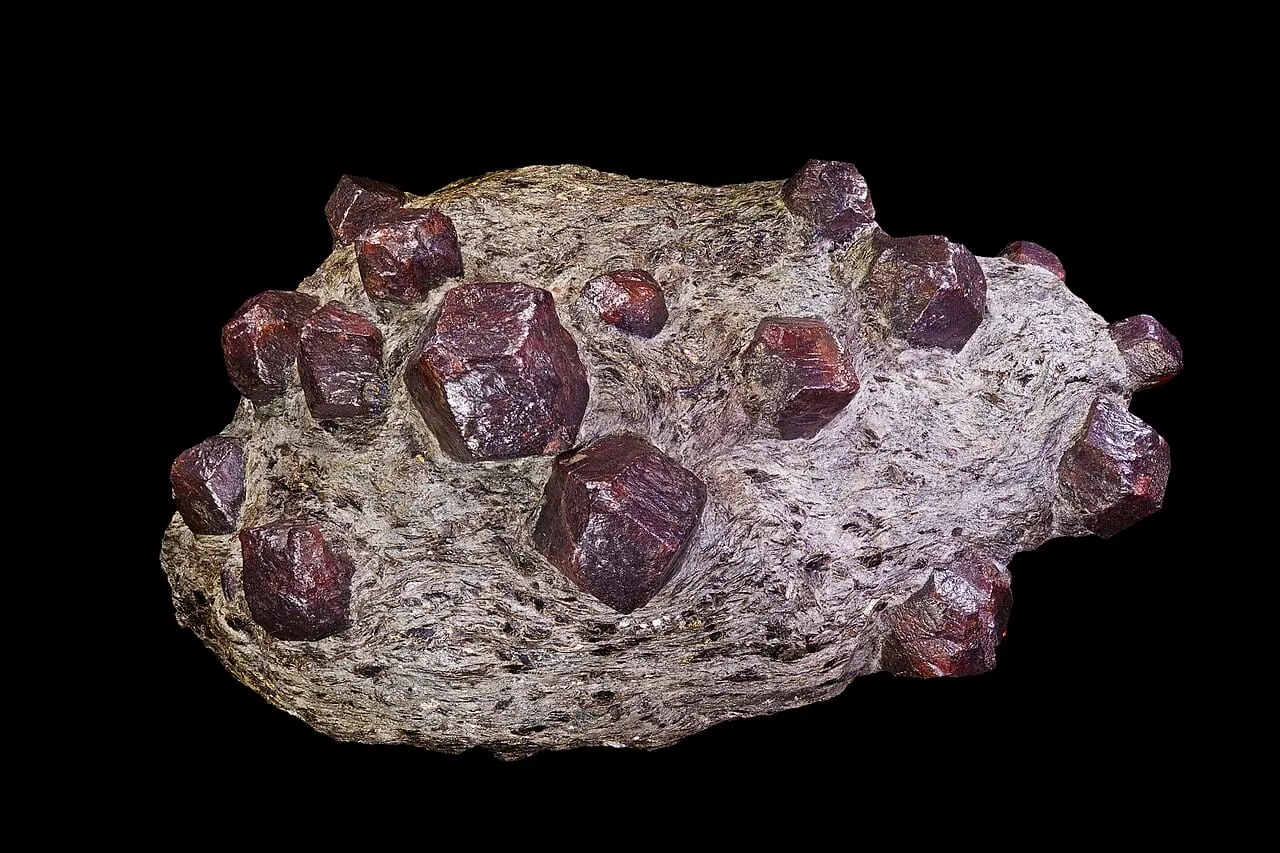
The commonest garnet: a deep red, iron-rich stone named after the ancient city of Alabanda in Anatolia, used in jewellery and in sandpaper alike.
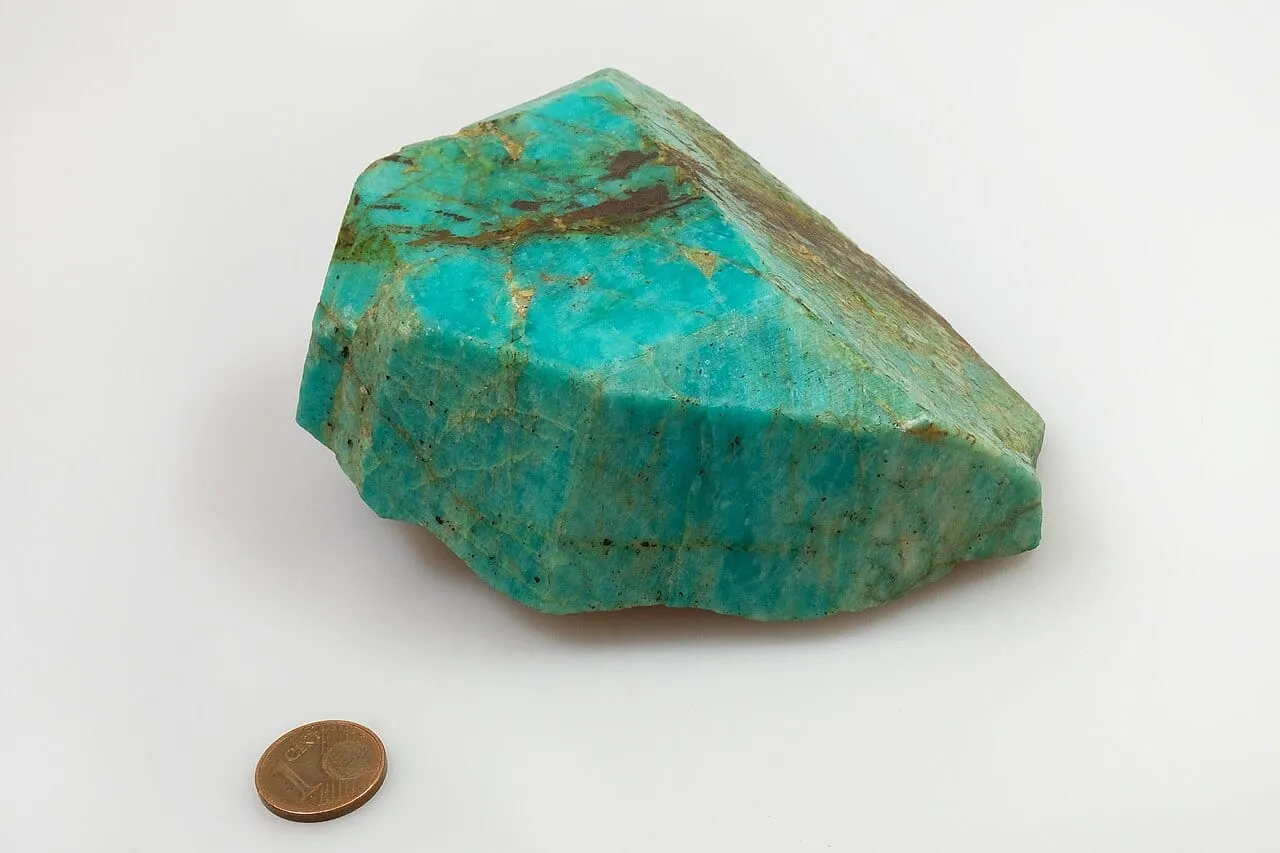
Amazonite
A turquoise-like green-blue feldspar: a variety of microcline worn as jewellery for more than three thousand years, but it can release lead.
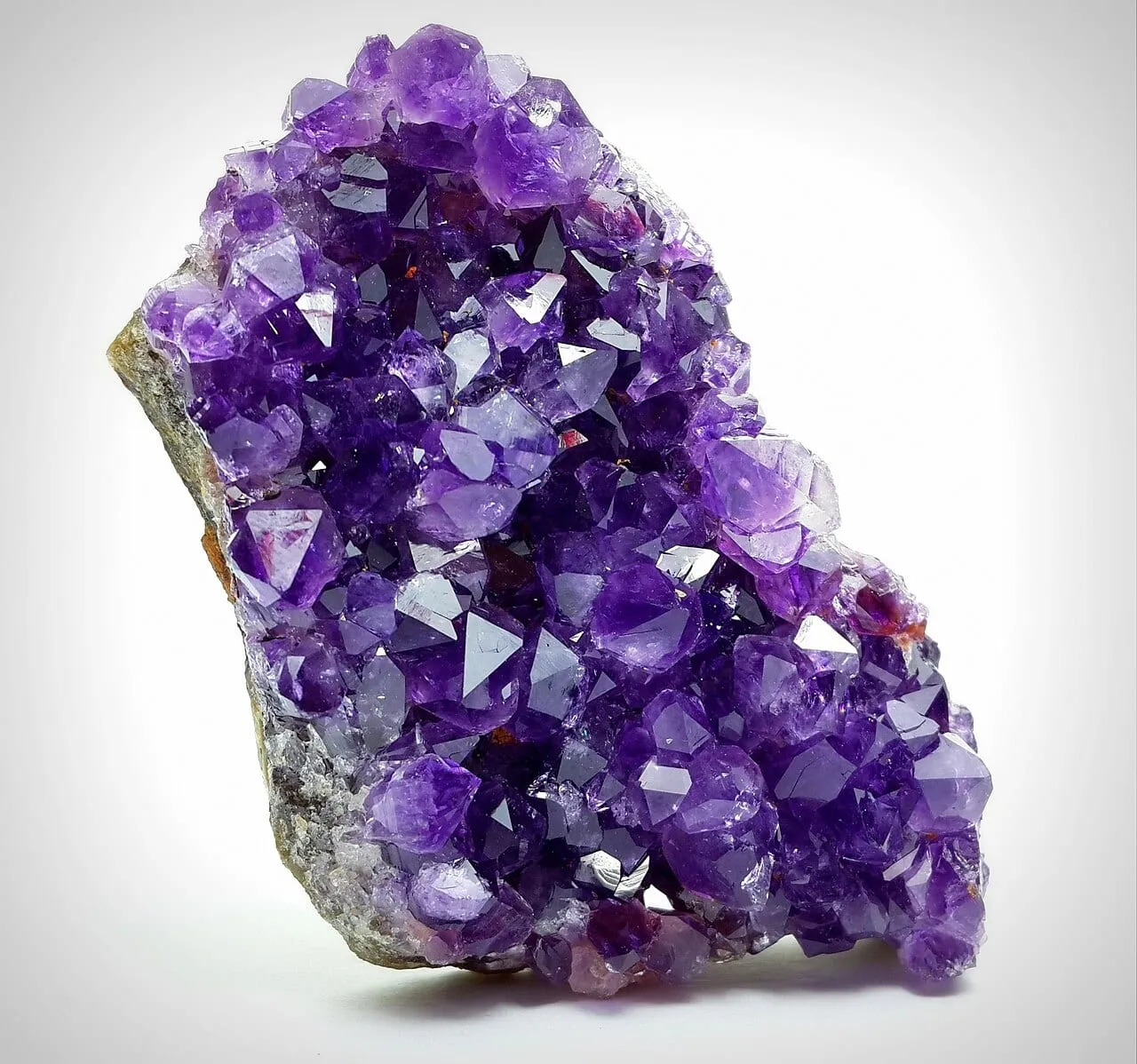
Amethyst
The purple variety of quartz, coloured by traces of iron working together with natural radiation.