Rock
Oolitic limestone
Oolitik kireçtaşı
A limestone made of tiny fish-roe-like grains of calcite: the stone of St Paul's Cathedral, of Bath and of the Empire State Building.
Also known as: Oolite
- Popularly: Natural stone (building and decor)
- Building stone
.jpg)
In short
Oolitic limestone is a limestone made of ooids, small round grains about the size of sand. Ooids grow in warm, shallow, wave-swept seas as layers of calcite settle around a shell fragment or sand grain, and under a hand lens the rock looks like a heap of fish roe. It is hard yet easy for masons to carve, so famous building stones such as Portland, Bath and Indiana limestone belong to this group. The name comes from Greek words meaning “egg stone”.
Photos
_1.jpg)
How does it form?
Ooids form in warm, shallow, wave-swept seas. A small shell fragment or sand grain serves as the nucleus; strong tidal currents roll it along the sea floor while calcium carbonate settles in thin layers around it. Growing like an onion, a grain counts as an ooid once it reaches 0.25–2 mm. When these grains pile up and become cemented, the rock is called oolite, or oolitic limestone.
Very rarely, ooids form in freshwater lakes too; the Shoofly Oolite in Idaho is counted among the world’s largest freshwater lakebed oolites. In Florida’s Miami Limestone, rainwater seeping in after the sea retreated turned aragonite into calcite and hardened the stone.
What is it used for?
- Building and dimension stone: Oolitic limestones such as Portland, Bath and Indiana limestone have been used in cathedrals, palaces, museums and skyscrapers. After the First World War the Portland quarries supplied the stone for London’s Cenotaph and for the headstones of war cemeteries.
- Carving and stonework: Its grains are moderately cemented, so masons can carve and shape it easily, yet it stands up well to the weather.
- Aquarium sand: Oolitic sand (grains 0.2–1.22 mm) is used in aquariums because it helps water filtration and gives helpful bacteria a place to settle.
Famous oolitic stones
Portland stone (Dorset, England) is Late Jurassic, has been quarried since Roman times and measures about 3.5 on the Mohs scale. Bath stone (Somerset and Wiltshire) is Middle Jurassic and comes from underground quarries; it is soft when freshly cut and hardens in the air. Indiana limestone (USA) is the Mississippian Salem Limestone, and it was used in 35 of the 50 US state capitol buildings.
What determines its value?
Oolitic limestone is mostly sought after as block stone; its value depends on whether large, crack-free blocks with few shell or clay beds can be cut, on the evenness of colour and texture, and on its porosity and resistance to weather. Some stones, such as Portland, are also wanted for repair work because they are part of the architectural heritage. Acid rain slowly eats away at the stone, and types such as Indiana limestone are used less than before for monuments. The distance from quarry to building site affects transport costs and so the local value.
This information is educational, not buying, selling or investment advice. Value varies enormously with quality and treatment.
How to recognise it
- 1
Under a hand lens it is made of round, onion-layered grains (ooids) about the size of sand grains, and the surface looks like a cluster of fish roe.
- 2
Being calcium carbonate it fizzes in dilute acid and a steel knife can scratch it.
- 3
The grains are usually small and similar in size, and many types can be cut and carved in any direction, which is why masons call them freestone.
- 4
On weathered or worn surfaces the ooids stand out as small round pits or bumps, and some types also show shell fragments.
Fakes and imitations
What shops usually don’t tell you:
- If the grains are larger than 2 mm the rock is called pisolite, not oolite.
- Not every ooid-bearing rock is limestone: ooids can also be made of phosphate, clay, chert, dolomite or iron minerals such as hematite.
- It can be mistaken for conglomerate; but in conglomerate the grains are pebbles broken from various rocks, whereas in oolite they are small, concentrically layered and nearly the same size.
Myths and misconceptions
MythThe round grains in oolitic limestone are fossil fish or dinosaur eggs.
FactOoids are not eggs; they are layers of calcite deposited around a sand grain or shell fragment in wave-swept shallow seas. The name comes from the Greek word for “egg” because they look like eggs.
MythPortland stone and Bath stone are the same stone.
FactBoth are oolitic limestones, but they differ in age and place: Portland stone is Late Jurassic, white-grey and comes from the Isle of Portland in Dorset, while Bath stone is Middle Jurassic, honey-coloured and comes from Somerset and Wiltshire.
Did you know?
After the Great Fire of London in 1666, Christopher Wren rebuilt St Paul's Cathedral in Portland stone, which firmly established it as London's “local stone”.
The town of Oolitic in Indiana was founded for the local oolitic limestone quarries and named after the stone; in 1931 the stone for the Empire State Building came from the nearby Empire Hole quarry.
Ooids are still forming today: the tidal flats of the Joulter Cays in the Bahamas are covered in present-day oolitic sand.
Where is it found?
Loading map…
- Isle of Portland, Dorset, England · Major depositPortland stone, from the Late Jurassic, is an oolitic limestone quarried since Roman times. St Paul's Cathedral, Buckingham Palace and the British Museum in London are built of it, and the International Union of Geological Sciences has named it a Global Heritage Stone Resource.
- Bath, Somerset, England · Historic sourceThe honey-coloured Bath stone, quarried from the Middle Jurassic Great Oolite Group, was used for the Royal Crescent, Bath Abbey and other buildings of the UNESCO World Heritage Georgian city. It is soft when freshly quarried and hardens in the air.
- Oolitic and Bedford, Indiana, USA · Major depositThe Mississippian Salem Limestone is oolitic. The town of Oolitic was founded for quarrying and named after the stone; the Empire State Building, the Pentagon and Washington National Cathedral were built with stone from the area. It has been Indiana's state stone since 1971.
- Joulter Cays, The Bahamas · Known localityOn the small islands north of Andros the tidal zone is covered in oolitic sand; this is one of the places where ooids are still forming today.
- Miami Rock Ridge, Florida, USA · Known localityThe Pleistocene Miami Limestone (formerly Miami Oolite) is oolitic and forms the Atlantic Coastal Ridge of southeast Florida and the lower Florida Keys.
- Cotswold Hills, England · Known localityOne of the English regions where Jurassic oolitic limestones crop out.
Locations are approximate to protect sites. Red dots mark places in Türkiye. Open in the big map →
Frequently asked questions
What is oolitic limestone?
Oolitic limestone is a limestone made of ooids, small round grains about the size of sand. Ooids grow in warm, shallow, wave-swept seas as layers of calcite settle around a shell fragment or sand grain, and under a hand lens the rock looks like a heap of fish roe. It is hard yet easy for masons to carve, so famous building stones such as Portland, Bath and Indiana limestone belong to this group. The name comes from Greek words meaning “egg stone”.
What is oolitic limestone used for?
Building and dimension stone: Oolitic limestones such as Portland, Bath and Indiana limestone have been used in cathedrals, palaces, museums and skyscrapers. After the First World War the Portland quarries supplied the stone for London's Cenotaph and for the headstones of war cemeteries. Carving and stonework: Its grains are moderately cemented, so masons can carve and shape it easily, yet it stands up well to the weather. Aquarium sand: Oolitic sand (grains 0.2–1.22 mm) is used in aquariums because it helps water filtration and gives helpful bacteria a place to settle.
How hard is oolitic limestone?
It has a hardness of 3–4 on the Mohs scale. A fingernail cannot scratch it, but a steel knife can. Its specific gravity is 2–2.4 g/cm³.
Where is oolitic limestone found?
Its best-known localities: Isle of Portland, Dorset, England; Oolitic and Bedford, Indiana, USA; Bath, Somerset, England; Joulter Cays, The Bahamas; Miami Rock Ridge, Florida, USA.
How can you tell if oolitic limestone is real?
Under a hand lens it is made of round, onion-layered grains (ooids) about the size of sand grains, and the surface looks like a cluster of fish roe. Being calcium carbonate it fizzes in dilute acid and a steel knife can scratch it. The grains are usually small and similar in size, and many types can be cut and carved in any direction, which is why masons call them freestone. If the grains are larger than 2 mm the rock is called pisolite, not oolite.
Is oolitic limestone valuable?
On the “street to diamond” value ladder it sits on step 3 of nine: Building and industrial stone. Oolitic limestone is mostly sought after as block stone; its value depends on whether large, crack-free blocks with few shell or clay beds can be cut, on the evenness of colour and texture, and on its porosity and resistance to weather. Some stones, such as Portland, are also wanted for repair work because they are part of the architectural heritage. Acid rain slowly eats away at the stone, and types such as Indiana limestone are used less than before for monuments. The distance from quarry to building site affects transport costs and so the local value.
Sources
- Oolite · Wikipedia
- Ovolit · Vikipedi
- Portland stone · Wikipedia
- Bath stone · Wikipedia
- Indiana limestone · Wikipedia
- Oolitic, Indiana · Wikipedia
- Miami Limestone · Wikipedia
- Joulter Cays · Wikipedia
- Isle of Portland · Wikipedia
- Stonehills Whitbed: technical data sheet compiled by the Building Research Establishment (BRE) · Albion Stone
External links
Draft: awaiting expert reviewReport an error ↗
On the same step

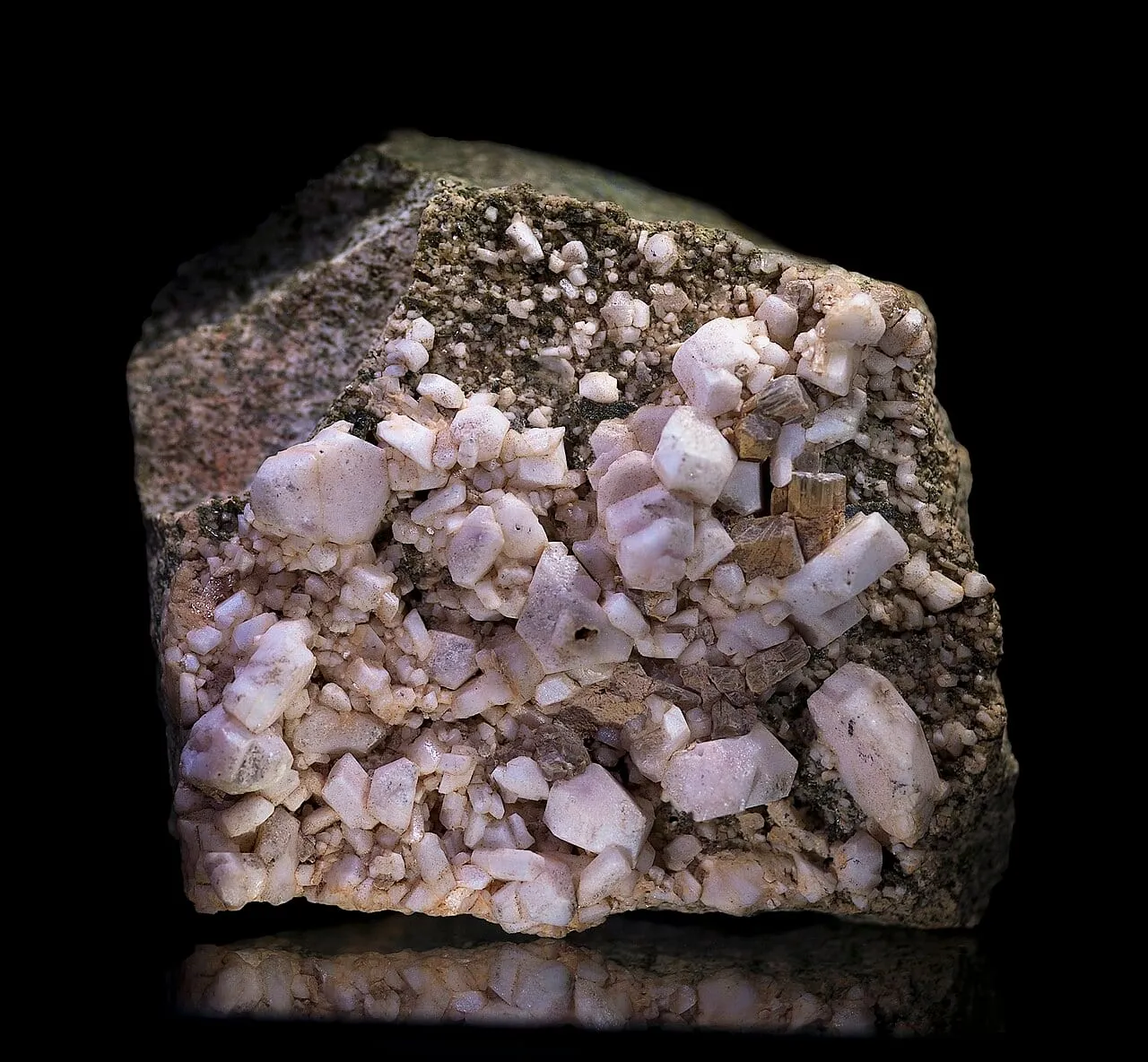
Albite
The white, sodium end of the feldspars: with its deposits at Çine–Milas, a glass and ceramics raw material that makes Türkiye one of the world’s main feldspar producers.
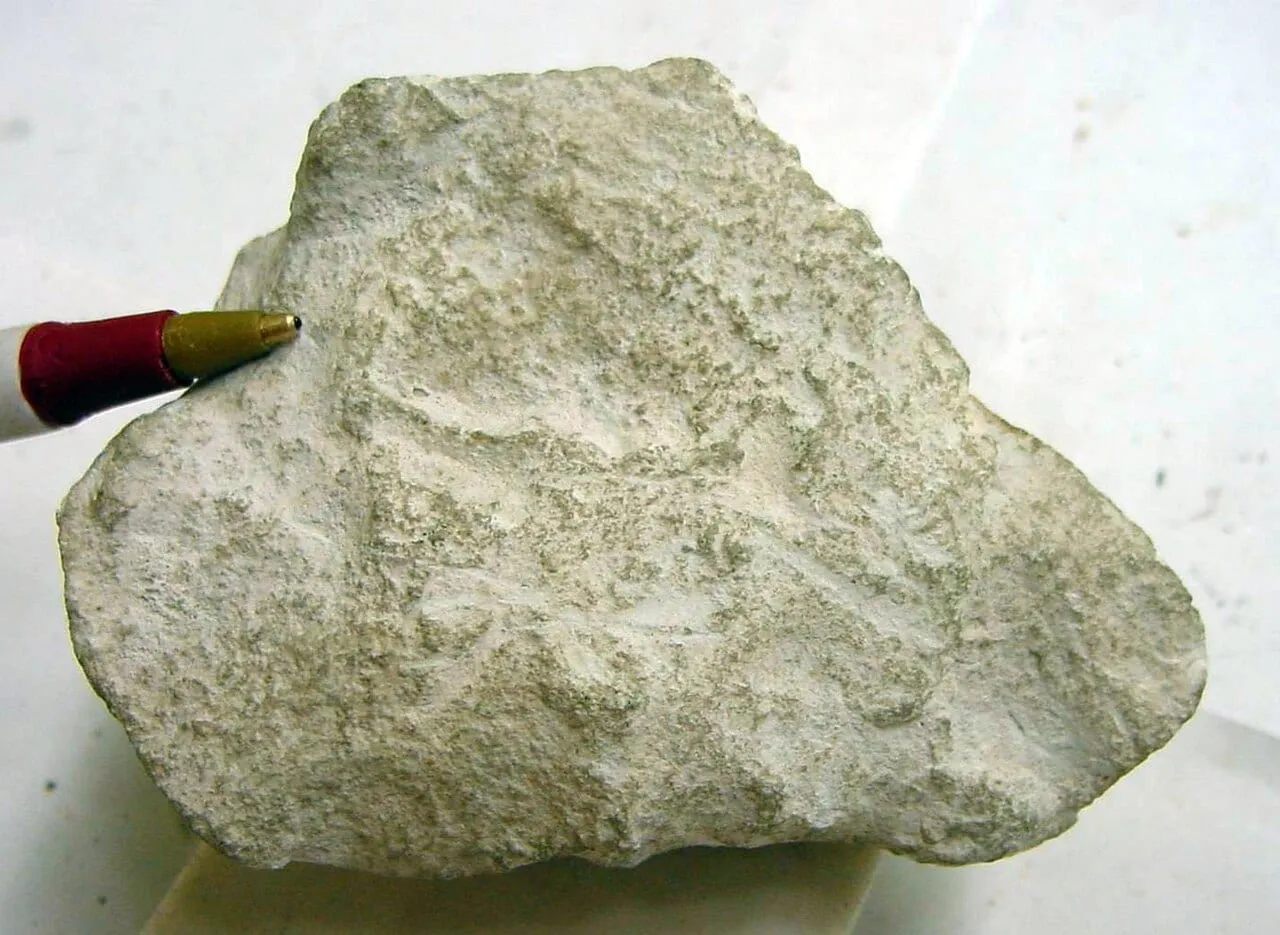
Alunite
The “alum stone” from which alum was made for centuries. Foça, Şaphane in Kütahya and Şebinkarahisar are Türkiye's old alum homelands.

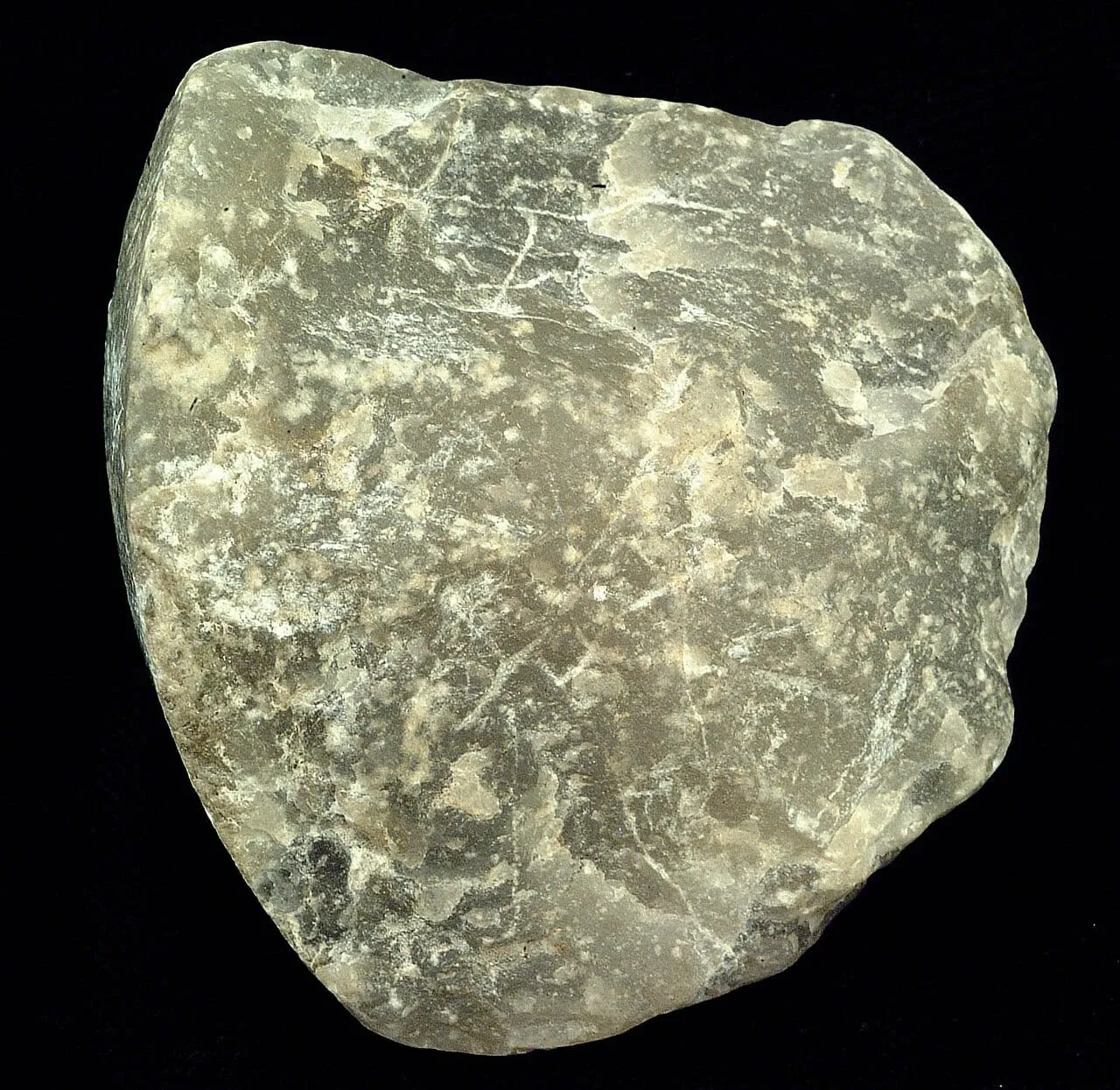
Anhydrite
Gypsum without its water: a calcium sulfate mineral, whose blue-grey Peruvian form is sold as “angelite”.