Organic gem
Coral
MercanCoralliidae (Corallium, Pleurocorallium, Hemicorallium)
The red limestone skeleton of tiny deep-sea animals: an organic gem that grows so slowly it needs protecting.
Also known as: Precious coral · Red coral (Mediterranean coral, Corallium rubrum) · Sardinian coral (trade name)
- Gemstone
- Ornamental
_11.jpg)
In short
Coral looks like a stone, but it is really a skeleton built by small sea animals called polyps. The red and pink “precious corals” used in jewellery usually grow very slowly in water deeper than 50 metres. That is why they need protection from overharvesting.
How does it form?
Corals live in colonies of tiny polyps, animals related to jellyfish. The precious corals used in jewellery (the family Coralliidae) are different from the reef corals of shallow water: they usually live between 50 and 2,000 metres deep and build a hard, branching skeleton. This skeleton is made of magnesium-rich calcite, and its red, orange and pink colours come from carotenoid pigments. Precious corals grow very slowly; a branch takes decades to thicken.
Where is it found?
The most famous is Mediterranean red coral (Corallium rubrum), known for its deep red colour and also called “Sardinian coral” in the trade. Red, pink and white precious corals are also recovered from deep waters around Japan and Taiwan. Red coral occurs on Turkish coasts too: dead colonies have been recorded off Gökçeada and in the eastern Mediterranean, and living colonies in the northern Aegean at about 50 metres depth.
Protection
Because precious corals grow so slowly, overharvesting can easily wipe them out. In the Mediterranean, coral fishing is therefore regulated with quotas, minimum sizes and depth limits, and international trade in some species is controlled under CITES. Shallow-water reef corals are already under heavy pressure from climate change and pollution.
How to recognise it
- 1
It is opaque, with a glassy to waxy polish. Fine parallel lines may run along the branch, and cross-sections may show concentric rings like those of a tree.
- 2
In natural coral the colour may vary slightly along a branch. In dyed coral the colour gathers in cracks, pores and drill holes, and a cotton bud with acetone wiped on a hidden spot may pick up dye.
- 3
It is soft (Mohs 3–4), can be scratched with a steel knife and, being calcite, fizzes in dilute acid. These tests damage the piece and should not be used on valuable items.
- 4
Determining the coral species, or whether it is dyed or an imitation, reliably requires laboratory methods such as Raman spectroscopy.
Fakes and imitations
What shops usually don’t tell you:
- Dyed coral: pale corals, or porous, low-value kinds such as bamboo coral and “sponge coral”, are bleached and dyed red, and their pores are often filled with polymer. These treatments must be disclosed by the seller.
- Reconstructed coral: coral fragments mixed with resin and moulded. It lacks the natural branch structure and growth lines.
- Imitations made of glass, plastic or calcite powder: plastic feels light and warm; glass feels cold, may contain bubbles and lacks coral’s fine striated structure.
Safety
Corals are legally protected. Black corals, blue coral, organ-pipe coral, fire corals, lace corals and reef-building stony corals are listed in CITES Appendix II, so moving items made from them between countries requires permits. At China’s request, four red and pink precious coral species (Corallium elatius, C. japonicum, C. konojoi and C. secundum) were added to CITES Appendix III in 2008. Mediterranean red coral is not CITES-listed, but its harvest is strictly regulated and collecting it in water shallower than 50 metres is not allowed. Never break off or collect coral from reefs or beaches, and check the current rules with customs before bringing coral home from abroad.
Did you know?
Mediterranean red coral has been exported to Asia since the 1st century AD.
The large deposits of dead coral found off Sciacca in Sicily in 1885 flooded the market with so much coral that its value fell sharply in the late 19th century.
Where is it found?
Loading map…
- Alghero, Sardinia, Italy · Major depositKnown as the “Coral Riviera”, this coast is a well-known source of Mediterranean red coral.
- Off Sciacca, Strait of Sicily, Italy · Historic sourceLarge deposits of dead coral found in 1885; the source of the orangey coral known in the trade as “Sciacca coral”.
- Off Kōchi Prefecture, Japan · Major depositPrecious coral production in Japan began in 1871, and Kōchi is a traditional centre of coral working. Red, pink and white corals come from deep water.
- Off Gökçeada, northern Aegean, Çanakkale, Türkiye · Known localityOn Turkish coasts, dead colonies of red coral have been found off Gökçeada and in the eastern Mediterranean at 45–110 m depth; living colonies were seen only in the northern Aegean, at about 50 m (Çınar et al., 2018).
Locations are approximate to protect sites. Red dots mark places in Türkiye. Open in the big map →
Sources
- CIBJO Information Sheet: Background about coral for educators · CIBJO (The World Jewellery Confederation), 2024
- Seeing Red: Precious coral trade in East Asia (Shiraishi, H.) · TRAFFIC, 2018
- Wanted dead or alive: Corallium rubrum (Cnidaria: Anthozoa) on the coasts of Turkey (Çınar, Gönülal & Öztürk), Cahiers de Biologie Marine 59: 175–179 · İstanbul Üniversitesi (AVESİS), 2018
External links
Draft: awaiting expert reviewReport an error ↗
On the same step
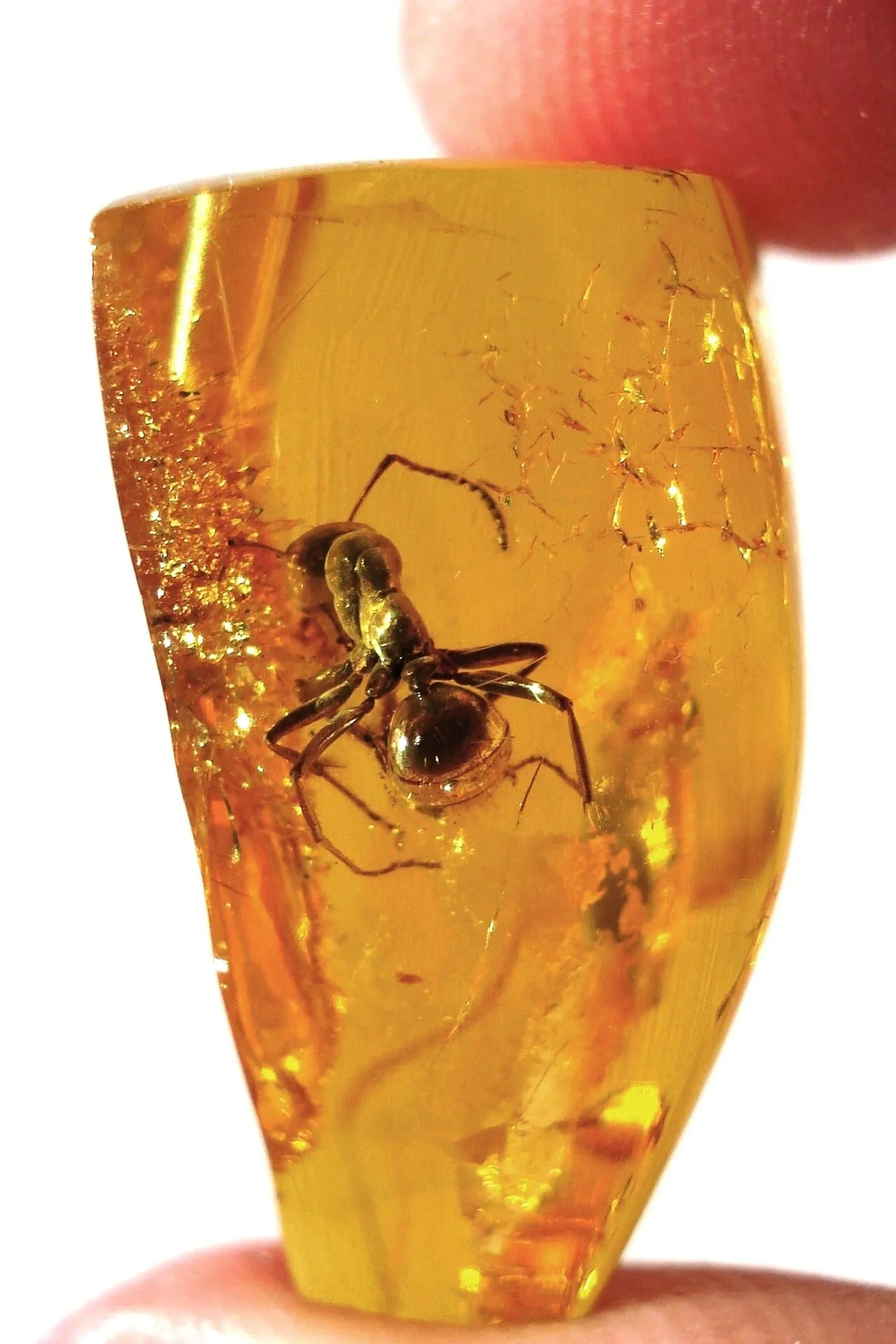
Amber
Tree resin fossilised over millions of years: a light, warm organic gem that sometimes holds prehistoric insects.
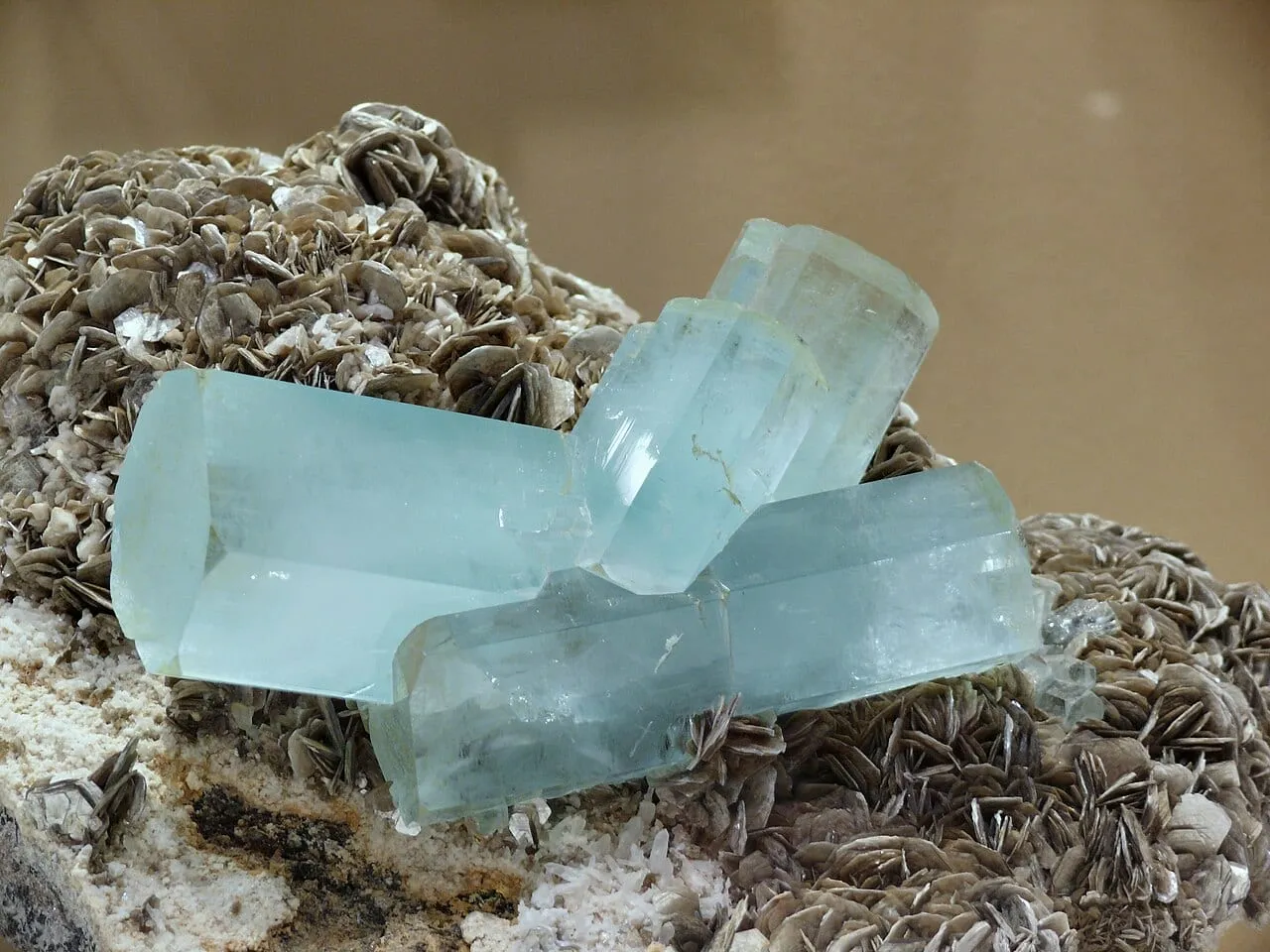
Aquamarine
The blue member of the beryl family, named after seawater: often found as large, clear, nearly flawless crystals.
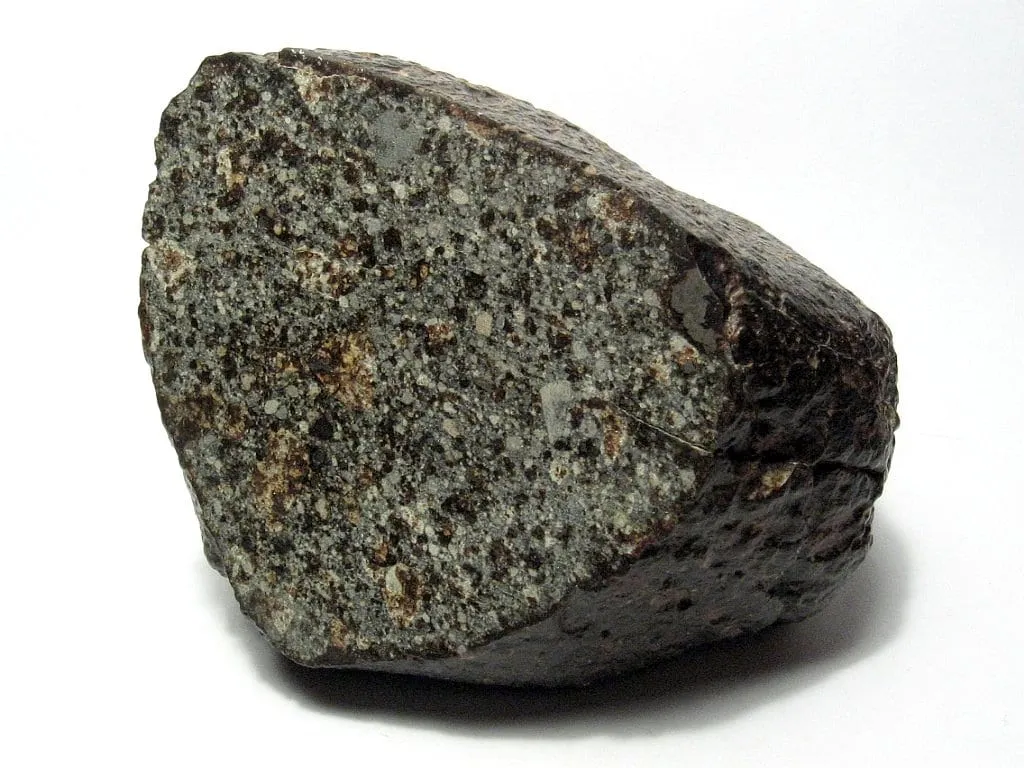
Chondrite
A leftover from the birth of the Solar System, full of tiny once-molten droplets, and the commonest kind of meteorite to fall to Earth.