VarietyA variety of Jasper
Orbicular jasper
Orbiküler jasper
Jasper full of coloured orbs and rings: a pattern of radiating crystals in silicified volcanic rock, best known as ocean jasper.
Also known as: Ocean jasper (Madagascar) · Poppy jasper (Morgan Hill, California) · Kinradite
- Popularly: Semi-precious stone
In short
Orbicular jasper is a kind of jasper that, when cut and polished, shows variably coloured orbs, rings or rounded zones. The orbs form in highly silicified volcanic rocks called rhyolite or tuff, where fine, needle-like crystals of quartz and feldspar grow outwards from a centre in radiating clusters. It is sold under different trade names depending on its source: “ocean jasper” from Madagascar and “poppy jasper” from Morgan Hill in California are the best known.
Photos
How does it form?
Orbicular jasper comes from silica-rich volcanic rocks: rhyolite lavas or deposits of volcanic ash (tuff). As the rock cools, or later as hot waters alter it, fine needle-like crystals of quartz and feldspar grow outwards from a centre in radiating clusters. These clusters are called spherulites and are usually 1–3 mm across. Then abundant silica is deposited in the rock, which becomes completely silicified into a hard, opaque stone. The colours of the orbs and the background come from iron oxides and hydroxides scattered through the rock.
The ocean jasper of Madagascar formed in this way: the deposit began as a rhyolite lava flow and was later completely silicified.
What is it used for?
- Ornamental stone: because it looks very attractive when polished, it is made into cabochons, beads, pendants and ring stones.
- Decorative objects and carving: ocean jasper is made into spheres, eggs and small carvings.
- Collecting: specimens from different deposits attract collectors with their patterns and colours; Morgan Hill’s poppy jasper is also on display in the town’s museum.
The story of ocean jasper
Ocean jasper comes only from the Analalava area of north-western Madagascar. Chalcedony deposits in the area were first mentioned by the French mineralogist Alfred Lacroix in 1922. The first working, near the village of Marovato, lies right on the shoreline; workers come by boat at low tide to dig the stone, and because there is no road the stones also leave by boat. Further inland at Kabamby, the stone has been collected from the surface since 2002. The name “ocean jasper” was given by Paul Obeniche and Eugene Mueller, who introduced it at the Tucson show in 2000. For jasper in general, see the jasper page.
What determines its value?
Value depends on how distinct the orbs are and on the variety and arrangement of colours: sharply ringed orbs in vivid, harmonious colours are the most sought after. Orbs with centres lined with sparkling quartz crystals and crack-free, well-polished pieces also add value. Because ocean jasper comes from a single region and is mined under difficult conditions, it is in more demand than other spotted jaspers. Still, jasper is a plentiful ornamental stone, and much of its value comes from the pattern and the workmanship.
This information is educational, not buying, selling or investment advice. Value varies enormously with quality and treatment.
How to recognise it
- 1
An opaque background holds orbs from a few millimetres to centimetres across, ringed or spotted; on a cut face they look like eyes or flowers.
- 2
Some orbs have a hollow centre lined with small, sparkling quartz crystals (druse).
- 3
Like jasper it is hard (6.5–7): it scratches glass, and a steel knife cannot scratch it; it takes a good polish.
- 4
Its colours vary widely: green, cream, white, pink, red and yellow can appear together; the colour comes from iron oxides and hydroxides.
Fakes and imitations
What shops usually don’t tell you:
- Ocean jasper comes only from north-western Madagascar. Spotted jaspers and volcanic stones from elsewhere can look like it but are not ocean jasper, so stating the source of the stone matters.
Myths and misconceptions
MythOcean jasper is named after forming in the sea or on the ocean floor.
FactThe stone formed from a rhyolite lava flow that was completely silicified. It was named because its patterns recall waves and ripples, and because the first working lay on a shore that could only be reached at low tide.
MythOcean jasper is a true jasper in the scientific sense.
FactOcean jasper and similar orbicular stones are in fact highly silicified rhyolite or tuff; they are known as “jasper” in the ornamental-stone trade, but the name is commercial, not scientific.
What is it believed to be good for?
This section reports beliefs; it is not health information. There is no scientific evidence for these claims and no stone replaces medical treatment.
The meanings people give this stone, and who holds them:
- Today crystal-therapy sites claim that ocean jasper relieves stress and brings calm and joy.
- The same sources claim that the stone keeps nightmares away and “clears negative energy”.
What science says
There is no scientific evidence that orbicular jasper reduces stress, brings joy, prevents nightmares or clears any “energy”; its coloured orbs are a pattern made by clusters of crystals that grew in volcanic rock. Persistent sleep problems and anxiety call for a doctor.
Did you know?
Marovato, the village near the ocean jasper working in Madagascar, means “many stones” in Malagasy.
A photograph of ocean jasper appeared in a mineral encyclopedia in 1977 and prompted years of searching for its source; the stone was found again only in October 1999 on the shore at Marovato and was introduced at the Tucson gem show in 2000.
The town of Morgan Hill in California is so closely linked with poppy jasper that an international film festival held every year since 2004 is named after the stone.
Where is it found?
Loading map…
- Marovato, Ambolobozo, Analalava, Sofia Region, Madagascar · Major depositThe shoreline working where “ocean jasper” was found again in 1999; it can only be seen and collected at low tide
- Kabamby, Analalava District, Madagascar · Known localityFurther inland, dark green and golden-yellow ocean jasper collected at the surface over an area of about 15 miles; worked since 2002
- Morgan Hill (slopes of El Toro), Santa Clara County, California, USA · Major depositThe best-known source of “poppy jasper”; the deposits lie on private land
- Nebraska, USA · Known localityOrbicular jasper occurs in altered rhyolite beds known for a variety of jaspers and agates; no exact site is given
Locations are approximate to protect sites. Red dots mark places in Türkiye. Open in the big map →
Frequently asked questions
What is orbicular jasper?
Orbicular jasper is a kind of jasper that, when cut and polished, shows variably coloured orbs, rings or rounded zones. The orbs form in highly silicified volcanic rocks called rhyolite or tuff, where fine, needle-like crystals of quartz and feldspar grow outwards from a centre in radiating clusters. It is sold under different trade names depending on its source: “ocean jasper” from Madagascar and “poppy jasper” from Morgan Hill in California are the best known.
What is orbicular jasper used for?
Ornamental stone: because it looks very attractive when polished, it is made into cabochons, beads, pendants and ring stones. Decorative objects and carving: ocean jasper is made into spheres, eggs and small carvings. Collecting: specimens from different deposits attract collectors with their patterns and colours; Morgan Hill's poppy jasper is also on display in the town's museum.
How hard is orbicular jasper?
It has a hardness of 6.5–7 on the Mohs scale. It scratches glass and steel; a steel knife cannot scratch it. Its specific gravity is 2.5–2.9 g/cm³.
Where is orbicular jasper found?
Its best-known localities: Marovato, Ambolobozo, Analalava, Sofia Region, Madagascar; Morgan Hill (slopes of El Toro), Santa Clara County, California, USA; Kabamby, Analalava District, Madagascar; Nebraska, USA.
How can you tell if orbicular jasper is real?
An opaque background holds orbs from a few millimetres to centimetres across, ringed or spotted; on a cut face they look like eyes or flowers. Some orbs have a hollow centre lined with small, sparkling quartz crystals (druse). Like jasper it is hard (6.5–7): it scratches glass, and a steel knife cannot scratch it; it takes a good polish. Ocean jasper comes only from north-western Madagascar. Spotted jaspers and volcanic stones from elsewhere can look like it but are not ocean jasper, so stating the source of the stone matters.
Is orbicular jasper valuable?
On the “street to diamond” value ladder it sits on step 5 of nine: Ornamental stone. Value depends on how distinct the orbs are and on the variety and arrangement of colours: sharply ringed orbs in vivid, harmonious colours are the most sought after. Orbs with centres lined with sparkling quartz crystals and crack-free, well-polished pieces also add value. Because ocean jasper comes from a single region and is mined under difficult conditions, it is in more demand than other spotted jaspers. Still, jasper is a plentiful ornamental stone, and much of its value comes from the pattern and the workmanship.
What is orbicular jasper good for?
Today crystal-therapy sites claim that ocean jasper relieves stress and brings calm and joy. The same sources claim that the stone keeps nightmares away and “clears negative energy”. There is no scientific evidence that orbicular jasper reduces stress, brings joy, prevents nightmares or clears any “energy”; its coloured orbs are a pattern made by clusters of crystals that grew in volcanic rock. Persistent sleep problems and anxiety call for a doctor. This section reports beliefs; it is not health information. There is no scientific evidence for these claims and no stone replaces medical treatment.
Family


Sources
- Orbicular jasper · Wikipedia
- Jasper · Wikipedia
- Ocean Jasper · Alex Strekeisen, Atlas of rocks and minerals
- Orbicular Jasper · Gemdat.org
- Jasper · Gemdat.org
- Jasper · Minerals.net
- Kinradite · Minerals.net
- Morgan Hill, California · Wikipedia
- Analalava · Wikipedia
External links
Draft: awaiting expert reviewReport an error
On the same step
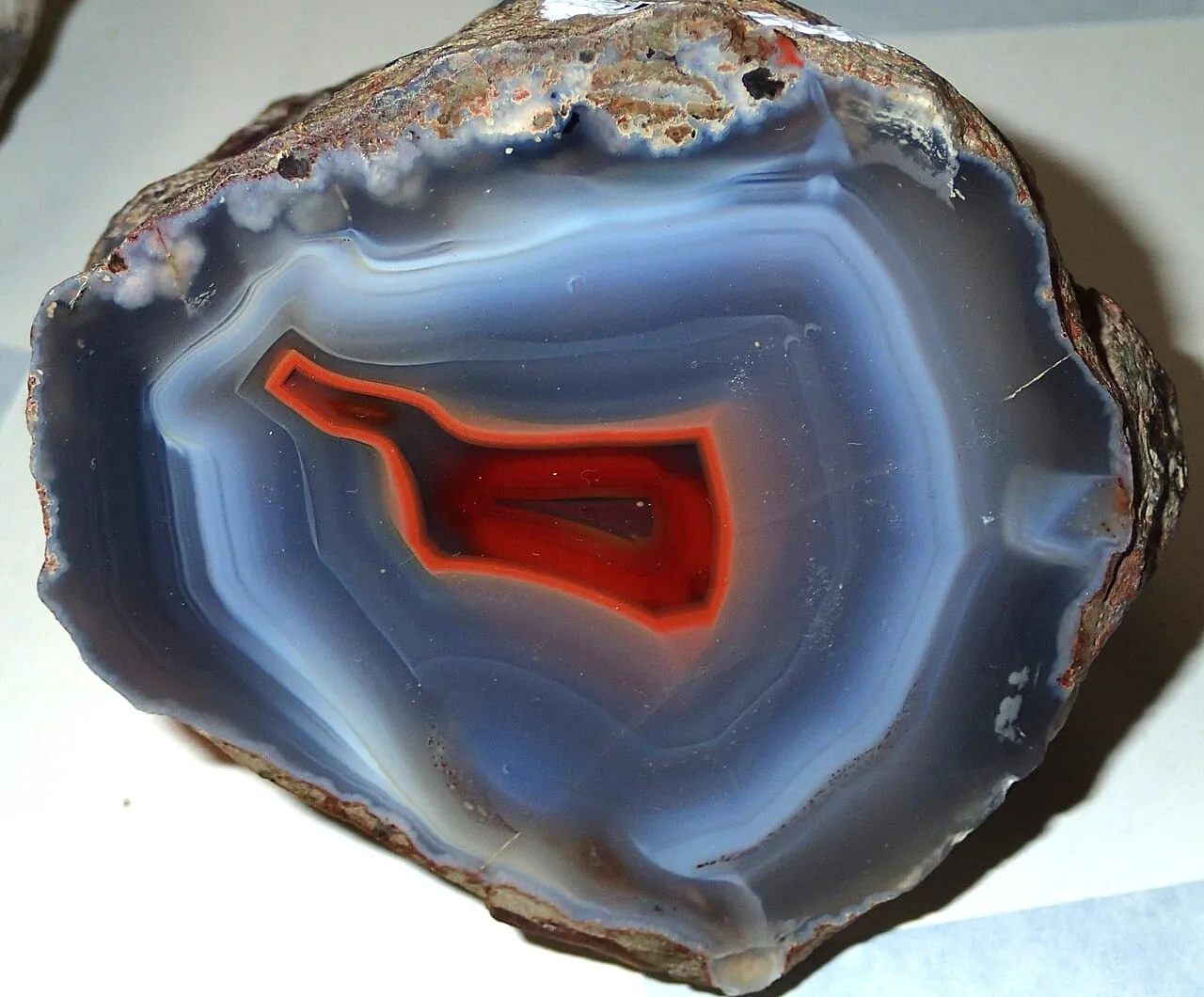
Agate
The banded variety of chalcedony: it grows layer by layer in hollows in volcanic rock and shows a new pattern every time it is cut.
Almandine
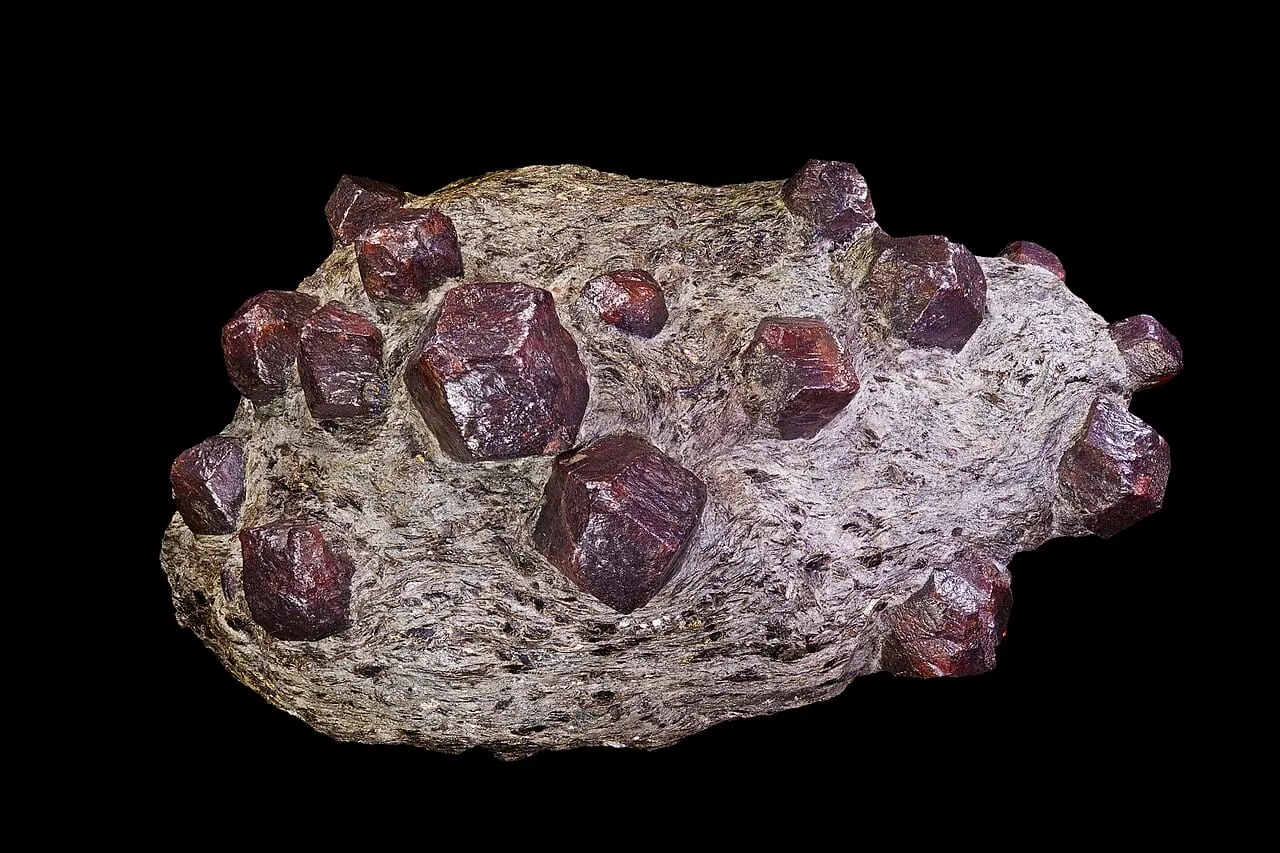
The commonest garnet: a deep red, iron-rich stone named after the ancient city of Alabanda in Anatolia, used in jewellery and in sandpaper alike.
Amazonite
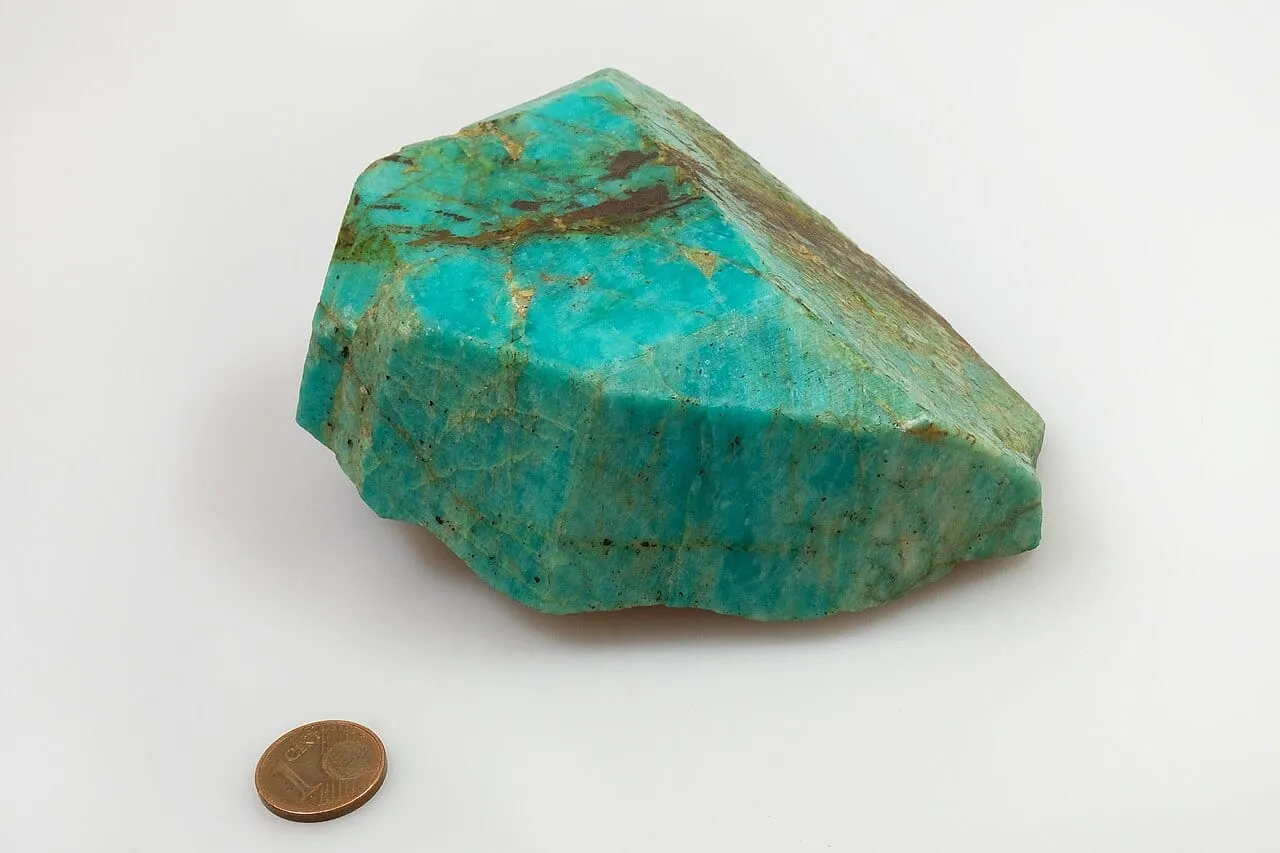
A turquoise-like green-blue feldspar: a variety of microcline worn as jewellery for more than three thousand years, but it can release lead.