Mineral
Topaz
Al₂SiO₄(F,OH)₂Topaz
The reference mineral for 8 on the Mohs scale: a hard, brilliant gem whose blue colour is almost always added by people.
Also known as: Imperial topaz (reddish orange variety)
- Gemstone
- Mohs scale mineral

In short
Topaz is a hard mineral made of aluminium, silicon, oxygen and fluorine. It was chosen as the example for 8 on the Mohs hardness scale. In nature it is mostly colourless, yellow or brown; almost all the blue topaz you see in jewellery shops has been coloured afterwards.
How does it form?
Topaz forms where hot, fluorine-rich fluids and gases circulate: in cavities in granites and pegmatites, in gas cavities in volcanic rocks such as rhyolite, and in high-temperature quartz veins. It can grow very large crystals; the biggest are measured in kilograms rather than grams.
Colours and treatments
Most natural topaz is colourless, yellow or brown. Reddish orange imperial topaz has, according to GIA, so far been mined commercially only in the Ouro Preto area of Brazil; the Portuguese royal court celebrated its discovery in 1768.
The blue topaz so common in jewellery is almost always made by irradiating colourless topaz and then heating it. This is a widespread and accepted practice in the trade, but sellers should still disclose it.
What determines its value?
Vivid, saturated colour matters most; imperial topaz and natural pink and red shades are the most sought after. Although topaz is hard, its perfect cleavage makes it sensitive to knocks and sudden temperature changes, so it needs care during cutting and setting.
How to recognise it
- 1
It scratches quartz (hardness 8), but it has a perfect cleavage: a sharp knock can split it along a smooth plane.
- 2
Crystals are usually prisms with lengthwise striations.
- 3
It is noticeably heavier than quartz: its specific gravity is about 3.5, compared with about 2.65 for quartz.
- 4
Cut topaz takes such a high polish that it feels slightly slippery to the touch. Certain identification and treatment detection need a gem laboratory.
Fakes and imitations
What shops usually don’t tell you:
- Blue topaz: produced by irradiating and then heating colourless topaz; natural blue topaz is rare and usually pale. This treatment should be disclosed at sale.
- Coated topaz: a thin film is applied to the surface of colourless topaz to give rainbow-like or vivid colours. The coating can scratch and wear over time.
- Yellow-orange stones sold as “Madeira topaz” or “golden topaz” are often citrine (yellow quartz), and so-called “smoky topaz” is actually smoky quartz.
- Coloured glass can also be used to imitate topaz.
Did you know?
A transparent topaz crystal found in Minas Gerais, Brazil, weighs about 271 kilograms.
Its name is generally traced to Topazios, the old Greek name of Zabargad Island in the Red Sea. Yet the green stone mined on that island was not topaz at all, but peridot.
Where is it found?
Loading map…
- Ouro Preto, Minas Gerais, Brazil · Major depositThe only known commercial source of imperial topaz
- Schneckenstein, Saxony, Germany · Historic sourceA historic rock outcrop studded with yellow topaz crystals
- Thomas Range, Utah, USA · Known localityTopaz crystals in cavities in rhyolite
- Ghundao Hill, Katlang, Mardan, Pakistan · Known localityPink topaz
Locations are approximate to protect sites. Red dots mark places in Türkiye. Open in the big map →
Sources
- Handbook of Mineralogy: Topaz · Mineralogical Society of America
- Topaz Description · GIA
- Topaz Quality Factors · GIA
- Topaz History and Lore · GIA
External links
Draft: awaiting expert reviewReport an error ↗
On the same step
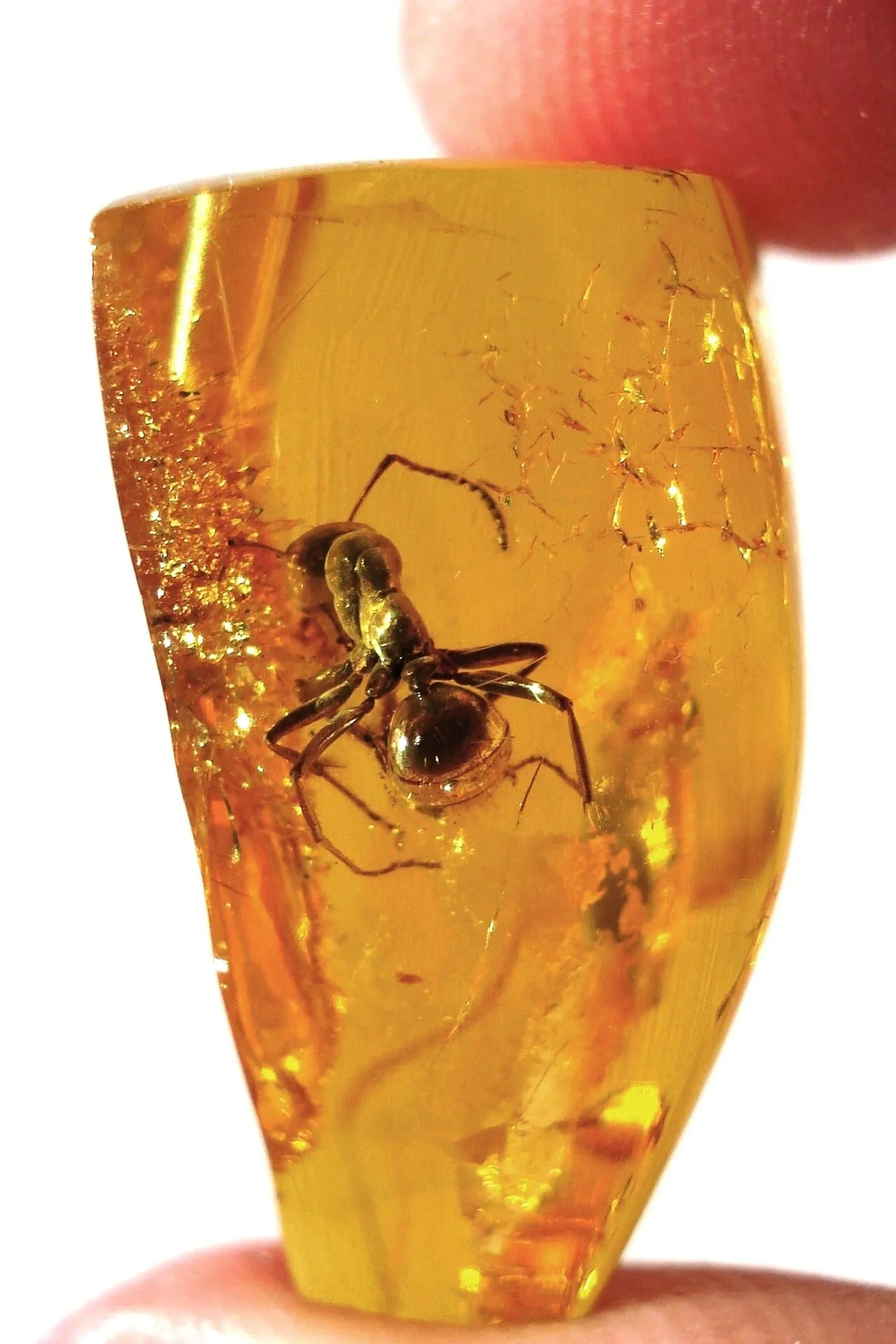
Amber
Tree resin fossilised over millions of years: a light, warm organic gem that sometimes holds prehistoric insects.
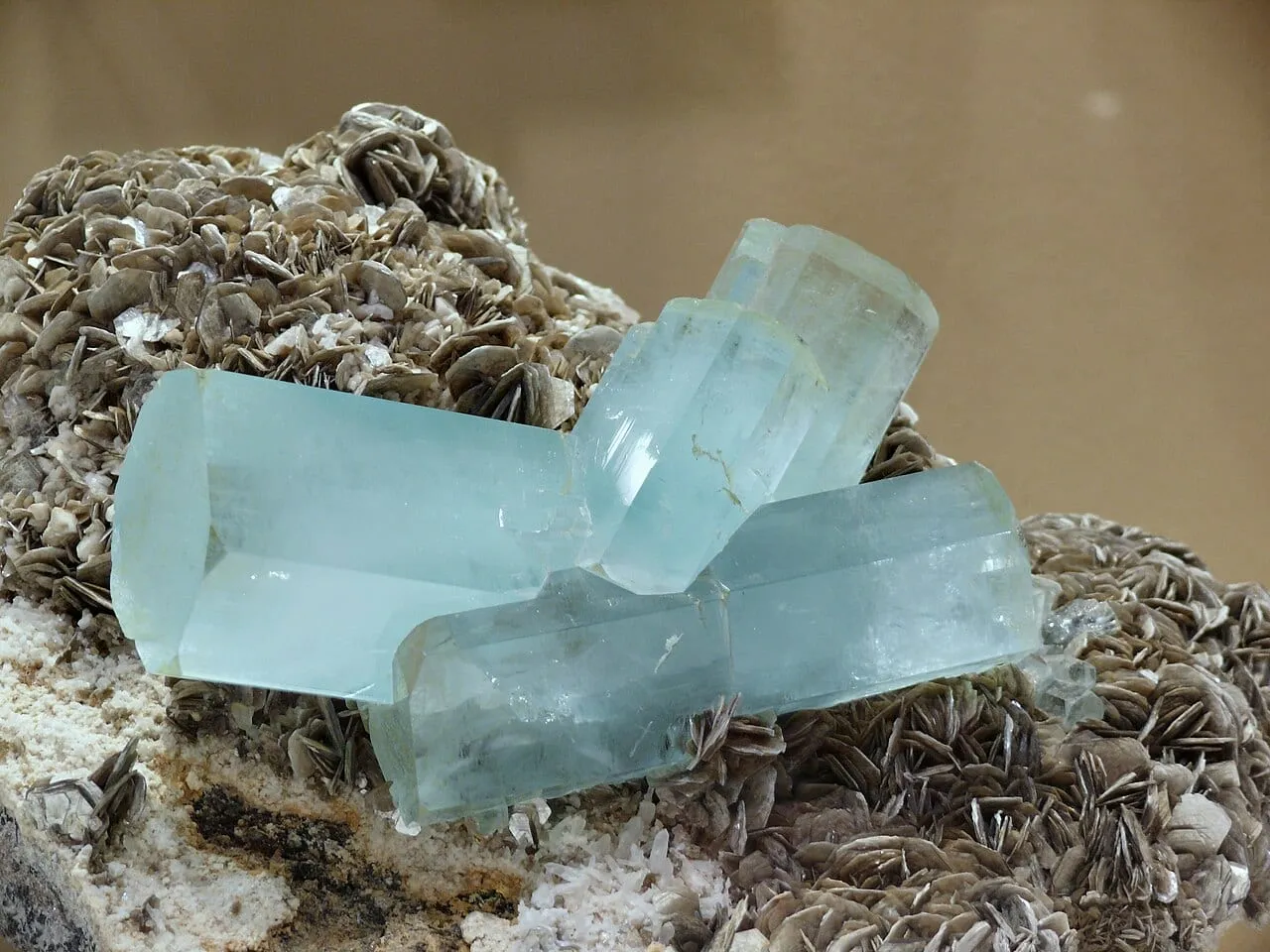
Aquamarine
The blue member of the beryl family, named after seawater: often found as large, clear, nearly flawless crystals.
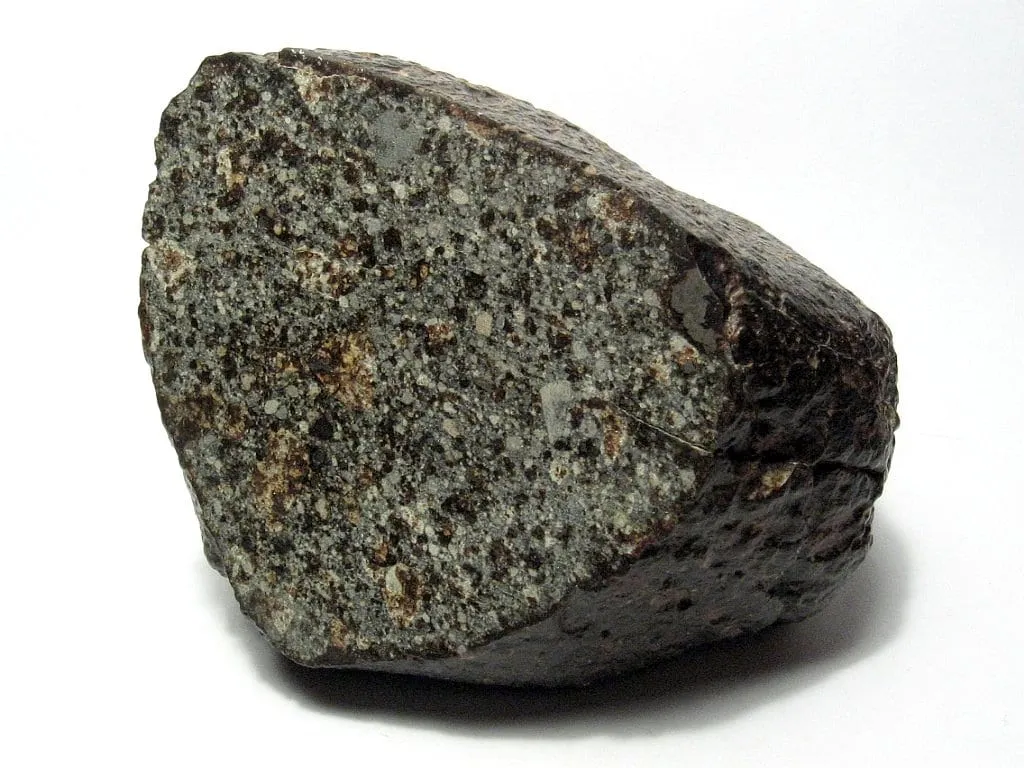
Chondrite
A leftover from the birth of the Solar System, full of tiny once-molten droplets, and the commonest kind of meteorite to fall to Earth.