VarietyA variety of Tourmaline
Indicolite
XY₃Z₆(T₆O₁₈)(BO₃)₃V₃Wİndigolit
The light to deep violetish-blue variety of tourmaline: named after the colour indigo, it was first described in Sweden in 1800.
Also known as: Indigolite · Blue tourmaline
- Popularly: Semi-precious stone
In short
Indicolite is the trade name for blue, dark violetish blue or greenish blue tourmaline; most of these stones are elbaite, a lithium-bearing kind of tourmaline. Its colour comes mainly from traces of iron, and possibly titanium. The name was proposed in 1800, as “indigolith”, by the Brazilian naturalist d'Andrada for the bluish green tourmaline of the Swedish island of Utö. It is kept apart from the neon-blue, copper-coloured Paraíba tourmalines.
Photos
How does it form?
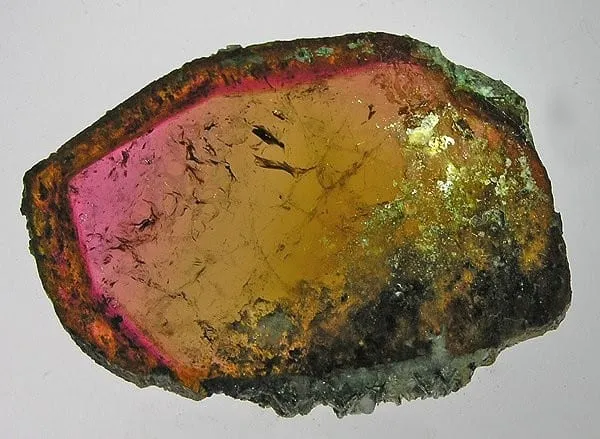
Indicolite, like the other gem tourmalines, forms in lithium-rich granite pegmatites: a pegmatite is a coarse-grained rock that crystallises slowly from the last, water-rich part of a magma. According to GIA, traces of iron, and possibly titanium, give tourmaline its green and blue colours. In the Utö pegmatites in Sweden, as Sjögren wrote in 1916, the light-coloured tourmalines grow in quartz and petalite, and the same crystal is often blue in the centre and pink outside. This shows that the trace elements available changed while the crystal was growing.
What is it used for?
- Jewellery: Clear, lively blue crystals are faceted for rings, pendants and earrings. Its hardness (7–7.5) suits everyday jewellery.
- Collecting: Blue crystals from pegmatite pockets, on lepidolite or quartz, are kept in museums and collections.
- History of science: Tourmalines from Utö were used in some of the first analyses to show that tourmaline contains boron and lithium.
Name and history
In 1800 the Brazilian naturalist José Bonifácio de Andrada e Silva took the bluish green tourmaline of Utö for a new mineral and named it “indigolith”, after the colour indigo. Today it is called “indicolite” in English and indigolit in Turkish, or indicolit as Turkish Wikipedia spells it. GIA uses the name for dark violetish blue, blue and greenish blue tourmaline.
Main sources
According to Gemdat, the main indicolite deposits are in the Brazilian state of Minas Gerais (Coronel Murta, Itambacuri, São José da Safira), in the Kunar and Nuristan areas of Afghanistan, in the Erongo Region of Namibia, and in Mozambique, Pakistan, Sri Lanka and the United States. According to a 2017 GIA report, Kwara State in Nigeria also produces significant amounts of indicolite.
What determines its value?
Colour matters most for indicolite: lively, medium-toned, pure blue stones are the most sought after, while very dark stones or those leaning towards grey or green are worth less. Because of its strong pleochroism, how the cutter orients the stone directly affects its colour. Heat treatment is common. Ordinary blue indicolites are relatively affordable; neon-blue stones coloured by copper count as Paraíba tourmaline and are worth far more, so a laboratory report matters.
This information is educational, not buying, selling or investment advice. Value varies enormously with quality and treatment.
How to recognise it
- 1
Its colour runs from light sky blue to dark violetish blue and greenish blue. It is strongly pleochroic: the stone looks light blue from one direction and very dark blue from another.
- 2
Its hardness is 7–7.5; it has no distinct cleavage but is brittle.
- 3
Its refractive index is about 1.614–1.666 and its double refraction is marked (0.014–0.040); these values help to tell tourmaline from similar blue stones.
- 4
Ordinary indicolite and copper-bearing Paraíba-type tourmaline cannot be told apart by eye; that needs chemical analysis in a laboratory.
Fakes and imitations
What shops usually don’t tell you:
- Heat treatment: dark indicolites are routinely heated to lighten their colour. The treatment is common and often undetectable.
- Neon-coloured, copper-bearing blue tourmalines are worth more, so ask for a laboratory report to guard against ordinary blue tourmaline being offered as “Paraíba”.
Myths and misconceptions
MythIndicolite is a separate mineral.
FactIndicolite is not a mineral name but a trade name for blue tourmaline; most of these stones are elbaite. d'Andrada, who named it in 1800, took it for a new mineral, but it was later recognised as tourmaline.
MythA bright blue tourmaline is a Paraíba tourmaline.
FactParaíba tourmalines owe their neon-bright blue to copper, while ordinary indicolite is coloured mostly by iron. Telling them apart, and establishing origin, takes chemical analysis in a laboratory.
What is it believed to be good for?
This section reports beliefs; it is not health information. There is no scientific evidence for these claims and no stone replaces medical treatment.
The meanings people give this stone, and who holds them:
- Today crystal-therapy websites and stone sellers claim that indicolite is linked to the throat and “third eye” chakras, strengthens communication and intuition, brings peace, and develops psychic abilities such as mediumship.
What science says
There is no scientific evidence that indicolite strengthens communication, intuition or psychic abilities. Its blue colour comes from traces of iron in its crystal structure; it is simply a physical property of the stone.
Did you know?
Utö, the island where indicolite was first described, is also where the element lithium was discovered: Arfwedson found it in 1818 in the mineral petalite from the island.
At Utö, indicolite and rubellite often occur together in the same crystal: the centre is blue and the outer shell or tip is pink.
In 1800 d'Andrada thought indicolite was a new mineral; only later was it understood to be a colour variety of tourmaline.
Where is it found?
Loading map…
- Utö, Södermanland, Sweden · Type localityIn 1800 d'Andrada gave the name “indigolith” to the bluish green tourmaline of this island's lithium pegmatites
- Kwara State, Nigeria · Major depositAccording to a 2017 GIA report, a state with significant production of indicolite and green tourmaline
- Paprok, Nuristan, Afghanistan · Known localityA pegmatite deposit in Kamdesh District; a 9.8 cm indicolite crystal from here is on display at the Natural History Museum in Paris. The point is at province level
- São José da Safira, Minas Gerais, Brazil · Major depositWith Coronel Murta and Itambacuri, one of the indicolite-bearing pegmatite areas of Minas Gerais
- Erongo Region, Namibia · Known localitySeveral of the indicolites in GIA's Gübelin collection come from Namibia
Locations are approximate to protect sites. Red dots mark places in Türkiye. Open in the big map →
Frequently asked questions
What is indicolite?
Indicolite is the trade name for blue, dark violetish blue or greenish blue tourmaline; most of these stones are elbaite, a lithium-bearing kind of tourmaline. Its colour comes mainly from traces of iron, and possibly titanium. The name was proposed in 1800, as “indigolith”, by the Brazilian naturalist d'Andrada for the bluish green tourmaline of the Swedish island of Utö. It is kept apart from the neon-blue, copper-coloured Paraíba tourmalines.
What is indicolite used for?
Jewellery: Clear, lively blue crystals are faceted for rings, pendants and earrings. Its hardness (7–7.5) suits everyday jewellery. Collecting: Blue crystals from pegmatite pockets, on lepidolite or quartz, are kept in museums and collections. History of science: Tourmalines from Utö were used in some of the first analyses to show that tourmaline contains boron and lithium.
How hard is indicolite?
It has a hardness of 7–7.5 on the Mohs scale. It scratches glass and steel; a steel knife cannot scratch it. Its specific gravity is 2.82–3.32 g/cm³.
Where is indicolite found?
Its best-known localities: Utö, Södermanland, Sweden; Kwara State, Nigeria; São José da Safira, Minas Gerais, Brazil; Paprok, Nuristan, Afghanistan; Erongo Region, Namibia.
How can you tell if indicolite is real?
Its colour runs from light sky blue to dark violetish blue and greenish blue. It is strongly pleochroic: the stone looks light blue from one direction and very dark blue from another. Its hardness is 7–7.5; it has no distinct cleavage but is brittle. Its refractive index is about 1.614–1.666 and its double refraction is marked (0.014–0.040); these values help to tell tourmaline from similar blue stones. Heat treatment: dark indicolites are routinely heated to lighten their colour. The treatment is common and often undetectable.
Is indicolite valuable?
On the “street to diamond” value ladder it sits on step 6 of nine: Fine ornamental and collector stone. Colour matters most for indicolite: lively, medium-toned, pure blue stones are the most sought after, while very dark stones or those leaning towards grey or green are worth less. Because of its strong pleochroism, how the cutter orients the stone directly affects its colour. Heat treatment is common. Ordinary blue indicolites are relatively affordable; neon-blue stones coloured by copper count as Paraíba tourmaline and are worth far more, so a laboratory report matters.
What is indicolite good for?
Today crystal-therapy websites and stone sellers claim that indicolite is linked to the throat and “third eye” chakras, strengthens communication and intuition, brings peace, and develops psychic abilities such as mediumship. There is no scientific evidence that indicolite strengthens communication, intuition or psychic abilities. Its blue colour comes from traces of iron in its crystal structure; it is simply a physical property of the stone. This section reports beliefs; it is not health information. There is no scientific evidence for these claims and no stone replaces medical treatment.
Family
.jpg)

Sources
- Indicolite (Blue Tourmaline) · Gemdat.org
- Tourmaline Description · GIA
- The chemical composition of tourmaline from Utö (Hj. Sjögren) · Geologische Bundesanstalt library (digitised reprint), 1916
- José Bonifácio de Andrada · Wikipedia
- Elbaite · Wikipedia
- Tourmaline Value, Price, and Jewelry Information · International Gem Society
- Gem News International: Tourmaline and sapphire mining in Nigeria, Gems & Gemology 53(1) · GIA, 2017
- GIA's Gübelin Gem Project: Tourmaline · GIA
- Handbook of Mineralogy: Elbaite · Mineralogical Society of America
- Turmalin · Vikipedi
- Kwara State · Wikipedia
- Nuristan Province · Wikipedia
- Indicolite Paprok MNHN Minéralogie Inv. 200.49 (photograph and description) · Wikimedia Commons
Draft: awaiting expert reviewReport an error
On the same step
Achondrite
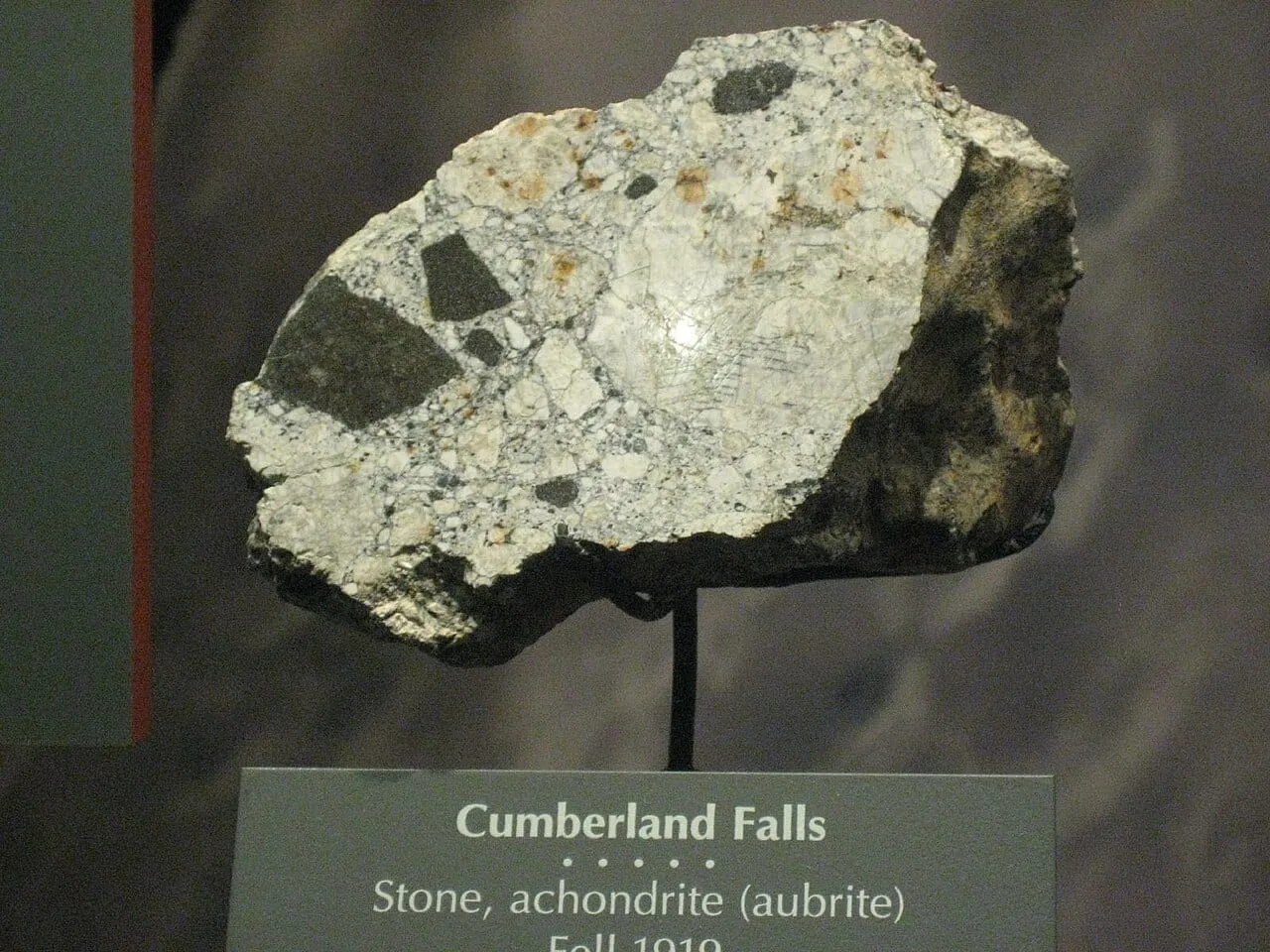
Stony meteorites with no chondrules: rock from melted asteroids, the Moon and Mars, and hard to recognise because they look like Earth rocks.
Amber
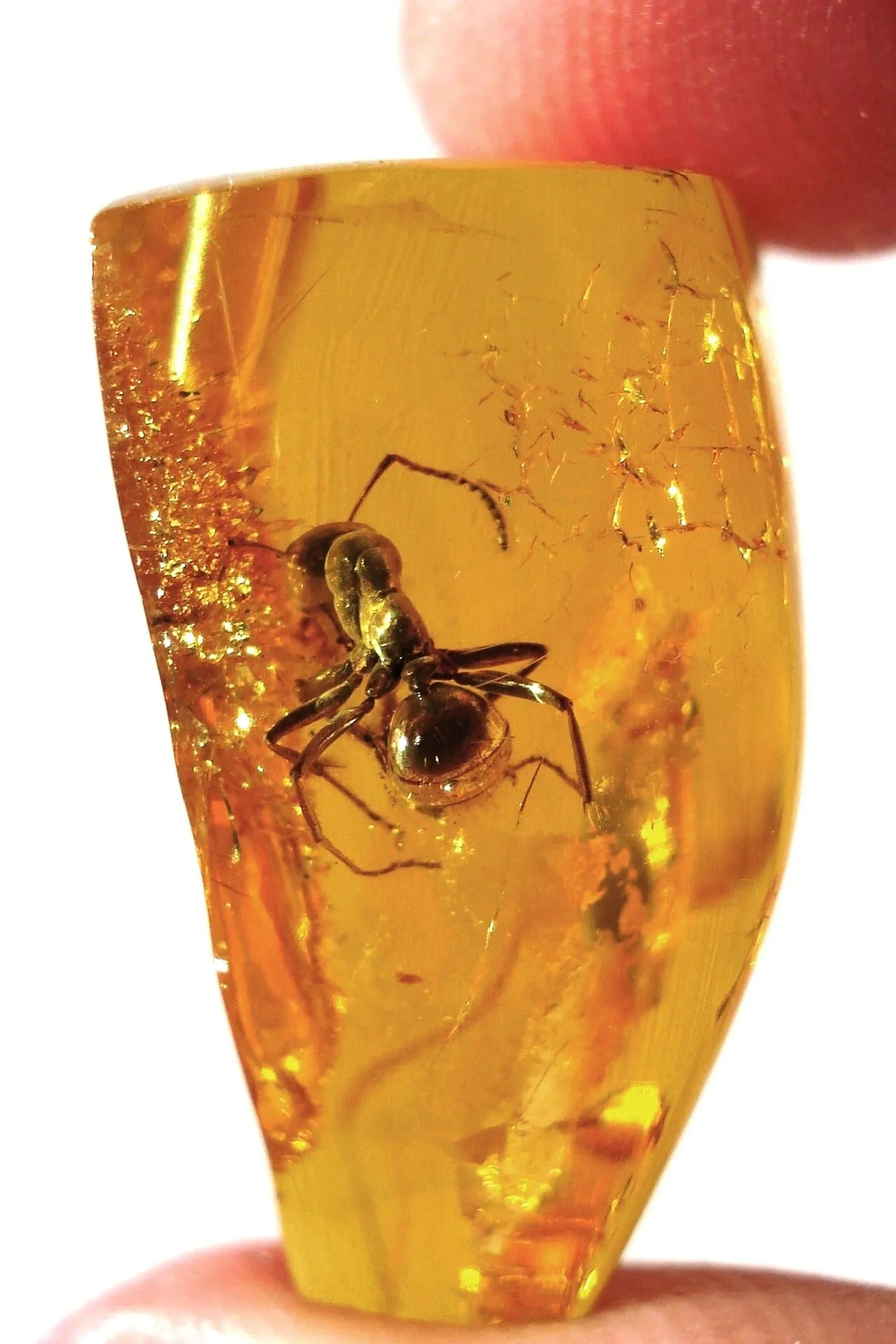
Tree resin fossilised over millions of years: a light, warm organic gem that sometimes holds prehistoric insects.
Ammolite
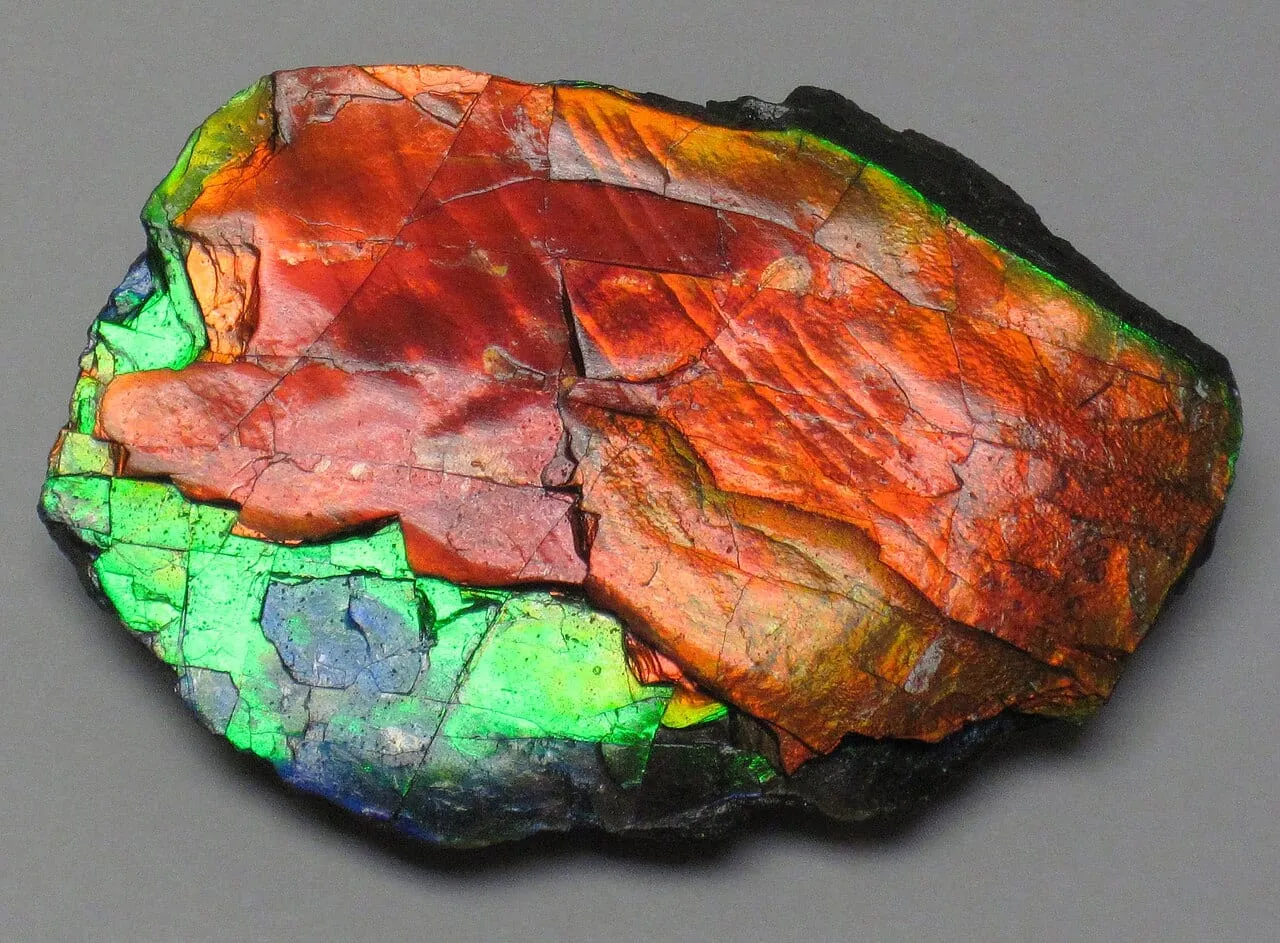
The rainbow-bright layer of fossil ammonite shell; of gem quality it comes only from the Canadian province of Alberta.