Mineral
Chromite
FeCr₂O₄Kromit
The only important ore of chromium, the metal that makes stainless steel resist rust; Türkiye is one of its leading producers.
Also known as: Chrome ore
- Ore
- Industrial
- Important in Türkiye

In short
Chromite is a heavy black mineral made of iron, chromium and oxygen. It looks like magnetite, but rubbed on porcelain it leaves a brown mark. Chromium, the metal that makes stainless steel resist rust, is mined practically only in the form of chromite.
How does it form?
Chromite forms in so-called ultramafic rocks, which are rich in magnesium and iron. In giant bodies of magma such as South Africa’s Bushveld Complex, chromite grains settling out of the cooling magma built thin chromitite layers that run for kilometres. Türkiye’s deposits have a different origin: they occur as lenses and pods (podiform deposits) within ophiolites, slices of oceanic crust and upper mantle pushed onto land when the ancient Tethys Ocean closed.
What is it used for?
Ferrochromium made from chromite is an essential ingredient of stainless steel and heat-resistant steels. Chromite is also used in heat-resistant (refractory) bricks, in foundry sands and to make chromium chemicals.
In Türkiye
According to the U.S. Geological Survey (USGS), Türkiye was the world’s second-largest chromite producer in 2024 and 2025, after South Africa. Its chromite deposits are spread along the ophiolite belts. The Guleman (Alacakaya) area in Elazığ and the Köyceğiz–Fethiye area in Muğla are among the best-known chromium mining districts.
How to recognise it
- 1
It leaves a brown streak on unglazed porcelain; magnetite’s streak is black.
- 2
It usually does not react to a magnet, or only very weakly; magnetite sticks strongly.
- 3
It mostly occurs as black grains, lenses or layers in dark green rocks such as serpentinite and dunite.
- 4
Its hardness is 5.5 and its specific gravity about 4.5–4.8, so it feels distinctly heavy.
Fakes and imitations
What shops usually don’t tell you:
- Chromite is very rarely used as an ornamental stone and has no common imitation. The usual mix-up is with similar-looking magnetite and ilmenite; streak and magnet tests help tell them apart.
- Names such as “chrome diopside” and “chrome tourmaline” describe green gemstones coloured by chromium; they have nothing to do with the mineral chromite.
Safety
The chromium in chromite is trivalent, and the mineral is harmless to handle. However, hexavalent chromium compounds that can form when chromite is processed industrially are toxic and carcinogenic; such work must be done with proper precautions.
Did you know?
The element chromium is named after the Greek word for colour: its compounds are bright yellow, orange and green. The red of ruby also comes from a small amount of chromium.
Where is it found?
Loading map…
- Bushveld Complex, South Africa · Major depositChromitite layers in a layered igneous complex; the world’s leading chromite-producing region
- Great Dyke, Zimbabwe · Major deposit
- Kempirsai massif (Khromtau), Kazakhstan · Major deposit
- Guleman (Alacakaya), Elazığ, Türkiye · Major depositPodiform chromite deposits in the Guleman ophiolite; one of Türkiye’s important chromium mining areas
- Köyceğiz–Fethiye, Muğla, Türkiye · Known localityLens- and vein-shaped chromitites in ophiolitic peridotites
Locations are approximate to protect sites. Red dots mark places in Türkiye. Open in the big map →
Sources
- Handbook of Mineralogy: Chromite · Mineralogical Society of America
- Mineral Commodity Summaries 2026: Chromium · U.S. Geological Survey, 2026
- Genesis and high-pressure evolution of the Köyceğiz ophiolite (SW Turkey): Mineralogical and geochemical characteristics of podiform chromitites · Ore Geology Reviews 145, 104912 (Xiong et al.), 2022
External links
Draft: awaiting expert reviewReport an error ↗
On the same step
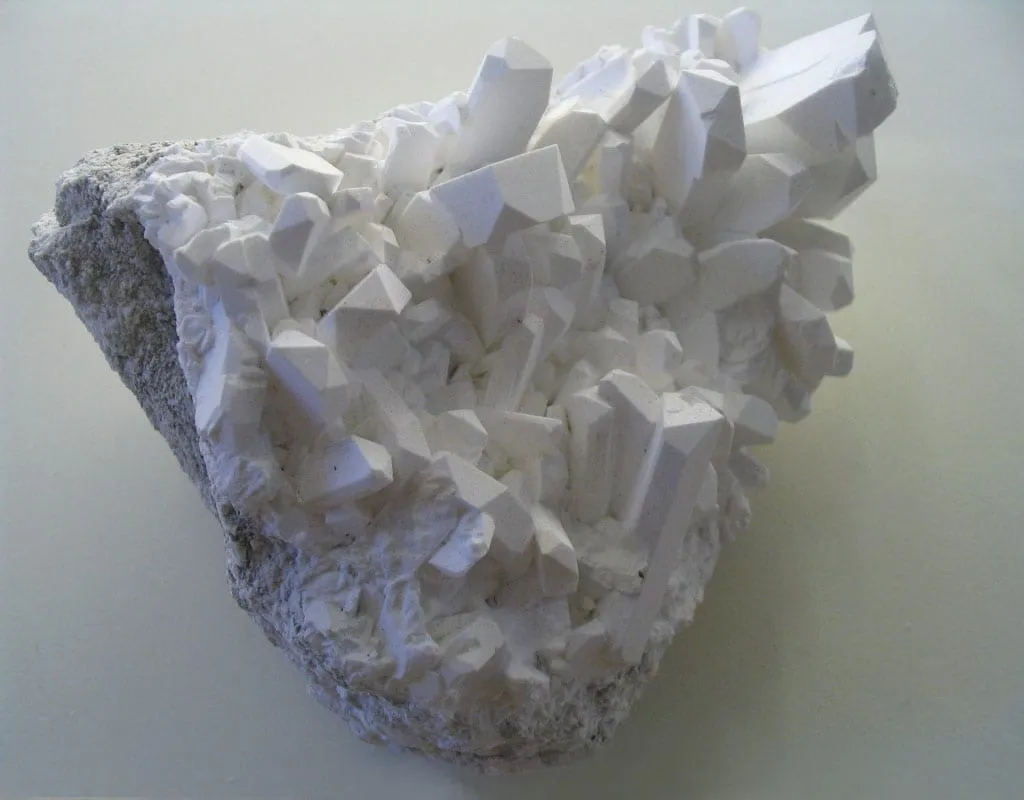
Borax (tincal)
A sodium borate that dissolves in water and crumbles to white powder in dry air; one of the world’s key tincal deposits is at Kırka in Eskişehir.
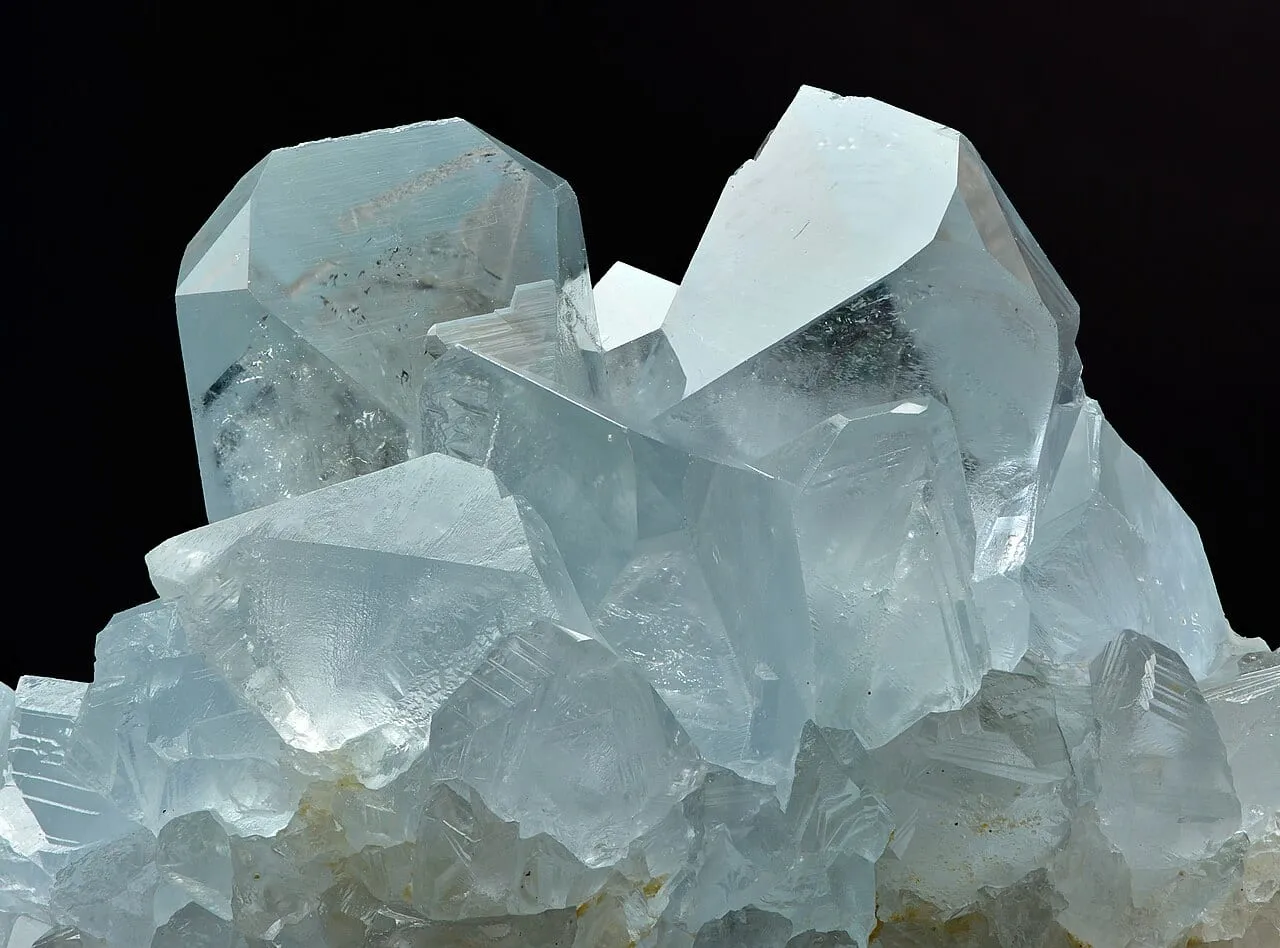
Celestine
A strontium mineral named after the sky, often forming pale blue crystals; the source of the red in fireworks.
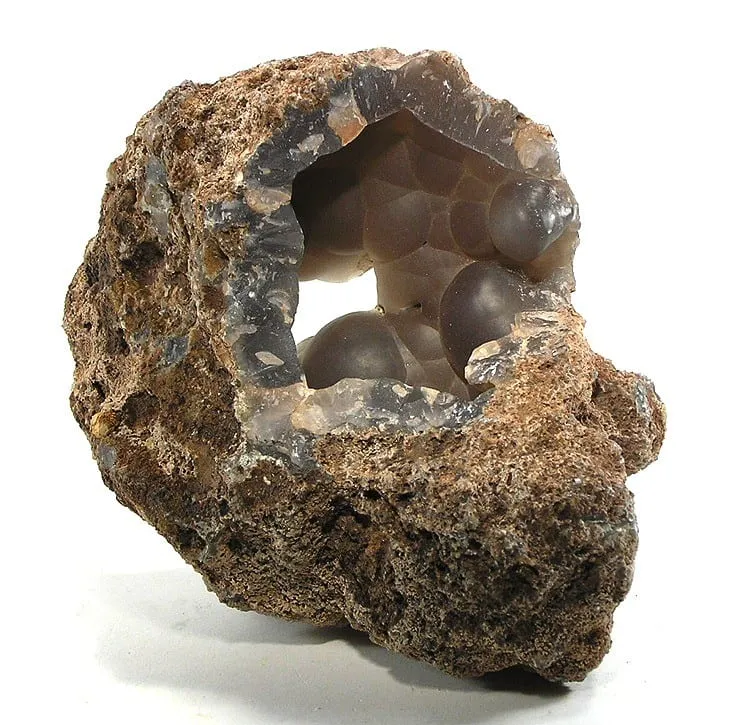
Chalcedony
A waxy-lustred stone made of quartz crystals far too small to see: the family name for agate, onyx and many other ornamental stones.