VarietyA variety of Orthoclase
Moonstone
KAlSi₃O₈Aytaşı
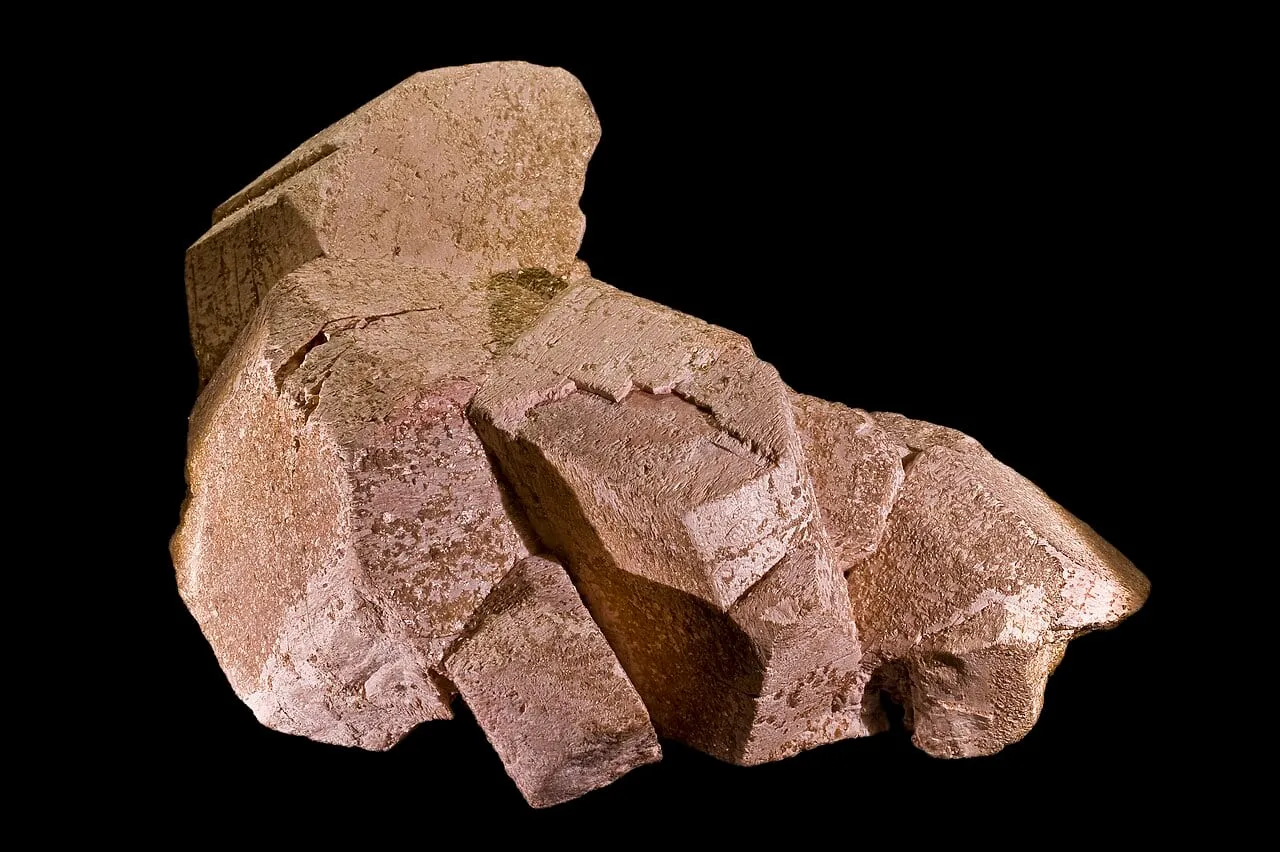
A feldspar with a bluish glow that drifts across its surface like moonlight, scattered from thin layers inside the stone.
- Gemstone
In short
Moonstone is a variety of orthoclase, a member of the feldspar family. Inside it are very thin, parallel layers of two different feldspars. When light scatters between these layers, a white or blue glow appears that seems to billow across the stone's surface. This is called adularescence.
Where does the glow come from?
Potassium-rich and sodium-rich feldspar can form a single mixed crystal at high temperature. As the rock cools slowly, this mixture separates into two minerals: potassium-rich orthoclase and sodium-rich albite. They form extremely thin, parallel layers. When light hits these layers it is scattered in many directions, producing a soft glow that seems to come from inside the stone. The thinner the layers, the bluer the glow; thicker layers give a white sheen.
Is it all the same mineral?
No. In gemmology, true moonstone is an intergrowth of orthoclase and albite, but a similar glow appears in other feldspars too. The white stones with multicoloured flashes known in the trade as “rainbow moonstone” are actually a plagioclase such as labradorite. So “moonstone” is not a mineral name but a trade name based on appearance.
Where is it found?
Most commercial moonstone today comes from Sri Lanka; historically, the most valuable stones with a strong blue sheen came from Myanmar. India, Madagascar and Tanzania also produce moonstone. The most sought-after look is a strong blue glow floating over an almost transparent body.
How to recognise it
- 1
When you turn the stone slowly under a light, the glow seems to glide across the surface and is strongest only at certain angles.
- 2
It is usually cut as a dome (cabochon); its body colour ranges from colourless to milky white, grey and peach.
- 3
Its hardness is 6–6.5 and it has two perfect cleavages, so it can crack easily if knocked. Small cracks along the cleavage directions are often visible inside.
- 4
Telling it reliably from other feldspars with a similar glow, and from imitations, needs a gem laboratory.
Fakes and imitations
What shops usually don’t tell you:
- Stones sold as “rainbow moonstone” are actually a light-coloured labradorite, a plagioclase rather than orthoclase. It is an attractive stone, but the name is misleading.
- A similar glow appears in other feldspars too (for example sanidine, or the plagioclase variety peristerite), and these can also be sold as moonstone.
- Milky, opalescent glass (sold under names such as “opalite”) and plastic imitations show the same glow from every angle, without the gliding sheen of real moonstone; glass may contain round bubbles.
Did you know?
In 1970 the US state of Florida made moonstone its state gem to commemorate the Apollo 11 Moon landing, even though moonstone occurs naturally neither in Florida nor on the Moon.
Despite its name, moonstone has nothing to do with the Moon: it is named only for its glow. (In Turkish, “Ay taşı” can also mean rock samples brought back from the Moon.)
Where is it found?
Loading map…
- Meetiyagoda, Galle, Sri Lanka · Major depositMost commercial moonstone today comes from Sri Lanka; Meetiyagoda is known for blue-sheen stones
- Mogok area, Myanmar · Historic sourceHistorically, the most valuable moonstones with a strong blue sheen came from Myanmar
Locations are approximate to protect sites. Red dots mark places in Türkiye. Open in the big map →
Family

Sources
- Moonstone Description (Gem Encyclopedia) · GIA
- Florida State Gem (Moonstone) · Florida Department of State
- Handbook of Mineralogy: Orthoclase · Mineralogical Society of America
External links
Draft: awaiting expert reviewReport an error ↗
On the same step
Agate
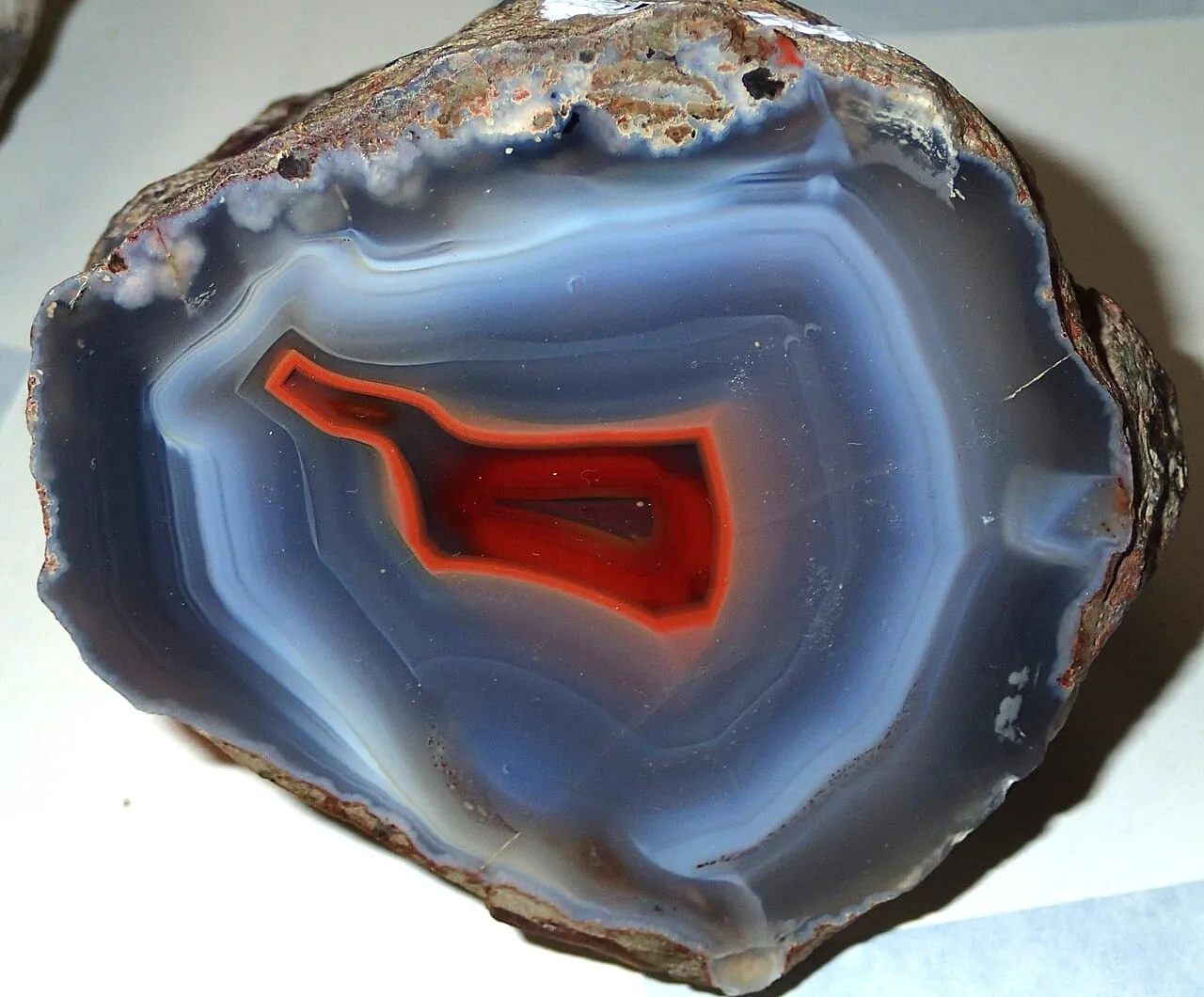
The banded variety of chalcedony: it grows layer by layer in hollows in volcanic rock and shows a new pattern every time it is cut.
Amethyst
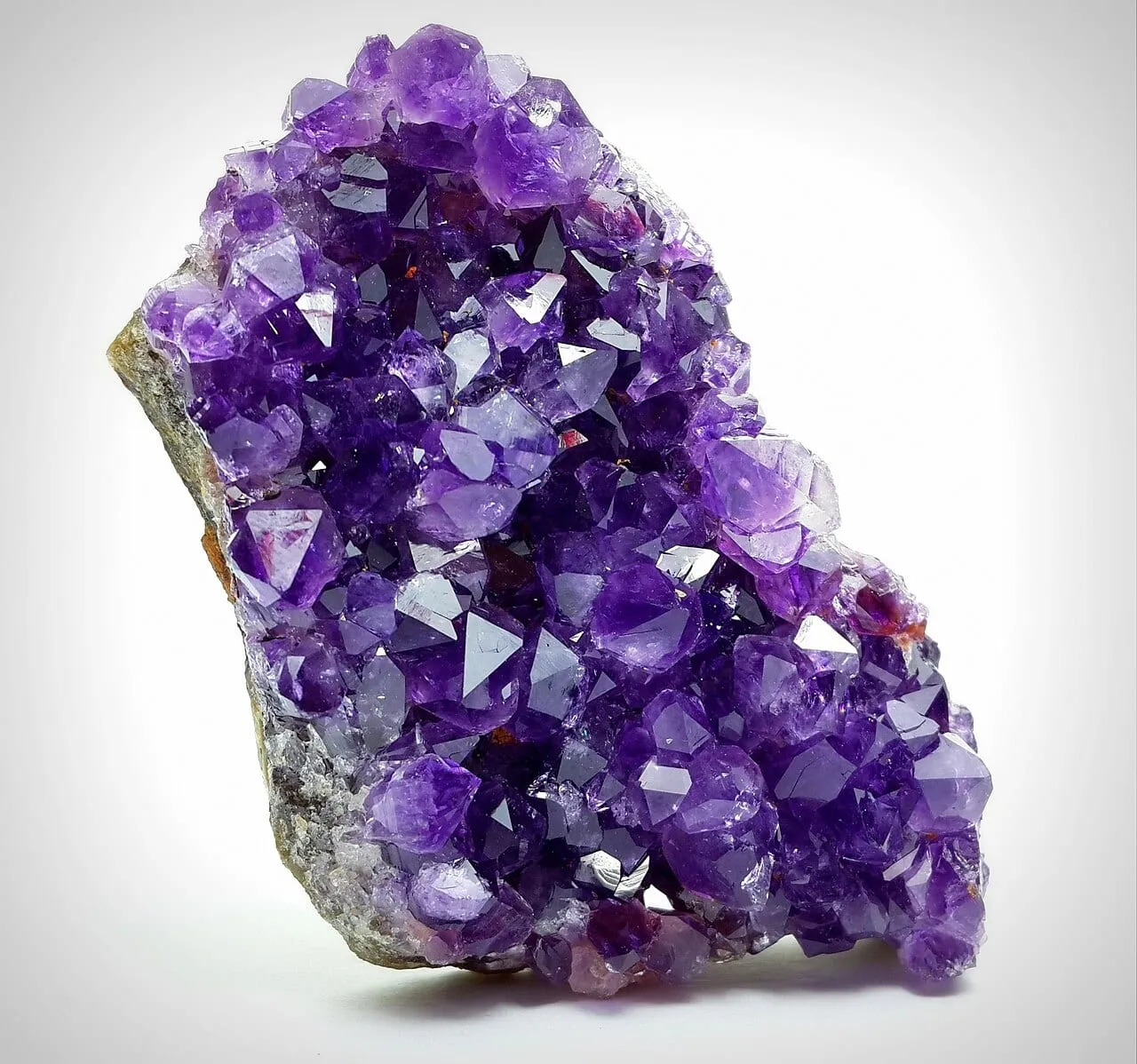
The purple variety of quartz, coloured by traces of iron working together with natural radiation.
Azurite
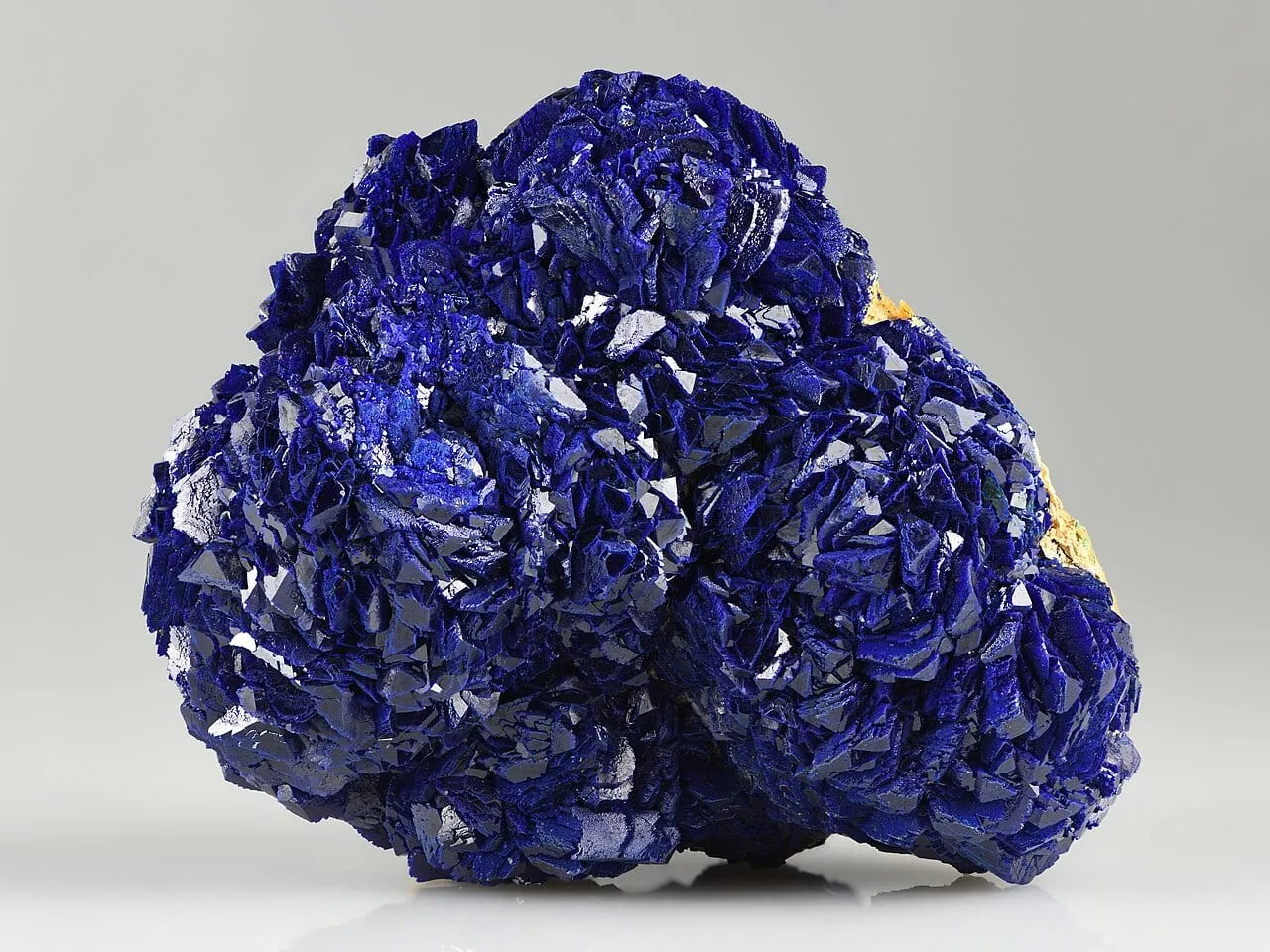
A deep blue copper mineral that was the most important blue pigment of medieval and Renaissance painters.