Rock
Serpentinite
Serpantinit
A green rock patterned like snakeskin: mantle rock transformed by water — and sometimes hiding asbestos.
Also known as: Serpentine (in everyday and trade use) · Verde antique / verd antique (a brecciated variety, trade name)
- Ornamental
- Handle with care

In short
Serpentinite is a green rock with a slippery feel that forms when mantle rocks such as peridotite react with water and are transformed. Its name is thought to come from patterns that resemble a snake’s skin. It is easy to carve and takes a good polish, so it is used as an ornamental stone, but some kinds can contain asbestos fibres.
How does it form?
Serpentinite is a metamorphic rock that forms when olivine- and pyroxene-rich ultramafic rocks such as peridotite react with water at temperatures below about 500 °C. This transformation is called serpentinisation: olivine and pyroxene take up water and turn into serpentine minerals, magnetite forms, and hydrogen gas may be released. Serpentinisation happens mostly where seawater seeps through cracks in the ocean floor into the mantle, and at subduction zones.
When ophiolites are pushed onto land during mountain building, serpentinites come to the surface too. Serpentinised peridotites are widespread in the mantle sections of Türkiye’s ophiolites. Chrysotile, the most common form of asbestos, also grows as veins in cracks and fault zones during serpentinisation.
What is it used for?
- Ornamental and building stone: Green serpentinite takes a good polish and, under names such as “verde antico”, has been used for columns, cladding and floors since Roman times.
- Carving: Being soft, it is well suited to figurines, vases and ornaments. The Lizard peninsula in England and Zöblitz in Germany are known for serpentinite craftsmanship.
- Radiation shielding: Because the water (hydrogen) in its structure slows down neutrons, it can be used as a shielding filler in nuclear facilities.
How to recognise it
- 1
Its colour ranges from dark green to yellowish green; it is often mottled or veined like a net, and some surfaces shine as if polished.
- 2
It feels greasy or soapy; a steel knife scratches it easily, but a fingernail does not.
- 3
It does not fizz in dilute acid, which tells it apart from true green marble (only calcite veins within it may fizz).
- 4
Because it contains magnetite, some pieces weakly attract a magnet.
Fakes and imitations
What shops usually don’t tell you:
- In the stone trade serpentinite is often sold as “green marble” or “verde antico”; geologically it is not marble.
- In ornaments and jewellery, serpentine may be sold as a jade imitation under names such as “new jade”; it is much softer than jade and can be scratched with a steel knife.
Safety
Massive serpentinite without fibres is harmless to handle. However, serpentinites can contain fibrous chrysotile (white asbestos), a known cause of cancer. Rock with fibrous veins should not be cut or broken, and its dust should not be inhaled. In Türkiye, asbestos-bearing soils known locally by names such as “ak toprak” and “çorak toprak” were for many years used for plaster and whitewash, endangering public health; asbestos has been banned in new buildings in Türkiye since 31 December 2010.
Did you know?
In 1965 California made serpentine its official state rock, becoming the first US state to name a state rock.
Serpentinite soils are rich in magnesium but poor in nutrients; rare plants adapted to these harsh conditions grow nowhere else.
Where is it found?
Loading map…
- The Lizard, Cornwall, England · Known localityThe green and reddish serpentinites of the Lizard Complex, which local craftsmen work into ornaments.
- Larissa, Thessaly, Greece · Historic sourceOne of the historic sources of “verde antico”, the green brecciated stone used like marble.
- Zöblitz, Saxony, Germany · Historic sourceSerpentinite has been turned on the lathe here for several hundred years to make vessels and ornaments.
- California Coast Ranges, USA · Known localityHome to extensive serpentinite outcrops and the distinctive plant communities that grow only on their soils; serpentine has been California's official state rock since 1965.
Locations are approximate to protect sites. Red dots mark places in Türkiye. Open in the big map →
Sources
- Serpentine (mineral) · Encyclopaedia Britannica
- İstanbul depremi senaryosunda asbest içeren inşaat ve yıkıntı atıklarının oluşturacağı çevresel riskler (Diktepe) · MTA Doğal Kaynaklar ve Ekonomi Bülteni, 2025
- SB 624 (Romero) — State rock: bill analysis · California State Assembly, 2010
External links
Draft: awaiting expert reviewReport an error ↗
On the same step
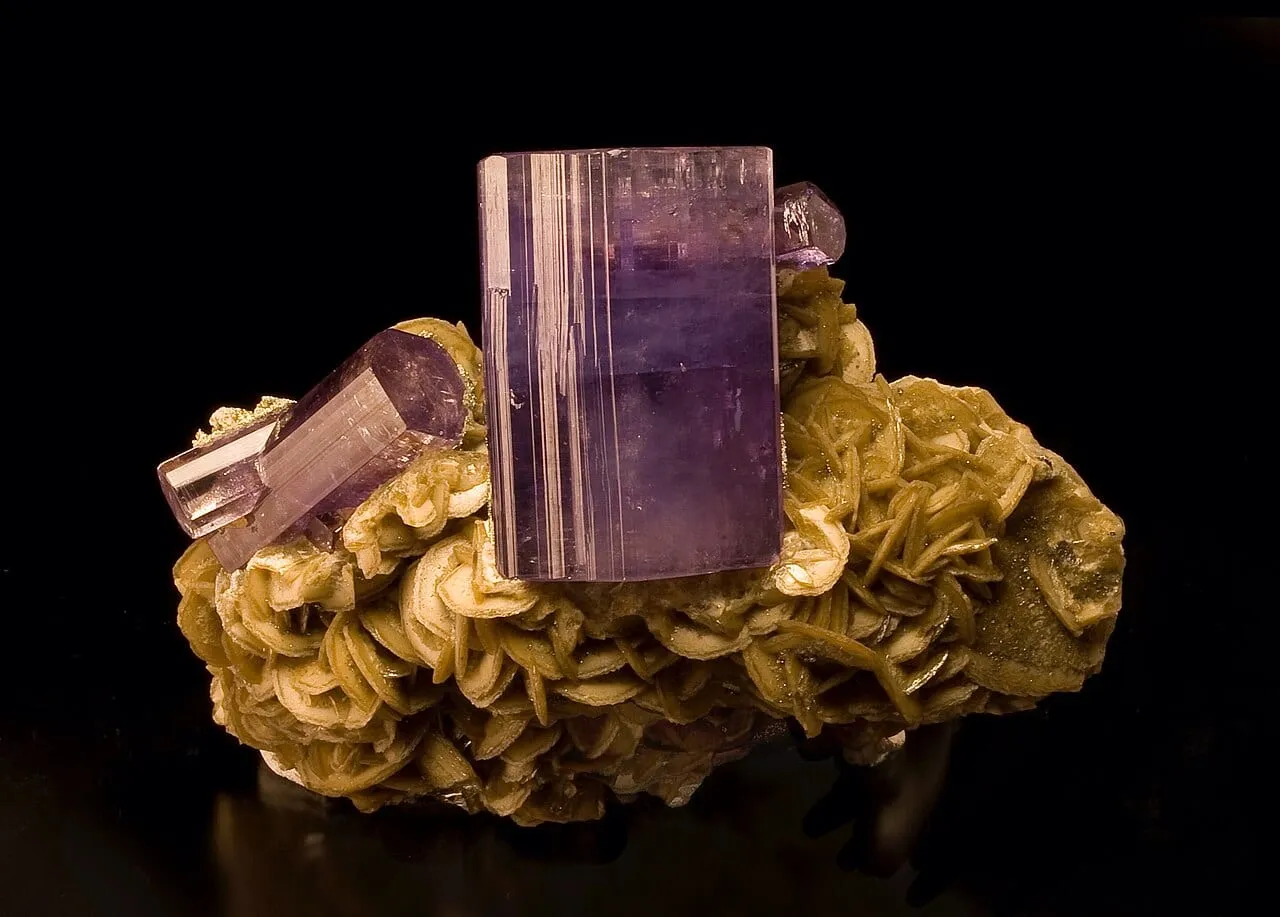
Apatite
A mineral cousin of our teeth and bones, the source of the phosphorus in fertilisers, and number 5 on the Mohs scale.
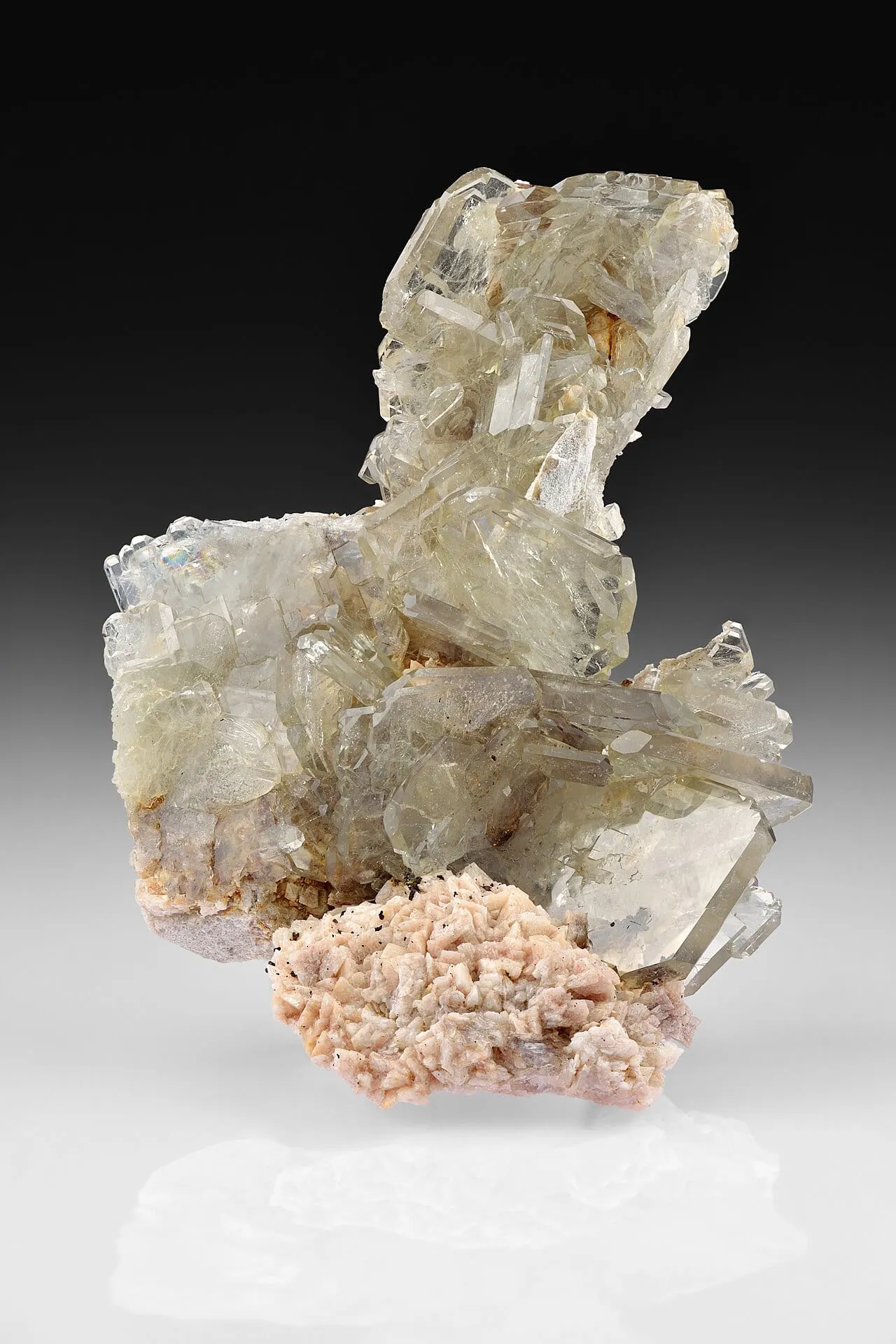
Baryte
A pale barium mineral that feels surprisingly heavy in the hand; even its name comes from the Greek word for heavy.
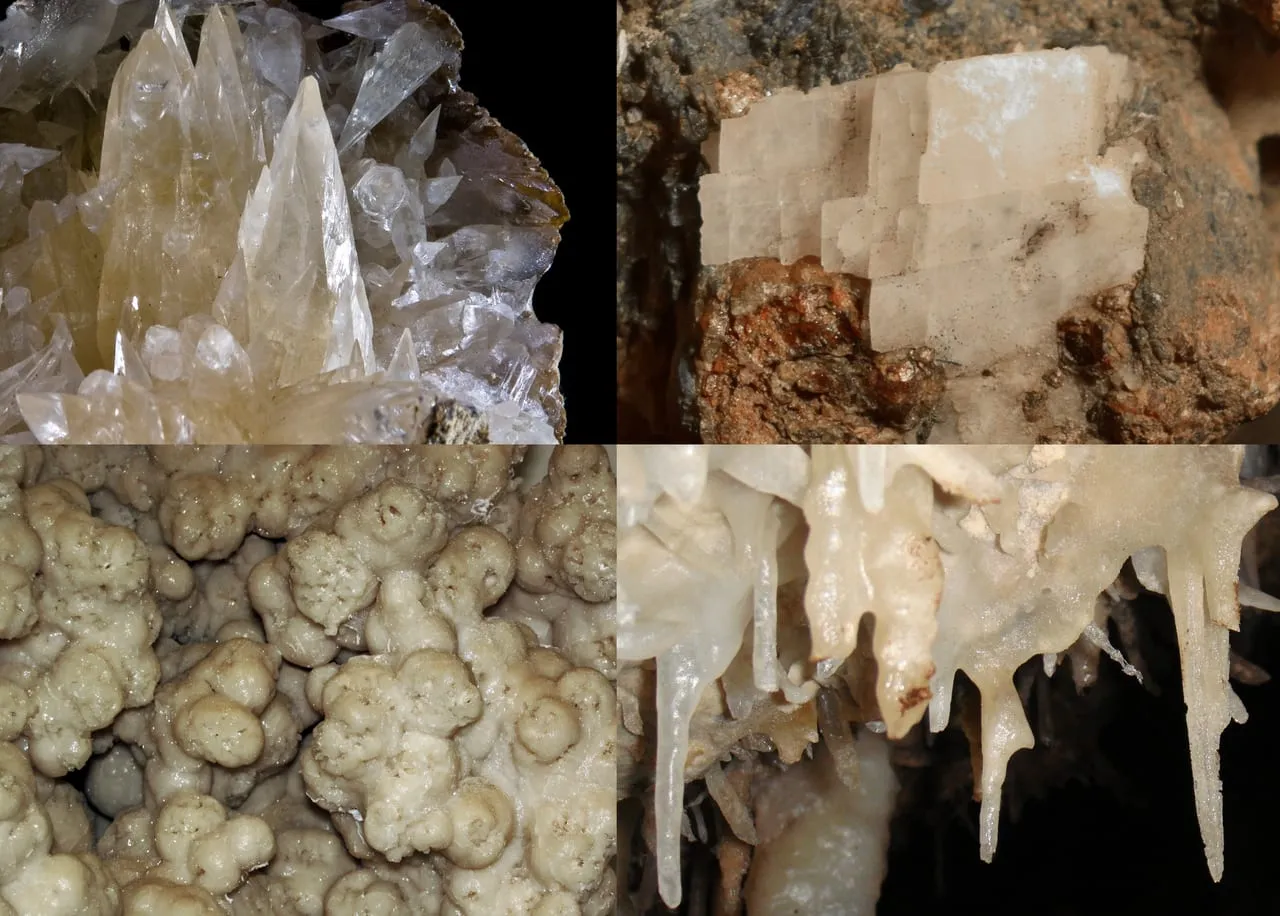
Calcite
The main mineral of limestone, marble and cave stalactites: it fizzes in acid, and its clear crystals show everything double.