VarietyA variety of Grossular
Hessonite
Ca₃Al₂(SiO₄)₃Hessonit
The honey-yellow to reddish-orange variety of grossular garnet, also called “cinnamon stone”; in Indian tradition, “gomed”, the gem of Rahu.
Also known as: Cinnamon stone · Essonite (archaic spelling) · Gomed, gomeda (in Indian tradition) · Hyacinth, jacinth (historic, also used for zircon)
- Popularly: Semi-precious stone
In short
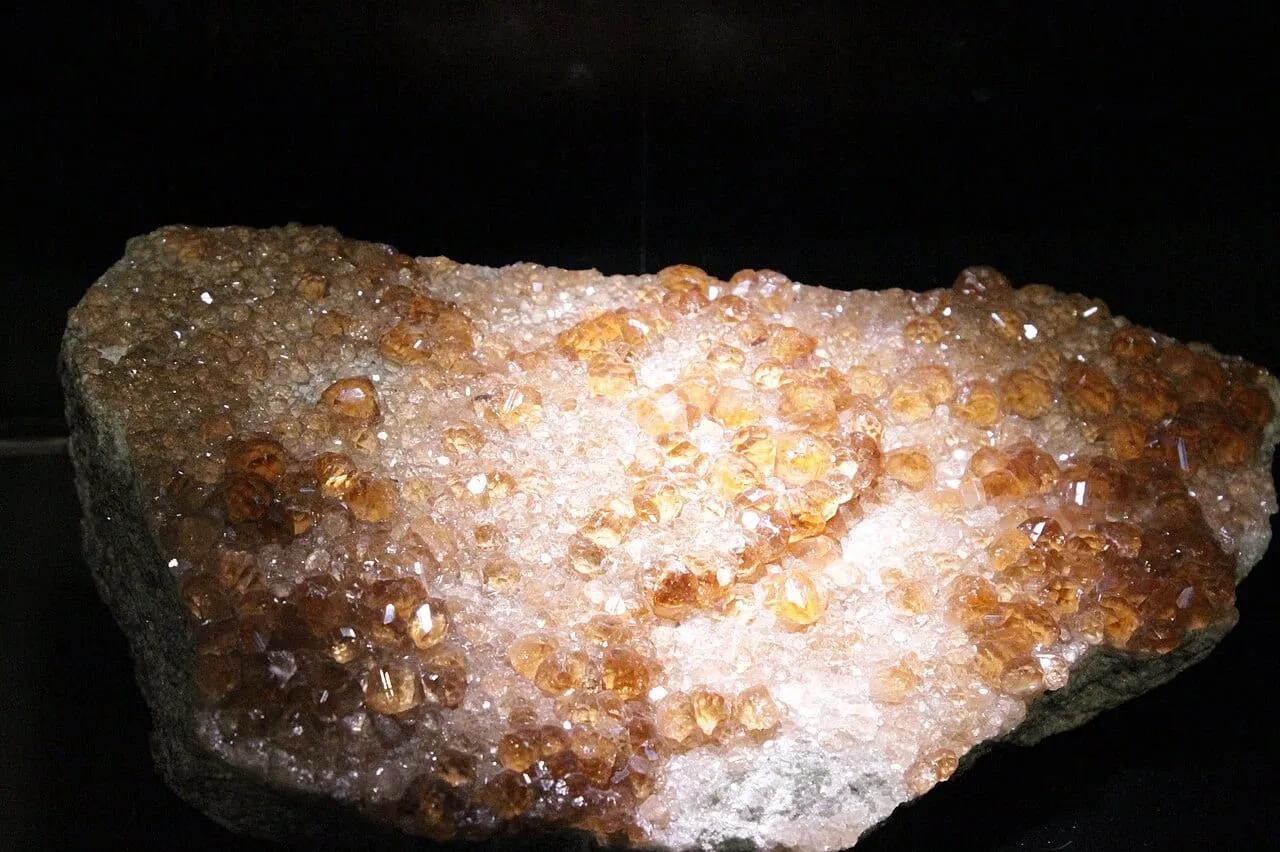
Hessonite is the variety of grossular, the calcium–aluminium garnet, that ranges from yellowish orange to reddish orange and reddish brown; its colour has earned it the name “cinnamon stone”. It owes its colour to traces of manganese and iron. Inside, it often shows a swirling look like whisky poured into water, which helps to identify it. Its main sources are Sri Lanka, India, Canada and Tanzania. It is relatively inexpensive and easy to find, and in India it is known as “gomed”, the stone that stands for Rahu in nine-gem Navaratna jewellery.
Photos
How does it form?
Hessonite grows in the same settings as grossular: where calcium-rich rocks such as limestone are transformed by contact with hot magma or by regional metamorphism, and in rocks that have been enriched in calcium. It also occurs in some schists and serpentinites. Its orange colour comes from traces of manganese and iron in the crystal structure.
When the rocks weather, the hard hessonite crystals end up in stream and river gravels. Most hessonite from Sri Lanka and India is mined from such alluvial (placer) deposits, although it is also found in its parent rock. At the Jeffrey mine in Quebec, Canada, clear orange crystals are found where they grew within the rock.
What is it used for?
- Jewellery: it is set in rings, earrings and necklaces, especially in warm, earth-toned jewellery. Being inexpensive and easy to find makes it an attractive choice among orange garnets.
- Carvings and cameos: it has long been used for engraved gems, and museums hold cameos carved from hessonite.
- Traditional jewellery: in India it is one of the nine stones of Navaratna jewellery.
- Collecting: well-formed crystals from the Alpine valleys of Italy and from Canada are sought by collectors.
With a hardness close to 7, it should not be stored with harder stones; clean it with warm water, detergent and a soft brush, and keep it away from ultrasonic cleaners and great heat.
The stone confused with zircon
The colour of hessonite is very close to that of orange-red zircon. In past centuries both were called “hyacinth” or “jacinth”; today these names are used mostly for orange-red zircon. Arthur Herbert Church, studying engraved gems, showed that many old stones believed to be zircon were in fact hessonite. The easiest way to separate them is specific gravity: a zircon of the same size is clearly heavier. For the garnet family as a whole, see the garnet page.
Where is it found?
The main sources of hessonite are Sri Lanka, India, Canada and Tanzania. Sri Lanka’s gem gravels yield pieces of up to several hundred carats. In Canada, the Jeffrey mine in Quebec is known for its clear orange crystals. The Ala valley in the Piedmont region of Italy, Brazil and the US state of California are also counted among the sources, and Afghanistan, China, Madagascar, Myanmar, Pakistan and Russia produce hessonite too.
What determines its value?
Hessonite is a relatively inexpensive, readily available garnet; its value depends mostly on the liveliness of its colour, its clarity and its size. Saturated, bright orange and reddish-orange stones are more sought after than pale or brownish ones. The swirling “whisky” look inside is a natural feature of this stone, but when it makes the stone very hazy, brilliance and value fall. Treatments such as fracture filling must be disclosed, and “gomed” stones sold for their beliefs call for care, because glass and plastic imitations are common.
This information is educational, not buying, selling or investment advice. Value varies enormously with quality and treatment.
How to recognise it
- 1
Its colour ranges from honey yellow through orange to reddish orange and reddish brown, sometimes with a pinkish tone.
- 2
Under a loupe it often shows a swirling, hazy look, like whisky mixing into water or air shimmering in a heat wave. Small crystal inclusions such as apatite, calcite, diopside and zircon may also be present.
- 3
It is easily told from zircon, which it resembles, by specific gravity: 3.64–3.69 for hessonite against about 4.6 for zircon. Its refractive index is about 1.73–1.76.
- 4
Its hardness is about 6.5–7, a little softer than most garnets; it is as hard as quartz, and topaz scratches it.
Fakes and imitations
What shops usually don’t tell you:
- Dyed glass, plastic and synthetic quartz: these may be sold as “hessonite” or “gomed”, especially online.
- Fracture filling: cracked stones are occasionally stabilised with fillers such as polymers; this must be disclosed.
- Zircon and other orange stones: because hessonite once shared a name with zircon (hyacinth, jacinth), the two can still be confused today.
Myths and misconceptions
MythHessonite is a kind of zircon.
FactHessonite is grossular garnet. In the past both stones were called “hyacinth” or “jacinth”, so they were confused. Zircon is clearly heavier (specific gravity about 4.6, against 3.64–3.69 in hessonite), and this difference separates them easily.
MythAll orange stones sold as “gomed” are genuine hessonite.
FactBecause hessonite matters in belief and astrology, dyed glass, plastic and synthetic quartz imitations are often sold, especially online. Only gemmological measurements show whether a stone is genuine.
What is it believed to be good for?
This section reports beliefs; it is not health information. There is no scientific evidence for these claims and no stone replaces medical treatment.
The meanings people give this stone, and who holds them:
- In the nine-gem Navaratna jewellery of Hindu tradition, hessonite (gomed) stands for Rahu, the ascending node of the Moon.
- Sellers of gems for Indian astrology claim that wearing gomed removes the “harmful effects” of Rahu, reduces obstacles and delays in life and brings career success.
- The same sources claim that gomed eases mental stress and confusion, and even that it helps against depression.
What science says
There is no scientific evidence that hessonite has any astrological effect, removes obstacles, or relieves stress or depression; depression is an illness that needs treatment, so see a doctor. Because stones with high belief value attract imitation, many stones sold for this purpose may be glass or plastic.
Did you know?
Its name comes from the Ancient Greek hēssōn, “inferior”, a reference to its being softer and lighter than most other garnets.
The English chemist Arthur Herbert Church showed, by measuring their specific gravity, that many engraved gems believed to be zircon were in fact hessonite.
The American Museum of Natural History in New York holds a 61.5-carat carved hessonite cameo, and the Smithsonian has a 64.2-carat cut hessonite from Sri Lanka.
In 1913 Kunz gave the name “gomeda” of the Indian nine-gem tradition as zircon; today gomed is generally taken to be hessonite. This shows how long the two stones were confused.
Where is it found?
Loading map…
- Sri Lanka's gem gravels (Ratnapura area) · Major depositThe chief source of hessonite; pebbles can reach several hundred carats, and the Smithsonian’s 64.2-carat stone comes from here
- Jeffrey mine, Asbestos (Val-des-Sources), Quebec, Canada · Major depositClear orange hessonite crystals from a former asbestos mine; the cut stones in Canadian museums come from Quebec
- India · Major depositWith Sri Lanka, a chief source, generally found in placer deposits; no exact site is given
- Tanzania · Major depositOne of the major sources of gem-quality hessonite; no exact site is given
- Ala valley, Piedmont, Italy · Known localityAn Alpine valley cited in the mineralogical literature as a grossular locality; hessonite specimens from here are held in museum collections
- Brazil · Known localityCited among the sources; no exact site is given
- California, USA · Known localityCited among the sources; the state has many grossular localities
Locations are approximate to protect sites. Red dots mark places in Türkiye. Open in the big map →
Frequently asked questions
What is hessonite?
Hessonite is the variety of grossular, the calcium–aluminium garnet, that ranges from yellowish orange to reddish orange and reddish brown; its colour has earned it the name “cinnamon stone”. It owes its colour to traces of manganese and iron. Inside, it often shows a swirling look like whisky poured into water, which helps to identify it. Its main sources are Sri Lanka, India, Canada and Tanzania. It is relatively inexpensive and easy to find, and in India it is known as “gomed”, the stone that stands for Rahu in nine-gem Navaratna jewellery.
What is hessonite used for?
Jewellery: it is set in rings, earrings and necklaces, especially in warm, earth-toned jewellery. Being inexpensive and easy to find makes it an attractive choice among orange garnets. Carvings and cameos: it has long been used for engraved gems, and museums hold cameos carved from hessonite. Traditional jewellery: in India it is one of the nine stones of Navaratna jewellery. Collecting: well-formed crystals from the Alpine valleys of Italy and from Canada are sought by collectors.
How hard is hessonite?
It has a hardness of 6.5–7 on the Mohs scale. It scratches glass and steel; a steel knife cannot scratch it. Its specific gravity is 3.64–3.69 g/cm³.
Where is hessonite found?
Its best-known localities: Sri Lanka's gem gravels (Ratnapura area); Jeffrey mine, Asbestos (Val-des-Sources), Quebec, Canada; India; Tanzania; Ala valley, Piedmont, Italy.
How can you tell if hessonite is real?
Its colour ranges from honey yellow through orange to reddish orange and reddish brown, sometimes with a pinkish tone. Under a loupe it often shows a swirling, hazy look, like whisky mixing into water or air shimmering in a heat wave. Small crystal inclusions such as apatite, calcite, diopside and zircon may also be present. It is easily told from zircon, which it resembles, by specific gravity: 3.64–3.69 for hessonite against about 4.6 for zircon. Its refractive index is about 1.73–1.76. Dyed glass, plastic and synthetic quartz: these may be sold as “hessonite” or “gomed”, especially online.
Is hessonite valuable?
On the “street to diamond” value ladder it sits on step 5 of nine: Ornamental stone. Hessonite is a relatively inexpensive, readily available garnet; its value depends mostly on the liveliness of its colour, its clarity and its size. Saturated, bright orange and reddish-orange stones are more sought after than pale or brownish ones. The swirling “whisky” look inside is a natural feature of this stone, but when it makes the stone very hazy, brilliance and value fall. Treatments such as fracture filling must be disclosed, and “gomed” stones sold for their beliefs call for care, because glass and plastic imitations are common.
What is hessonite good for?
In the nine-gem Navaratna jewellery of Hindu tradition, hessonite (gomed) stands for Rahu, the ascending node of the Moon. Sellers of gems for Indian astrology claim that wearing gomed removes the “harmful effects” of Rahu, reduces obstacles and delays in life and brings career success. The same sources claim that gomed eases mental stress and confusion, and even that it helps against depression. There is no scientific evidence that hessonite has any astrological effect, removes obstacles, or relieves stress or depression; depression is an illness that needs treatment, so see a doctor. Because stones with high belief value attract imitation, many stones sold for this purpose may be glass or plastic. This section reports beliefs; it is not health information. There is no scientific evidence for these claims and no stone replaces medical treatment.
Family


Sources
- Hessonite Garnet Value, Price, and Jewelry Information · International Gem Society
- Grossular · Wikipedia
- Navaratna · Wikipedia
- Handbook of Mineralogy: Grossular · Mineralogical Society of America
- Grossular: Hessonite crystal cluster · Minerals.net
- The Curious Lore of Precious Stones (G. F. Kunz) · J. B. Lippincott Company; Project Gutenberg, 1913
Draft: awaiting expert reviewReport an error
On the same step
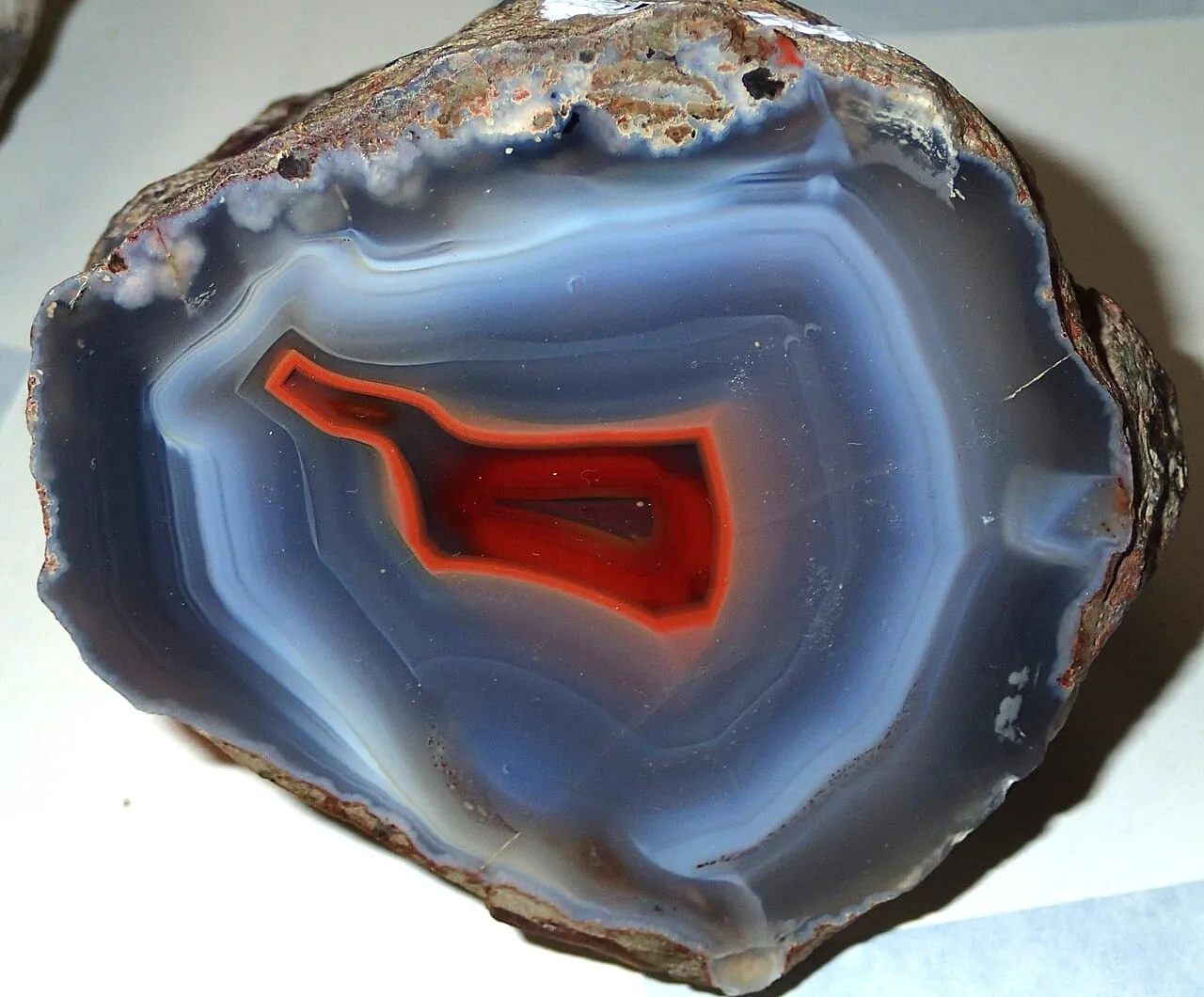
Agate
The banded variety of chalcedony: it grows layer by layer in hollows in volcanic rock and shows a new pattern every time it is cut.
Almandine
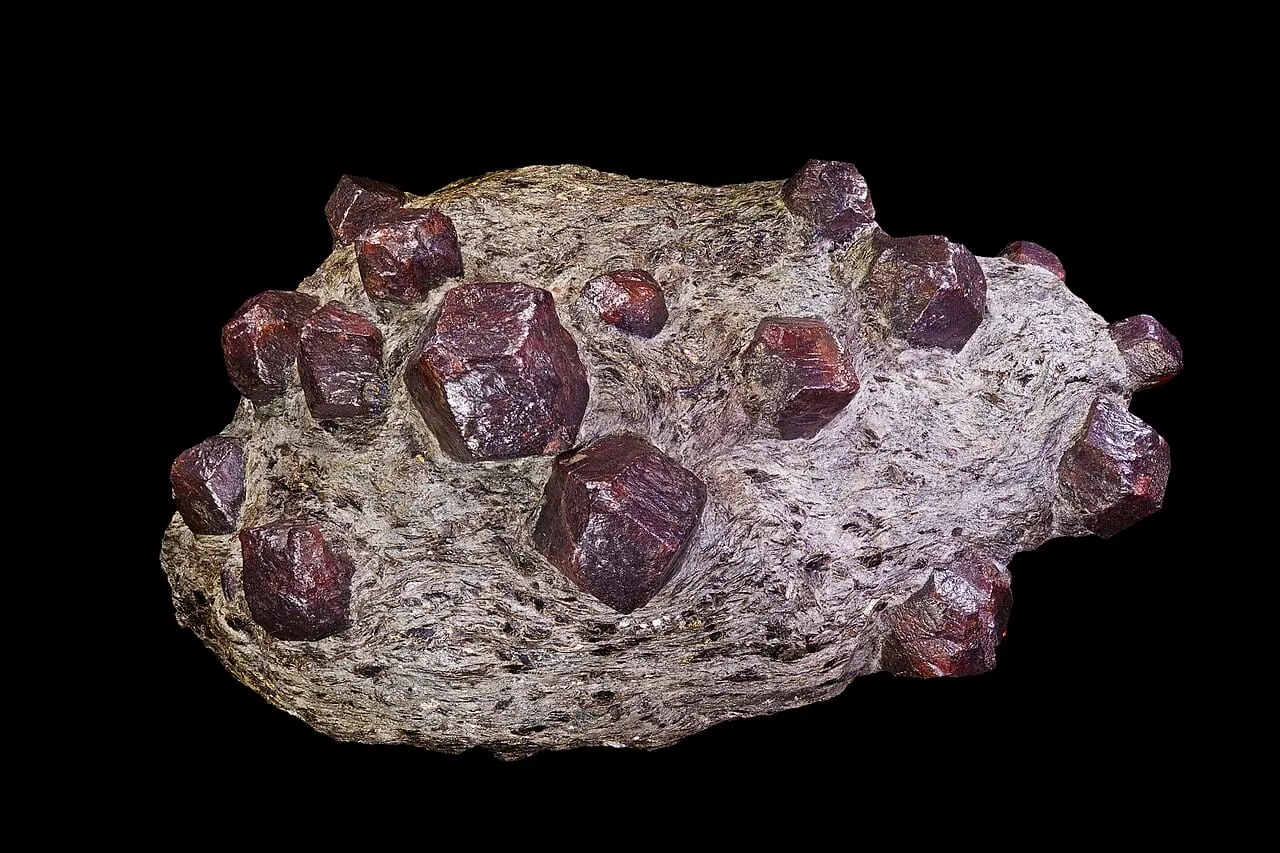
The commonest garnet: a deep red, iron-rich stone named after the ancient city of Alabanda in Anatolia, used in jewellery and in sandpaper alike.
Amazonite
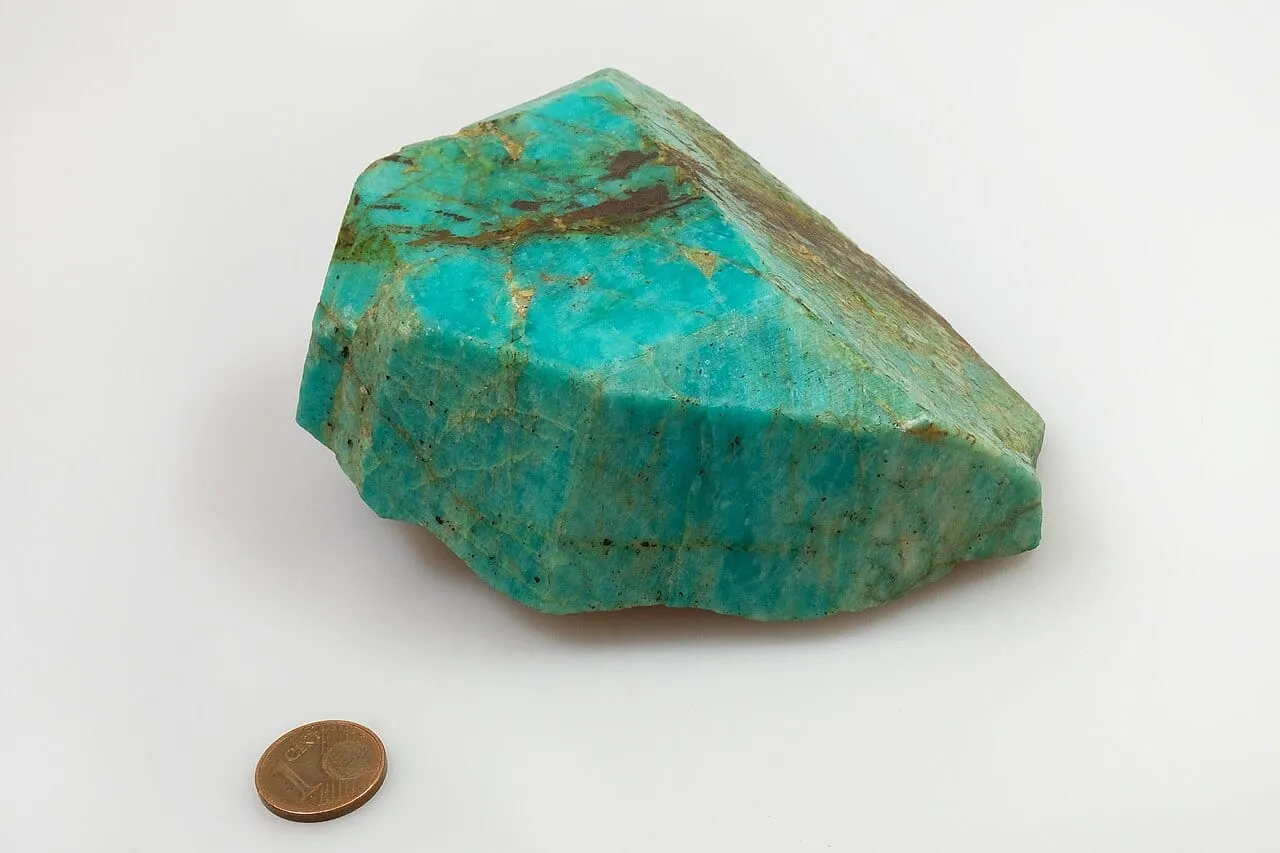
A turquoise-like green-blue feldspar: a variety of microcline worn as jewellery for more than three thousand years, but it can release lead.