VarietyA variety of Corundum
Sapphire
Al₂O₃Safir
Corundum in almost any colour except red; the most famous is the blue sapphire, coloured by iron and titanium.
Also known as: Padparadscha (pinkish-orange sapphire) · Fancy sapphire (colours other than blue)
- Gemstone
In short
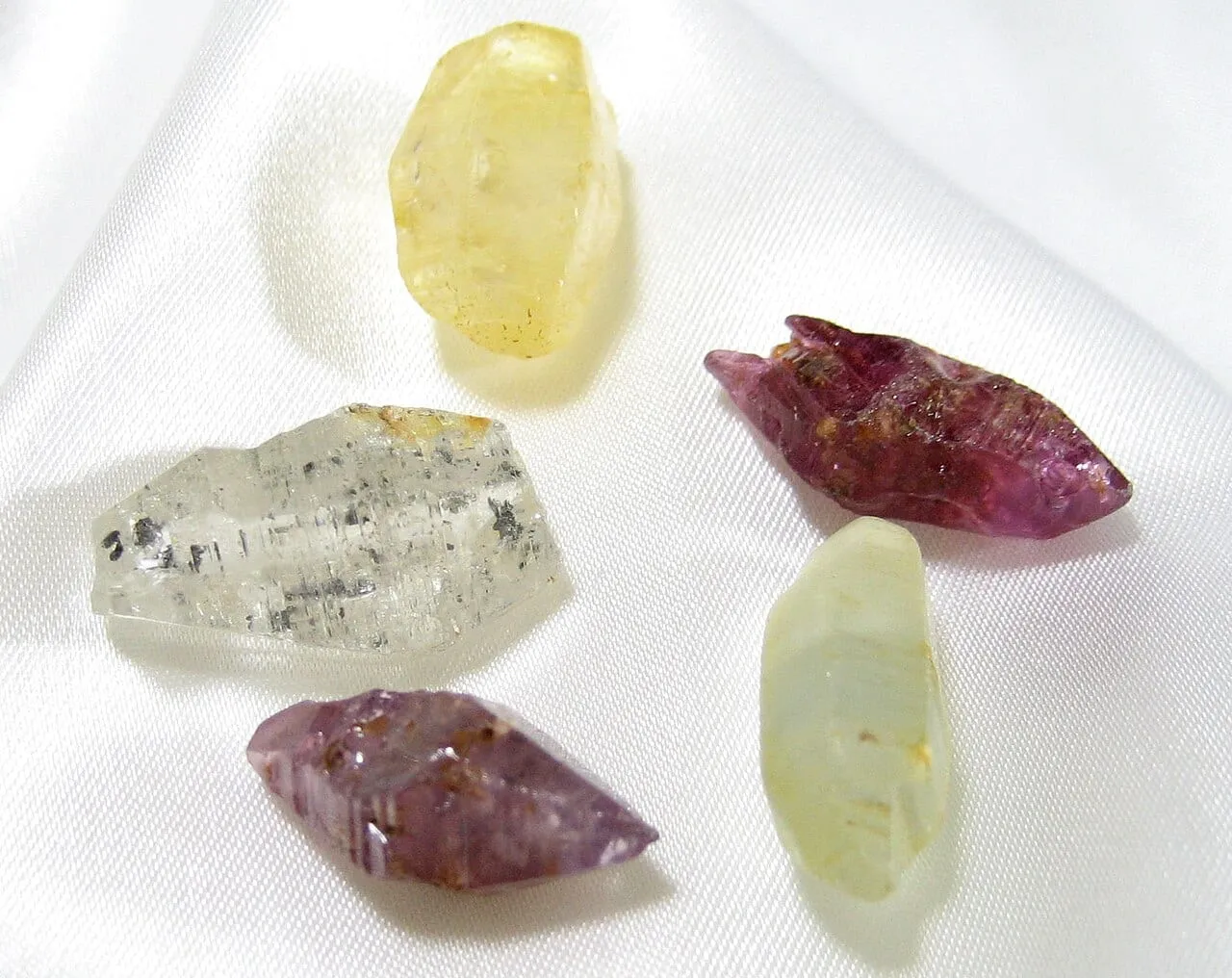
Sapphire is a variety of the mineral corundum, just like ruby. Red corundum is called ruby, and corundum of every other colour is called sapphire. Blue is the best-known colour, but there are also yellow, pink, orange and green sapphires. With a Mohs hardness of 9, it is one of the hardest natural gems.
Where does the colour come from?
Pure corundum is colourless. The blue of sapphire comes from traces of iron and titanium built into the crystal structure: amounts far below one per cent are enough to turn it blue, and the more iron, the darker the blue. Yellow tones mostly come from iron, pink tones from chromium. When there is enough chromium the stone turns red and is called ruby instead. Where pink ends and red begins can differ between laboratories.
Where is it found?
The velvety blue stones from a deposit in Kashmir, worked for only a short time in the 1880s, are still the most famous sapphires. Mogok in Myanmar and Ratnapura in Sri Lanka have been important sources for centuries; Sri Lanka is especially known for light blue, yellow and padparadscha sapphires. Deposits found in Madagascar and East Africa in the 1990s made sapphires of many colours far more widely available.
What makes it valuable?
Colour matters most: a vivid, saturated blue that is not too dark is the most sought after. Clarity, cut and size are important too. Whether the stone has been heated or otherwise treated, and where it comes from, strongly affect its value; large, clean, unheated sapphires are very rare.
How to recognise it
- 1
It is very hard (9) and feels heavy for its size (specific gravity about 4.0). Do not test a valuable stone by scratching it; that is a job for laboratory instruments.
- 2
In natural sapphires the colour is often uneven: under magnification you may see straight, angular colour bands. Flame-fusion synthetics show curved growth lines instead.
- 3
Stones with fine rutile needles inside can show a six-rayed star of light when cut as a dome (cabochon). This is called asterism.
- 4
Only a gem laboratory can tell whether a stone is natural or synthetic, heated, or beryllium-diffused; detecting beryllium needs special chemical analysis.
Fakes and imitations
What shops usually don’t tell you:
- Heat treatment: most sapphires are heated to improve their colour and clarity. It is a common and generally accepted treatment, but it should still be disclosed.
- Beryllium diffusion: the stone is heated above 1,800 °C together with a beryllium source to create yellow, orange or padparadscha-like colours. This treatment, which appeared in the early 2000s, cannot be seen by eye; ask for a laboratory report, especially for orange and pinkish-orange stones.
- Surface diffusion: in some stones the blue colour sits only in a thin surface layer, and it can disappear if the stone is recut or repolished.
- Synthetic sapphire has been made since the early 20th century and is chemically identical to natural sapphire; the “sapphire crystal” on watches is synthetic sapphire. Blue glass, synthetic spinel, iolite and tanzanite can also be mistaken for sapphire.
Did you know?
The “Star of India” on display at the American Museum of Natural History in New York is a giant 563.35-carat star sapphire from Sri Lanka.
The name padparadscha, used for pinkish-orange sapphires, comes from a Sinhalese word describing the colour of the lotus flower.
Where is it found?
Loading map…
- Paddar, Kishtwar, Jammu and Kashmir, India · Historic sourceFound around 1881 and worked intensively for only a few years in the 1880s; its velvety “Kashmir blue” is still the benchmark
- Mogok, Mandalay Region, Myanmar · Major depositDeep, saturated blue sapphires and star sapphires
- Ratnapura, Sri Lanka · Major depositLight blue, yellow and padparadscha sapphires from river gravels; the “Star of India” also came from Sri Lanka
- Ilakaka, Madagascar · Major depositLarge gravel deposits discovered in the late 1990s, yielding sapphires in many colours
Locations are approximate to protect sites. Red dots mark places in Türkiye. Open in the big map →
Family

Sources
- Sapphire Description (Gem Encyclopedia) · GIA
- Beryllium Diffusion of Ruby and Sapphire · GIA, Gems & Gemology, 2003
- Star of India · American Museum of Natural History
- Handbook of Mineralogy: Corundum · Mineralogical Society of America
External links
Draft: awaiting expert reviewReport an error ↗
On the same step
Diamond
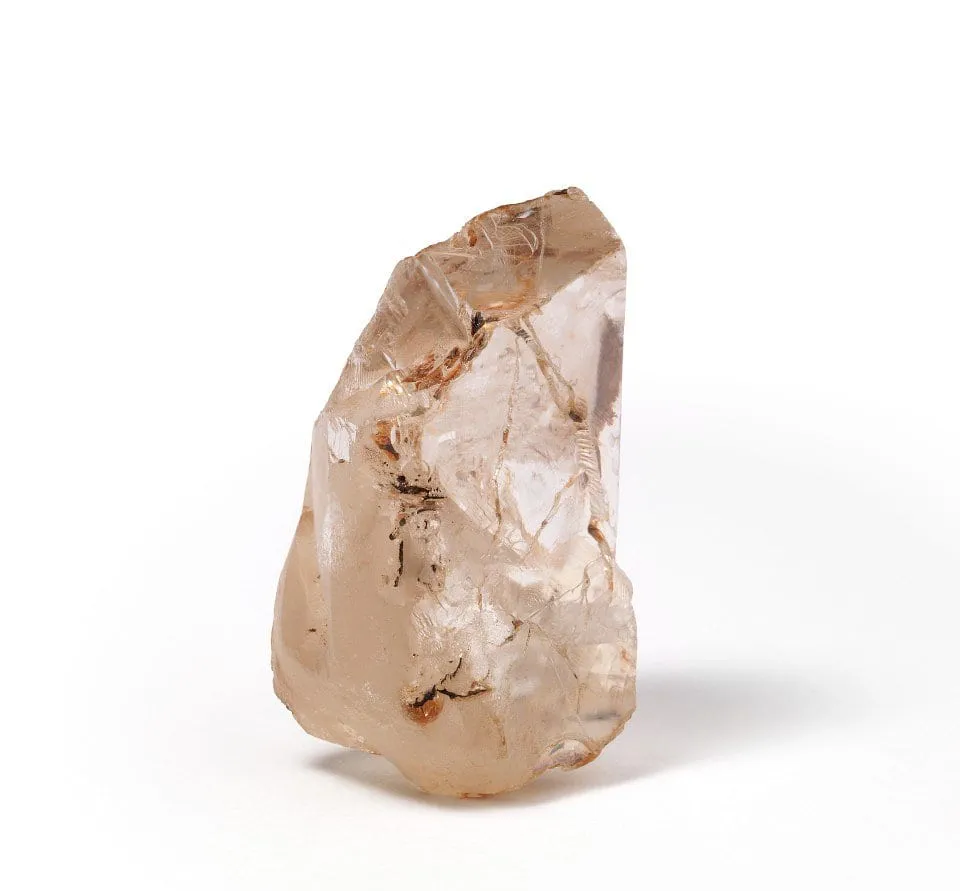
Pure carbon and the hardest known natural mineral: it forms about 150–200 km deep and reaches the surface in volcanic eruptions.
Emerald
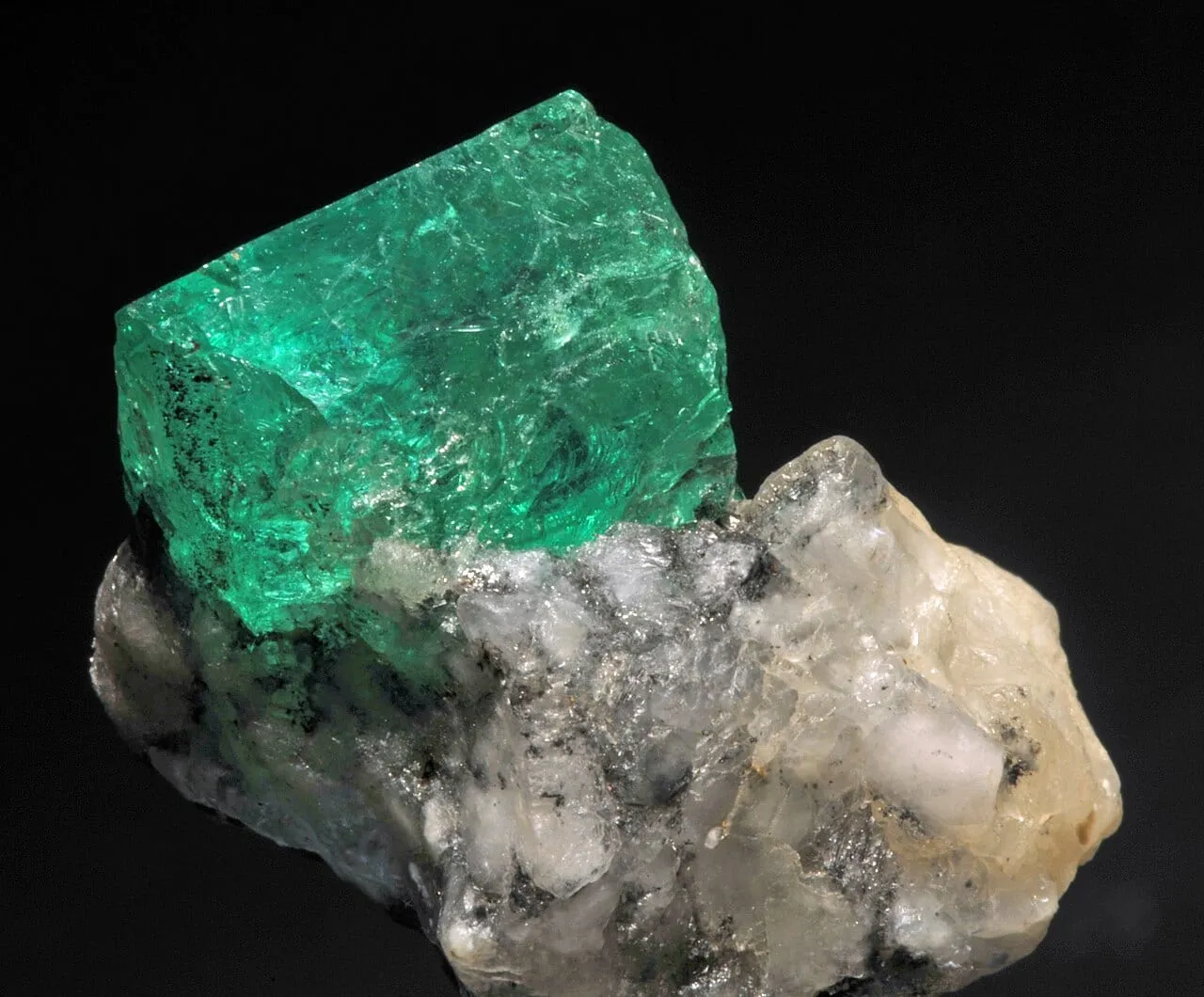
Beryl turned green by chromium and vanadium: the world's most famous green gem, almost always full of inclusions.
Ruby
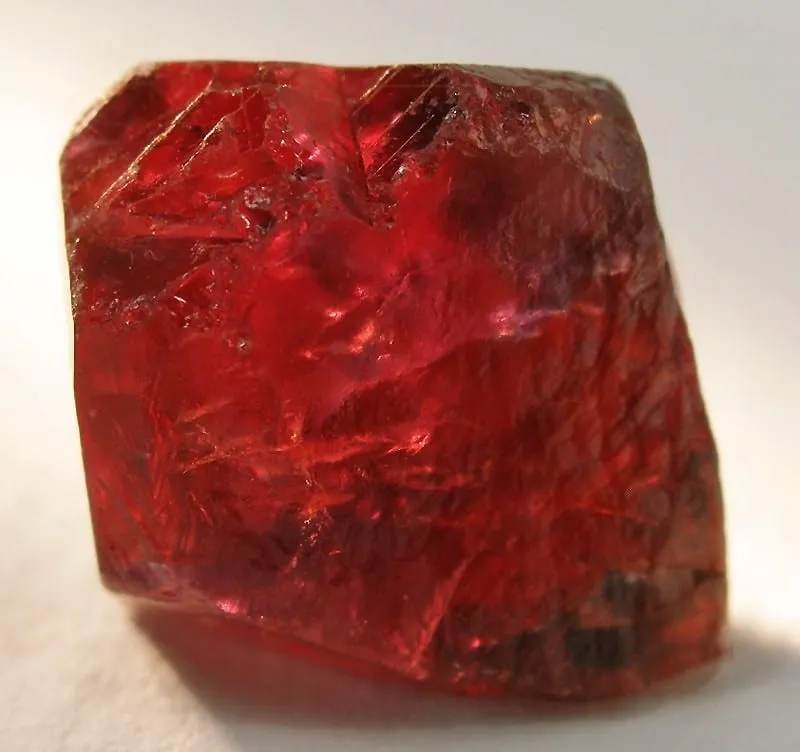
Corundum coloured red by chromium: one of the world's most famous gems, able to glow red under ultraviolet light.