VarietyA variety of Beryl
Emerald
Be₃Al₂Si₆O₁₈Zümrüt
Beryl turned green by chromium and vanadium: the world's most famous green gem, almost always full of inclusions.
- Gemstone
In short
Emerald is the green variety of the mineral beryl. It gets its colour from tiny amounts of chromium and vanadium in its crystal structure. Nearly every emerald contains small cracks and inclusions, so although it is quite hard, it is sensitive to knocks.
How does it form?
Emerald needs two different worlds to meet: beryllium is usually found in light-coloured rocks such as granite and pegmatite, while chromium and vanadium occur in dark rocks or black shales. Places where these elements come together are few, which is why emerald is rare. In Colombia, emeralds formed in veins left by hot, salty waters moving through cracks in black shale. In Zambia, beryllium-bearing veins reacted with chromium-rich metamorphic rocks, and emerald grew in the mica-rich reaction zones.
Where is it found?
The most famous emeralds come from the Muzo and Chivor districts of Colombia. The second most important source by value is Zambia; Brazil, Afghanistan and Zimbabwe also produce emeralds.
What makes it valuable?
Colour matters most: a vivid, saturated, slightly bluish green that is not too dark is the most sought after. Inclusions are expected in emerald; what matters is how much they affect the stone’s brightness and durability. Fractures that are unfilled or only minimally filled clearly increase its value.
How to recognise it
- 1
Its colour ranges from green to bluish green. Experts and laboratories do not always agree on whether a light green beryl may be called emerald.
- 2
It almost always shows cracks and inclusions, which the trade calls “jardin”, French for “garden”. Colombian emeralds typically contain three-phase inclusions holding liquid, a gas bubble and a tiny salt crystal.
- 3
Its hardness is 7.5–8, but because of its fractures it is sensitive to knocks, sudden temperature changes and ultrasonic cleaners.
- 4
Only a gem laboratory can tell whether it is natural or synthetic, and how much its fractures have been filled.
Fakes and imitations
What shops usually don’t tell you:
- Oil and resin filling: surface-reaching fractures are filled with colourless oil (traditionally cedarwood oil) or resin to make them less visible. Most emeralds on the market have been treated this way; it is accepted practice, but the degree should be disclosed. Using coloured (green) fillers is deceptive.
- Synthetic emerald: grown by the flux and hydrothermal methods and chemically identical to natural emerald. Ask for an independent laboratory report for stones that look too clean.
- Imitations: green glass, and assembled stones (doublets, triplets) made by gluing two colourless pieces together with a green cement, can look like emerald.
- Natural green gems such as green tourmaline, tsavorite garnet and chrome diopside can also be mistaken for emerald.
Did you know?
The earliest known emerald mines were in Egypt and were worked from at least 330 BC into the 1700s.
The Turkish word “zümrüt” comes from Arabic and Persian “zumurrud”, while English “emerald” goes back to the Ancient Greek “smaragdos”, meaning green.
Where is it found?
Loading map…
- Muzo, Boyacá, Colombia · Major depositThe world’s most famous emerald district; the emeralds grow in veins within black shale
- Chivor, Boyacá, Colombia · Major depositA historic mining area, worked before the Spanish conquest
- Kafubu area (Kagem), Copperbelt, Zambia · Major depositThe world’s second most important emerald source by value, after Colombia
- Sikait (Mons Smaragdus), Eastern Desert, Egypt · Historic sourceThe earliest known emerald mines, worked from at least 330 BC into the 1700s
Locations are approximate to protect sites. Red dots mark places in Türkiye. Open in the big map →
Family
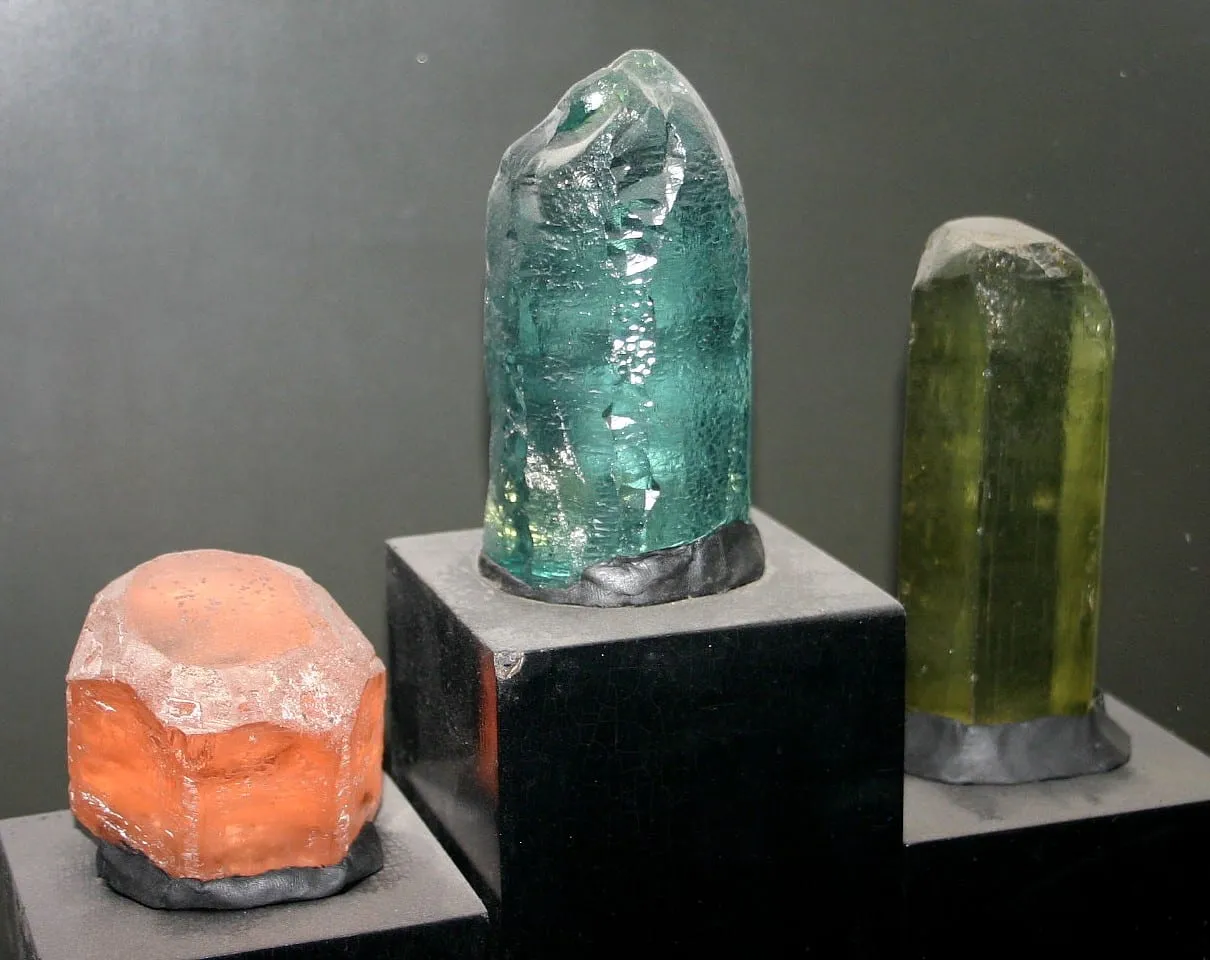
_2.jpg)
Sources
- Emerald Description (Gem Encyclopedia) · GIA
- Emerald History and Lore · GIA
- Emeralds from the Kafubu Area, Zambia · GIA, Gems & Gemology, 2005
- The Identification of Various Emerald Filling Substances · GIA, Gems & Gemology, 1999
- Handbook of Mineralogy: Beryl · Mineralogical Society of America
External links
Draft: awaiting expert reviewReport an error ↗
On the same step
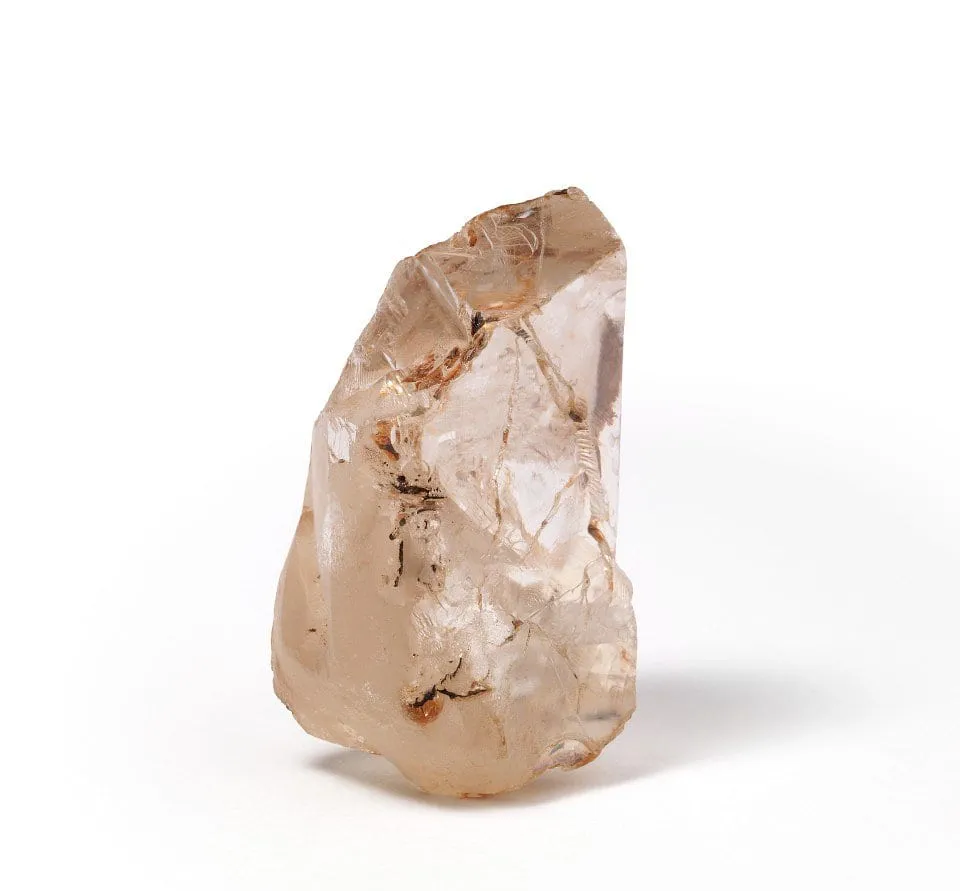
Diamond
Pure carbon and the hardest known natural mineral: it forms about 150–200 km deep and reaches the surface in volcanic eruptions.
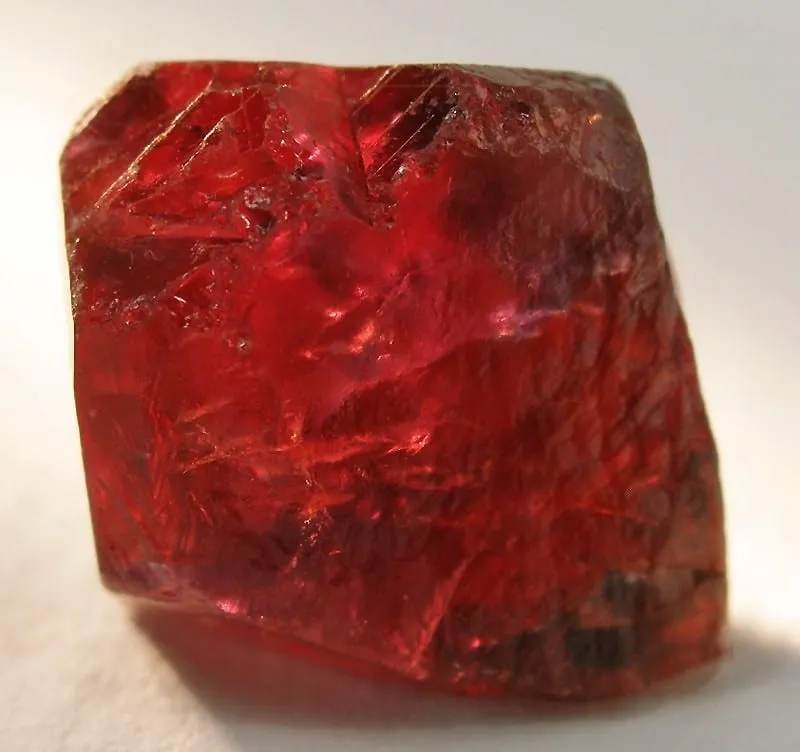
Ruby
Corundum coloured red by chromium: one of the world's most famous gems, able to glow red under ultraviolet light.
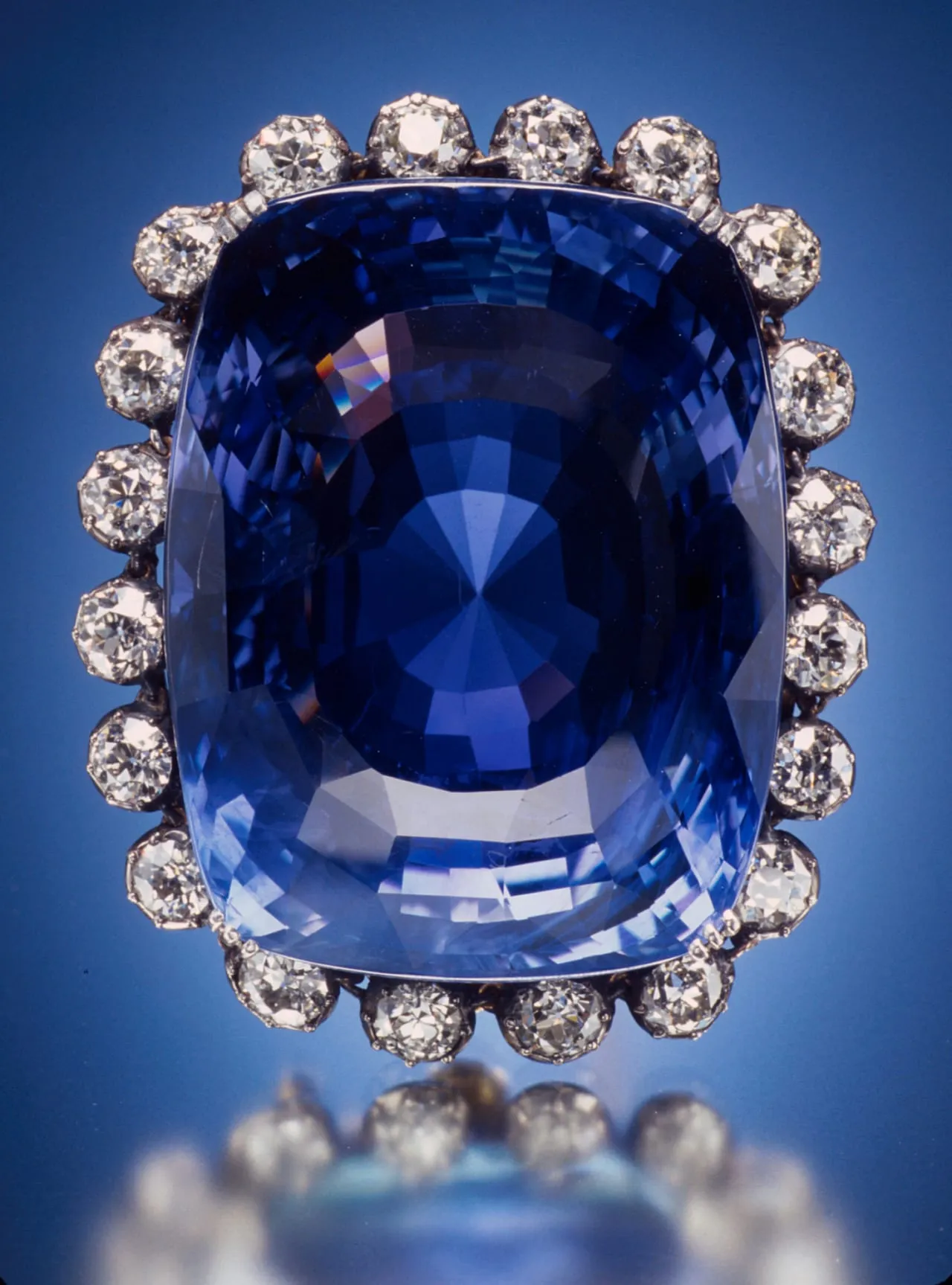
Sapphire
Corundum in almost any colour except red; the most famous is the blue sapphire, coloured by iron and titanium.