Mineral
Sulfur
SKükürt
A light, soft element that gathers as bright yellow crystals around volcanic vents and burns with a blue flame.
Also known as: Sulphur · Native sulfur · Brimstone
- Industrial
- Important in Türkiye

In short
Sulfur is a bright yellow element that can be found pure in nature. It mostly forms around holes where volcanoes give off gas, and inside some layers of salt and gypsum. It is very soft and light; held in a flame it burns with a blue flame and gives off a choking gas.
How does it form?
Sulfur forms in two main ways. In volcanic settings, hydrogen sulfide gas rising from deep underground reacts with oxygen in the air and leaves yellow crusts and crystals of sulfur around the vents. In sedimentary settings, sulfate minerals such as gypsum and anhydrite are broken down by bacteria living in oxygen-free conditions, leaving sulfur behind. The famous crystals of Sicily and the large deposits in the salt domes of the USA belong to this second type.
In Türkiye
The Keçiborlu sulfur deposit in Isparta was described in a 1944 MTA study as Türkiye’s richest sulfur mine. Here the sulfur is scattered through a volcanic rock called rhyolite and formed as rising gases broke down. The Keçiborlu sulfur works was founded in 1934 as the Republic’s first mining investment and was closed in 1994.
What is it used for?
- Sulfuric acid: Most sulfur goes into making sulfuric acid, which is used for everything from fertilisers to car batteries.
- Rubber: Heating rubber with sulfur (vulcanisation) makes it tough and elastic; car tyres are made this way.
- Where it comes from: Today most sulfur is recovered not from mines but as a by-product of refining oil and natural gas.
How to recognise it
- 1
Its bright lemon-yellow colour and resinous to greasy lustre are very distinctive; the streak is white.
- 2
It is very soft (hardness 1.5–2.5): even a fingernail can scratch it, and it crumbles easily.
- 3
It feels light in the hand (specific gravity about 2.1).
- 4
It conducts heat very poorly: a crystal warmed in the palm sometimes makes faint crackling sounds, and fine cracks can appear on its surface.
Fakes and imitations
What shops usually don’t tell you:
- Other yellow minerals can be mistaken for sulfur. One of them, orpiment, is a toxic arsenic mineral; do not hold unknown yellow minerals in bare hands for long and never put them in your mouth.
- Because sulfur crystals are very sensitive to heat and knocks, collector specimens may be repaired or have crystals glued back on; the seller should state this clearly.
Safety
Sulfur is generally harmless to handle, but its dust can irritate the eyes and airways. It catches fire easily and releases toxic sulfur dioxide gas as it burns, so it should not be heated and must be kept away from flames. Fine sulfur dust can form an explosive mixture in air. Volcanic vents where sulfur is collected are also dangerous because of toxic gases such as hydrogen sulfide and sulfur dioxide.
Did you know?
The Turkish word for match, “kibrit”, comes from the Arabic “kibrīt”, meaning sulfur; early matches were tipped with sulfur.
Volcanic vents that give off sulfurous gases are called “solfataras”, after the Solfatara crater near Naples, Italy.
Where is it found?
Loading map…
- Agrigento, Sicily, Italy · Major depositAround Cianciana and Racalmuto; exceptionally large, fine crystals
- Solfatara, Pozzuoli, Naples, Italy · Known localitySulfur deposited around volcanic gas vents; the word “solfatara” comes from here
- Lake Charles, Louisiana, USA · Historic sourceLarge sulfur deposits in salt domes
- Keçiborlu, Isparta, Türkiye · Historic sourceVolcanic sulfur in rhyolite; described as Türkiye’s richest sulfur deposit, worked from 1934 to 1994
Locations are approximate to protect sites. Red dots mark places in Türkiye. Open in the big map →
Sources
- Handbook of Mineralogy: Sulphur · Mineralogical Society of America
- Keçiborlu kükürt yatağı (N. Egeran) · MTA Dergisi, 1944
- History · Eti Maden
External links
Draft: awaiting expert reviewReport an error ↗
On the same step
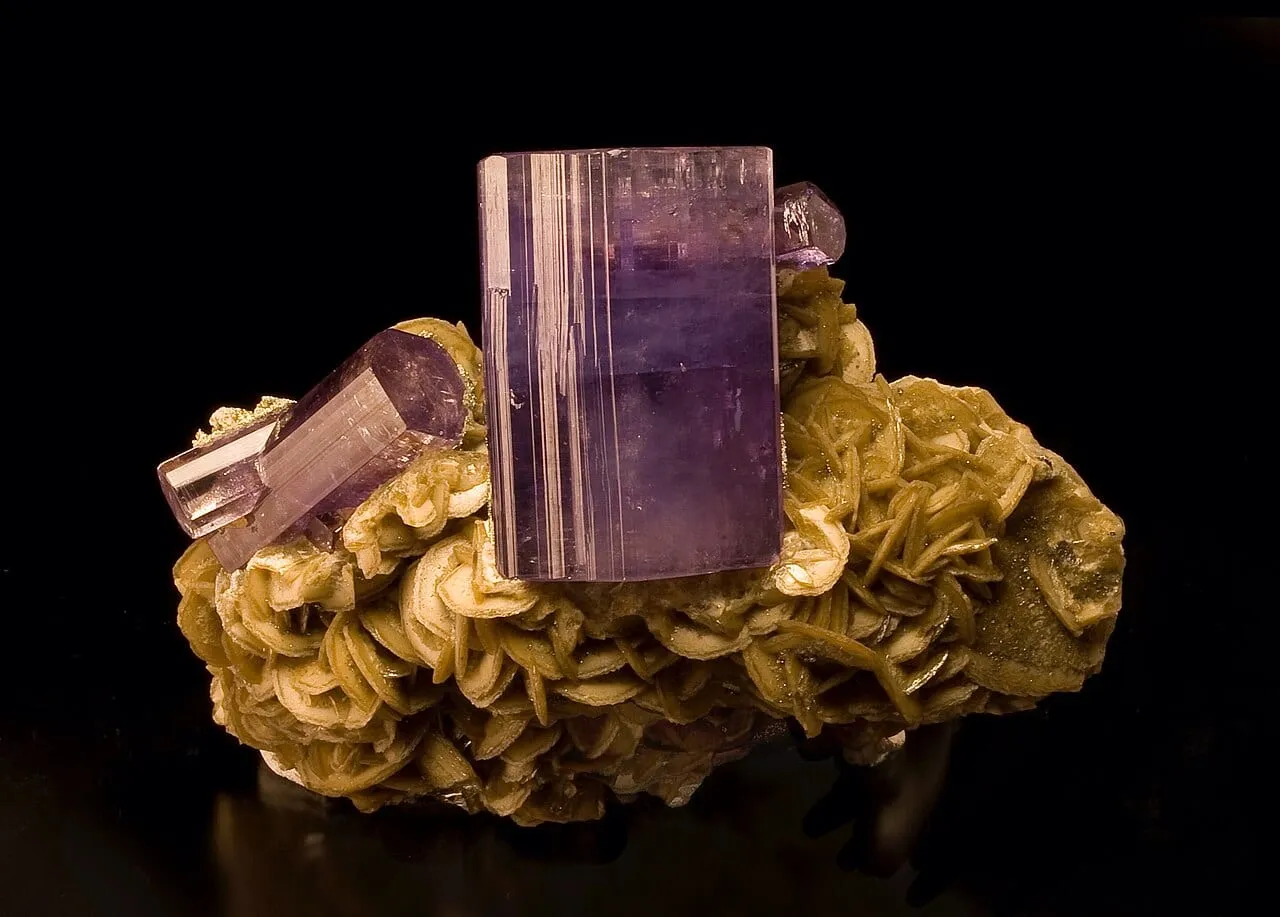
Apatite
A mineral cousin of our teeth and bones, the source of the phosphorus in fertilisers, and number 5 on the Mohs scale.
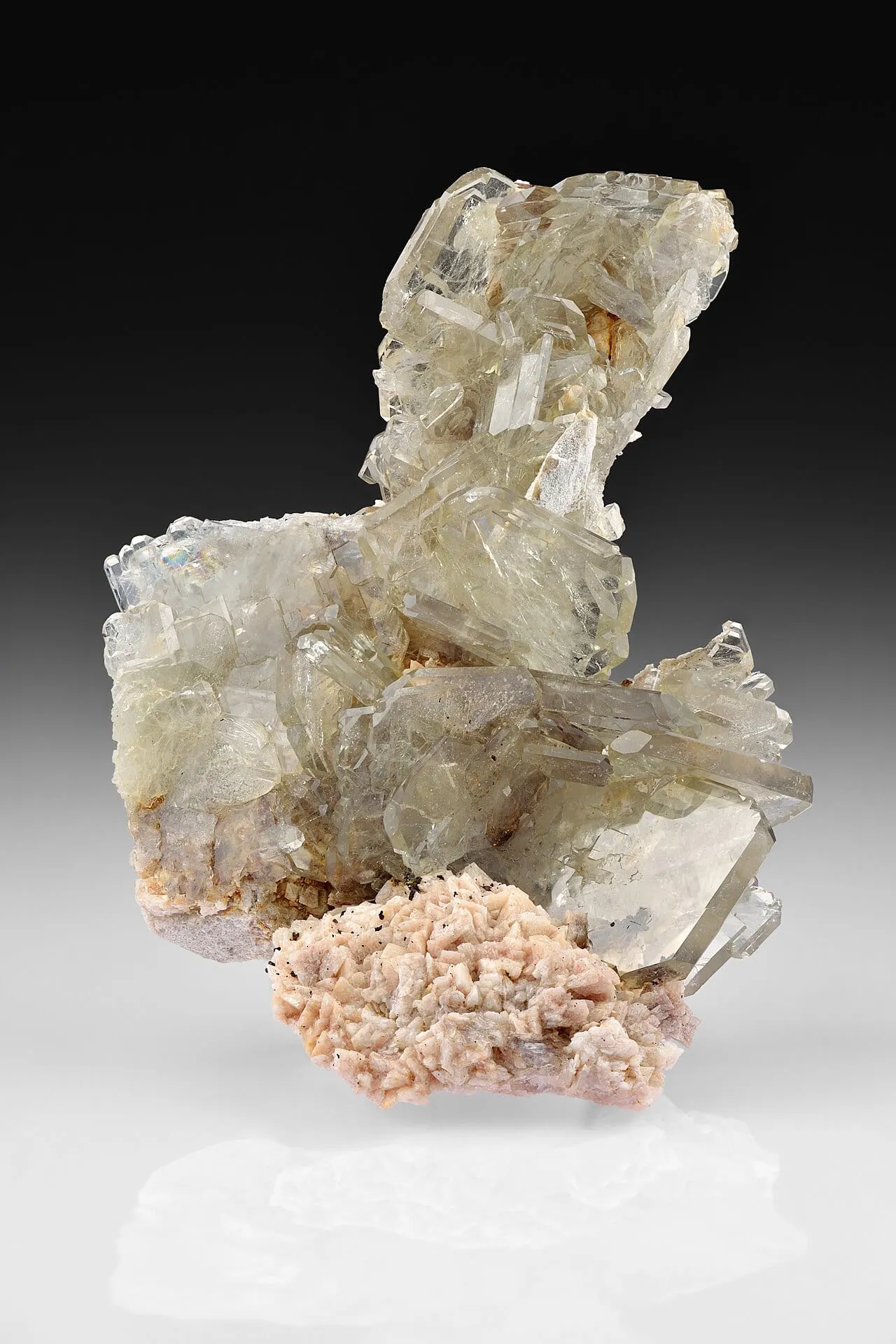
Baryte
A pale barium mineral that feels surprisingly heavy in the hand; even its name comes from the Greek word for heavy.
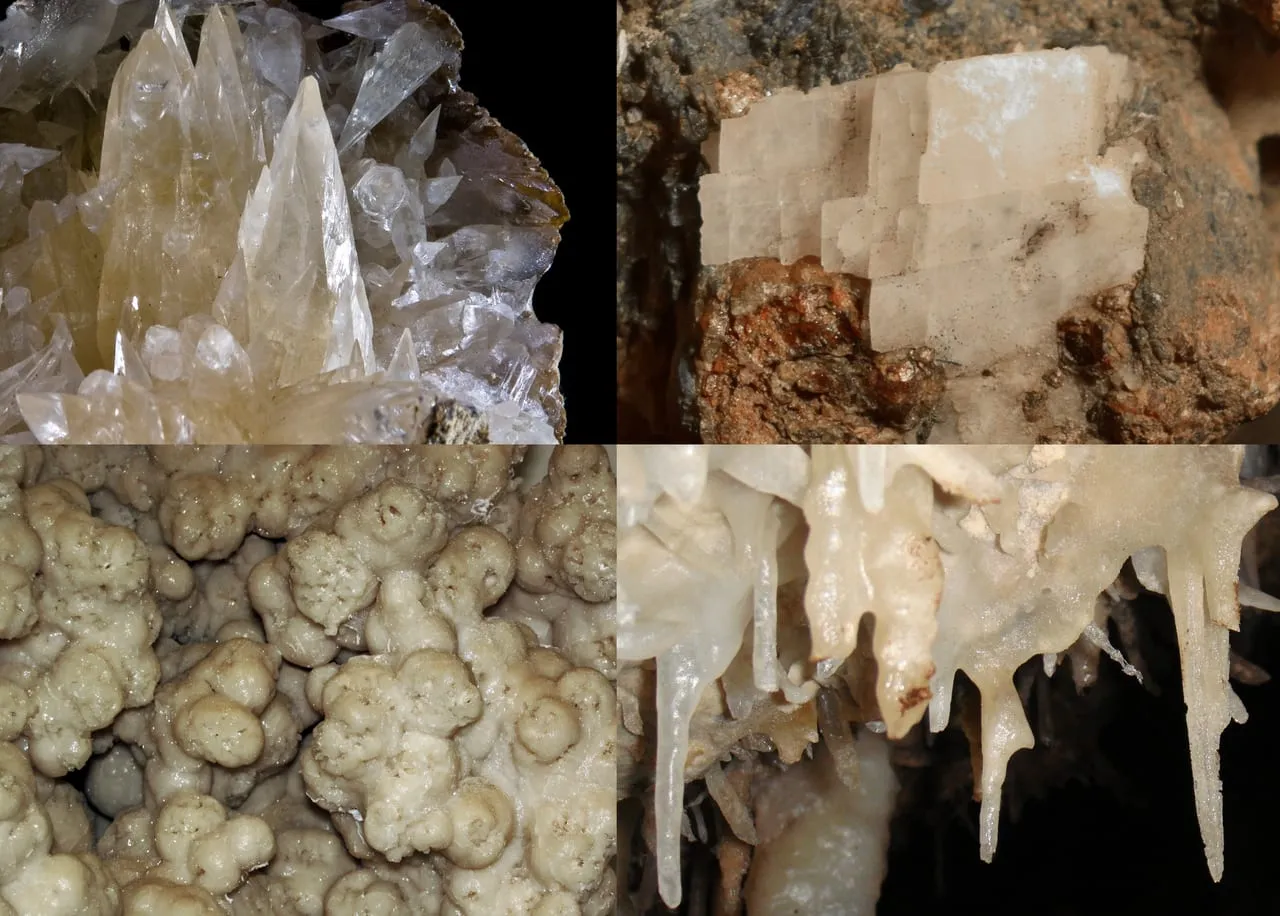
Calcite
The main mineral of limestone, marble and cave stalactites: it fizzes in acid, and its clear crystals show everything double.