Organic gem
Oltu stone
Oltu taşı
Erzurum’s black treasure: a kind of jet made from coalified wood, famous for its prayer beads.
Also known as: Black amber (popular but misleading name)
- Ornamental
- Important in Türkiye

In short
Oltu stone is a light, black stone formed when the remains of trees buried millions of years ago were turned into a coal-like material by pressure. It is dug out by hand from narrow underground galleries in the Oltu district of Erzurum. Craftsmen carve and polish it into prayer beads, rings, necklaces and other handmade pieces.
How does it form?
Oltu stone is a variety of jet, a group of organic gems. Wood buried in soil and mud was slowly coalified over millions of years under the pressure of the sediments piling up above it, turning into a dense, black material that takes a good polish. Oltu stone occurs as lenses at most a few centimetres thick within a 70–80 cm thick layer of sedimentary rocks such as marl and clay. Because it has no crystal structure, it is classed not as a mineral but as an organic gem.
How is it mined and worked?
Oltu stone is dug out by hand from narrow galleries in villages north-east of the town of Oltu. According to its geographical indication registration, the stone is soft when it comes out of the ground and hardens as it is exposed to air, which makes it easy to carve. Craftsmen shape it with an adze and steel knives, turn it on a lathe and finally polish it. Its best-known products are prayer beads (tespih); rings, earrings, necklaces and cigarette holders are also made.
Geographical indication and relatives around the world
“Oltu Taşı” was registered as a geographical indication by TÜRKPATENT in 2012, on the application of the Oltu Chamber of Commerce and Industry; products under this name must be made from raw material mined in Oltu. The world’s most famous source of jet is Whitby in England, and the Asturias region of Spain is another known source.
How to recognise it
- 1
It feels surprisingly light in the hand, much lighter than a stone or a piece of glass of the same size.
- 2
Rubbed on unglazed porcelain (such as the back of a porcelain tile) or on sandpaper, it leaves a brown streak. Do this test on a hidden spot.
- 3
Rubbed on a woollen cloth, it becomes electrically charged and picks up small bits of paper.
- 4
It feels warm and velvety rather than cold, and on close inspection faint fine veins may be visible.
Fakes and imitations
What shops usually don’t tell you:
- Black plastic and resin imitations: being moulded, their beads are all exactly alike, mould seams may show, and they lack the fine veining of the natural stone.
- Black glass (once called “French jet”): clearly heavier than Oltu stone, cold to the touch, and leaves no brown streak on unglazed porcelain.
- Vulcanite (ebonite, hardened rubber): fades to a brownish colour over time and gives off a sulfurous rubber smell when rubbed or warmed.
- The name “black amber” is misleading: amber is fossilised tree resin, while Oltu stone is coalified wood; they are different materials.
Did you know?
Freshly mined Oltu stone is soft and hardens on contact with air, so craftsmen keep raw pieces buried in the ground in a damp bag until they are ready to carve them.
In Britain, Queen Victoria wore jet jewellery with her mourning dress for the rest of her life after Prince Albert died in 1861, which made Whitby jet hugely popular.
Where is it found?
Loading map…
- Oltu, Erzurum, Türkiye · Major depositMined by hand from small galleries in villages north-east of the town. “Oltu Taşı” was registered as a geographical indication by TÜRKPATENT in 2012.
- Whitby, North Yorkshire, England · Historic sourceWhitby jet, about 183 million years old (Early Jurassic); hugely popular as mourning jewellery in the 19th century.
- Asturias, Spain · Known localityOne of Europe's known sources of jet, called “azabache” in Spanish.
Locations are approximate to protect sites. Red dots mark places in Türkiye. Open in the big map →
Sources
- Oltu Taşı — Coğrafi İşaret Tescil Belgesi (No. 192) · TÜRKPATENT, 2012
- Chemical and mineralogical characterizations of the Oltu stone (Turkish black amber), Erzurum, Turkey (Özen Balaban, Bilgin & Çağlar), SGEM 2013 · Atatürk Üniversitesi (AVESİS), 2013
- Whitby Jet and Jet Jewellery · Whitby Museum
External links
Draft: awaiting expert reviewReport an error ↗
On the same step
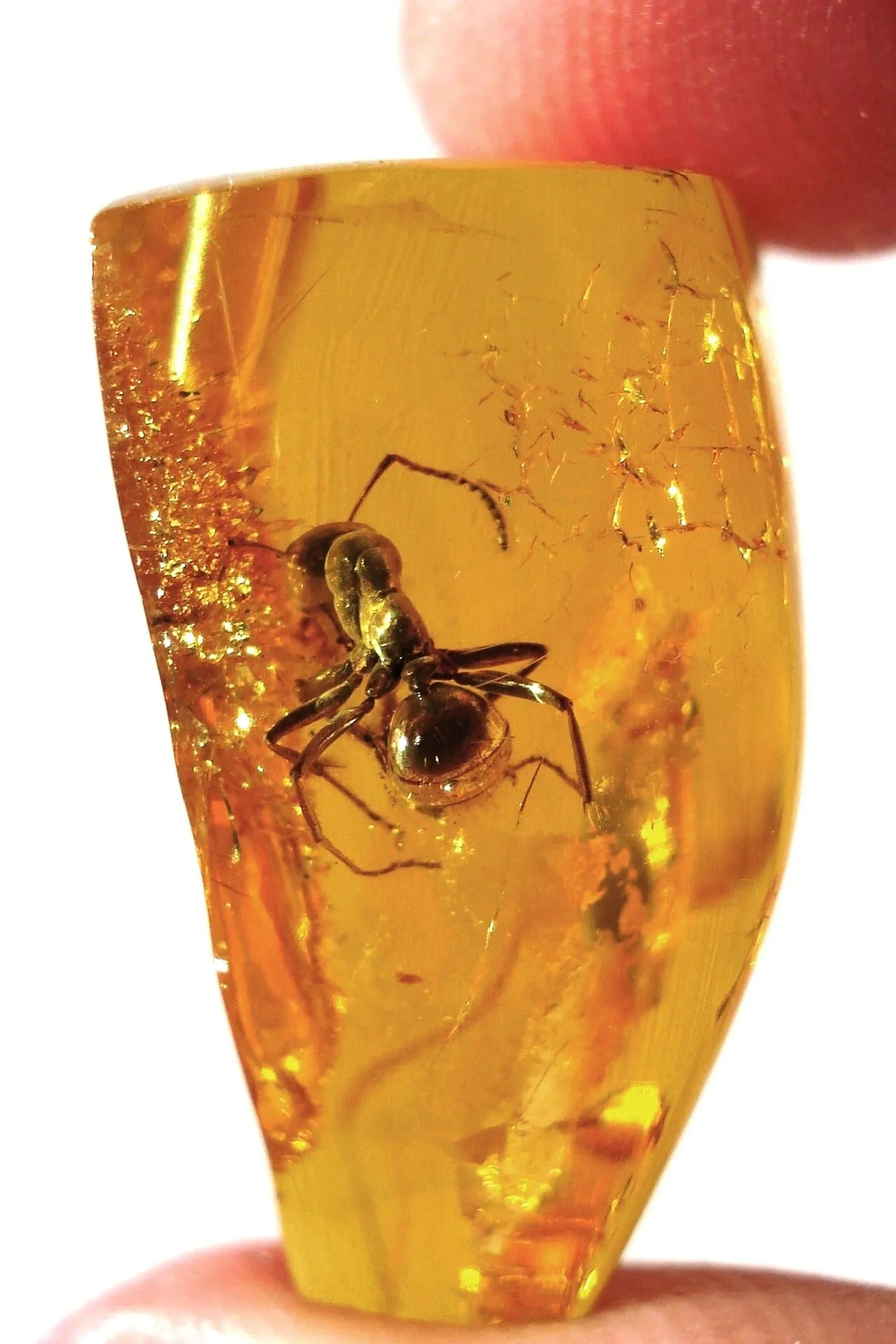
Amber
Tree resin fossilised over millions of years: a light, warm organic gem that sometimes holds prehistoric insects.
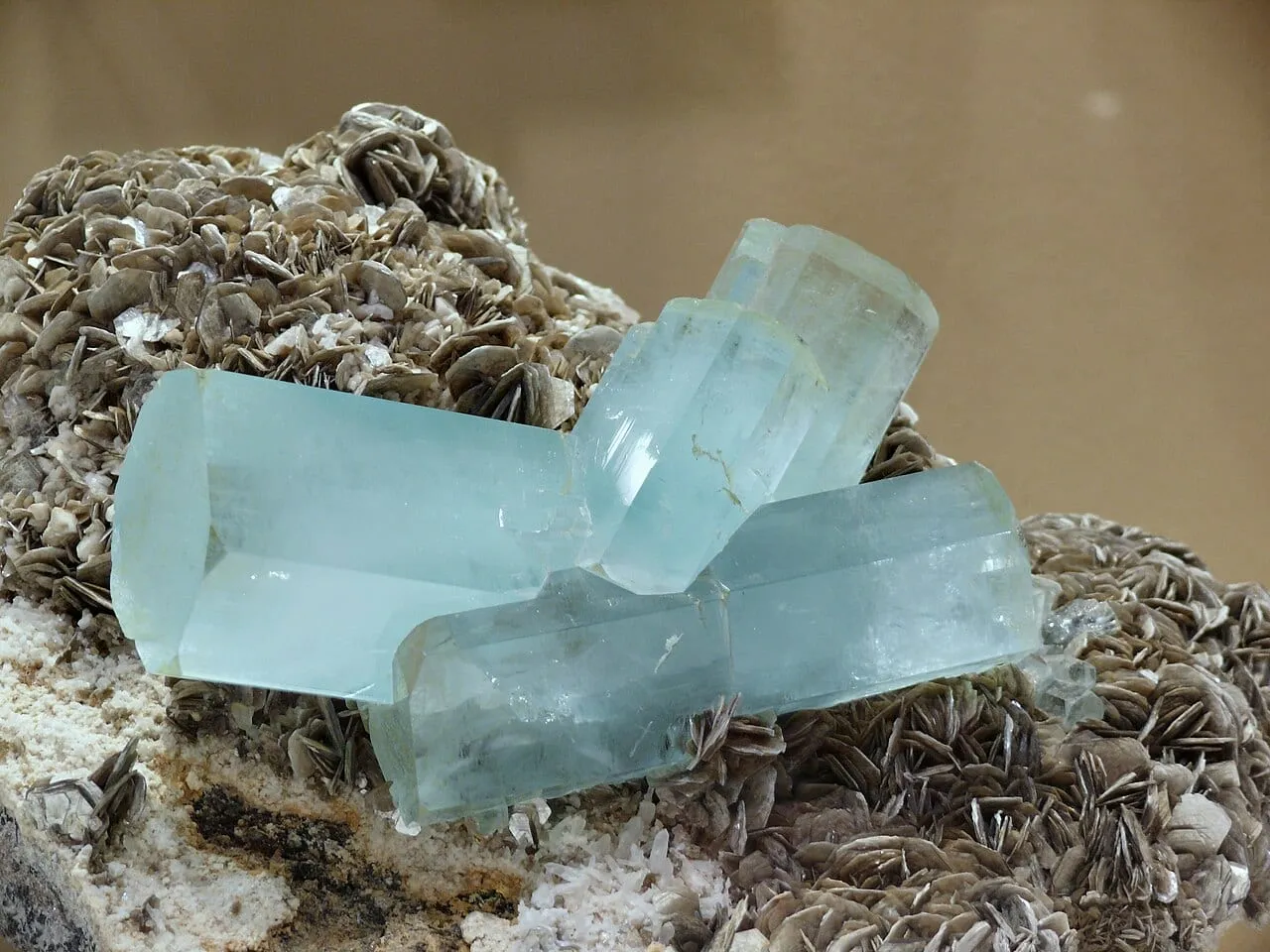
Aquamarine
The blue member of the beryl family, named after seawater: often found as large, clear, nearly flawless crystals.
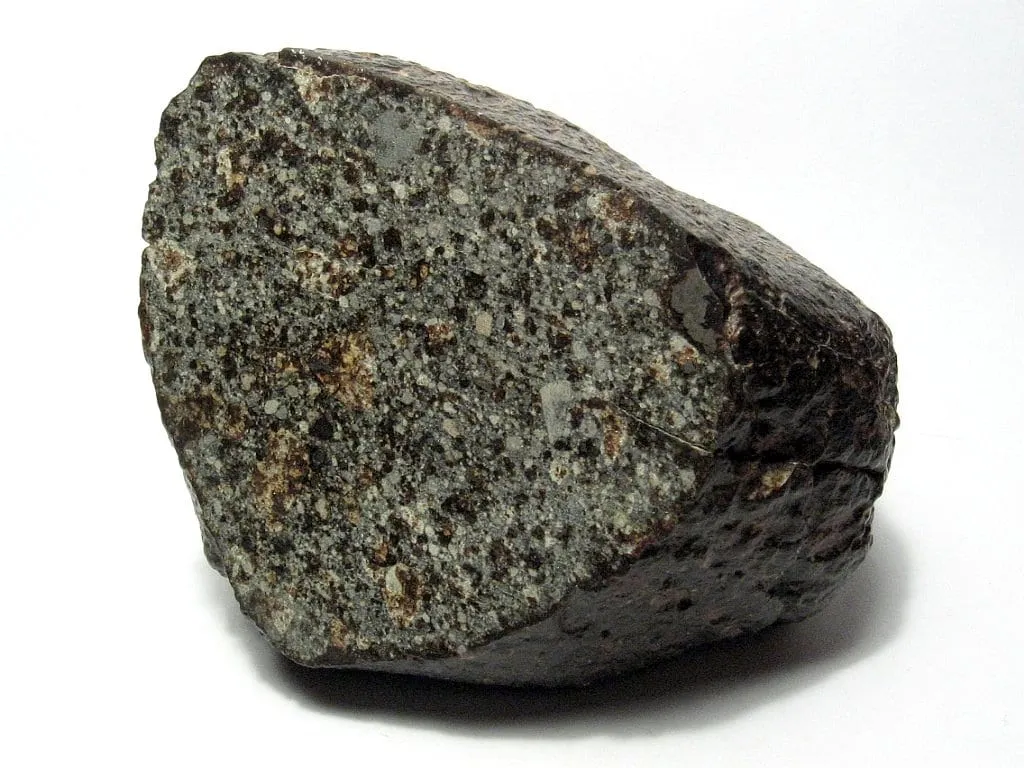
Chondrite
A leftover from the birth of the Solar System, full of tiny once-molten droplets, and the commonest kind of meteorite to fall to Earth.