Rock
Eclogite
Eklojit
Basalt pushed tens of kilometres down into the Earth and brought back up: red garnet speckles on a green background, the evidence of subduction.
- Popularly: Common stone
_(28009322418).jpg)
In short
Eclogite is a heavy, dense metamorphic rock with red garnet grains set in omphacite, a green pyroxene. It forms when rocks such as the basalt of the ocean crust are pushed very deep into the Earth at subduction zones and put under very high pressure. René Just Haüy named it in 1822 from the Ancient Greek eklogē, “choice”, for its beauty. In Türkiye, the Sivrihisar area of Eskişehir is known for its lawsonite eclogites, which are rare worldwide.
Photos

How does it form?
Basalt and similar dark (mafic) rocks of the ocean crust are carried deep into the Earth at subduction zones, where one plate dives beneath another. There the temperature rises relatively slowly with depth (less than 10 °C per kilometre), but the pressure is very high. Under these conditions the minerals of the basalt rearrange themselves into eclogite, made of red garnet and green omphacite. The eclogites we see at the surface are rocks that went deep and later rose again during mountain building.
What is it used for?
- News from the deep: Eclogite shows how deep plates dived and came back; scientists use its minerals to work out the pressures and temperatures of subduction.
- A diamond clue: Very rarely it can contain diamond; at Kimberley in South Africa, eclogite accompanies diamonds together with kimberlite.
In Türkiye
The Sivrihisar area of Eskişehir is part of the Tavşanlı Zone and contains lawsonite eclogite together with blueschists. Lawsonite eclogite is very rare worldwide; the well-preserved examples at Sivrihisar have therefore been the subject of international research.
What determines its value?
Eclogite is not a commercial stone; its value is scientific. As a rare witness of rocks that went deep into the Earth and came back, it matters to researchers studying subduction and mountain building. Collectors look for fresh specimens with large, bright red garnets.
This information is educational, not buying, selling or investment advice. Value varies enormously with quality and treatment.
How to recognise it
- 1
Round red or red-brown garnet grains on a green or dark green background.
- 2
It is noticeably heavier than ordinary stones of the same size.
- 3
It usually shows no foliation and gives a granular surface when broken.
- 4
It sometimes contains sky-blue kyanite crystals or white quartz.
Fakes and imitations
What shops usually don’t tell you:
- Garnet amphibolite can also look green and red; but in amphibolite the green mineral is dark amphibole (hornblende), and plagioclase is often present too. A firm distinction needs a thin-section examination.
Myths and misconceptions
MythAny green stone with red speckles is eclogite.
FactEclogite needs red garnet together with omphacite, a sodium-rich green pyroxene. Garnet amphibolite, garnet schist or speckled ornamental stones can look similar; telling them apart takes a mineral examination.
Did you know?
Eclogite needs a pressure of at least 12 kilobars to form, which means going very deep, down to the lower crust and upper mantle.
The oldest known coesite-bearing eclogites are in Brazil and Mali and are about 650–620 million years old.
In the crust, eclogites occur as foreign fragments (xenoliths) in igneous rocks or as blocks up to 100 metres across within metamorphic rocks.
Where is it found?
Loading map…
- Sivrihisar Massif (Tavşanlı Zone), Eskişehir, Türkiye · Known localityWell-preserved examples of lawsonite eclogite, rare worldwide, occur here together with blueschists; the point marks the Sivrihisar area.
- Kimberley, Northern Cape, South Africa · Known localitySmall, blood-red pyrope grains occur in the kimberlite and eclogite that accompany diamonds.
Locations are approximate to protect sites. Red dots mark places in Türkiye. Open in the big map →
Frequently asked questions
What is eclogite?
Eclogite is a heavy, dense metamorphic rock with red garnet grains set in omphacite, a green pyroxene. It forms when rocks such as the basalt of the ocean crust are pushed very deep into the Earth at subduction zones and put under very high pressure. René Just Haüy named it in 1822 from the Ancient Greek eklogē, “choice”, for its beauty. In Türkiye, the Sivrihisar area of Eskişehir is known for its lawsonite eclogites, which are rare worldwide.
What is eclogite used for?
News from the deep: Eclogite shows how deep plates dived and came back; scientists use its minerals to work out the pressures and temperatures of subduction. A diamond clue: Very rarely it can contain diamond; at Kimberley in South Africa, eclogite accompanies diamonds together with kimberlite.
How hard is eclogite?
It has a hardness of 5–7.5 on the Mohs scale. It can scratch glass; a steel knife scratches it only with difficulty. Its specific gravity is 3.2–4 g/cm³.
Where is eclogite found?
Its best-known localities: Sivrihisar Massif (Tavşanlı Zone), Eskişehir, Türkiye; Kimberley, Northern Cape, South Africa.
Where is eclogite found in Türkiye?
Known localities in Türkiye: Sivrihisar Massif (Tavşanlı Zone), Eskişehir, Türkiye.
How can you tell if eclogite is real?
Round red or red-brown garnet grains on a green or dark green background. It is noticeably heavier than ordinary stones of the same size. It usually shows no foliation and gives a granular surface when broken. Garnet amphibolite can also look green and red; but in amphibolite the green mineral is dark amphibole (hornblende), and plagioclase is often present too. A firm distinction needs a thin-section examination.
Is eclogite valuable?
On the “street to diamond” value ladder it sits on step 3 of nine: Building and industrial stone. Eclogite is not a commercial stone; its value is scientific. As a rare witness of rocks that went deep into the Earth and came back, it matters to researchers studying subduction and mountain building. Collectors look for fresh specimens with large, bright red garnets.
Sources
- Eclogite · Wikipedia
- Eclogite · Encyclopaedia Britannica
- Handbook of Mineralogy: Omphacite · Mineralogical Society of America
- Handbook of Mineralogy: Pyrope · Mineralogical Society of America
- Why is lawsonite eclogite so rare? Metamorphism and preservation of lawsonite eclogite, Sivrihisar, Turkey (Whitney, Davis), Geology · Geological Society of America, 2006
- Pressure–temperature evolution of lawsonite eclogite in Sivrihisar; Tavşanlı Zone–Turkey (Çetinkaplan, Candan, Oberhänsli, Bousquet), Lithos · Elsevier, 2008
- Sivrihisar · Wikipedia
External links
Draft: awaiting expert reviewReport an error ↗
On the same step
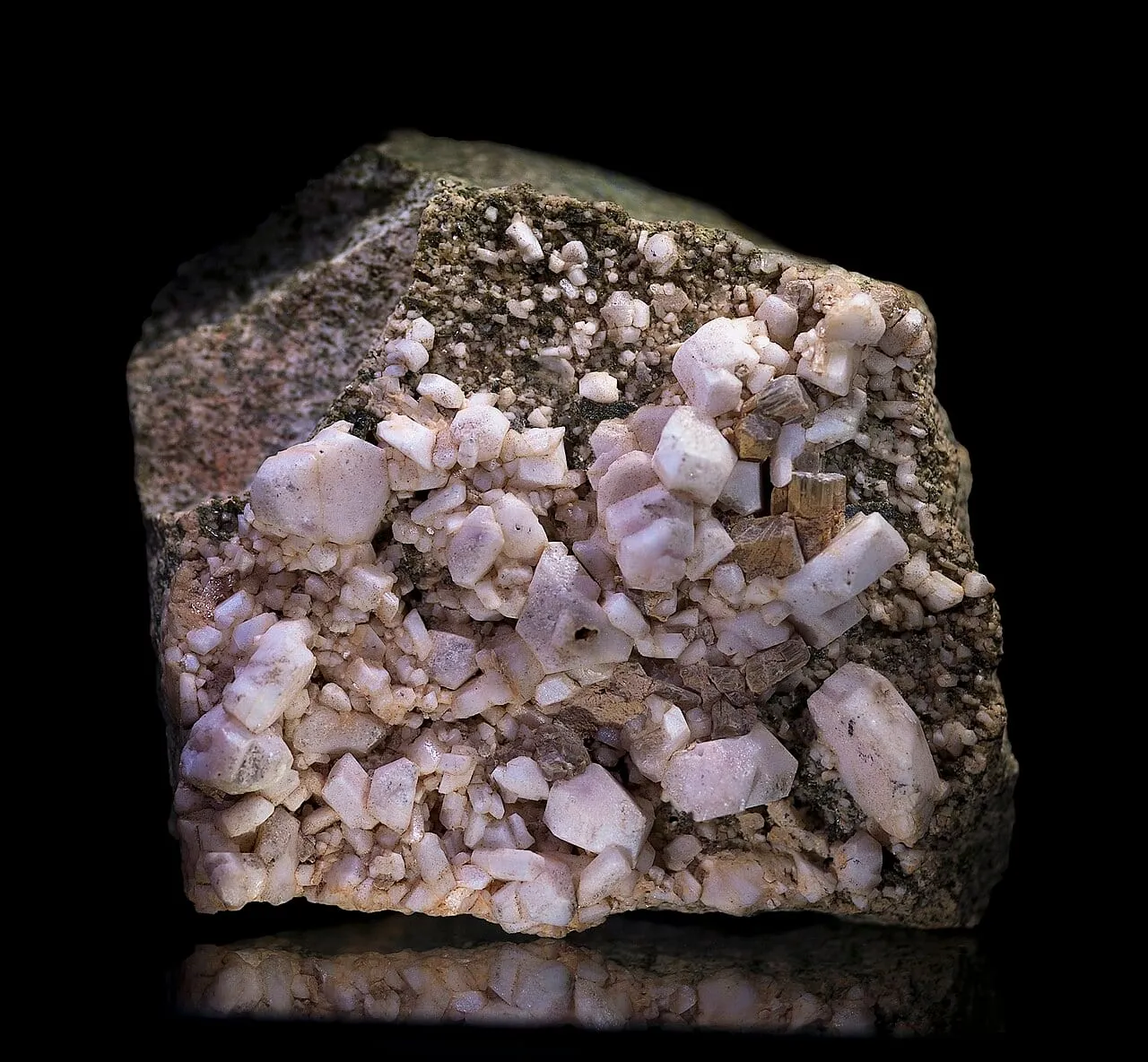
Albite
The white, sodium end of the feldspars: with its deposits at Çine–Milas, a glass and ceramics raw material that makes Türkiye one of the world’s main feldspar producers.
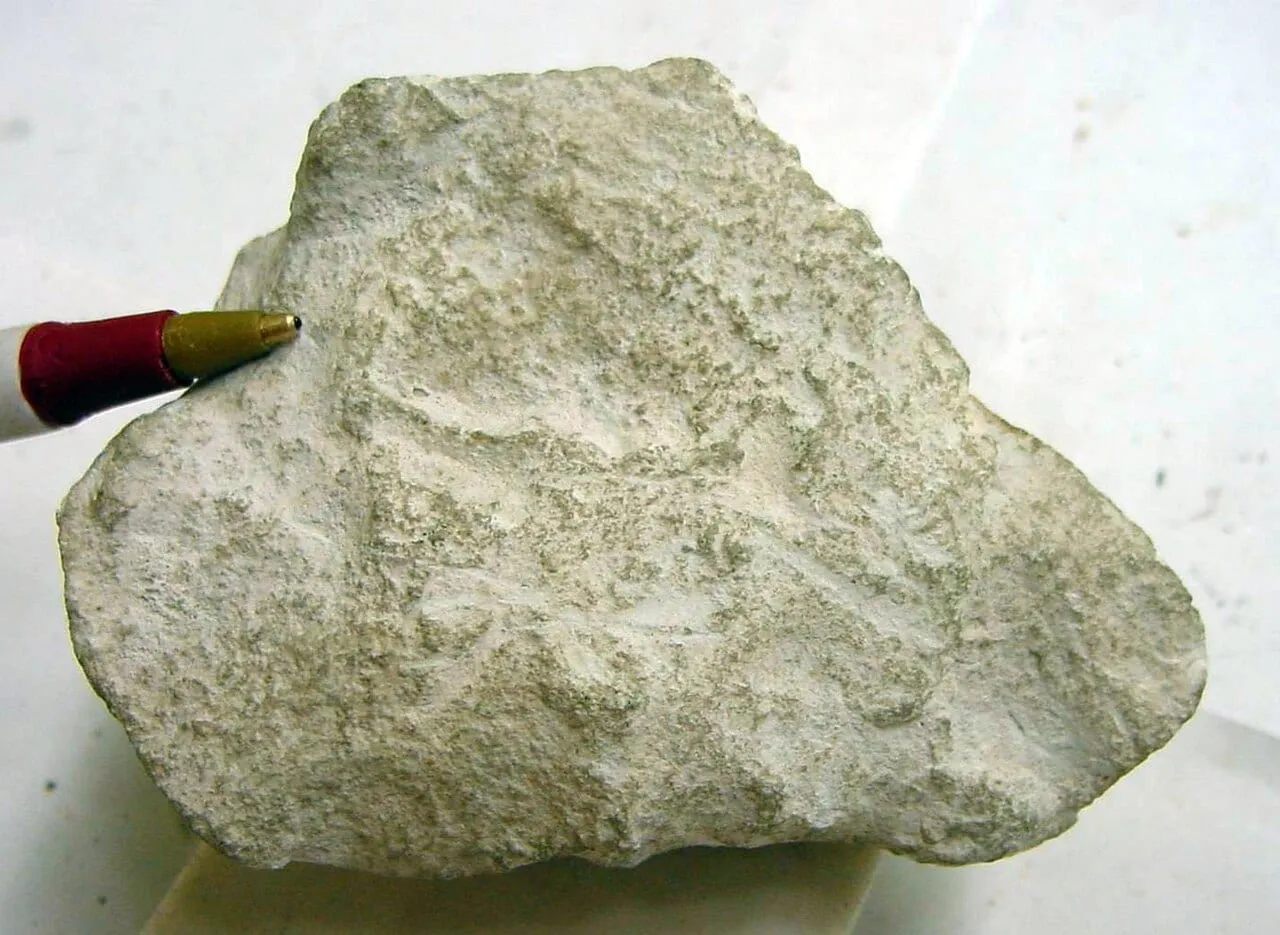
Alunite
The “alum stone” from which alum was made for centuries. Foça, Şaphane in Kütahya and Şebinkarahisar are Türkiye's old alum homelands.

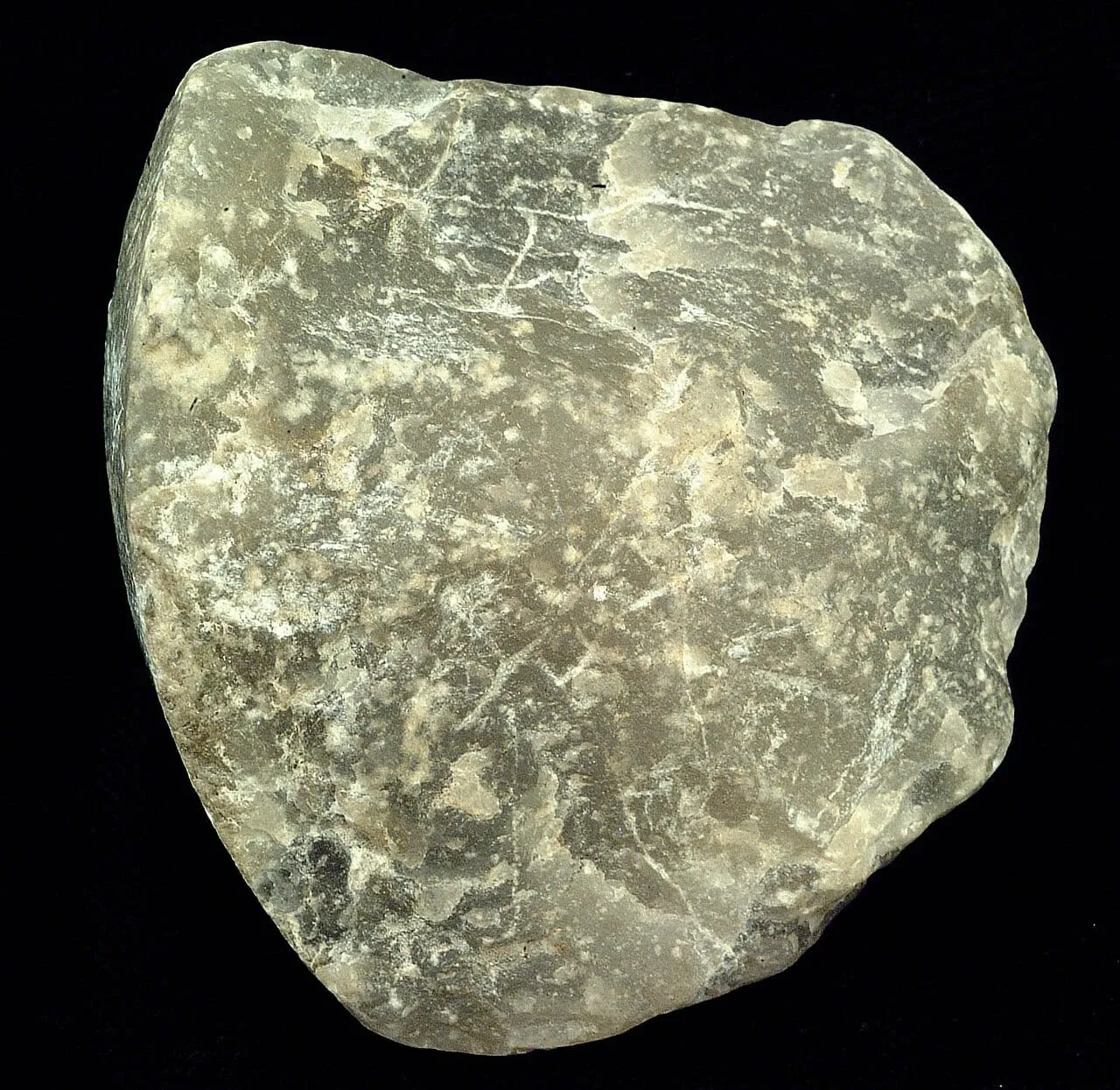
Anhydrite
Gypsum without its water: a calcium sulfate mineral, whose blue-grey Peruvian form is sold as “angelite”.