Everyday name
Gravel and river pebbles
Çakıl ve dere taşı
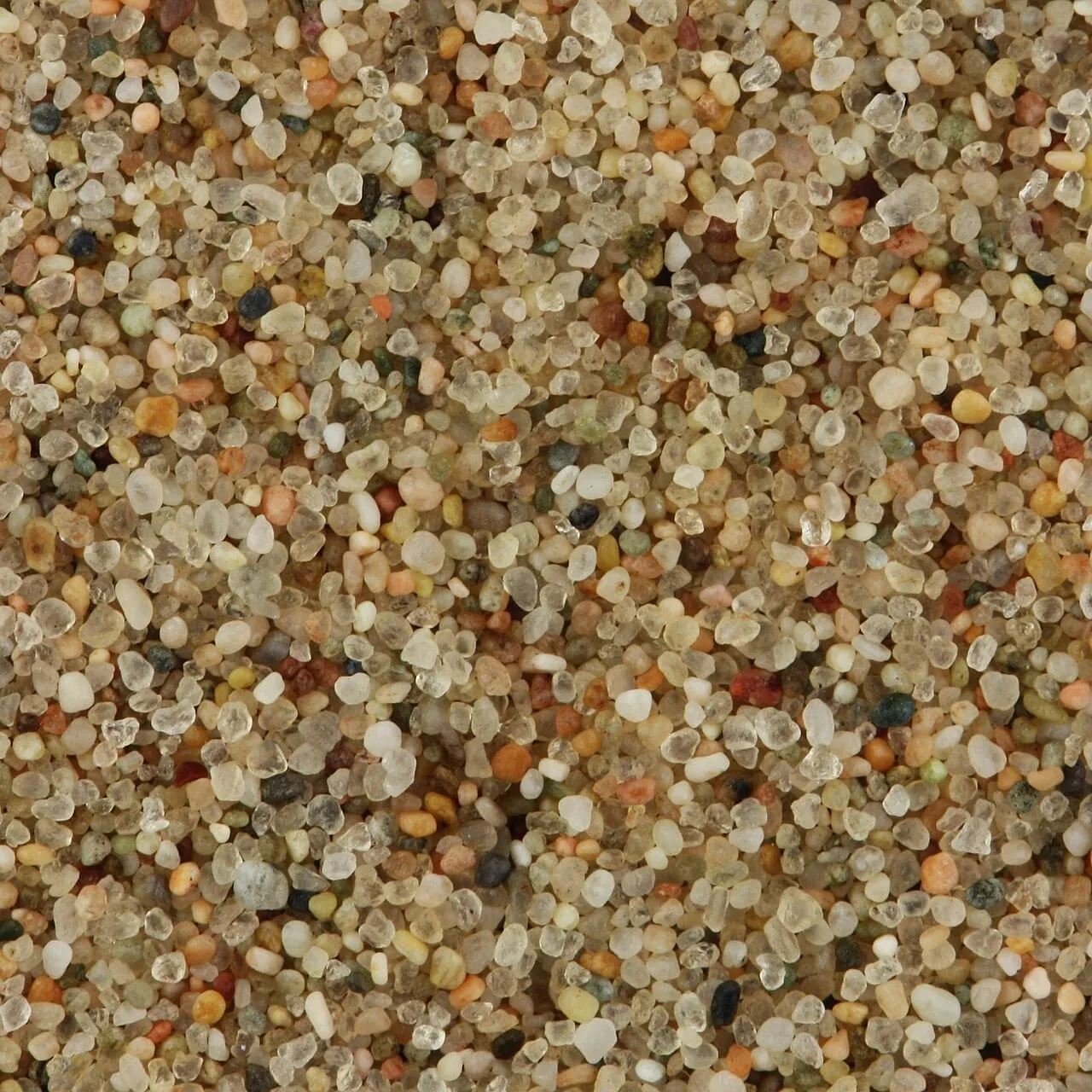
Gravel is rock fragments over 2 millimetres, rounded by rivers and waves; a river stone is not a kind of rock but any hard stone worn smooth by water.
Also known as: Pebbles · River stones · Beach pebbles · Shingle · Cobbles
- Popularly: Common stone
- Everyday
- Building stone
In short
Gravel is the name for rock fragments between 2 and 64 millimetres across; larger ones are called cobbles and boulders. The rounded stones we find by streams and on beaches form when angular pieces broken from rock are swept along by rivers or waves and grind against each other. What they are made of depends on the rocks upstream: quartzite, chert, granite, basalt and limestone are the most common. Hard stones survive a long journey, while soft ones soon crumble into sand. Together with sand, gravel is one of the most used raw materials for concrete and road building.
In scientific terms
This is an everyday name; in science it means these stones:
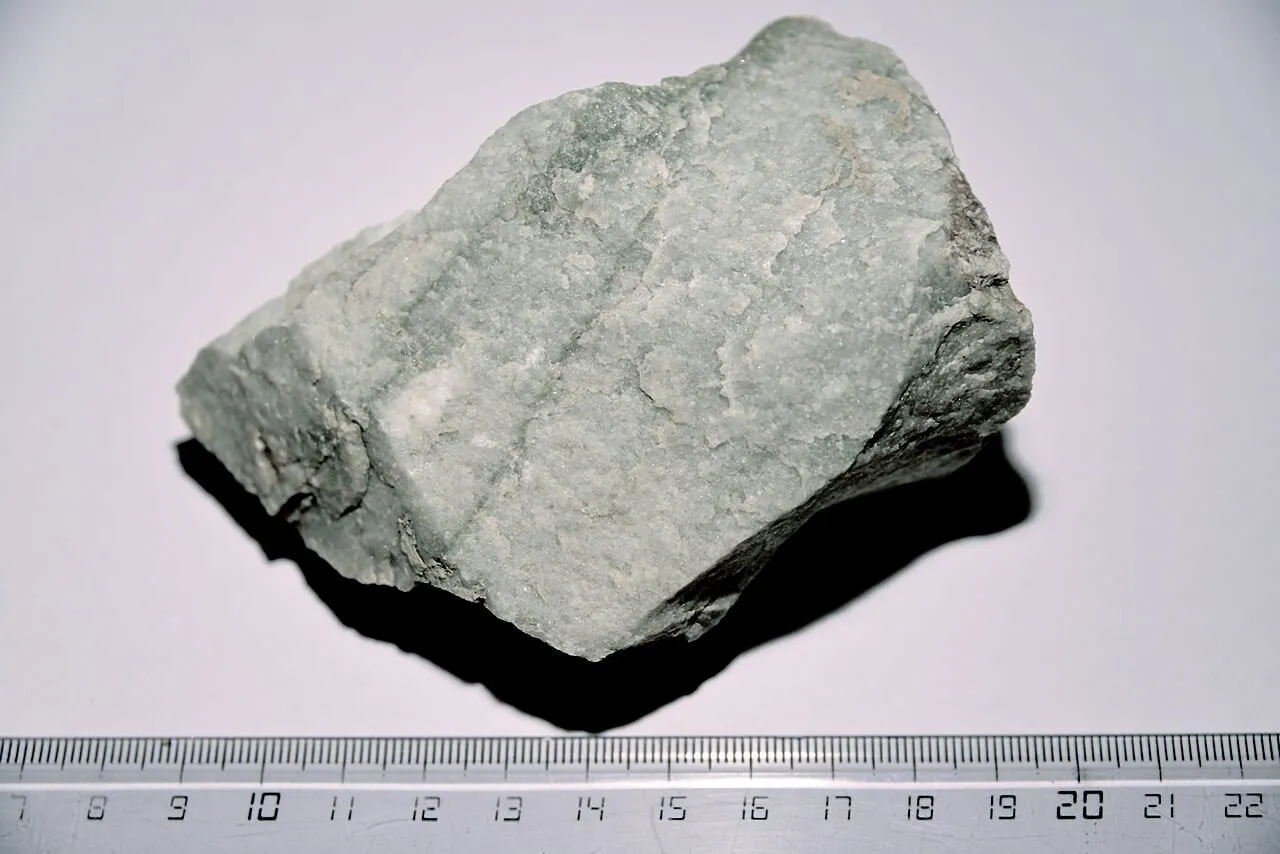
Quartzite
Sandstone turned to steel: an almost pure quartz rock that stubbornly resists wear.
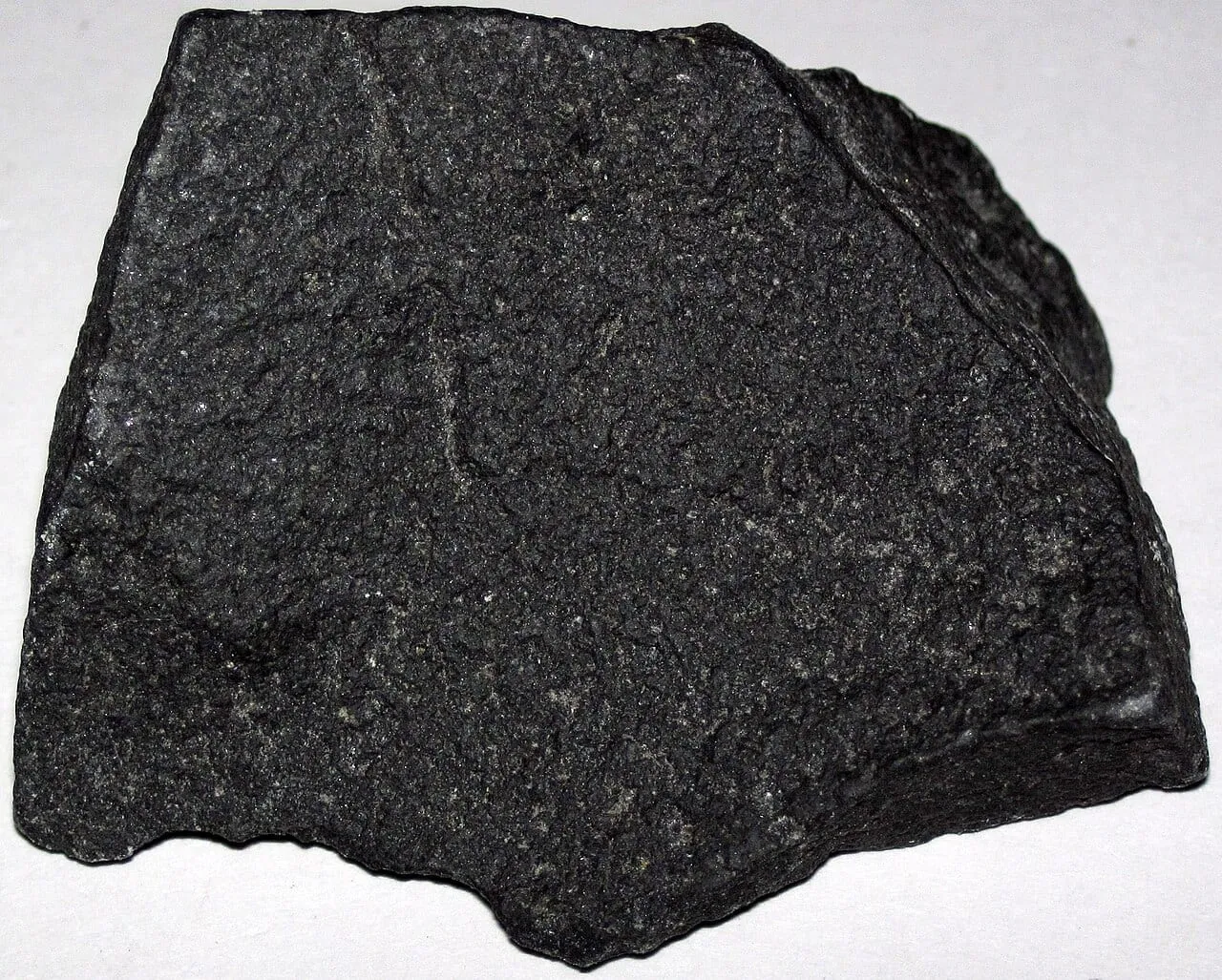
Basalt
The rock of the ocean floors and the Moon’s dark plains — the most common volcanic rock on Earth.
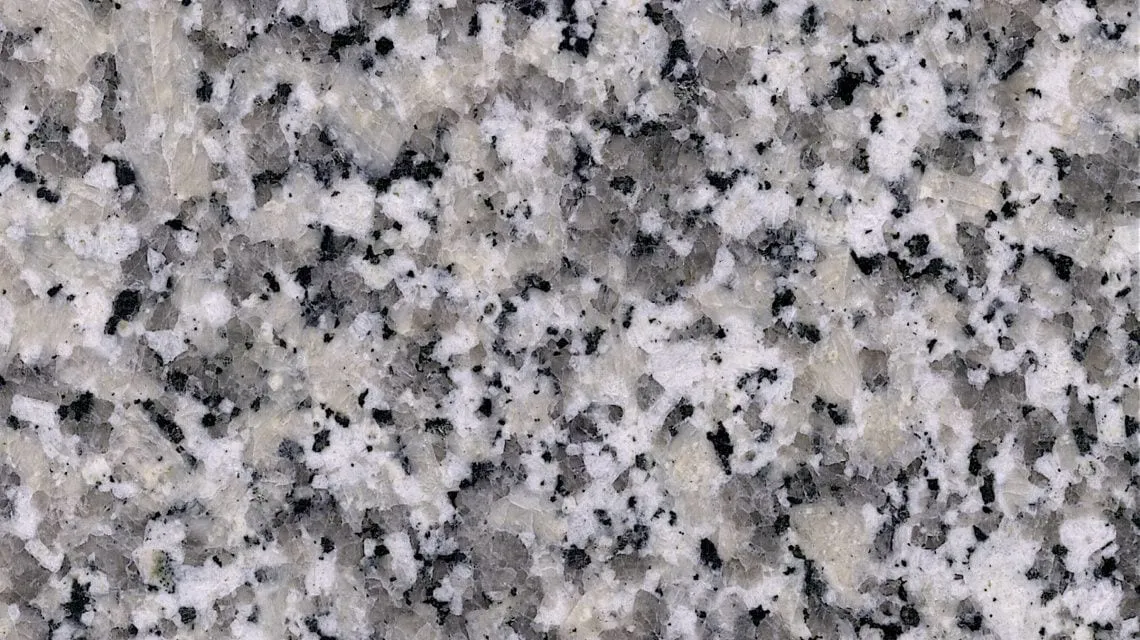
Granite
From kitchen worktops to monuments: a tough, coarse-grained rock born from magma that cooled slowly deep underground.
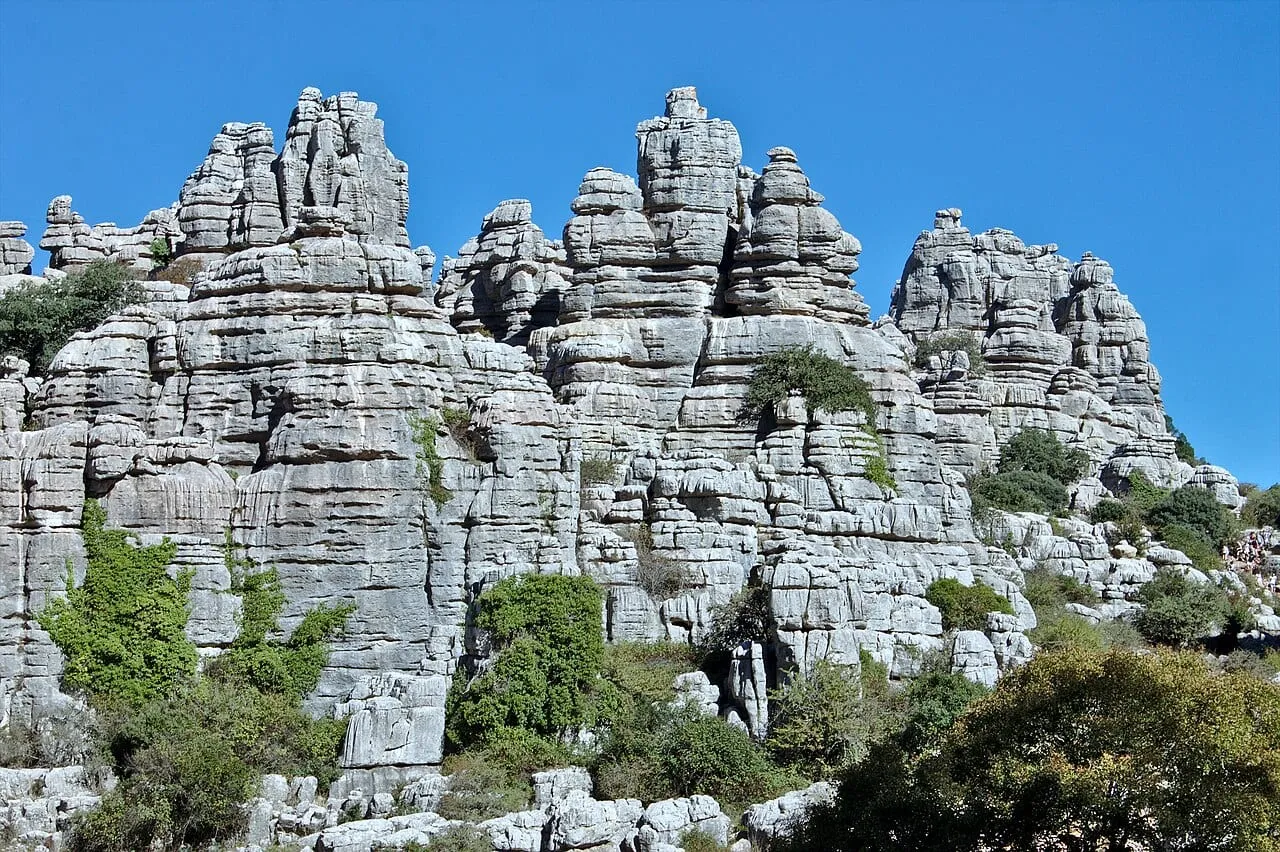
Limestone
A stone built from sea shells: the shared source of pyramids, caves and cement.
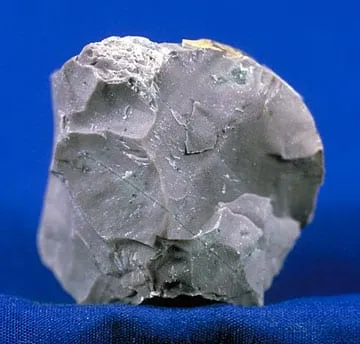
Chert and flint
The steel of the Stone Age: a hard silica rock that breaks into razor-sharp edges and throws sparks when struck with steel.
How does gravel become rounded?
In the mountains, frost, roots and gravity break rocks into angular pieces. When these are caught by a flood, a stream or the waves, they are dragged along, knocking against each other and the bed; their corners break off, their surfaces wear down and over time they become rounded. The longer the journey, the smaller and rounder the pebbles become, while soft stones crumble and join the sand. That is why the pebbles of a mountain stream are large and angular, while those nearer the plains are smaller and rounder. The size of gravel also reveals the power of the water that carried it: wind can move sand, but only flowing water or waves can move gravel.
What is it used for?
- Concrete: Together with sand, gravel is the aggregate that forms the skeleton of concrete; in the United States about half of the construction sand and gravel produced is used as concrete aggregate.
- Road building: It is used in the sub-base and base layers of roads and as fill.
- Drainage and filters: Because water passes easily between the stones, it is used in drainage trenches, beneath foundations and in water filters.
- Landscaping and decoration: It is used on garden paths, in plant pots and in aquariums.
Sand and gravel in Türkiye
In Türkiye, sand and gravel that occur naturally and are used for construction and road building are classed as Group I minerals under the Mining Law and are worked under licence. Many sand and gravel pits lie in riverbeds and old river deposits. The Coastal Law (Law No. 3621) forbids taking sand and gravel from the coast. Picking up a handful of pebbles as a souvenir is of course not the same as dredging gravel with heavy machinery, but protecting coasts and riverbeds depends on the gravel staying where it is.
What determines its value?
A single river pebble is practically worthless: carrying it costs more than it is worth. In bulk, however, gravel is one of the basic raw materials of construction. Its value depends on its grading, its cleanliness (no clay or organic matter), the soundness of the stone and the distance from the pit to the building site. For decorative gravel, colour, shape and even size matter.
This information is educational, not buying, selling or investment advice. Value varies enormously with quality and treatment.
How to recognise it
- 1
Stones with worn edges, a rounded shape and a smooth surface have been carried by water. Crushed stone, by contrast, is sharply angular with freshly broken faces.
- 2
Wetting a pebble brings out its colour and texture: quartzite has sugary, glittering grains; chert has a waxy shine and breaks like a seashell; granite is speckled; basalt is dark grey and very fine-grained.
- 3
Limestone pebbles are soft enough to be scratched with a steel knife and fizz gently when a drop of vinegar is added. Quartzite and chert are hard enough to scratch steel.
- 4
Layers, white quartz veins or crystals inside a pebble are traces of the rock it broke from; the pebbles of a stream are a collection of the rocks exposed along its course.
Fakes and imitations
What shops usually don’t tell you:
- Some of the snow-white or glossy black “river stones” sold for gardens and aquariums are not natural river pebbles but crushed marble or other stone rounded in a tumbler, and some are dyed or coated with a shiny finish.
- Crushed stone and gravel are often confused: both are aggregates, but crushed stone is made by breaking quarried rock in a crusher and is angular.
Myths and misconceptions
MythA river stone is a particular kind of rock.
FactA river stone is a shape, not a kind of rock. Any hard stone that a river has carried and rounded can be a river stone; the most common are quartzite, chert, granite, basalt and limestone.
MythDredging sand and gravel from rivers or beaches harms no one.
FactExtracting sand and gravel causes erosion of rivers and coasts, salinisation of groundwater and damage to wildlife habitats. That is why in Türkiye natural sand and gravel for construction may only be extracted under a licence issued under the Mining Law, and the Coastal Law forbids taking sand and gravel from the coast.
Did you know?
In 2012 NASA’s Curiosity rover found rocks on Mars made of rounded gravel ranging from the size of a sand grain to that of a golf ball. Their shape showed that they had been carried by flowing water, not wind: streams once ran on Mars.
According to UNEP, the world uses about 50 billion tonnes of sand and gravel every year; after water, sand and gravel are the most used natural resource.
When gravel is buried and cemented together by natural cement it becomes conglomerate, so today’s riverbed may become a rock millions of years from now.
Frequently asked questions
What is gravel and river pebbles?
Gravel is the name for rock fragments between 2 and 64 millimetres across; larger ones are called cobbles and boulders. The rounded stones we find by streams and on beaches form when angular pieces broken from rock are swept along by rivers or waves and grind against each other. What they are made of depends on the rocks upstream: quartzite, chert, granite, basalt and limestone are the most common. Hard stones survive a long journey, while soft ones soon crumble into sand. Together with sand, gravel is one of the most used raw materials for concrete and road building.
What is gravel and river pebbles used for?
Concrete: Together with sand, gravel is the aggregate that forms the skeleton of concrete; in the United States about half of the construction sand and gravel produced is used as concrete aggregate. Road building: It is used in the sub-base and base layers of roads and as fill. Drainage and filters: Because water passes easily between the stones, it is used in drainage trenches, beneath foundations and in water filters. Landscaping and decoration: It is used on garden paths, in plant pots and in aquariums.
How can you tell if gravel and river pebbles is real?
Stones with worn edges, a rounded shape and a smooth surface have been carried by water. Crushed stone, by contrast, is sharply angular with freshly broken faces. Wetting a pebble brings out its colour and texture: quartzite has sugary, glittering grains; chert has a waxy shine and breaks like a seashell; granite is speckled; basalt is dark grey and very fine-grained. Limestone pebbles are soft enough to be scratched with a steel knife and fizz gently when a drop of vinegar is added. Quartzite and chert are hard enough to scratch steel. Some of the snow-white or glossy black “river stones” sold for gardens and aquariums are not natural river pebbles but crushed marble or other stone rounded in a tumbler, and some are dyed or coated with a shiny finish.
Is gravel and river pebbles valuable?
On the “street to diamond” value ladder it sits on step 1 of nine: Everywhere, worthless. A single river pebble is practically worthless: carrying it costs more than it is worth. In bulk, however, gravel is one of the basic raw materials of construction. Its value depends on its grading, its cleanliness (no clay or organic matter), the soundness of the stone and the distance from the pit to the building site. For decorative gravel, colour, shape and even size matter.
Sources
- Gravel · Wikipedia
- NASA Rover Finds Old Streambed on Martian Surface · NASA Jet Propulsion Laboratory, 2012
- 3213 sayılı Maden Kanunu, madde 2: maden grupları (5177 sayılı Kanunla değişik metin) · FAOLEX (FAO), Türk mevzuatı metni, 2004
- Kıyı Kanunu (3621 sayılı), madde 6 · T.C. Resmî Gazete / Mevzuat Bilgi Sistemi, 1990
- Use sand resources ‘wisely’ or risk development fallout – UNEP report · UN News, 2022
- Clast · Wikipedia
External links
Draft: awaiting expert reviewReport an error ↗