VarietyA variety of Tiger's eye
Hawk's eye
SiO₂Şahin gözü
Tiger's eye's blue-grey sibling: quartz whose asbestos fibres never rusted, so it keeps their original bluish colour and a silky gliding band of light.
Also known as: Falcon's eye · Blue tiger's eye
- Popularly: Semi-precious stone
In short
Hawk's eye is a fibrous variety of quartz in colours from dark blue to blue-grey and bluish green. It forms in the same deposits and in the same way as tiger's eye; the only difference is that the iron in its crocidolite (blue asbestos) fibres has not oxidised. So instead of golden yellow it shows the original bluish colour of crocidolite. When cut as a dome and polished, a gliding band of light appears on its surface, recalling the eye of a bird of prey. Most of it comes from South Africa's Northern Cape.
Photos
How does it form?
Hawk’s eye is found together with tiger’s eye in the very old banded iron formations of Griqualand West, in South Africa’s Northern Cape. According to an explanation proposed by a researcher named Wibel in 1873, quartz replaced pre-existing crocidolite (blue asbestos) fibres while keeping their shape. Britannica also describes hawk’s eye as material in which crocidolite was replaced by quartz before it could alter to iron oxides.
A study at Penn State University in 2003 painted a different picture. A rock containing some crocidolite cracks, and mineral-rich water seeps into the crack; as quartz grows on the crack surface, crocidolite fibres grow too. Once the crack has filled, the rock cracks again, usually by sliding along the same surface, and the process repeats. According to the researchers it is the crocidolite fibres, not the quartz, that give the stone its silky shimmer, and the remaining asbestos provides the bluish colour. If part of the iron in the fibres oxidises, the material turns into golden-yellow and brown tiger’s eye.
What is it used for?
- Jewellery: it is usually cut as a cabochon to show the band of light best, and made into ring stones, pendants and beads.
- Accessories: it is also used in small decorative pieces such as brooches and tie pins.
- Tumbled stones: it is sold as small pebbles polished in a rotating tumbler.
- Inside other stones: it also appears in pietersite, a stone formed when pieces of hawk’s eye and tiger’s eye were broken and cemented together again.
Its link to tiger’s eye
Hawk’s eye and tiger’s eye are two states of the same material. As long as the iron in the crocidolite stays unoxidised (ferrous), the stone is blue-grey or bluish green; as the iron oxidises, the colour turns golden yellow and brown. That is why many stones show blue hawk’s-eye bands right next to golden tiger’s-eye bands. In English-speaking countries hawk’s eye is also sold as “blue tiger’s eye” or “falcon’s eye”. For the formation and properties of tiger’s eye, see the tiger’s eye page.
What determines its value?
Hawk's eye is a plentiful ornamental stone. Its value depends mainly on a sharp, bright band of light, deep and even blue colour, regular fibres, and a stone cut as a dome with the fibres parallel to its base and well polished. Naturally coloured, untreated stones are worth more than those lightened with acid, dyed or heated. Striking pieces that show blue and golden bands together are also sought after.
This information is educational, not buying, selling or investment advice. Value varies enormously with quality and treatment.
How to recognise it
- 1
Its colour is dark blue, blue-grey or bluish green; turned under a light, a silky, bright band glides across the surface.
- 2
The same stone may contain golden or brown bands of tiger's eye; the gradual change from blue to golden zones shows that the two stones are the same material.
- 3
It is as hard as quartz (6.5–7): it scratches glass, and a steel knife struggles to scratch it.
- 4
Neon-bright, evenly coloured blue stones with an unusually sharp band of light may be fibre-optic glass.
Fakes and imitations
What shops usually don’t tell you:
- Fibre-optic glass: shows a similar band of light and is made in many colours; seen from the side, its fibres form a very regular, honeycomb-like pattern.
- Treated stones: hawk's eye is usually untreated, but very dark stones may be lightened with acid, and some may be dyed or heated; these treatments should be disclosed.
Safety
Hawk's eye contains fibres of crocidolite, an asbestos mineral. Because the fibres are locked inside hard quartz, wearing and handling polished stones is harmless. Dust produced when cutting, grinding or sanding rough material, however, should not be inhaled: work wet and wear a suitable dust mask.
Myths and misconceptions
MythHawk's eye and tiger's eye are different minerals.
FactBoth are quartz with crocidolite fibres, and they occur side by side in the same deposits. The difference in colour comes only from whether the iron in the fibres has oxidised.
MythHawk's eye contains asbestos, so wearing it is dangerous.
FactThe asbestos fibres are locked inside hard quartz, so wearing or handling a polished stone is harmless. The only danger is breathing the dust produced when rough material is cut or sanded.
What is it believed to be good for?
This section reports beliefs; it is not health information. There is no scientific evidence for these claims and no stone replaces medical treatment.
The meanings people give this stone, and who holds them:
- Today crystal-therapy websites and stone sellers present hawk's eye as a “stone of sight and intuition” and claim that it sharpens focus and intuition.
- The same sources claim that the stone protects travellers and eases a fear of flying and anxiety.
What science says
There is no scientific evidence that hawk's eye strengthens intuition, protects travellers or eases anxiety; its eye-like shimmer is a physical effect of parallel fibres reflecting light. Rough stone contains asbestos fibres, so it should not be cut or ground into powder at home. Problems with eyesight call for an eye doctor.
Did you know?
It is named after the band of light that glides across it when turned, which recalls the eye of birds of prey, especially falcons and hawks.
A 1971 South African geological source (D. J. L. Visser) notes that the same material gets different names by colour: red is “bull's-eye”, golden brown “tiger's-eye”, greyish yellow to blue “cat's-eye” and ash-grey green “hawk's-eye”.
According to a 2003 study, the varying shimmer in the stone is a record of the path the parent rock followed during movements of the Earth's crust.
Where is it found?
Loading map…
- Asbestos Mountains (between Prieska and Griquatown), Northern Cape, South Africa · Major depositFound with tiger's eye in the banded iron formations of Griqualand West; the Northern Cape is the main source of hawk's eye
- Western Australia · Known localityGerman Wikipedia lists Western Australia next to South Africa as a main source; no exact site is given
- Namibia · Known localityListed among the sources of hawk's eye; no exact site is given
Locations are approximate to protect sites. Red dots mark places in Türkiye. Open in the big map →
Frequently asked questions
What is hawk's eye?
Hawk's eye is a fibrous variety of quartz in colours from dark blue to blue-grey and bluish green. It forms in the same deposits and in the same way as tiger's eye; the only difference is that the iron in its crocidolite (blue asbestos) fibres has not oxidised. So instead of golden yellow it shows the original bluish colour of crocidolite. When cut as a dome and polished, a gliding band of light appears on its surface, recalling the eye of a bird of prey. Most of it comes from South Africa's Northern Cape.
What is the difference between hawk's eye and tiger's eye?
Both are quartz with crocidolite fibres, formed in the same deposits. When part of the iron in the fibres oxidises, the stone becomes golden-yellow and brown tiger's eye; where the iron stays unoxidised, blue-grey hawk's eye forms.
What is hawk's eye used for?
Jewellery: it is usually cut as a cabochon to show the band of light best, and made into ring stones, pendants and beads. Accessories: it is also used in small decorative pieces such as brooches and tie pins. Tumbled stones: it is sold as small pebbles polished in a rotating tumbler. Inside other stones: it also appears in pietersite, a stone formed when pieces of hawk's eye and tiger's eye were broken and cemented together again.
How hard is hawk's eye?
It has a hardness of 7 on the Mohs scale. It scratches glass and steel; a steel knife cannot scratch it. Its specific gravity is 2.65–2.66 g/cm³.
Where is hawk's eye found?
Its best-known localities: Asbestos Mountains (between Prieska and Griquatown), Northern Cape, South Africa; Western Australia; Namibia.
How can you tell if hawk's eye is real?
Its colour is dark blue, blue-grey or bluish green; turned under a light, a silky, bright band glides across the surface. The same stone may contain golden or brown bands of tiger's eye; the gradual change from blue to golden zones shows that the two stones are the same material. It is as hard as quartz (6.5–7): it scratches glass, and a steel knife struggles to scratch it. Fibre-optic glass: shows a similar band of light and is made in many colours; seen from the side, its fibres form a very regular, honeycomb-like pattern.
Is hawk's eye valuable?
On the “street to diamond” value ladder it sits on step 5 of nine: Ornamental stone. Hawk's eye is a plentiful ornamental stone. Its value depends mainly on a sharp, bright band of light, deep and even blue colour, regular fibres, and a stone cut as a dome with the fibres parallel to its base and well polished. Naturally coloured, untreated stones are worth more than those lightened with acid, dyed or heated. Striking pieces that show blue and golden bands together are also sought after.
What is hawk's eye good for?
Today crystal-therapy websites and stone sellers present hawk's eye as a “stone of sight and intuition” and claim that it sharpens focus and intuition. The same sources claim that the stone protects travellers and eases a fear of flying and anxiety. There is no scientific evidence that hawk's eye strengthens intuition, protects travellers or eases anxiety; its eye-like shimmer is a physical effect of parallel fibres reflecting light. Rough stone contains asbestos fibres, so it should not be cut or ground into powder at home. Problems with eyesight call for an eye doctor. This section reports beliefs; it is not health information. There is no scientific evidence for these claims and no stone replaces medical treatment.
Is hawk's eye dangerous?
Hawk's eye contains fibres of crocidolite, an asbestos mineral. Because the fibres are locked inside hard quartz, wearing and handling polished stones is harmless. Dust produced when cutting, grinding or sanding rough material, however, should not be inhaled: work wet and wear a suitable dust mask.
Family


Sources
- Tigereye · Encyclopaedia Britannica
- Structure of tiger's eye reevaluated after 125 years · Penn State University, 2003
- New interpretation of the origin of tiger's-eye (Heaney & Fisher), Geology 31(4) · Geological Society of America, 2003
- hawk's-eye, noun · Dictionary of South African English
- Falkenauge · Wikipedia (Deutsch)
- Hawk's Eye · Minerals.net
- Hawk's Eye Gemstone Information · GemSelect
- Tiger's Eye Value, Price, and Jewelry Information · International Gem Society
- Tiger's eye · Wikipedia
Draft: awaiting expert reviewReport an error
On the same step
Agate
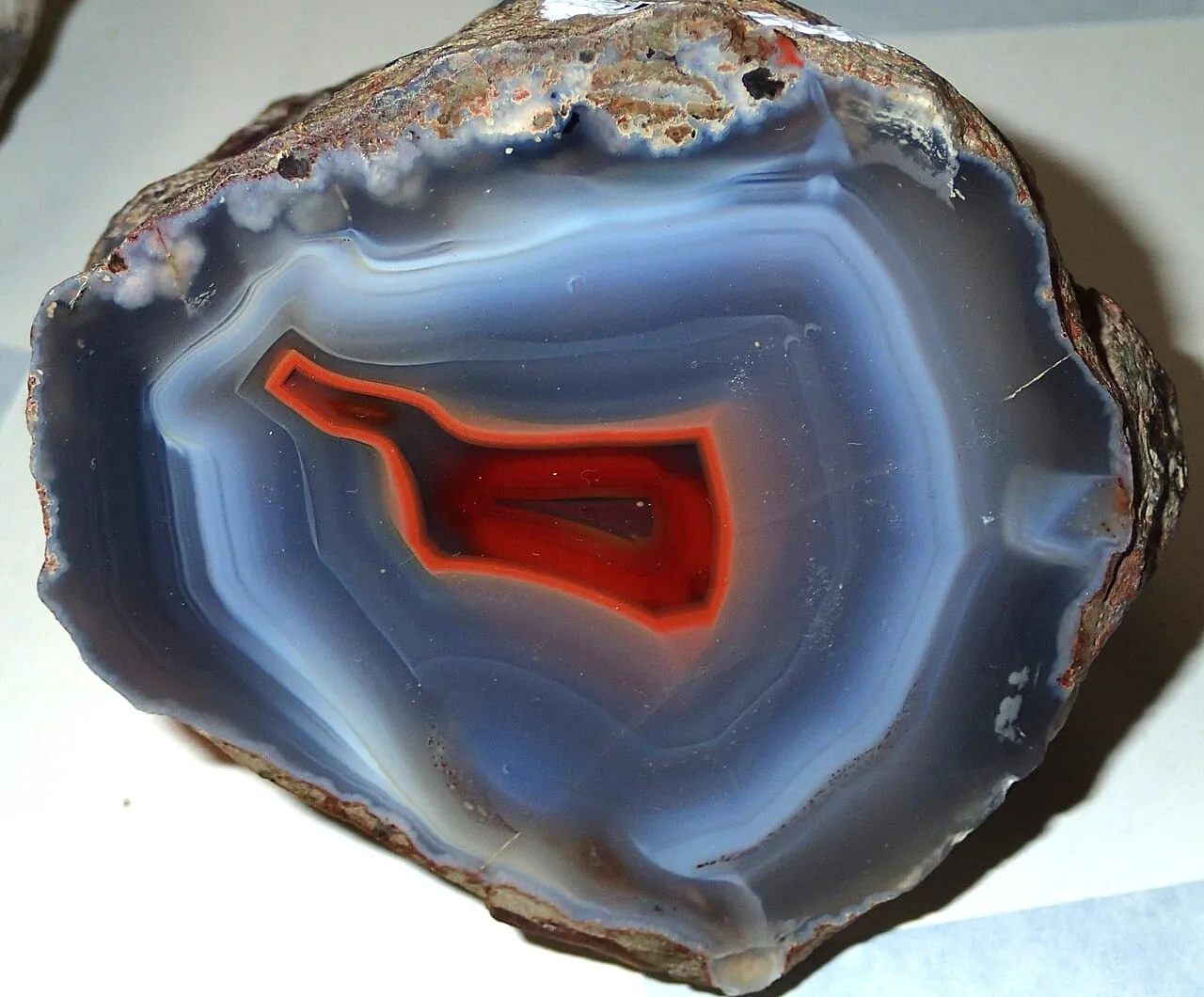
The banded variety of chalcedony: it grows layer by layer in hollows in volcanic rock and shows a new pattern every time it is cut.

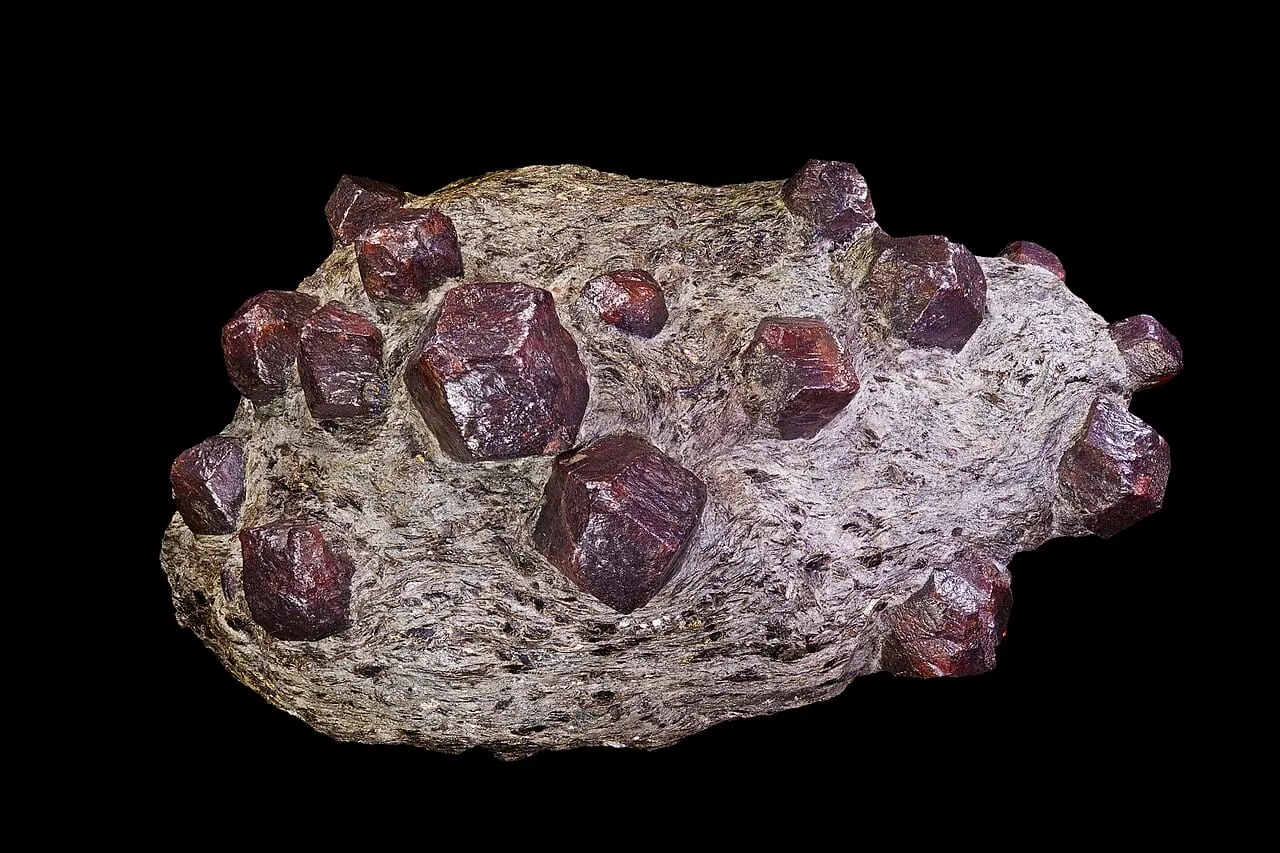
Almandine
The commonest garnet: a deep red, iron-rich stone named after the ancient city of Alabanda in Anatolia, used in jewellery and in sandpaper alike.
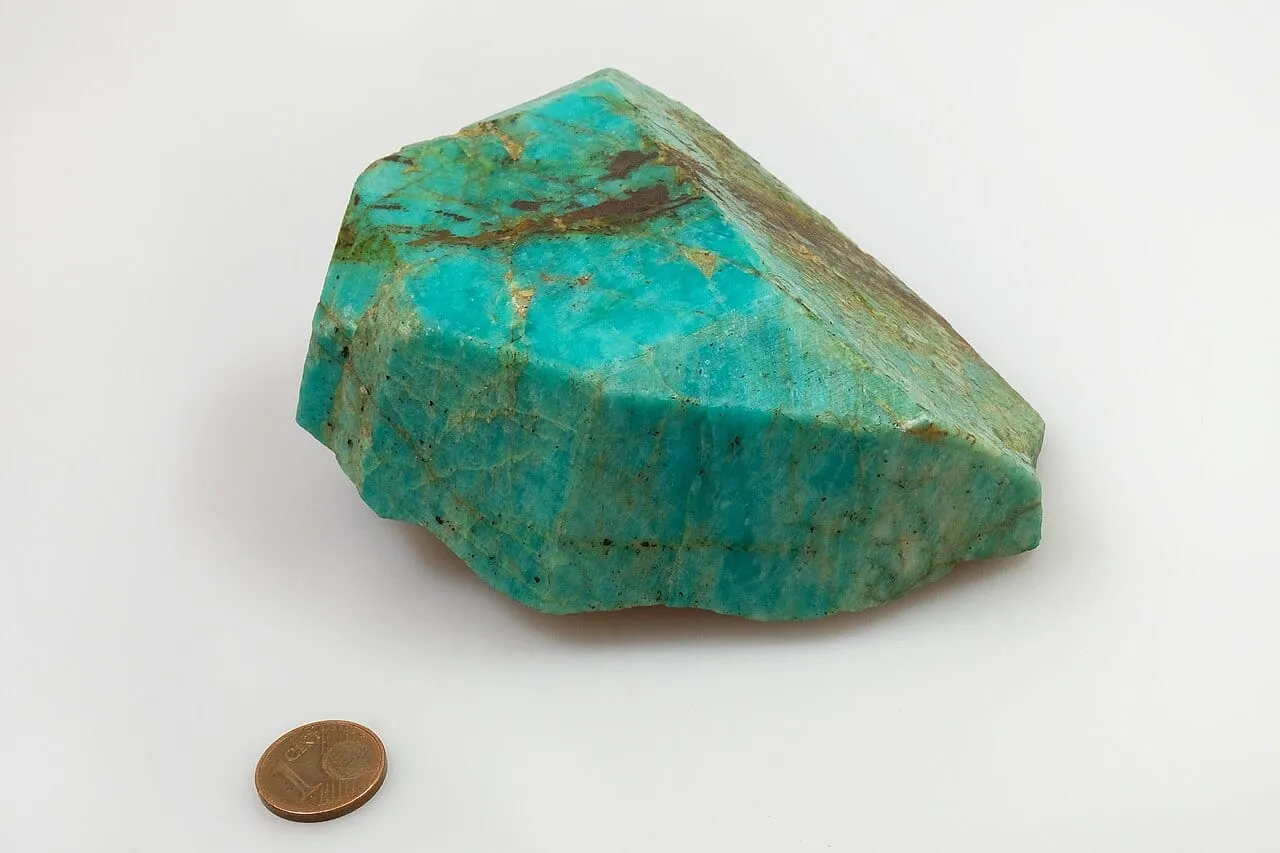
Amazonite
A turquoise-like green-blue feldspar: a variety of microcline worn as jewellery for more than three thousand years, but it can release lead.