Rock
Lapis lazuli
Lapis lazuli
A midnight-blue rock flecked with gold, used for thousands of years in seals, jewellery and painters' ultramarine.
Also known as: Lapis
- Gemstone
- Ornamental

In short
Lapis lazuli is not a single mineral but a rock made of several minerals. Its deep blue comes from the mineral lazurite; the white patches in it are calcite, and the tiny flecks that shine like gold are pyrite. People have been using this stone for ornaments for more than 6,500 years.
How does it form?
Lapis lazuli is usually found within limestone that has been turned into marble. When a body of magma intrudes into limestone, the heat and the sodium- and sulfur-bearing fluids coming from the magma transform the rock (contact metamorphism). During these reactions blue lazurite forms, while leftover calcite from the limestone remains as white patches and pyrite as golden flecks.
From history
The Sar-i Sang deposits in the Badakhshan region of Afghanistan are held to have been worked for more than 6,000 years. Much of the lapis used by the ancient civilisations of Mesopotamia, Egypt and Persia came from there. Ground and purified, lapis gave the brilliant blue pigment ultramarine; Renaissance painters often used this precious pigment for the most important figures in a painting. Once synthetic ultramarine was produced in the 19th century, natural lapis was used far less as a pigment.
What makes it valuable?
The most sought-after colour is an evenly distributed, deep, slightly violet blue. Little calcite increases the value, while fine, scattered pyrite flecks add to the stone’s appeal. Undyed and unfilled stones are worth more.
How to recognise it
- 1
It is opaque, with white calcite patches and small, metallic yellow pyrite flecks on a deep, saturated blue background.
- 2
Its hardness is about 5–5.5: softer than quartz, so a steel knife can scratch it. The calcite patches are softer still.
- 3
In dyed imitations the blue gathers in cracks and around bead holes, and a cotton bud dipped in acetone may pick up dye; this test can damage the stone, so only try it somewhere hidden.
- 4
Telling natural, dyed and reconstituted (bonded from powder) lapis apart with certainty needs a gem laboratory.
Fakes and imitations
What shops usually don’t tell you:
- Sodalite: a natural blue stone that resembles lapis; it has white veins but usually no pyrite flecks. It should be sold under its own name, not as lapis.
- Dyed jasper or chalcedony (sold under names such as “Swiss lapis” or “German lapis”) shows colourless quartz specks instead of pyrite.
- Dyed howlite and magnesite, resin-bonded lapis powder and laboratory-made lapis imitations (for example the Gilson product) are also on the market.
- Low-grade lapis may be dyed to deepen its colour, or impregnated with wax or oil to make it look brighter; these treatments should be disclosed.
Did you know?
The Turkish word for navy blue, “lacivert”, comes from the Persian name of this stone, “lājvard”. The stone's name in European languages and the English word “azure” share the same root.
Lapis lazuli was also used in Tutankhamun's famous golden funerary mask.
Where is it found?
Loading map…
- Sar-i Sang, Kokcha Valley, Badakhshan, Afghanistan · Major depositHeld to have been worked for more than 6,000 years; the classic source of the finest lapis
- Near Ovalle, Andes, Coquimbo, Chile · Known localityUsually paler blue, calcite-rich lapis
- Slyudyanka area, south-west of Lake Baikal, Irkutsk, Russia · Known localityLazurite deposits west of Lake Baikal
Locations are approximate to protect sites. Red dots mark places in Türkiye. Open in the big map →
Sources
- Lapis lazuli · Encyclopaedia Britannica
- Lapis Lazuli (Gem Encyclopedia) · GIA
- Lapis Lazuli History and Lore · GIA
- Handbook of Mineralogy: Lazurite · Mineralogical Society of America
External links
Draft: awaiting expert reviewReport an error ↗
On the same step
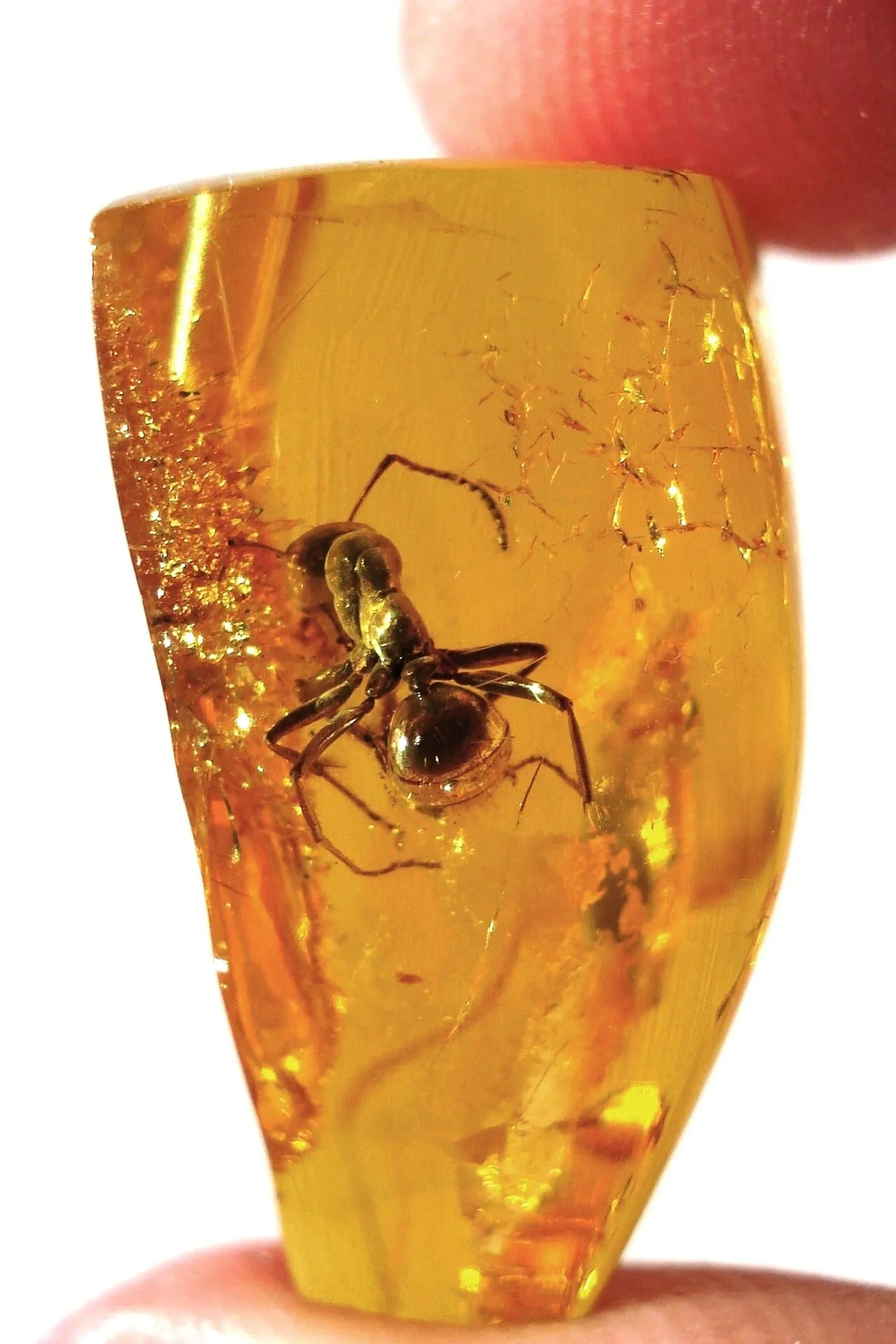
Amber
Tree resin fossilised over millions of years: a light, warm organic gem that sometimes holds prehistoric insects.
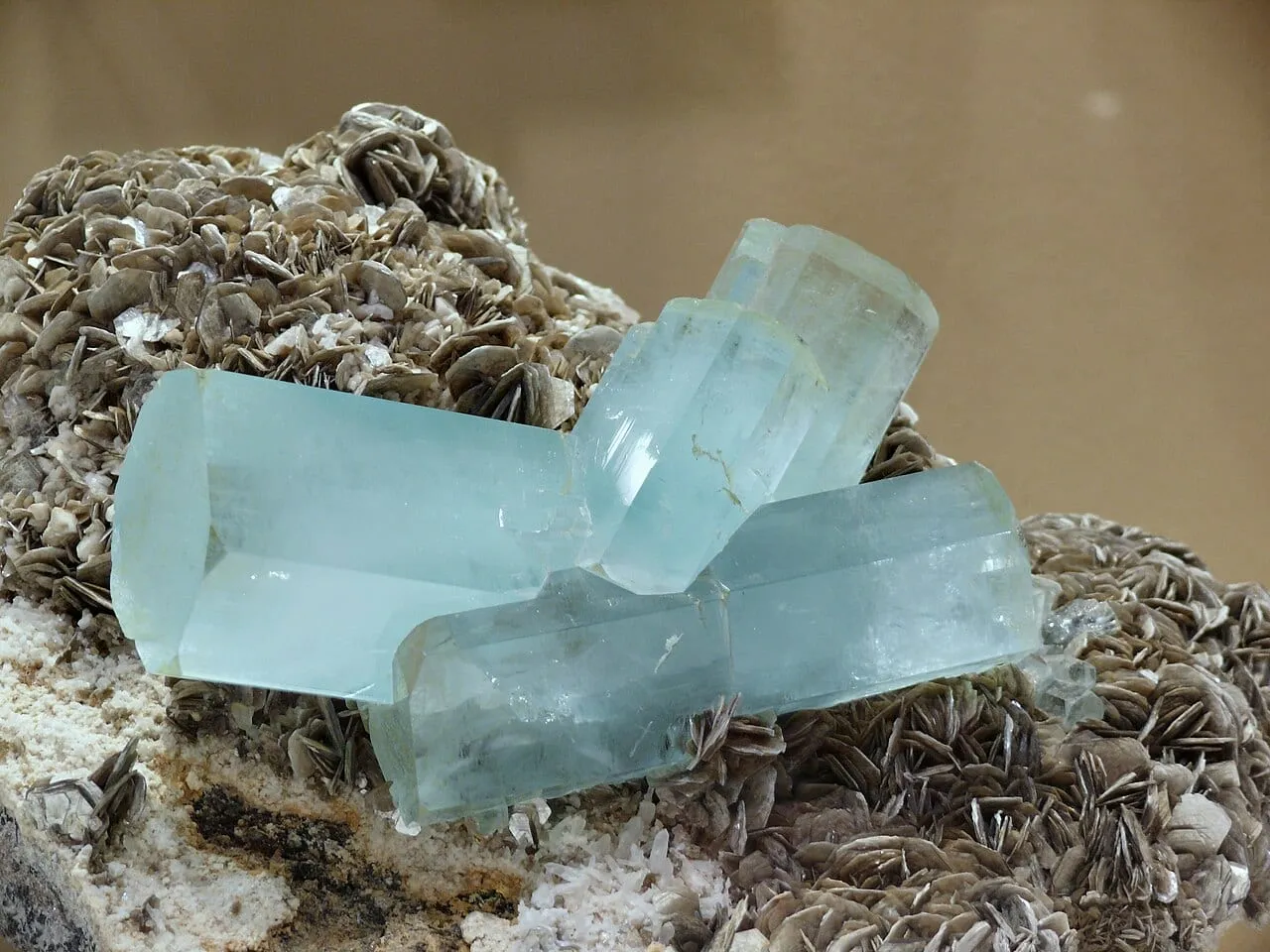
Aquamarine
The blue member of the beryl family, named after seawater: often found as large, clear, nearly flawless crystals.
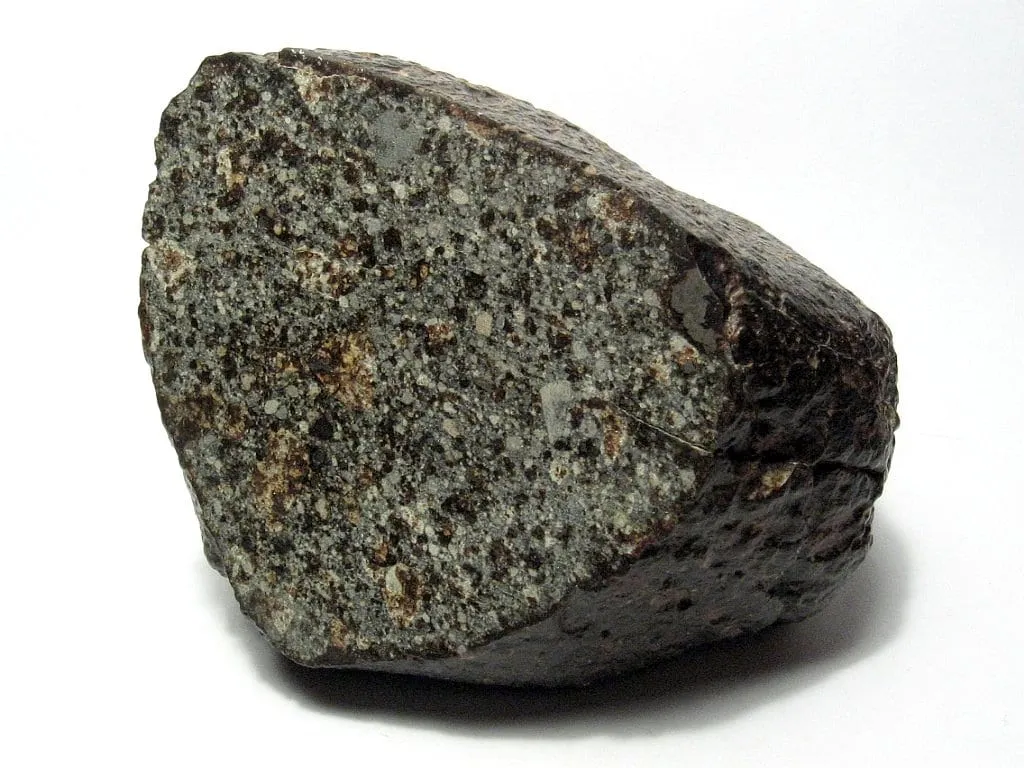
Chondrite
A leftover from the birth of the Solar System, full of tiny once-molten droplets, and the commonest kind of meteorite to fall to Earth.