Illness and healing: which stones are believed to help, and what science says

This section reports beliefs; it is not health information. There is no scientific evidence for these claims and no stone replaces medical treatment.

What science says

Conflict with science: High: contradicts science or may cause harm

No controlled study shows that stones cure illness, ease pain or help any organ. In trials, real and fake crystals produced the same sensations: the placebo effect. The real danger is delaying a treatment that works.

Stones linked with this area (65)

Chert and flint

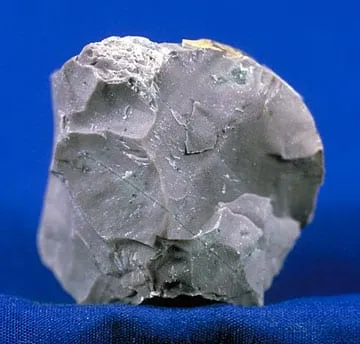
  • In Britain and Ireland, prehistoric flint arrowheads found in fields were believed to be arrows shot by fairies (“elf-arrows”) that both caused and cured certain illnesses; they were carried as charms against witchcraft, sometimes set in silver.
  • In many parts of Europe, prehistoric stone axes and arrowheads turned up in the soil were believed to be “thunderstones” that had fallen from the sky with lightning and that protected a house from lightning strikes.

What science says These objects did not fall from the sky and were not made by fairies; they are tools that Stone Age people knapped from flint and other stones. There is no scientific evidence that an arrowhead cures illness or keeps lightning away.
Halite (rock salt)

  • In Anatolia, salting a newborn baby (rubbing its body with salt) is believed to prevent sweating and bad smells and to protect the baby from the evil eye.
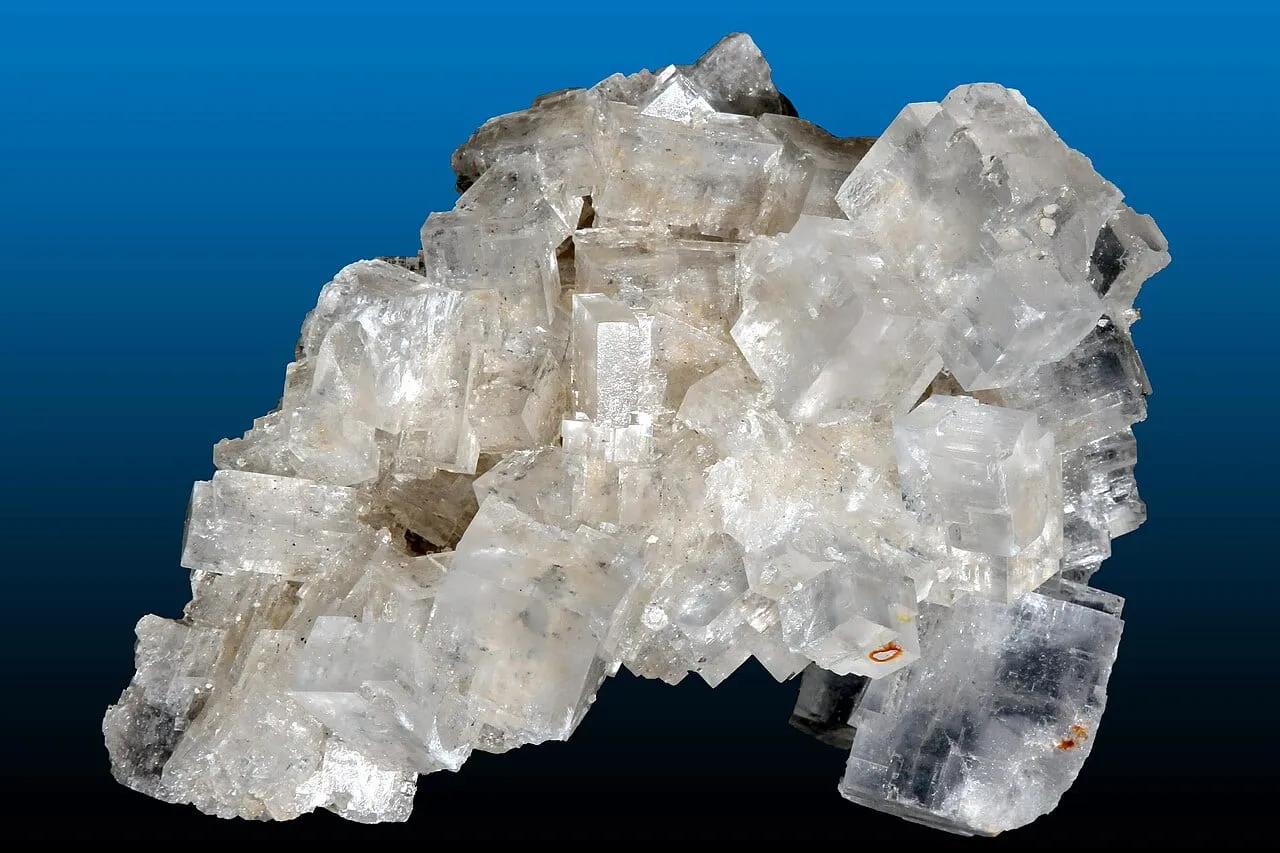
  • Spending time in salt caves such as the one in Çankırı (halotherapy) is claimed to help respiratory diseases such as asthma and COPD (chronic obstructive pulmonary disease), and people visit these caves for that purpose.
  • In Turkish and Slavic folk belief salt protects against the evil eye and ill fortune: new mothers, pregnant women, babies, travellers and hunters were expected to carry a pinch of salt against the evil eye, and in the Rize area salt is dropped into a cow’s milk to keep the evil eye away.
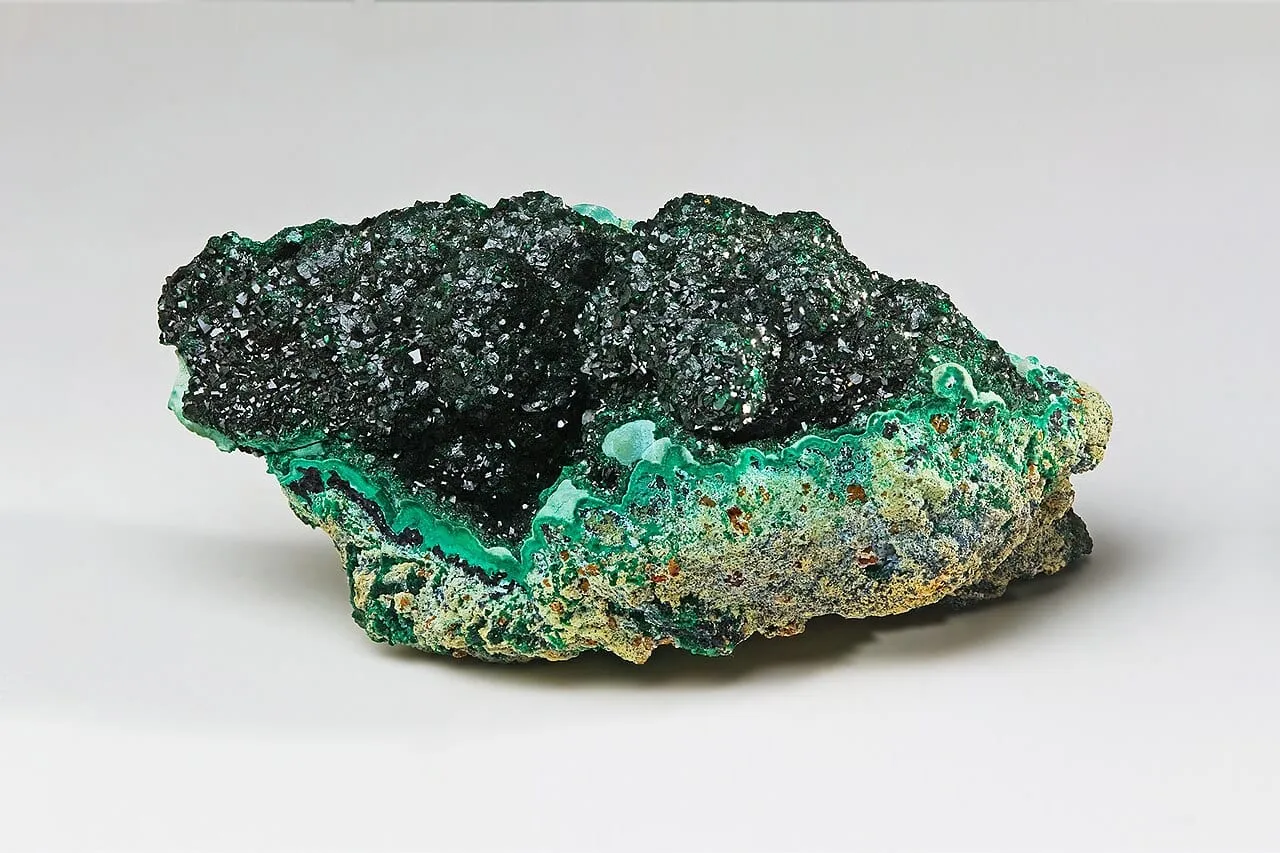
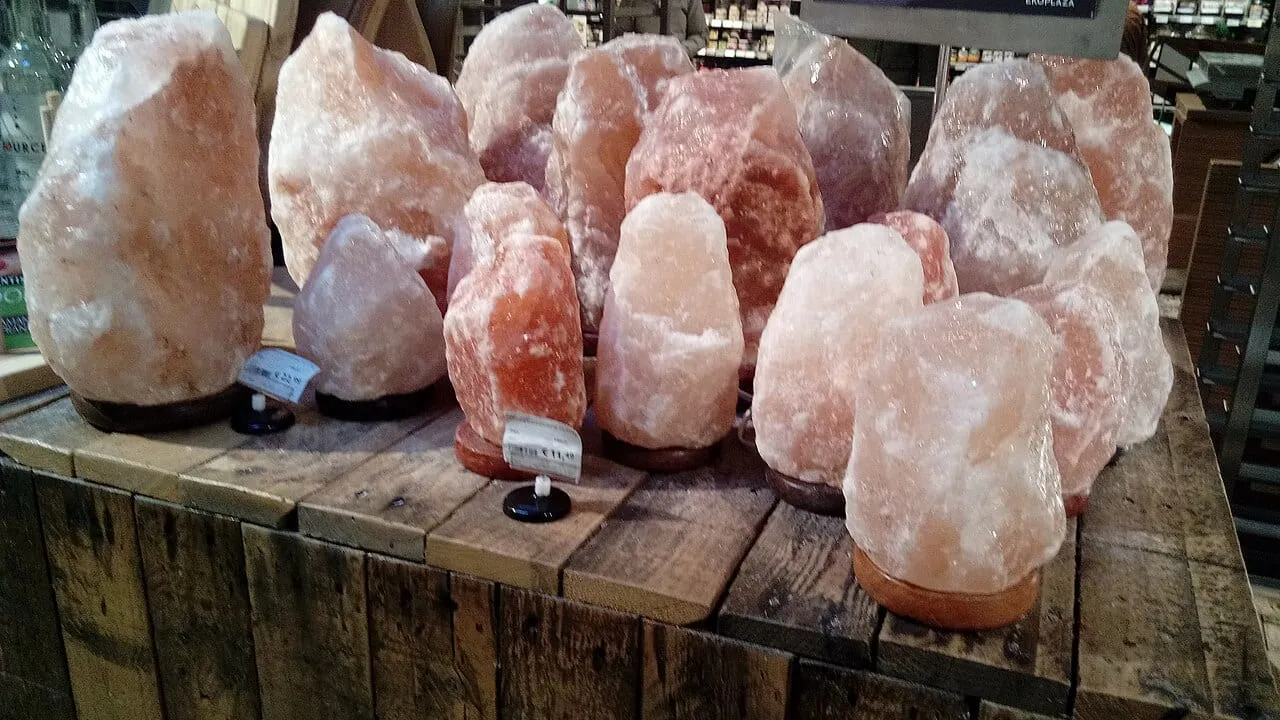
  • Sellers of salt lamps and “Himalayan salt” products claim that the lamps give off “negative ions”, purify the air and are good for health.

What science says Salting babies is dangerous: in Türkiye, skin burns and dangerously high blood sodium (hypernatraemia) have been reported in salted newborns, and severe hypernatraemia can cause seizures, permanent brain damage and death. Nor has halotherapy been shown in reliable studies to be effective for asthma or COPD; a visit to a salt cave should not replace treatment prescribed by a doctor. Carrying a pinch of salt is a harmless tradition; but salt lamps have not been shown to give off “negative ions” that benefit health.

Himalayan salt and salt lamps

  • According to salt lamp sellers, the lamp gives off “negative ions” when it warms up; these ions are said to clean the air and neutralise “harmful radiation” from electronic devices.
  • The same sources claim that salt lamps relieve allergies and asthma, improve sleep, reduce stress and lift the mood.
  • In some countries of Central and Eastern Europe, spending time in salt caves (speleotherapy, halotherapy) is believed to help asthma and respiratory diseases.

What science says Claims that salt lamps release health-giving ions or clean the air have no scientific basis; the lamp is simply a block of salt warmed by the bulb inside, and its light can make a room feel cosy. The idea that it “absorbs” radiation from electronic devices also contradicts physics. A Cochrane systematic review of salt-cave therapy concluded that the available evidence does not allow a reliable conclusion as to whether it works for asthma. Salt lamps or salt caves should never replace asthma or allergy medicines.

Talc

  • In Türkiye, too, people commonly believe that baby powder containing talc prevents nappy rash and keeps the skin dry.
  • Crystal-therapy websites claim that soapstone (talc) is calming and balancing, reduces stress, and eases digestion and skin irritation.

What science says Talc has not been shown to prevent nappy rash. The American Academy of Pediatrics advises against baby powder: its particles are so small that they hang in the air and can be breathed into a baby’s lungs, and zinc oxide creams are a safer choice for nappy rash. Because talc deposits can lie alongside asbestos, talc products can be contaminated with it, and IARC classes even asbestos-free talc as “probably carcinogenic” (Group 2A). There is no evidence that soapstone reduces stress or improves digestion.

Apatite

  • Today crystal-therapy practitioners claim that apatite, blue apatite in particular, suppresses appetite and helps with weight loss.
  • The same circles also claim that, because it resembles the mineral in bones and teeth, apatite strengthens bones and teeth.
  • In Türkiye, crystal-therapy sites and some news sites say that apatite improves learning, memory and motivation to work, and makes communication easier.
  • The same sources claim that apatite drives away negative energies with its “high-vibration energy” and gives spiritual protection.

What science says The appetite claim most likely grew out of the name’s resemblance to the English word “appetite”, whereas the name actually comes from the Greek for “to deceive”. The calcium and phosphorus that bones and teeth need come from food; wearing or carrying apatite contributes nothing to them. There is no evidence either that apatite improves learning, memory or motivation, or that its “energy” protects anyone.

Calcite

  • Today crystal-therapy practitioners claim that calcite has different effects depending on its colour, for example that orange calcite brings vitality and creativity.
  • In Türkiye, some news sites and crystal-therapy sites say that calcite cleanses and balances energy and sets all the chakras in motion.
  • The same sources claim that calcite strengthens teeth and bones, eases babies' teething and dissolves excess calcium in the body, reducing calcification.

What science says There is no scientific evidence that calcite has different effects depending on its colour; its colour comes from trace elements in the crystal, from inclusions or from dye. Carrying a stone or giving one to a baby does nothing for the health of bones and teeth; calcium comes from food. The claim that calcite “dissolves excess calcium” and reduces calcification is not scientific either; calcification does not go away with a stone, and a doctor should be consulted if complaints persist. Giving small stones and beads to babies also carries a choking risk.

Epidote

  • Today some crystal therapy practitioners claim that epidote lifts the mood and dispels negative emotions.
  • Crystal therapy websites claim that epidote is linked to the “heart chakra”, supports the immune and nervous systems, and gives vitality.

What science says Epidote is an ordinary rock-forming mineral that is very common in metamorphic rocks; no observation or experiment supports the idea that it affects mood or strengthens immunity or nerves. The “heart chakra” is not something that can be measured.

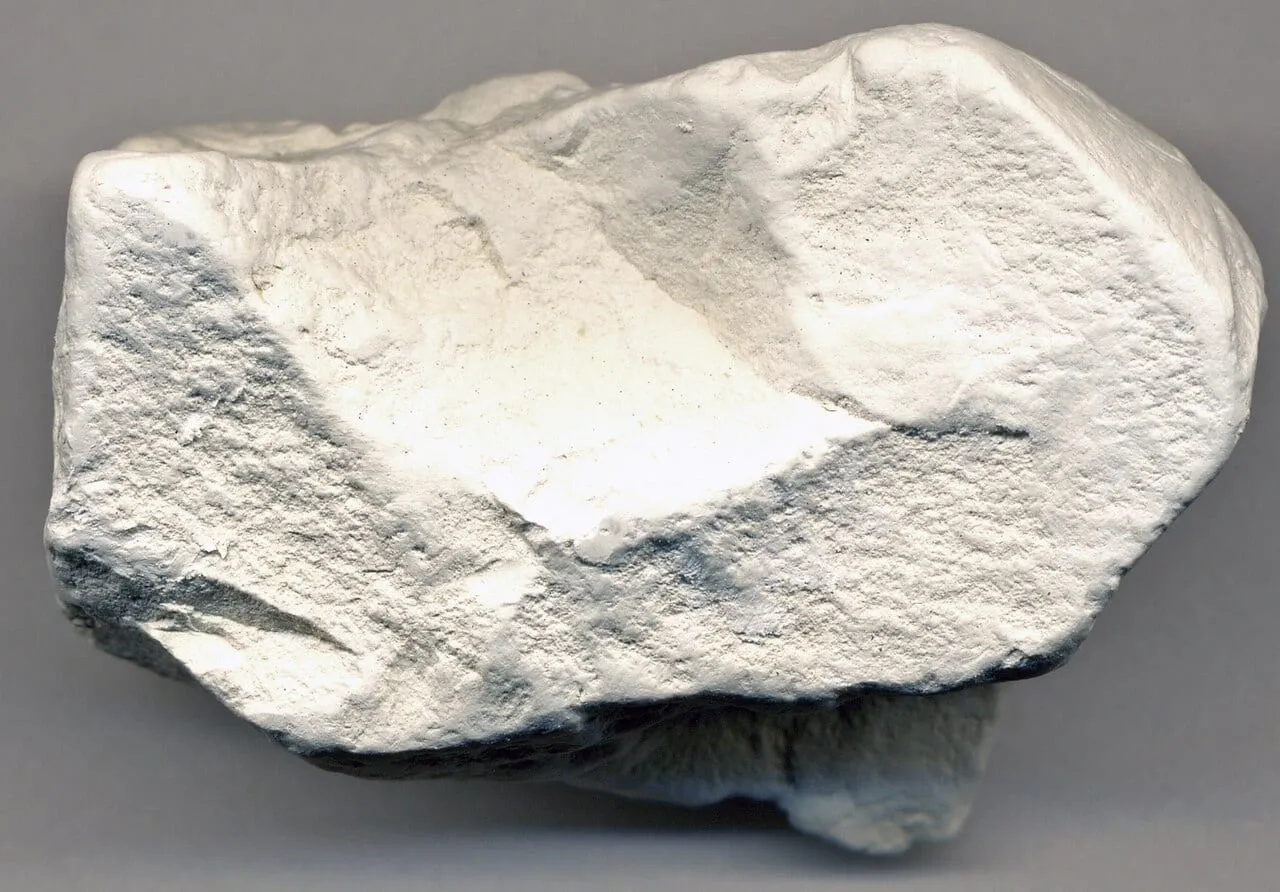
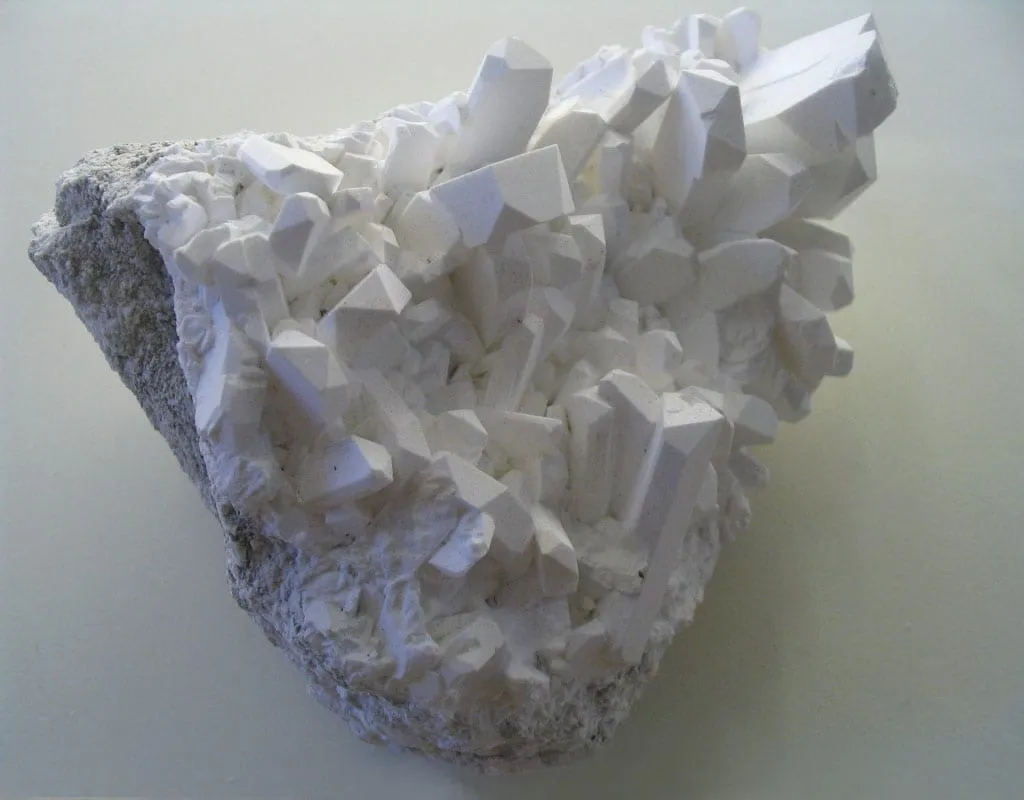
Kaolinite

  • In West Africa and in some communities of African descent, eating kaolin-rich clays such as “calabash chalk” is believed to prevent nausea and vomiting in pregnancy.
  • In the cosmetics world, white clay (kaolin) masks are claimed to “draw toxins” out of the skin.
  • In Türkiye, natural-care websites say kaolin clay also “purifies” hair, teeth and underarms of “toxins and odour”, and can be used as a natural shampoo, tooth cleaner and deodorant.

What science says Kaolin does absorb oil and dirt, which is why it is used in cleansing masks, but there is no evidence that it pulls “toxins” out of the body. Clays sold for eating can contain high levels of lead; for this reason the Food Safety Authority of Ireland (FSAI) has advised people, especially pregnant and breastfeeding women, not to eat “calabash chalk”.

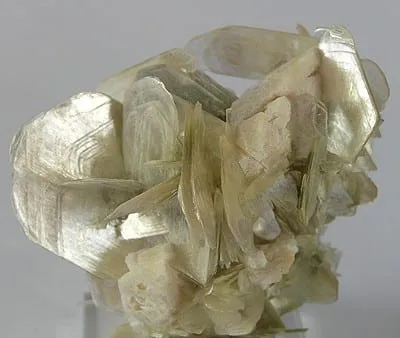
Muscovite

  • In Türkiye, some lifestyle websites and crystal-therapy sources present fuchsite, the chromium-bearing green variety of muscovite, as a “stone of healing, growth and emotional balance”, saying it calms overactive energy and brings plenty and luck.

What science says Fuchsite's green colour comes from a little chromium in its structure; beyond that colour there is no evidence that the stone has any effect on the body, the emotions or luck.

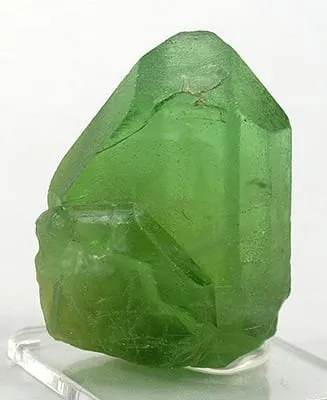
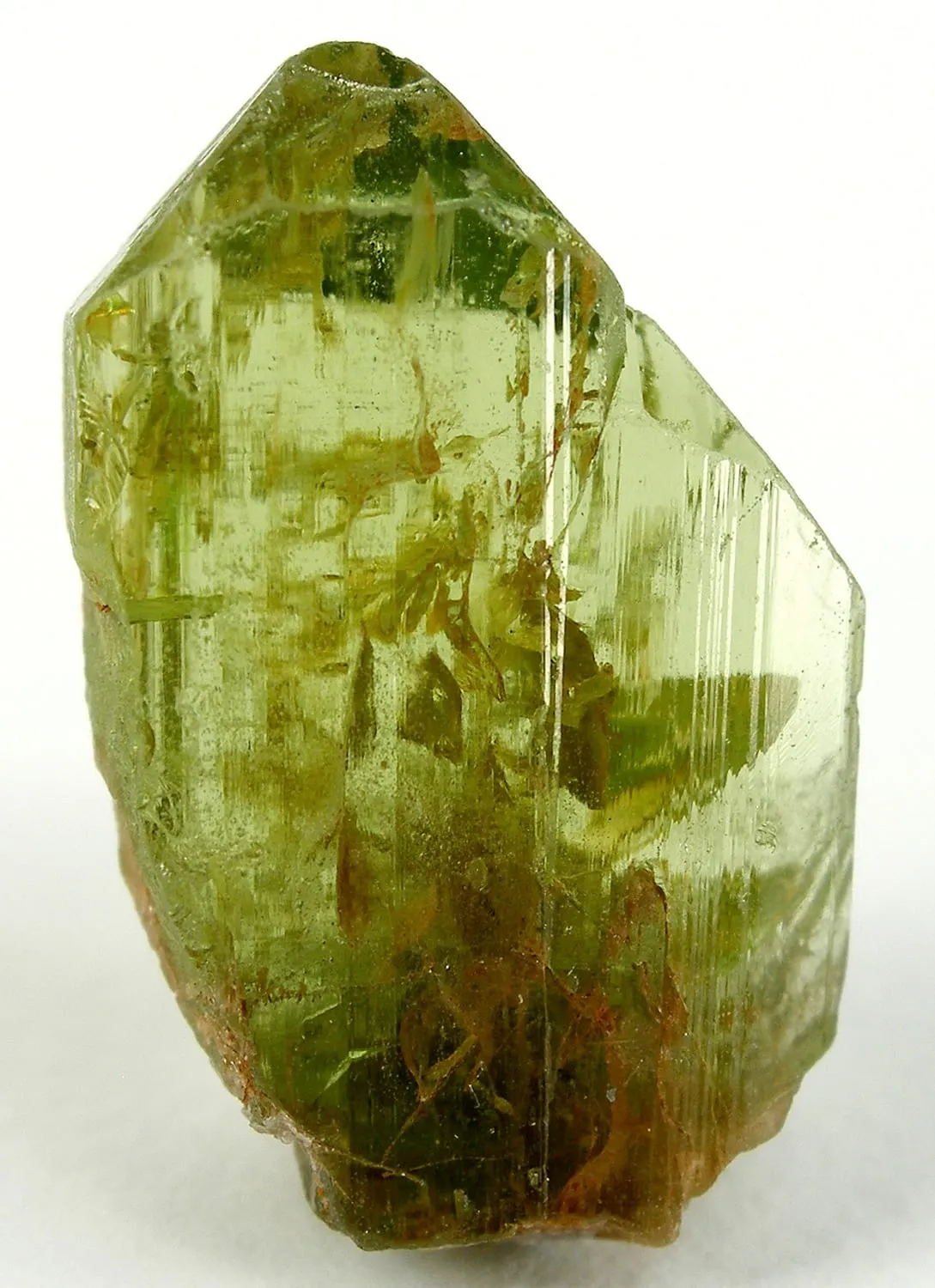
Olivine

  • Ancient and medieval belief held that peridot (chrysolite) set in gold drove away night terrors and nightmares.
  • Peridot pierced, strung on donkey hair and tied to the left arm was believed to protect against evil spirits and enchantment.
  • In Türkiye, stone sellers and crystal-therapy websites say that zebercet (peridot, olivine) helps the stomach, bowel, liver and thyroid, cleanses the body of toxins, calms feelings such as jealousy, anger and guilt, and brings abundance.

What science says Peridot's green colour comes from the iron in its structure; there is no evidence that it prevents nightmares or wards off evil. The claims that it helps the stomach, bowel or thyroid, or “cleanses” the body, are equally unproven. If sleep or digestive problems persist, see a doctor.

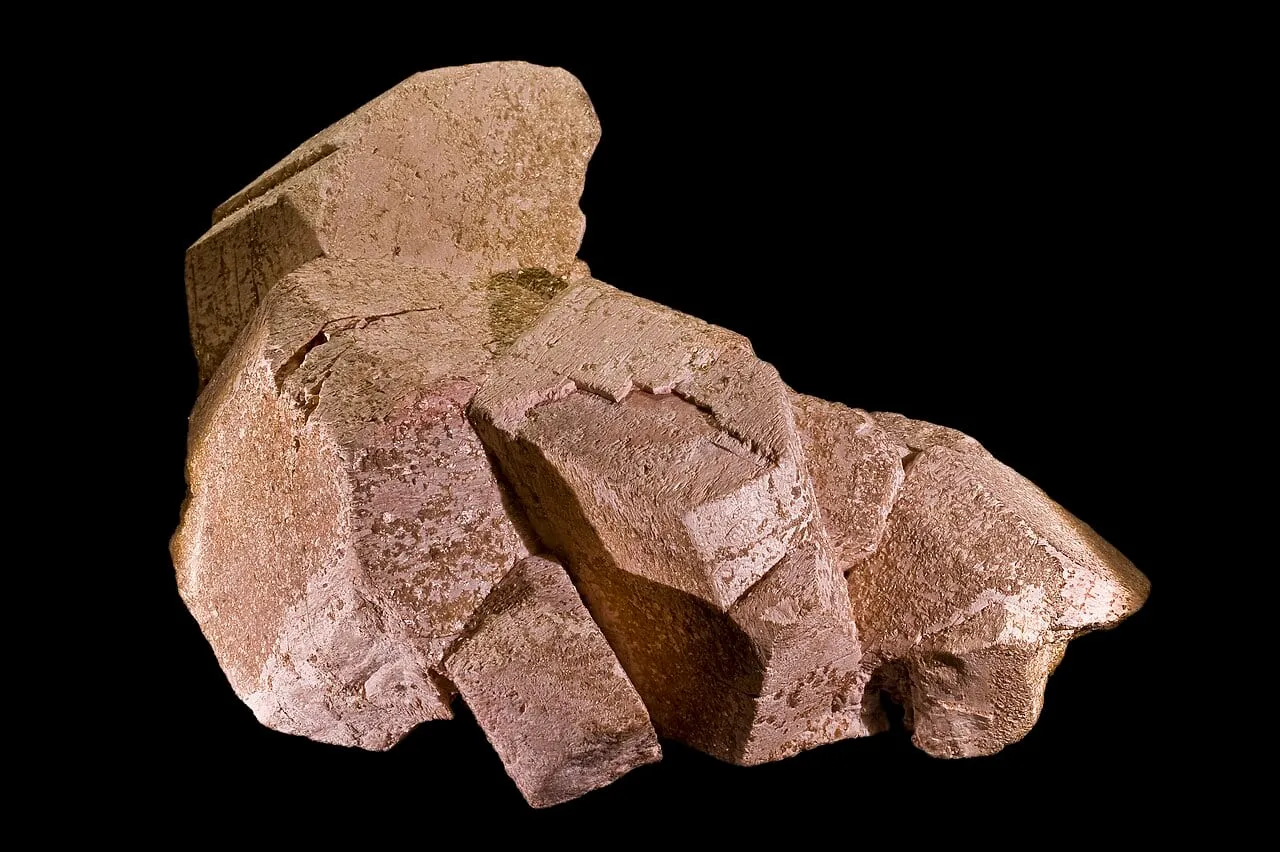
Orthoclase

  • In Türkiye, stone sellers and crystal-therapy websites say that orthoclase reduces stress, gives confidence and courage, and improves focus and mental clarity.
  • The same websites claim that orthoclase strengthens immunity, helps stomach and bowel problems and eases insomnia.

What science says No study supports these claims. Orthoclase is potassium feldspar, very common in the Earth's crust; apart from its use in the ceramics and glass industries it is not known to have any effect on the body or mind. Lasting sleep or digestive problems call for a doctor.

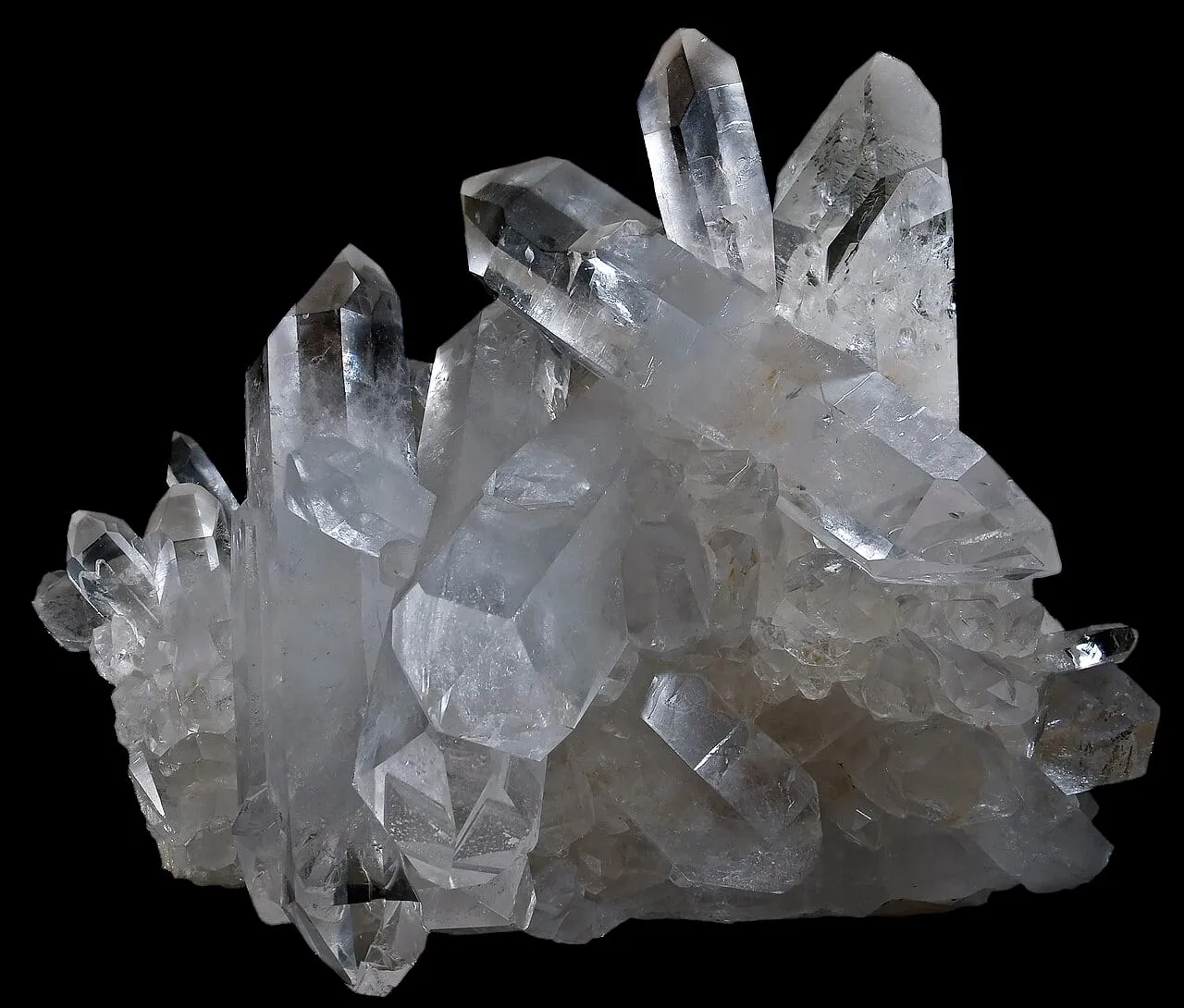
Quartz

  • Since the Middle Ages, people have believed that gazing into balls of rock crystal can reveal the future and hidden things; this form of divination is called crystal gazing.
  • Today crystal healing practitioners present clear quartz as a “master healer” and claim that it boosts energy and amplifies the effects of other stones.
  • In Turkey, stone sellers and crystal-therapy websites claim that clear quartz (known there as “necef taşı” or mountain crystal) cleans away “negative energy” around you, sharpens focus and memory and balances all the chakras.

What science says The piezoelectric effect of quartz is real, but a crystal only produces a small voltage when it is mechanically squeezed; a stone held in the hand gives off no energy that affects the body. In an experiment reported in 2001, participants holding fake stones they believed to be quartz reported the same sensations as those holding real quartz, showing that the effect comes from suggestion (placebo). There is likewise no evidence that quartz “cleanses” a room, the body or the aura, or improves focus and memory.

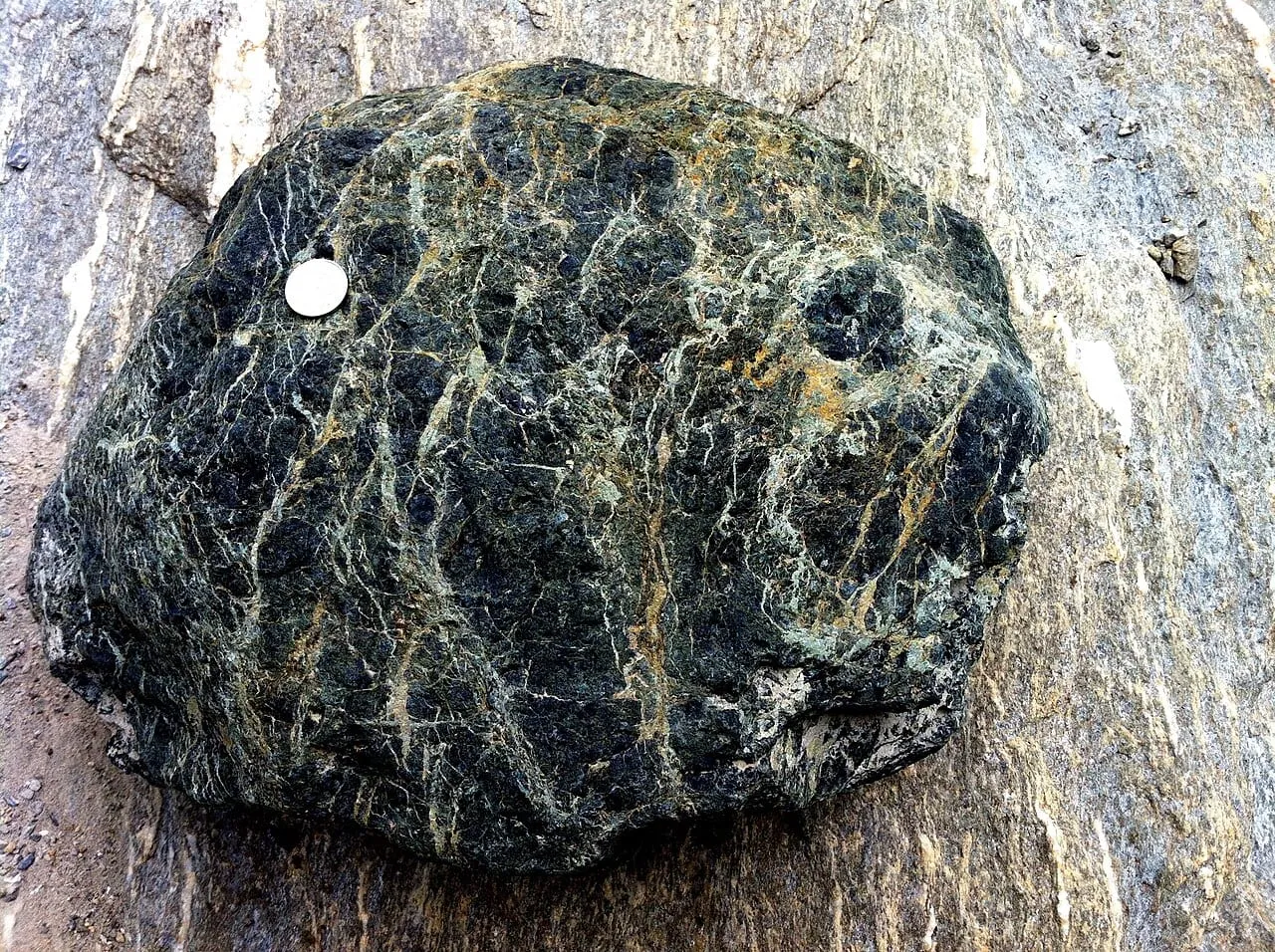
Serpentinite

  • According to George F. Kunz (1913), Italian peasants believed that pebbles of green serpentine protected them from the bites of venomous creatures and, laid on a bite, drew out the poison; to work, the stone had to be in its natural state, unshaped by human hands.
  • In Turkey, stone sellers and crystal-therapy websites claim that serpentine awakens “kundalini energy”, deepens meditation and eases cramps and digestive complaints.

What science says There is no evidence that serpentine draws out venom; snake and scorpion bites need emergency medical care without delay. Fibrous (asbestos-bearing) serpentine should never be rubbed on wounds or skin, and its dust should not be inhaled. No study shows that serpentine helps cramps or digestion either.

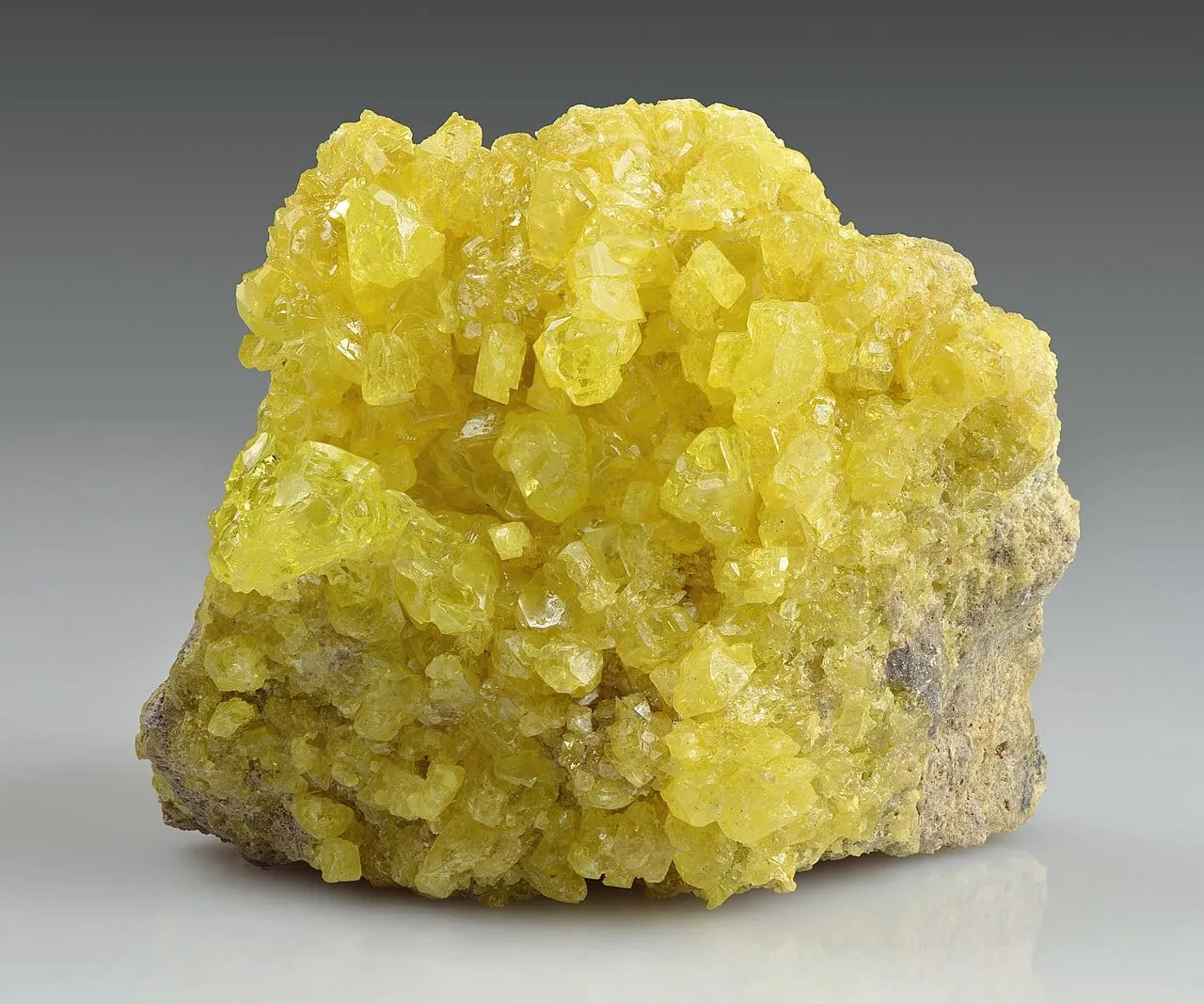
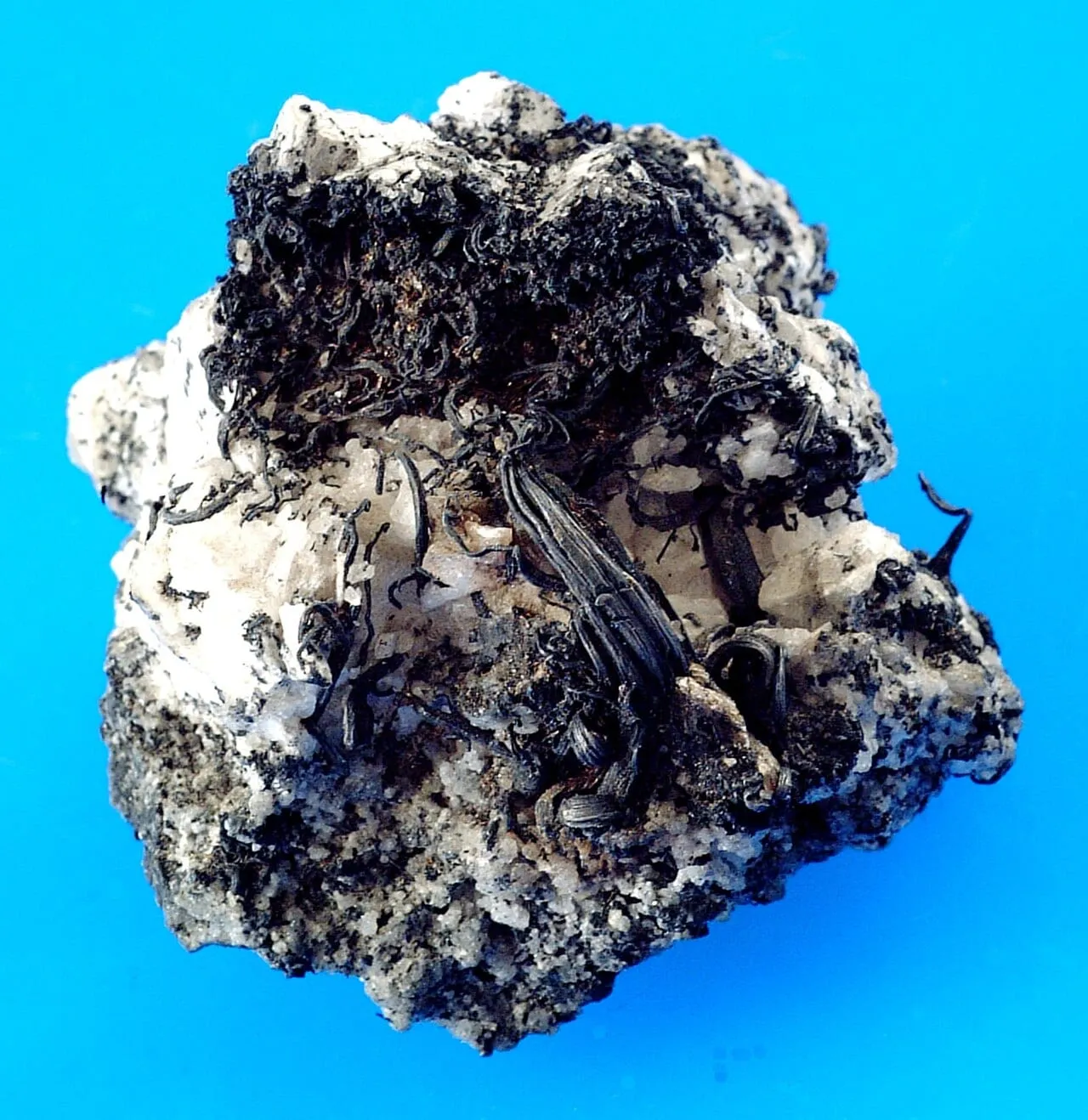
Sulfur

  • The ancient Greeks believed that burning sulfur purified a place: in Homer's Odyssey, Odysseus purifies his palace by burning sulfur after dealing with the suitors.
  • Today crystal healing practitioners claim that sulfur crystals draw away “negative energy”.
  • In Türkiye, people commonly believe that sulfur-rich water, mud and sulfur soap help scabies, eczema, fungal infections and muscle aches; the sulfur streams at Demre in Antalya are an example.
  • In Türkiye, people also commonly believe that burning sulfur in an enclosed space drives away rats and insects.

What science says The sulfur dioxide given off by burning sulfur really can kill insects and microbes, which is why sulfur was once used for fumigation. But the same gas is toxic to people: never burn sulfur indoors, never drink water in which sulfur crystals have been soaked, and do not breathe its dust. Sulfur ointments and soaps really are used for some skin problems such as acne and scabies, but these are purified medicines and cosmetics with a known dose, not natural sulfur stone, sulfur water or mud. In May 2025, when sulfur was burned on the roof of an apartment block in Tokat to drive away rats, the smoke spread through the building and four people were taken to hospital.

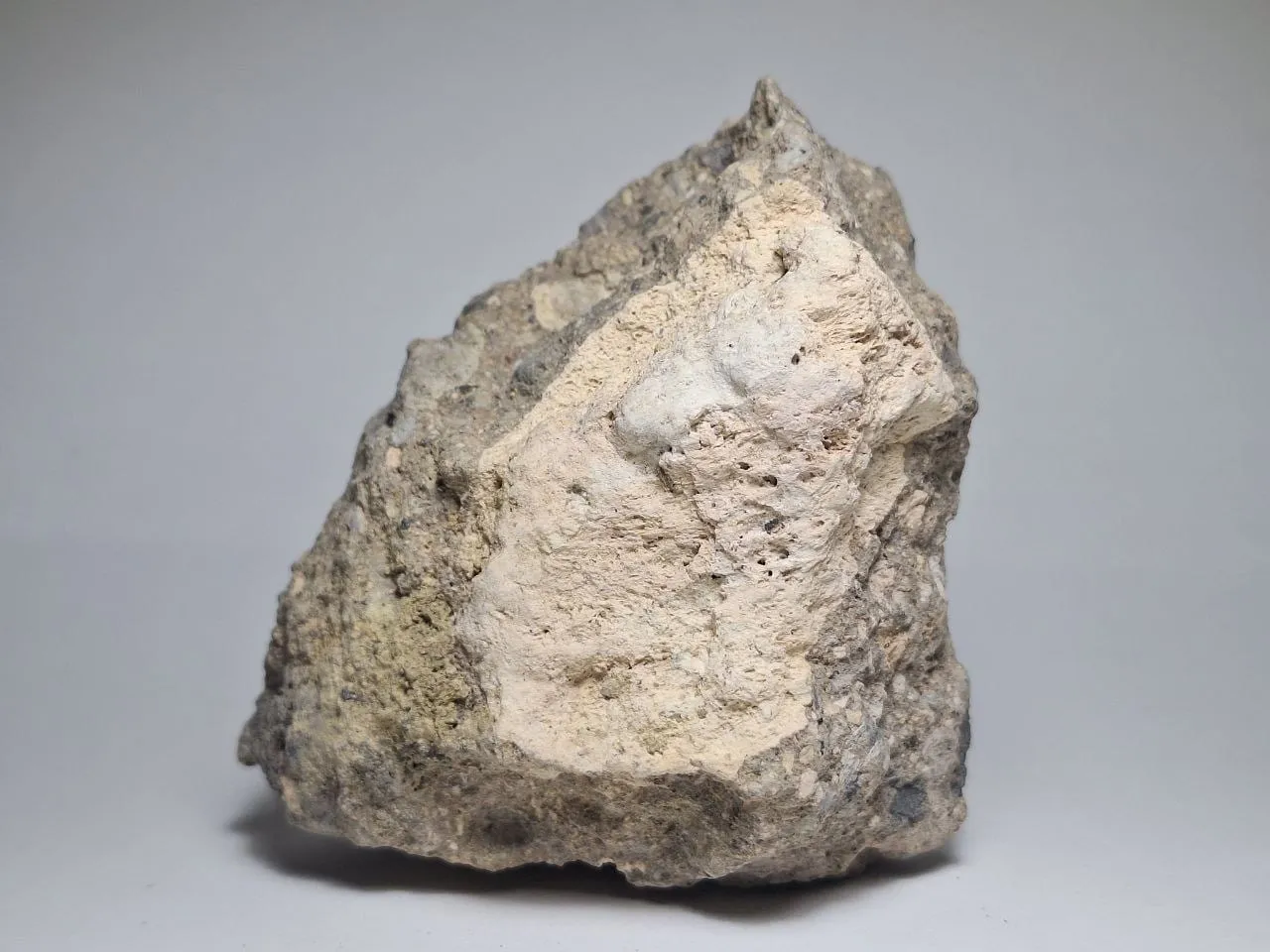
Tuff

  • In Türkiye, zeolite (clinoptilolite) powder and tablets, obtained from zeolite-bearing tuff, are sold with claims that they remove heavy metals and toxins from the body and strengthen immunity.

What science says Zeolites have not been shown to remove heavy metals or toxins from the human body; according to WebMD, no zeolite supplement has been proven to work for any medical condition, the US Food and Drug Administration (FDA) has sent warning letters to companies selling “detox” zeolites for misleading claims, and zeolites can interact with some antibiotics and chemotherapy drugs. The real use of zeolites in water treatment and in removing heavy metals from wastewater is a different matter: that is a laboratory and industrial application. Fibrous zeolites such as erionite harm the lungs when breathed in; the mesothelioma epidemic in Cappadocia is linked to it. Tuff or zeolite powder should never be swallowed, breathed in or soaked in water that is then drunk.

Borax (tincal)

  • A social media trend that spread in 2023 claimed that drinking borax dissolved in water relieves joint pain and inflammation.

What science says There is no scientific evidence that drinking borax helps with any illness; on the contrary, swallowing it can cause signs of poisoning such as headache, nausea and vomiting, and large doses can be fatal. Borax, classified in the EU as harmful to reproductive health, must never be drunk or added to food.

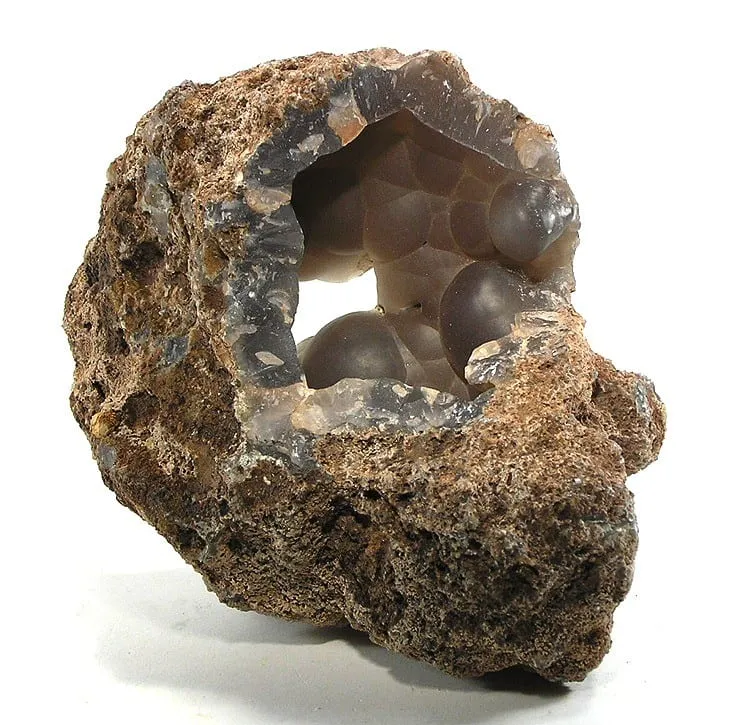
Chalcedony

  • According to a Greek lapidary thought to date from the 3rd or 4th century AD, an amulet set with chalcedony together with a red stone was believed to protect sailors from drowning.
  • In earlier centuries in Europe, chalcedony was believed to drive away ghosts and frightening visions of the night.
  • Today crystal-therapy practitioners claim that chalcedony, blue chalcedony in particular, is calming and makes communication easier.
  • In Türkiye, some news sites and crystal-therapy sites say that chalcedony drives away negative energy and gives energy and motivation.
  • The same sources claim that chalcedony helps with chronic illness, coughs and sleep problems, and eases stress and depression.

What science says Chalcedony is made of chemically inert silica; there is no scientific evidence that it protects people from drowning, nightmares or anxiety, gives energy, or cures chronic illness, coughs, sleeplessness or depression. Depression and chronic illness need medical treatment; medicines should not be replaced by a stone or stopped without consulting a doctor.

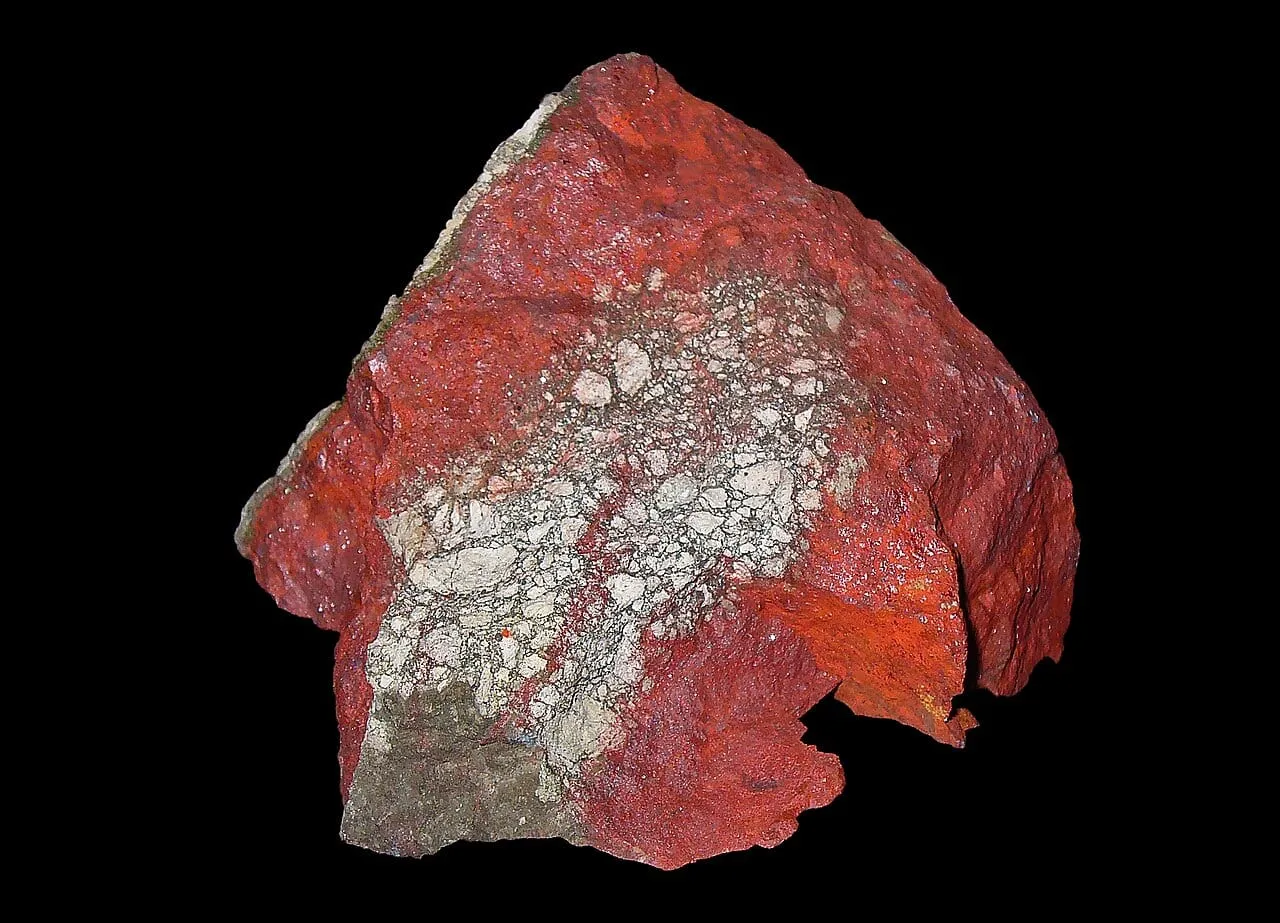
Cinnabar

  • In ancient China, Taoist alchemists believed that elixirs prepared from minerals such as cinnabar would bring long life and immortality.
  • In traditional Chinese medicine, cinnabar (zhu sha) is believed to calm the mind and to help with palpitations, insomnia and convulsions; some traditional medicines containing cinnabar are still in use today.

What science says Cinnabar is mercury sulfide; when swallowed, the mercury that is absorbed accumulates in the kidneys, and its inclusion in traditional medicines has not been scientifically justified. Never put cinnabar in drinking water (“gem water” or “elixirs”), in the mouth or over heat, and never breathe its dust.

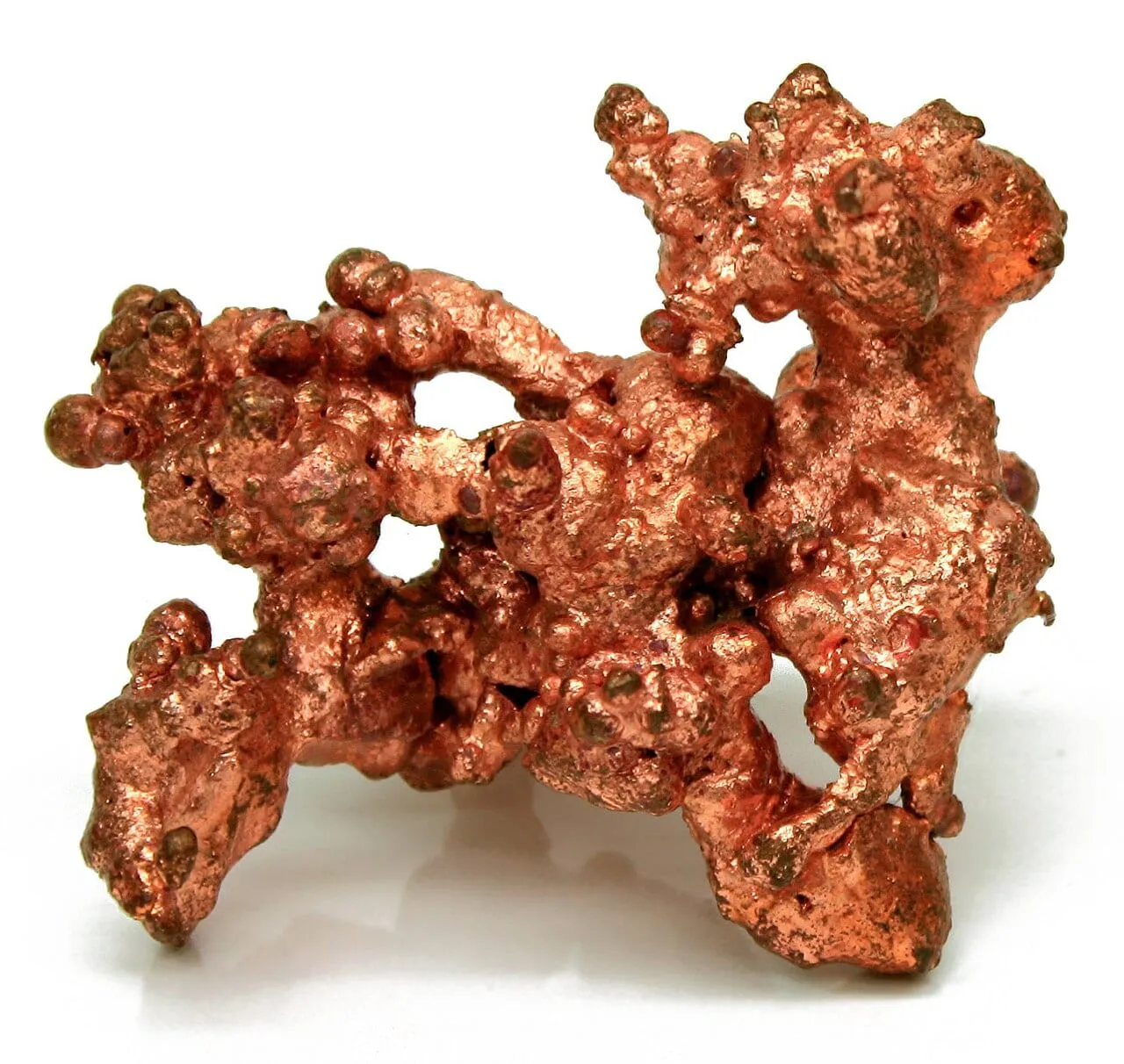
Copper

  • Folk tradition and some sellers claim that copper bracelets relieve rheumatism and joint pain.
  • In Ayurveda, the traditional medicine of India, water kept overnight in a copper vessel is believed to aid digestion and immunity.
  • Many health and lifestyle websites in Türkiye claim that water kept in a copper cup or jug cleanses the body of toxins, helps the stomach, liver and kidneys, strengthens immunity and aids weight loss.

What science says In a controlled trial with 70 patients with rheumatoid arthritis (Richmond et al., 2013), copper bracelets had no effect on pain, inflammation or the course of the disease beyond that of a placebo. Copper is an essential trace element that a normal diet supplies in sufficient amounts; too much of it is toxic, so acidic drinks should not be kept in copper vessels. It is true that copper surfaces kill some bacteria, but that does not mean copper water “detoxifies” the body; the liver and kidneys clear toxins.

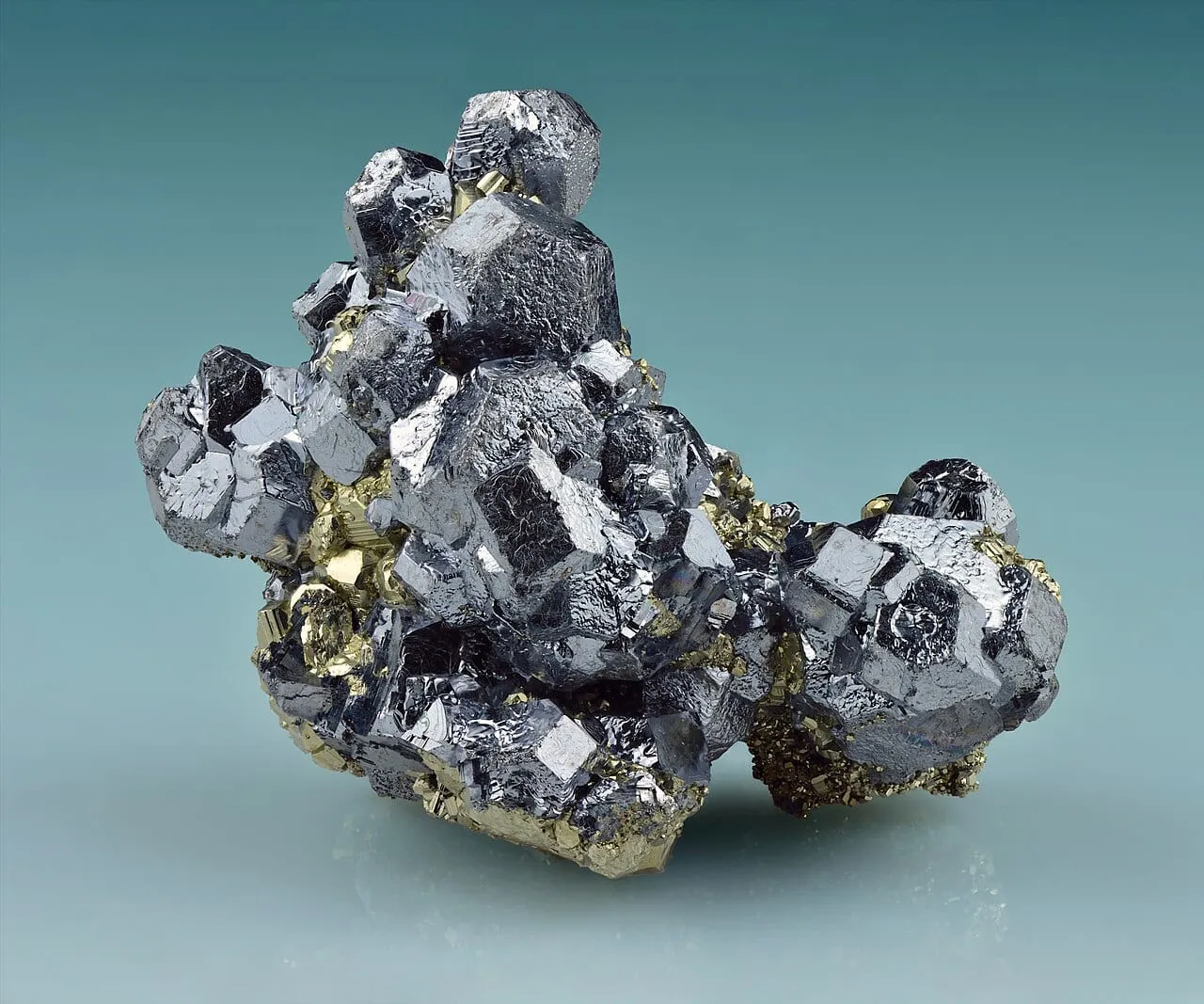
Galena

  • In ancient Egypt, black kohl made from galena was believed to protect the eyes from disease and from the harsh glare of the sun.
  • In some places, such as Yemen, mothers are reported to have put kohl on their newborns’ eyes in the belief that it strengthened the eyes and protected the baby from the evil eye.
  • In Turkey the custom of “lead pouring” lives on against the evil eye, sorcery and ill fortune: molten lead is poured into water and the shape it forms is “read”. Lead is the metal smelted from galena.

What science says Melting lead, especially in a closed room, releases toxic lead and antimony fumes; in a study at Ankara University, women who had poured lead for years had raised antimony levels in their blood. Galena is lead sulfide, and lead-based kohl has been documented to raise blood lead levels and cause lead poisoning in children; galena and kohl of unknown composition should therefore never be applied to the eyes, especially not to babies. Galena should never be soaked in drinking water (“gem water”), put in the mouth, or have its dust inhaled.

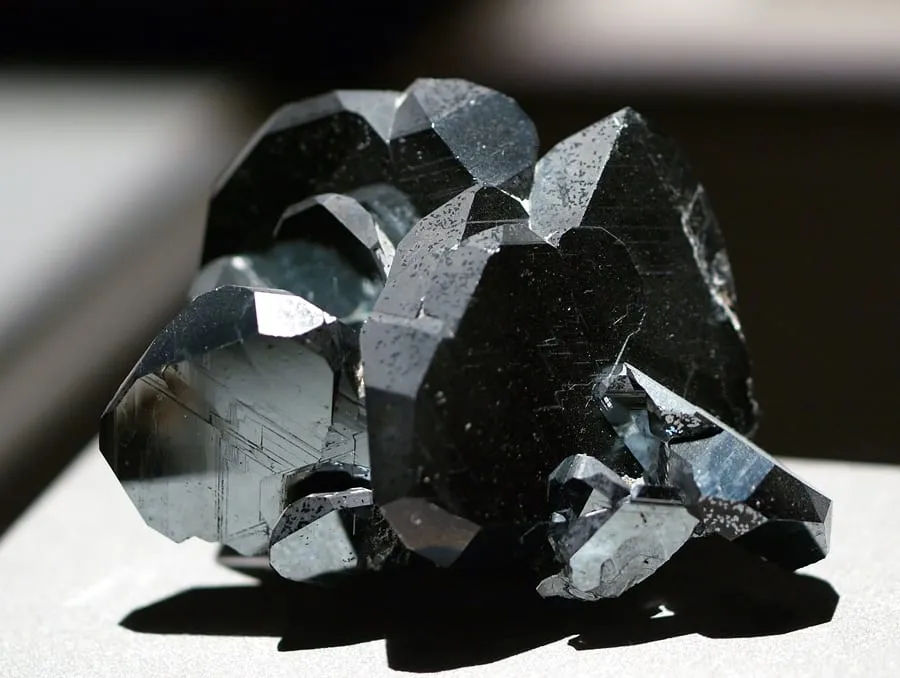
Hematite

  • According to Pliny, Azchalias of Babylon believed that hematite carried as an amulet made kings grant petitions and won lawsuits.
  • Because it is an iron ore, hematite was linked with Mars, the god of war, and rubbing it on the body was believed to protect a warrior in battle.
  • In ancient Egypt hematite was believed to stop bleeding and reduce inflammation; the Ebers Papyrus recommends it for these purposes.
  • Today crystal therapy practitioners claim that hematite helps anaemia and that “magnetic hematite” bracelets ease joint pain.
  • In Turkey, news and crystal therapy websites write that hematite, also sold under the name “kantaşı”, regulates blood circulation and balances blood pressure.

What science says There is no scientific evidence that hematite stops bleeding, cures anaemia, regulates circulation or blood pressure, or eases joint pain; blood pressure and anaemia are for a doctor to treat; the iron in the stone is not absorbed through the skin. Controlled studies of magnetic bracelets have found no effect on pain beyond placebo, and “magnetic hematite” is not natural hematite anyway.

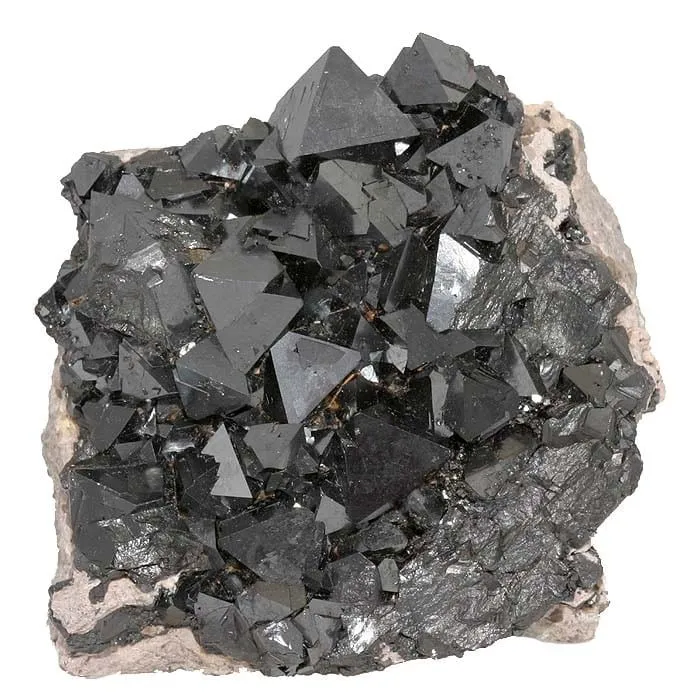
Magnetite

  • According to a belief dating back to antiquity, a lodestone placed under the pillow of a sleeping wife would reveal whether she was faithful.
  • In Eastern legends about Alexander the Great, lodestone was believed to protect against jinn and enchantment, and in the folk magic of the American South it was used as a charm to bring luck and love.
  • Today, magnetic bracelets and jewellery are claimed to relieve joint pain and rheumatism.
  • In Türkiye, companies selling magnetic bracelets, knee and back supports have claimed that these products help arthritis, joint pain and migraine, and even far more serious illnesses.

What science says A meta-analysis of controlled clinical trials (Pittler and colleagues, 2007) found no evidence that magnets reduce pain more than a placebo. In Türkiye, the Ministry of Health also stated in 2011 that the medical benefits claimed for such magnetic-field products lack clinical studies and mislead consumers. People with pacemakers or similar medical devices should not carry strong magnets near the device.

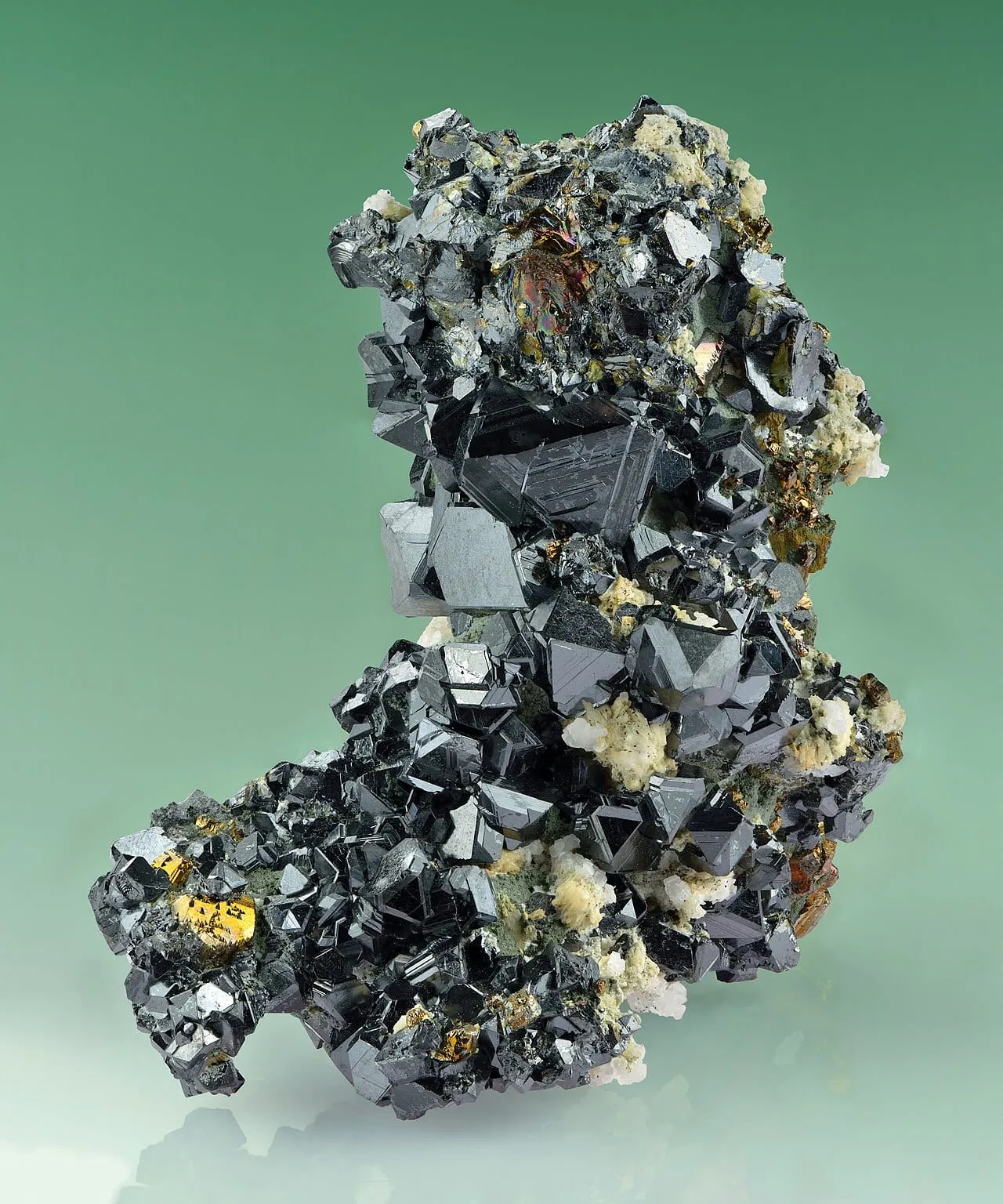
Sphalerite

  • Crystal-therapy websites claim that sphalerite boosts confidence and creativity, restores energy after exhaustion, balances the chakras and helps the digestive organs.

What science says None of these claims is backed by measurement or a controlled study. Sphalerite is a zinc sulfide; it often contains toxic metals such as cadmium, and many specimens are intergrown with the lead mineral galena. It should therefore never be put in drinking water, its dust should not be breathed, and hands should be washed after handling it. Digestive complaints call for a doctor, not a stone.

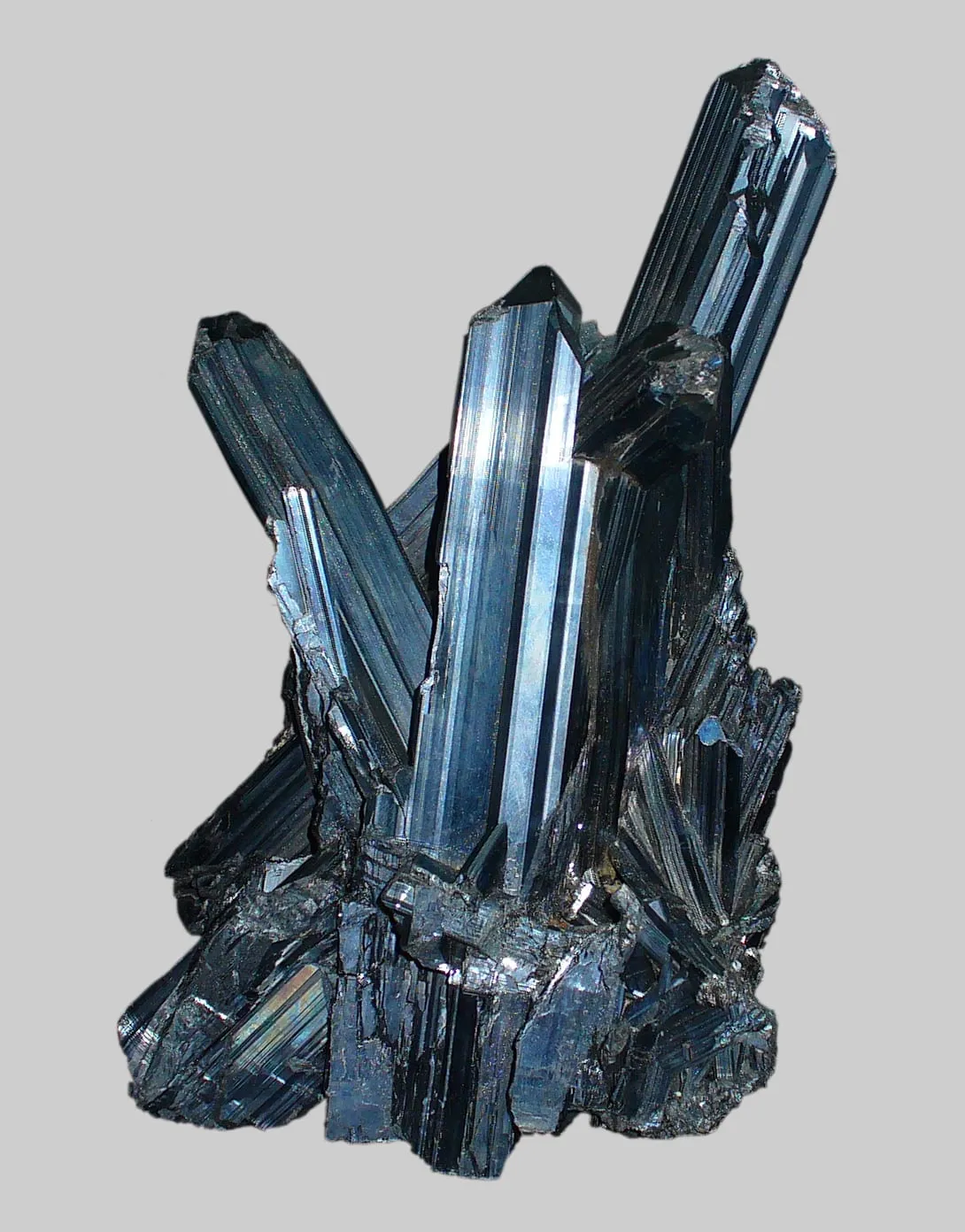
Stibnite

  • Since ancient Egypt, people in the Middle East and South Asia have believed that kohl applied to the eyes keeps them cool and clean, strengthens eyesight and wards off the evil eye.
  • In earlier centuries Europeans believed that antimony compounds cured many illnesses by making people vomit and “purging” the body; antimony pills were swallowed, recovered after passing through the body, washed and reused.
  • In Türkiye, religious accounts hold that “ismid” kohl, which the Prophet Muhammad is reported to have recommended (made from stibnite or galena), strengthens eyesight and lengthens the eyelashes.

What science says Antimony and its compounds are toxic, and antimony poisoning produces symptoms similar to arsenic poisoning. Stibnite or galena powder should never be put on the eyes or in the mouth, and the stone must never be soaked in water that is then drunk. Some traditional kohl sold in Türkiye may contain lead and should not be applied to the eyes, above all not to children’s.

Uraninite

  • In the early 20th century radioactivity was believed to be good for health: the inside of the “Revigator”, a ceramic water crock sold in the hundreds of thousands in the USA between 1924 and 1930, was lined with uranium ore, and water left in it was claimed to bring health.
  • Even today, some “negative ion” jewellery and “quantum” pendants containing radioactive material are sold with claims that they are good for health and protect against mobile-phone signals.

What science says Besides radioactive radon gas, the water from Revigators contained toxic substances such as arsenic and lead dissolved from the ore. In the Netherlands in 2021, all ten “negative ion” products tested exceeded the legal limit for radioactivity and their sale was banned; uraninite and other radioactive stones should never be worn against the skin or placed in water.

Zoisite

  • Crystal-therapy websites claim that zoisite, and above all ruby zoisite (anyolite), opens the heart chakra, increases love and compassion, heals old emotional wounds and strengthens creativity and self-confidence.
  • The same sources also say that zoisite boosts immunity and vitality, reduces inflammation, “detoxifies” the body and helps allergies.

What science says None of these claims is backed by measurement or a controlled study. Zoisite does not reduce inflammation, strengthen immunity or cure allergies; allergies and lasting illnesses call for a doctor. For emotional wounds, too, the answer is a mental-health professional when needed, not a stone.

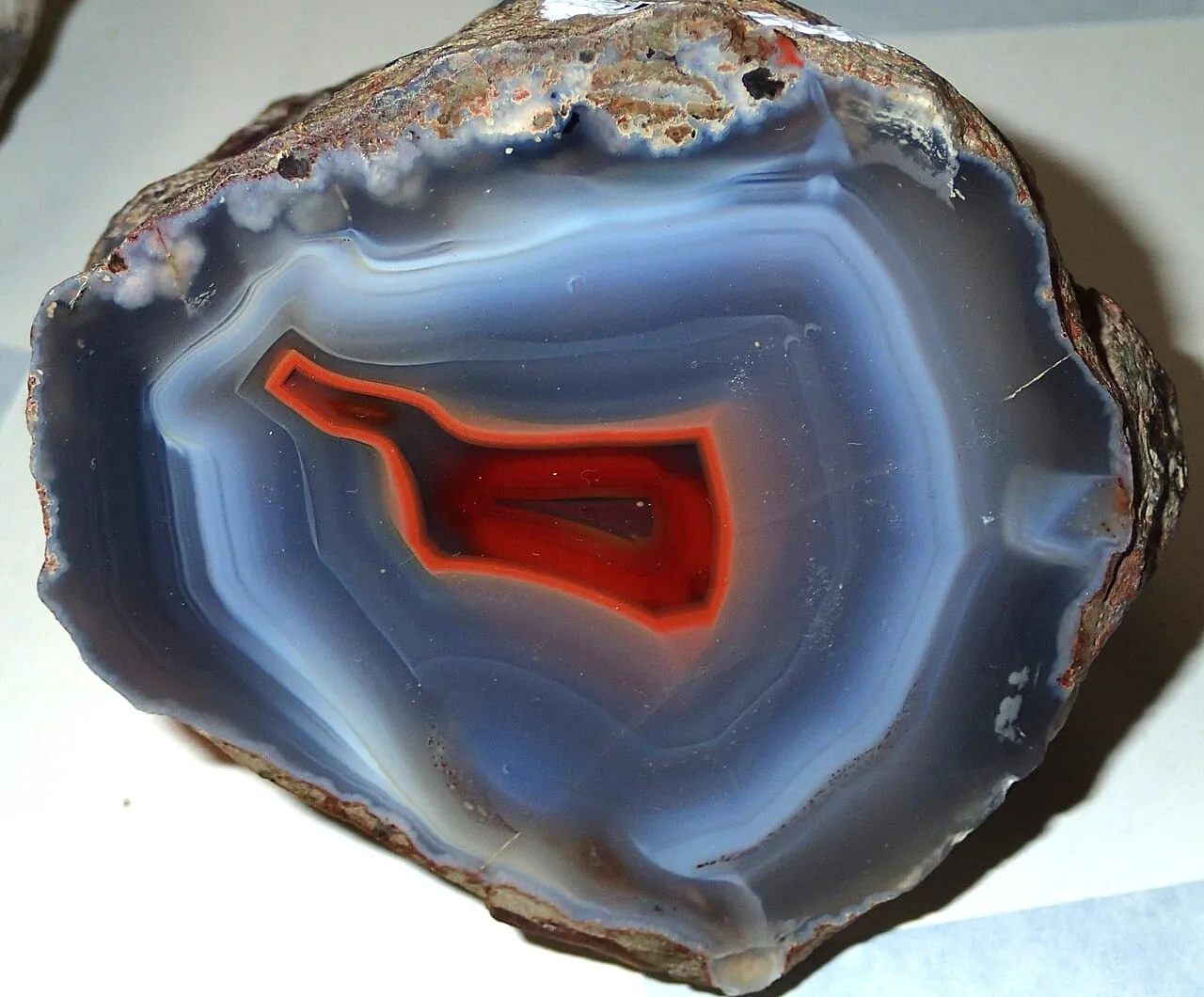
Agate

  • Medieval lapidaries, such as the writings of Marbodus, Bishop of Rennes, in the 11th century, held that agate made its wearer agreeable and persuasive and won them the favour of God.
  • In earlier centuries in Europe, wearing agate was believed to cure sleeplessness and bring pleasant dreams.
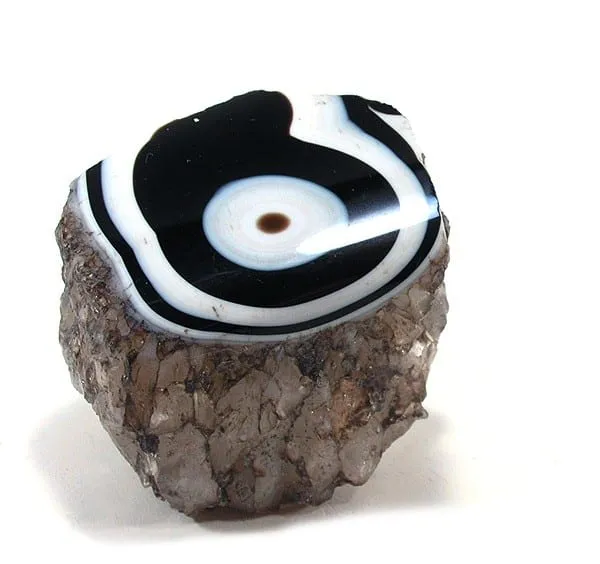
  • In 19th-century Sudan, brown or black “eye” agates with a white ring in the centre were believed to guard against the evil eye; most of these amulets were cut in the workshops of Idar-Oberstein in Germany.
  • In the Islamic world, based on the tradition that the Prophet Muhammad wore a seal ring set with an ʿaqīq stone, ʿaqīq rings (agate, usually red carnelian) are believed to protect their wearer from evil and envy.
  • In Türkiye, stone sellers and some religious publications attribute to the Prophet Muhammad the saying “whoever wears an agate ring will not be poor” and claim that agate increases provision and blessing.
  • In Türkiye, stone sellers and crystal-therapy sites claim that agate speeds up blood circulation and eases stomach and bowel complaints.

What science says Agate is a chemically inert form of quartz made of silica; there is no scientific evidence that it improves sleep, protects against the evil eye or envy, speeds up circulation or helps any illness; if symptoms persist, the remedy is a doctor, not a stone. The “eye” pattern is simply concentric silica bands that look like rings where the stone is cut. The saying “whoever wears an agate ring will not be poor” is attributed to the Prophet, but hadith scholars do not regard it as reliable.

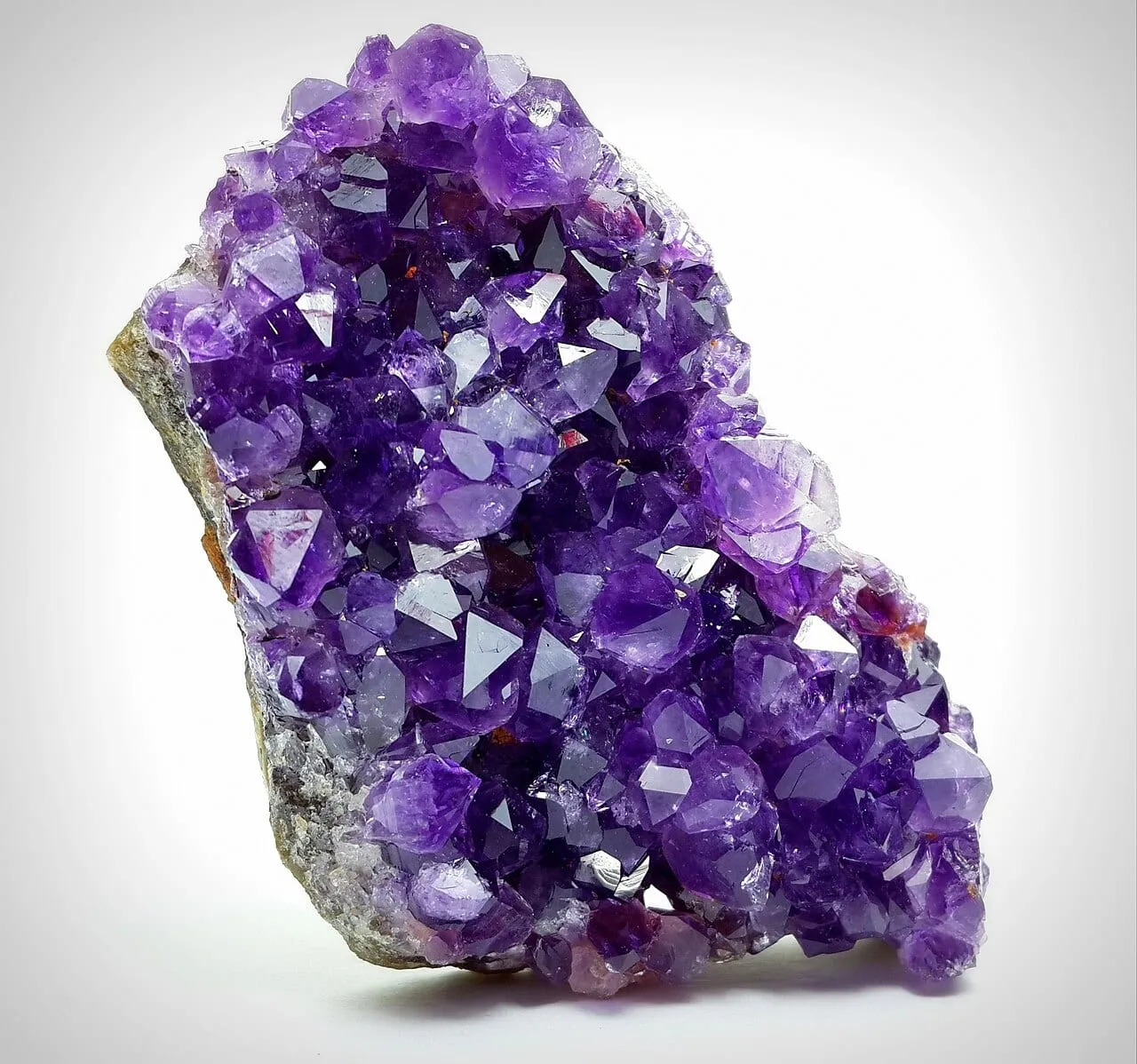
Amethyst

  • The ancient Greeks believed amethyst prevented drunkenness; the stone’s name comes from the Greek amethystos, meaning “not drunk”.
  • In a book on stones published in 1502, the Italian writer Camillo Leonardi wrote that amethyst kept away evil thoughts and sharpened the intelligence.
  • Today crystal-therapy practitioners claim that amethyst is calming and helps with sleep and with coping with stress.
  • In Türkiye, stone sellers and crystal-therapy sites say that amethyst opens the crown chakra, deepens meditation and shields against “negative energy”.
  • In Türkiye, stone sellers and crystal-therapy sites claim that amethyst relieves headaches and tiredness and strengthens the immune system.

What science says There is no scientific evidence that amethyst prevents drunkenness or improves sleep; there is no evidence either that it relieves headaches, strengthens the immune system or “opens” a chakra; persistent sleeplessness, anxiety or headaches call for a doctor. According to the mineralogist George F. Kunz, the drunkenness belief may have arisen because water poured into a cup carved from a reddish stone looks like wine, yet whoever drinks it stays sober.

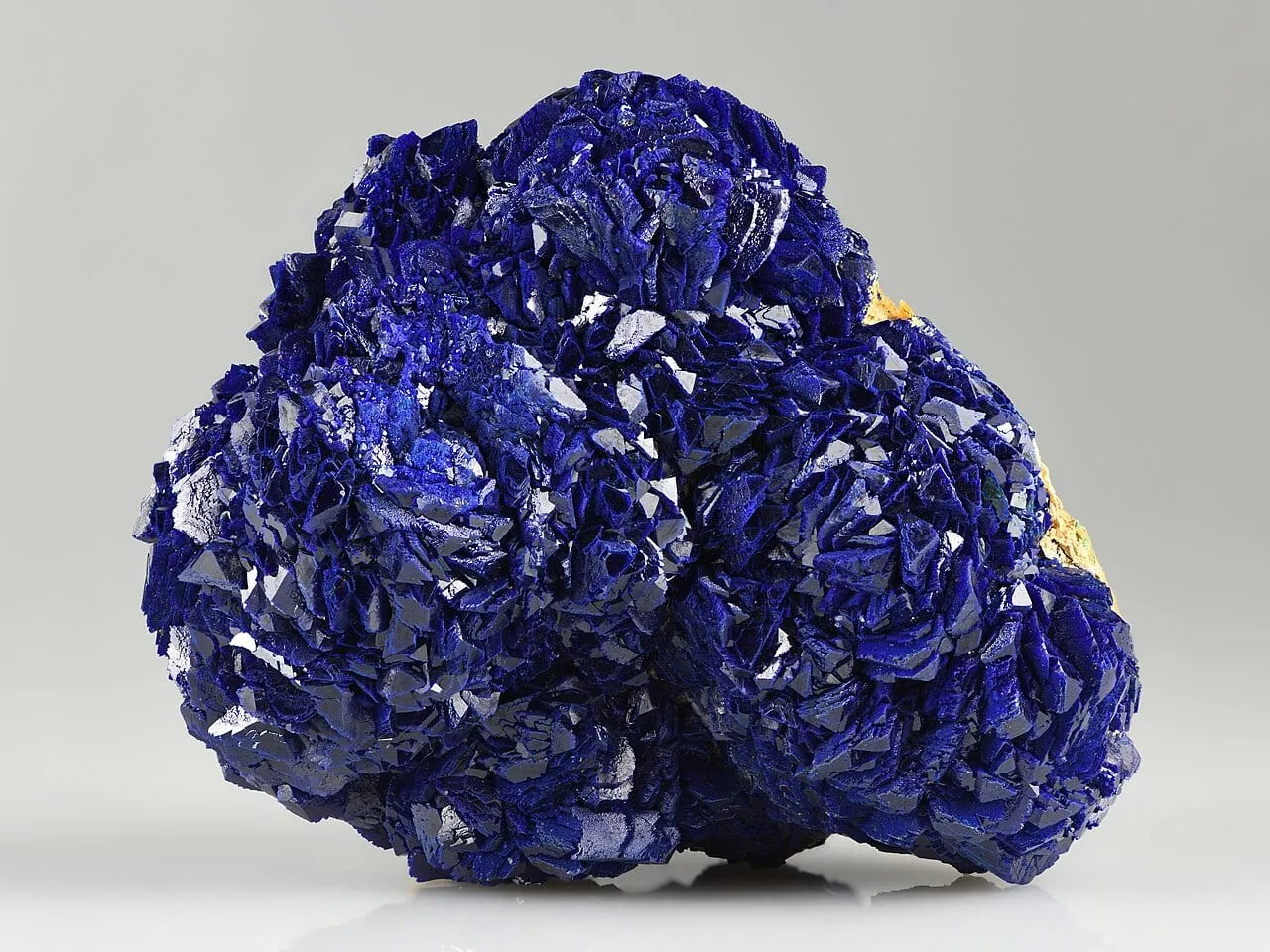
Azurite

  • Today crystal-therapy practitioners claim that azurite strengthens intuition and clears the mind.
  • In Türkiye, crystal-therapy sites and some news sites say that azurite opens the third-eye chakra and develops “psychic abilities”.
  • The same sources claim that azurite helps with rheumatism and joint pain and eye strain, and strengthens the immune system.

What science says There is no scientific evidence that azurite has any effect on intuition or the mind, opens a chakra, or helps with rheumatism, joint pain, eye strain or immunity; a doctor should be consulted if pain or joint complaints persist. Azurite is a copper mineral: it should not be put in water or drinks to make “gem water”, put in the mouth, or have its dust inhaled; acidic liquids can dissolve it and release copper.

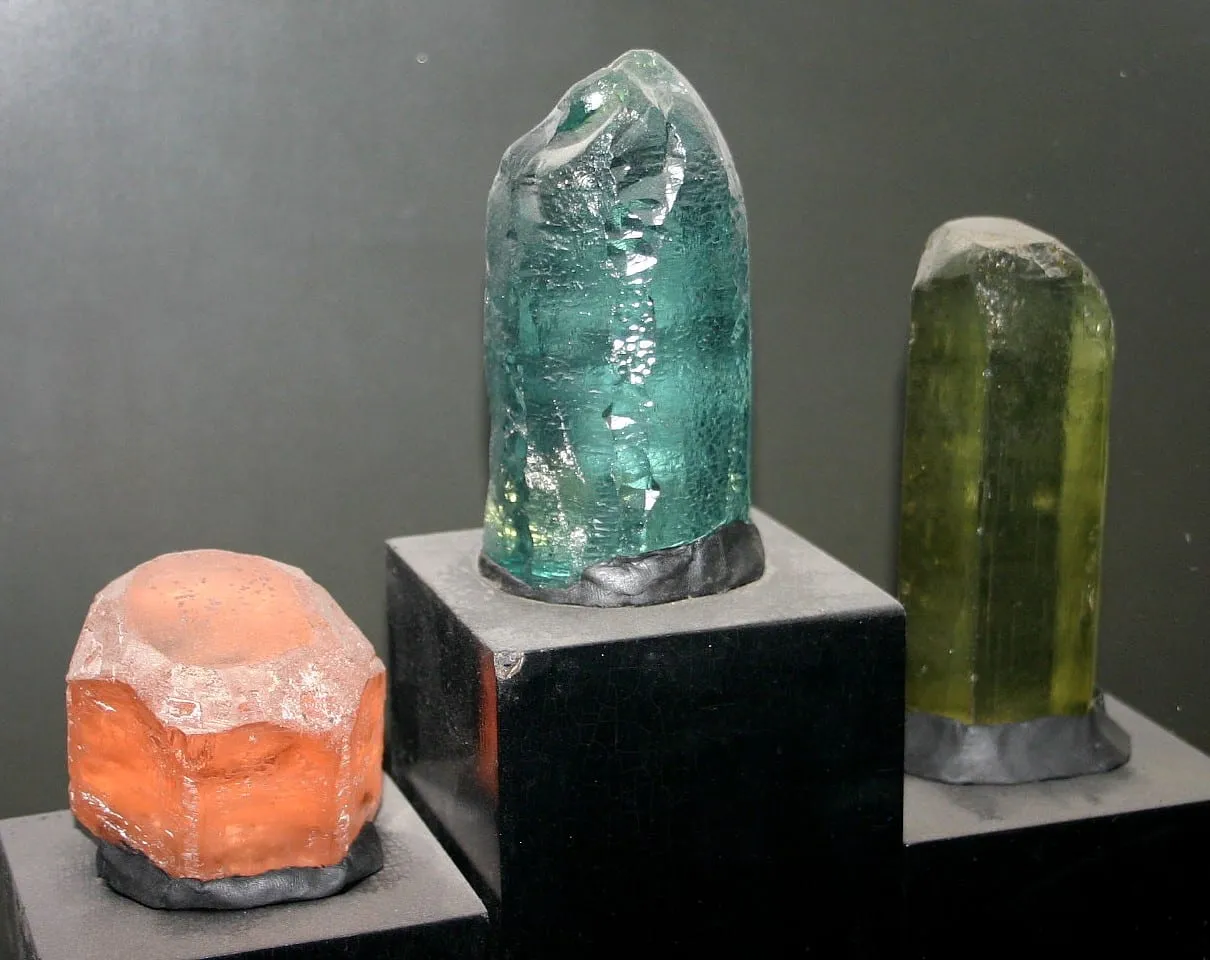
Beryl

  • The medieval writer Arnoldus Saxo (13th century) records the belief that beryl made its wearer unconquerable by enemies in battle and in lawsuits, quickened the intellect and cured laziness.
  • Konrad von Megenberg’s 14th-century “Book of Nature” claims that beryl reawakens the love of married couples.
  • Fortune-tellers who claimed to see the future by gazing into crystals often preferred polished spheres of beryl to rock crystal, believing beryl showed more “visions”.
  • In Türkiye, stone sites and some news sites say that beryl, especially blue-green beryl, brings calm, strengthens communication and improves performance if carried before an oral exam.
  • The same sources claim that beryl is in tune with the throat chakra and supports thyroid problems.

What science says There is no scientific evidence that beryl has any of these powers, improves exam results, is in tune with a chakra or helps with thyroid problems; a doctor should be consulted for thyroid complaints. The “visions” seen by someone staring at a shiny sphere for a long time come not from the stone but from the viewer’s own mind.

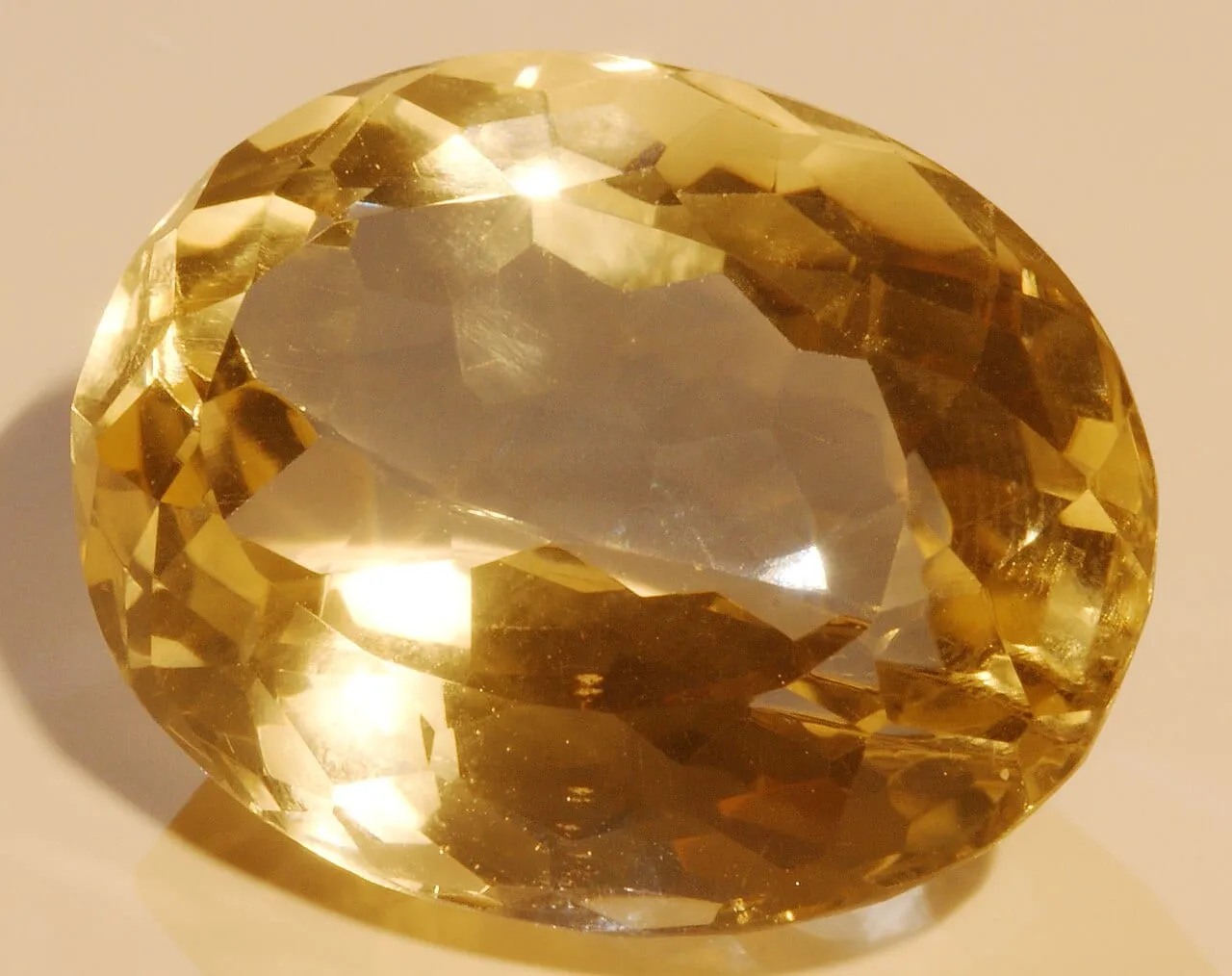
Citrine

  • Citrine was once believed to share the powers of topaz, with which it was long confused, and to soothe anger and calm the wearer.
  • Today crystal-healing practitioners claim that citrine brings abundance, success and money; some shopkeepers keep it in the till, and it is nicknamed the “merchant’s stone”.
  • The same circles claim that citrine does not hold on to negative energy and therefore never needs “cleansing”.
  • Some news and crystal-therapy websites in Türkiye claim that citrine helps internal organs such as the heart, liver, kidneys and digestive system, as well as headaches and muscle pain, and makes it easier to give up bad habits and addictions.
  • The same sites claim that citrine protects against the radiation given off by electronic devices, drives out fears and gives courage, prevents nightmares when placed under a child’s pillow, and balances the energy of the home.

What science says There is no scientific evidence that citrine calms people, brings abundance or money, helps internal organs, protects against radiation or prevents nightmares; for a lasting complaint, see a doctor rather than relying on a stone. Moreover, most stones sold as citrine are amethyst heated in a furnace, so the “sunny colour” these beliefs rest on is usually man-made.

Fluorite

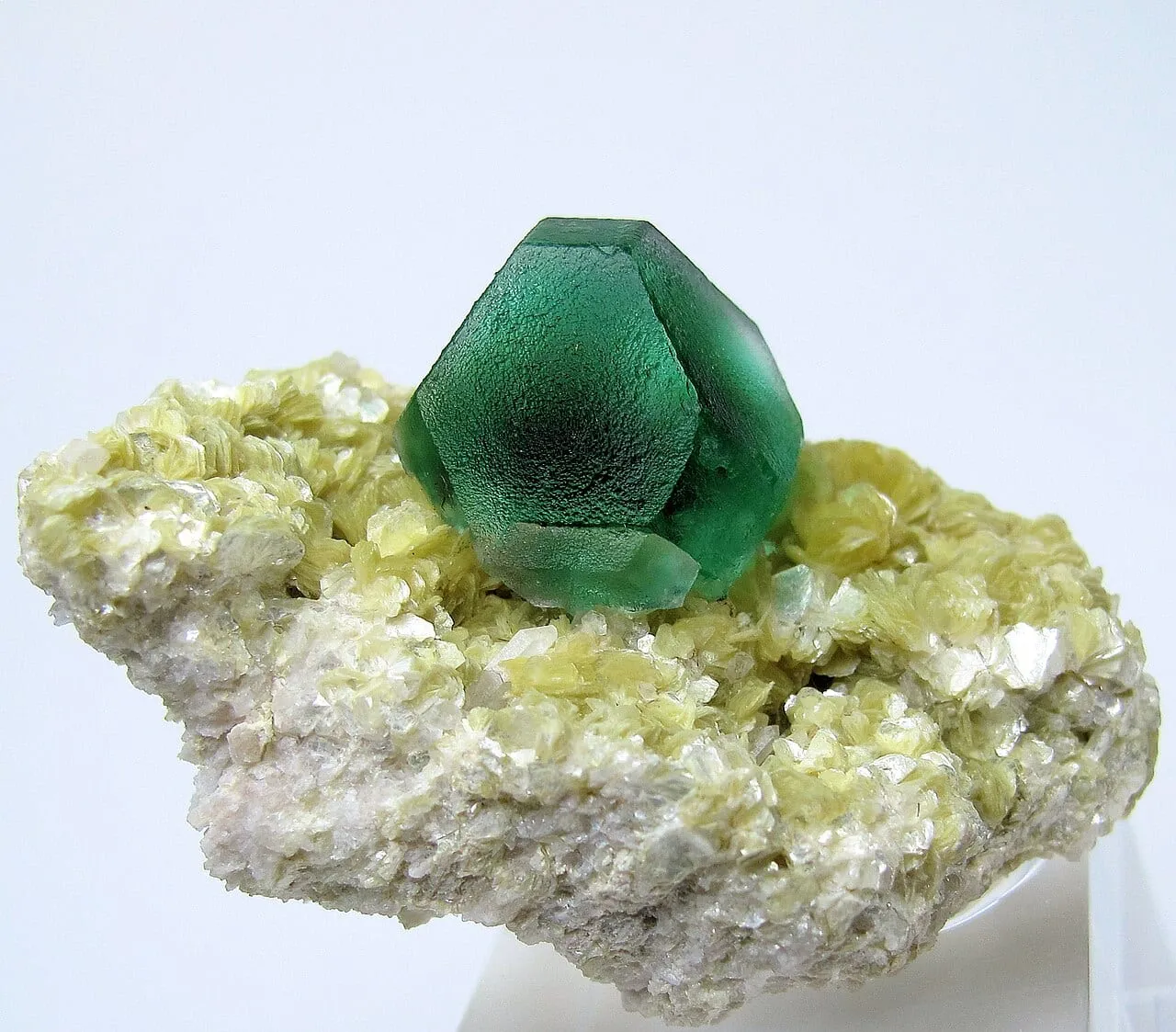
  • Today crystal therapy practitioners claim that fluorite clears the mind and helps concentration and learning.
  • In Turkey, stone sellers and crystal therapy websites claim that fluorite strengthens immunity, raises resistance to infection and, thanks to its fluorine, strengthens bones and teeth.
  • The same websites say fluorite opens the “crown” and “third eye” chakras and absorbs negative energy from its surroundings.

What science says There is no scientific evidence that fluorite improves attention or learning. The fluorine in the stone is tightly bound in the crystal as calcium fluoride; carrying or touching fluorite does not strengthen immunity, bones or teeth, and the “chakra” and “energy absorbing” claims cannot be measured. Putting the stone in water and drinking it is not advisable: fluorite dissolves slightly and releases fluoride, and in veins it is often found together with lead-bearing minerals such as galena.

Garnet

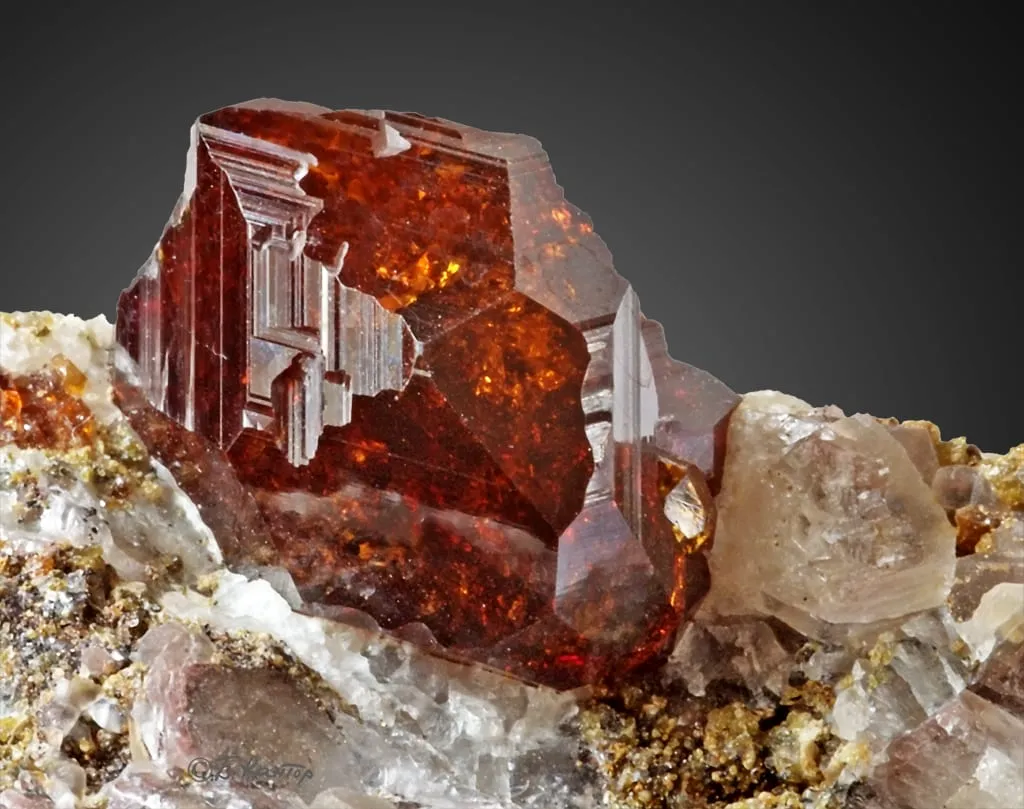
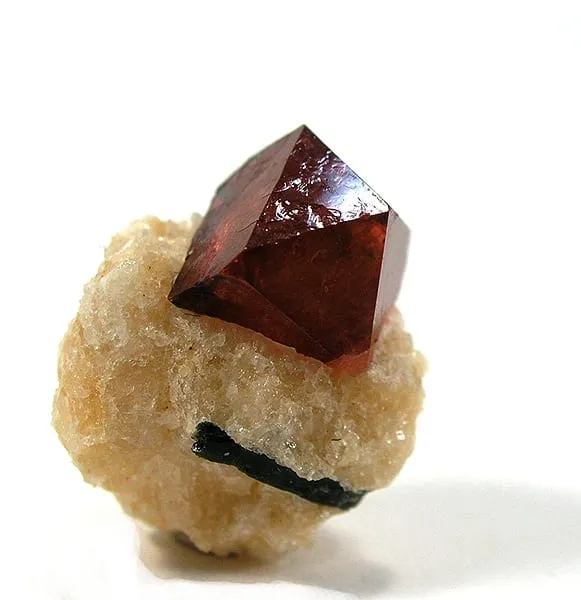
  • Red stones such as garnet, whose colour recalls blood, were believed to protect the wearer from wounds.
  • In the Middle Ages, the red stones called “carbuncles” (garnet and ruby) were believed to shine in the dark with their own light.
  • Garnet, the birthstone of January, is believed to bring constancy and friendship to those born in that month.
  • In Turkey, stone sellers and some news websites write that garnet gives energy, eases stress and pain, and helps heart conditions and hormone balance.
  • The same sources say garnet strengthens memory, helps in exams and gives self-confidence.

What science says Garnet does not shine with its own light; it only reflects the light that falls on it, and tales of “carbuncles glowing in the dark” are legend. There is no evidence that garnet protects against wounds, brings constancy, or helps the heart, hormones or memory; someone with a heart condition should not leave treatment to a stone.

Labradorite

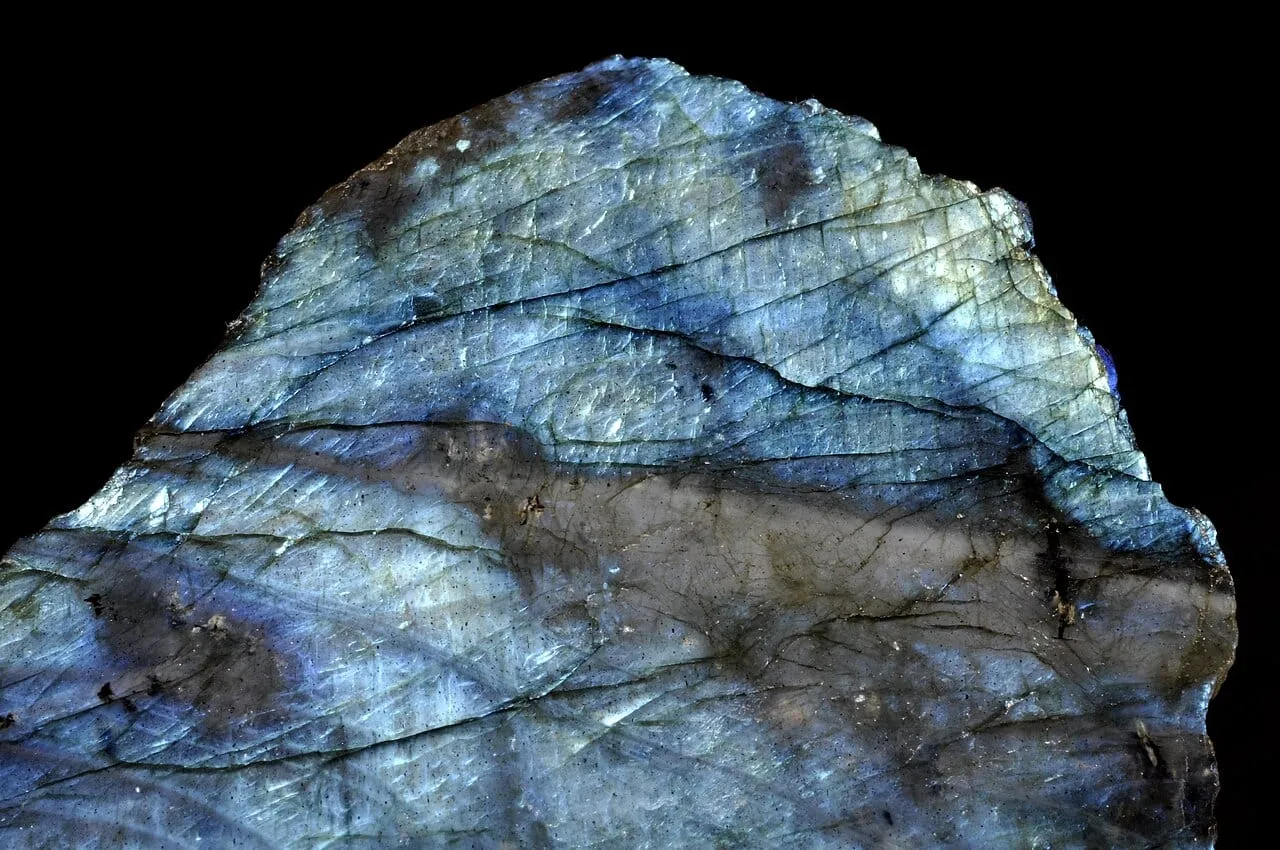
  • Modern crystal-therapy sources claim that labradorite “protects the aura”, strengthens intuition and offers support through times of change.
  • In Türkiye, some lifestyle websites and crystal-therapy sources claim that labradorite helps eyesight and night vision, joint pain, rheumatism and high blood pressure.
  • The same sources say labradorite calms the mind, reduces anxiety and stress, and boosts self-confidence.

What science says Labradorite's mysterious-looking flash is a physical effect: light interfering in extremely thin feldspar layers inside the stone. There is no scientific evidence that it strengthens intuition or protects anyone. The claimed benefits for eyes, joints or blood pressure are equally unproven; trusting the stone and putting off a visit to the doctor is the real risk.

Malachite

  • According to an old belief, malachite was a talisman especially suited to children: a piece tied to the cradle was thought to keep evil spirits away and let the baby sleep soundly.
  • In parts of Italy, malachite with eye-like markings was set in silver and carried as a “peacock stone” against the evil eye.
  • In some parts of Germany, malachite was believed to protect its wearer from falling and to warn of approaching disaster by breaking into pieces.
  • Modern crystal-therapy sources claim that malachite absorbs negative energy and the “radiation” from electronic devices.
  • In Türkiye, some lifestyle websites and crystal-therapy sources claim that malachite eases pain, muscle spasms, rheumatism, migraine, dizziness, and car and sea sickness.
  • The same sources say malachite calms the person, helps sleep, drives away feelings of guilt and fear and strengthens memory; it is also called the “joy stone”.

What science says Malachite is a copper mineral: do not put it in water to make “gem water” or an “elixir”, never soak it in acidic drinks such as lemon water or vinegar, and do not put it in your mouth; acid dissolves malachite and releases copper into the liquid. There is no evidence that malachite absorbs electromagnetic waves from devices, and the claims that it relieves pain or migraine, cures insomnia or improves memory are equally unproven.

Moonstone

  • In Hindu mythology moonstone is believed to be made of solidified moonbeams; in India it is considered sacred and is believed to bring good fortune.
  • According to an old belief, lovers who held a moonstone in their mouths at full moon could see their future.
  • Modern crystal-therapy sources claim that moonstone supports women's health, fertility and emotional balance.
  • In Türkiye, some lifestyle websites and crystal-therapy sources say moonstone brings restful sleep, prevents nightmares and sleepwalking, and helps you remember dreams.
  • The same sources claim that moonstone balances oestrogen, regulates the menstrual cycle, eases menopause complaints, makes childbirth easier and helps sudden cramps.

What science says Moonstone's glow comes from light scattering in thin feldspar layers inside the stone; it has nothing to do with the Moon or its phases. There is no evidence that moonstone affects fertility or hormone balance. The same goes for sleep, nightmares and dream recall. Problems such as irregular periods, menopause complaints, childbirth or difficulty conceiving call for a doctor.

Onyx

  • In the Middle Ages and in Arabic tradition onyx was believed to bring sadness, frightening dreams and quarrels; its Arabic name was also said to mean “sadness”.
  • In India, onyx worn around the neck was reportedly believed to cool the passions of love, and onyx was accordingly thought to drive lovers apart.
  • In Türkiye, stone sellers and crystal-therapy websites claim that onyx eases pain and migraine, speeds up the healing of broken bones, strengthens immunity and helps sleep, and reduces stress and depression.
  • The same websites say onyx protects against the evil eye and negative energy, gives confidence and patience and brings balance to relationships, the opposite of the bad-luck belief in the old sources.

What science says There is no basis for the idea that onyx brings bad luck or affects the emotions; the belief may have arisen from the stark contrast between its black and white layers. Onyx is a chemically resistant member of the quartz family with no known toxicity. There is also no evidence that it affects pain, migraine, immunity or the healing of a fracture; broken bones and lasting pain need a doctor.

Rose quartz

  • Today crystal healing practitioners present rose quartz as the “love stone”, claiming that it attracts love, soothes hurt feelings and helps people love themselves.
  • Face rollers and gua sha stones made of rose quartz are claimed to rejuvenate the skin and reduce wrinkles.
  • In Turkey, stone sellers and crystal-therapy websites claim that rose quartz opens the heart chakra and is good for the heart and blood circulation.

What science says Rose quartz is ordinary quartz coloured by microscopic fibrous inclusions; no scientific study shows that it affects emotions or relationships. Any short-lived relief a face massage brings comes from the massage itself, not from the kind of stone. No study shows that rose quartz helps the heart, circulation or any other organ either; heart and vascular disease belong in a doctor's hands.

Smoky quartz

  • Today crystal healing practitioners claim that smoky quartz absorbs “negative energy”, “grounds” people and eases stress, and protects against radiation from electronic devices.
  • In Türkiye, stone sellers and crystal-therapy websites claim that smoky quartz eases depression and fear, balances the root chakra and helps back and kidney pain.

What science says The colour of smoky quartz is a trace left by natural radiation the crystal was exposed to over millions of years; it does not mean that the stone absorbs radiation around it or waves from devices. No measurement has shown that it gives any such protection. Depression and lasting pain are medical problems: a stone does not treat them, and anyone with such complaints should see a doctor.

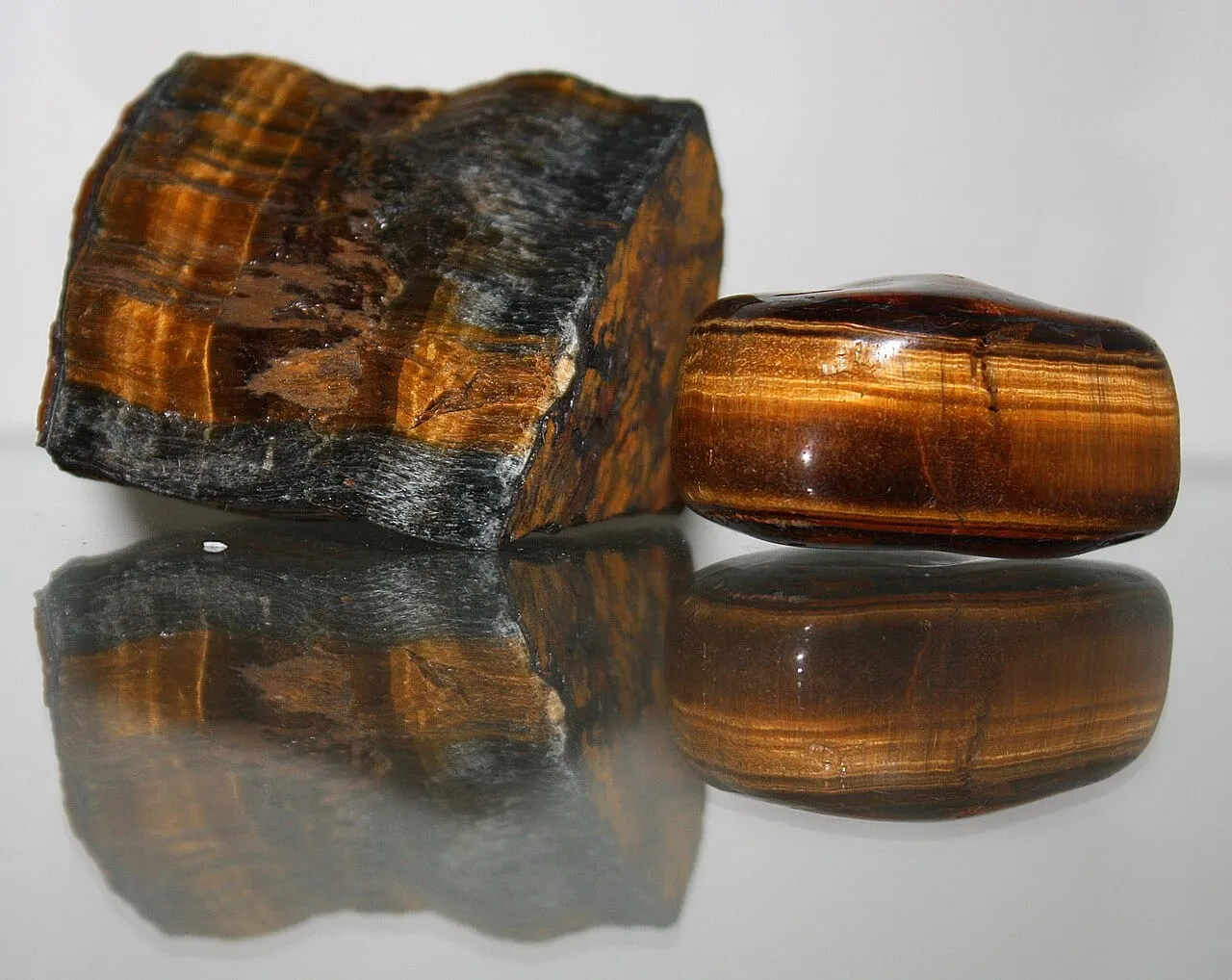
Tiger's eye

  • Because its band of light resembles an eye, tiger's eye, like other cat's-eye stones, is believed to protect against the evil eye.
  • Today crystal healing practitioners claim that tiger's eye gives self-confidence and courage and strengthens determination.
  • In Türkiye, stone sellers and crystal-therapy websites claim that tiger's eye improves focus, makes decisions easier and acts as a shield against negative energies.
  • The same sources say that tiger's eye helps headaches, migraines and stomach and digestive problems, and prevents children’s nightmares.

What science says The eye-like shimmer of tiger's eye is a physical effect caused by parallel fibres reflecting light; there is no evidence that the stone has any protective power. Rough tiger's eye contains asbestos fibres, so it should not be cut or sanded at home. The stone has not been shown to relieve headaches, migraines or digestive problems; lasting complaints call for a doctor.

Zircon

  • In medieval Europe, the yellowish-red stone called “jacinth” (hyacinth), an old name for zircon, was believed to protect travellers against the plague and injury and to ensure them a warm welcome at the inns they visited.
  • The same stone was also believed to protect its wearer from lightning and to bring sleep; in the 16th century the Italian physician Gerolamo Cardano wrote that the jacinth he wore “seemed to dispose somewhat to sleep”.
  • According to medieval accounts quoted by Kunz, the jacinth increased its owner’s riches and gave him prudence in conducting his affairs; it was also believed to grow pale and dull if its wearer or anyone near him fell ill with the plague.

What science says The names “jacinth” and “hyacinth” in old texts do not always mean zircon; they were also used for other stones such as sapphire and garnet. There is no evidence that zircon protects against lightning, epidemics or sleeplessness, or brings riches or prudence.

Amber

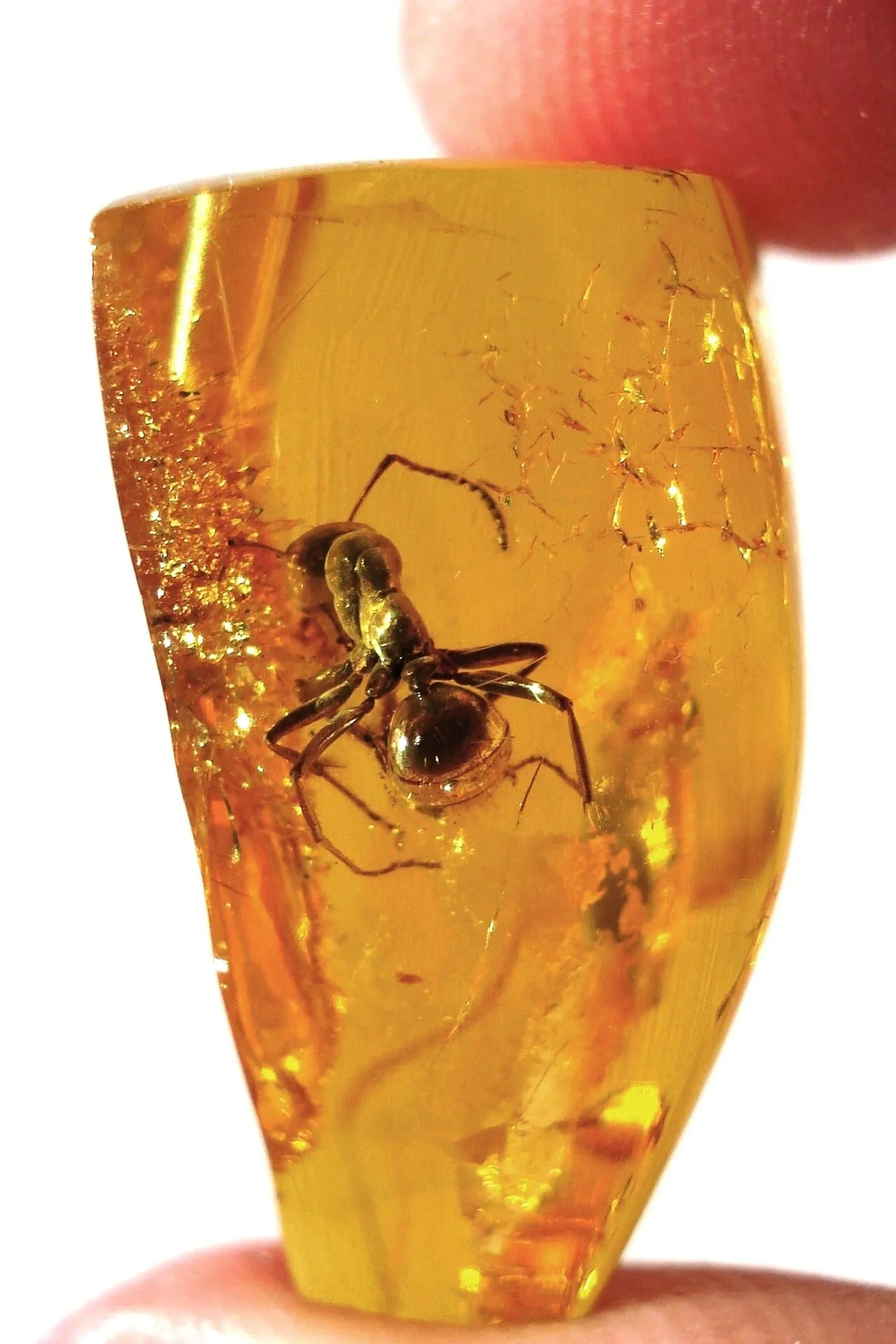
  • The Roman writer Pliny (1st century AD) reports that peasant women in northern Italy wore amber necklaces both as ornaments and because amber was believed to be good for disorders of the throat and tonsils.
  • According to Pliny, amber was also believed to benefit babies when hung on them as an amulet.
  • Today some sellers and parents believe that teething necklaces made of Baltic amber release succinic acid into the skin and ease babies’ teething pain.
  • In Türkiye, stone sellers and crystal-therapy sites claim that an amber necklace worn at the neck helps with goitre, thyroid inflammation, asthma and bronchitis.
  • In Türkiye, sellers of amber prayer beads and jewellery say that amber gives off “negative ions” when it touches the skin and soothes stress and anxiety.

What science says A laboratory study published in 2019 showed that amber beads do not release succinic acid at body temperature in amounts that could be absorbed through the skin, and that succinic acid has no anti-inflammatory effect at such levels. Teething necklaces, meanwhile, carry serious risks of choking and strangulation for babies; the FDA recommends not using them. There is likewise no evidence that amber cures goitre, thyroid disease, asthma or bronchitis; delaying treatment for these conditions can make them worse, so a doctor should be consulted. There is no measurable evidence either that amber gives off “negative ions”.

Aquamarine

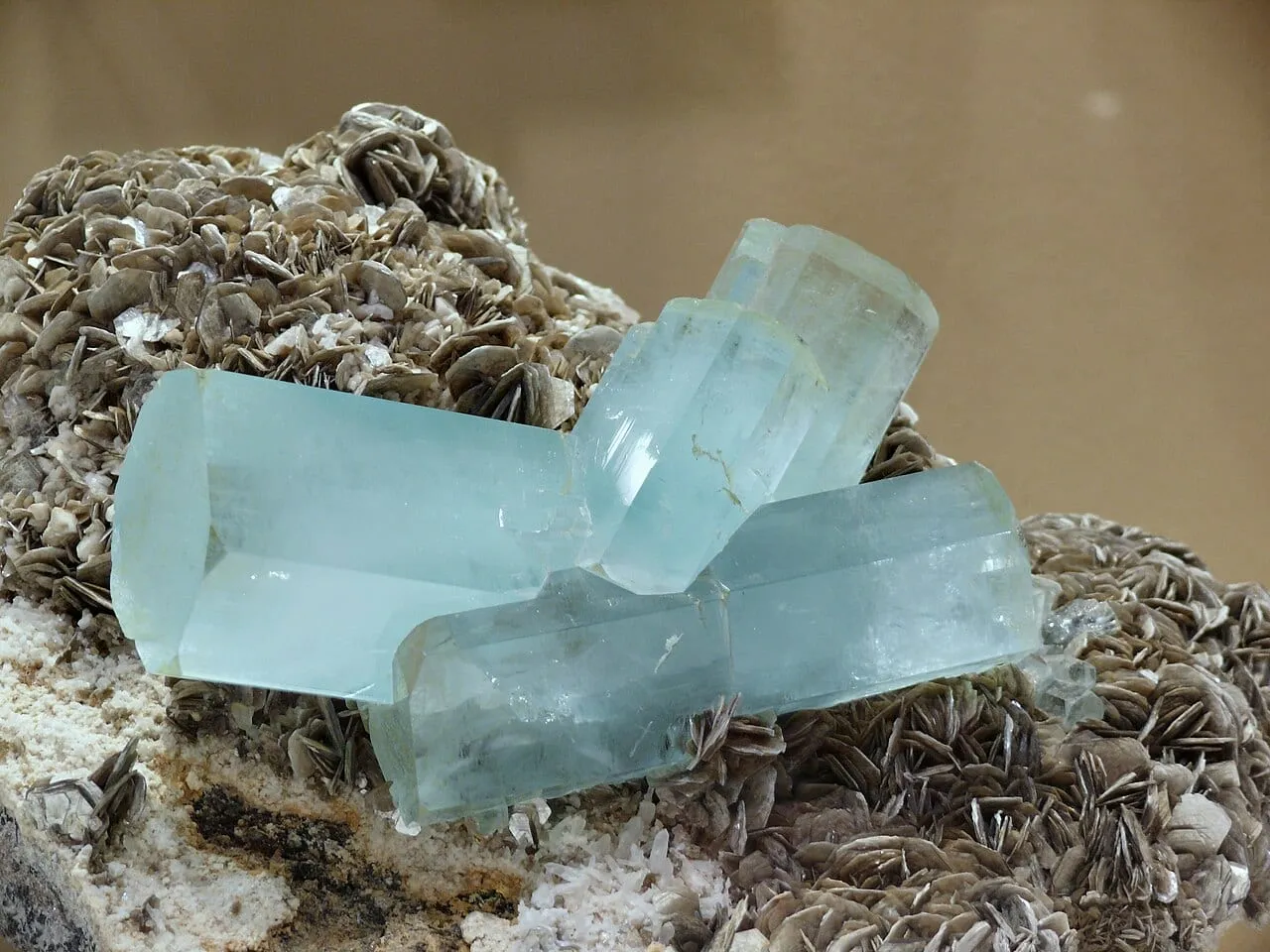
  • A Greek lapidary thought to date from the 3rd or 4th century AD records the belief that a sea-green beryl (most likely aquamarine), set in one of the amulets worn by sailors, banished fear.
  • Today crystal-therapy practitioners claim that aquamarine is calming and makes it easier to express oneself.
  • In Türkiye, crystal-therapy sites and some news sites say that aquamarine is in tune with the throat chakra and helps with thyroid problems and sore throats.
  • The same sources treat aquamarine as a symbol of fidelity and trust in relationships and recommend it as an engagement or anniversary gift for a happy marriage.

What science says These beliefs draw largely on the stone’s seawater colour and its name; there is no scientific evidence that aquamarine reduces fear or anxiety, helps with throat or thyroid complaints or strengthens a chakra; a doctor should be consulted if a sore throat or thyroid symptoms persist. Its role as a symbol of fidelity comes from the tradition of giving gifts, not from the stone.

Coral

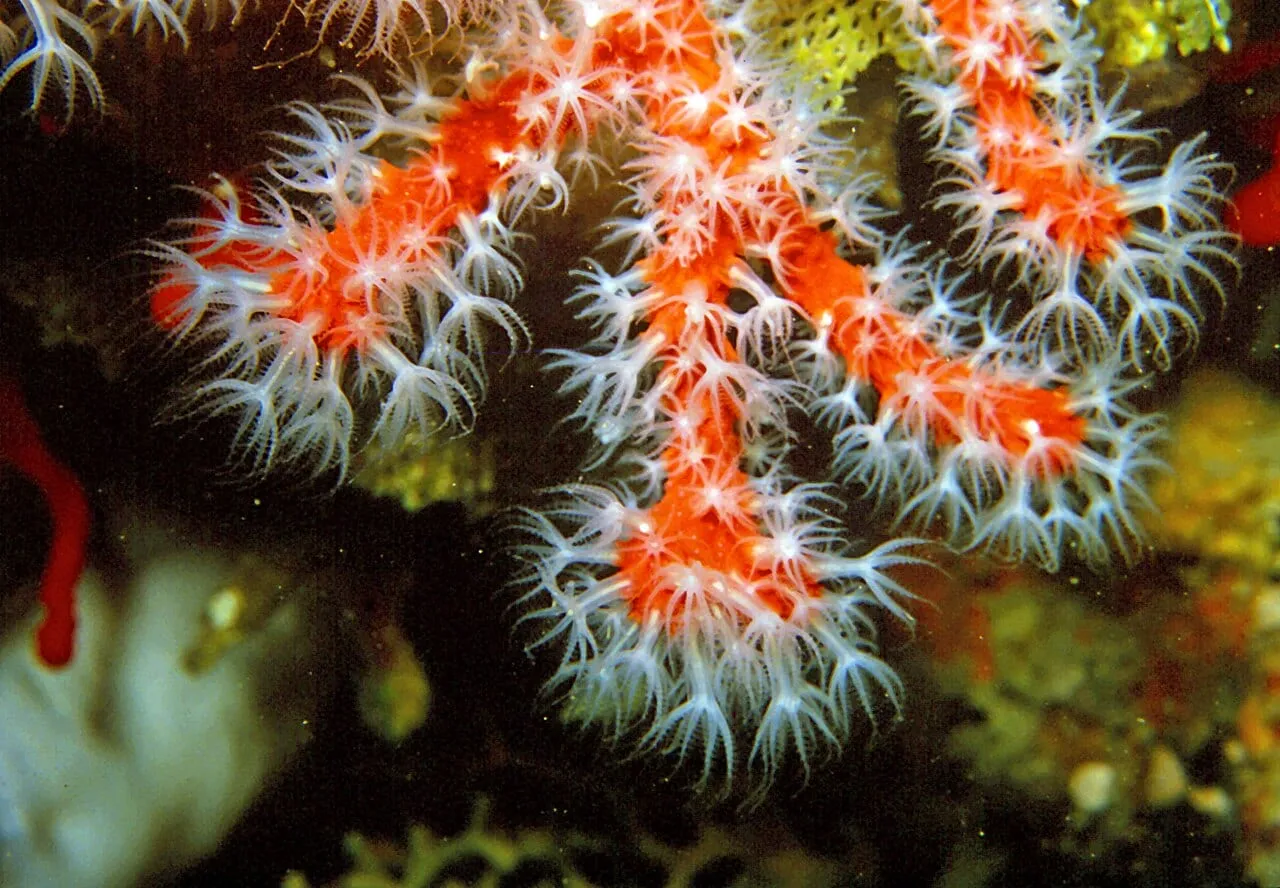
  • In ancient Rome, branches of coral hung around children’s necks were believed to protect them from dangers from outside.
  • In Italy, red coral is believed to protect against the evil eye and spells; for this it was thought that the coral should be unworked and worn where it would be clearly seen.
  • In medieval and Renaissance Europe, red coral was believed to turn pale when its wearer fell ill or was about to.
  • Some news and stone-selling websites in Türkiye claim that coral eases anxiety, strengthens love and communication, activates life energy and protects against bad energy.

What science says Coral does not change colour with the wearer’s health; its red and pink colours come from carotenoid pigments in the skeleton. Being calcite, coral can lose its polish through contact with acids and cosmetics, and there is no scientific evidence that it protects against the evil eye or danger, eases anxiety or boosts love and energy.

Jade

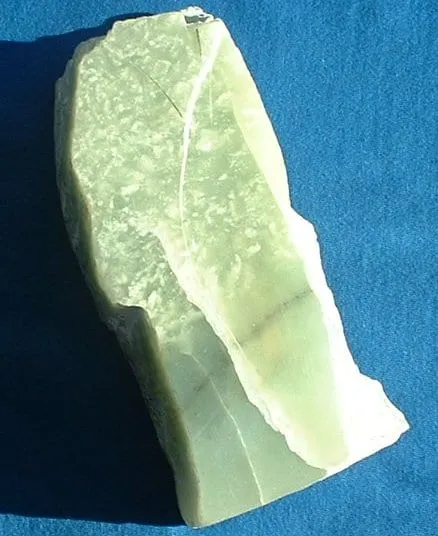
  • In the 16th century the Spaniards reported to Europe that the peoples of Central America used jade against pains in the side and kidneys; the names “jade” (from the Spanish piedra de ijada, “stone of the side”) and “nephrite” (from the Greek nephros, “kidney”) come from this belief.
  • In China, carrying jade and handling it was believed to pass the stone’s virtue into the body; padlock-shaped jade amulets hung around children’s necks were thought to protect them from illness.
  • In ancient China, tomb jades such as the “mouth jade” placed in the mouths of the dead were believed to protect the deceased.
  • Today jade rollers used for facial massage are claimed to firm and rejuvenate the skin.
  • In Turkey some newspapers and news websites write that jade has beneficial effects on the kidneys (citing Chinese medicine), brings physical balance and increases patience and tolerance.

What science says There is no scientific evidence that jade cures kidney disease, rejuvenates the skin, gives physical balance or increases patience, and someone with kidney trouble should not leave treatment to a stone. According to Kunz, the Spaniards who spread the kidney belief in Europe may even have invented it to raise the value of the stone. The brief cooling effect of a roller massage can be had from any cold, smooth surface, and some rollers sold as “jade” are not real jade at all.

Lapis lazuli

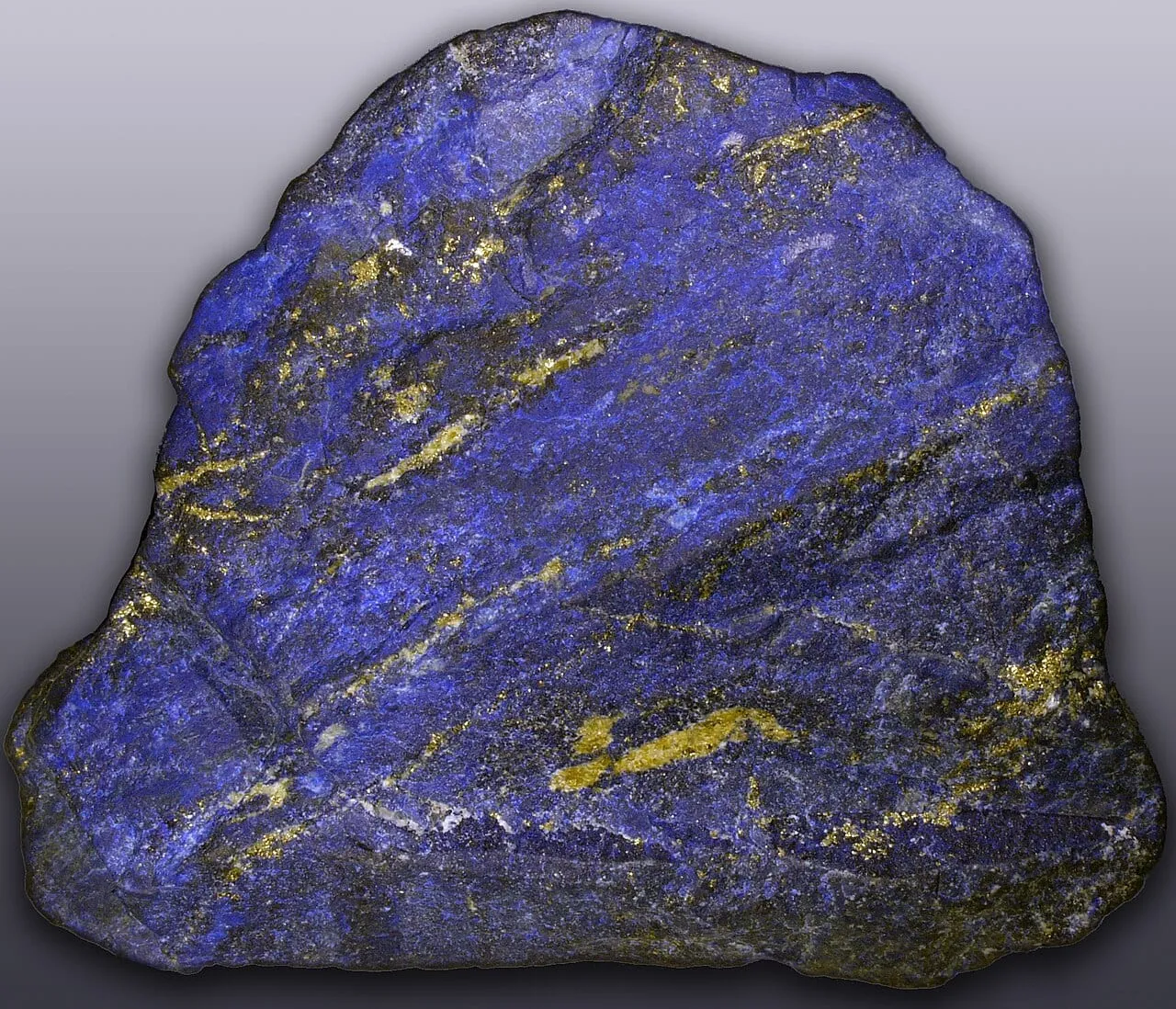
  • In ancient Egypt, amulets believed to protect the heart were made of lapis lazuli and engraved with particular chapters of the Book of the Dead; lapis amulets in the form of an eye, decorated with gold, were also thought to be very powerful.
  • Old books on stones held that lapis cured melancholy and fevers that returned every few days.
  • Modern crystal-therapy sources claim that lapis is linked to the “throat chakra” and strengthens communication and wisdom.
  • In Türkiye, some lifestyle websites and crystal-therapy sources claim that lapis lazuli strengthens memory and brings mental clarity for better decisions.
  • The same sources say lapis reduces stress, boosts self-confidence, helps kidney and bone pain and, when carried against the skin, helps anxiety-related insomnia.

What science says There is no scientific evidence that lapis has any effect on melancholy, fevers, communication, memory, kidney and bone pain, stress or insomnia. Lasting anxiety or sleeplessness is a medical problem; do not put off seeing a doctor because of a stone. Because some lapis on the market is dyed, the dye can leach out when the stone is left in water; do not make “gem water” with it, and do not put the stone or its powder in your mouth.

Meerschaum

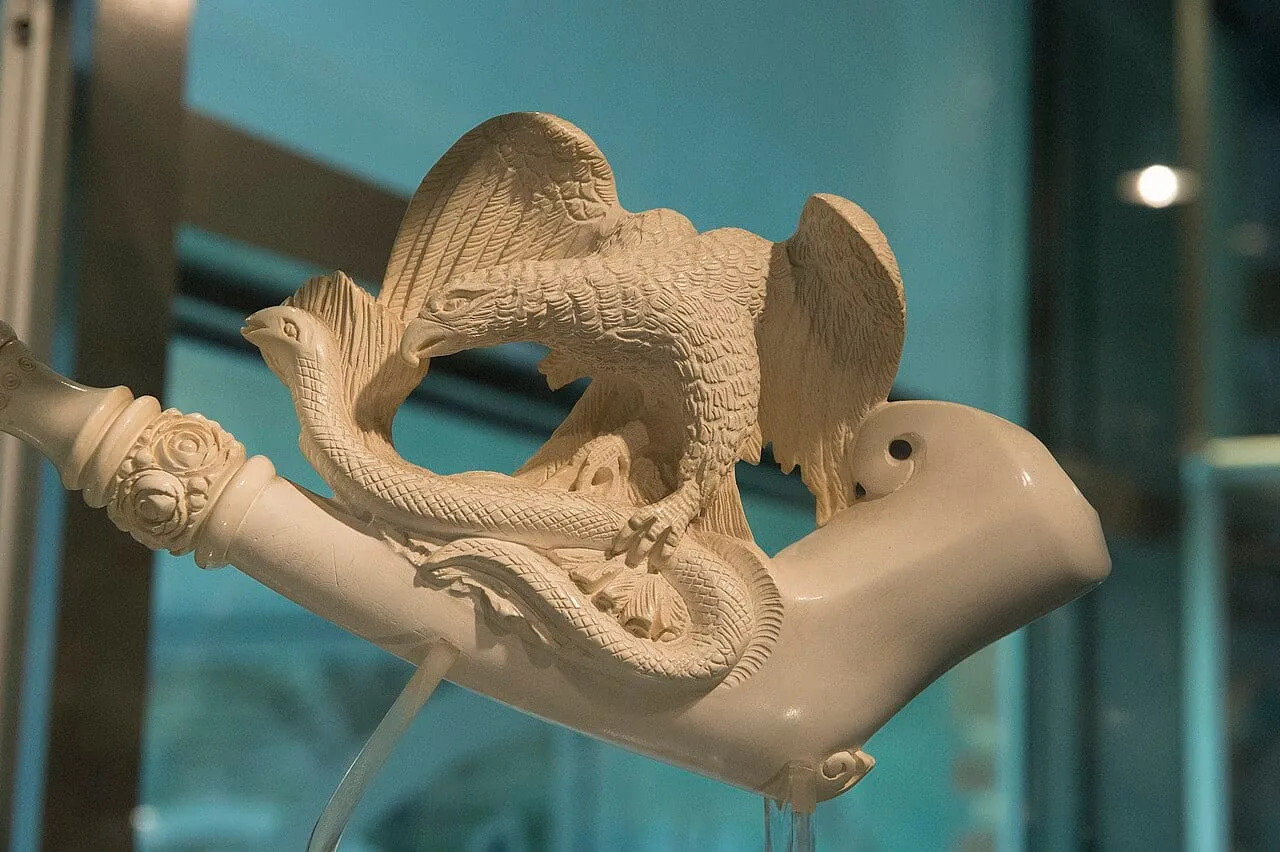
  • Some meerschaum craftsmen in Eskişehir say that meerschaum powder stirred into tea or water, or eaten, helps stomach complaints and headaches.
  • Some meerschaum craftsmen claim that the stone “absorbs” toxins, radiation and the heavy metals of exhaust and cigarette smoke, and strengthens immunity and memory.

What science says No study supports these claims, and neither the benefit nor the safety of drinking or eating meerschaum powder has been shown. Eating clay and soil, on the other hand, is known to carry risks such as heavy metals like lead and arsenic, and parasites. The stone's porous structure soaks up moisture and nicotine, which makes it a good pipe material, but that does not mean it “purifies” the body.

Oltu stone

  • In Türkiye, people who tell Oltu stone prayer beads are believed to discharge the static electricity built up in their bodies and so get rid of stress.
  • In Roman times jet was used in amulets and pendants believed to protect against the evil eye.
  • The Roman writer Pliny wrote that the smoke of burning jet drove snakes away.
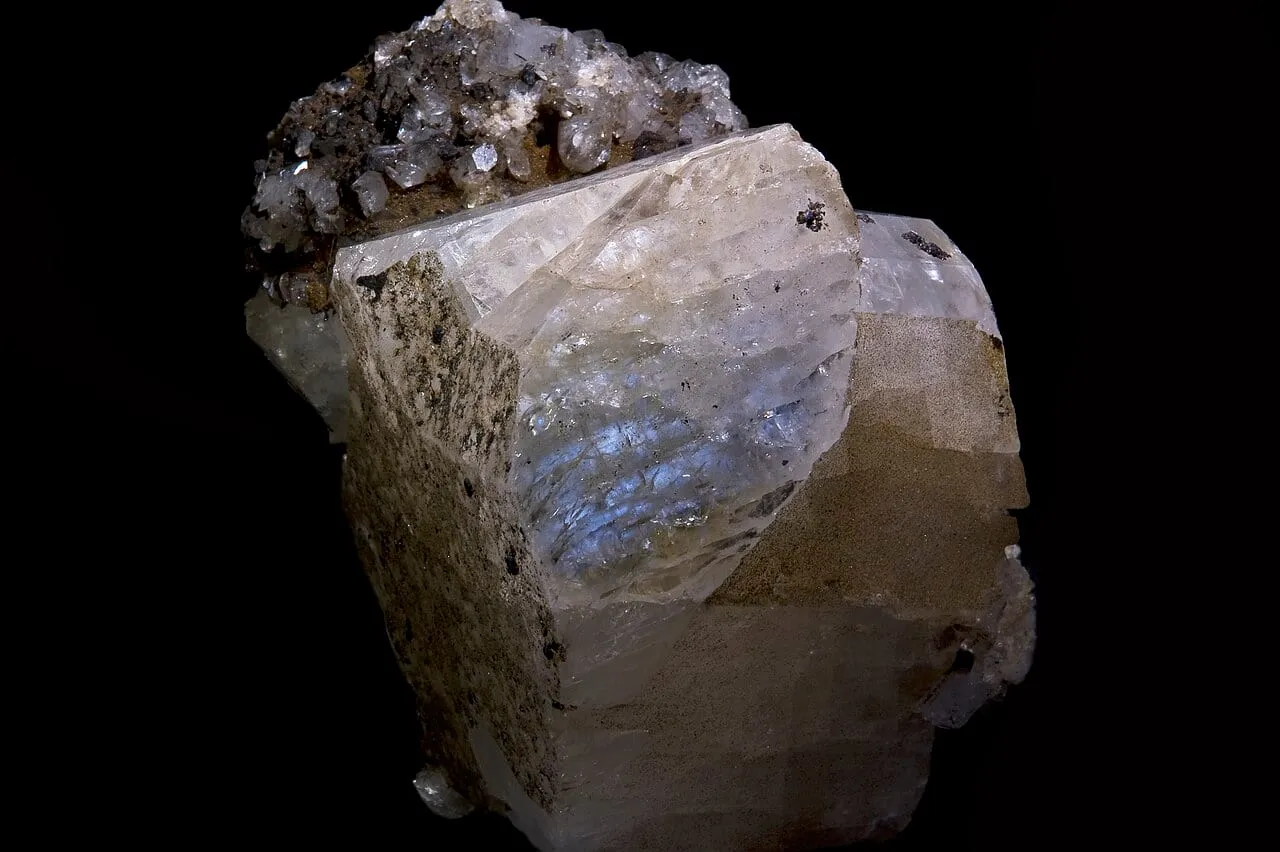
  • In Türkiye, stone sellers and some lifestyle websites say that Oltu stone reduces stress and anger, eases symptoms of depression, gives confidence and courage, and helps forgetfulness.
  • The same sources claim that the stone helps migraine, throat and thyroid complaints and hair loss, and acts as an “antiseptic” that prevents infections.

What science says Oltu stone is an electrical insulator, which is exactly why it becomes charged when rubbed; it cannot “draw off” static electricity from the body. If telling prayer beads has a calming effect, it does not depend on what the beads are made of. No study shows that Oltu stone helps depression, migraine, the thyroid or infections either; see a doctor for these.

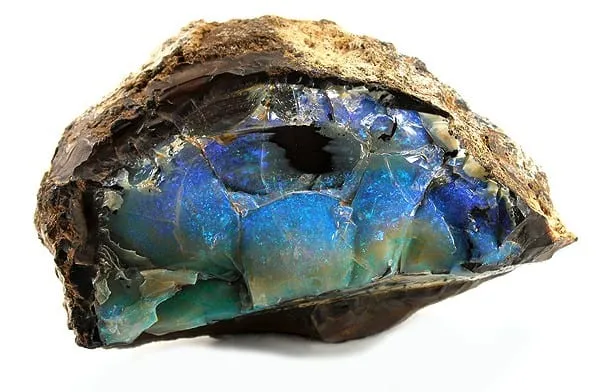
Opal

  • In the Middle Ages opal was believed to cure eye diseases and to make its wearer invisible, which is why it was also called the “patron of thieves”.
  • The ancient Greeks are said to have believed that opal gave its owner the gift of prophecy and guarded them from disease.
  • Modern crystal-therapy sources claim that opal intensifies emotions and boosts creativity.
  • In Türkiye, stone sellers and crystal-therapy websites say that opal helps eyesight, joint pain and kidney complaints, strengthens immunity and flushes heavy metals and poisons out of the body; it is also popularly known there as the “antidote stone”.
  • The same websites claim that opal reduces stress, gives self-confidence and creativity, and instils hope and love.

What science says Opal's colours come from tiny silica spheres diffracting light; there is no evidence that it heals the eyes or protects against disease. Eye complaints call for an eye doctor. The claims that opal helps kidney or joint problems or removes heavy metals and poisons from the body are equally unproven; against real poisoning the stone offers no protection, and medical help must be sought at once. Because some opals absorb water, soaking them to make “gem water” can also damage the stone.

Peridot

  • Old beliefs that linked peridot with light and the sun held that it protected its owner from “terrors of the night”, meaning nightmares and fears, especially when set in gold.
  • According to an old belief, to guard against evil spirits a peridot was pierced, strung on the hair of a donkey and tied to the left arm.
  • Today crystal healing practitioners claim that peridot soothes emotions such as jealousy and anger and brings abundance and good luck.
  • In Turkey, stone sellers and crystal-therapy websites claim that peridot, sold there as “zebercet”, balances the heart chakra, cleanses the body and eases stomach and digestive problems.

What science says There is no scientific evidence that peridot prevents nightmares or affects emotions. According to George F. Kunz, these beliefs grew out of the stone’s association with the sun, which drives away darkness. There is no evidence that peridot helps the stomach, digestion or heart, or that it “cleanses” the body.

Silver

  • A popular belief holds that silver jewellery turning dark is a sign of the evil eye or of an illness in the body.
  • In European folklore silver was believed to protect against evil, and creatures such as werewolves, witches and vampires could only be defeated with silver, for example a silver bullet.
  • Some people drink “colloidal silver” in the belief that it kills germs; such products are claimed to strengthen immunity and cure many illnesses.
  • In Turkey, some news and health websites write that “silver water” is used for complaints such as sinusitis, ear infections, pneumonia, eczema and acne.

What science says Silver tarnish is a chemical reaction with sulfur compounds from the skin and the air (sweat, eggs, cosmetics, polluted air); it has nothing to do with the evil eye or illness. Silver ions really do kill germs and are used in some wound dressings, but drinking colloidal silver has not been shown to cure any disease, and according to the US National Institutes of Health (NIH) long-term use can turn the skin bluish-grey, usually permanently (argyria). Silver water has not been shown to cure sinusitis, pneumonia or skin diseases; taking it by mouth carries a risk of argyria and it does not replace treatment for illness.

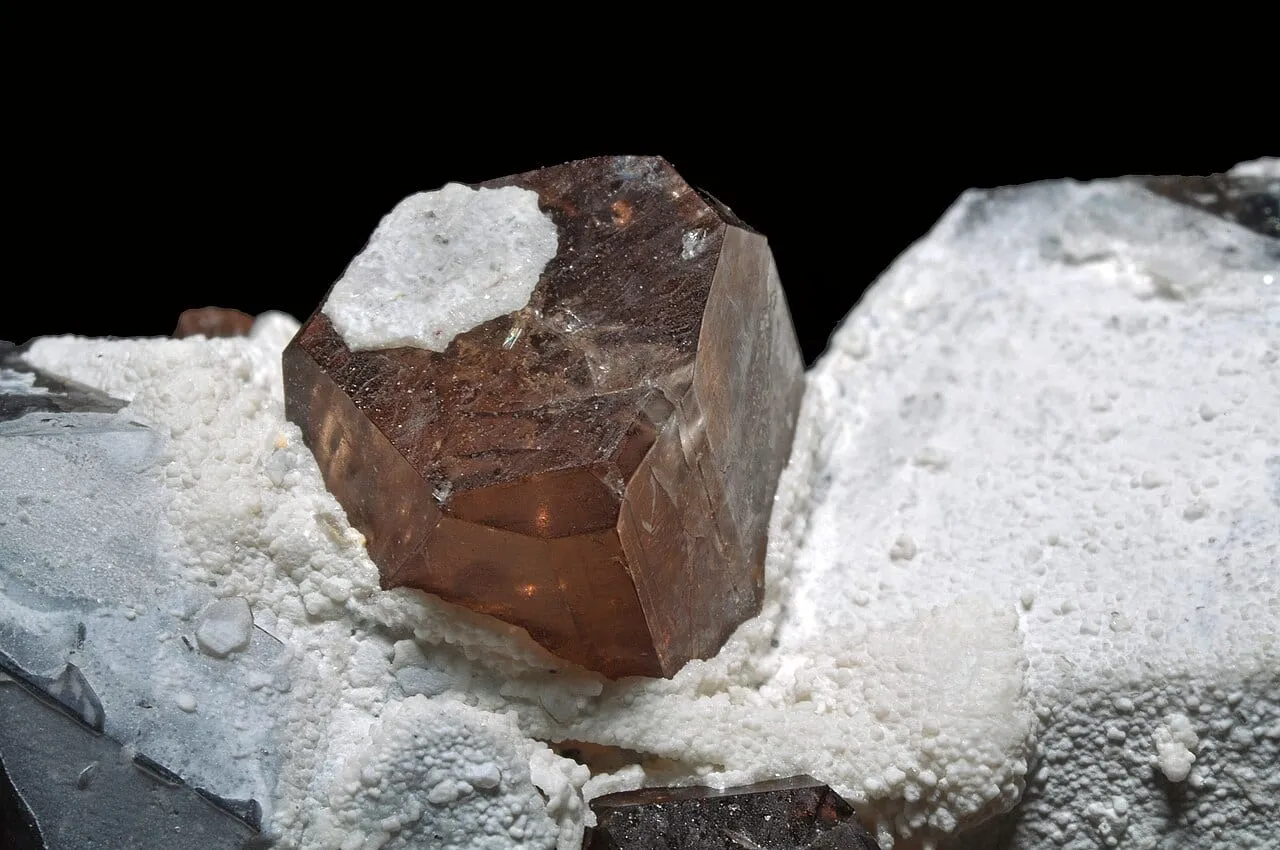
Topaz

  • In the 12th century, Hildegard of Bingen wrote that gently moistening the eyes with a topaz that had been steeped in wine for three days would cure dim vision.
  • In Renaissance Europe people believed that topaz could break magic spells and calm anger.
  • According to GIA, many people in India have long believed that topaz worn above the heart brings long life, beauty and intelligence.
  • In Türkiye, stone sellers and crystal-therapy websites claim that topaz brings luck, plenty and money and strengthens creativity and self-expression.
  • The same sources also say that blue topaz opens the throat chakra, reduces stress and regulates digestion and metabolism.

What science says In old texts the name “topaz” often referred not to today's topaz but to greenish peridot or other yellow stones, so it is unclear which stone these beliefs even belong to. Never put stones, or a liquid a stone has soaked in, on the eyes; anyone with vision problems should see an eye doctor. Topaz has not been shown to bring luck or money or to regulate digestion and metabolism, and it is worth remembering that the colour of most blue topaz on the market is produced by irradiation and heat treatment.

Tourmaline

  • Today crystal healing practitioners claim that black tourmaline (schorl) protects people by absorbing “negative energy” and the waves given off by devices such as mobile phones and Wi-Fi routers.
  • Hair dryers, combs and bracelets containing powdered tourmaline are sold with claims that they give off “negative ions” and infrared rays that are good for health.
  • In Türkiye, stone sellers and crystal-therapy websites claim that tourmaline strengthens circulation and immunity and eases tiredness and stress; those selling tourmaline back and knee bands and bracelets claim that these speed up blood flow and reduce pain.
  • Crystal-therapy websites claim that pink tourmaline (rubellite) opens the heart and increases love and compassion.

What science says The electric charge that builds up at the ends of a heated or squeezed tourmaline crystal is a real physical effect, but it is tiny and quickly dissipates. It has not been shown that a stone “absorbs” phone signals or produces enough negative ions to affect health. Nor has it been shown that tourmaline bands relieve pain or improve circulation, and some “negative ion” products have been measured to contain radioactive material. Lasting pain and circulation problems call for a doctor.

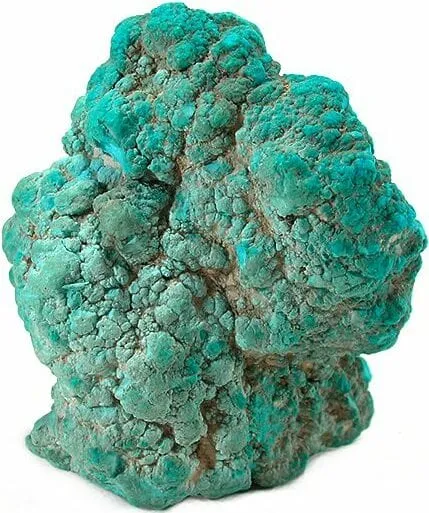
Turquoise

  • In 13th-century European lapidaries, turquoise was believed to protect its wearer from injury in falls, especially from horseback; the Turks are said to have attached these stones to their horses’ bridles.
  • In Anatolia and the Middle East, turquoise is believed to protect against the evil eye, which is why it is worn in rings, earrings and amulets.
  • For a long time Europeans believed that turquoise lost its colour when its owner fell ill or was about to meet misfortune.
  • Today crystal healing practitioners claim that turquoise is protective and strengthens communication.
  • In Türkiye, stone sellers and crystal-therapy websites claim that turquoise brings luck, drives away negative energy, speeds up blood flow and protects against heart disease.

What science says The colour of turquoise changes not with its owner's health or fate but with the sweat, oils and cosmetics that seep into its porous structure, which is why its blue can turn green over time. There is no scientific evidence that the stone has any protective power; nor has turquoise been shown to speed up blood flow or protect against heart disease, and a doctor’s advice should be followed for heart health.

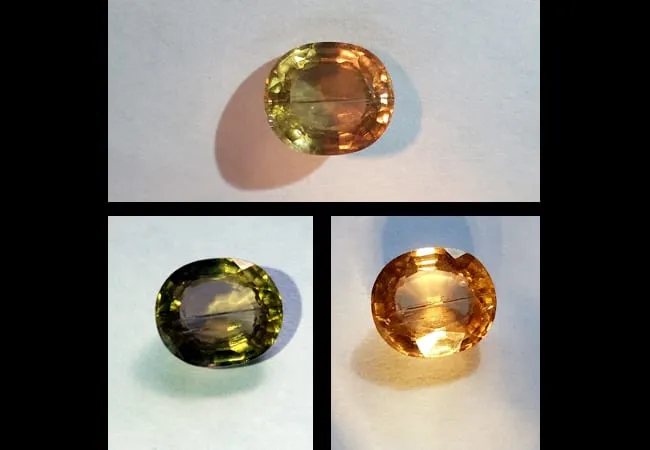
Diaspore

  • In Türkiye, some sellers and websites claim that sultanit relieves muscle tension and pain, clears the mind, eases anxiety and drives away negative energy.

What science says Sultanit’s colour change is a physical effect, caused by the stone transmitting the colours of different light sources in different proportions, and there is no scientific evidence that it affects pain, anxiety or thinking. Moreover, some stones sold as “sultanit” are colour-change glass or synthetic material.

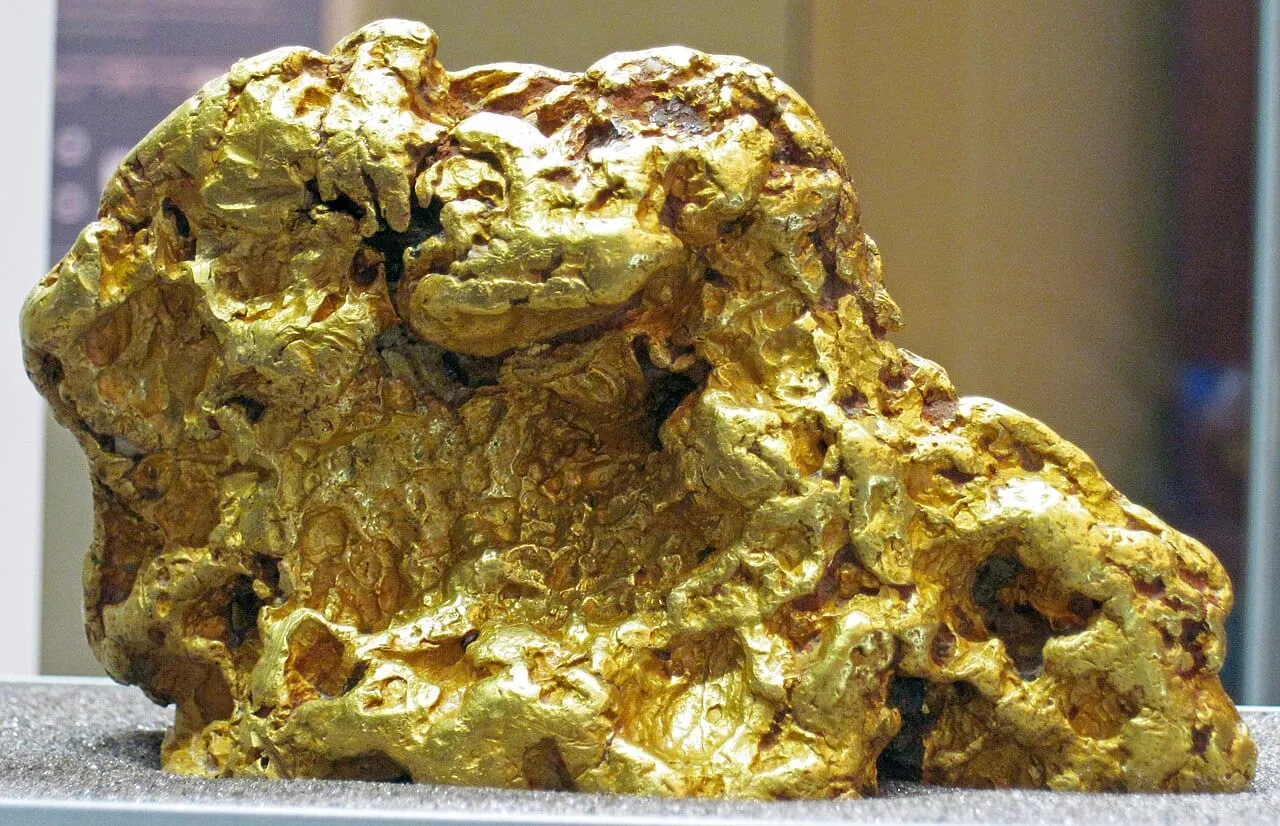
Gold

  • In the Middle Ages and in 17th-century Europe, gold-bearing liquids called “potable gold” (aurum potabile) were believed to cure many diseases.
  • Today gold-leaf face masks and gold-containing creams are claimed to rejuvenate the skin.
  • In Anatolian folk belief gold is a symbol of plenty and good luck: gold is dropped into the “forty water” in which a newborn is washed, alongside wheat and rice, and at the “forty-day send-off” the baby is given money or gold, in the belief that the child will be blessed with plenty and bring good luck.

What science says Gold hardly reacts with the body at all; wearing it as jewellery or using gold cosmetics has no proven benefit for health or skin. Some gold compounds were once used as drugs for rheumatoid arthritis, but that was an injected treatment given under medical supervision and with serious side effects, unrelated to folk remedies such as potable gold. There is no evidence that gold brings plenty either; but as an asset that keeps its value and does not spoil it has real economic meaning, which is where its symbolism of abundance comes from.

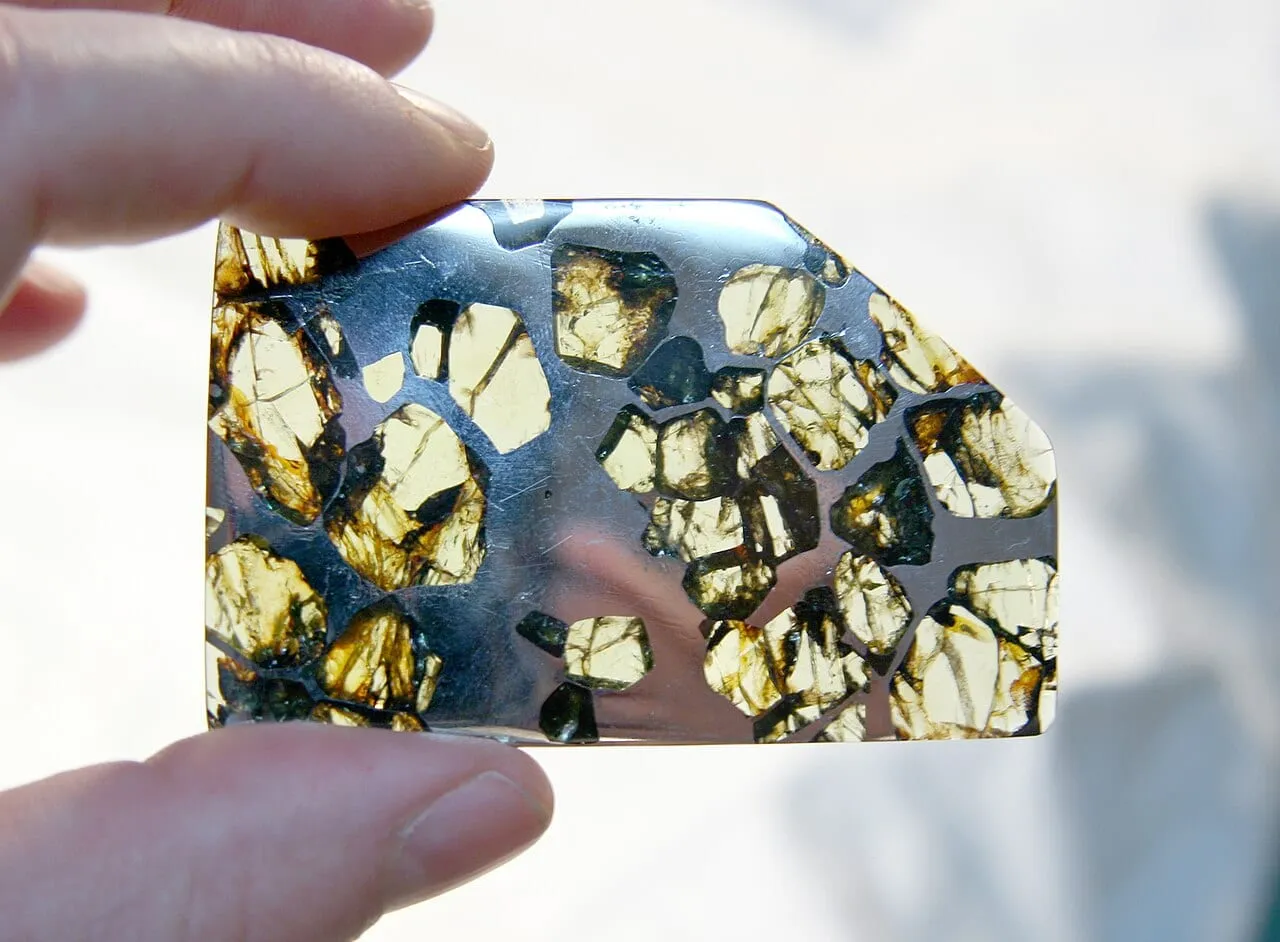
Pallasite

  • In Türkiye, some news sites have run headlines such as “The cure for cancer came from space”, writing that the iridium found in meteorites destroys cancer cells.

What science says The study behind these reports (Universities of Warwick and Sun Yat-sen, Angewandte Chemie, 2017) used organic iridium compounds made in the laboratory, not meteorites, and it is still at the laboratory stage. Iridium is rare on Earth but abundant in meteorites; the headline grew out of that link alone. A meteorite or its powder is not a cancer treatment; see a doctor for cancer.

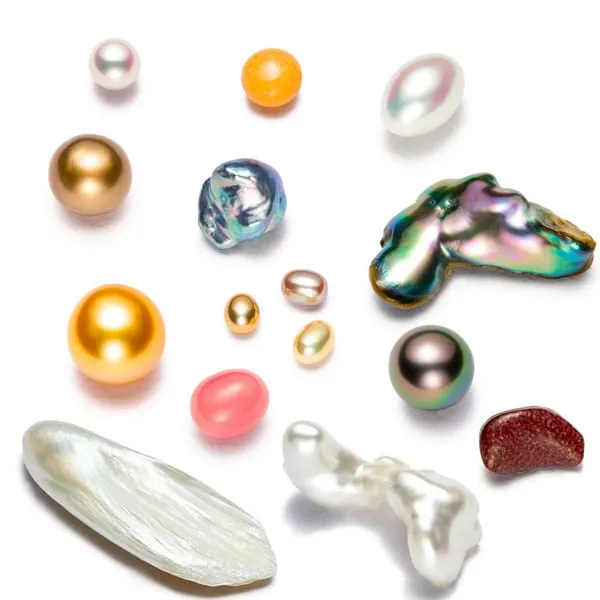
Pearl

  • In traditional Chinese medicine, ground pearl powder is used as a medicine and beauty product and is believed to improve the skin and calm the mind.
  • In Ayurveda, India’s traditional medicine, pearl powder is claimed to stimulate digestion and to treat mental ailments.
  • In some folk beliefs pearls stand for tears, and a bride who wears pearls on her wedding day is believed to bring tears into her marriage.
  • In Turkey, stone sellers and crystal-therapy websites claim that pearl is tied to the moon, brings emotional balance, strengthens the nervous system and reduces stress and anxiety.

What science says Pearl is mostly calcium carbonate, chemically the same substance as chalk and limestone; there is no scientific evidence that pearl powder does anything an ordinary calcium source does not. Nor is there any basis for the belief that pearls bring tears or bad luck. No study supports the sellers' claim that pearl strengthens the nervous system or reduces stress; the good feeling a pearl necklace gives comes from wearing a beautiful object.

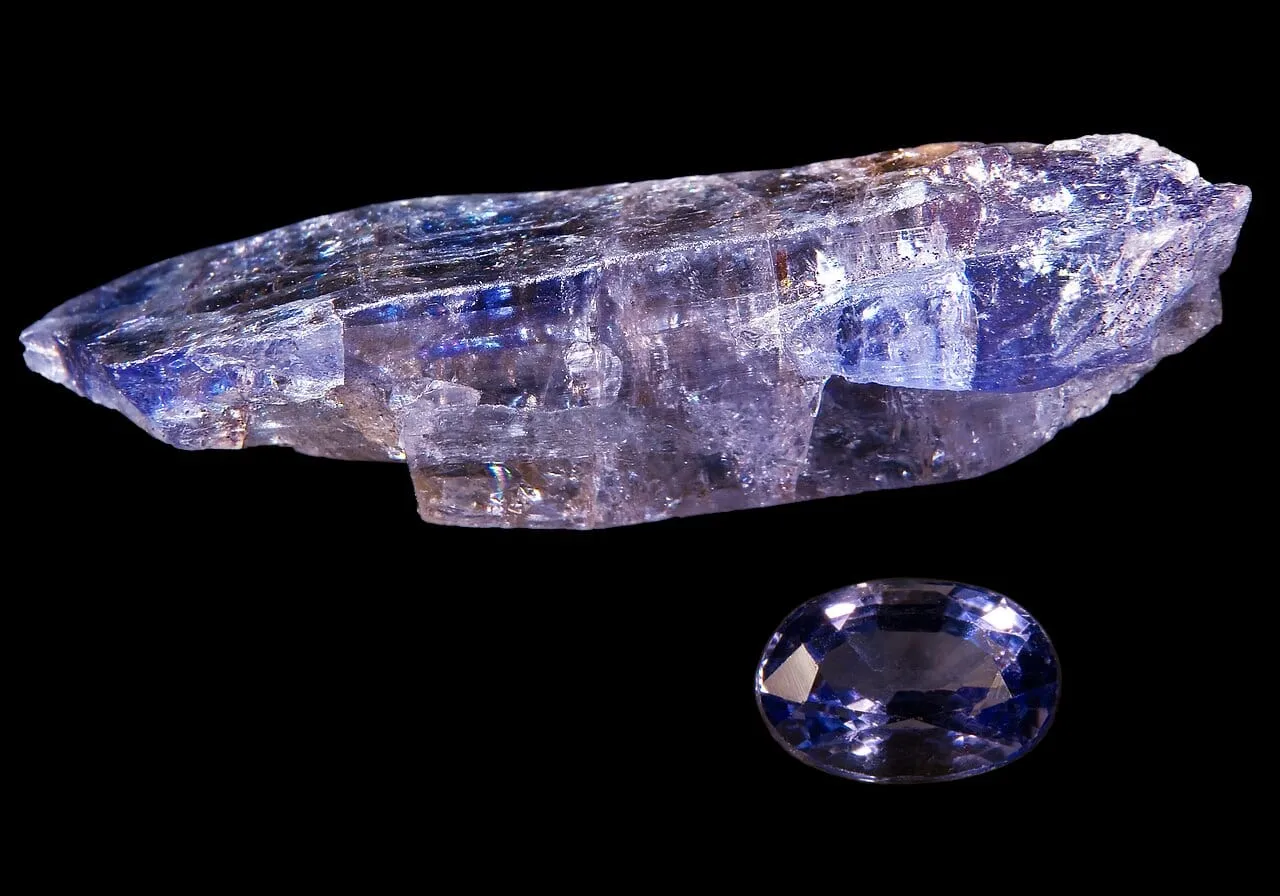
Tanzanite

  • Today crystal healing practitioners claim that tanzanite strengthens intuition and raises “spiritual awareness”.
  • Crystal-therapy websites claim that tanzanite opens the throat, third-eye and crown chakras, makes communication easier and helps overcome fear.
  • Crystal-therapy websites also claim that tanzanite strengthens the immune system, “purifies” the blood and eases migraines and stress.

What science says Tanzanite was only found in 1967, so it has no traditional lore; all these claims are recent and none has any scientific basis. It is also worth remembering that the colour of most stones on the market is produced by heat treatment. Tanzanite does not strengthen immunity, purify the blood or treat migraines; recurring headaches call for a doctor.

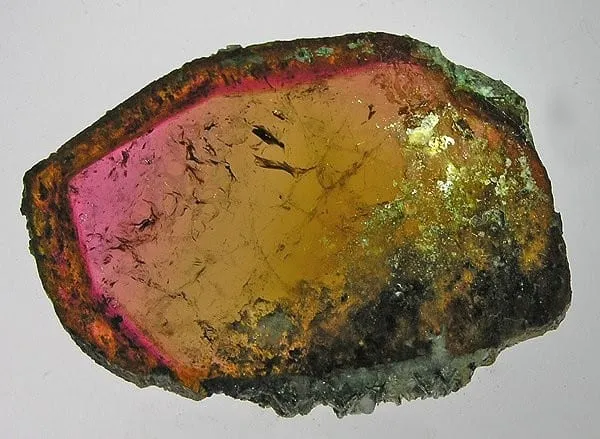
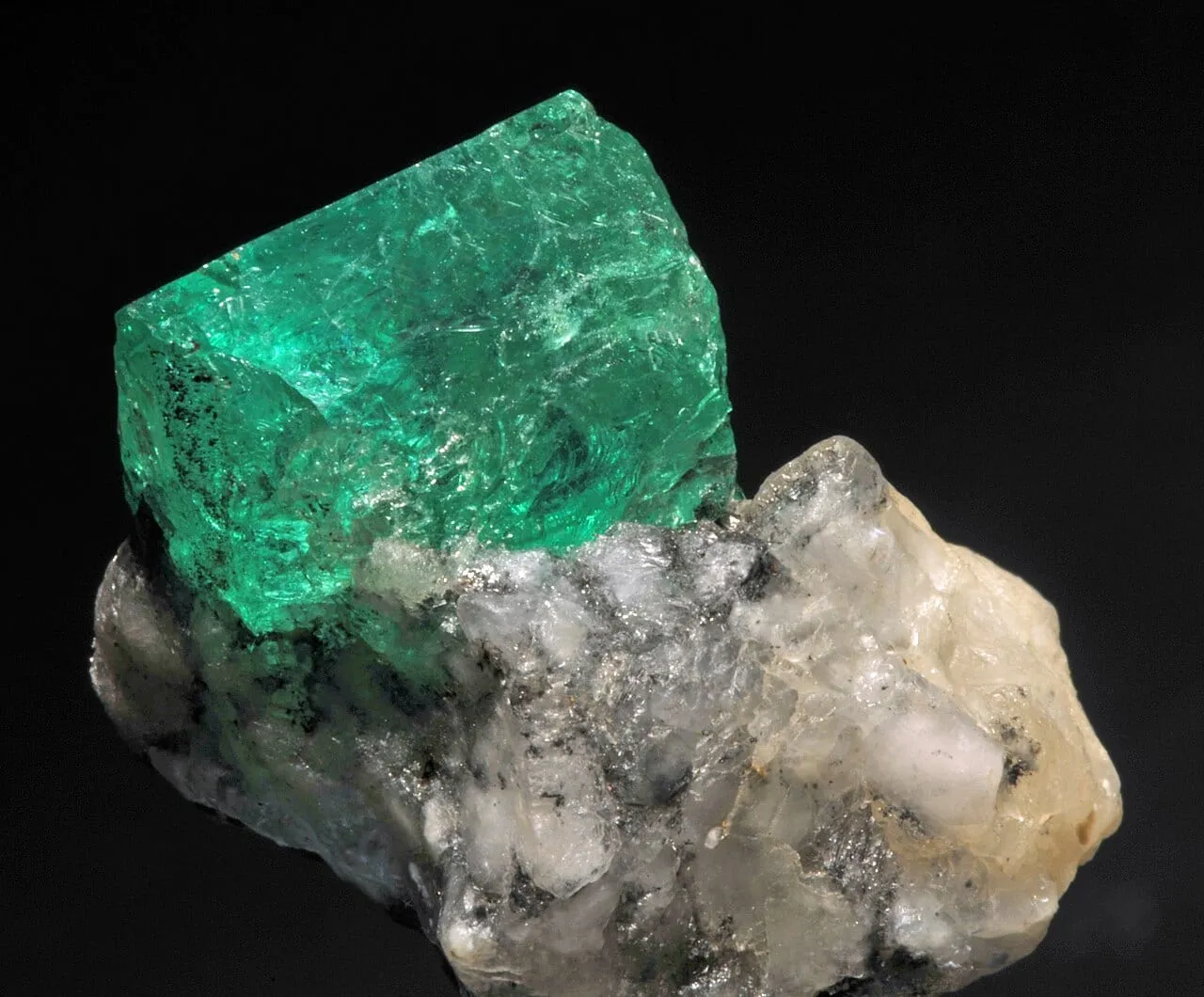
Emerald

  • Pliny wrote that emerald refreshes tired eyes; Roman gem engravers are said to have kept emeralds on their workbenches to rest their eyes.
  • From the Middle Ages to the 17th century, European and Arab writers believed emerald was an antidote to poison and cured epilepsy and dysentery.
  • Emerald was believed to reveal the future and expose lies; a magician was thought to be powerless while an emerald was nearby.
  • In Turkey, stone sellers and crystal-therapy websites claim that emerald opens the “heart chakra”, strengthens love and fidelity, and benefits the heart and nervous system.
  • The same sources say emerald brings plenty and prosperity and is lucky for people born in May; emerald really is the modern birthstone for May.
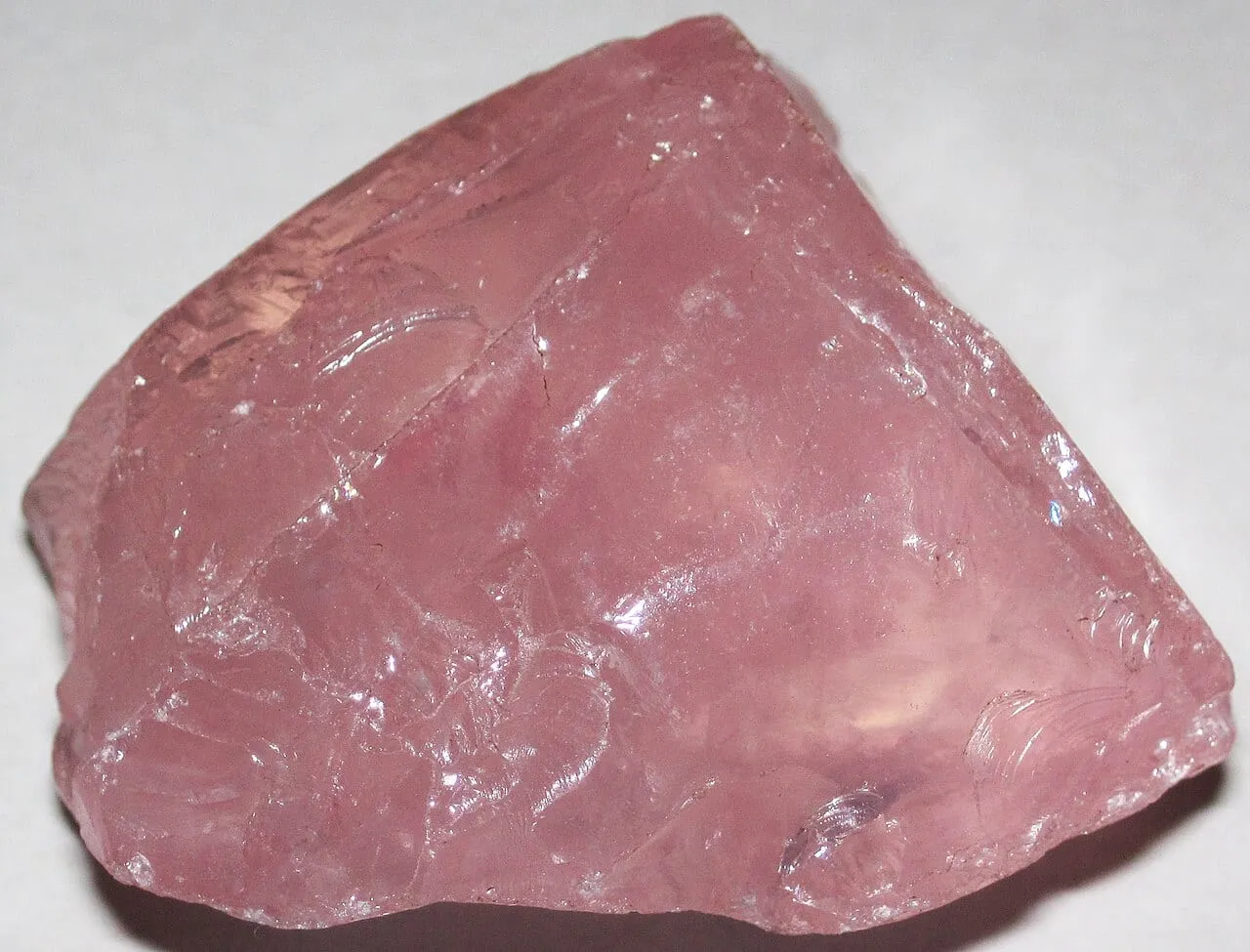
What science says Looking at something green may rest the eyes, but that is not special to emerald; there is no evidence that emerald cures poisoning, epilepsy, heart or nerve disorders or eye disease. The “chakra” and “prosperity” claims cannot be measured; they are a tradition that comes from linking the colour green and the stone’s value with love and plenty. Swallowing powdered emerald, as old remedies prescribed, can be harmful because of its hard, sharp fragments.
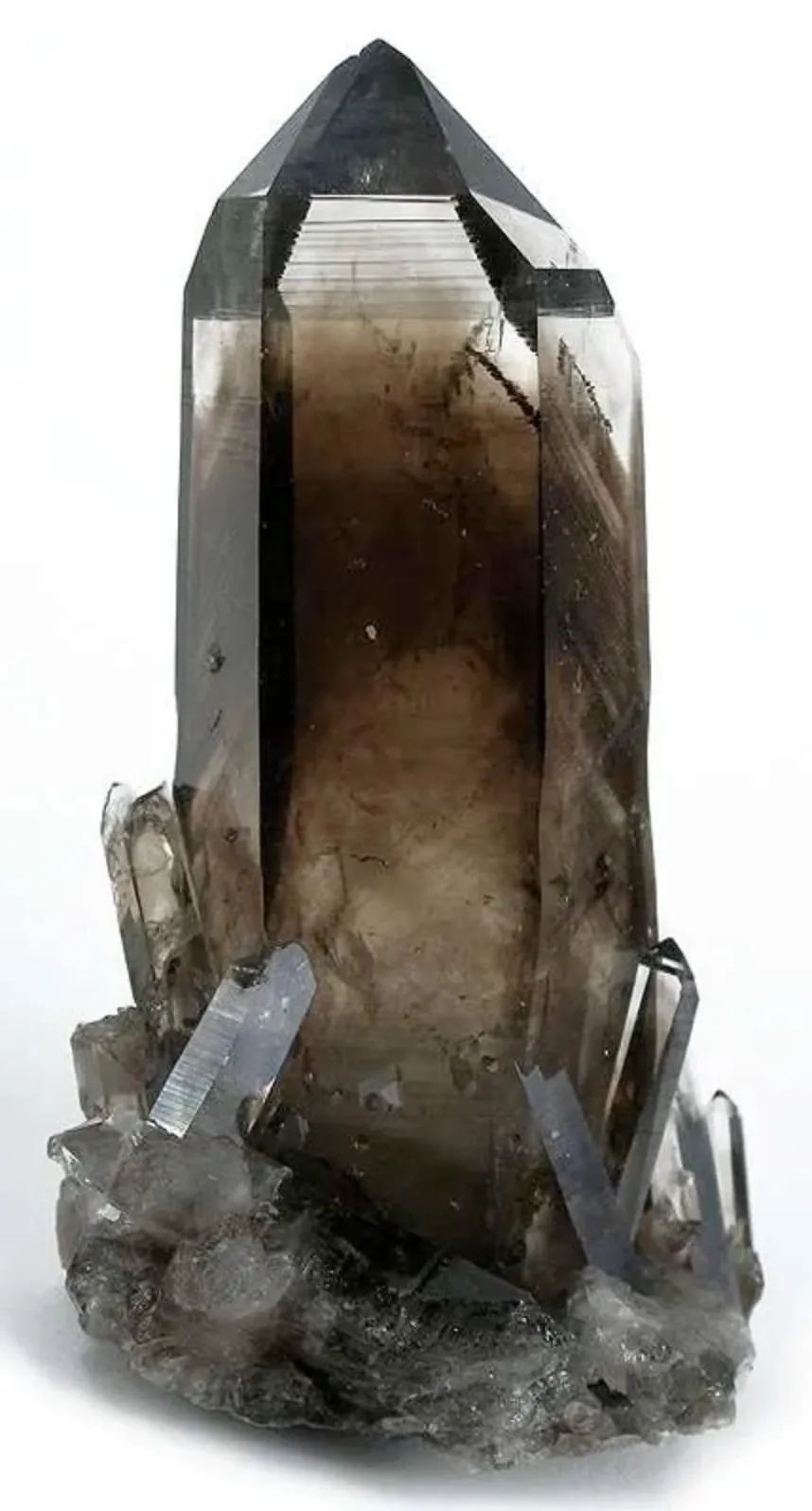
Ruby

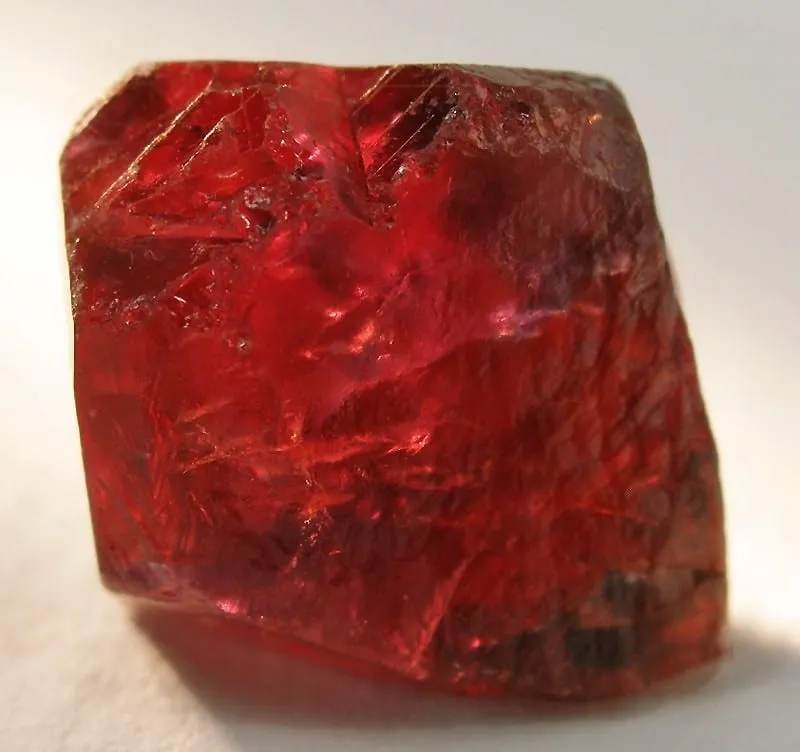
  • Old Hindu treatises on gems called ruby the “king of precious stones” (ratnaraj), and the owner of a flawless ruby was believed to be safe even among enemies.
  • A 14th-century text attributed to Sir John Mandeville held that a brilliant ruby protected its owner from all perils and guarded his house and vineyards from storms.
  • In Myanmar (Burma), a ruby inserted under the skin was believed to make its owner invulnerable to spear, sword and gun.
  • In Hindu astrology ruby is the stone of the Sun, and it is still recommended as a ring stone in the belief that it strengthens the Sun’s influence.
  • In Turkey, stone sellers and crystal-therapy websites claim that ruby is good for the heart and blood circulation and gives courage, passion and energy.

What science says There is no evidence that ruby has any protective power or makes anyone invulnerable; these beliefs largely grew out of its fiery, blood-red colour. Practices such as inserting a stone under the skin carry a serious risk of infection. No study shows that ruby helps the heart or circulation or gives anyone courage or energy either.

Sapphire

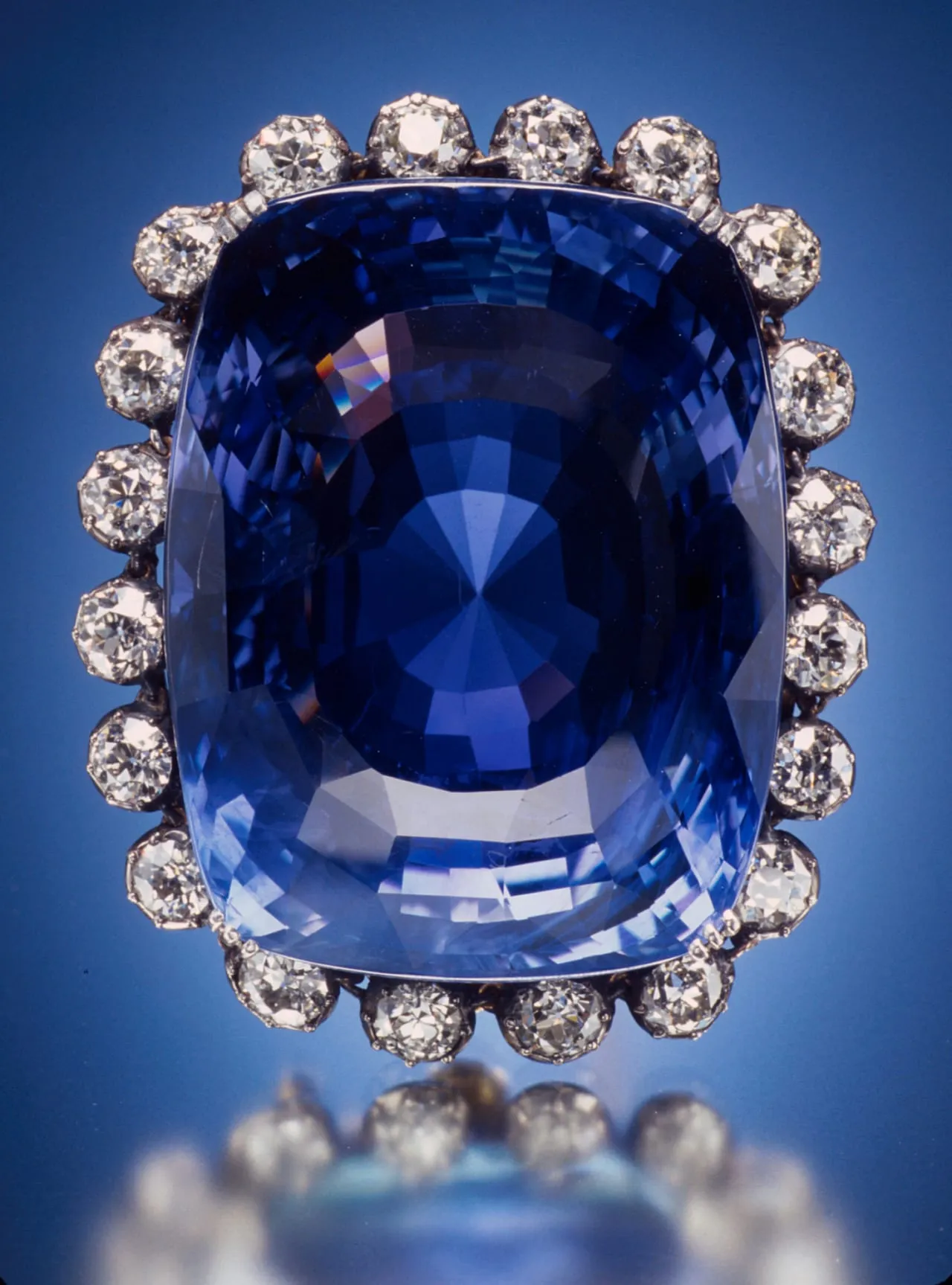
  • According to the ancient writer Damigeron, kings wore sapphire around their necks in the belief that it guarded them from harm and envy and won them divine favour.
  • In the Middle Ages sapphire was believed to neutralise poison, cleanse the eyes and protect the sight.
  • In Hindu astrology blue sapphire is the stone of Saturn; because it is believed to bring great fortune to some and disaster to others, people are advised to wear it on trial for a few days first.
  • In Turkey, stone sellers and crystal-therapy websites claim that sapphire calms the mind, sharpens focus and wisdom and helps with insomnia.

What science says There is no scientific evidence that sapphire neutralises poison or improves eyesight; corundum is extremely resistant chemically and releases nothing into water or the body. Eye complaints call for an eye doctor. No study shows that sapphire calms the mind, improves focus or cures insomnia either; lasting insomnia calls for a doctor.

Limestone

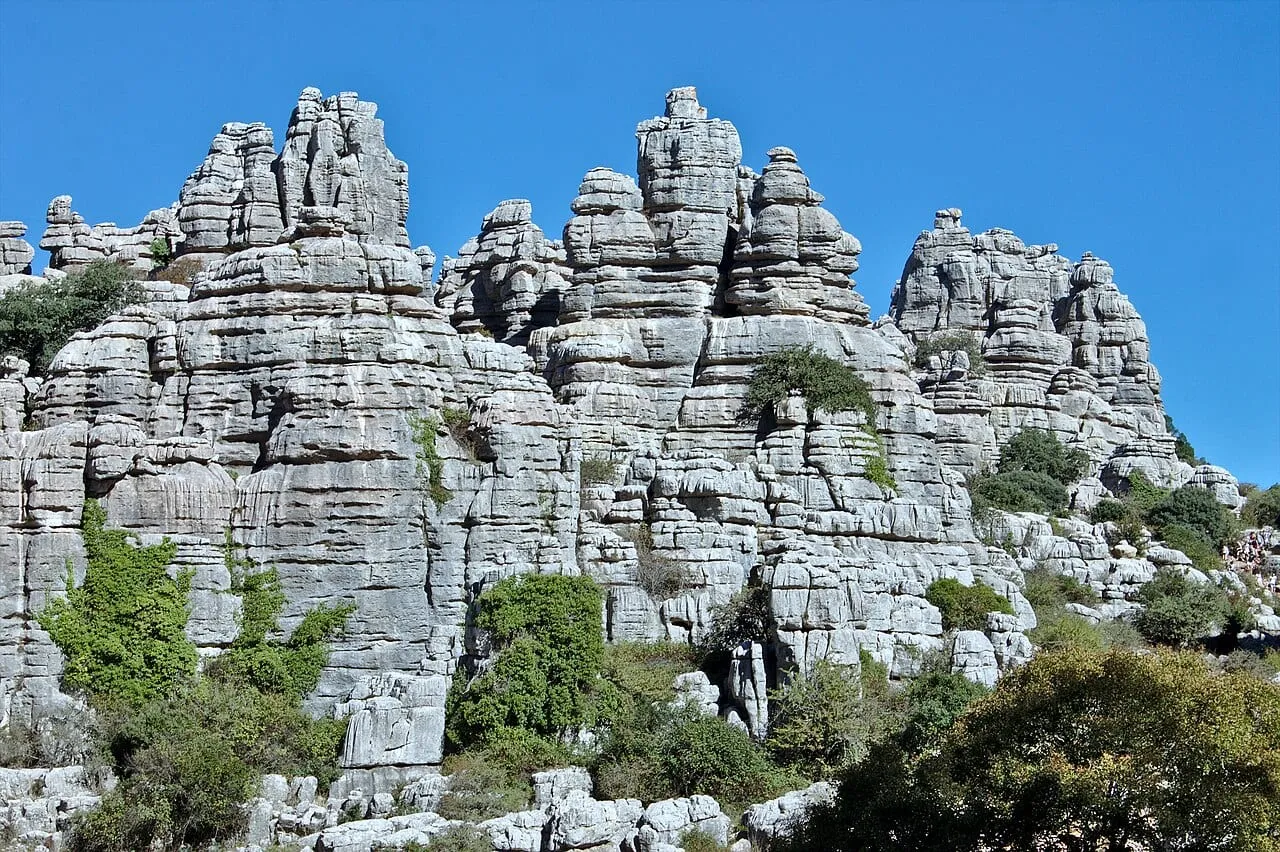
  • In Türkiye it is popularly believed that sitting on cold stone or floors causes cystitis (a urinary tract infection) and prevents having children later.

What science says There is no scientific evidence that sitting on a cold floor causes a urinary tract infection or prevents having children; cystitis develops when bacteria reach the bladder. Stone feels colder than wood at the same temperature because it draws heat from the body faster; that does not mean it makes you ill.

Marble

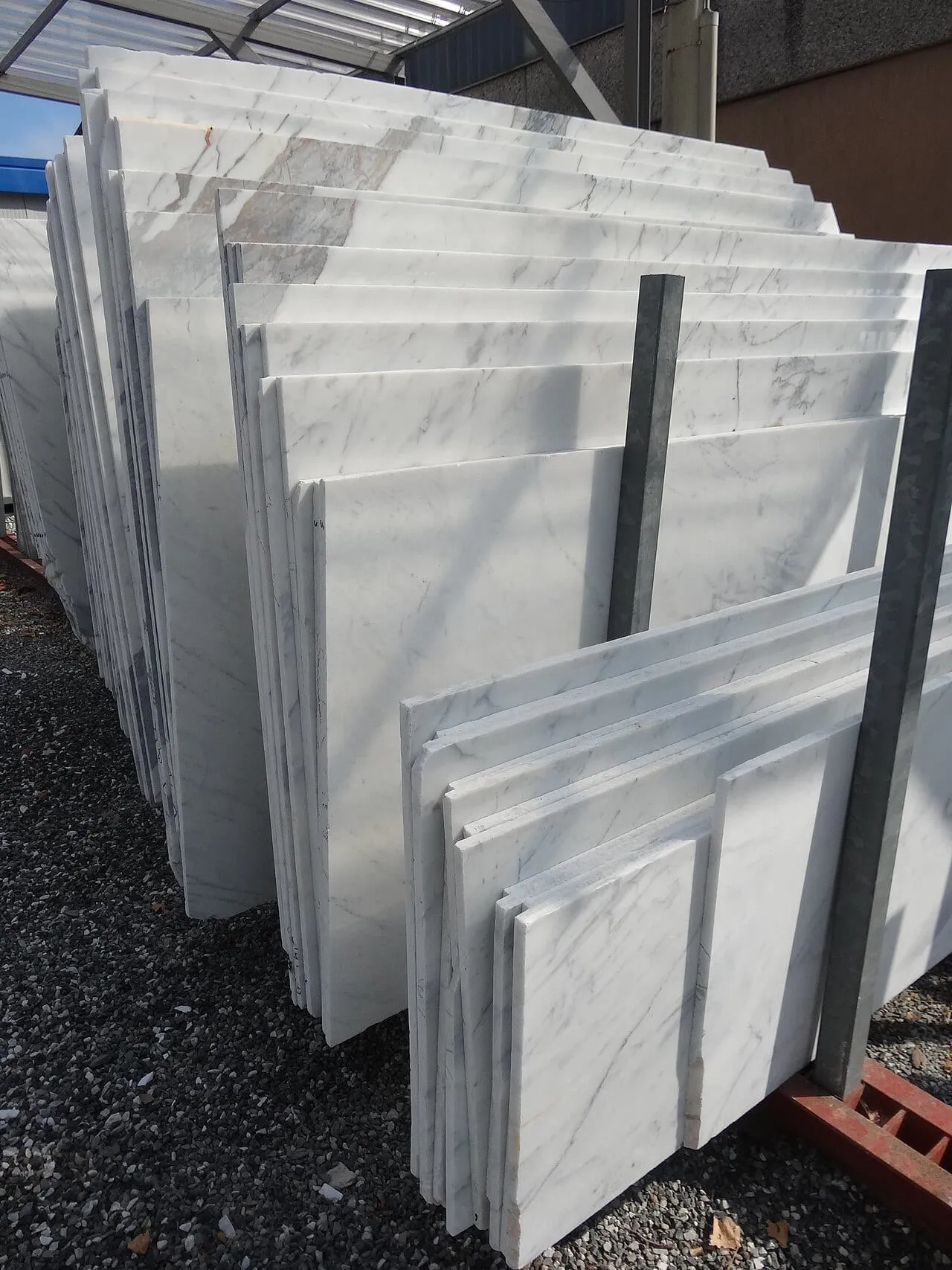
  • In Türkiye it is popularly believed that sitting on cold stone or floors causes cystitis (a urinary tract infection) and prevents having children later.

What science says There is no scientific evidence that sitting on a cold floor causes a urinary tract infection or prevents having children; cystitis develops when bacteria reach the bladder. Stone feels colder than wood at the same temperature because it draws heat from the body faster; that does not mean it makes you ill.

Travertine

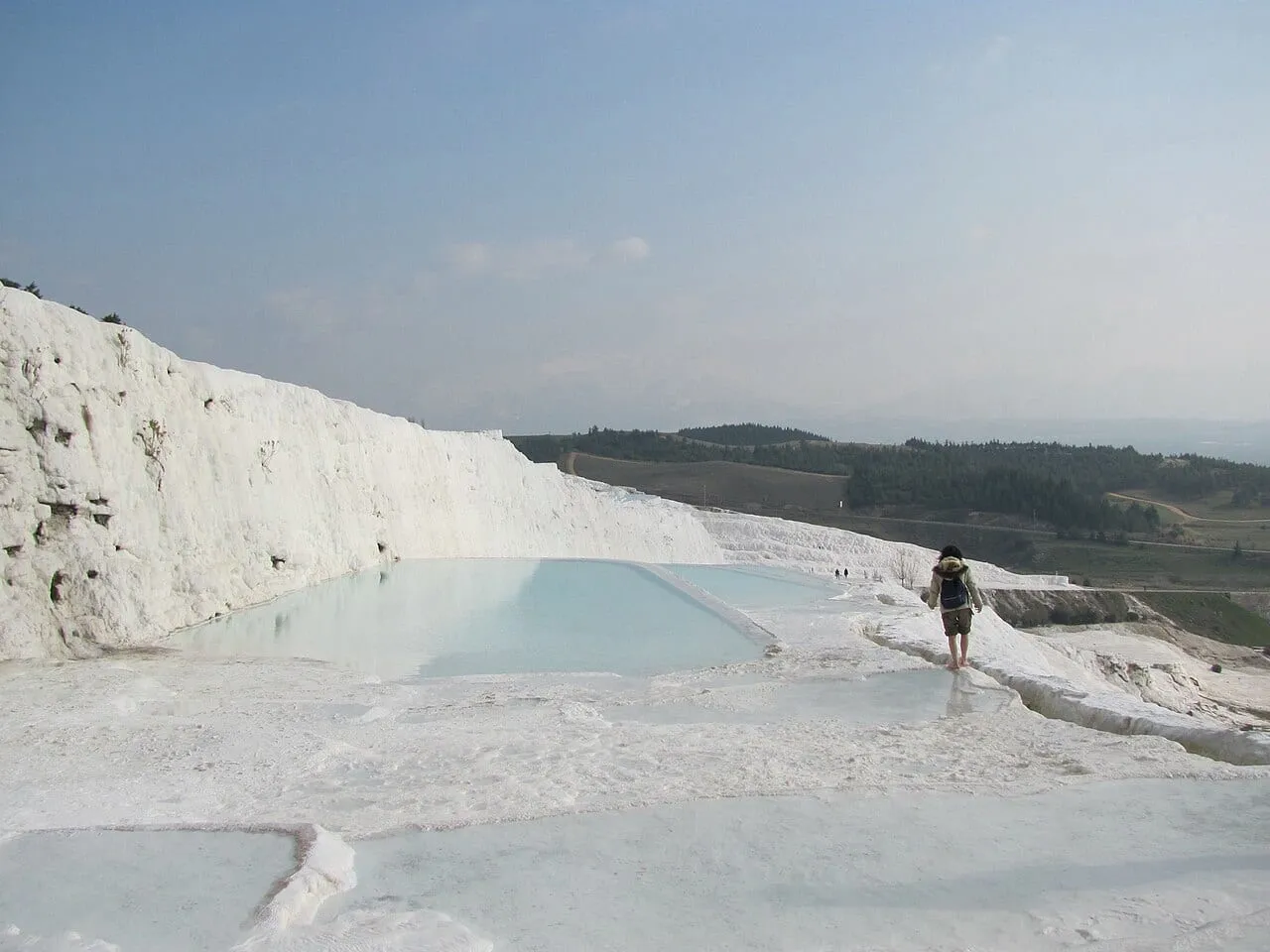
  • In Türkiye, people commonly believe that the hot waters that form the travertine at Pamukkale and in Denizli help heart and circulation problems, rheumatism, skin and breathing complaints, and relieve stomach and bowel problems when drunk; Hierapolis has been a spa town since the early 2nd century BC.

What science says Soaking in hot water can bring short-term relief for some rheumatic complaints and muscle pain; that effect comes from the heat and the minerals in the water, and the rock travertine itself has no healing power. Spring water is no substitute for treatment, and people with heart disease and pregnant women should ask a doctor before entering very hot water.