Spirituality and meditation: which stones are believed to help, and what science says

This section reports beliefs; it is not health information. There is no scientific evidence for these claims and no stone replaces medical treatment.

What science says

Conflict with science: No conflict

Spiritual and religious meanings lie outside science: it neither confirms nor refutes them. In many cultures stones carry real cultural value as prayer beads, amulets and objects of worship.

Stones linked with this area (22)

Pyrite

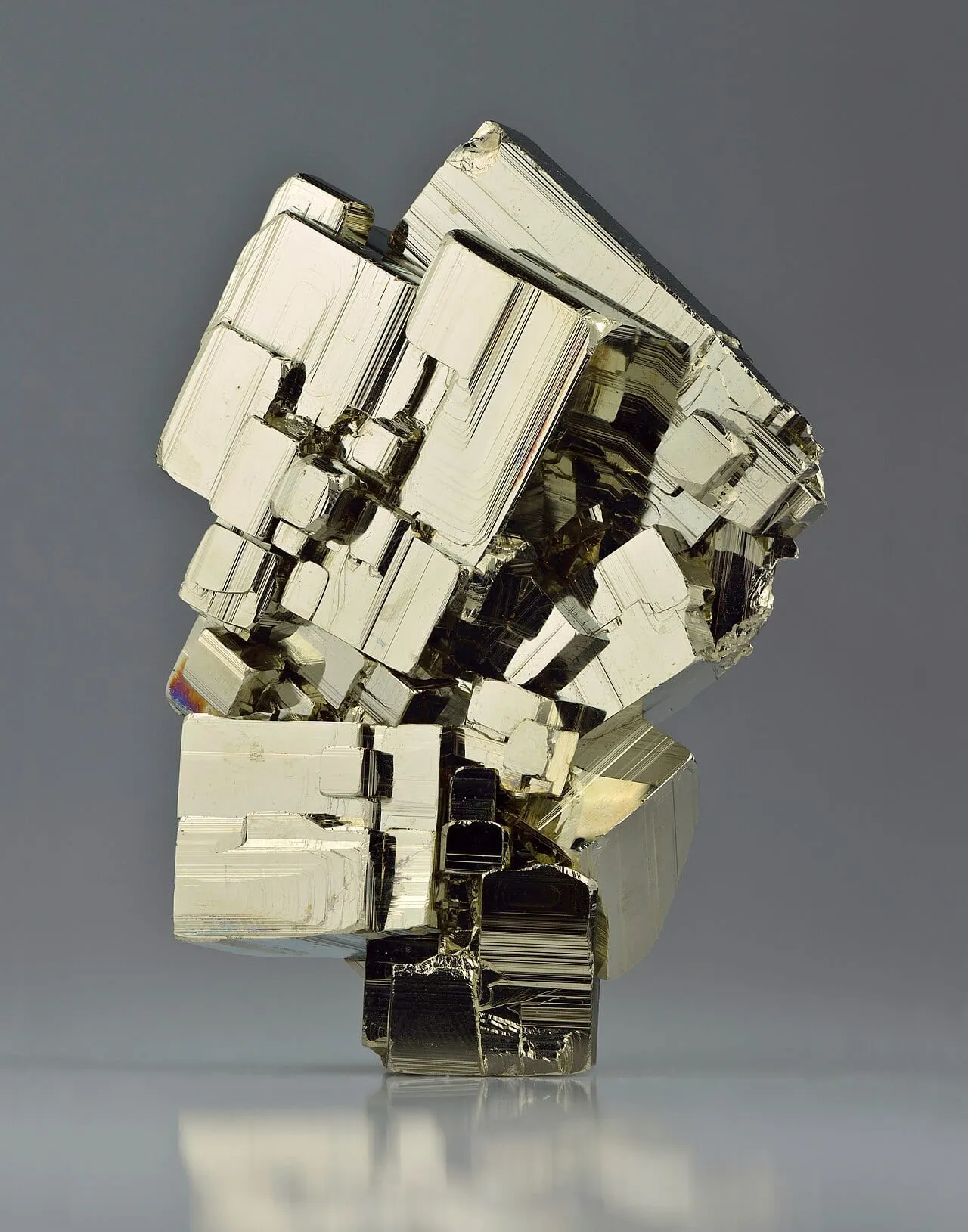
  • According to George F. Kunz (1913), some Native North American peoples carried pyrite crystals as amulets, and healers used them in their ceremonies.
  • In Thai folk belief, especially in the south of the country, pyrite is regarded as a sacred object that wards off evil, black magic and demons.
  • Today crystal sellers and feng shui practitioners claim that pyrite attracts money and abundance, and recommend placing it in shops and next to cash registers.
  • In Turkey, stone sellers and crystal-therapy websites claim that “fool's gold” gives confidence and willpower and boosts energy.

What science says There is no evidence that pyrite brings money, luck or protection; these beliefs probably stem from its bright, gold-like colour. Pyrite should not be soaked in water to make “gem water”: as it decays in moisture it forms sulfuric acid and iron sulfates, and some pyrite contains arsenic. Nor is there any evidence that pyrite gives confidence or energy.
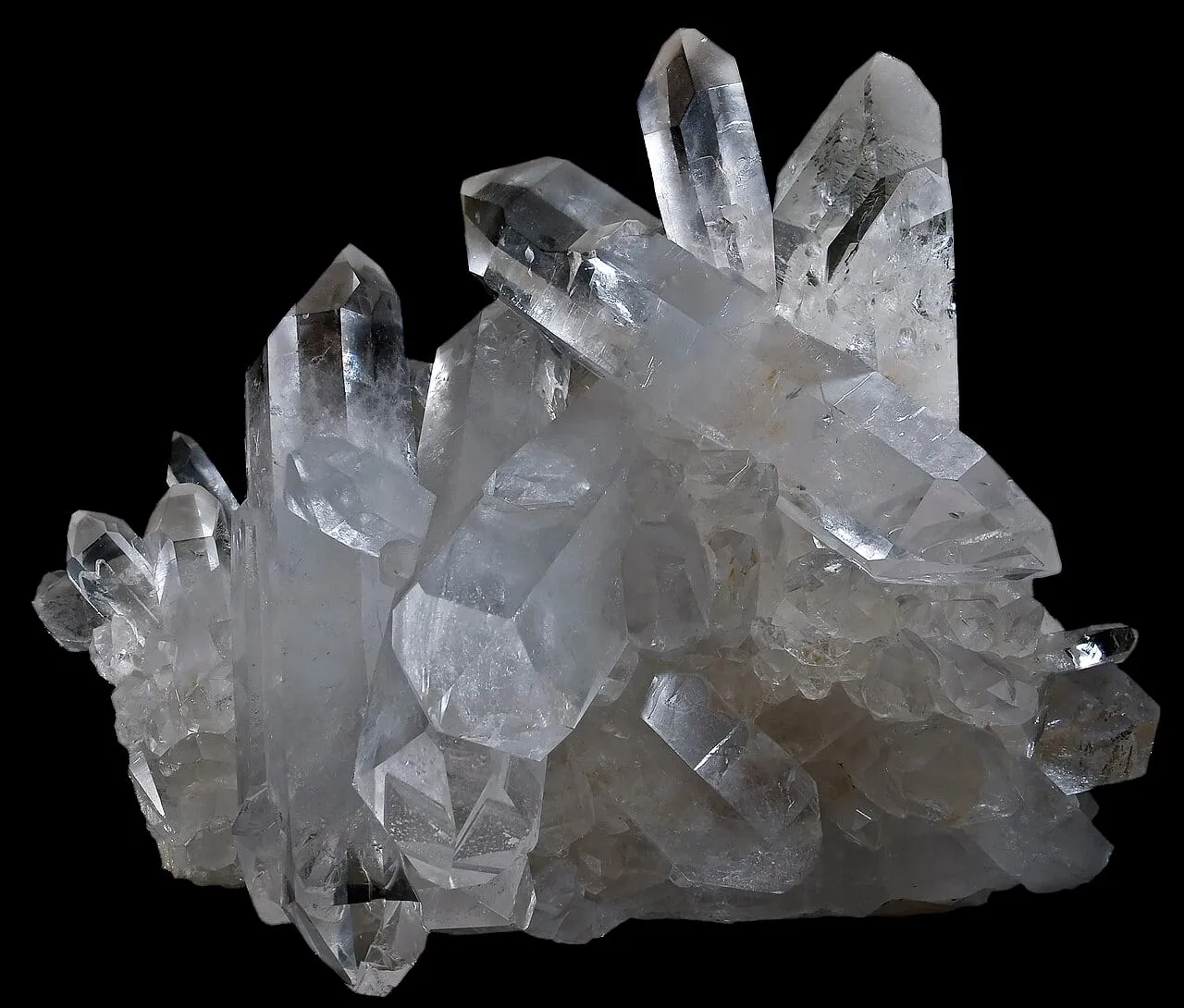
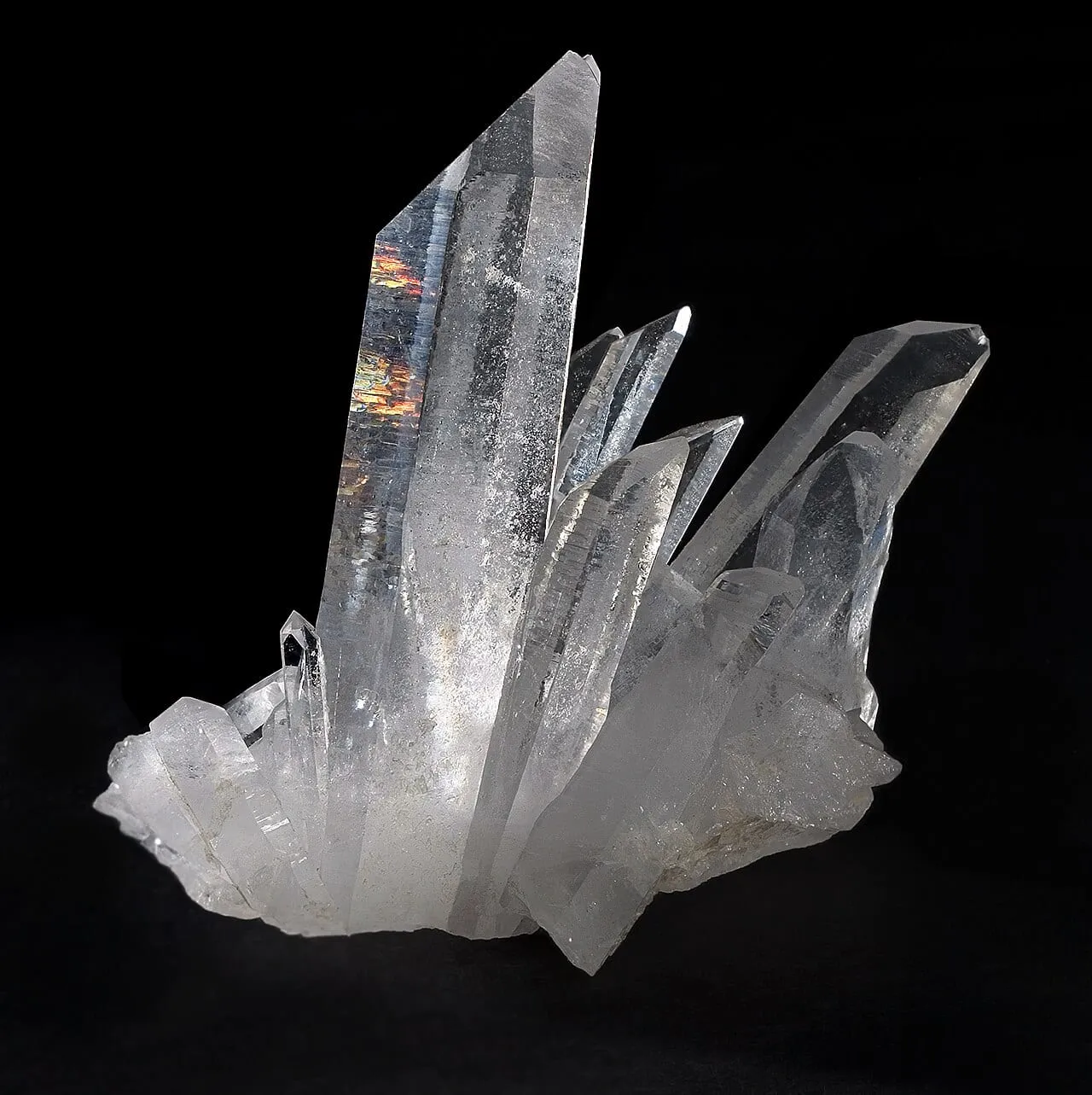
Quartz

  • Since the Middle Ages, people have believed that gazing into balls of rock crystal can reveal the future and hidden things; this form of divination is called crystal gazing.
  • Today crystal healing practitioners present clear quartz as a “master healer” and claim that it boosts energy and amplifies the effects of other stones.
  • In Turkey, stone sellers and crystal-therapy websites claim that clear quartz (known there as “necef taşı” or mountain crystal) cleans away “negative energy” around you, sharpens focus and memory and balances all the chakras.

What science says The piezoelectric effect of quartz is real, but a crystal only produces a small voltage when it is mechanically squeezed; a stone held in the hand gives off no energy that affects the body. In an experiment reported in 2001, participants holding fake stones they believed to be quartz reported the same sensations as those holding real quartz, showing that the effect comes from suggestion (placebo). There is likewise no evidence that quartz “cleanses” a room, the body or the aura, or improves focus and memory.

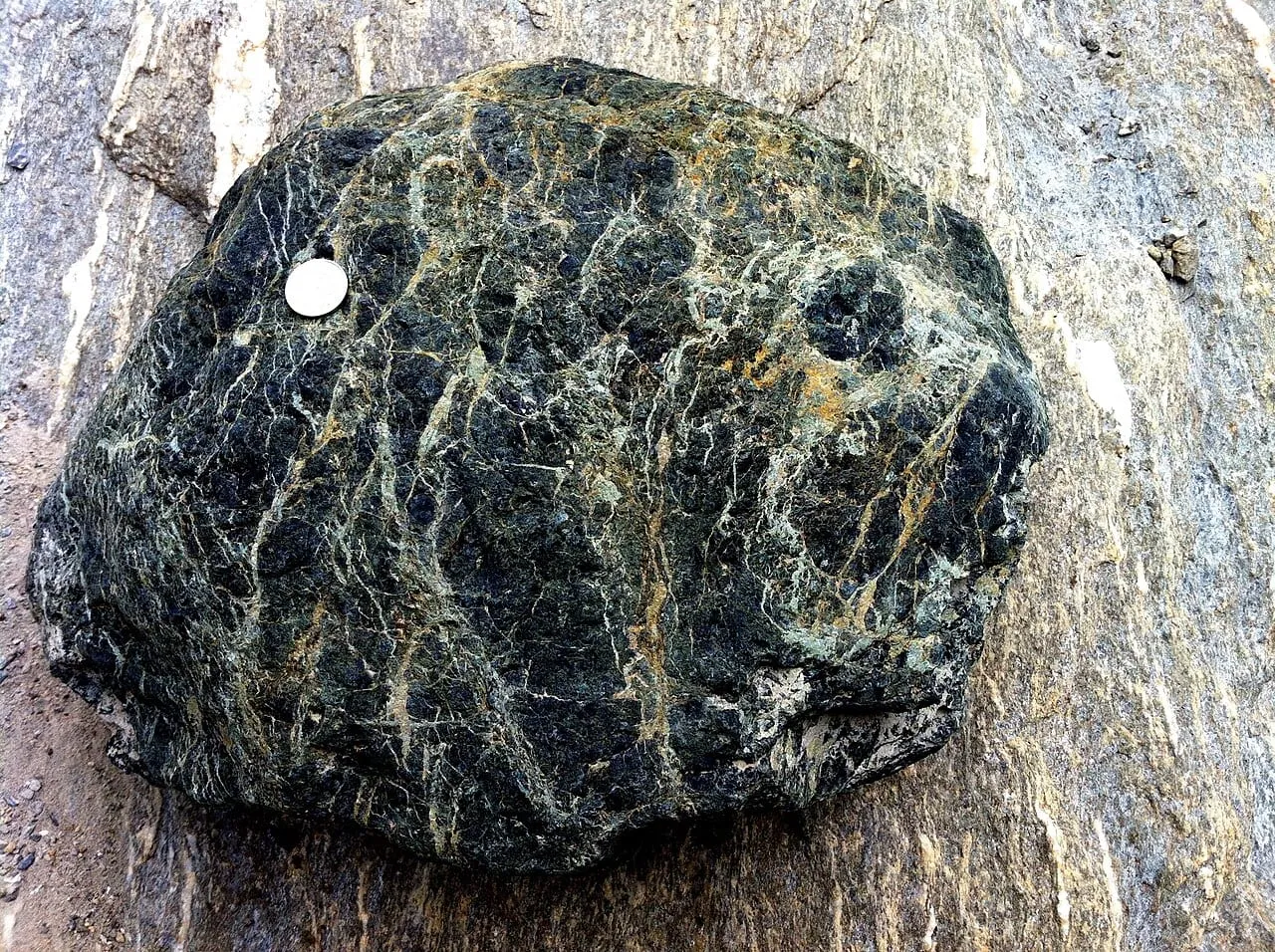
Serpentinite

  • According to George F. Kunz (1913), Italian peasants believed that pebbles of green serpentine protected them from the bites of venomous creatures and, laid on a bite, drew out the poison; to work, the stone had to be in its natural state, unshaped by human hands.
  • In Turkey, stone sellers and crystal-therapy websites claim that serpentine awakens “kundalini energy”, deepens meditation and eases cramps and digestive complaints.

What science says There is no evidence that serpentine draws out venom; snake and scorpion bites need emergency medical care without delay. Fibrous (asbestos-bearing) serpentine should never be rubbed on wounds or skin, and its dust should not be inhaled. No study shows that serpentine helps cramps or digestion either.

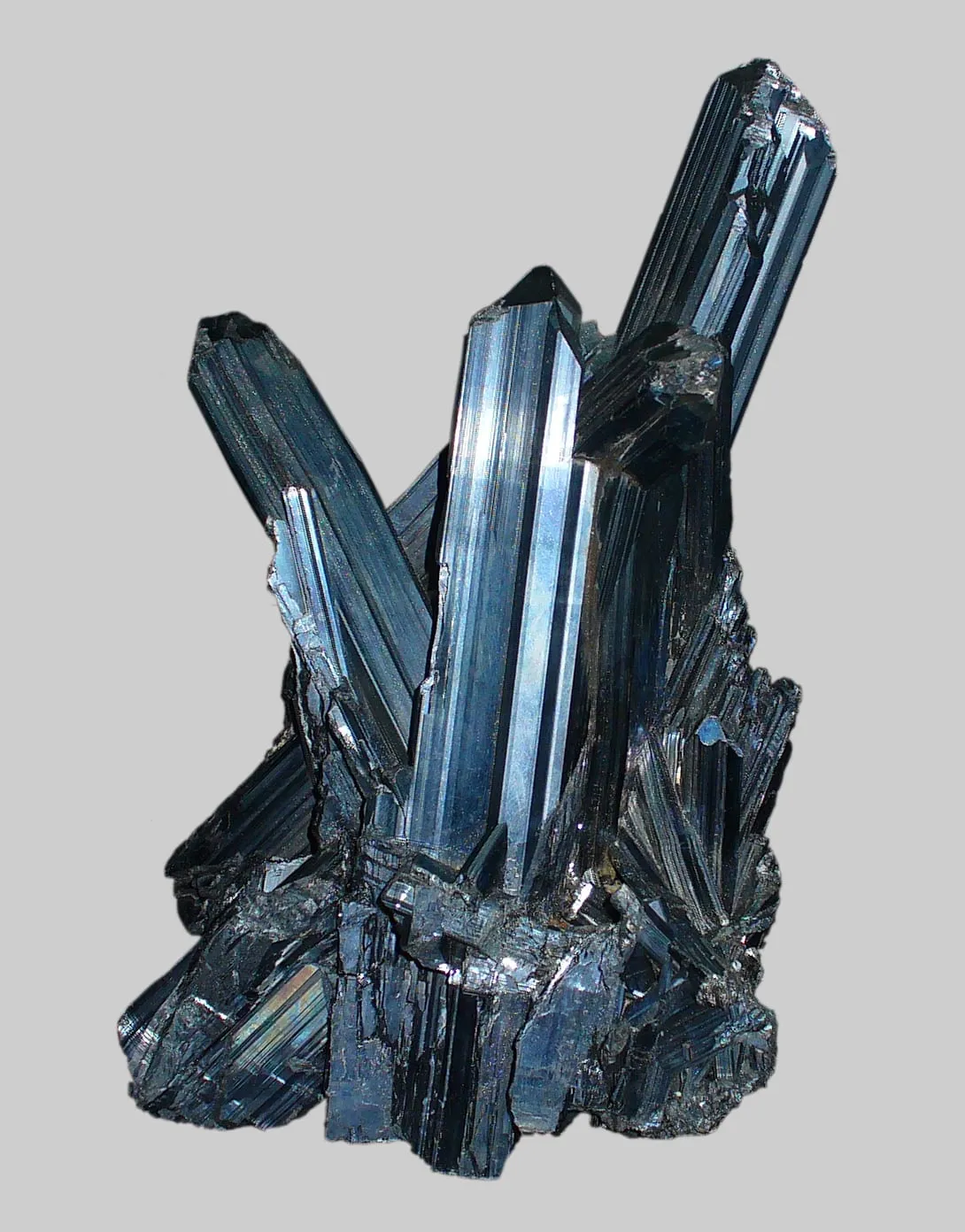
Stibnite

  • Since ancient Egypt, people in the Middle East and South Asia have believed that kohl applied to the eyes keeps them cool and clean, strengthens eyesight and wards off the evil eye.
  • In earlier centuries Europeans believed that antimony compounds cured many illnesses by making people vomit and “purging” the body; antimony pills were swallowed, recovered after passing through the body, washed and reused.
  • In Türkiye, religious accounts hold that “ismid” kohl, which the Prophet Muhammad is reported to have recommended (made from stibnite or galena), strengthens eyesight and lengthens the eyelashes.

What science says Antimony and its compounds are toxic, and antimony poisoning produces symptoms similar to arsenic poisoning. Stibnite or galena powder should never be put on the eyes or in the mouth, and the stone must never be soaked in water that is then drunk. Some traditional kohl sold in Türkiye may contain lead and should not be applied to the eyes, above all not to children’s.

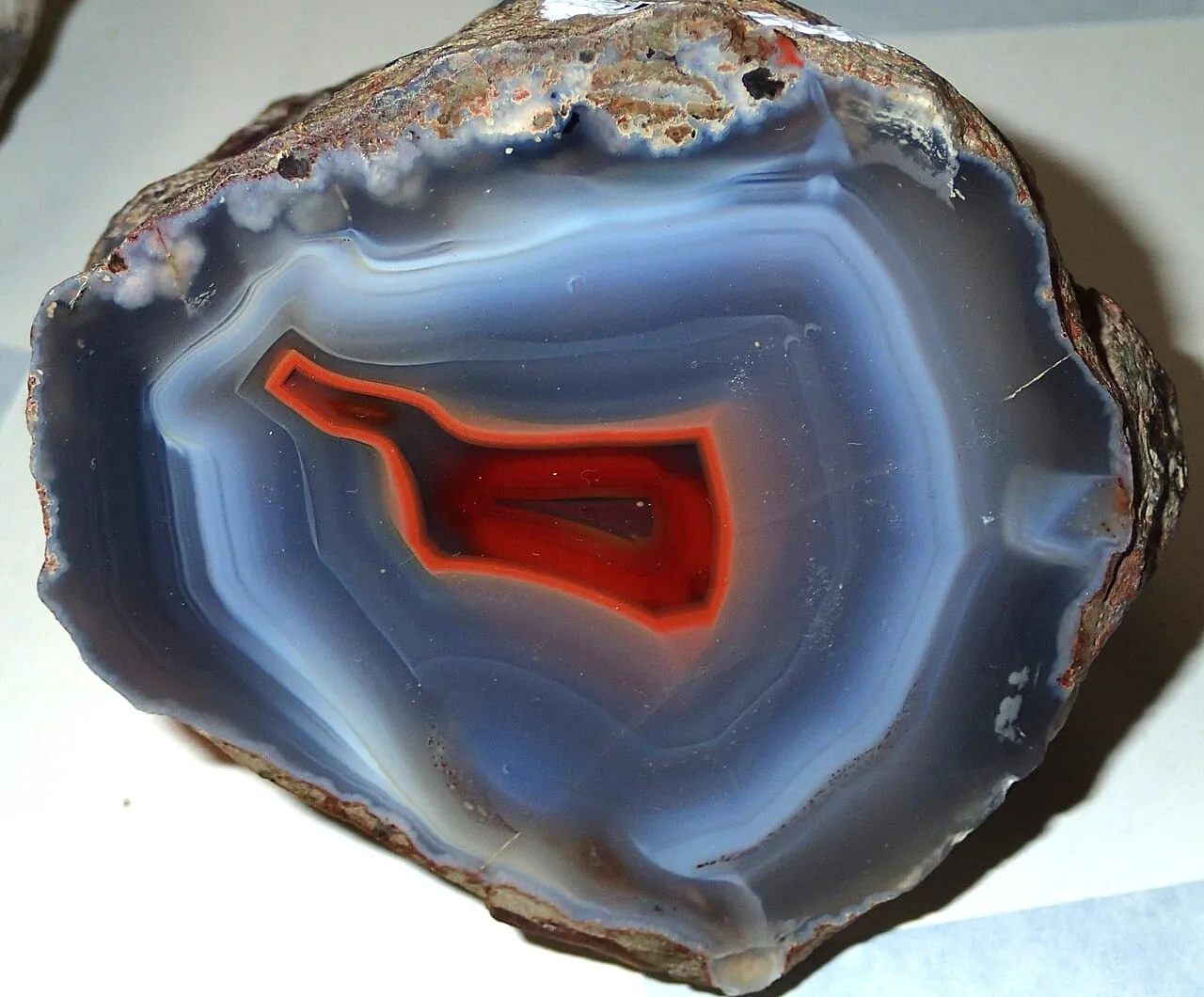
Agate

  • Medieval lapidaries, such as the writings of Marbodus, Bishop of Rennes, in the 11th century, held that agate made its wearer agreeable and persuasive and won them the favour of God.
  • In earlier centuries in Europe, wearing agate was believed to cure sleeplessness and bring pleasant dreams.
  • In 19th-century Sudan, brown or black “eye” agates with a white ring in the centre were believed to guard against the evil eye; most of these amulets were cut in the workshops of Idar-Oberstein in Germany.
  • In the Islamic world, based on the tradition that the Prophet Muhammad wore a seal ring set with an ʿaqīq stone, ʿaqīq rings (agate, usually red carnelian) are believed to protect their wearer from evil and envy.
  • In Türkiye, stone sellers and some religious publications attribute to the Prophet Muhammad the saying “whoever wears an agate ring will not be poor” and claim that agate increases provision and blessing.
  • In Türkiye, stone sellers and crystal-therapy sites claim that agate speeds up blood circulation and eases stomach and bowel complaints.

What science says Agate is a chemically inert form of quartz made of silica; there is no scientific evidence that it improves sleep, protects against the evil eye or envy, speeds up circulation or helps any illness; if symptoms persist, the remedy is a doctor, not a stone. The “eye” pattern is simply concentric silica bands that look like rings where the stone is cut. The saying “whoever wears an agate ring will not be poor” is attributed to the Prophet, but hadith scholars do not regard it as reliable.

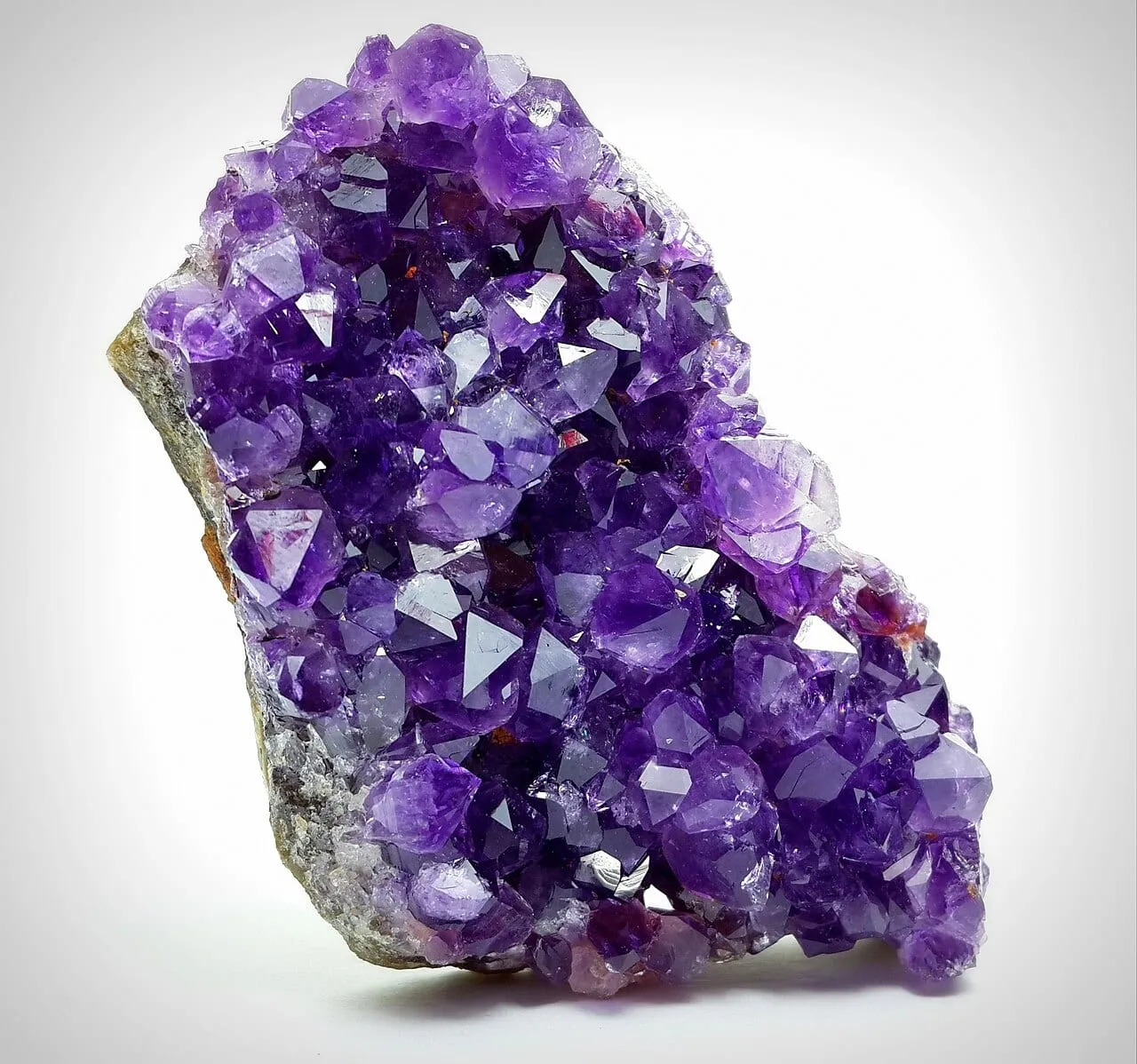
Amethyst

  • The ancient Greeks believed amethyst prevented drunkenness; the stone’s name comes from the Greek amethystos, meaning “not drunk”.
  • In a book on stones published in 1502, the Italian writer Camillo Leonardi wrote that amethyst kept away evil thoughts and sharpened the intelligence.
  • Today crystal-therapy practitioners claim that amethyst is calming and helps with sleep and with coping with stress.
  • In Türkiye, stone sellers and crystal-therapy sites say that amethyst opens the crown chakra, deepens meditation and shields against “negative energy”.
  • In Türkiye, stone sellers and crystal-therapy sites claim that amethyst relieves headaches and tiredness and strengthens the immune system.

What science says There is no scientific evidence that amethyst prevents drunkenness or improves sleep; there is no evidence either that it relieves headaches, strengthens the immune system or “opens” a chakra; persistent sleeplessness, anxiety or headaches call for a doctor. According to the mineralogist George F. Kunz, the drunkenness belief may have arisen because water poured into a cup carved from a reddish stone looks like wine, yet whoever drinks it stays sober.

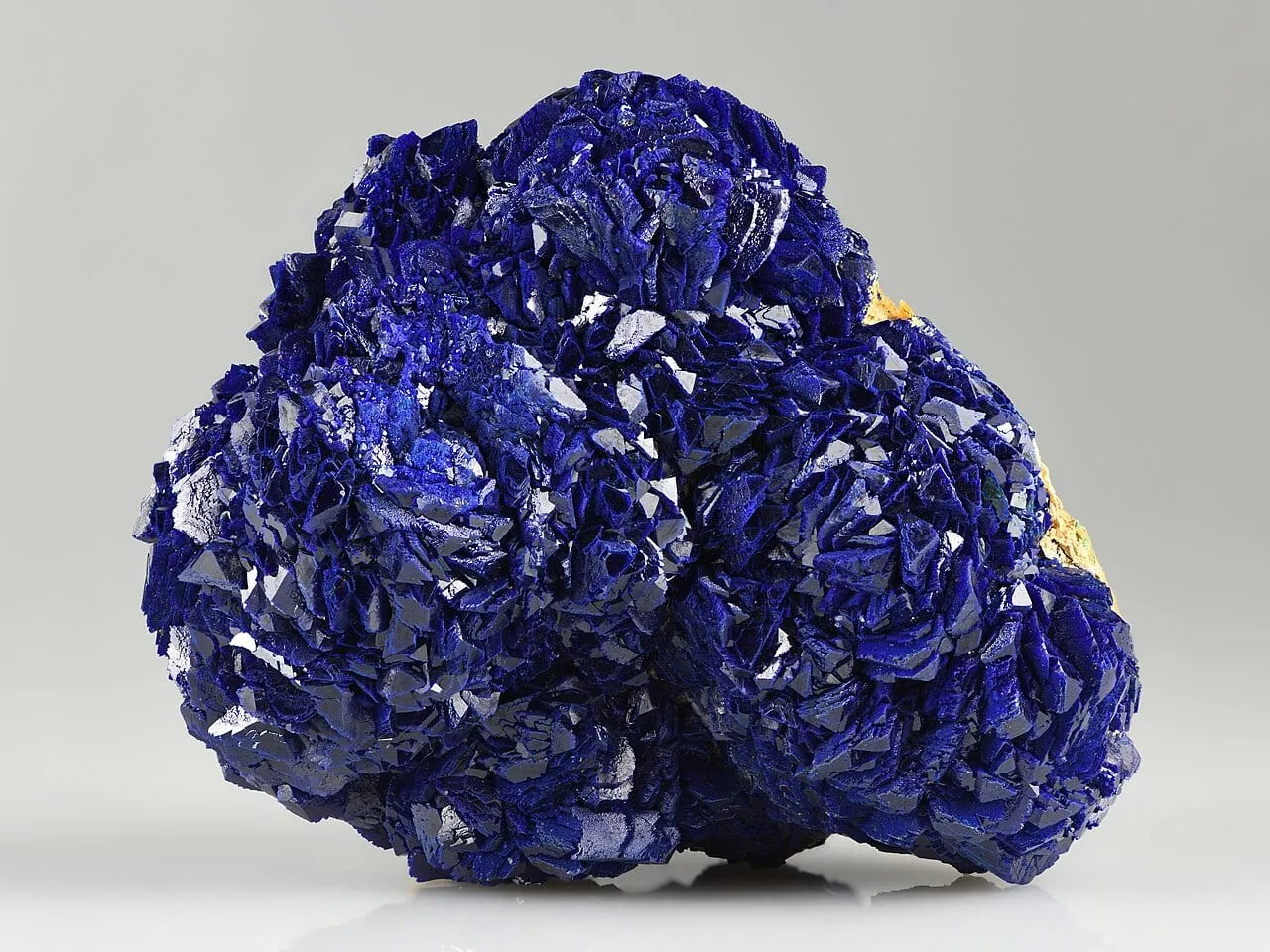
Azurite

  • Today crystal-therapy practitioners claim that azurite strengthens intuition and clears the mind.
  • In Türkiye, crystal-therapy sites and some news sites say that azurite opens the third-eye chakra and develops “psychic abilities”.
  • The same sources claim that azurite helps with rheumatism and joint pain and eye strain, and strengthens the immune system.

What science says There is no scientific evidence that azurite has any effect on intuition or the mind, opens a chakra, or helps with rheumatism, joint pain, eye strain or immunity; a doctor should be consulted if pain or joint complaints persist. Azurite is a copper mineral: it should not be put in water or drinks to make “gem water”, put in the mouth, or have its dust inhaled; acidic liquids can dissolve it and release copper.

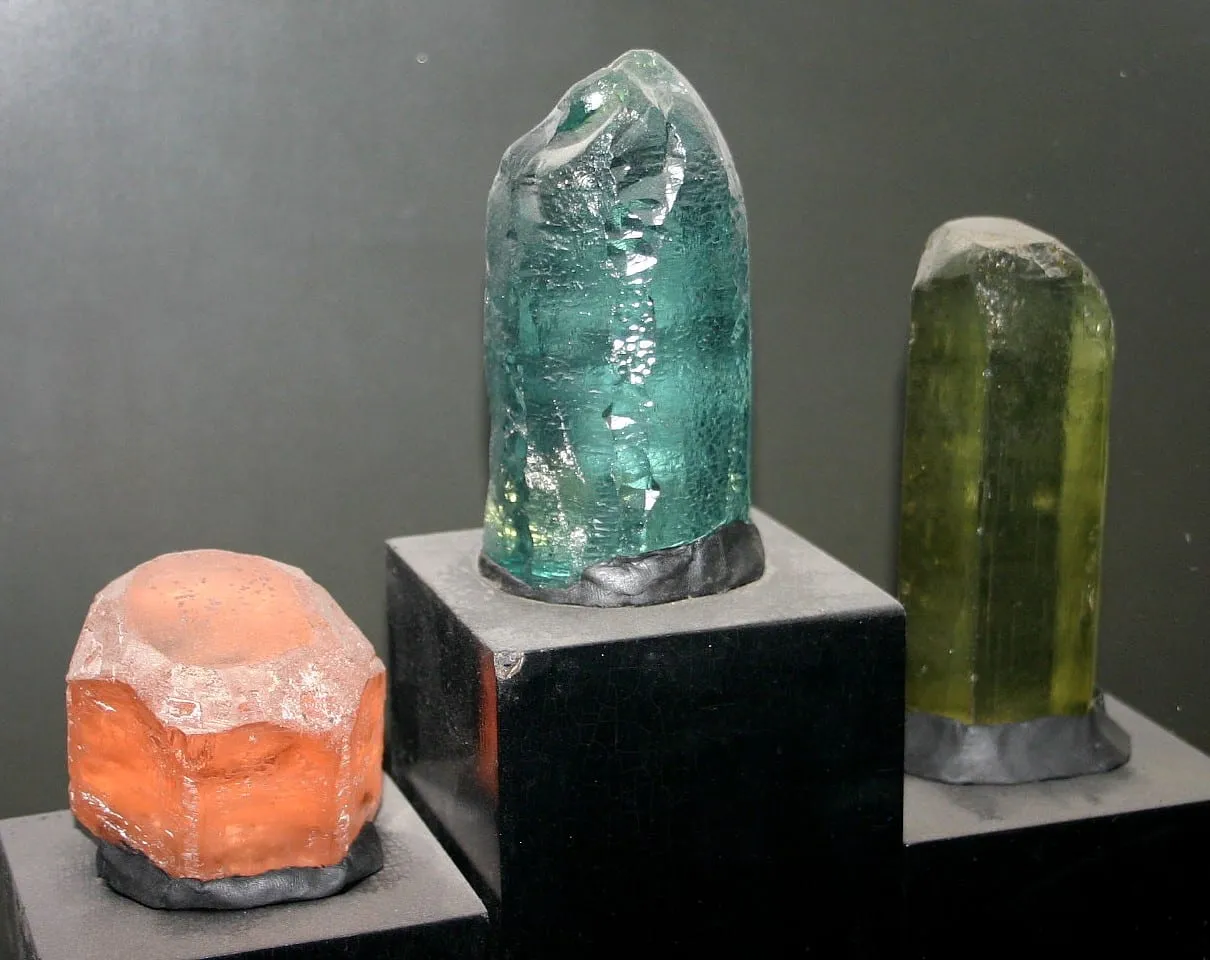
Beryl

  • The medieval writer Arnoldus Saxo (13th century) records the belief that beryl made its wearer unconquerable by enemies in battle and in lawsuits, quickened the intellect and cured laziness.
  • Konrad von Megenberg’s 14th-century “Book of Nature” claims that beryl reawakens the love of married couples.
  • Fortune-tellers who claimed to see the future by gazing into crystals often preferred polished spheres of beryl to rock crystal, believing beryl showed more “visions”.
  • In Türkiye, stone sites and some news sites say that beryl, especially blue-green beryl, brings calm, strengthens communication and improves performance if carried before an oral exam.
  • The same sources claim that beryl is in tune with the throat chakra and supports thyroid problems.

What science says There is no scientific evidence that beryl has any of these powers, improves exam results, is in tune with a chakra or helps with thyroid problems; a doctor should be consulted for thyroid complaints. The “visions” seen by someone staring at a shiny sphere for a long time come not from the stone but from the viewer’s own mind.

Moonstone

  • In Hindu mythology moonstone is believed to be made of solidified moonbeams; in India it is considered sacred and is believed to bring good fortune.
  • According to an old belief, lovers who held a moonstone in their mouths at full moon could see their future.
  • Modern crystal-therapy sources claim that moonstone supports women's health, fertility and emotional balance.
  • In Türkiye, some lifestyle websites and crystal-therapy sources say moonstone brings restful sleep, prevents nightmares and sleepwalking, and helps you remember dreams.
  • The same sources claim that moonstone balances oestrogen, regulates the menstrual cycle, eases menopause complaints, makes childbirth easier and helps sudden cramps.

What science says Moonstone's glow comes from light scattering in thin feldspar layers inside the stone; it has nothing to do with the Moon or its phases. There is no evidence that moonstone affects fertility or hormone balance. The same goes for sleep, nightmares and dream recall. Problems such as irregular periods, menopause complaints, childbirth or difficulty conceiving call for a doctor.

Rock crystal

  • Since the Middle Ages people have believed that the future can be seen by gazing into spheres of rock crystal (crystal gazing).
  • Today, stone sellers and crystal therapy sources claim that clear quartz cleanses “negative energy” from homes and people, clears the mind and sharpens focus.
  • The same sources say crystals must be “purified” by leaving them in moonlight or in salt water.

What science says There is no scientific evidence that rock crystal cleanses energy, strengthens the mind or reveals the future. Piezoelectricity, a real physical property of quartz, produces only tiny amounts of electricity when a crystal is squeezed and has no effect on the human body. Soaking crystals in salt water can damage some soft or water-sensitive minerals.

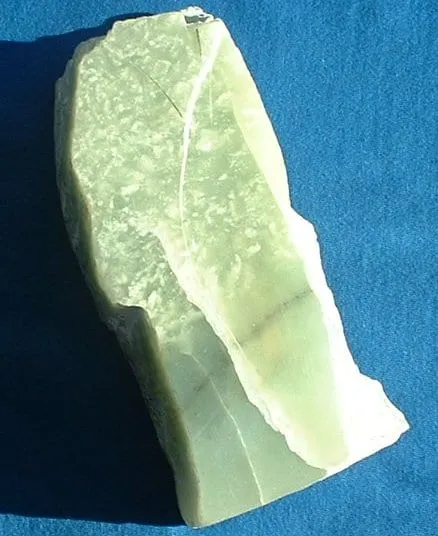
Jade

  • In the 16th century the Spaniards reported to Europe that the peoples of Central America used jade against pains in the side and kidneys; the names “jade” (from the Spanish piedra de ijada, “stone of the side”) and “nephrite” (from the Greek nephros, “kidney”) come from this belief.
  • In China, carrying jade and handling it was believed to pass the stone’s virtue into the body; padlock-shaped jade amulets hung around children’s necks were thought to protect them from illness.
  • In ancient China, tomb jades such as the “mouth jade” placed in the mouths of the dead were believed to protect the deceased.
  • Today jade rollers used for facial massage are claimed to firm and rejuvenate the skin.
  • In Turkey some newspapers and news websites write that jade has beneficial effects on the kidneys (citing Chinese medicine), brings physical balance and increases patience and tolerance.

What science says There is no scientific evidence that jade cures kidney disease, rejuvenates the skin, gives physical balance or increases patience, and someone with kidney trouble should not leave treatment to a stone. According to Kunz, the Spaniards who spread the kidney belief in Europe may even have invented it to raise the value of the stone. The brief cooling effect of a roller massage can be had from any cold, smooth surface, and some rollers sold as “jade” are not real jade at all.

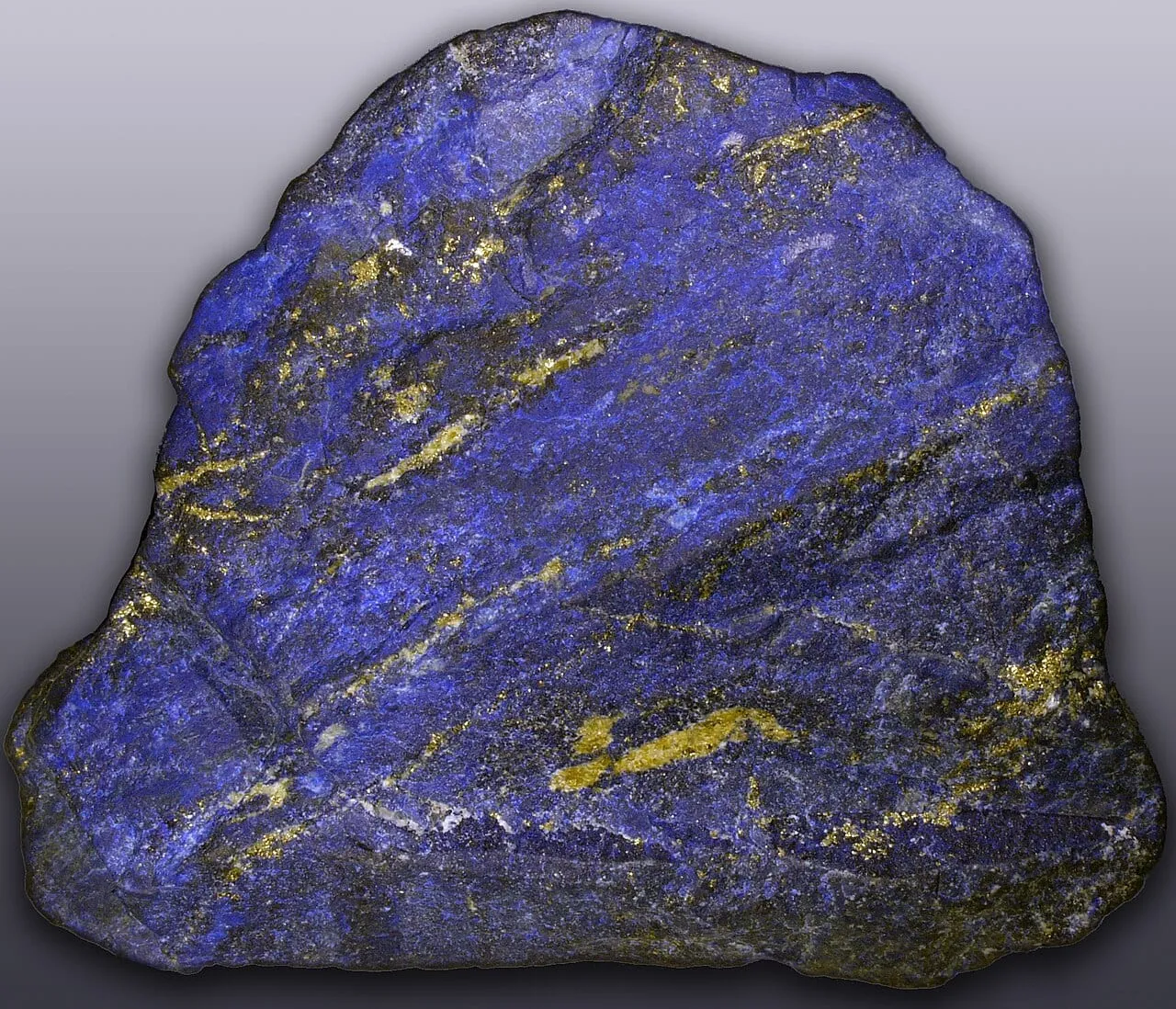
Lapis lazuli

  • In ancient Egypt, amulets believed to protect the heart were made of lapis lazuli and engraved with particular chapters of the Book of the Dead; lapis amulets in the form of an eye, decorated with gold, were also thought to be very powerful.
  • Old books on stones held that lapis cured melancholy and fevers that returned every few days.
  • Modern crystal-therapy sources claim that lapis is linked to the “throat chakra” and strengthens communication and wisdom.
  • In Türkiye, some lifestyle websites and crystal-therapy sources claim that lapis lazuli strengthens memory and brings mental clarity for better decisions.
  • The same sources say lapis reduces stress, boosts self-confidence, helps kidney and bone pain and, when carried against the skin, helps anxiety-related insomnia.

What science says There is no scientific evidence that lapis has any effect on melancholy, fevers, communication, memory, kidney and bone pain, stress or insomnia. Lasting anxiety or sleeplessness is a medical problem; do not put off seeing a doctor because of a stone. Because some lapis on the market is dyed, the dye can leach out when the stone is left in water; do not make “gem water” with it, and do not put the stone or its powder in your mouth.

Oltu stone

  • In Türkiye, people who tell Oltu stone prayer beads are believed to discharge the static electricity built up in their bodies and so get rid of stress.
  • In Roman times jet was used in amulets and pendants believed to protect against the evil eye.
  • The Roman writer Pliny wrote that the smoke of burning jet drove snakes away.
  • In Türkiye, stone sellers and some lifestyle websites say that Oltu stone reduces stress and anger, eases symptoms of depression, gives confidence and courage, and helps forgetfulness.
  • The same sources claim that the stone helps migraine, throat and thyroid complaints and hair loss, and acts as an “antiseptic” that prevents infections.

What science says Oltu stone is an electrical insulator, which is exactly why it becomes charged when rubbed; it cannot “draw off” static electricity from the body. If telling prayer beads has a calming effect, it does not depend on what the beads are made of. No study shows that Oltu stone helps depression, migraine, the thyroid or infections either; see a doctor for these.

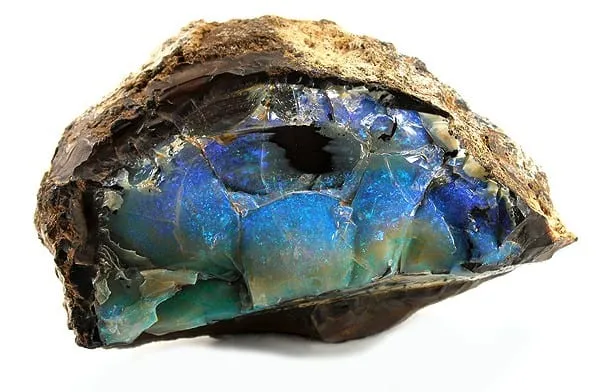
Opal

  • In the Middle Ages opal was believed to cure eye diseases and to make its wearer invisible, which is why it was also called the “patron of thieves”.
  • The ancient Greeks are said to have believed that opal gave its owner the gift of prophecy and guarded them from disease.
  • Modern crystal-therapy sources claim that opal intensifies emotions and boosts creativity.
  • In Türkiye, stone sellers and crystal-therapy websites say that opal helps eyesight, joint pain and kidney complaints, strengthens immunity and flushes heavy metals and poisons out of the body; it is also popularly known there as the “antidote stone”.
  • The same websites claim that opal reduces stress, gives self-confidence and creativity, and instils hope and love.

What science says Opal's colours come from tiny silica spheres diffracting light; there is no evidence that it heals the eyes or protects against disease. Eye complaints call for an eye doctor. The claims that opal helps kidney or joint problems or removes heavy metals and poisons from the body are equally unproven; against real poisoning the stone offers no protection, and medical help must be sought at once. Because some opals absorb water, soaking them to make “gem water” can also damage the stone.

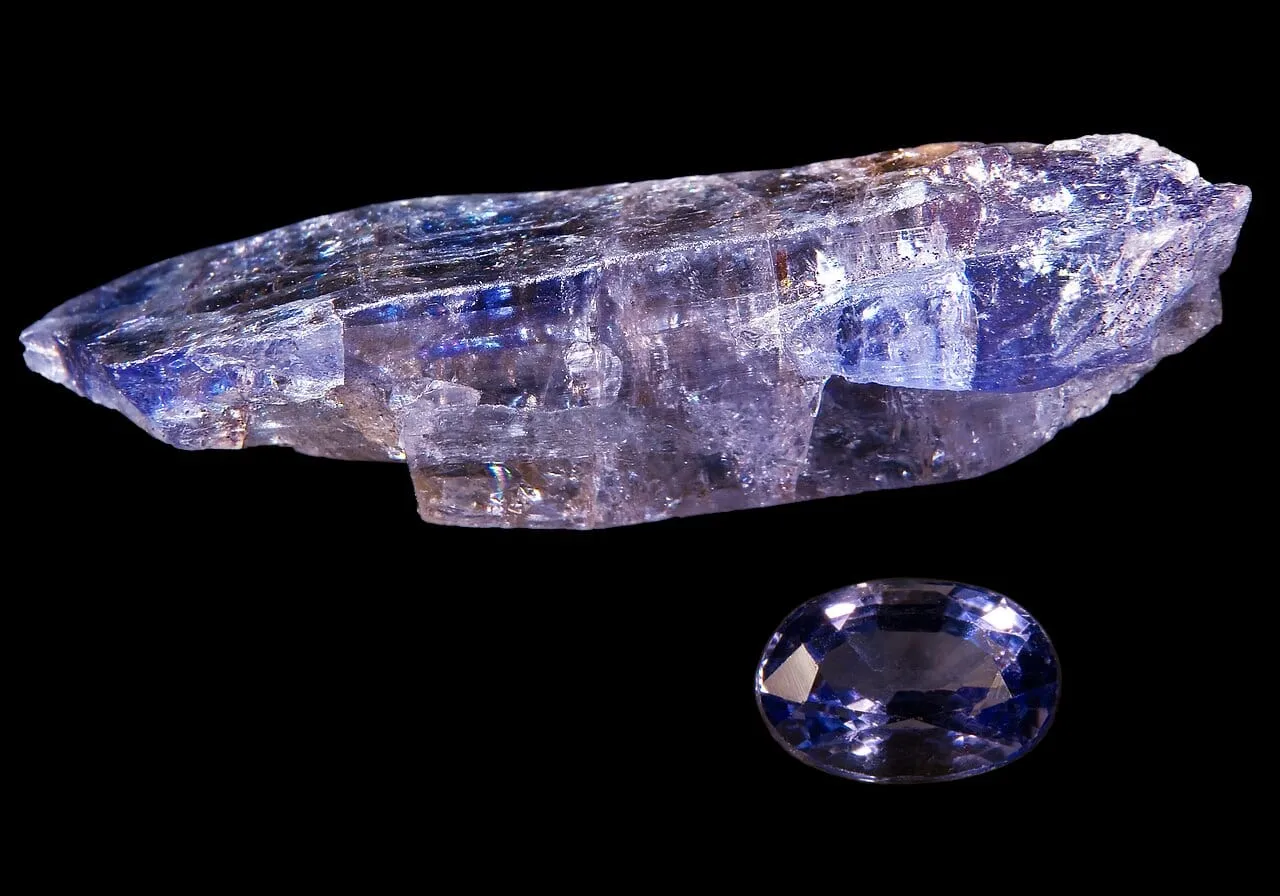
Tanzanite

  • Today crystal healing practitioners claim that tanzanite strengthens intuition and raises “spiritual awareness”.
  • Crystal-therapy websites claim that tanzanite opens the throat, third-eye and crown chakras, makes communication easier and helps overcome fear.
  • Crystal-therapy websites also claim that tanzanite strengthens the immune system, “purifies” the blood and eases migraines and stress.

What science says Tanzanite was only found in 1967, so it has no traditional lore; all these claims are recent and none has any scientific basis. It is also worth remembering that the colour of most stones on the market is produced by heat treatment. Tanzanite does not strengthen immunity, purify the blood or treat migraines; recurring headaches call for a doctor.

Emerald

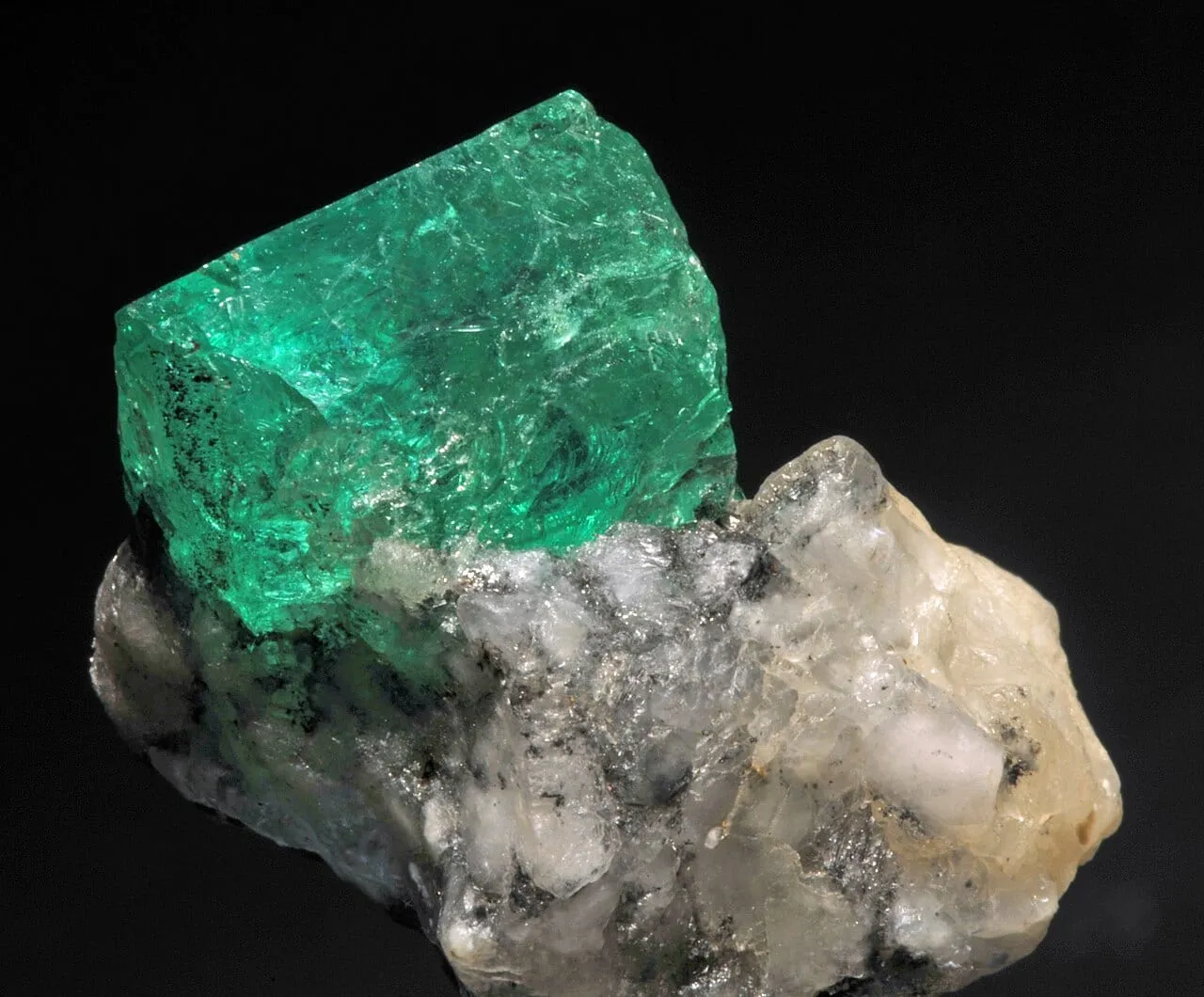
  • Pliny wrote that emerald refreshes tired eyes; Roman gem engravers are said to have kept emeralds on their workbenches to rest their eyes.
  • From the Middle Ages to the 17th century, European and Arab writers believed emerald was an antidote to poison and cured epilepsy and dysentery.
  • Emerald was believed to reveal the future and expose lies; a magician was thought to be powerless while an emerald was nearby.
  • In Turkey, stone sellers and crystal-therapy websites claim that emerald opens the “heart chakra”, strengthens love and fidelity, and benefits the heart and nervous system.
  • The same sources say emerald brings plenty and prosperity and is lucky for people born in May; emerald really is the modern birthstone for May.

What science says Looking at something green may rest the eyes, but that is not special to emerald; there is no evidence that emerald cures poisoning, epilepsy, heart or nerve disorders or eye disease. The “chakra” and “prosperity” claims cannot be measured; they are a tradition that comes from linking the colour green and the stone’s value with love and plenty. Swallowing powdered emerald, as old remedies prescribed, can be harmful because of its hard, sharp fragments.

Ruby

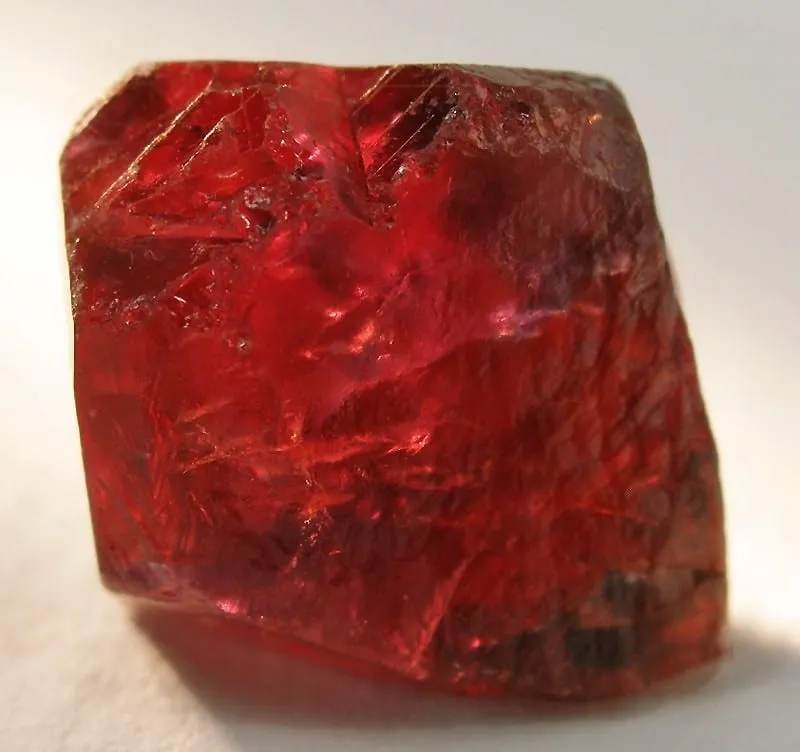
  • Old Hindu treatises on gems called ruby the “king of precious stones” (ratnaraj), and the owner of a flawless ruby was believed to be safe even among enemies.
  • A 14th-century text attributed to Sir John Mandeville held that a brilliant ruby protected its owner from all perils and guarded his house and vineyards from storms.
  • In Myanmar (Burma), a ruby inserted under the skin was believed to make its owner invulnerable to spear, sword and gun.
  • In Hindu astrology ruby is the stone of the Sun, and it is still recommended as a ring stone in the belief that it strengthens the Sun’s influence.
  • In Turkey, stone sellers and crystal-therapy websites claim that ruby is good for the heart and blood circulation and gives courage, passion and energy.

What science says There is no evidence that ruby has any protective power or makes anyone invulnerable; these beliefs largely grew out of its fiery, blood-red colour. Practices such as inserting a stone under the skin carry a serious risk of infection. No study shows that ruby helps the heart or circulation or gives anyone courage or energy either.

Sapphire

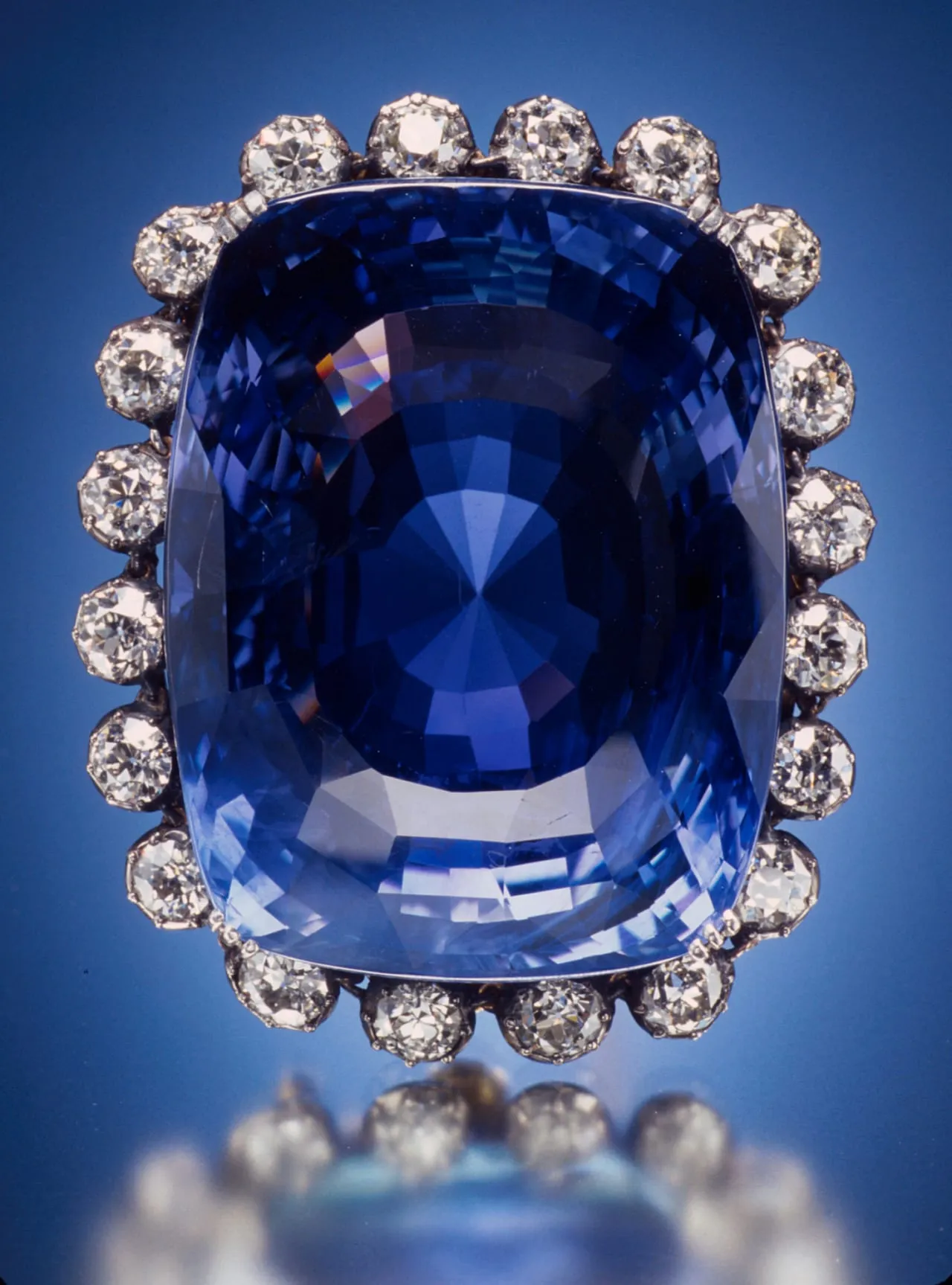
  • According to the ancient writer Damigeron, kings wore sapphire around their necks in the belief that it guarded them from harm and envy and won them divine favour.
  • In the Middle Ages sapphire was believed to neutralise poison, cleanse the eyes and protect the sight.
  • In Hindu astrology blue sapphire is the stone of Saturn; because it is believed to bring great fortune to some and disaster to others, people are advised to wear it on trial for a few days first.
  • In Turkey, stone sellers and crystal-therapy websites claim that sapphire calms the mind, sharpens focus and wisdom and helps with insomnia.

What science says There is no scientific evidence that sapphire neutralises poison or improves eyesight; corundum is extremely resistant chemically and releases nothing into water or the body. Eye complaints call for an eye doctor. No study shows that sapphire calms the mind, improves focus or cures insomnia either; lasting insomnia calls for a doctor.

Kyanite

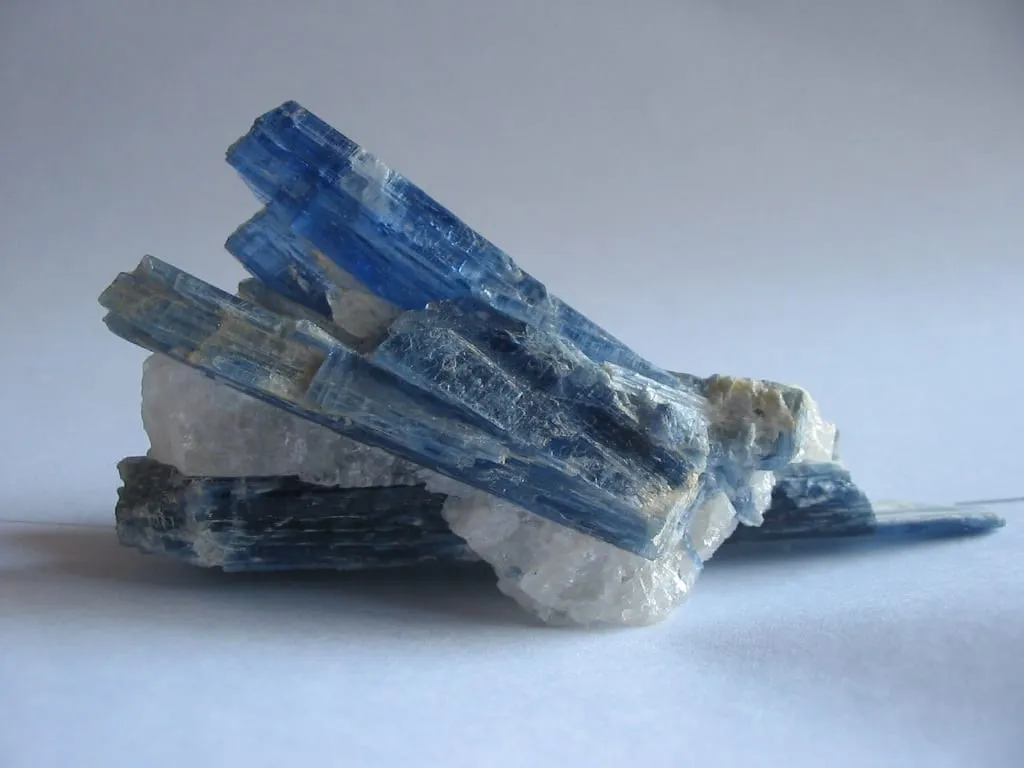
  • Modern crystal-therapy sources claim that kyanite “aligns the chakras” and, because it “does not hold negative energy”, never needs to be cleansed.
  • In Türkiye, some lifestyle websites and crystal-therapy sources claim that kyanite strengthens communication, makes self-expression easier and clears mental fog for clear thinking, and link this effect to the throat and brow “chakras”.
  • The same sources say kyanite calms emotional turmoil and brings deep focus in meditation.

What science says None of these claims can be measured or tested. Kyanite's genuinely remarkable traits, its direction-dependent hardness, its use as a marker of high-pressure rock formation and its conversion to mullite when heated, are all physical and chemical properties.

Obsidian

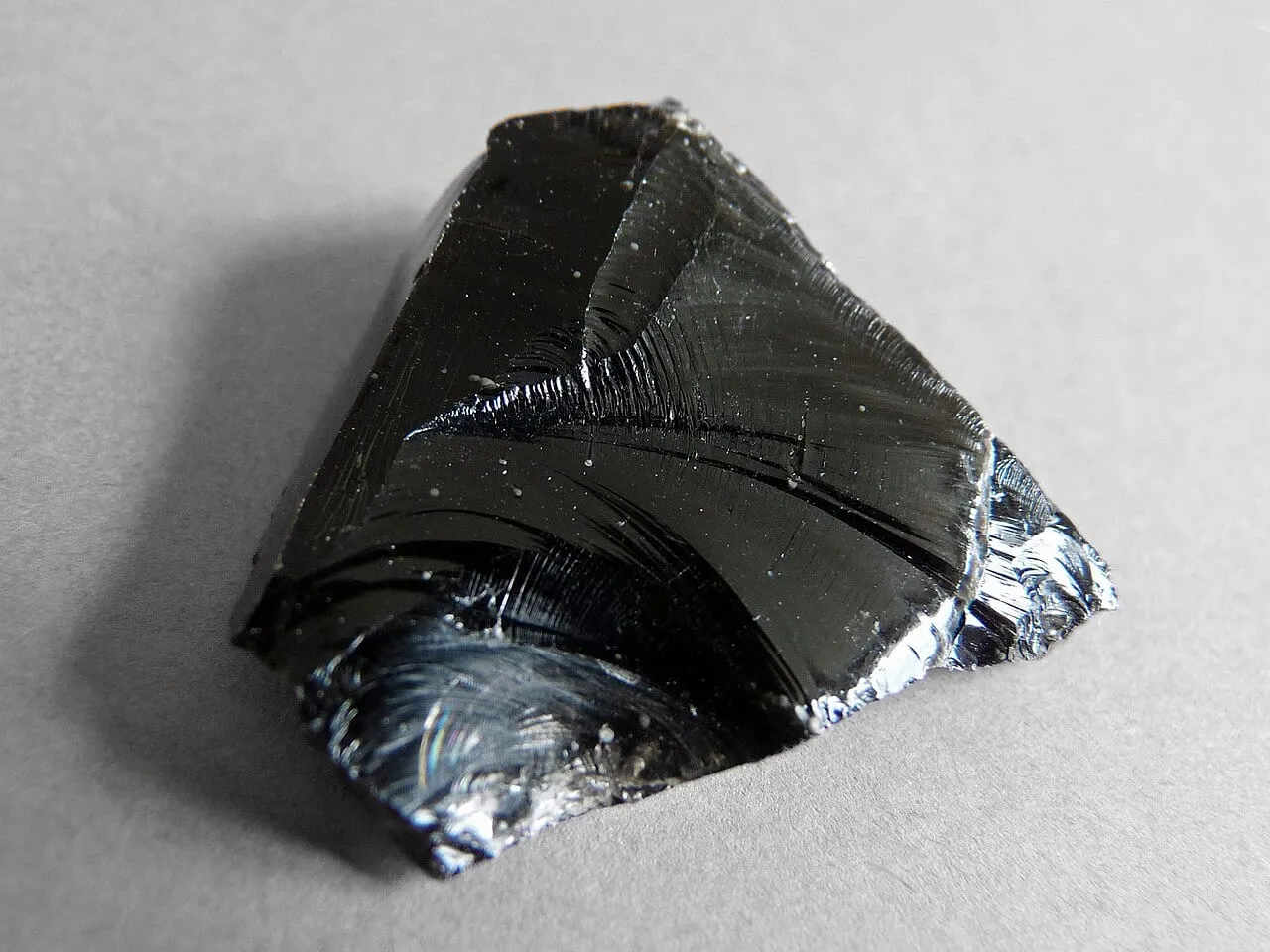
  • The Aztecs believed that polished obsidian mirrors showed visions and foretold the future; such mirrors were associated with Tezcatlipoca, god of sorcery, whose name means “Smoking Mirror”.
  • The 16th-century English scholar John Dee is said to have used an obsidian mirror brought to Europe from Mexico to communicate with spirits.
  • Modern crystal-therapy sources claim that obsidian shields people from negative energy and “absorbs” it.
  • In Türkiye, some lifestyle websites present obsidian as a “powerful protection stone”, saying it forms a shield against negative energy and clears the mind when making decisions.

What science says Staring into a dark, shiny surface for a long time can make the brain see images of its own making; there is no evidence that an obsidian mirror shows the future or that the stone protects anyone. The edges of raw or broken obsidian are razor-sharp, so such pieces should not be rubbed over the skin.

Tektite

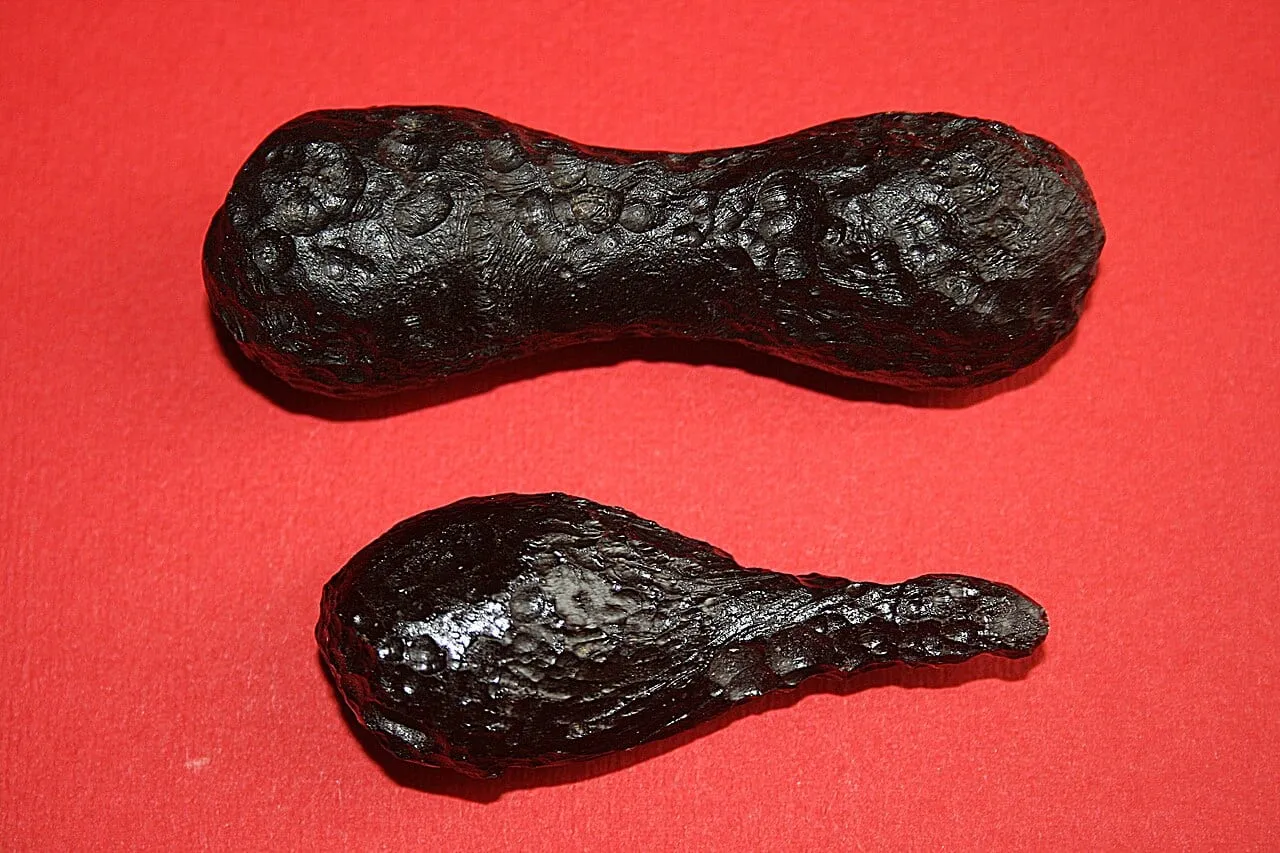
  • Today crystal healing practitioners claim that moldavite is an exceptionally “powerful” stone that speeds up spiritual transformation; some say that people holding it for the first time feel warmth or dizziness.
  • Crystal-therapy websites also claim that moldavite opens the heart chakra and speeds up the fulfilment of wishes.

What science says Moldavite is a silica-rich glass formed from melted Earth rock; since it did not come from space, claims of “energy from space” have no basis. As interest has grown, glass imitations on the market have multiplied too. Sensations such as warmth or dizziness when holding the stone can come from expectation; if dizziness persists, see a doctor.

Iron meteorite

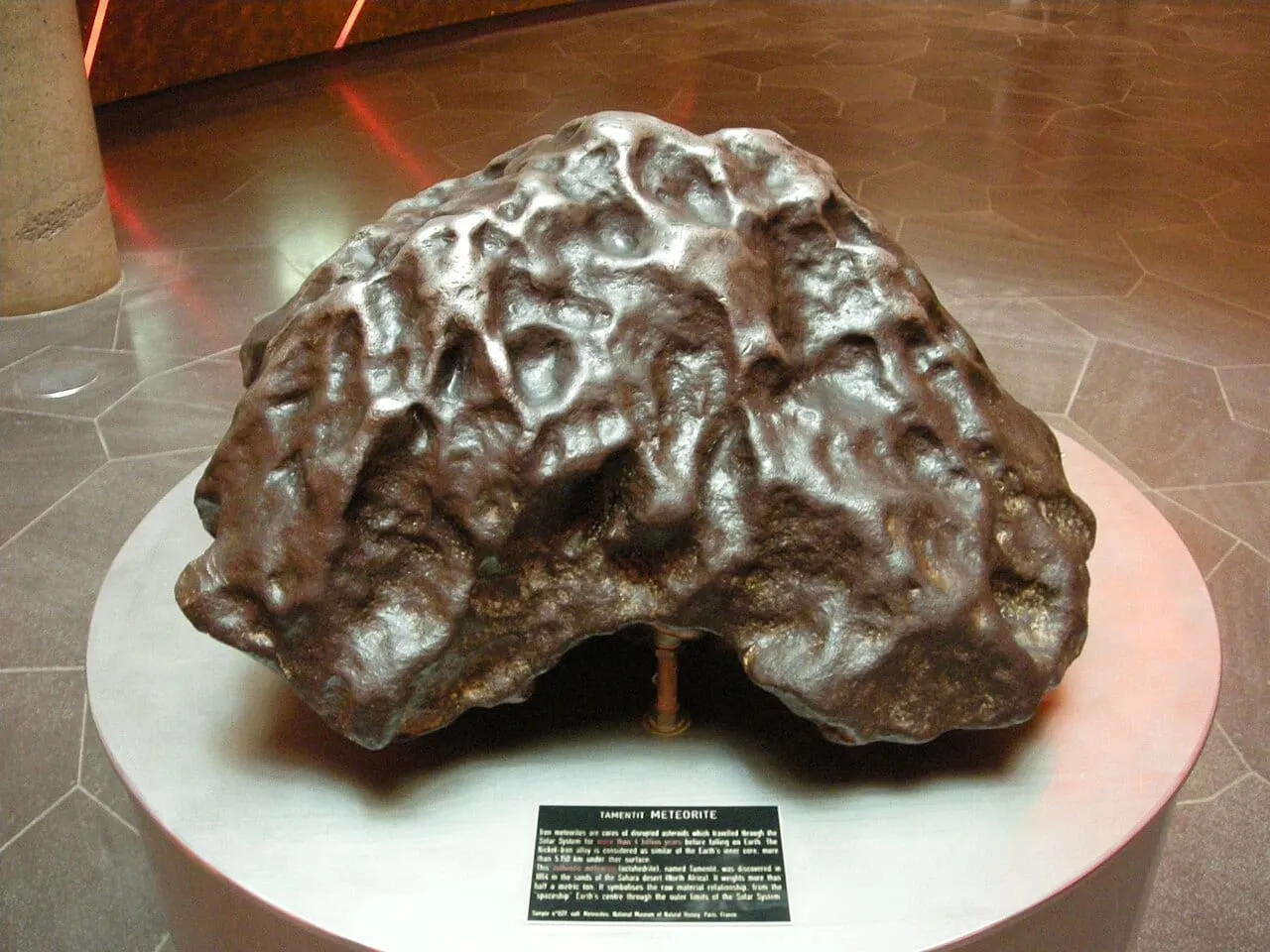
  • The Clackamas people of Oregon in the USA and their descendants hold the Willamette iron meteorite, which they call Tomanowos, sacred; warriors believed that dipping their arrows in the rainwater collected in its hollows would bring success in battle.
  • Today some sellers claim that meteorite fragments carry a special power “from space” and protect their wearer.

What science says There is no evidence that meteorites give their owners power or protection; their scientific value lies in the information they carry about the earliest Solar System. Some pieces sold as “meteorites” are slag or industrial iron, so specimens from a reliable source with an official record are preferable.