Mind, focus and memory: which stones are believed to help, and what science says

This section reports beliefs; it is not health information. There is no scientific evidence for these claims and no stone replaces medical treatment.

What science says

Conflict with science: Moderate: an unproven claim

There is no evidence that stones improve attention, memory or intelligence.

Stones linked with this area (31)

Apatite

  • Today crystal-therapy practitioners claim that apatite, blue apatite in particular, suppresses appetite and helps with weight loss.
  • The same circles also claim that, because it resembles the mineral in bones and teeth, apatite strengthens bones and teeth.
  • In Türkiye, crystal-therapy sites and some news sites say that apatite improves learning, memory and motivation to work, and makes communication easier.
  • The same sources claim that apatite drives away negative energies with its “high-vibration energy” and gives spiritual protection.

What science says The appetite claim most likely grew out of the name’s resemblance to the English word “appetite”, whereas the name actually comes from the Greek for “to deceive”. The calcium and phosphorus that bones and teeth need come from food; wearing or carrying apatite contributes nothing to them. There is no evidence either that apatite improves learning, memory or motivation, or that its “energy” protects anyone.
Orthoclase

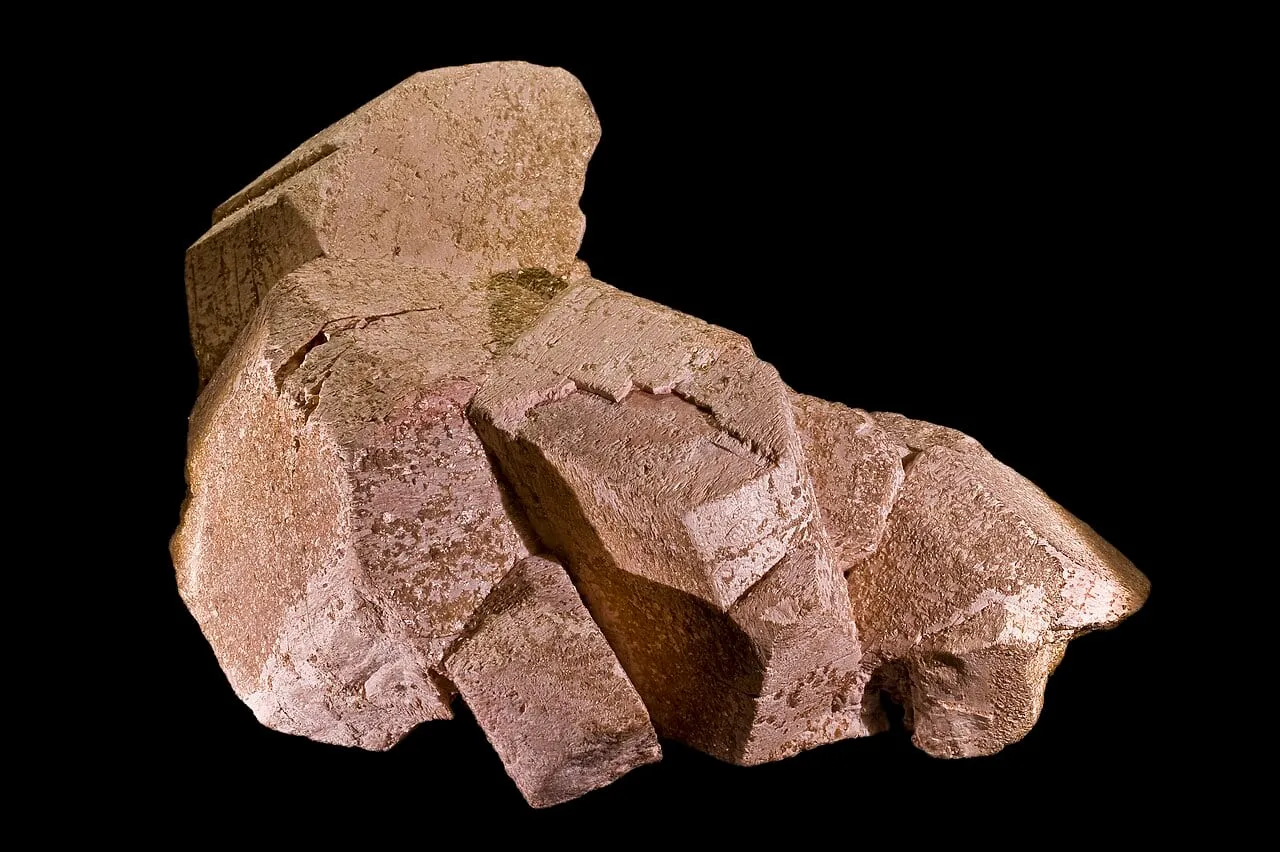
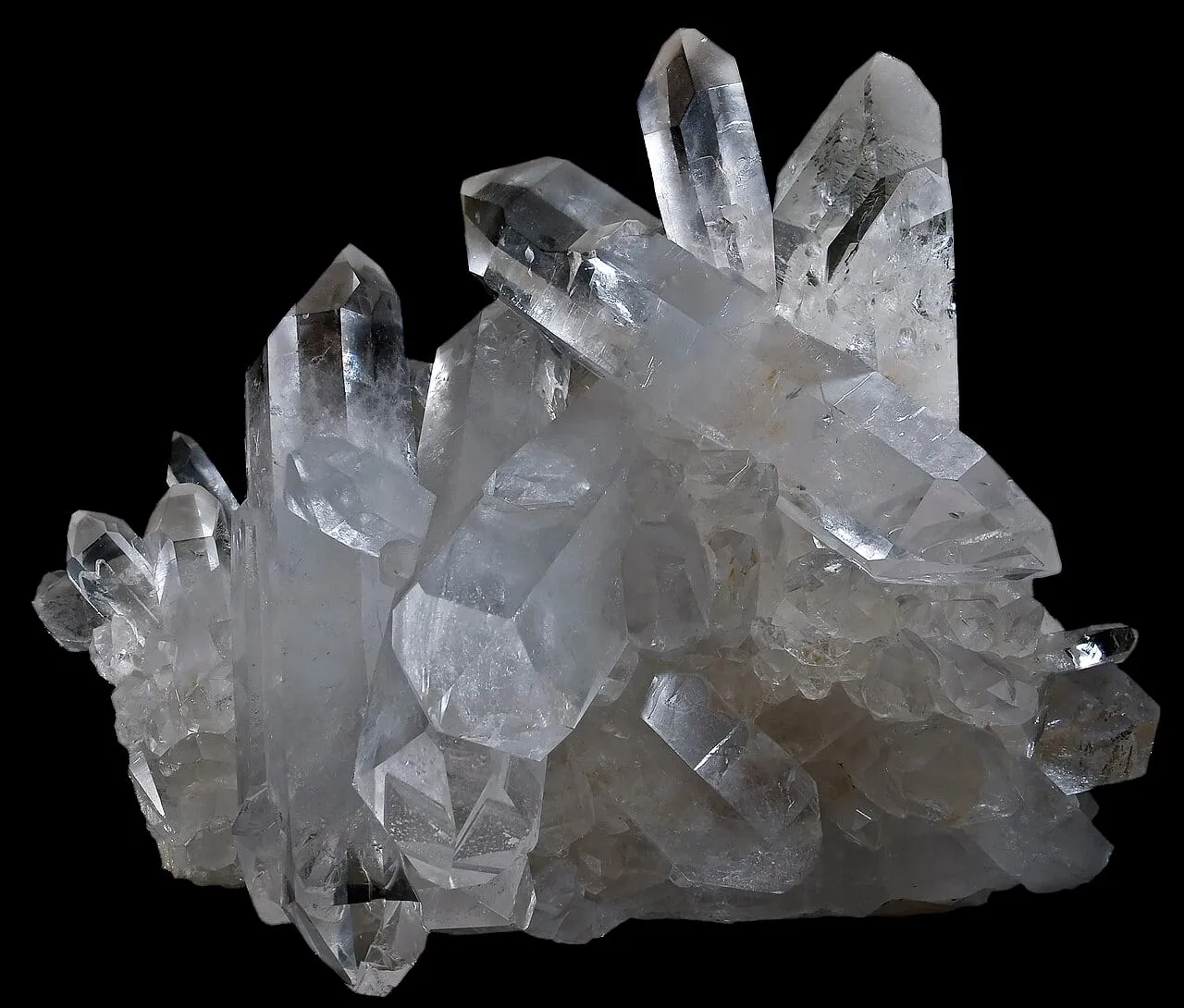
  • In Türkiye, stone sellers and crystal-therapy websites say that orthoclase reduces stress, gives confidence and courage, and improves focus and mental clarity.
  • The same websites claim that orthoclase strengthens immunity, helps stomach and bowel problems and eases insomnia.

What science says No study supports these claims. Orthoclase is potassium feldspar, very common in the Earth's crust; apart from its use in the ceramics and glass industries it is not known to have any effect on the body or mind. Lasting sleep or digestive problems call for a doctor.

Quartz

  • Since the Middle Ages, people have believed that gazing into balls of rock crystal can reveal the future and hidden things; this form of divination is called crystal gazing.
  • Today crystal healing practitioners present clear quartz as a “master healer” and claim that it boosts energy and amplifies the effects of other stones.
  • In Turkey, stone sellers and crystal-therapy websites claim that clear quartz (known there as “necef taşı” or mountain crystal) cleans away “negative energy” around you, sharpens focus and memory and balances all the chakras.

What science says The piezoelectric effect of quartz is real, but a crystal only produces a small voltage when it is mechanically squeezed; a stone held in the hand gives off no energy that affects the body. In an experiment reported in 2001, participants holding fake stones they believed to be quartz reported the same sensations as those holding real quartz, showing that the effect comes from suggestion (placebo). There is likewise no evidence that quartz “cleanses” a room, the body or the aura, or improves focus and memory.

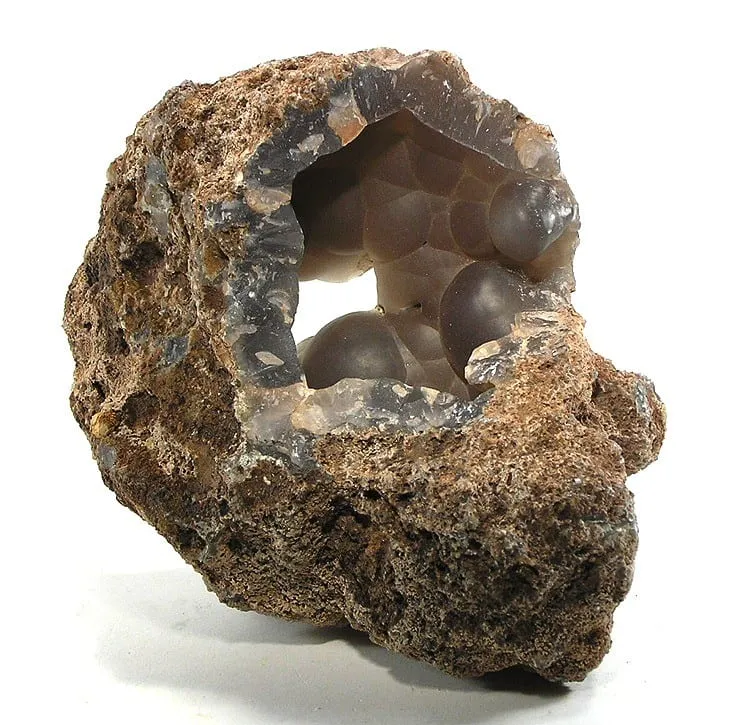
Chalcedony

  • According to a Greek lapidary thought to date from the 3rd or 4th century AD, an amulet set with chalcedony together with a red stone was believed to protect sailors from drowning.
  • In earlier centuries in Europe, chalcedony was believed to drive away ghosts and frightening visions of the night.
  • Today crystal-therapy practitioners claim that chalcedony, blue chalcedony in particular, is calming and makes communication easier.
  • In Türkiye, some news sites and crystal-therapy sites say that chalcedony drives away negative energy and gives energy and motivation.
  • The same sources claim that chalcedony helps with chronic illness, coughs and sleep problems, and eases stress and depression.

What science says Chalcedony is made of chemically inert silica; there is no scientific evidence that it protects people from drowning, nightmares or anxiety, gives energy, or cures chronic illness, coughs, sleeplessness or depression. Depression and chronic illness need medical treatment; medicines should not be replaced by a stone or stopped without consulting a doctor.

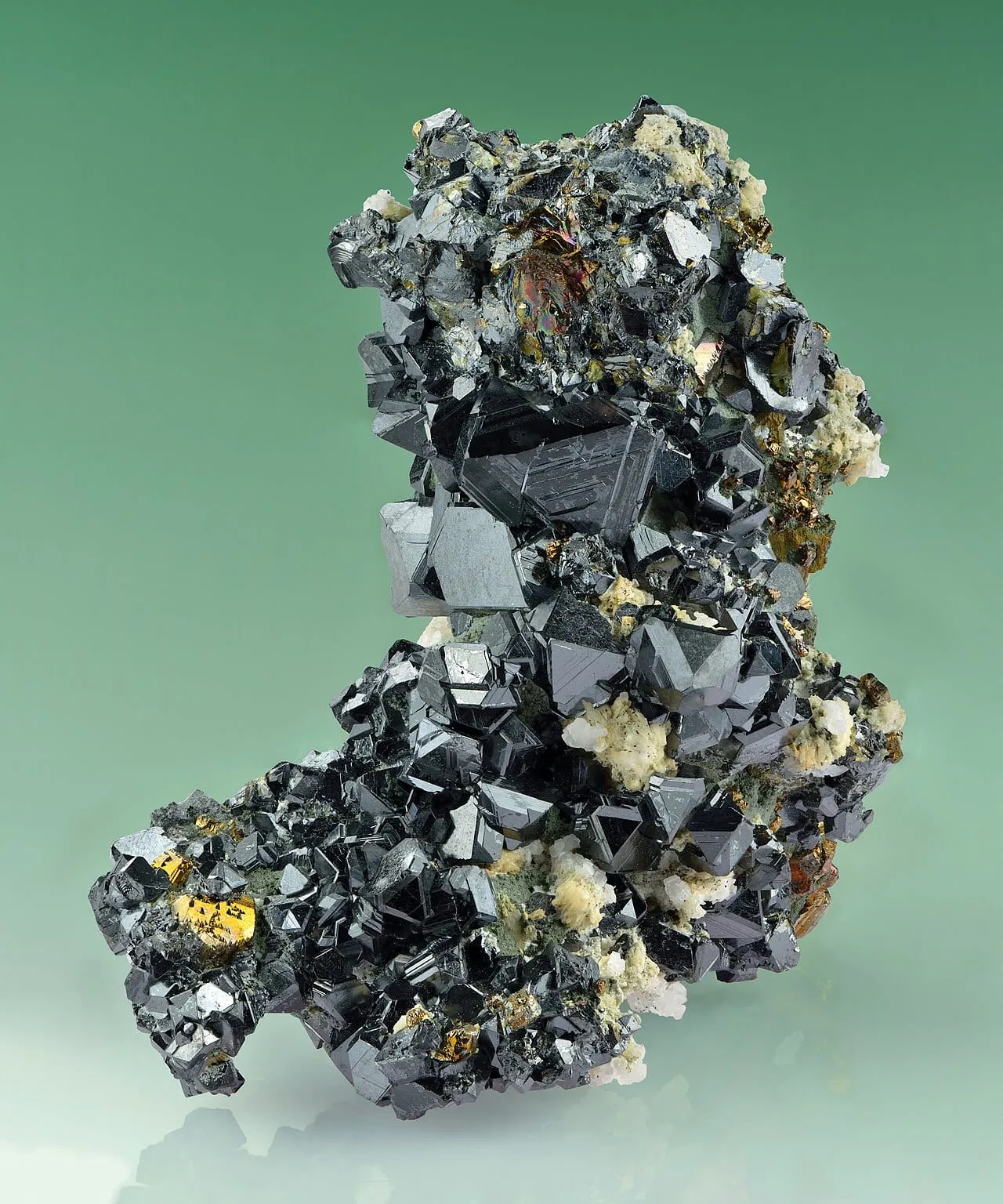
Sphalerite

  • Crystal-therapy websites claim that sphalerite boosts confidence and creativity, restores energy after exhaustion, balances the chakras and helps the digestive organs.

What science says None of these claims is backed by measurement or a controlled study. Sphalerite is a zinc sulfide; it often contains toxic metals such as cadmium, and many specimens are intergrown with the lead mineral galena. It should therefore never be put in drinking water, its dust should not be breathed, and hands should be washed after handling it. Digestive complaints call for a doctor, not a stone.

Zoisite

  • Crystal-therapy websites claim that zoisite, and above all ruby zoisite (anyolite), opens the heart chakra, increases love and compassion, heals old emotional wounds and strengthens creativity and self-confidence.
  • The same sources also say that zoisite boosts immunity and vitality, reduces inflammation, “detoxifies” the body and helps allergies.

What science says None of these claims is backed by measurement or a controlled study. Zoisite does not reduce inflammation, strengthen immunity or cure allergies; allergies and lasting illnesses call for a doctor. For emotional wounds, too, the answer is a mental-health professional when needed, not a stone.

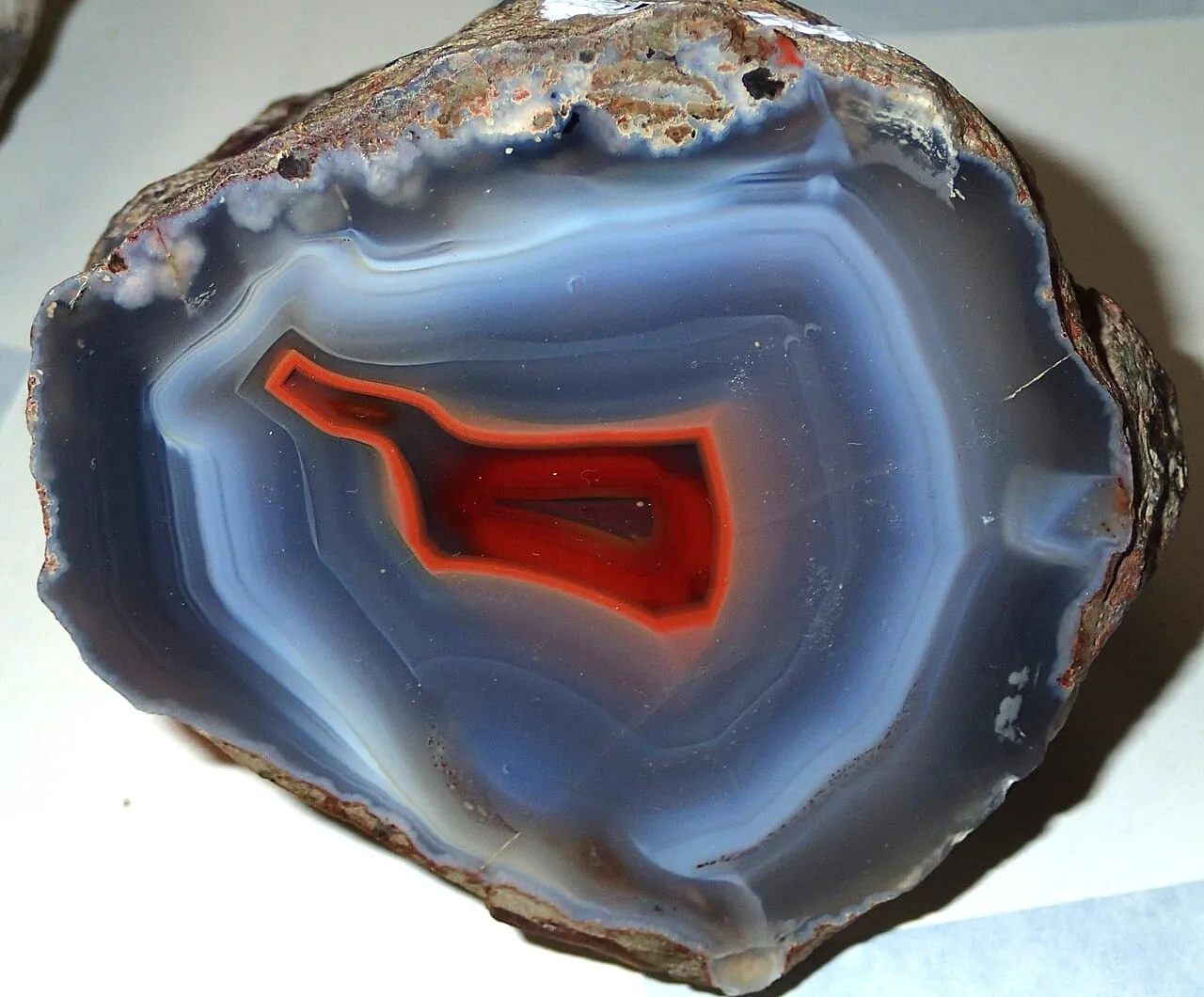
Agate

  • Medieval lapidaries, such as the writings of Marbodus, Bishop of Rennes, in the 11th century, held that agate made its wearer agreeable and persuasive and won them the favour of God.
  • In earlier centuries in Europe, wearing agate was believed to cure sleeplessness and bring pleasant dreams.
  • In 19th-century Sudan, brown or black “eye” agates with a white ring in the centre were believed to guard against the evil eye; most of these amulets were cut in the workshops of Idar-Oberstein in Germany.
  • In the Islamic world, based on the tradition that the Prophet Muhammad wore a seal ring set with an ʿaqīq stone, ʿaqīq rings (agate, usually red carnelian) are believed to protect their wearer from evil and envy.
  • In Türkiye, stone sellers and some religious publications attribute to the Prophet Muhammad the saying “whoever wears an agate ring will not be poor” and claim that agate increases provision and blessing.
  • In Türkiye, stone sellers and crystal-therapy sites claim that agate speeds up blood circulation and eases stomach and bowel complaints.

What science says Agate is a chemically inert form of quartz made of silica; there is no scientific evidence that it improves sleep, protects against the evil eye or envy, speeds up circulation or helps any illness; if symptoms persist, the remedy is a doctor, not a stone. The “eye” pattern is simply concentric silica bands that look like rings where the stone is cut. The saying “whoever wears an agate ring will not be poor” is attributed to the Prophet, but hadith scholars do not regard it as reliable.

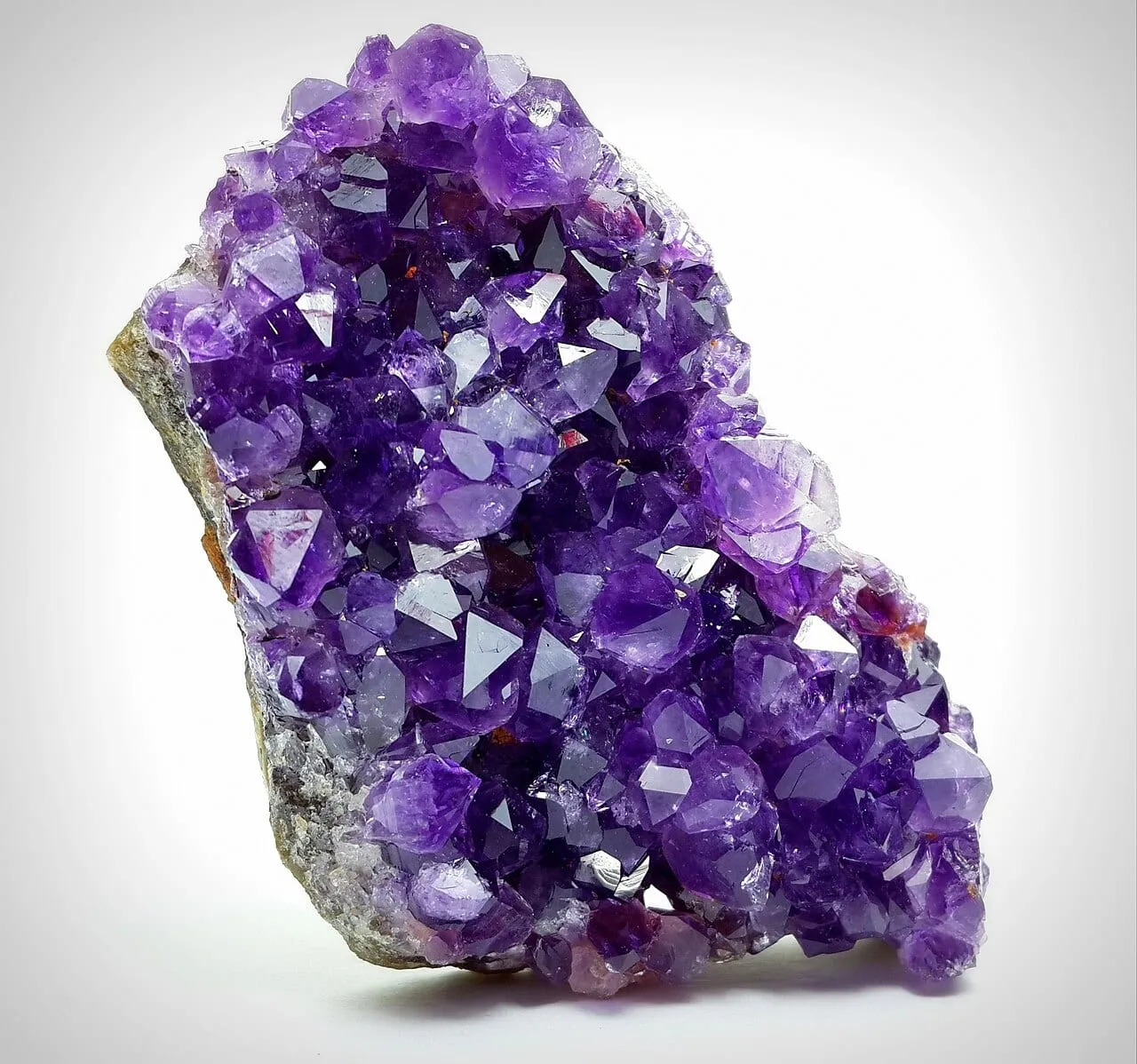
Amethyst

  • The ancient Greeks believed amethyst prevented drunkenness; the stone’s name comes from the Greek amethystos, meaning “not drunk”.
  • In a book on stones published in 1502, the Italian writer Camillo Leonardi wrote that amethyst kept away evil thoughts and sharpened the intelligence.
  • Today crystal-therapy practitioners claim that amethyst is calming and helps with sleep and with coping with stress.
  • In Türkiye, stone sellers and crystal-therapy sites say that amethyst opens the crown chakra, deepens meditation and shields against “negative energy”.
  • In Türkiye, stone sellers and crystal-therapy sites claim that amethyst relieves headaches and tiredness and strengthens the immune system.

What science says There is no scientific evidence that amethyst prevents drunkenness or improves sleep; there is no evidence either that it relieves headaches, strengthens the immune system or “opens” a chakra; persistent sleeplessness, anxiety or headaches call for a doctor. According to the mineralogist George F. Kunz, the drunkenness belief may have arisen because water poured into a cup carved from a reddish stone looks like wine, yet whoever drinks it stays sober.

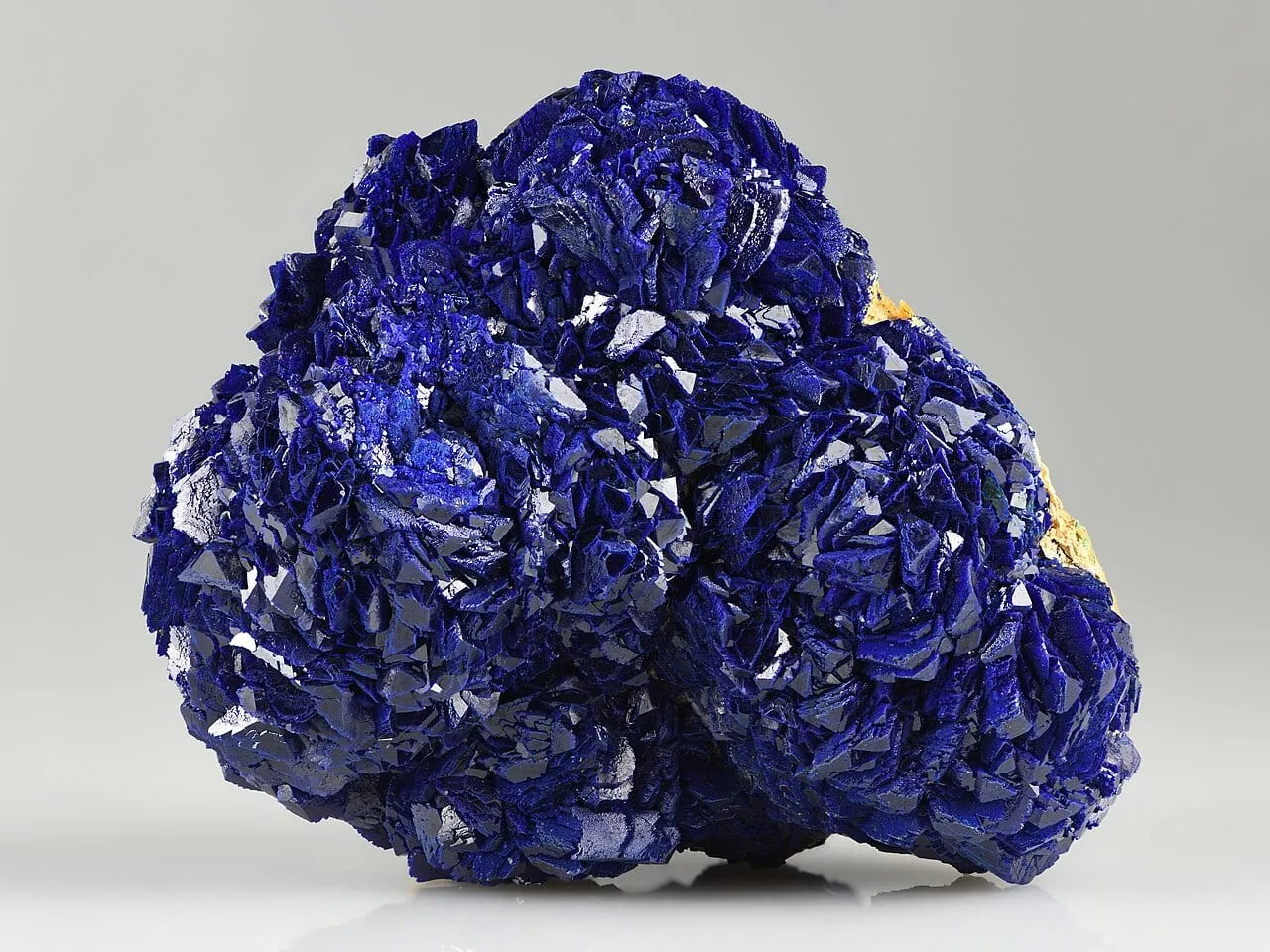
Azurite

  • Today crystal-therapy practitioners claim that azurite strengthens intuition and clears the mind.
  • In Türkiye, crystal-therapy sites and some news sites say that azurite opens the third-eye chakra and develops “psychic abilities”.
  • The same sources claim that azurite helps with rheumatism and joint pain and eye strain, and strengthens the immune system.

What science says There is no scientific evidence that azurite has any effect on intuition or the mind, opens a chakra, or helps with rheumatism, joint pain, eye strain or immunity; a doctor should be consulted if pain or joint complaints persist. Azurite is a copper mineral: it should not be put in water or drinks to make “gem water”, put in the mouth, or have its dust inhaled; acidic liquids can dissolve it and release copper.

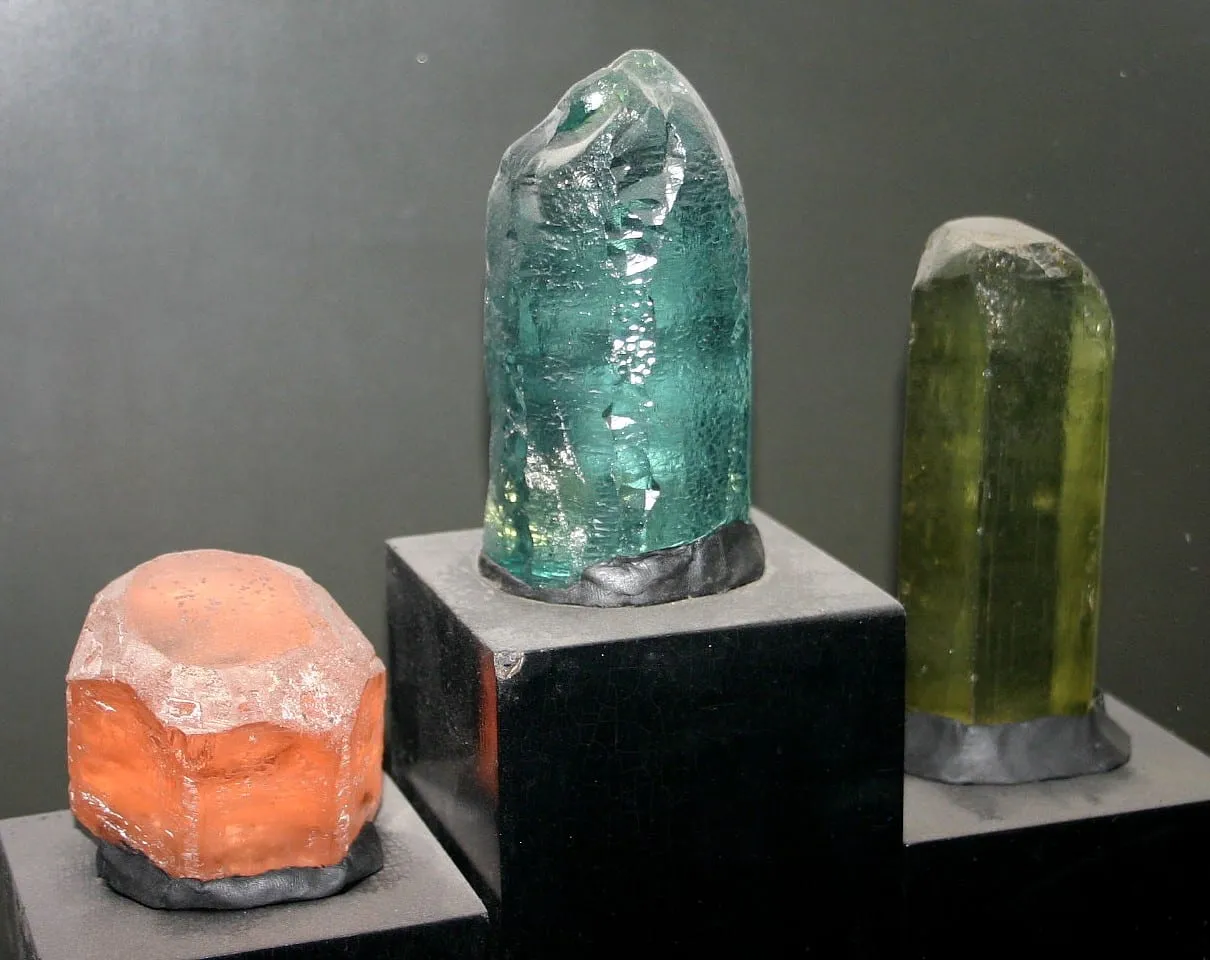
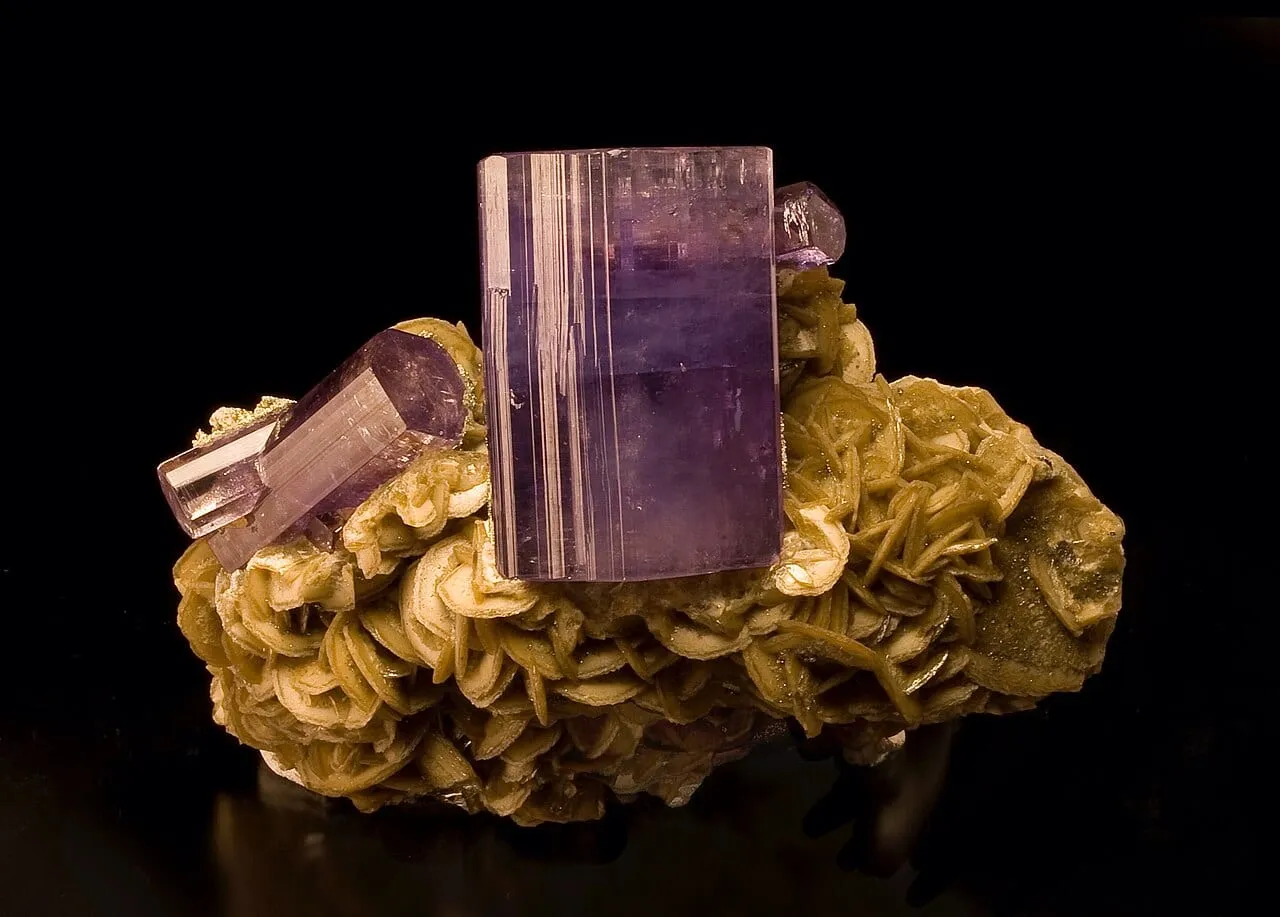
Beryl

  • The medieval writer Arnoldus Saxo (13th century) records the belief that beryl made its wearer unconquerable by enemies in battle and in lawsuits, quickened the intellect and cured laziness.
  • Konrad von Megenberg’s 14th-century “Book of Nature” claims that beryl reawakens the love of married couples.
  • Fortune-tellers who claimed to see the future by gazing into crystals often preferred polished spheres of beryl to rock crystal, believing beryl showed more “visions”.
  • In Türkiye, stone sites and some news sites say that beryl, especially blue-green beryl, brings calm, strengthens communication and improves performance if carried before an oral exam.
  • The same sources claim that beryl is in tune with the throat chakra and supports thyroid problems.

What science says There is no scientific evidence that beryl has any of these powers, improves exam results, is in tune with a chakra or helps with thyroid problems; a doctor should be consulted for thyroid complaints. The “visions” seen by someone staring at a shiny sphere for a long time come not from the stone but from the viewer’s own mind.

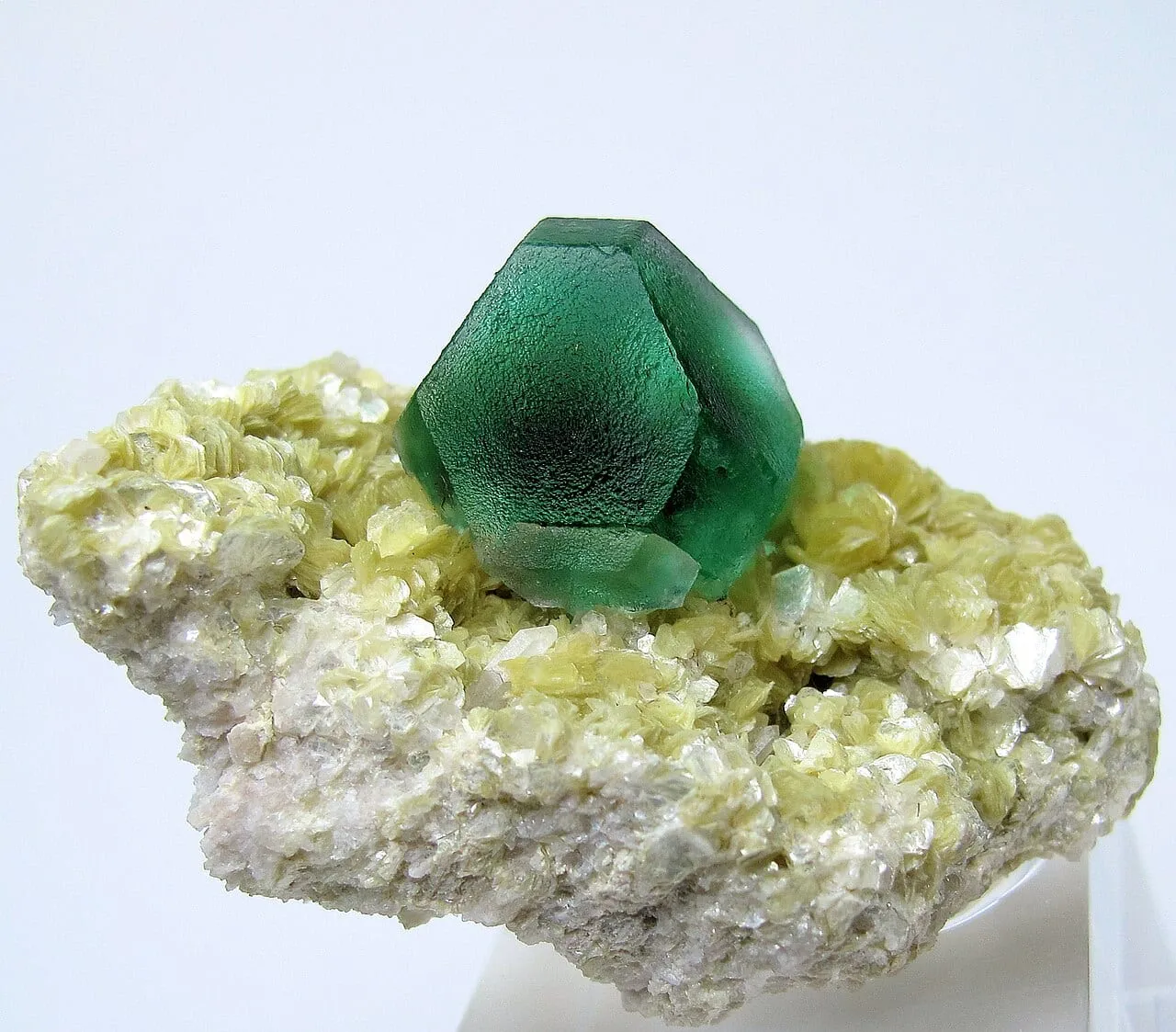
Fluorite

  • Today crystal therapy practitioners claim that fluorite clears the mind and helps concentration and learning.
  • In Turkey, stone sellers and crystal therapy websites claim that fluorite strengthens immunity, raises resistance to infection and, thanks to its fluorine, strengthens bones and teeth.
  • The same websites say fluorite opens the “crown” and “third eye” chakras and absorbs negative energy from its surroundings.

What science says There is no scientific evidence that fluorite improves attention or learning. The fluorine in the stone is tightly bound in the crystal as calcium fluoride; carrying or touching fluorite does not strengthen immunity, bones or teeth, and the “chakra” and “energy absorbing” claims cannot be measured. Putting the stone in water and drinking it is not advisable: fluorite dissolves slightly and releases fluoride, and in veins it is often found together with lead-bearing minerals such as galena.

Garnet

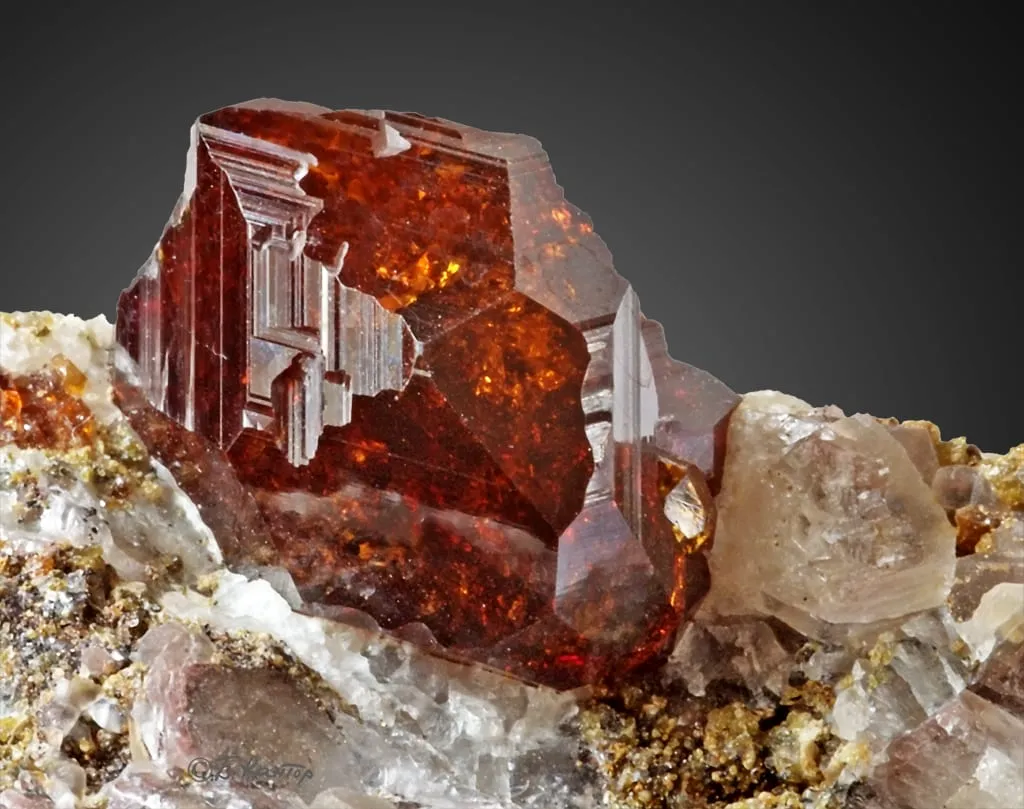
  • Red stones such as garnet, whose colour recalls blood, were believed to protect the wearer from wounds.
  • In the Middle Ages, the red stones called “carbuncles” (garnet and ruby) were believed to shine in the dark with their own light.
  • Garnet, the birthstone of January, is believed to bring constancy and friendship to those born in that month.
  • In Turkey, stone sellers and some news websites write that garnet gives energy, eases stress and pain, and helps heart conditions and hormone balance.
  • The same sources say garnet strengthens memory, helps in exams and gives self-confidence.

What science says Garnet does not shine with its own light; it only reflects the light that falls on it, and tales of “carbuncles glowing in the dark” are legend. There is no evidence that garnet protects against wounds, brings constancy, or helps the heart, hormones or memory; someone with a heart condition should not leave treatment to a stone.

Labradorite

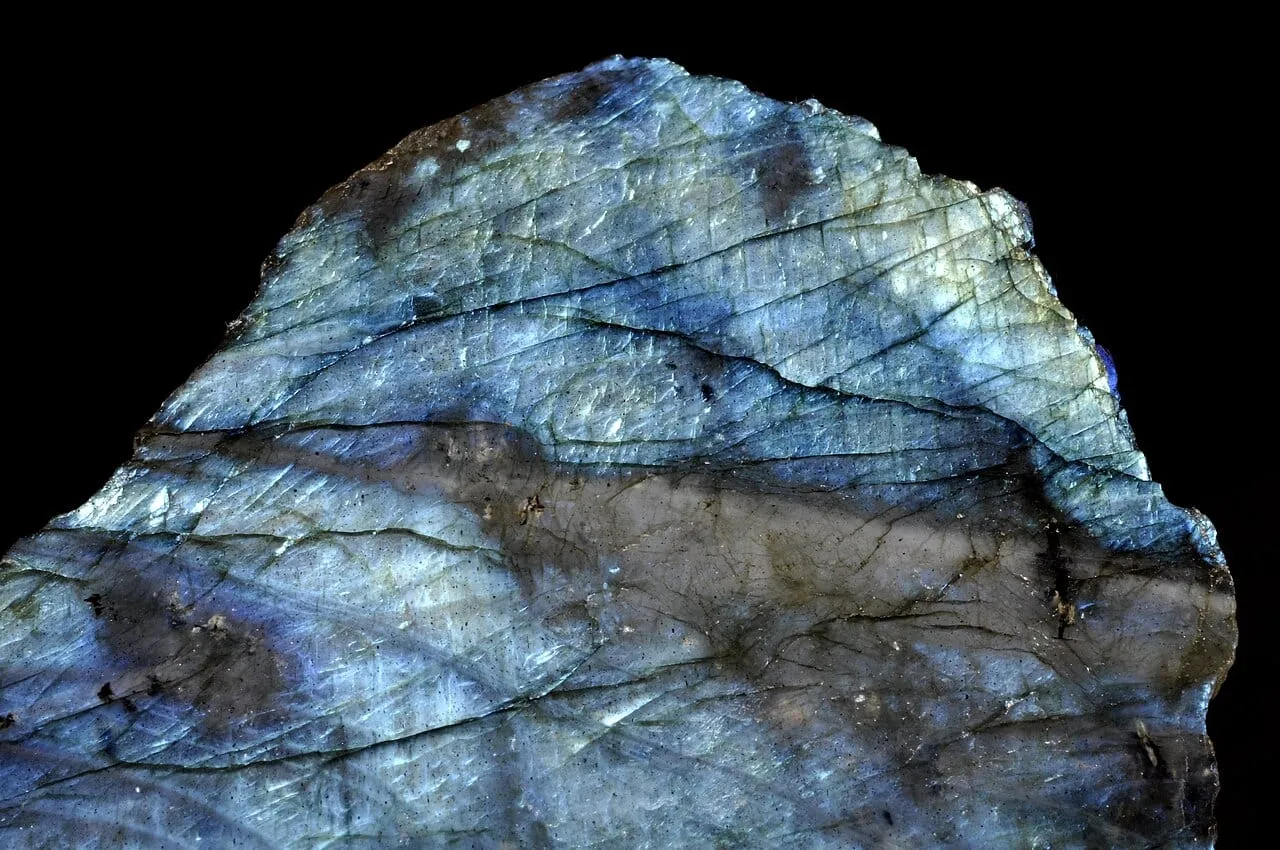
  • Modern crystal-therapy sources claim that labradorite “protects the aura”, strengthens intuition and offers support through times of change.
  • In Türkiye, some lifestyle websites and crystal-therapy sources claim that labradorite helps eyesight and night vision, joint pain, rheumatism and high blood pressure.
  • The same sources say labradorite calms the mind, reduces anxiety and stress, and boosts self-confidence.

What science says Labradorite's mysterious-looking flash is a physical effect: light interfering in extremely thin feldspar layers inside the stone. There is no scientific evidence that it strengthens intuition or protects anyone. The claimed benefits for eyes, joints or blood pressure are equally unproven; trusting the stone and putting off a visit to the doctor is the real risk.
Malachite

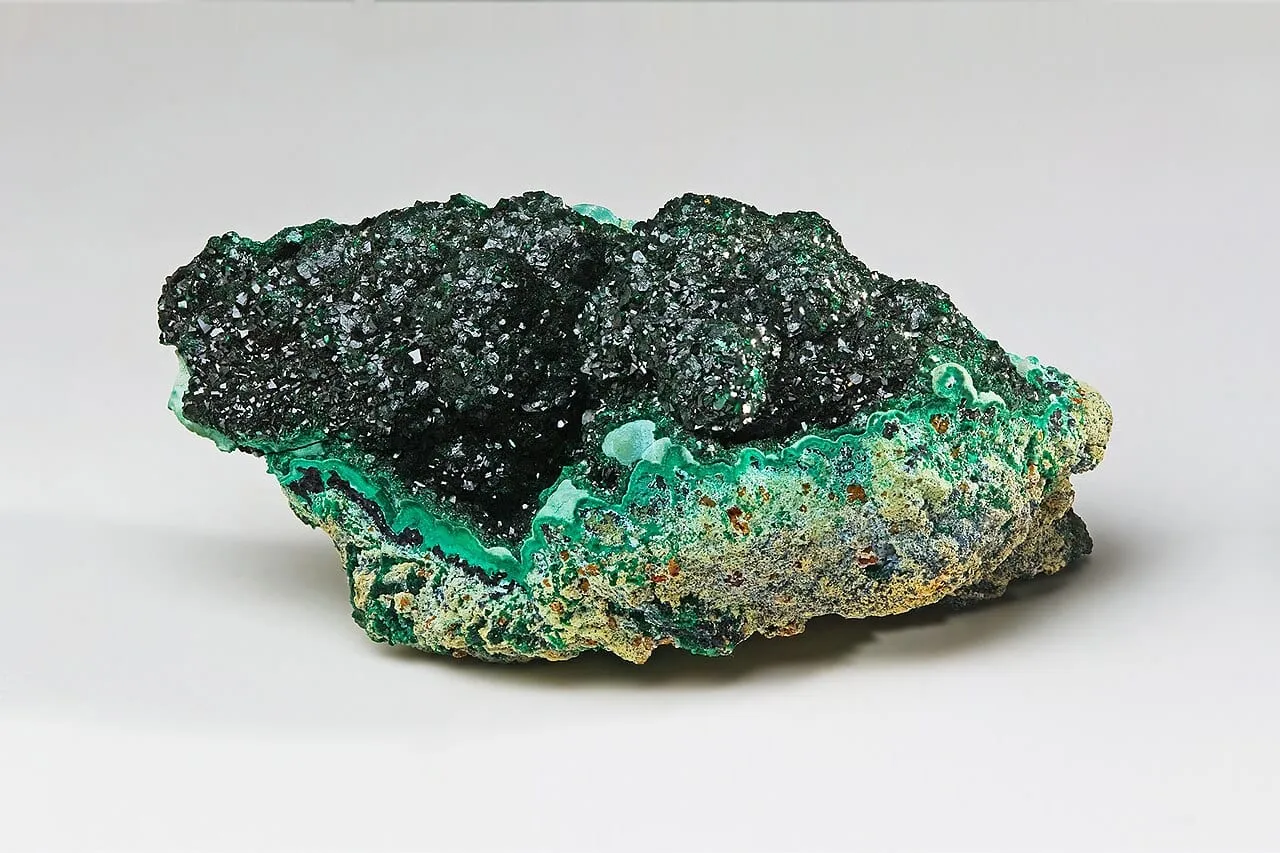
  • According to an old belief, malachite was a talisman especially suited to children: a piece tied to the cradle was thought to keep evil spirits away and let the baby sleep soundly.
  • In parts of Italy, malachite with eye-like markings was set in silver and carried as a “peacock stone” against the evil eye.
  • In some parts of Germany, malachite was believed to protect its wearer from falling and to warn of approaching disaster by breaking into pieces.
  • Modern crystal-therapy sources claim that malachite absorbs negative energy and the “radiation” from electronic devices.
  • In Türkiye, some lifestyle websites and crystal-therapy sources claim that malachite eases pain, muscle spasms, rheumatism, migraine, dizziness, and car and sea sickness.
  • The same sources say malachite calms the person, helps sleep, drives away feelings of guilt and fear and strengthens memory; it is also called the “joy stone”.

What science says Malachite is a copper mineral: do not put it in water to make “gem water” or an “elixir”, never soak it in acidic drinks such as lemon water or vinegar, and do not put it in your mouth; acid dissolves malachite and releases copper into the liquid. There is no evidence that malachite absorbs electromagnetic waves from devices, and the claims that it relieves pain or migraine, cures insomnia or improves memory are equally unproven.

Rock crystal

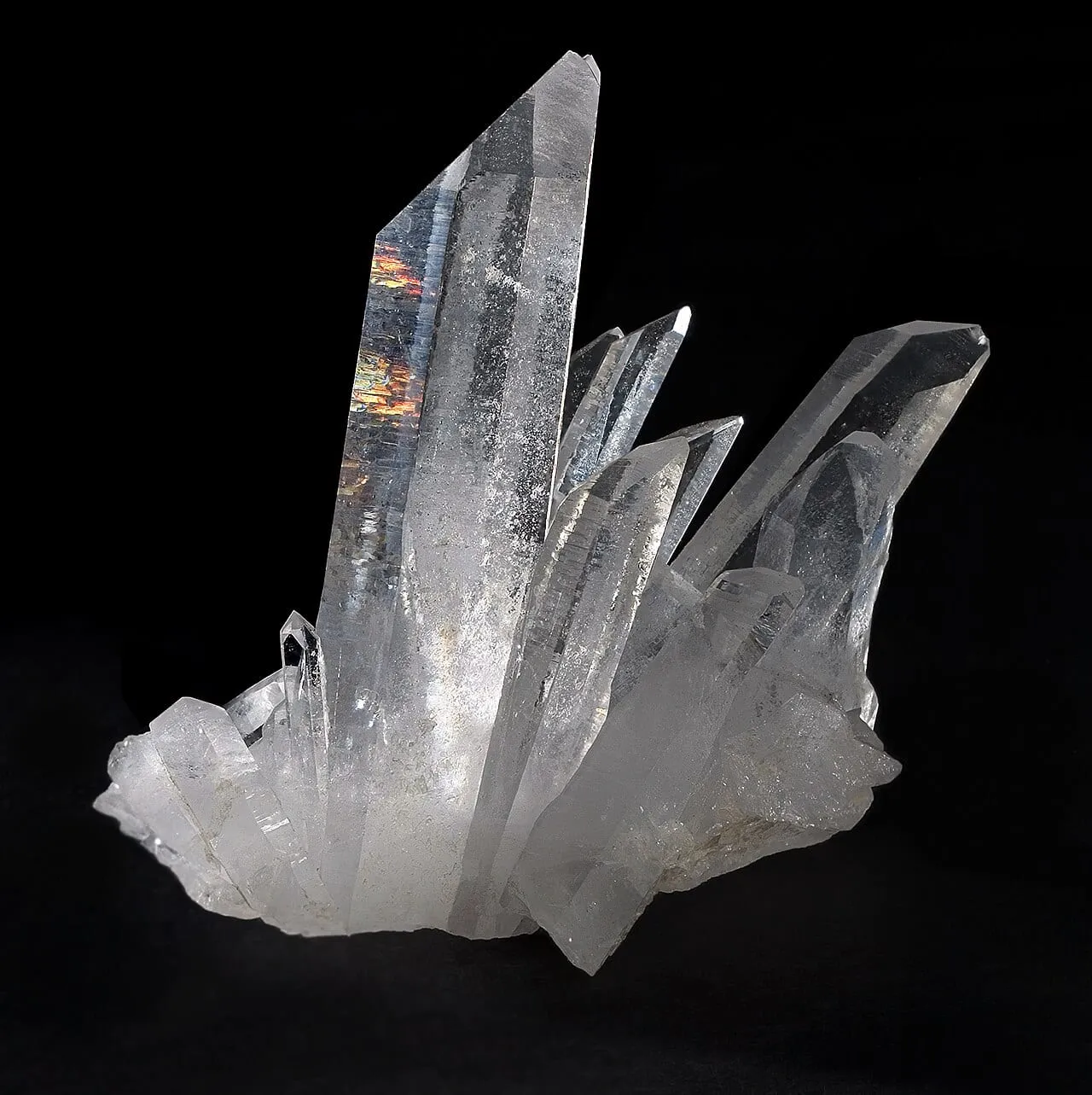
  • Since the Middle Ages people have believed that the future can be seen by gazing into spheres of rock crystal (crystal gazing).
  • Today, stone sellers and crystal therapy sources claim that clear quartz cleanses “negative energy” from homes and people, clears the mind and sharpens focus.
  • The same sources say crystals must be “purified” by leaving them in moonlight or in salt water.

What science says There is no scientific evidence that rock crystal cleanses energy, strengthens the mind or reveals the future. Piezoelectricity, a real physical property of quartz, produces only tiny amounts of electricity when a crystal is squeezed and has no effect on the human body. Soaking crystals in salt water can damage some soft or water-sensitive minerals.

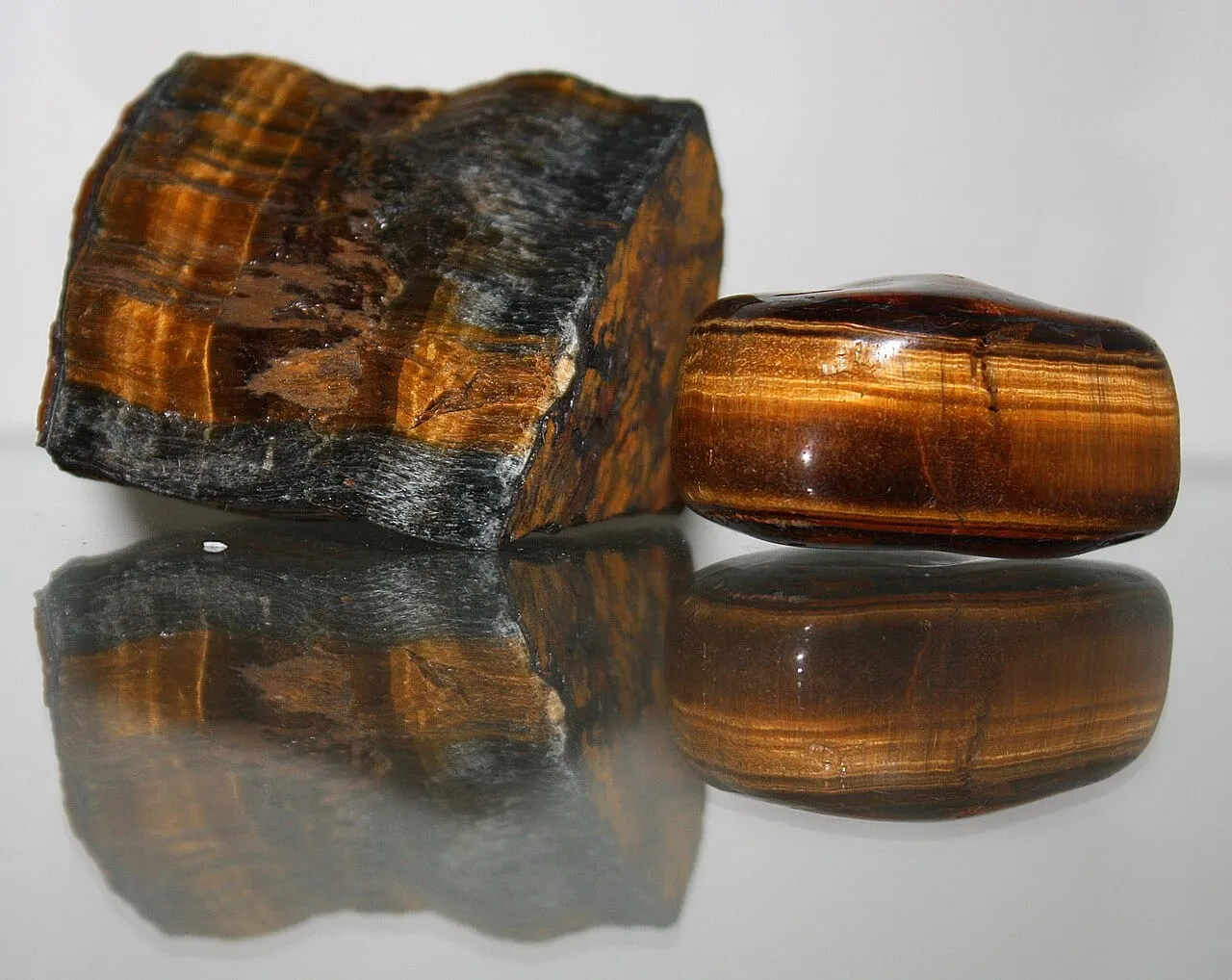
Tiger's eye

  • Because its band of light resembles an eye, tiger's eye, like other cat's-eye stones, is believed to protect against the evil eye.
  • Today crystal healing practitioners claim that tiger's eye gives self-confidence and courage and strengthens determination.
  • In Türkiye, stone sellers and crystal-therapy websites claim that tiger's eye improves focus, makes decisions easier and acts as a shield against negative energies.
  • The same sources say that tiger's eye helps headaches, migraines and stomach and digestive problems, and prevents children’s nightmares.

What science says The eye-like shimmer of tiger's eye is a physical effect caused by parallel fibres reflecting light; there is no evidence that the stone has any protective power. Rough tiger's eye contains asbestos fibres, so it should not be cut or sanded at home. The stone has not been shown to relieve headaches, migraines or digestive problems; lasting complaints call for a doctor.

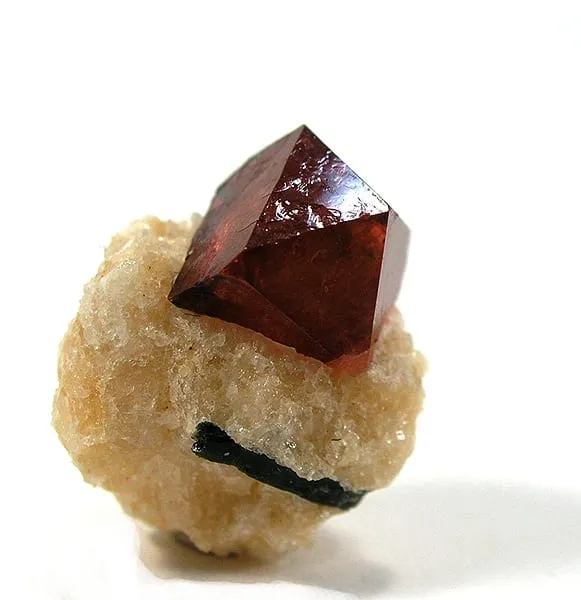
Zircon

  • In medieval Europe, the yellowish-red stone called “jacinth” (hyacinth), an old name for zircon, was believed to protect travellers against the plague and injury and to ensure them a warm welcome at the inns they visited.
  • The same stone was also believed to protect its wearer from lightning and to bring sleep; in the 16th century the Italian physician Gerolamo Cardano wrote that the jacinth he wore “seemed to dispose somewhat to sleep”.
  • According to medieval accounts quoted by Kunz, the jacinth increased its owner’s riches and gave him prudence in conducting his affairs; it was also believed to grow pale and dull if its wearer or anyone near him fell ill with the plague.

What science says The names “jacinth” and “hyacinth” in old texts do not always mean zircon; they were also used for other stones such as sapphire and garnet. There is no evidence that zircon protects against lightning, epidemics or sleeplessness, or brings riches or prudence.

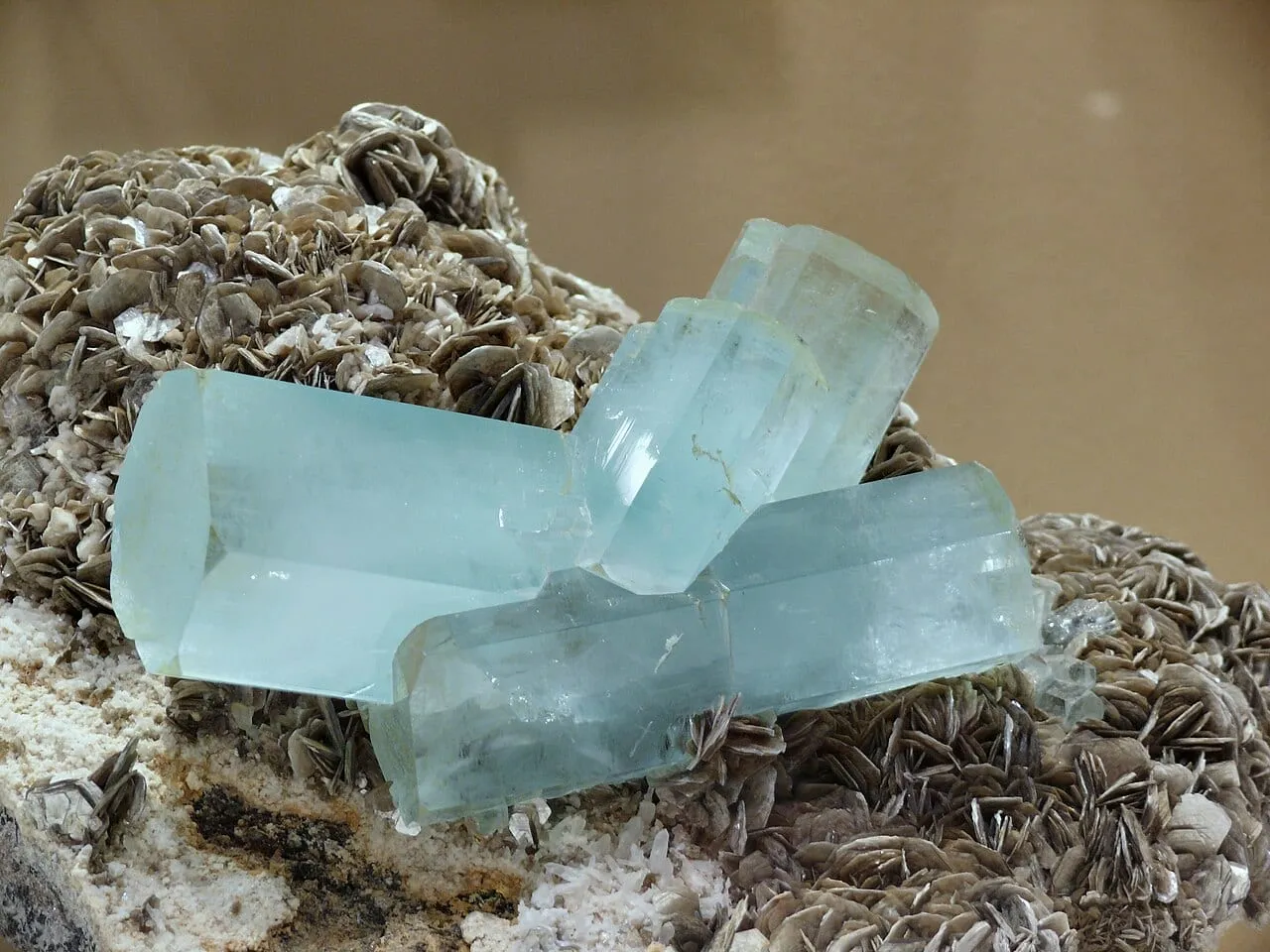
Aquamarine

  • A Greek lapidary thought to date from the 3rd or 4th century AD records the belief that a sea-green beryl (most likely aquamarine), set in one of the amulets worn by sailors, banished fear.
  • Today crystal-therapy practitioners claim that aquamarine is calming and makes it easier to express oneself.
  • In Türkiye, crystal-therapy sites and some news sites say that aquamarine is in tune with the throat chakra and helps with thyroid problems and sore throats.
  • The same sources treat aquamarine as a symbol of fidelity and trust in relationships and recommend it as an engagement or anniversary gift for a happy marriage.

What science says These beliefs draw largely on the stone’s seawater colour and its name; there is no scientific evidence that aquamarine reduces fear or anxiety, helps with throat or thyroid complaints or strengthens a chakra; a doctor should be consulted if a sore throat or thyroid symptoms persist. Its role as a symbol of fidelity comes from the tradition of giving gifts, not from the stone.

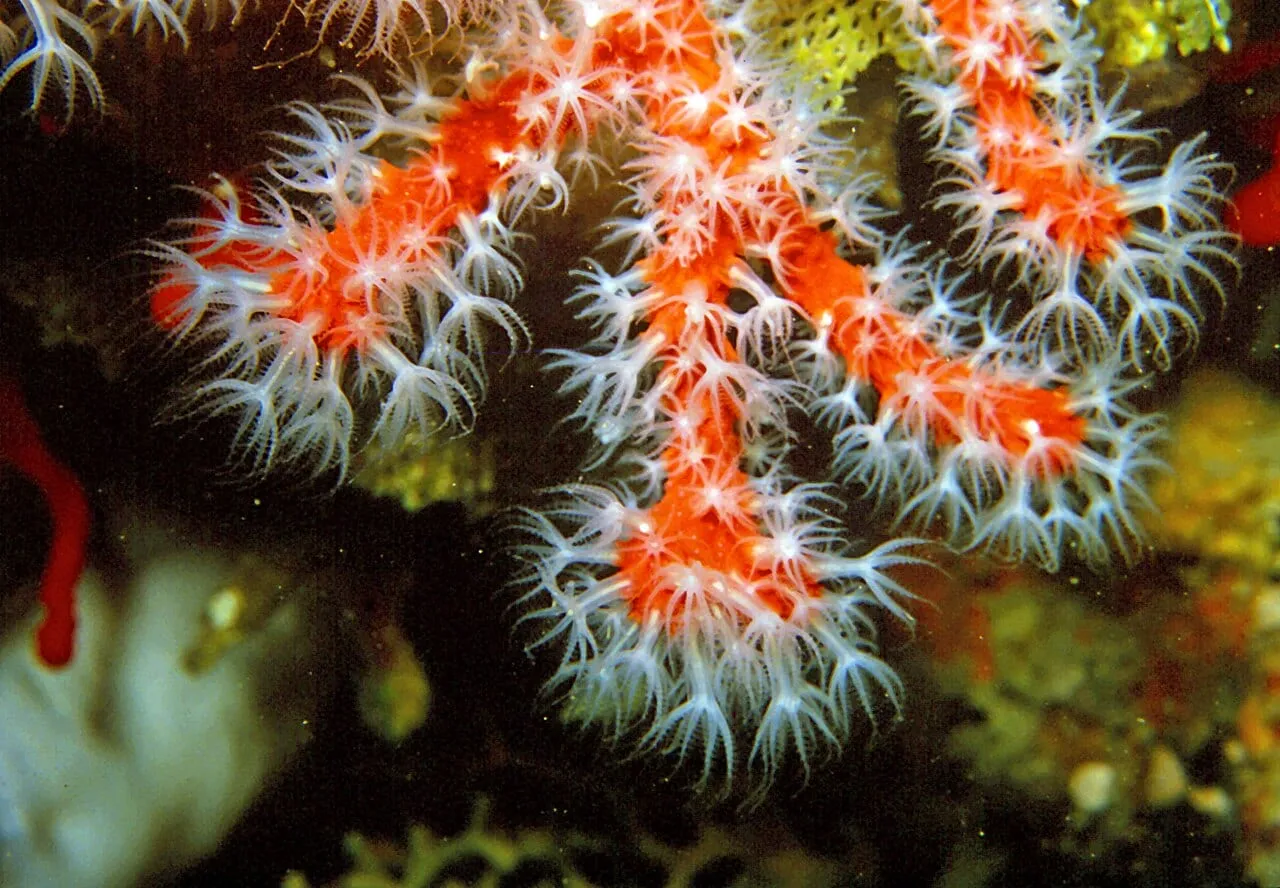
Coral

  • In ancient Rome, branches of coral hung around children’s necks were believed to protect them from dangers from outside.
  • In Italy, red coral is believed to protect against the evil eye and spells; for this it was thought that the coral should be unworked and worn where it would be clearly seen.
  • In medieval and Renaissance Europe, red coral was believed to turn pale when its wearer fell ill or was about to.
  • Some news and stone-selling websites in Türkiye claim that coral eases anxiety, strengthens love and communication, activates life energy and protects against bad energy.

What science says Coral does not change colour with the wearer’s health; its red and pink colours come from carotenoid pigments in the skeleton. Being calcite, coral can lose its polish through contact with acids and cosmetics, and there is no scientific evidence that it protects against the evil eye or danger, eases anxiety or boosts love and energy.

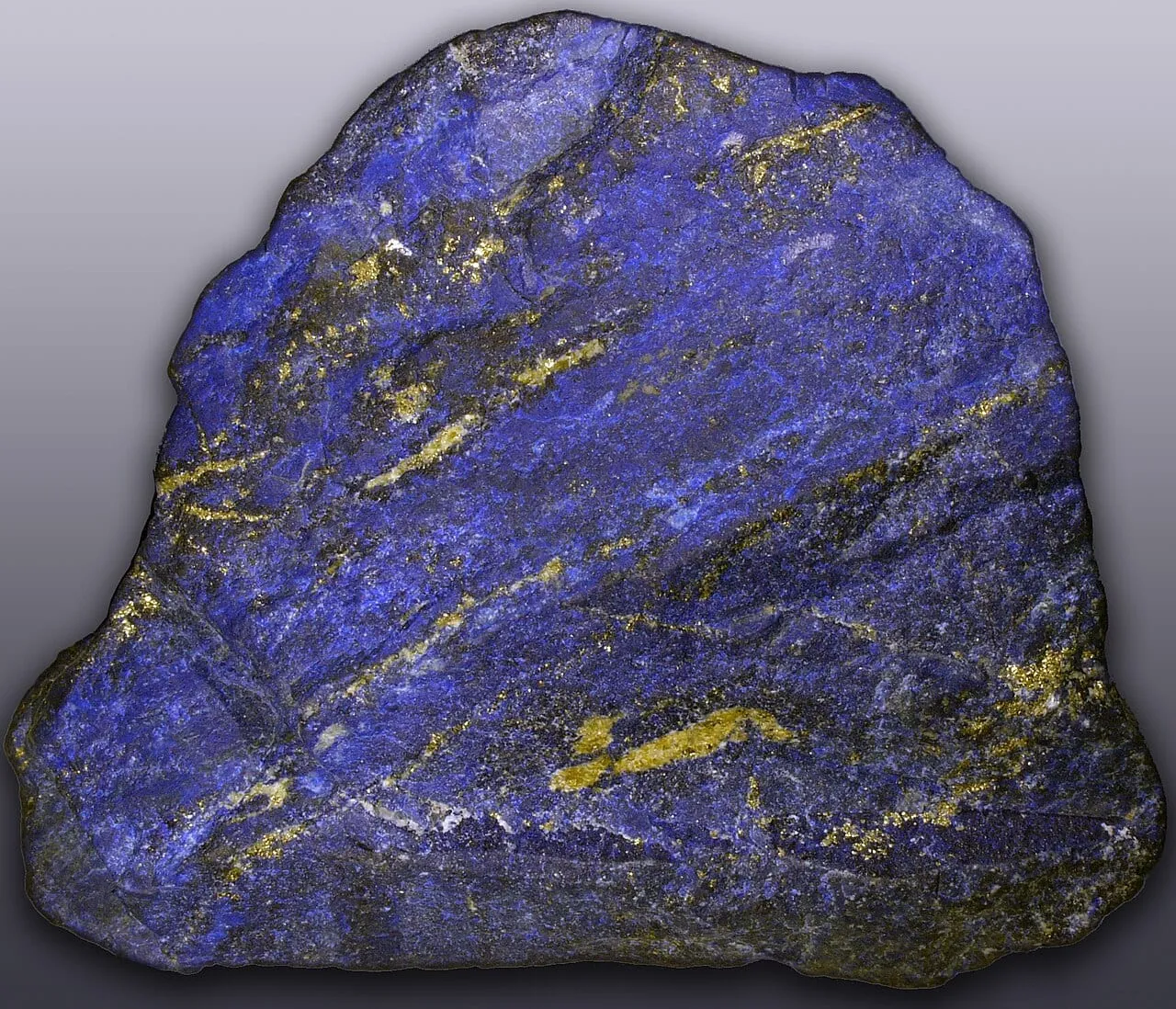
Lapis lazuli

  • In ancient Egypt, amulets believed to protect the heart were made of lapis lazuli and engraved with particular chapters of the Book of the Dead; lapis amulets in the form of an eye, decorated with gold, were also thought to be very powerful.
  • Old books on stones held that lapis cured melancholy and fevers that returned every few days.
  • Modern crystal-therapy sources claim that lapis is linked to the “throat chakra” and strengthens communication and wisdom.
  • In Türkiye, some lifestyle websites and crystal-therapy sources claim that lapis lazuli strengthens memory and brings mental clarity for better decisions.
  • The same sources say lapis reduces stress, boosts self-confidence, helps kidney and bone pain and, when carried against the skin, helps anxiety-related insomnia.

What science says There is no scientific evidence that lapis has any effect on melancholy, fevers, communication, memory, kidney and bone pain, stress or insomnia. Lasting anxiety or sleeplessness is a medical problem; do not put off seeing a doctor because of a stone. Because some lapis on the market is dyed, the dye can leach out when the stone is left in water; do not make “gem water” with it, and do not put the stone or its powder in your mouth.

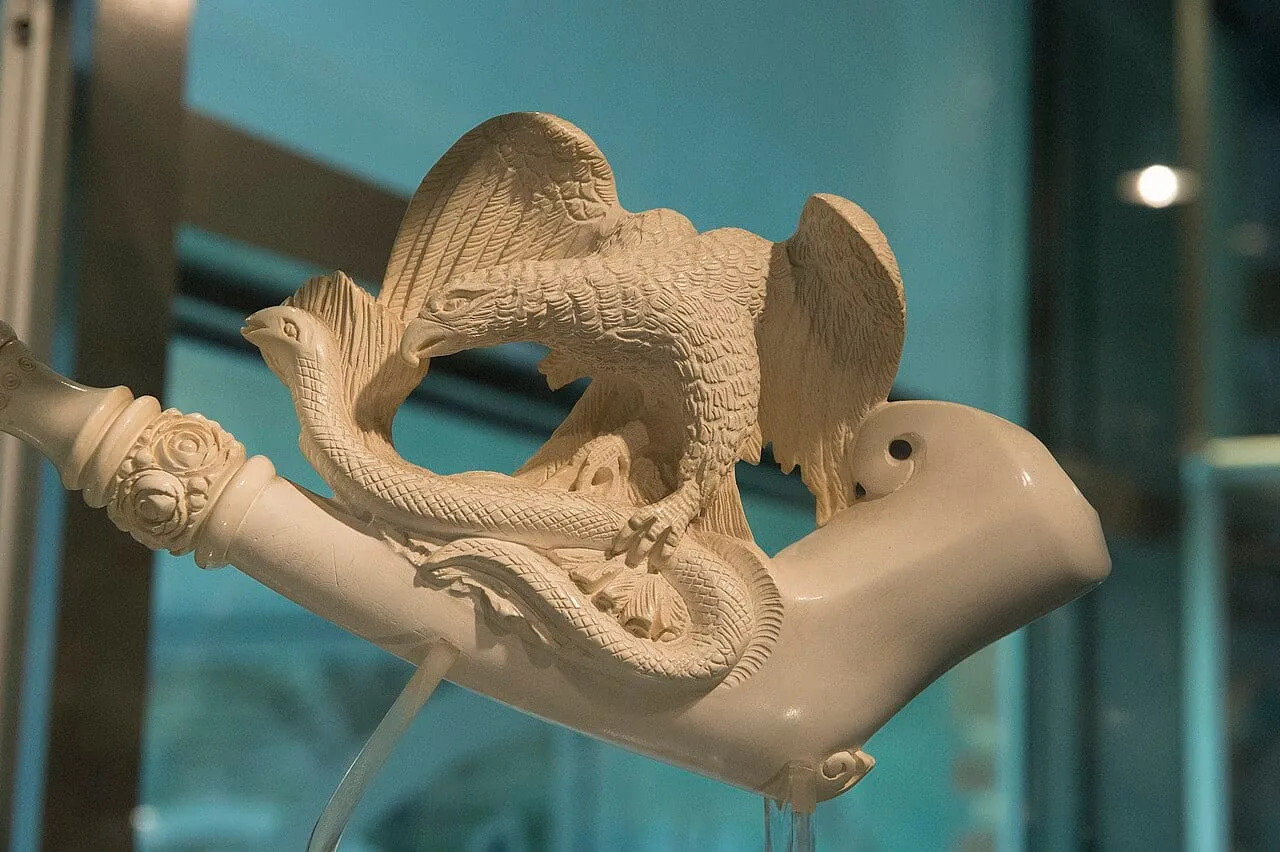
Meerschaum

  • Some meerschaum craftsmen in Eskişehir say that meerschaum powder stirred into tea or water, or eaten, helps stomach complaints and headaches.
  • Some meerschaum craftsmen claim that the stone “absorbs” toxins, radiation and the heavy metals of exhaust and cigarette smoke, and strengthens immunity and memory.

What science says No study supports these claims, and neither the benefit nor the safety of drinking or eating meerschaum powder has been shown. Eating clay and soil, on the other hand, is known to carry risks such as heavy metals like lead and arsenic, and parasites. The stone's porous structure soaks up moisture and nicotine, which makes it a good pipe material, but that does not mean it “purifies” the body.

Oltu stone

  • In Türkiye, people who tell Oltu stone prayer beads are believed to discharge the static electricity built up in their bodies and so get rid of stress.
  • In Roman times jet was used in amulets and pendants believed to protect against the evil eye.
  • The Roman writer Pliny wrote that the smoke of burning jet drove snakes away.
  • In Türkiye, stone sellers and some lifestyle websites say that Oltu stone reduces stress and anger, eases symptoms of depression, gives confidence and courage, and helps forgetfulness.
  • The same sources claim that the stone helps migraine, throat and thyroid complaints and hair loss, and acts as an “antiseptic” that prevents infections.

What science says Oltu stone is an electrical insulator, which is exactly why it becomes charged when rubbed; it cannot “draw off” static electricity from the body. If telling prayer beads has a calming effect, it does not depend on what the beads are made of. No study shows that Oltu stone helps depression, migraine, the thyroid or infections either; see a doctor for these.

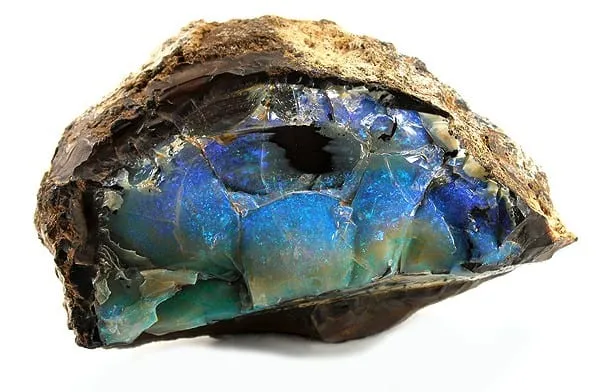
Opal

  • In the Middle Ages opal was believed to cure eye diseases and to make its wearer invisible, which is why it was also called the “patron of thieves”.
  • The ancient Greeks are said to have believed that opal gave its owner the gift of prophecy and guarded them from disease.
  • Modern crystal-therapy sources claim that opal intensifies emotions and boosts creativity.
  • In Türkiye, stone sellers and crystal-therapy websites say that opal helps eyesight, joint pain and kidney complaints, strengthens immunity and flushes heavy metals and poisons out of the body; it is also popularly known there as the “antidote stone”.
  • The same websites claim that opal reduces stress, gives self-confidence and creativity, and instils hope and love.

What science says Opal's colours come from tiny silica spheres diffracting light; there is no evidence that it heals the eyes or protects against disease. Eye complaints call for an eye doctor. The claims that opal helps kidney or joint problems or removes heavy metals and poisons from the body are equally unproven; against real poisoning the stone offers no protection, and medical help must be sought at once. Because some opals absorb water, soaking them to make “gem water” can also damage the stone.

Topaz

  • In the 12th century, Hildegard of Bingen wrote that gently moistening the eyes with a topaz that had been steeped in wine for three days would cure dim vision.
  • In Renaissance Europe people believed that topaz could break magic spells and calm anger.
  • According to GIA, many people in India have long believed that topaz worn above the heart brings long life, beauty and intelligence.
  • In Türkiye, stone sellers and crystal-therapy websites claim that topaz brings luck, plenty and money and strengthens creativity and self-expression.
  • The same sources also say that blue topaz opens the throat chakra, reduces stress and regulates digestion and metabolism.

What science says In old texts the name “topaz” often referred not to today's topaz but to greenish peridot or other yellow stones, so it is unclear which stone these beliefs even belong to. Never put stones, or a liquid a stone has soaked in, on the eyes; anyone with vision problems should see an eye doctor. Topaz has not been shown to bring luck or money or to regulate digestion and metabolism, and it is worth remembering that the colour of most blue topaz on the market is produced by irradiation and heat treatment.

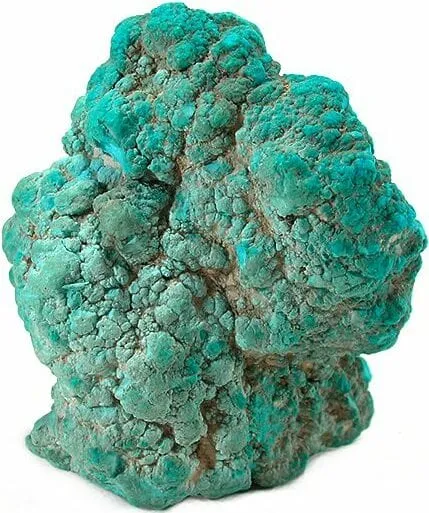
Turquoise

  • In 13th-century European lapidaries, turquoise was believed to protect its wearer from injury in falls, especially from horseback; the Turks are said to have attached these stones to their horses’ bridles.
  • In Anatolia and the Middle East, turquoise is believed to protect against the evil eye, which is why it is worn in rings, earrings and amulets.
  • For a long time Europeans believed that turquoise lost its colour when its owner fell ill or was about to meet misfortune.
  • Today crystal healing practitioners claim that turquoise is protective and strengthens communication.
  • In Türkiye, stone sellers and crystal-therapy websites claim that turquoise brings luck, drives away negative energy, speeds up blood flow and protects against heart disease.

What science says The colour of turquoise changes not with its owner's health or fate but with the sweat, oils and cosmetics that seep into its porous structure, which is why its blue can turn green over time. There is no scientific evidence that the stone has any protective power; nor has turquoise been shown to speed up blood flow or protect against heart disease, and a doctor’s advice should be followed for heart health.

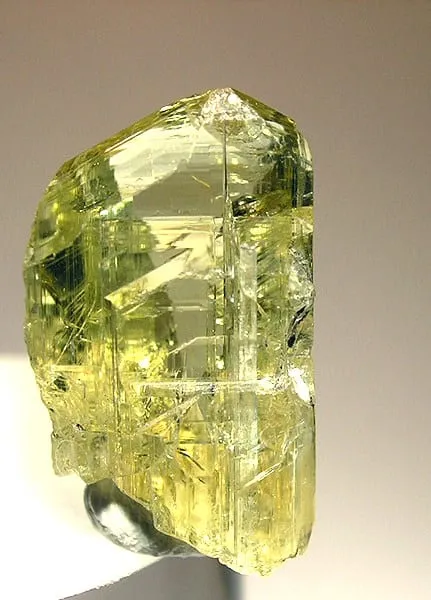
Diaspore

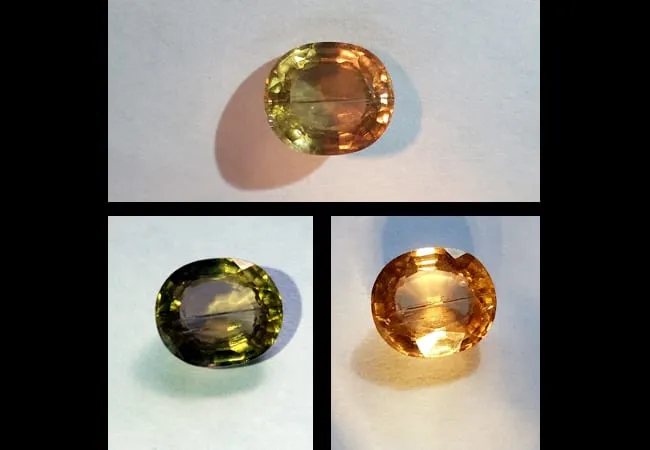
  • In Türkiye, some sellers and websites claim that sultanit relieves muscle tension and pain, clears the mind, eases anxiety and drives away negative energy.

What science says Sultanit’s colour change is a physical effect, caused by the stone transmitting the colours of different light sources in different proportions, and there is no scientific evidence that it affects pain, anxiety or thinking. Moreover, some stones sold as “sultanit” are colour-change glass or synthetic material.

Tanzanite

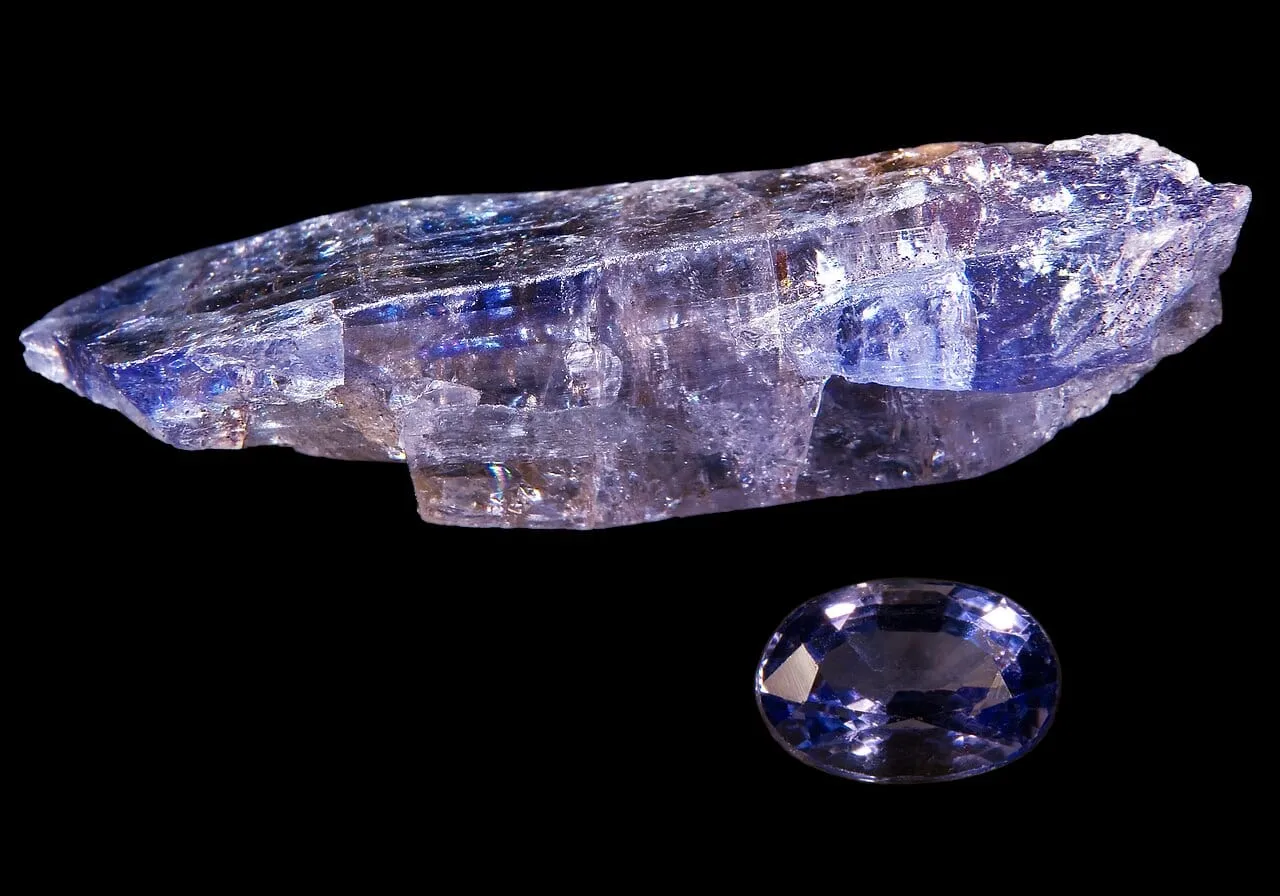
  • Today crystal healing practitioners claim that tanzanite strengthens intuition and raises “spiritual awareness”.
  • Crystal-therapy websites claim that tanzanite opens the throat, third-eye and crown chakras, makes communication easier and helps overcome fear.
  • Crystal-therapy websites also claim that tanzanite strengthens the immune system, “purifies” the blood and eases migraines and stress.

What science says Tanzanite was only found in 1967, so it has no traditional lore; all these claims are recent and none has any scientific basis. It is also worth remembering that the colour of most stones on the market is produced by heat treatment. Tanzanite does not strengthen immunity, purify the blood or treat migraines; recurring headaches call for a doctor.

Sapphire

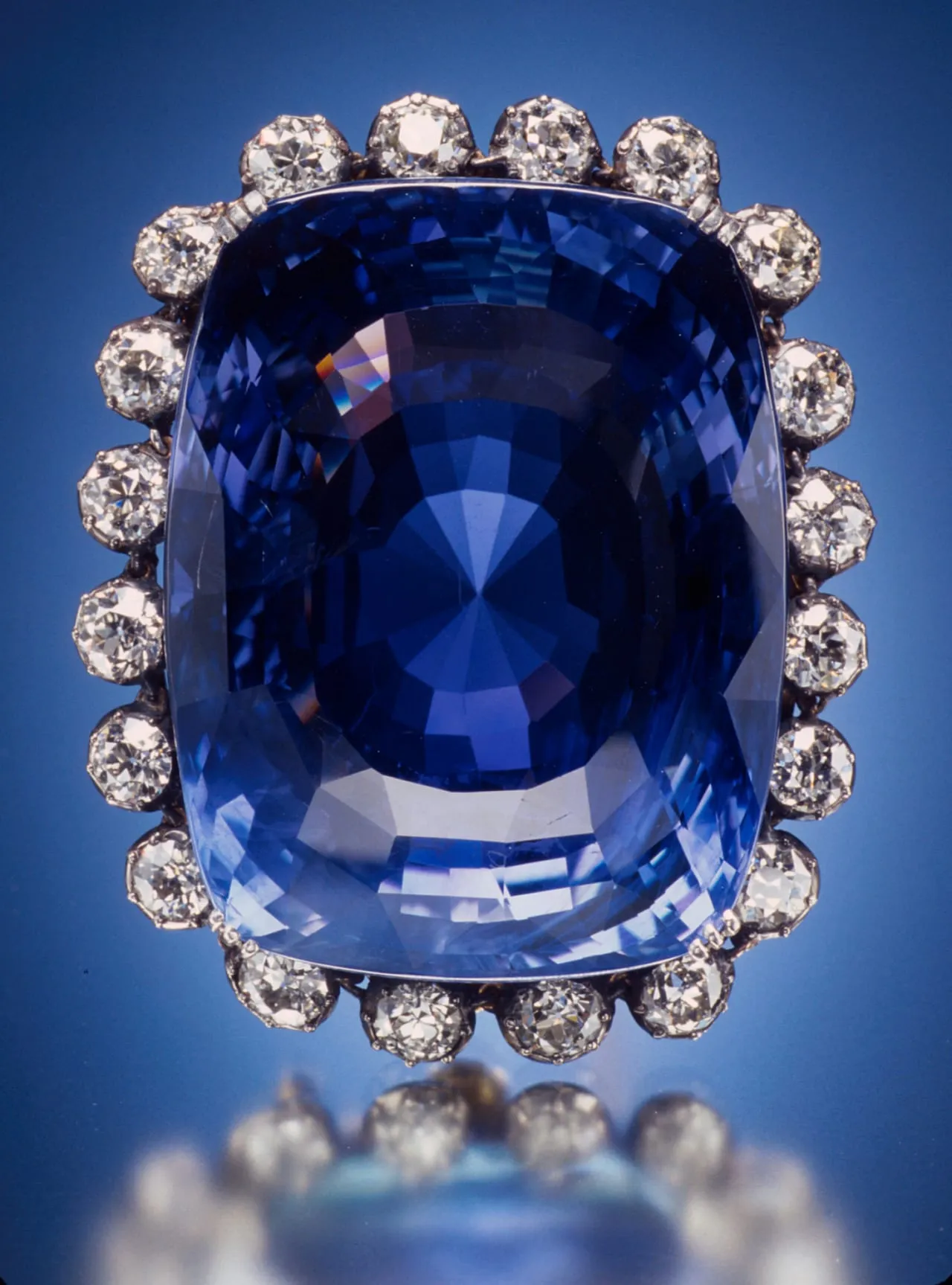
  • According to the ancient writer Damigeron, kings wore sapphire around their necks in the belief that it guarded them from harm and envy and won them divine favour.
  • In the Middle Ages sapphire was believed to neutralise poison, cleanse the eyes and protect the sight.
  • In Hindu astrology blue sapphire is the stone of Saturn; because it is believed to bring great fortune to some and disaster to others, people are advised to wear it on trial for a few days first.
  • In Turkey, stone sellers and crystal-therapy websites claim that sapphire calms the mind, sharpens focus and wisdom and helps with insomnia.

What science says There is no scientific evidence that sapphire neutralises poison or improves eyesight; corundum is extremely resistant chemically and releases nothing into water or the body. Eye complaints call for an eye doctor. No study shows that sapphire calms the mind, improves focus or cures insomnia either; lasting insomnia calls for a doctor.

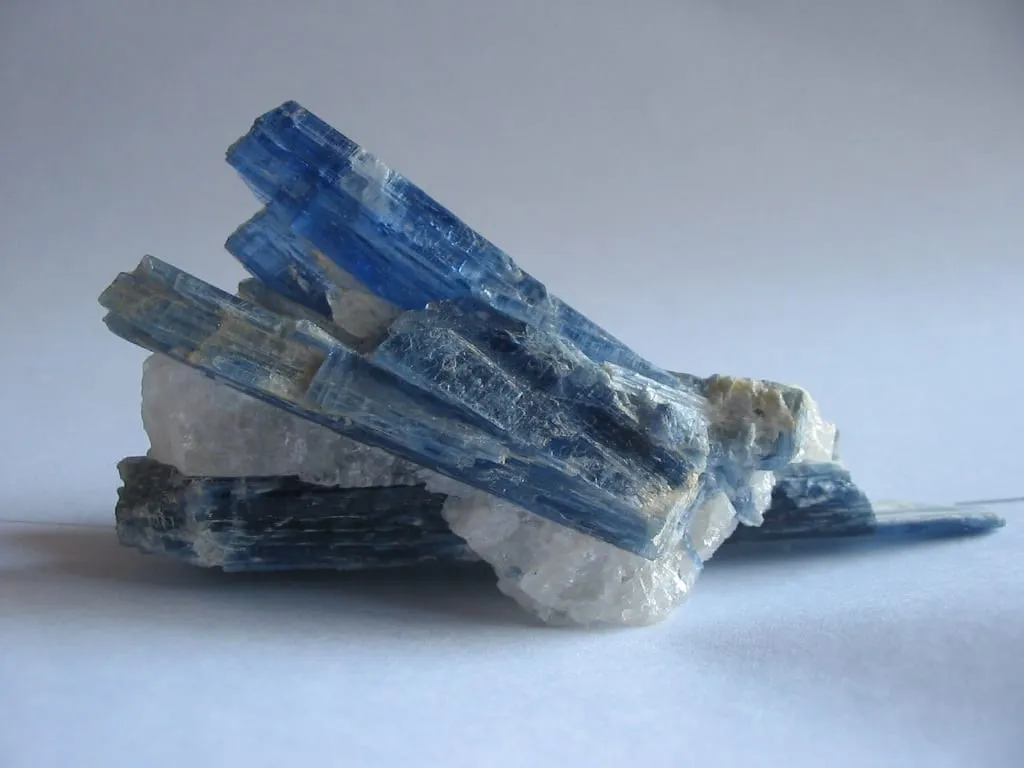
Kyanite

  • Modern crystal-therapy sources claim that kyanite “aligns the chakras” and, because it “does not hold negative energy”, never needs to be cleansed.
  • In Türkiye, some lifestyle websites and crystal-therapy sources claim that kyanite strengthens communication, makes self-expression easier and clears mental fog for clear thinking, and link this effect to the throat and brow “chakras”.
  • The same sources say kyanite calms emotional turmoil and brings deep focus in meditation.

What science says None of these claims can be measured or tested. Kyanite's genuinely remarkable traits, its direction-dependent hardness, its use as a marker of high-pressure rock formation and its conversion to mullite when heated, are all physical and chemical properties.

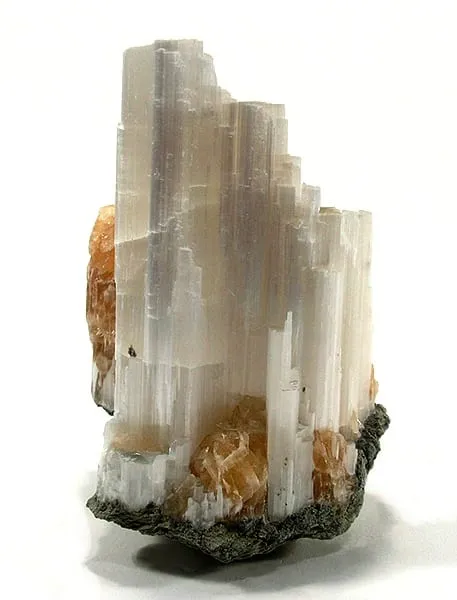
Ulexite

  • Today crystal healing practitioners claim that this stone, which lifts writing to its surface, strengthens intuition and “insight” and brings clarity of vision.

What science says The way ulexite carries an image to its surface is a purely physical effect: its parallel fibres conduct light like fibre-optic cables, and it has nothing to do with thought or intuition. Because ulexite dissolves slightly in water, do not soak it in water or drink such water; boron compounds are harmful in large amounts.

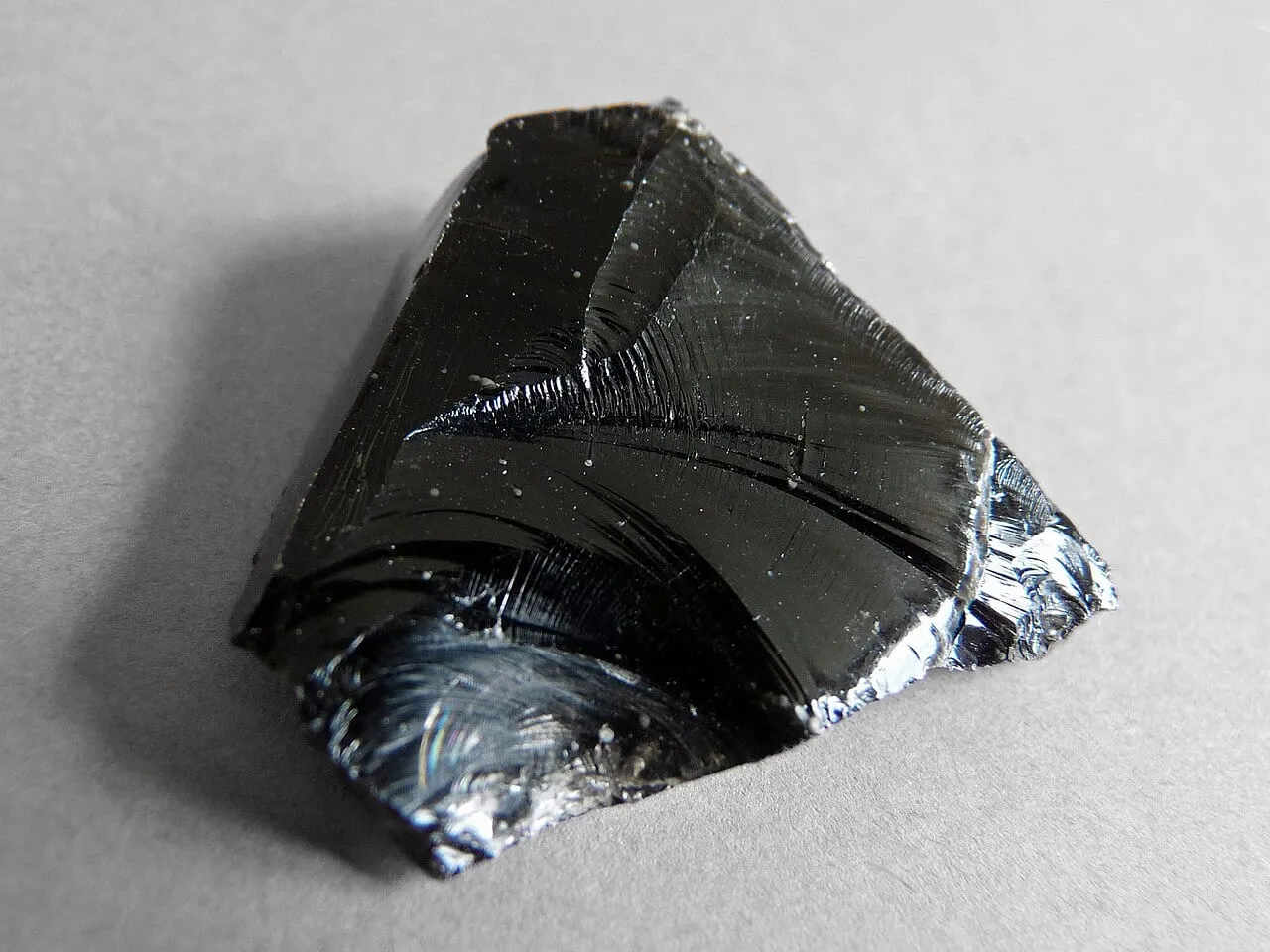
Obsidian

  • The Aztecs believed that polished obsidian mirrors showed visions and foretold the future; such mirrors were associated with Tezcatlipoca, god of sorcery, whose name means “Smoking Mirror”.
  • The 16th-century English scholar John Dee is said to have used an obsidian mirror brought to Europe from Mexico to communicate with spirits.
  • Modern crystal-therapy sources claim that obsidian shields people from negative energy and “absorbs” it.
  • In Türkiye, some lifestyle websites present obsidian as a “powerful protection stone”, saying it forms a shield against negative energy and clears the mind when making decisions.

What science says Staring into a dark, shiny surface for a long time can make the brain see images of its own making; there is no evidence that an obsidian mirror shows the future or that the stone protects anyone. The edges of raw or broken obsidian are razor-sharp, so such pieces should not be rubbed over the skin.